
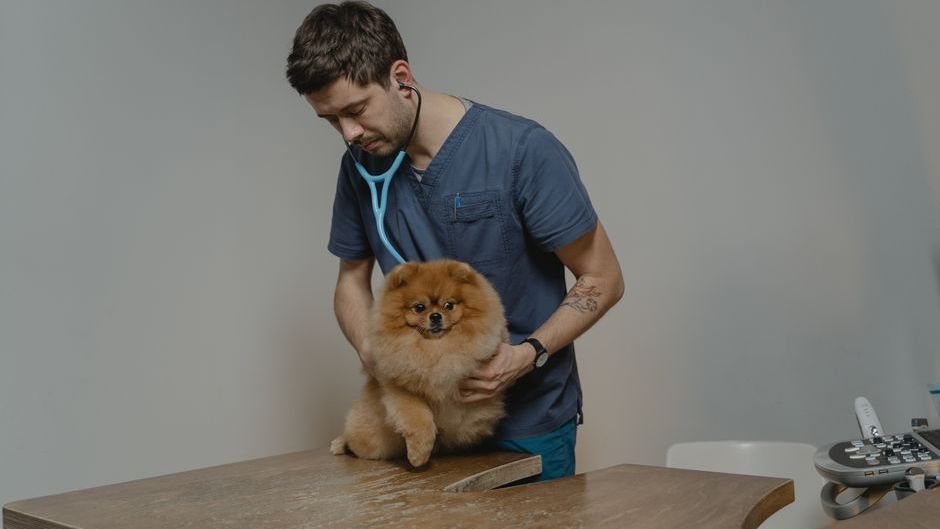
Dogs have an uncanny way of picking up on the smallest cues around the house. A particular jingle of keys or the rustle of a familiar bag can shift their entire mood in seconds. What starts as an ordinary day quickly turns into something else entirely once they connect the dots.
Owners often notice these shifts in real time, and the reactions range from subtle withdrawal to outright panic. These moments reveal how deeply dogs read their surroundings and how much they associate certain routines with discomfort. Watching them process the realization can feel surprisingly heavy.
The Sudden Freeze at the Sight of the Carrier
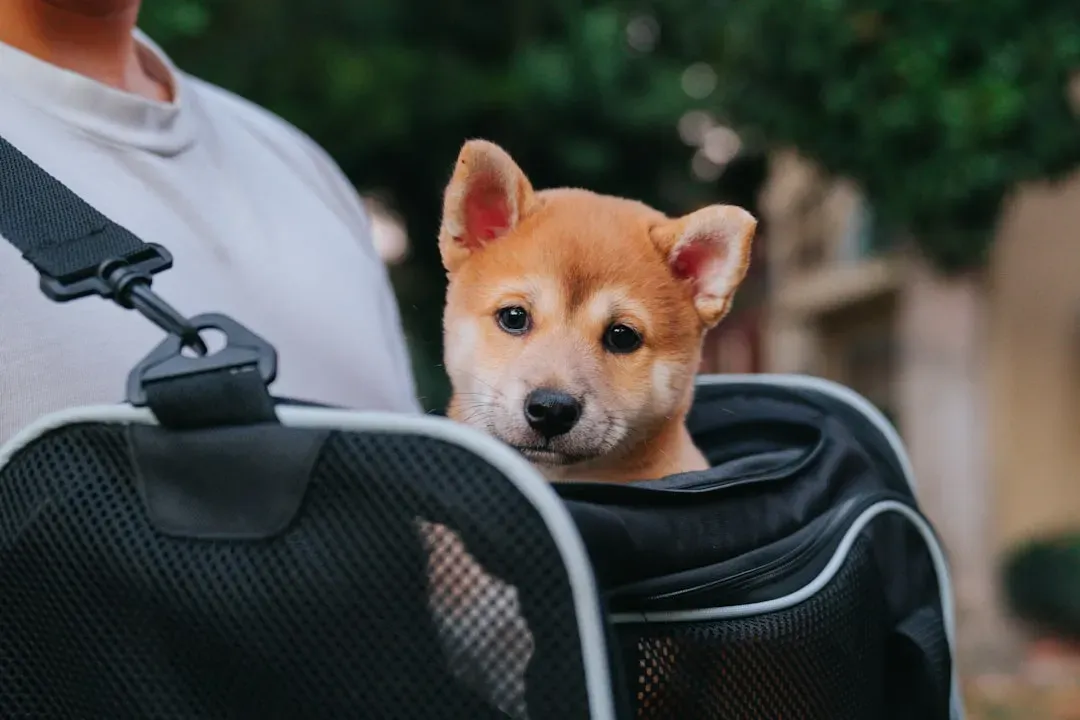
Many dogs halt mid step the moment the carrier comes into view from the closet. Their bodies go rigid as if they have just solved a puzzle they wish they had not. The playful energy from moments earlier drains away without warning.
Owners describe how the dog will stand perfectly still, eyes locked on the object that signals the upcoming trip. Some will even back away slowly while keeping their gaze fixed. This initial pause often marks the start of a longer chain of uneasy behaviors that follow.
The Quiet Whine That Builds in the Car

Once settled in the vehicle some dogs begin a low steady whine that grows louder with each passing mile. The sound carries a mix of confusion and dread rather than simple complaint. It fills the small space and makes the drive feel longer than it really is.
Handlers report that the whining rarely stops until the destination appears. The dog may shift positions constantly yet never settle into comfort. That persistent vocalization serves as a clear signal of mounting anxiety tied directly to the familiar route.
The Attempt to Hide Behind Furniture
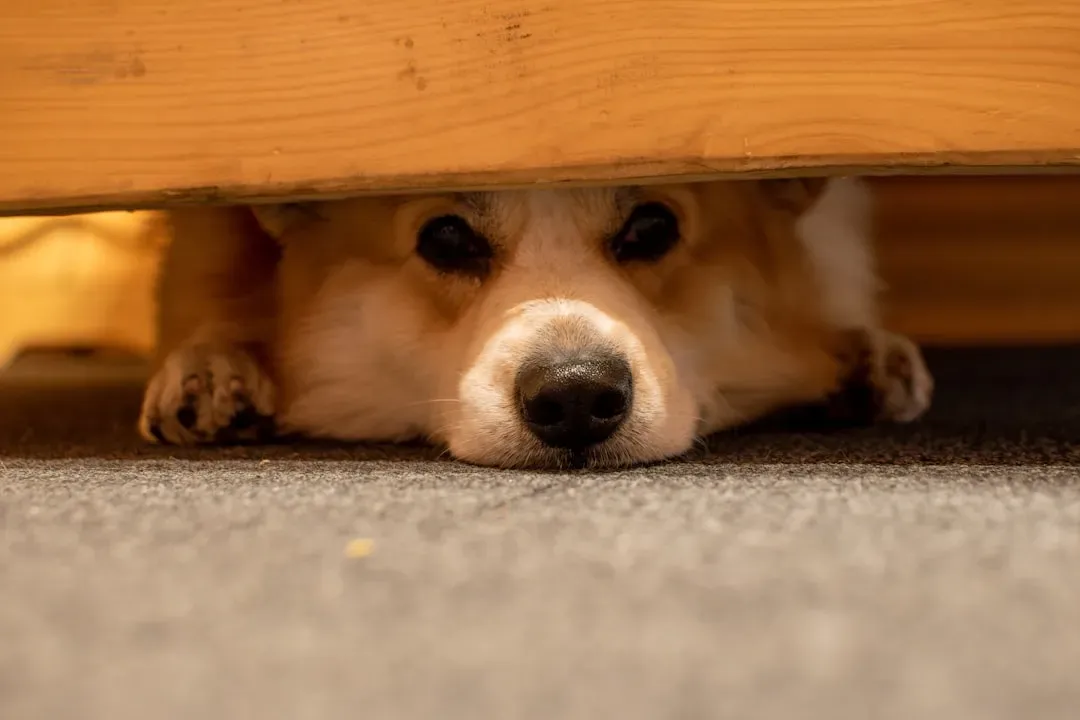
A common reaction involves the dog darting behind a couch or under a bed the second the word vet enters the conversation. They wedge themselves into tight spots hoping to become invisible. The effort shows both determination and a clear understanding of what lies ahead.
Owners sometimes spend several minutes coaxing the dog out with treats or gentle words. Even then the dog moves reluctantly and keeps checking over its shoulder. This hiding instinct highlights how strongly the association has formed over repeated visits.
The Heavy Panting That Starts Too Early
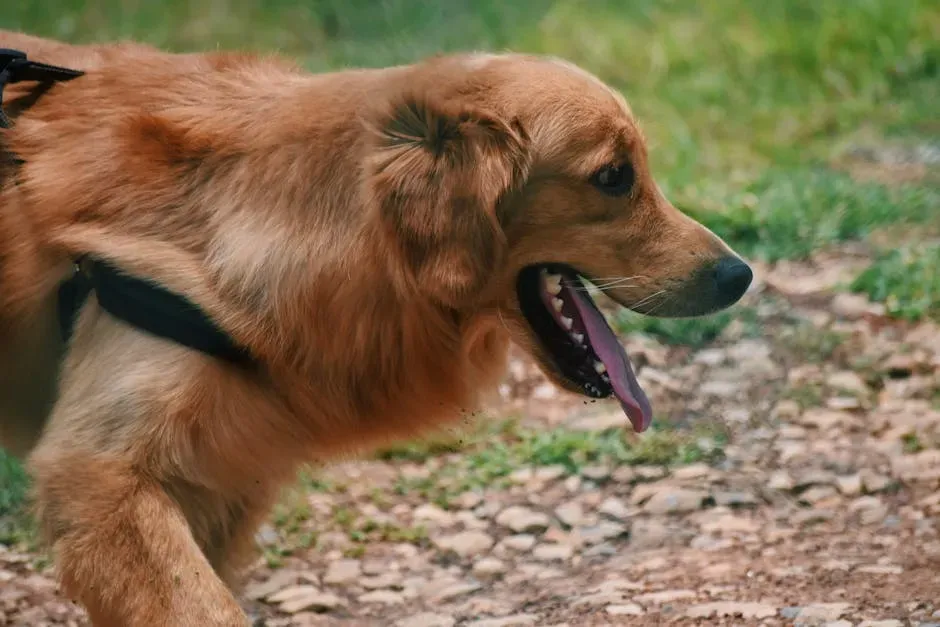
Panting begins well before any physical exertion when a dog senses the upcoming appointment. The rapid breaths come with wide eyes and a tense posture that does not match the calm setting at home. It serves as an early warning that stress hormones are already rising.
The pattern often continues through the entire preparation phase including putting on the leash. Owners note that offering water does little to slow the pace of breathing. This physical response underscores how the anticipation alone can trigger a full stress reaction.
The Sad Eyes That Avoid Contact
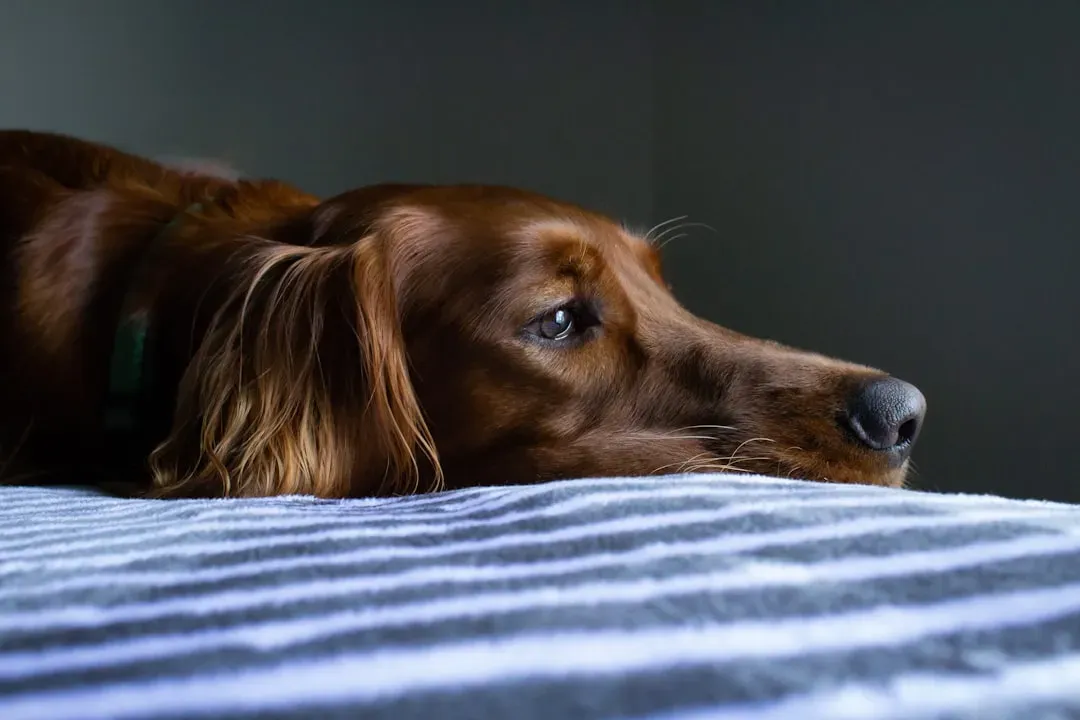
Some dogs turn their heads away or stare at the floor once they realize the destination. The usual bright eye contact disappears and gets replaced by a downcast expression that owners find difficult to ignore. It feels like a quiet form of protest or resignation.
Handlers mention that gentle pets or reassuring tones receive only minimal response during these moments. The dog seems to withdraw inward while still following along. Those averted eyes communicate a level of disappointment that lingers even after the visit ends.
The Refusal to Enter the Exam Room
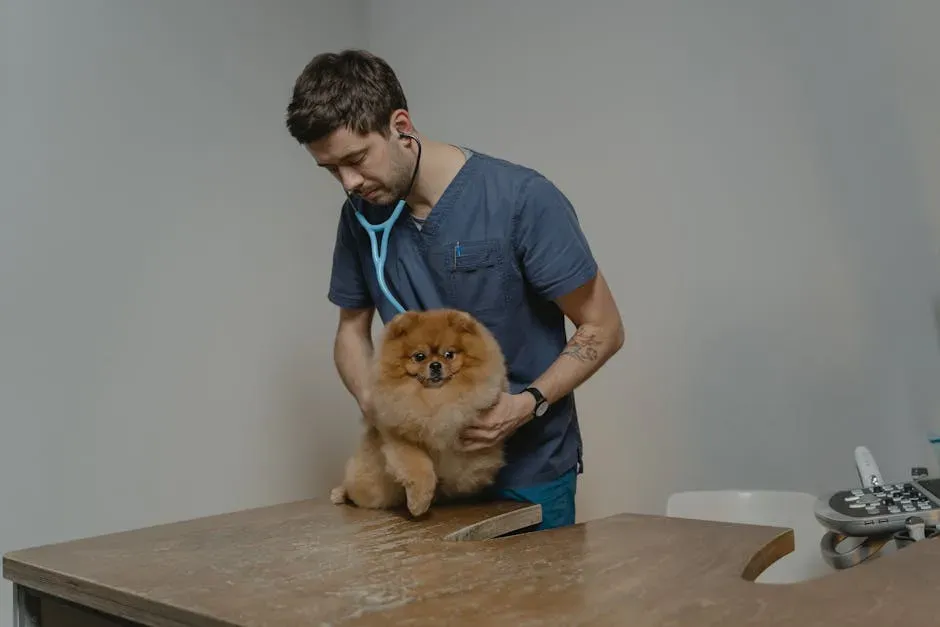
At the clinic itself many dogs plant their feet firmly at the threshold of the exam room. They resist forward movement with surprising strength for their size. The standoff can last several minutes while staff and owners negotiate gently.
This final barrier often comes after a relatively calm walk through the waiting area. The sudden halt shows that the dog distinguishes between the outer office and the inner space where procedures happen. Patience and treats usually help ease them across but the reluctance remains visible.
The Trembling That Sets In During the Wait
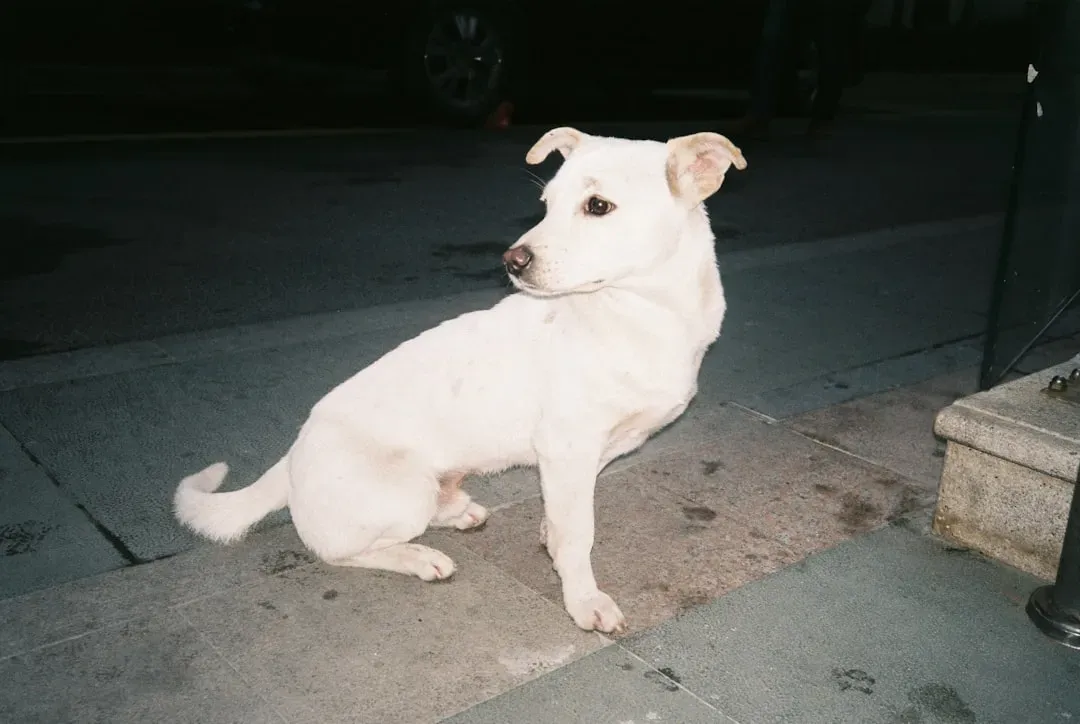
While sitting in the lobby some dogs begin to shake despite comfortable temperatures. The tremors start small in the shoulders and spread until the whole body quivers. Owners often wrap an arm around them in an attempt to offer reassurance.
The shaking tends to intensify as other animals come and go from nearby rooms. It reflects a buildup of nervous energy with no outlet. Even familiar voices from family members provide only partial relief during this stretch.
The Relief Mixed With Lingering Wariness on the Way Home
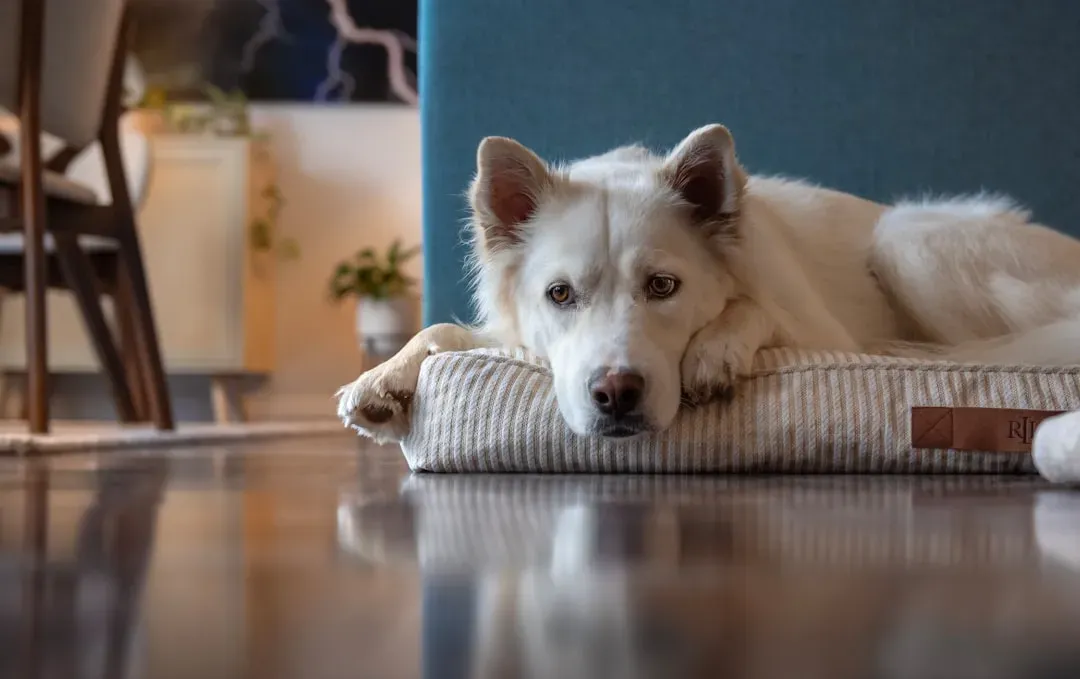
After the appointment ends the ride home sometimes brings a cautious tail wag or two. Yet many dogs still glance nervously at passing landmarks as if expecting another stop. The relief feels incomplete and tinged with the memory of what just occurred.
Owners observe that the dog may sleep deeply once back inside the house but wakes easily at small sounds. The experience does not vanish immediately and can color the next few days of behavior. Over time these layered reactions become part of the routine both dog and owner learn to navigate.
These eight moments capture how dogs process dread in their own quiet language. They remind us that routine care carries emotional weight for the animals we love. Small adjustments like familiar blankets or extra praise can soften the edges without changing the necessity of the visit. In the end the bond between owner and dog grows stronger when both sides acknowledge the difficulty and move through it together.


