

Imagine your once lively and affectionate dog now retreating to a quiet corner, avoiding interaction, and showing little interest in activities they once loved. This heart-wrenching shift isn’t just a sign of aging; it could indicate that your beloved companion is losing their will to live. Recognizing this behavior change is crucial in providing the care and comfort they need during their final days.
Withdrawal from Social Interaction

One of the most telling signs that a dog is nearing the end of their life is a noticeable withdrawal from social interactions. Dogs are inherently social creatures, often seeking companionship and affection from their human families. When a dog begins to isolate themselves, avoiding contact and preferring solitude, it’s a significant behavioral shift that shouldn’t be overlooked.
This withdrawal can manifest in various ways. Your dog might choose to stay in a secluded area of the house, show disinterest when you call them, or avoid eye contact. They may no longer greet you at the door or follow you around as they once did. This change often indicates that your dog is experiencing discomfort or pain, leading them to seek isolation as a coping mechanism.
Loss of Interest in Favorite Activities

Another poignant sign is a loss of interest in activities that once brought them joy. Whether it’s playing fetch, going for walks, or engaging with their favorite toys, a declining enthusiasm can be a red flag. This disinterest often stems from physical discomfort, fatigue, or a general decline in their health.
For instance, a dog that used to eagerly anticipate their daily walk may now show reluctance or refuse to go altogether. They might ignore their favorite squeaky toy or no longer respond to the rustling of the treat bag. These changes suggest that the effort required for these activities has become too taxing, indicating a significant decline in their well-being.
Decreased Appetite and Thirst

A noticeable decrease in appetite and thirst is a common indicator that a dog is nearing the end of their life. Dogs that once had hearty appetites may begin to eat less or refuse food altogether. Similarly, they may drink less water, leading to dehydration and further health complications.
This decline can result from various factors, including organ failure, nausea, or a general decrease in metabolic function. It’s essential to monitor these changes closely, as they can lead to rapid weight loss and weakness, further diminishing your dog’s quality of life.
Increased Lethargy and Fatigue

As dogs approach the end of their lives, they often exhibit increased lethargy and fatigue. They may sleep more than usual, show little interest in their surroundings, and have difficulty staying awake during activities they once enjoyed.
This profound tiredness is typically due to the body’s declining ability to function properly. Energy levels drop as the body’s systems begin to shut down, making even simple tasks exhausting. Providing a comfortable and quiet environment can help your dog rest peacefully during this time.
Changes in Breathing Patterns

Altered breathing patterns can be a distressing sign that a dog is nearing the end of their life. You might notice labored breathing, irregular rhythms, or periods of rapid breathing followed by slow breaths. These changes often indicate that the body’s systems are failing, and the dog is struggling to maintain normal respiratory function.
Observing your dog’s breathing can provide insight into their comfort levels. If they appear to be in distress, it’s crucial to consult with a veterinarian to discuss palliative care options that can ease their discomfort.
Loss of Bladder and Bowel Control
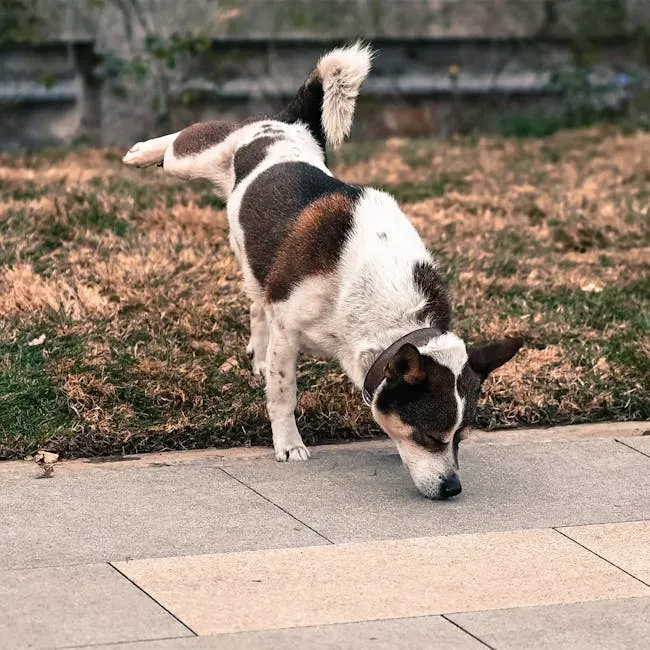
Incontinence, or the loss of bladder and bowel control, is another sign that a dog may be losing their will to live. This can occur due to weakened muscles, neurological decline, or a general decrease in bodily functions.
Managing incontinence requires patience and compassion. Providing easy-to-clean bedding, maintaining a regular schedule for bathroom breaks, and consulting with your veterinarian can help manage this symptom and keep your dog comfortable.
Recognizing the Signs and Providing Comfort

Understanding these behavioral changes is essential in recognizing when your dog may be losing their will to live. Each dog is unique, and the signs may vary, but a combination of withdrawal, loss of interest in activities, decreased appetite, increased lethargy, changes in breathing, and incontinence often indicate that a dog is nearing the end of their life.
Providing comfort during this time involves creating a peaceful environment, offering gentle affection, and consulting with your veterinarian about pain management and end-of-life care options. Your presence and love can make a significant difference in your dog’s final days, ensuring they feel safe and cherished.
As heartbreaking as it is to witness these changes, recognizing them allows you to offer the compassion and care your loyal companion deserves. Have you noticed any of these signs in your dog? How have you provided comfort during this challenging time?


