
The Real Reason Dogs Circle Before Lying Down Has Nothing to Do With Lack of Comfort and Everything to Do With a Wild Survival Instinct Thousands of Years of Domestication Has Not Erased
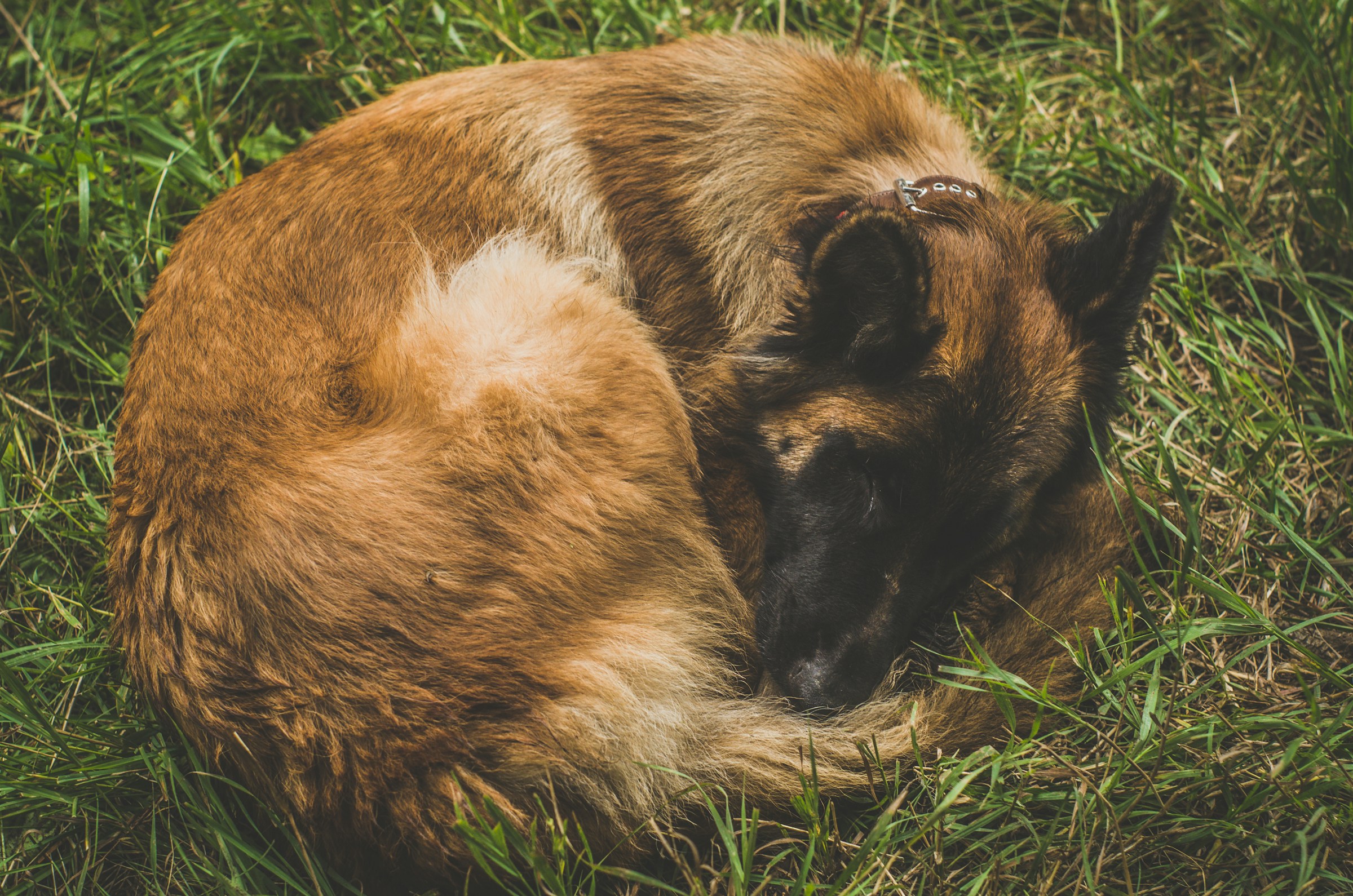
Unveiling the Ancestral Ritual Behind Your Dog’s Bedtime Circles
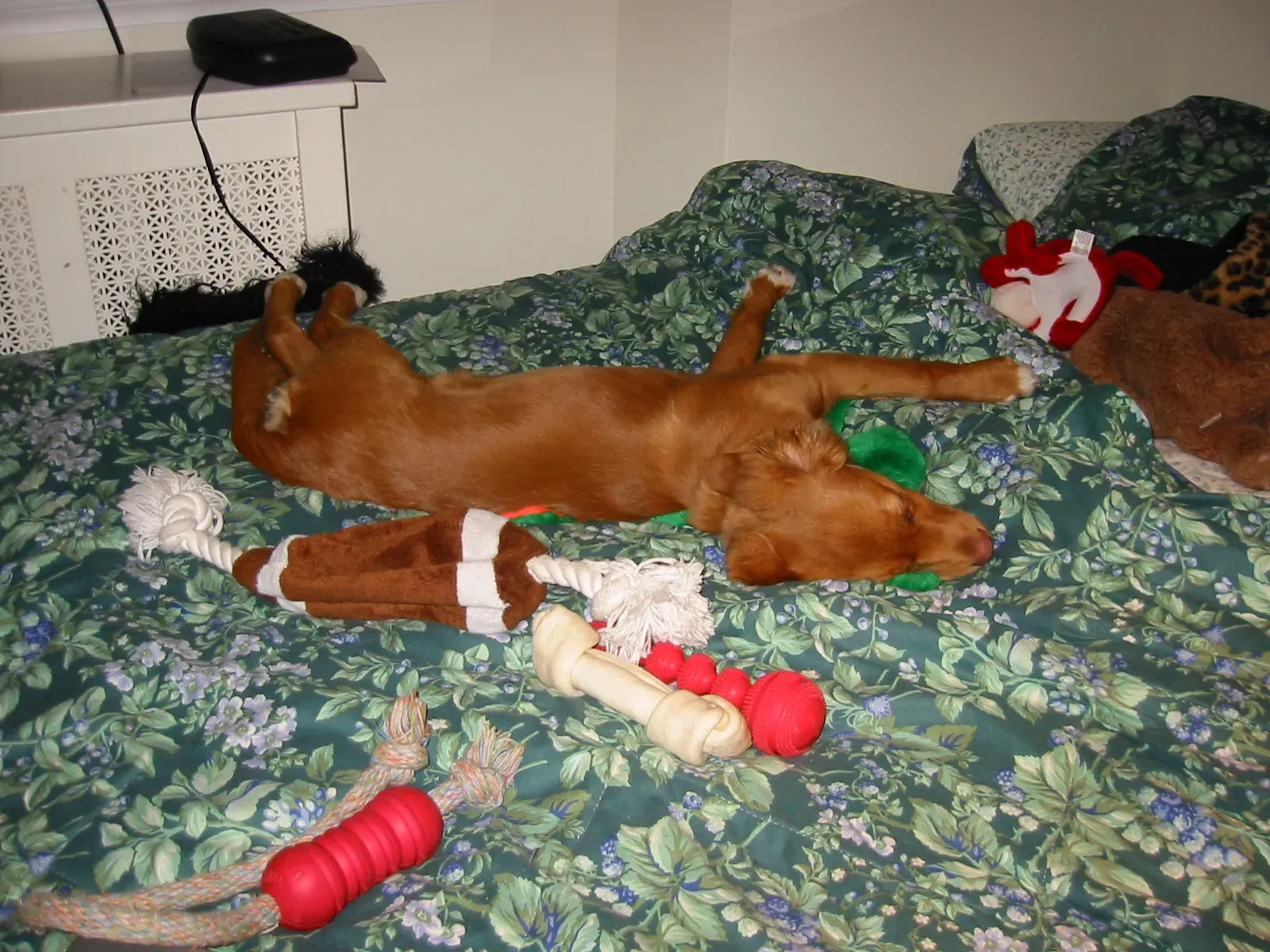
Ever noticed your dog spinning in circles before settling down for a nap? While it might seem like a quirky habit, this behavior is deeply rooted in survival instincts that have persisted through thousands of years of domestication.
Flattening the Terrain: Crafting a Comfortable Resting Spot
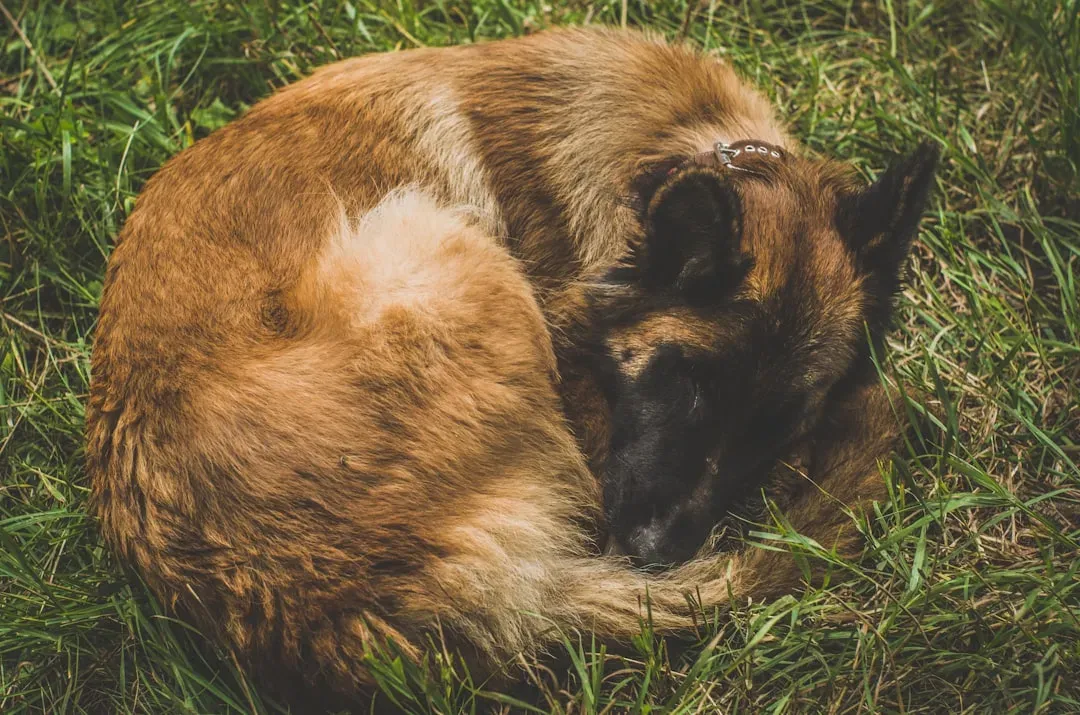
In the wild, canines didn’t have the luxury of plush beds. To create a comfortable sleeping area, they would circle to trample down tall grass or leaves, forming a smooth, nest-like surface. This instinctual behavior ensured a cozy spot free from protruding sticks or stones.
Even today, despite having cushioned beds, dogs often circle to adjust their sleeping area, a nod to their ancestral need for comfort and safety.
Temperature Regulation: Nature’s Thermostat
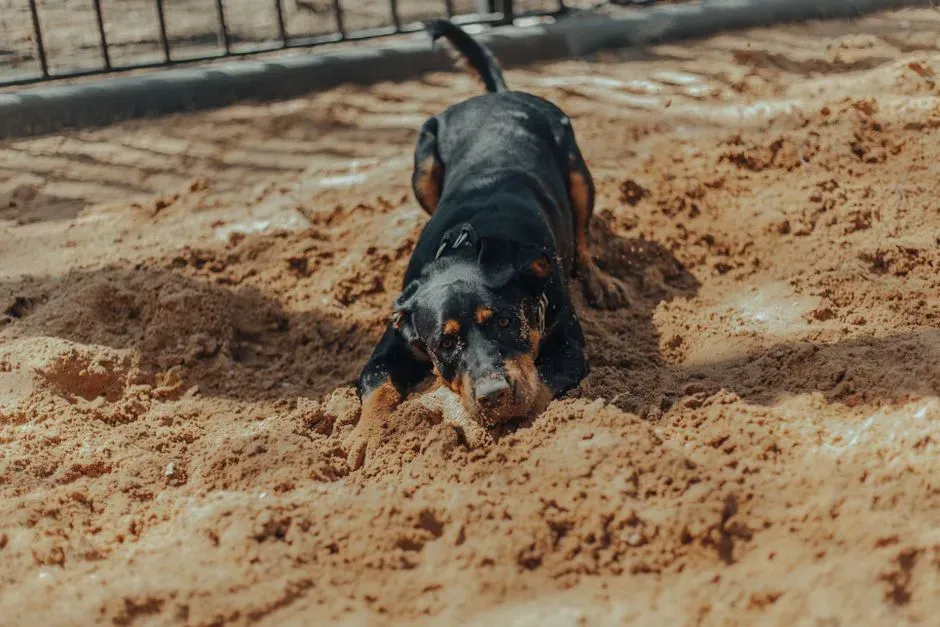
Wild canines faced varying temperatures and had to adapt accordingly. By circling and sometimes digging, they could expose cooler earth during hot weather or insulate themselves from cold by creating a depression in the ground.
This behavior allowed them to maintain a comfortable body temperature, showcasing their adaptability to diverse environments.
Safety First: Scanning for Potential Threats
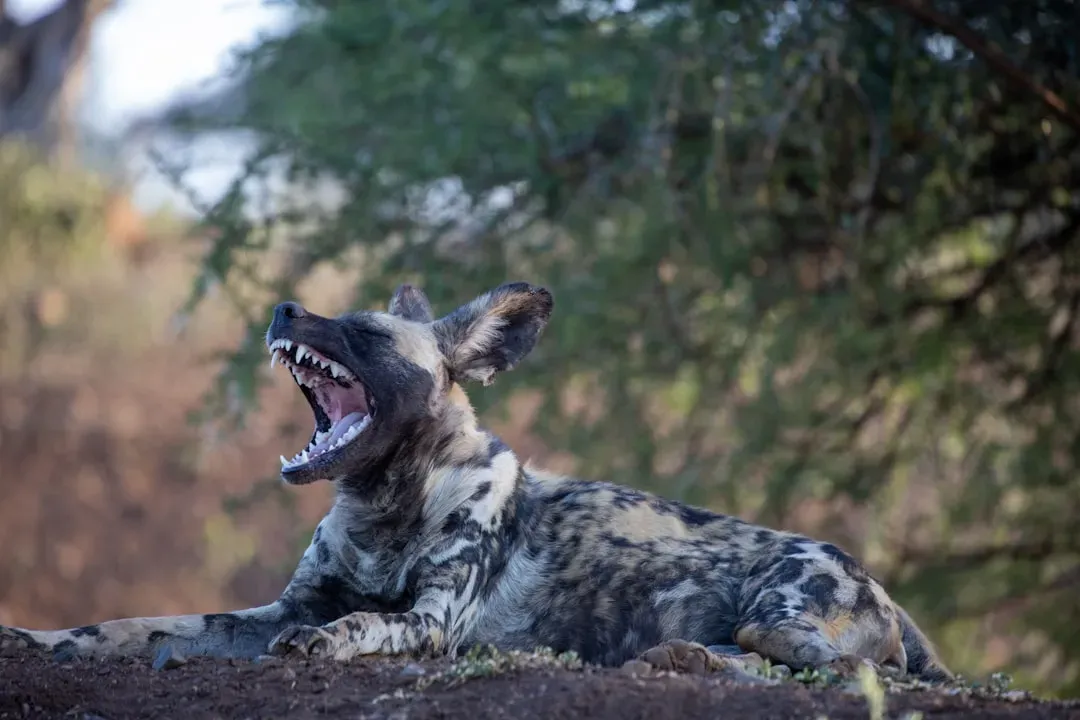
Before resting, wild dogs needed to ensure their safety. Circling allowed them to survey their surroundings, checking for predators or other dangers. This vigilant behavior minimized the risk of surprise attacks during vulnerable moments of rest.
While domestic dogs are safe from such threats, this ingrained behavior persists, highlighting their deep-seated survival instincts.
Marking Territory: Leaving a Personal Signature
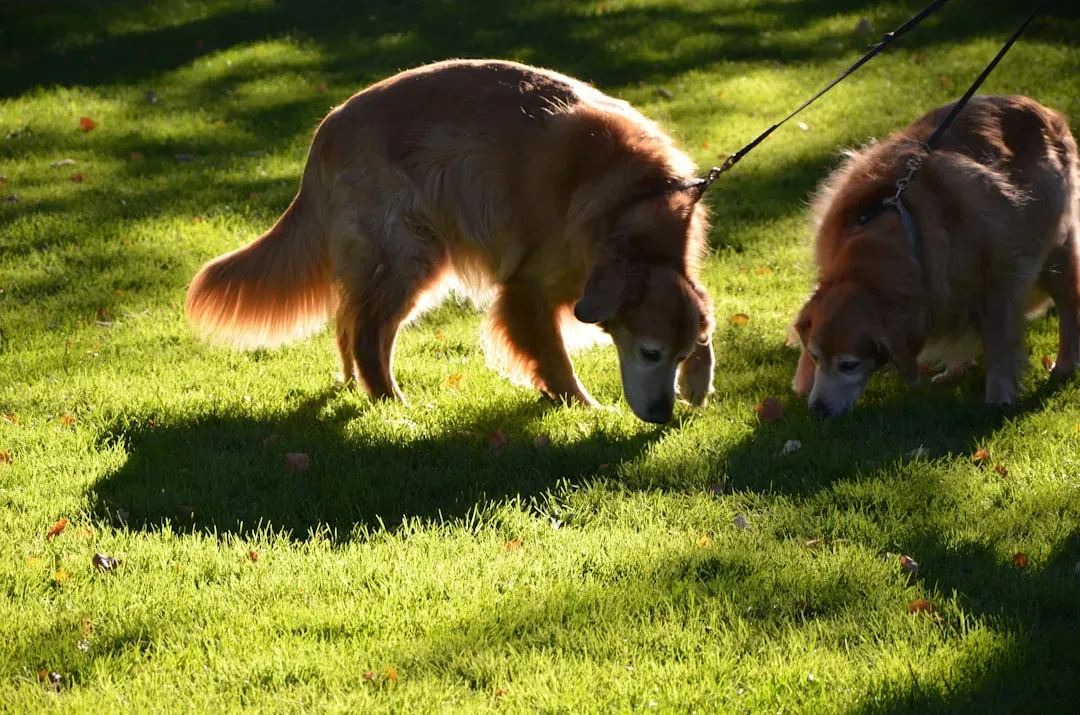
Dogs have scent glands in their paws. By circling and trampling an area, they leave behind their unique scent, signaling to other animals that the spot is claimed. This territorial marking was crucial in the wild to establish dominance and prevent conflicts.
Even in a home environment, this behavior can be observed, especially when dogs are introduced to new spaces or bedding.
Aligning with the Earth’s Magnetic Field: An Intriguing Hypothesis
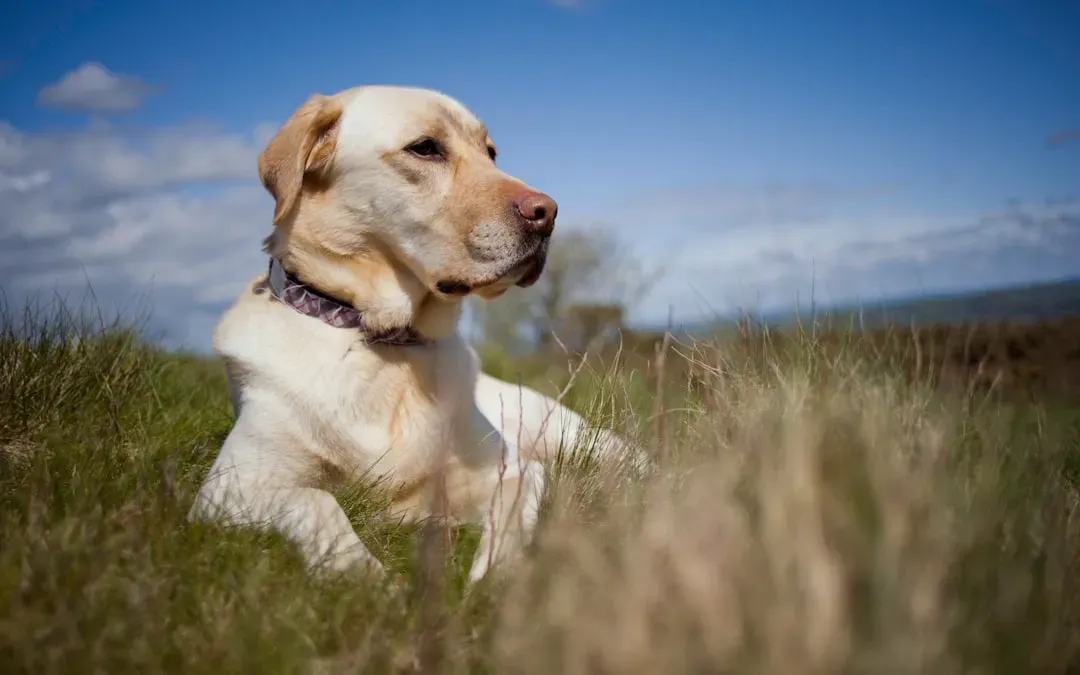
Some studies suggest that dogs prefer to align themselves along the North-South axis when defecating, indicating a sensitivity to the Earth’s magnetic field. While the exact reasons remain a mystery, it’s possible that circling before lying down also relates to this magnetic alignment, aiding in orientation and comfort.
This fascinating behavior underscores the complex and still not fully understood connection between canines and geomagnetic cues.
When Circling Signals a Health Concern
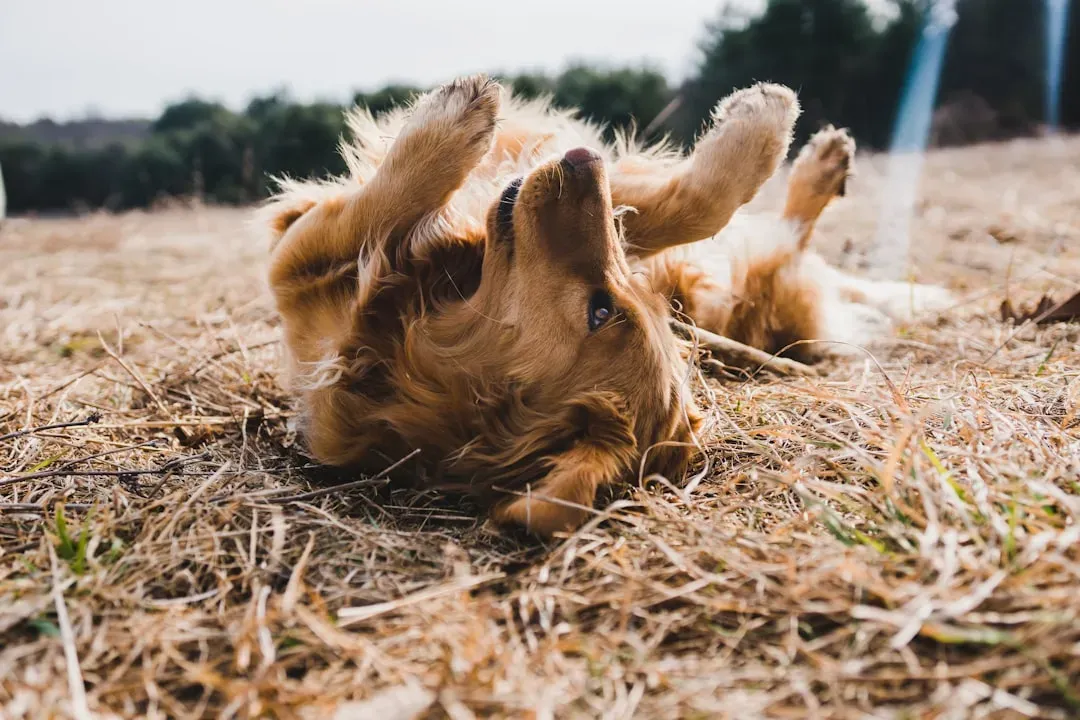
While circling is typically normal, excessive or compulsive circling can indicate underlying health issues. Conditions such as arthritis, neurological disorders, or cognitive dysfunction may manifest through increased circling behavior.
If you notice a sudden change in your dog’s circling habits, it’s advisable to consult a veterinarian to rule out potential health concerns.
Conclusion: A Timeless Dance of Instinct and Adaptation
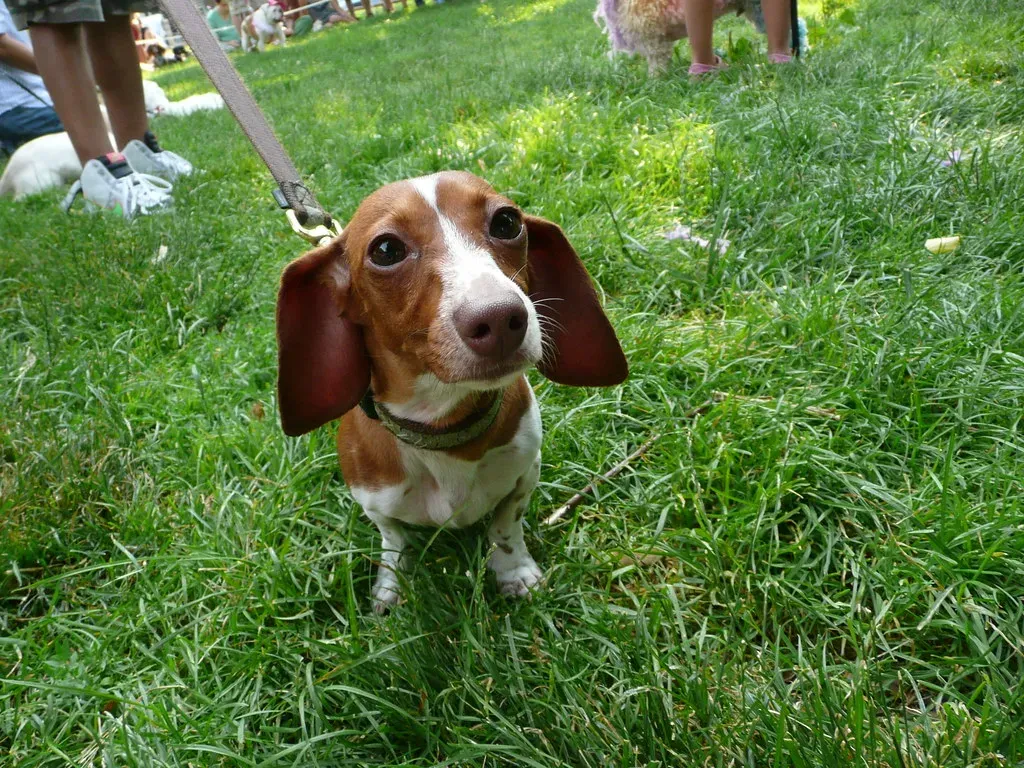
Understanding the reasons behind your dog’s circling behavior offers a glimpse into their rich evolutionary history. These actions, rooted in survival instincts, have seamlessly transitioned into the behaviors of our domesticated companions. Recognizing and respecting these instincts not only deepens our bond with our dogs but also enriches our appreciation for their complex nature.
So, the next time your dog performs their pre-sleep spin, remember: it’s not just a quirky habit but a timeless dance of instinct and adaptation. Isn’t it fascinating how the echoes of the wild still resonate in our living rooms?