
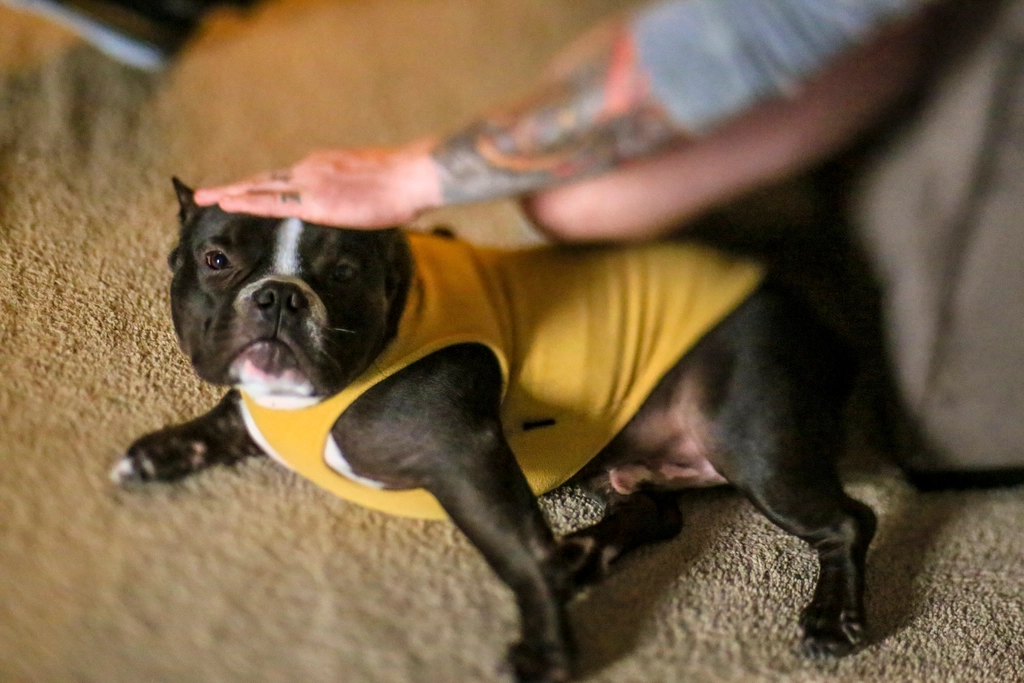
Ever noticed your dog acting out of sorts after you’ve given your living room a makeover? It’s not just your imagination. Dogs can indeed become unsettled when their environment changes, but the reasons might surprise you.
Dogs Thrive on Routine and Familiarity

Dogs are creatures of habit. They find comfort in the predictability of their surroundings. When you move the couch or shift their bed, it disrupts their sense of security. This isn’t just about physical space; it’s about the emotional stability that comes with a consistent environment.
Imagine waking up to find your bedroom rearranged overnight. You’d feel disoriented, right? Dogs experience a similar confusion when their familiar spaces are altered. This can lead to stress and anxiety as they try to navigate the new layout.
Scents and Territory Marking Are Disrupted

Dogs rely heavily on their sense of smell to understand their world. They mark their territory with their scent, creating a familiar olfactory map. Rearranging furniture can disrupt these scent markers, making the space feel foreign to them.
This sudden change can cause dogs to feel insecure. They may spend more time sniffing around, trying to reestablish their scent and reclaim their territory. This behavior is a natural response to the unfamiliarity introduced by the new arrangement.
Changes Can Trigger Anxiety and Stress

Environmental changes, even as simple as moving furniture, can be significant stressors for dogs. They may exhibit signs of anxiety such as pacing, whining, or even destructive behavior. This isn’t out of spite; it’s their way of coping with the stress of change.
Understanding this can help you be more patient and supportive. Providing extra attention and reassurance during these times can help your dog adjust more comfortably to the new setup.
Physical Comfort Zones Are Altered
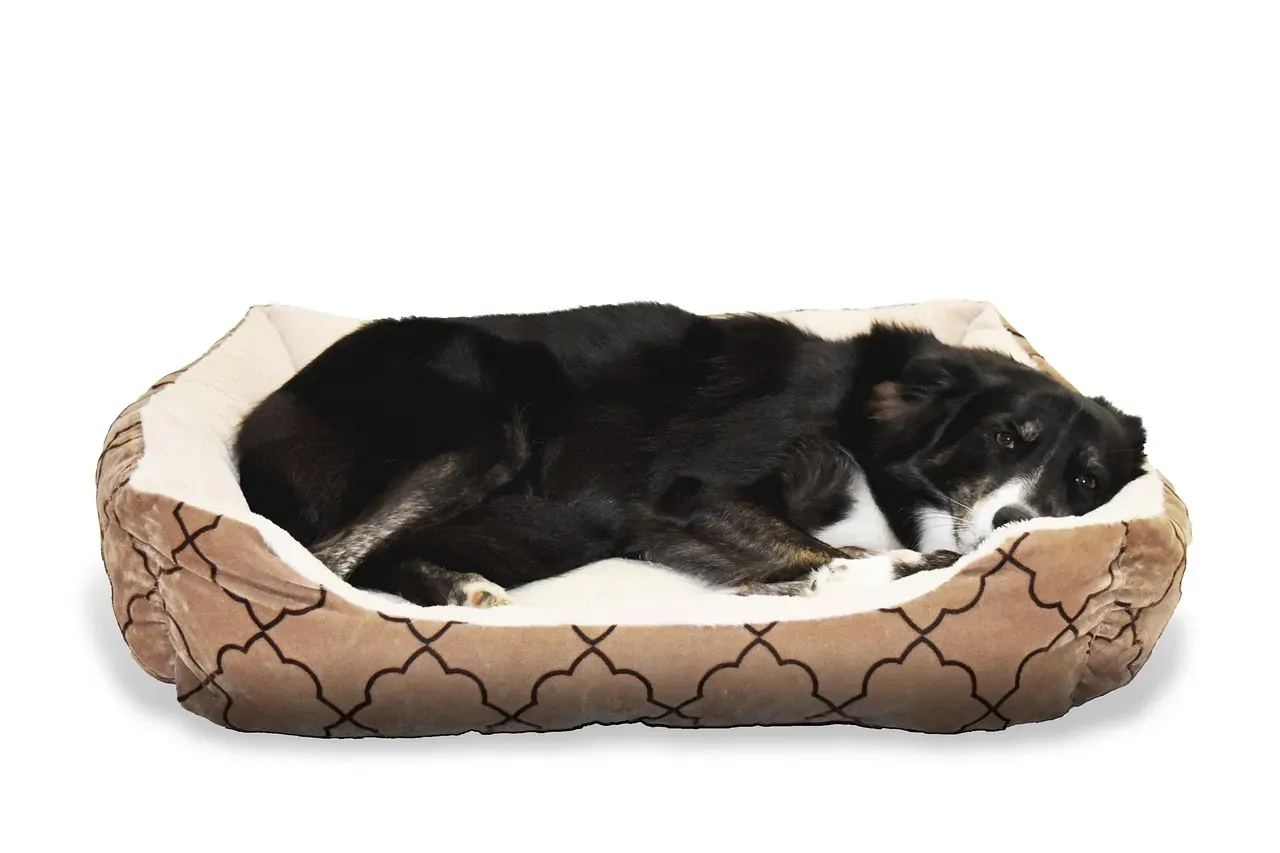
Dogs have preferred spots where they feel most comfortable. Moving their favorite chair or bed can disrupt these comfort zones, leading to restlessness and discomfort.
To ease this transition, try to keep their favorite items in similar positions or gradually introduce changes. This can help them adapt without feeling overwhelmed by the sudden shift in their environment.
Reestablishing Boundaries Takes Time
When furniture is moved, dogs need to reestablish their understanding of boundaries and safe zones. This process can take time and may result in temporary behavioral changes as they adjust.
Being patient and providing positive reinforcement can aid in this adjustment period. Encouraging them to explore and rewarding them for calm behavior can help them feel more secure in the new layout.
How to Help Your Dog Adjust to Changes

To minimize stress when rearranging furniture, consider making changes gradually. Allow your dog to explore the new setup at their own pace, and provide familiar items like their bed or toys in accessible locations.
Maintaining a consistent routine with feeding and walks can also provide a sense of normalcy amidst the changes. This consistency can be a grounding force for your dog as they adapt to their new environment.
Recognizing When Professional Help Is Needed

If your dog continues to show signs of distress long after the changes, it may be time to consult a veterinarian or a professional dog behaviorist. Persistent anxiety can lead to more serious behavioral issues if not addressed.
Professional guidance can provide tailored strategies to help your dog cope with environmental changes and ensure their well-being.
In conclusion, while rearranging furniture might seem trivial to us, it can be a significant event for our canine companions. Understanding the underlying reasons for their distress allows us to be more empathetic and proactive in helping them adjust. So, next time you decide to redecorate, remember to consider your dog’s perspective. After all, their comfort and happiness are part of what makes a house a home.


