
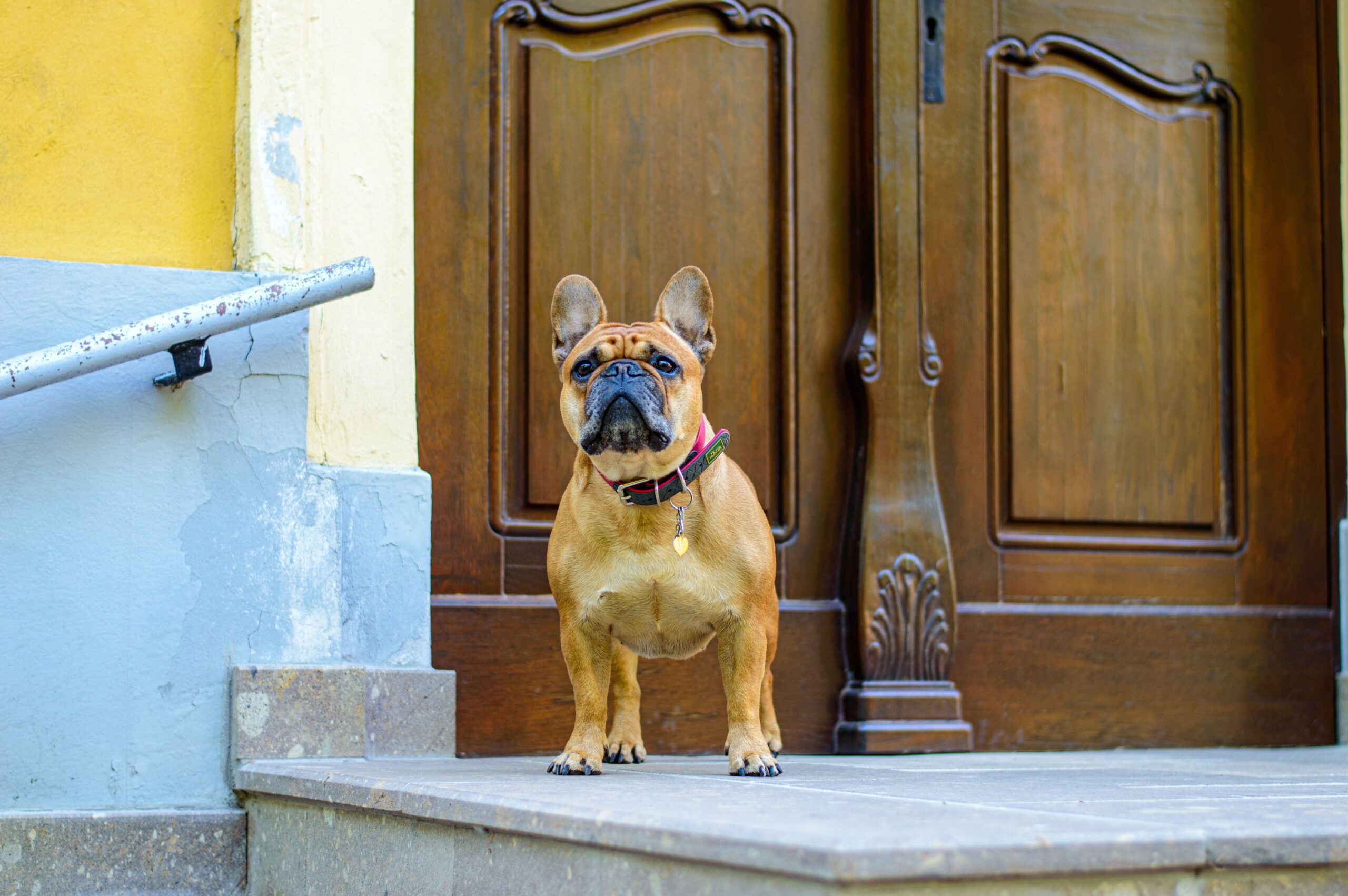
You know that one spot on the couch your dog always claims, the one closest to the front door? It can feel oddly intentional, almost like your dog clocked the floor plan and made a strategic choice. It is not just about comfort or who is sitting where. For many dogs, that favorite spot is part of a quiet security system they are running in the background every single day.
I used to assume dogs simply liked warm cushions and good TV angles, until I noticed how often they choose positions with a clear line of sight to entrances and hallways. Once you see it, you cannot unsee it. That “random” couch preference starts to look a lot more like a subtle, built‑in protective instinct than a quirky habit, and it says something surprisingly deep about how your dog sees you, your home, and their job in your life.
The Front Door Couch Spot Is a Built‑In Security Post
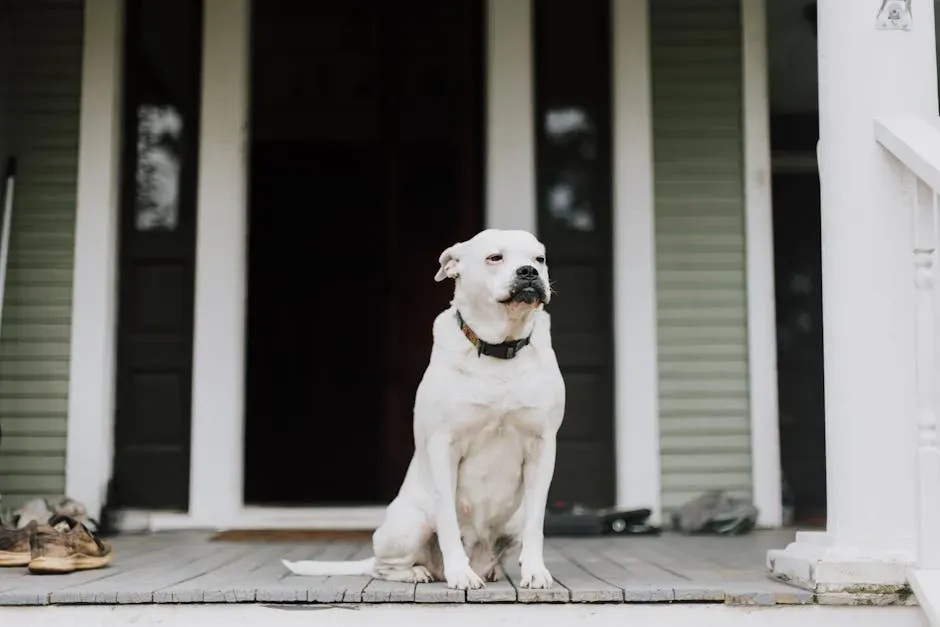
Think about the spot your dog has claimed: from there, they can hear footsteps outside, see shadows under the door, and launch themselves off the couch in a split second if something changes. That is not an accident. Dogs evolved as cooperative animals that alerted their group to potential threats, and even in a modern living room, that wiring has not gone away. The side of the couch nearest the door is often the perfect compromise between relaxing and staying on duty.
In multi‑dog homes, you will sometimes notice that only one dog consistently takes this position, almost like an unofficial security officer. Even when they look half asleep, their ears twitch at every car door, voice, or parcel drop. That front‑door side of the couch gives them an acoustic and visual advantage, allowing them to process incoming sounds a fraction of a second earlier. To a dog, that tiny edge can feel instinctively important.
Pack Protection: Your Dog Is Guarding You, Not the Sofa
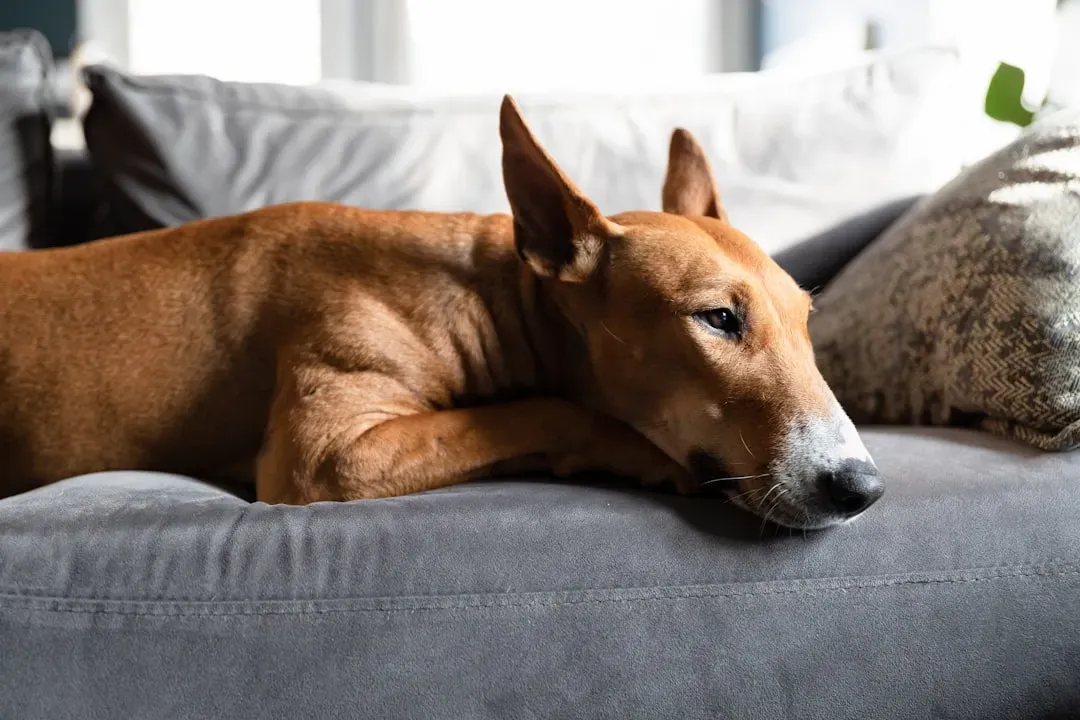
From a dog’s perspective, your family is a small, very strange pack that insists on walking on two legs and staring at glowing rectangles. But underneath that, the rules feel familiar: there is territory, there is a group, and there are things worth protecting. Taking the couch spot closest to the door puts your dog between you and any unfamiliar arrival, almost like they are quietly saying, “I will screen what comes in first.”
You might notice this most when you are fully relaxed: reading, watching TV, or scrolling on your phone. That is often when dogs slide into that strategic position and settle in. They know you are off guard, and on some instinctive level they take responsibility for the other side of things. It is not that they dislike the far corner of the couch; it is that this one aligns better with the subtle protective job they have assigned themselves.
Vigilance in Comfort: The Balance Between Rest and Readiness
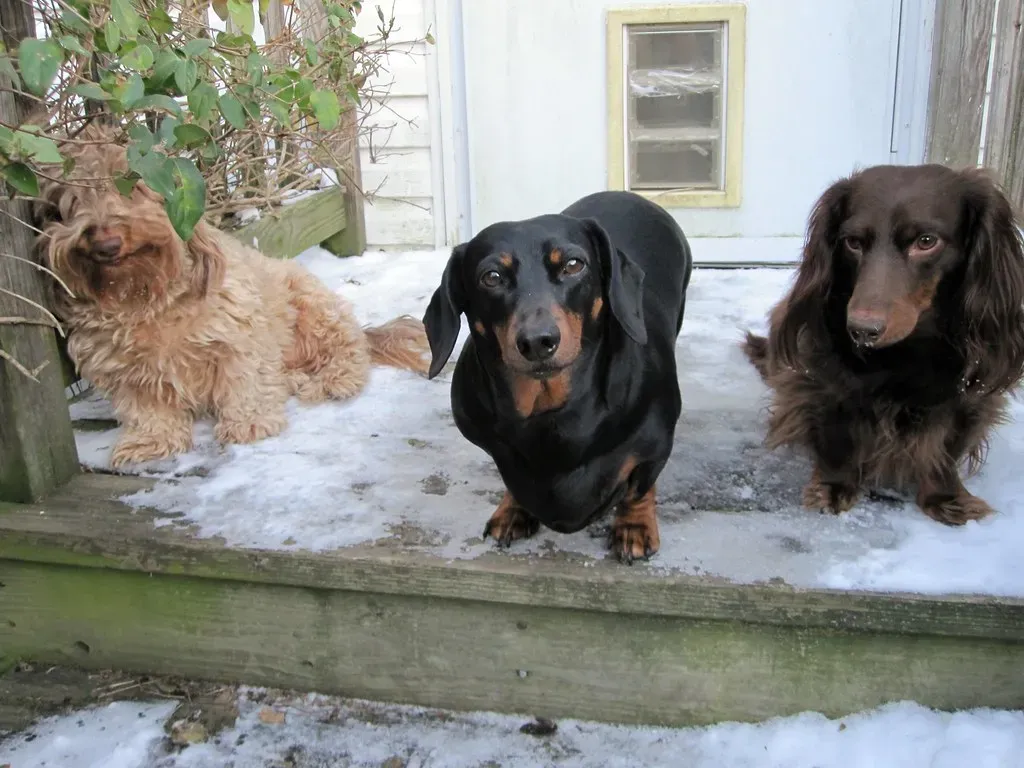
One of the fascinating things about dog behavior is how seamlessly they mix relaxation with readiness. Your dog can be sprawled on a blanket, snoring softly, and still snap awake the second a delivery truck taps the curb. Sitting close to the front door lets them maintain that balance with less effort. They do not have to keep getting up to check every small noise, because they are already positioned at the information hub of the house.
Over time, this can turn into a strong preference that looks like a personality quirk. You might think, “He just likes that corner,” but what he really likes is that he does not have to choose between sleeping and monitoring. Just like some people always pick the restaurant seat facing the entrance, some dogs pick the couch spot that lets them relax without feeling like they are missing anything important.
Territory, Thresholds, and Why Entrances Matter to Dogs
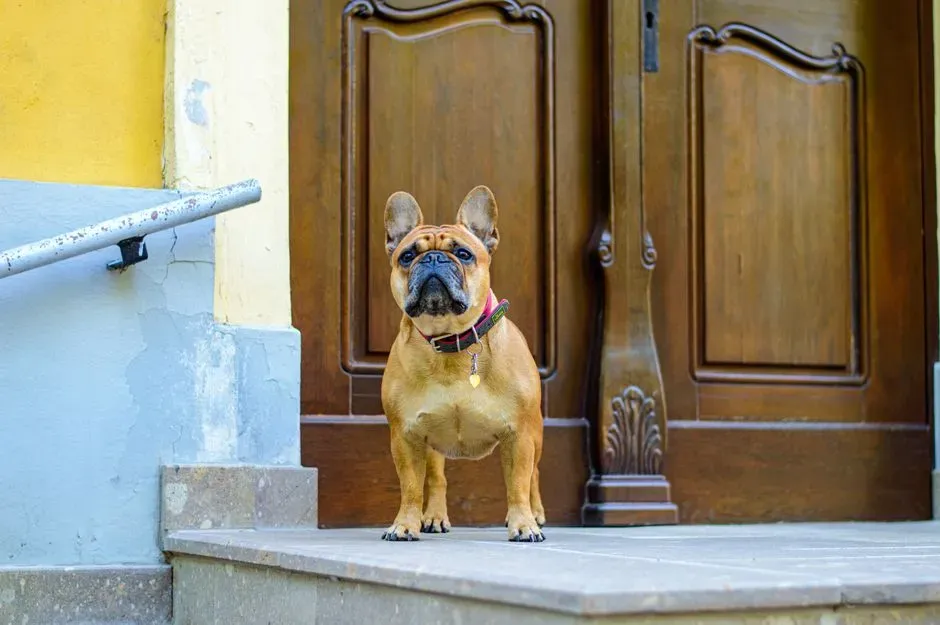
Front doors, hallways, and gates are not just architectural details to dogs; they are thresholds, and thresholds are where unknown things appear. In the wild and in traditional working roles, the edges of a territory are high‑value zones where animals watch for visitors, rivals, or prey. Your front door is simply the modern, human version of that edge, and your dog treats it accordingly, whether you intended it or not.
The couch closest to that threshold becomes part of a mental map of “important spots.” That spot might be only a few steps from the door, but to your dog it is strategically perfect: close enough to respond, far enough to stay safe and comfortable. It is like choosing a lookout point on a hill rather than standing directly on the border. Dogs are surprisingly good at this kind of spatial logic, and they often repeat what feels safe and effective.
Attachment and Anxiety: When Protective Turns Into Hyper‑Alert
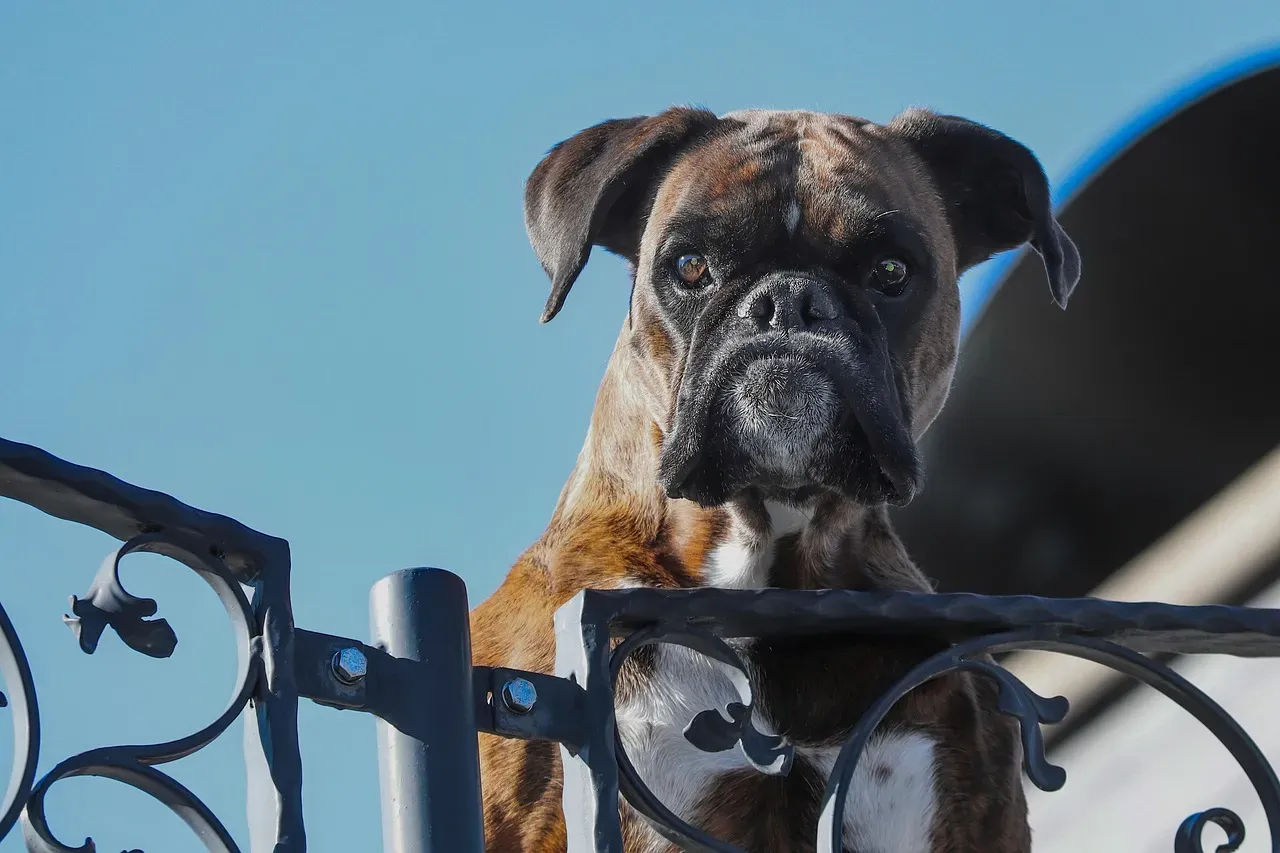
For many dogs, the front‑door couch preference is a gentle, healthy expression of protectiveness. But in some dogs, especially those prone to anxiety, it can tip into constant hyper‑vigilance. If your dog is always on that side, barking at every tiny sound, pacing when someone walks past outside, or stiffening whenever the doorknob moves, they might not just be protective; they might be stressed.
This does not mean their love for you is a problem, but it might mean their nervous system is running too hot. In those cases, the “guard post” spot can reinforce jumpiness instead of calm confidence. Helping an anxious dog learn that not every noise is a threat, and that you are in charge of deciding what is dangerous, can gradually loosen their grip on that front‑door position and let them rest more deeply in other places too.
Habits, Rewards, and the Invisible Training You Are Doing
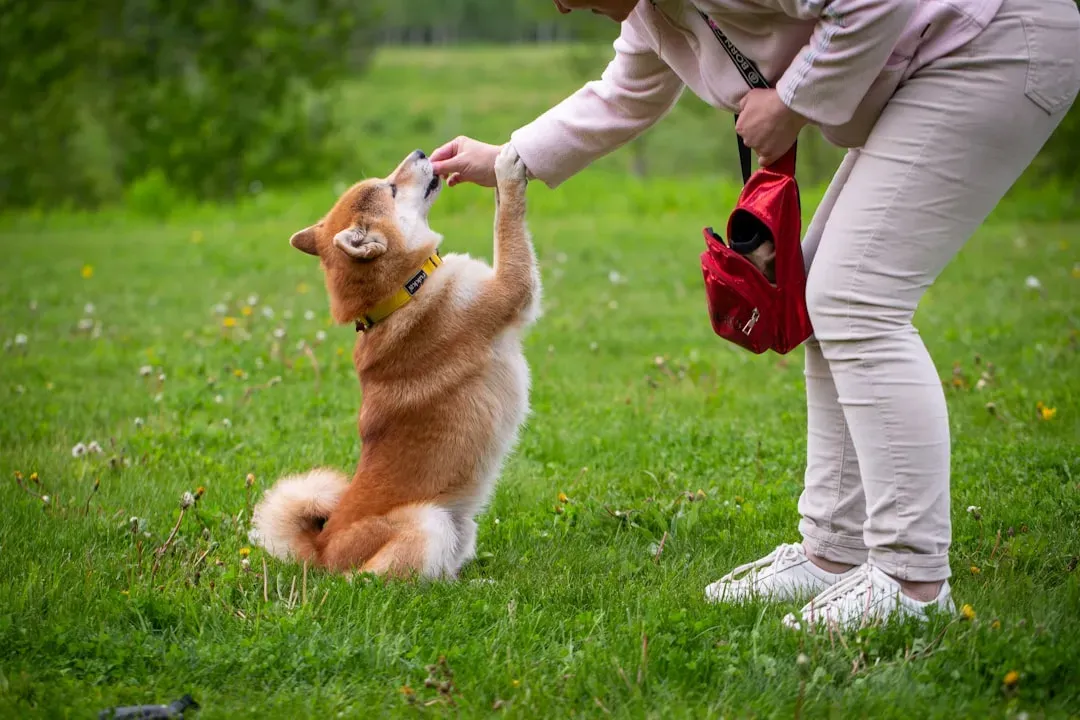
There is also a very simple learning piece here: dogs repeat what works. If your dog first chose that side of the couch during a thunderstorm, a noisy delivery, or a late‑night knock, and you instinctively petted them, comforted them, or talked to them more from that spot, you may have accidentally reinforced it. Over time, it becomes their default, not just because of instinct, but because of the emotional history layered into that corner.
Even small things, like you passing by that side more often to go to the door, can act like rewards. They get more eye contact, more interaction, more chances to be involved. Try switching sides of the couch for a week, and you might notice your dog gradually sliding over to keep that sense of connection and control. What looks like pure instinct is often a blend of hard‑wired tendencies and thousands of tiny, quiet rewards you never realized you were giving.
When Preference Really Is Just Preference (And That Is Okay)
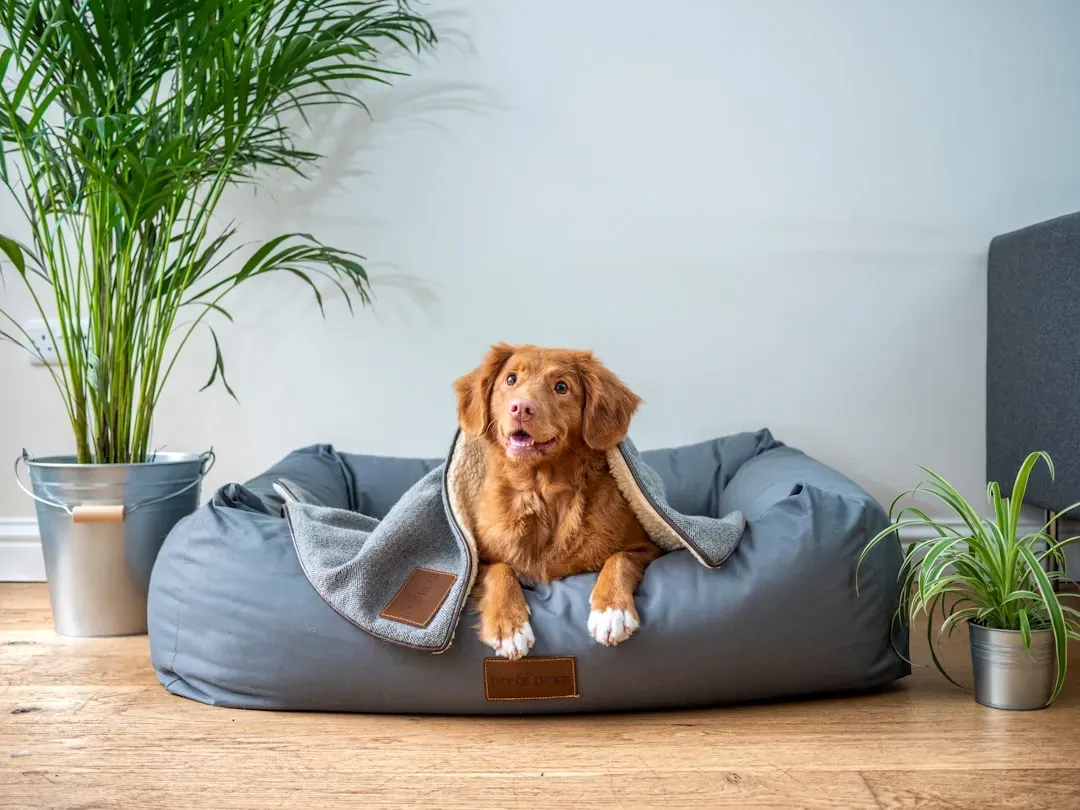
All of this does not mean every single dog on the door side is running a detailed security plan. Some dogs really do just like a sunnier cushion, a cooler draft, better access to a favorite person, or a shorter jump to greet guests. The protective narrative explains a lot of behavior, but not absolutely everything; dogs are individuals with their own weird little tastes, just like people who always choose the same side of the bed for no grand reason.
The key is to watch the bigger pattern. Does your dog relax easily in that spot, or do they seem tense and constantly on alert? Do they switch sides if you rearrange furniture, or do they always return to a door‑facing vantage point? Paying attention to these details can help you tell the difference between a harmless habit and a protective strategy that is playing a meaningful role in how they feel about your home.
How to Support a Protective Dog Without Feeding Fear
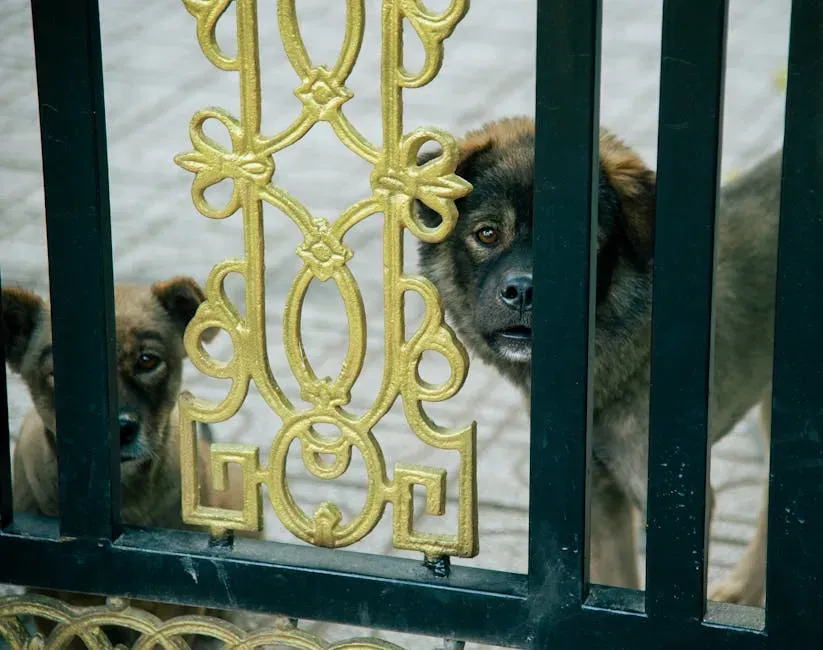
If your dog is clearly using that couch spot as a guard station, you do not have to fight it. In many cases, it is part of what makes them feel purposeful and secure. You can, however, shape how intense that protectiveness becomes. Casual praise for calm behavior, instead of excitement when they bark at every noise, gently teaches them that the world outside the door is mostly safe and not their full‑time crisis to manage.
You can also make alternative rest spots appealing: a cozy bed slightly away from the door, gentle background noise to soften outside sounds, and relaxed “nothing is happening” time spent together away from that threshold. Over time, a confident dog often becomes more flexible about where they rest, knowing they can still respond if needed but do not have to act like an overworked security guard every second of the day.
Opinionated Conclusion: Your Dog Is Not Clingy – They Are Committed
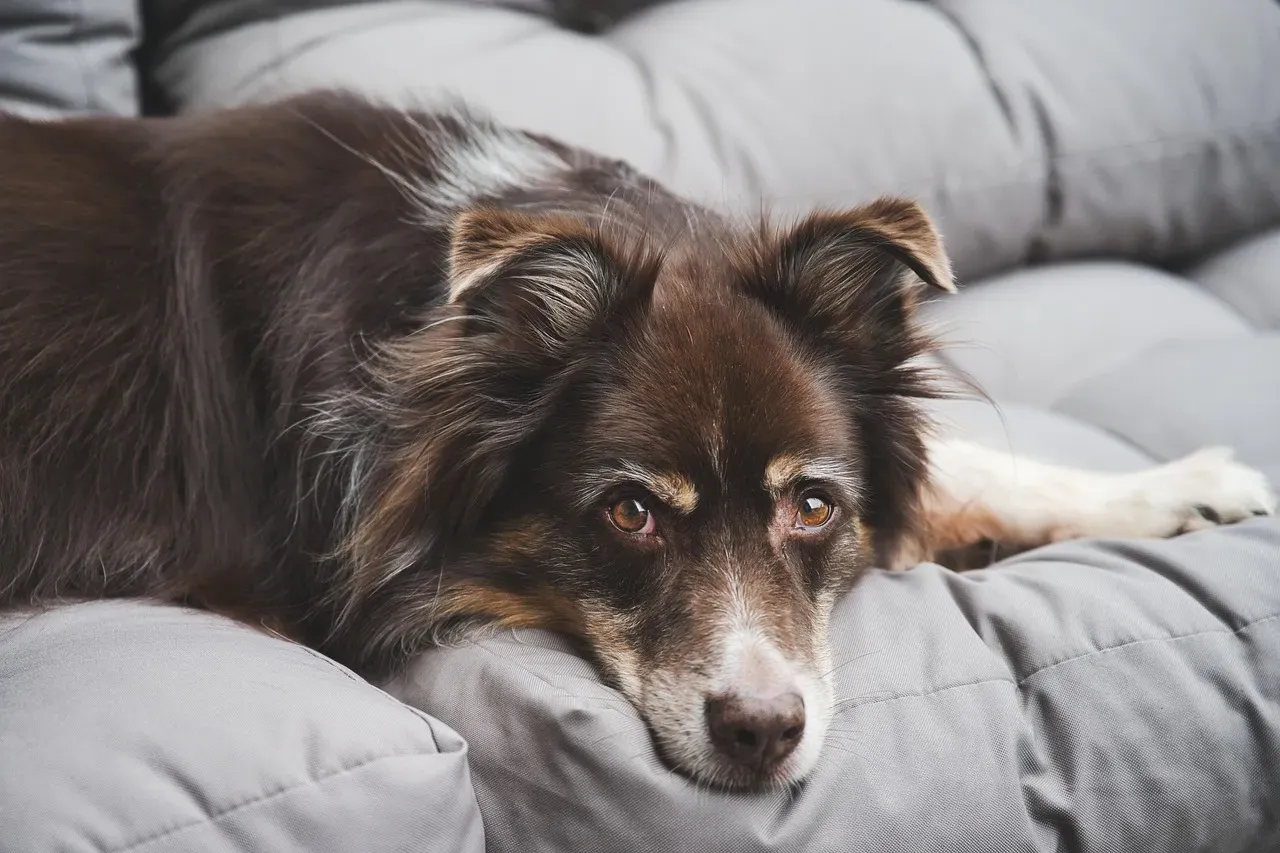
When you really look at it, that front‑door couch habit is less about being picky and more about taking responsibility. Your dog is not just claiming a comfy corner; they are quietly volunteering for the night shift in a world they only partly understand. To dismiss it as mere preference undersells just how much emotional labor dogs put into watching over a space they share with us, often without any thanks or acknowledgment at all.
Maybe we should stop teasing them for being “velcro dogs” and start recognizing that what looks like clinginess is often deep commitment. The next time you see your dog curled on the side of the couch closest to the door, half asleep but always listening, remember they chose the position that lets them have your back. Given the choice between a dog who checks out completely and one who keeps a gentle, protective eye on the front door, which would you honestly rather have?


