
The Silent Way Your Dog Says Goodbye When They Know You’re About to Leave for Work (And Why It Breaks Experts’ Hearts)
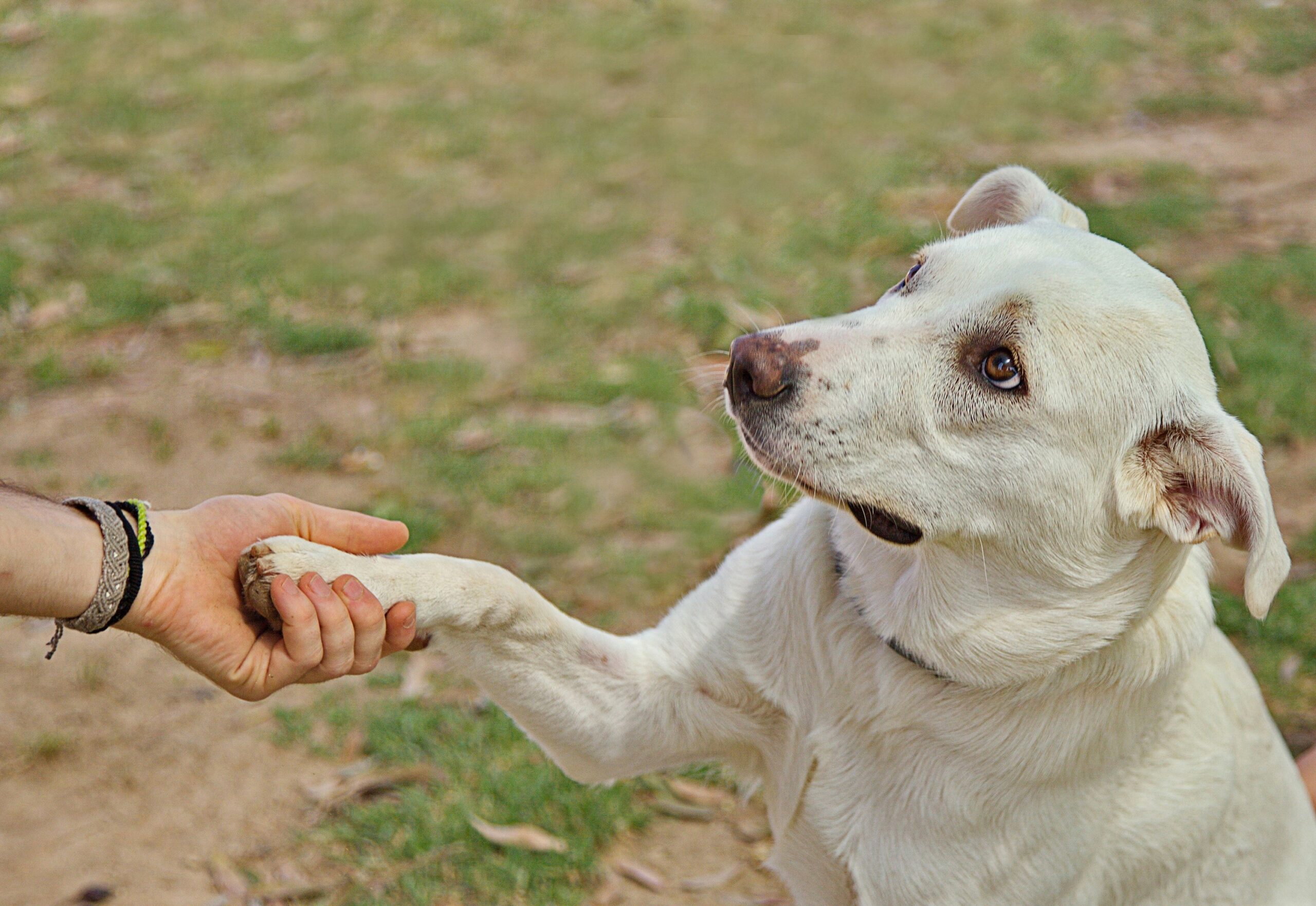
As you grab your keys and head for the door, have you ever noticed your dog retreating to a corner, avoiding eye contact, or suddenly becoming disinterested? These subtle behaviors might seem inconsequential, but they can be profound indicators of your dog’s emotional state. Experts in canine behavior often find these silent goodbyes more heart-wrenching than overt signs of distress.
The Quiet Signs of Separation Anxiety
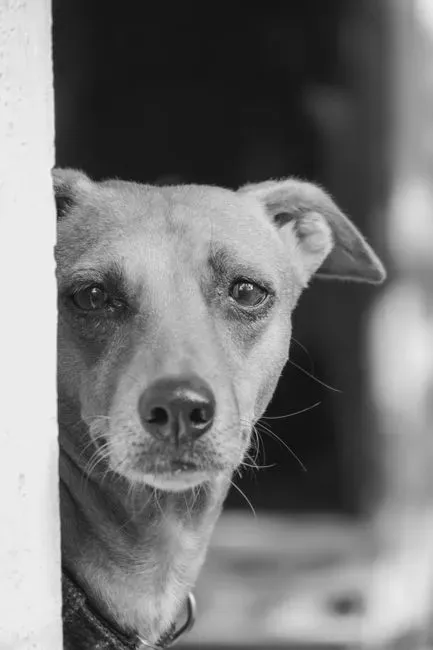
While some dogs express their anxiety through barking or destructive behavior, others adopt a more subdued approach. They might lower their heads, tuck their tails, or avoid interaction altogether. This silent withdrawal is their way of coping with the impending separation, and it’s a behavior that often goes unnoticed by even the most attentive owners.
Why Experts Find It Heartbreaking
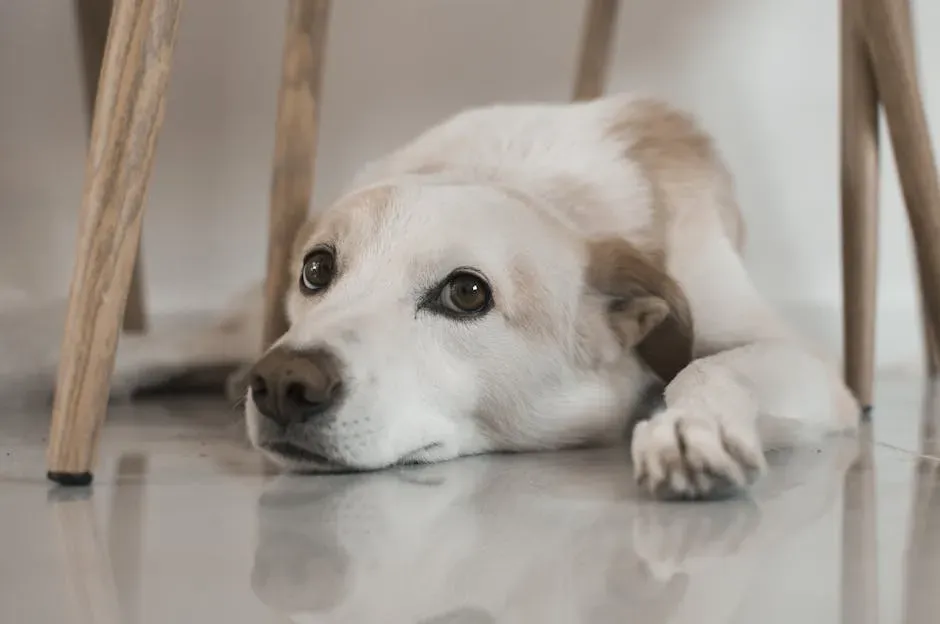
Behaviorists and veterinarians are deeply moved by these quiet goodbyes because they reflect a dog’s internal struggle. Unlike overt signs of distress, these subtle cues indicate a dog is suppressing its anxiety, which can be even more concerning. The silent suffering suggests a deep bond with the owner and a profound sense of loss during their absence.
Understanding the Root Causes
Several factors can contribute to this behavior. Changes in routine, such as a new job schedule or moving to a new home, can trigger anxiety. Additionally, dogs that have experienced past traumas or have been rehomed may be more susceptible to separation-related behaviors. Recognizing these underlying causes is crucial in addressing the issue effectively.
How to Support Your Dog
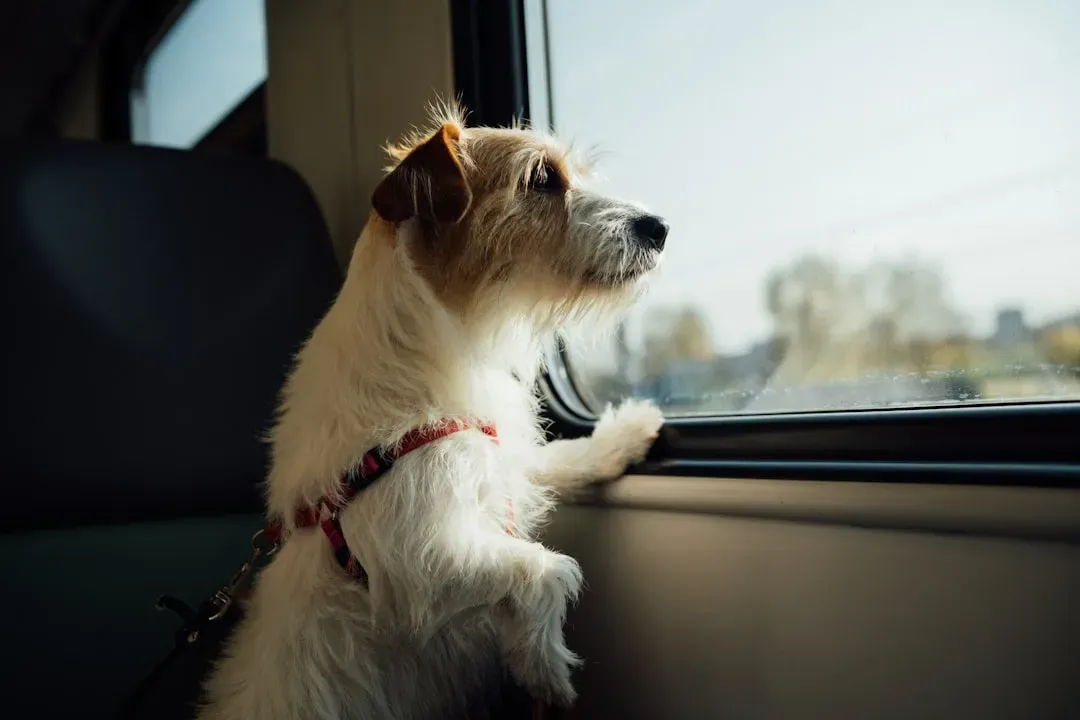
To help your dog cope with your departures, consider establishing a consistent routine. Gradually acclimate them to your absence by leaving for short periods and gradually increasing the duration. Providing engaging toys or treats can also serve as a distraction and create positive associations with alone time.
The Role of Professional Guidance
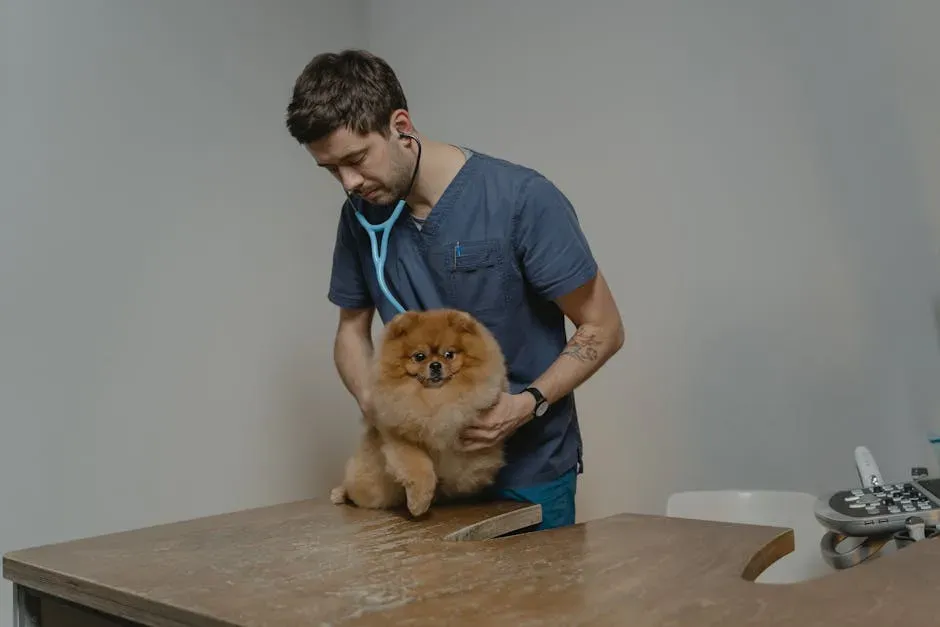
If your dog’s silent goodbyes persist or escalate, seeking professional help is advisable. A veterinarian or a certified animal behaviorist can offer tailored strategies and, if necessary, recommend interventions such as behavior modification techniques or, in some cases, medication to alleviate anxiety.
Building a Resilient Bond
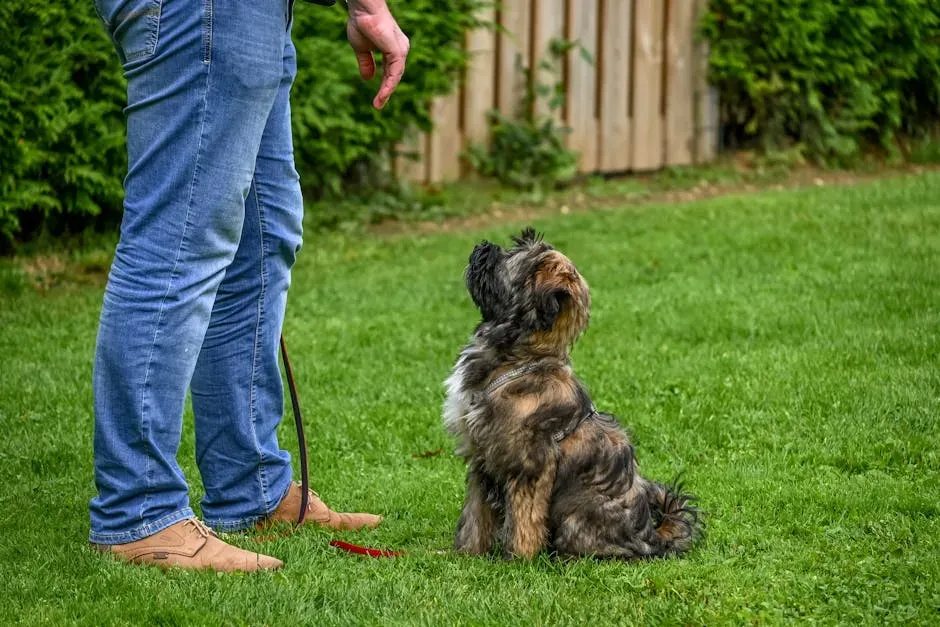
Strengthening your bond with your dog through regular exercise, training, and quality time can enhance their confidence and reduce anxiety. A well-exercised and mentally stimulated dog is more likely to feel secure and less distressed during your absences.
Conclusion

The silent goodbyes our dogs give us are poignant reminders of the deep connections we share with them. By recognizing and addressing these subtle signs of distress, we can ensure our canine companions feel safe and loved, even when we’re not by their side. Have you ever noticed these quiet farewells from your dog?