

You’ve probably scrolled past them online or walked by their kennels at the shelter. Those gray muzzles, the hopeful eyes watching from behind chain link, tails wagging a bit slower than the bouncing puppies in the next row. Senior dogs waiting for someone to notice them.
Here’s the thing most people don’t realize. While everyone’s lining up for those adorable eight-week-old furballs, they’re missing out on something extraordinary sitting quietly in the corner. These older dogs aren’t just good companions. They’re often the absolute best choice you could make, especially if you know what really matters in a four-legged friend.
They Already Know the House Rules
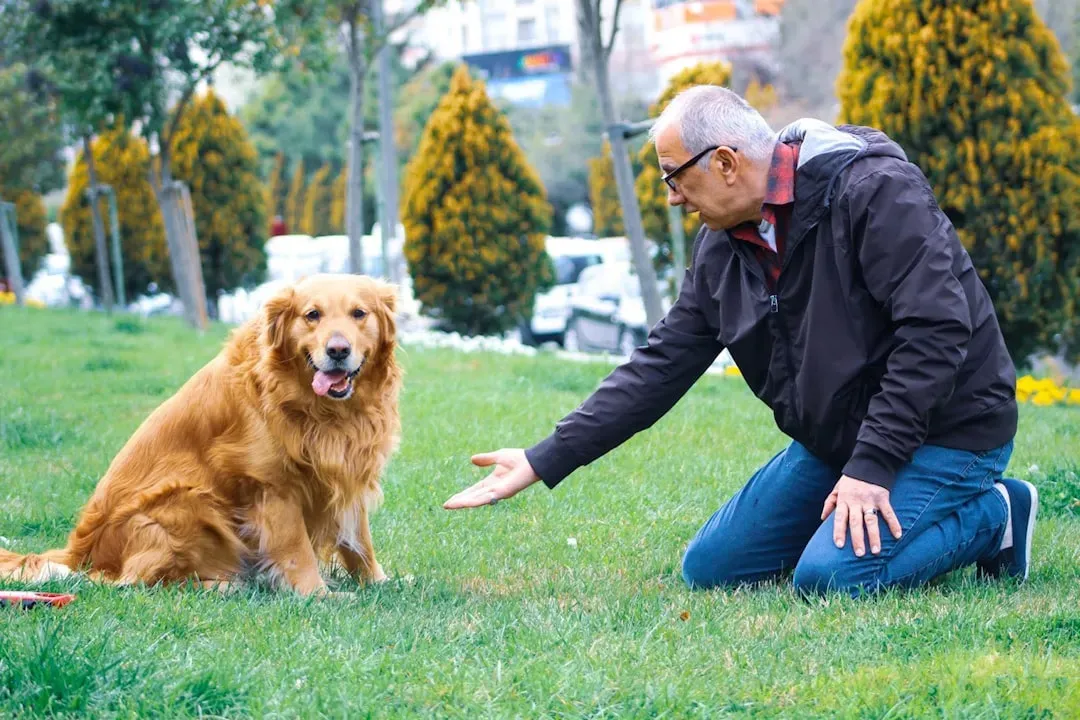
Most senior dogs available for adoption are already housetrained and know basic obedience commands. Think about what that means for your carpets, your sanity, and your sleep schedule.
You’re not going to wake up at 3 a.m. to clean up accidents or spend months teaching them that the couch leg isn’t a chew toy. Many older pets come with years of experience from living in a home or from professional training provided in their shelter environment, meaning they’re already familiar with basic rules and routines. They understand what “sit” means, they wait patiently for meals, and they know that shoes aren’t toys.
Professional trainers say an older dog will have life experiences that help them be more confident in certain situations and might learn skills quickly due to increased focus. It’s almost ironic. The saying goes you can’t teach an old dog new tricks, yet these dogs often learn faster because they can actually pay attention.
You Get Exactly What You See

When you adopt a puppy, you’re playing a bit of a lottery. Sure, they’re cute now, but what will their energy level be? How big will they grow? Will they bark at every leaf that falls?
Senior dogs are already full-grown, which means pet parents know exactly what to expect in terms of size, and their temperament is already established. There’s no guesswork involved. If you meet a calm, gentle senior dog at the shelter, that’s the dog you’re bringing home.
Older pets have well-defined personalities, so adopters know what they’re getting in terms of behavior, temperament, and habits, and since they’ve reached full size and weight, it takes a lot of guesswork out of choosing the right pet for your lifestyle. This predictability makes the whole transition smoother. You can find a dog whose personality genuinely matches your lifestyle instead of hoping a rambunctious puppy will eventually calm down.
The Calm Companionship You Didn’t Know You Needed
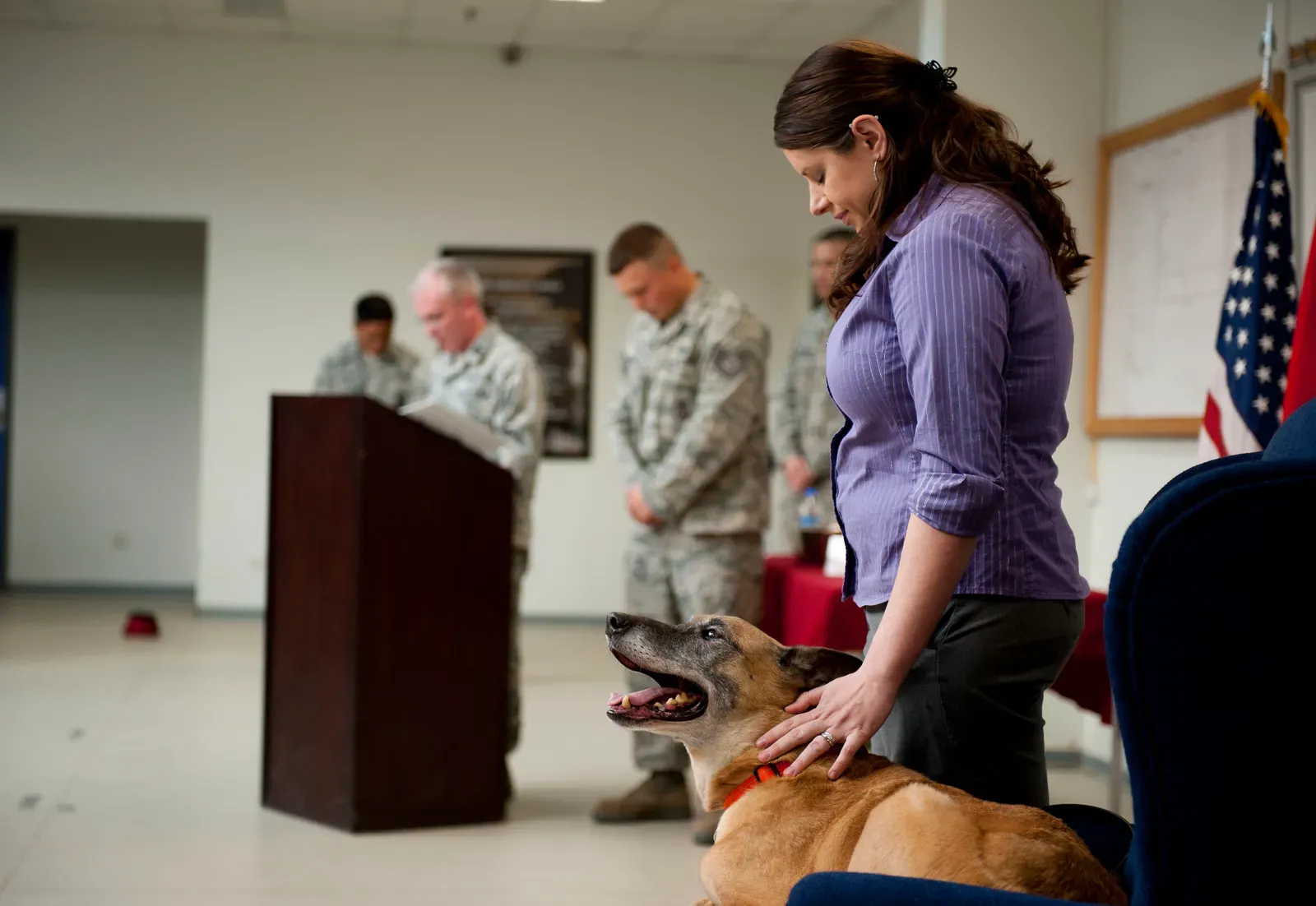
Senior dogs are typically calmer and great for families or single households. They’re not going to demand three hours of fetch every single day or destroy your house if you need to work from home.
Senior pets are typically much calmer than their younger counterparts, having left behind the high-energy phases of puppy or kittenhood and settled into a steady, manageable rhythm, making them an ideal fit for adopters seeking a companion who’s more inclined to relax by their side. Honestly, isn’t that what most of us really want anyway? A loyal friend who’s happy to sit beside us during movie nights or accompany us on leisurely walks without pulling our arm out of its socket?
Research shows the age of the dog was the strongest predictor of the dogs’ level of calmness. They’ve outgrown the chaos. What you get instead is a companion who genuinely appreciates the simple things – a comfortable bed, regular meals, your presence.
They’re Easier on Your Budget Than You Think

People worry about vet bills with senior dogs, but let’s be real about the full picture. Puppies aren’t cheap either.
Most older dogs will be spayed or neutered before being put up for adoption, saving you the cost and stress of that procedure, and you’ll avoid behavioral issues that can come with intact males and females. You’re also skipping all those puppy vaccinations, the costs of training classes to fix destructive behaviors, and replacing everything they would have chewed during teething.
Sure, senior dogs may need more regular checkups, but many shelters provide initial health screenings and address medical issues before adoption. Many senior dogs may have health issues that their previous owners have already invested in treating to ensure good quality of life, and many come with known conditions like arthritis or diabetes that have been properly diagnosed and are being treated. You know what you’re working with from day one.
The Heartbreaking Reality They Face

Approximately 5.8 million dogs enter U.S. shelters each year with a large portion being senior dogs, however only 25% of seniors get adopted compared to 60% for younger dogs and puppies. Let that sink in. Three out of four senior dogs in shelters won’t find homes.
Senior dogs are one of the most at-risk groups in shelters as they are usually the last to be adopted, spending up to 4 times longer than a younger dog. They watch other dogs come and go while they wait, their chances diminishing with each passing day. Many of these dogs didn’t do anything wrong – often a change in an owner’s circumstances results in an elderly dog being surrendered to a rehoming center, meaning they are left to find a new home through no fault of their own.
What breaks my heart is that these dogs have so much love left to give. They’re just waiting for someone to see past the gray muzzle and recognize the gift sitting right there.
The Profound Gift of Their Golden Years
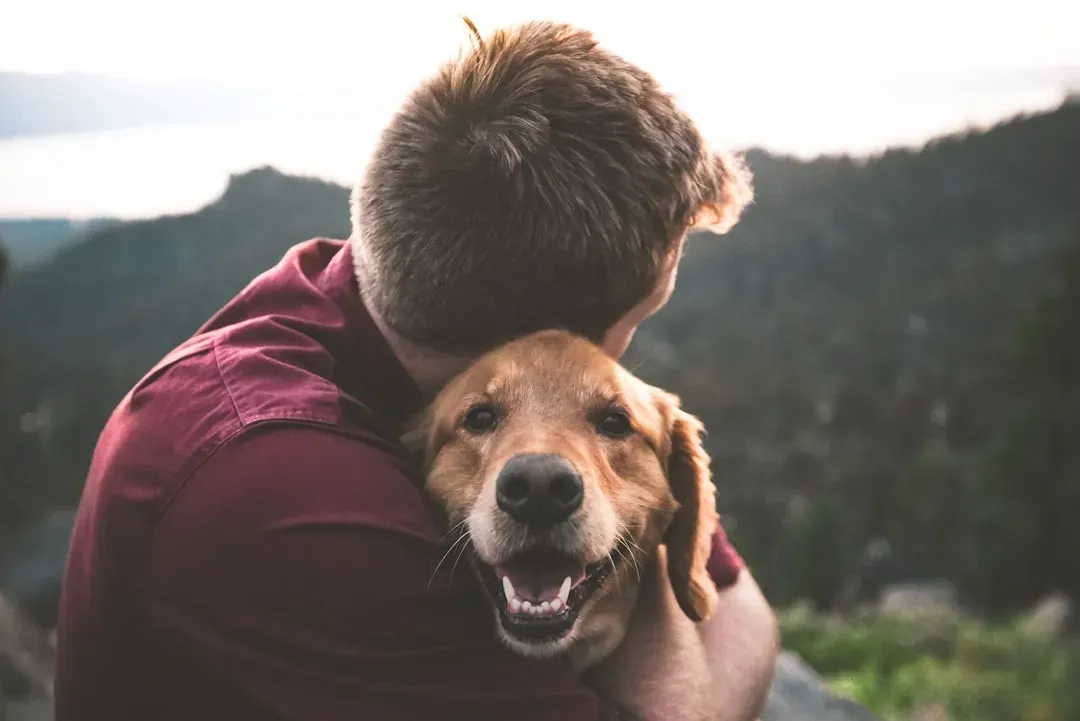
Senior dogs are filled with love and deserve to live out their remaining years in a safe, loving home, and by choosing to adopt a senior dog, you can provide that second chance to them. There’s something profoundly meaningful about giving an older dog comfort and security when they need it most.
Older dogs are very sweet and charming and have a very special way of melting hearts, often being very affectionate and just wanting someone to love and care for them. They don’t take a single moment for granted. Every meal, every soft bed, every gentle pet – they appreciate it all with a depth that younger dogs simply haven’t learned yet.
Dogs typically take three days to initially adjust to your home, followed by around three weeks of bonding and getting used to your lifestyle. The transition is remarkably smooth with most senior dogs because they’re just grateful to have a home again. What you give them in comfort, they return tenfold in devotion and companionship.
Conclusion

Senior rescue dogs represent one of the most overlooked treasures in animal shelters across the country. They bring stability, gratitude, and a calm presence that puppies simply cannot match. They’re housetrained, their personalities are established, and they’re ready to settle into your life without the chaos of puppyhood.
Yes, your time together might be shorter than with a puppy. That’s exactly what makes every moment more precious. These dogs have waited long enough for someone to choose them, to see their worth beyond their age.
Next time you’re considering adding a dog to your family, visit the senior section of your local shelter. Look past the gray fur and into those wise, hopeful eyes. You might just find the best friend you never knew you were looking for. What would it mean to both of you if you gave them that chance?


