
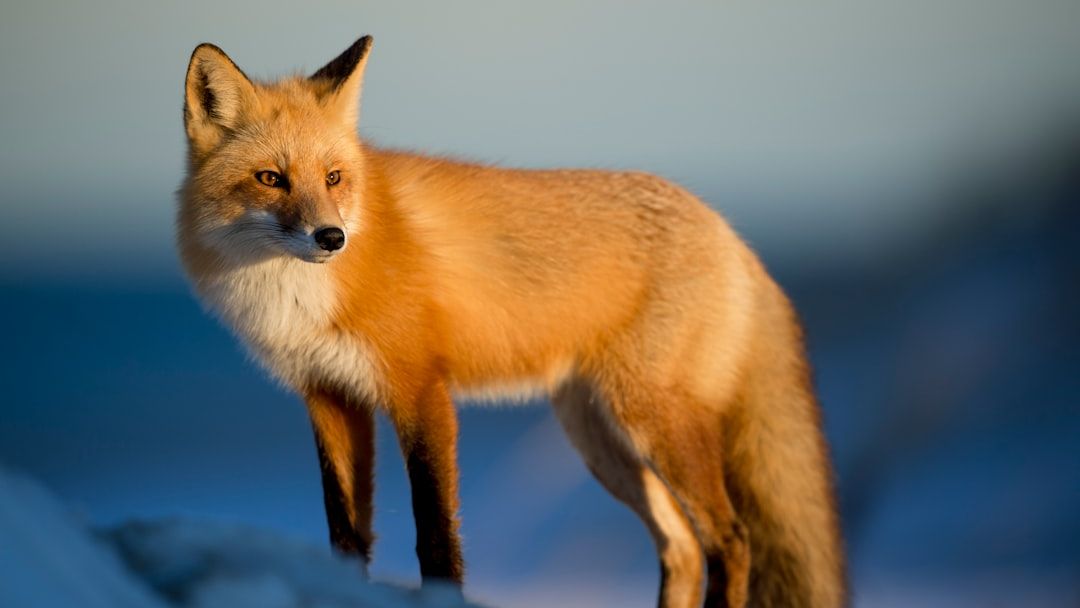
You might never think twice about a flash of orange disappearing into the tree line at dusk, but that quick glimpse hints at something much larger. Foxes are one of America’s most widespread and quietly thriving wild mammals, turning up in forests, farmland, suburban backyards, and even city parks. They’re adaptable to a degree that genuinely surprises most people.
Foxes are among the most adaptable wild animals in North America, found in forests, deserts, and even urban areas, and these small predators play an essential role in local ecosystems. Five native fox species call the United States home: the fleet-footed swift fox, the tree-climbing gray fox, the desert-adapted kit fox, the snow-white Arctic fox, and the adaptable red fox, occupying every eco-region from Alaska’s tundra to the coastal scrub of Florida. Of those, the red fox is by far the most numerous.
So which states have truly become fox country? The answers might surprise you.
#1. Wisconsin: The Fox Capital of the Continental US
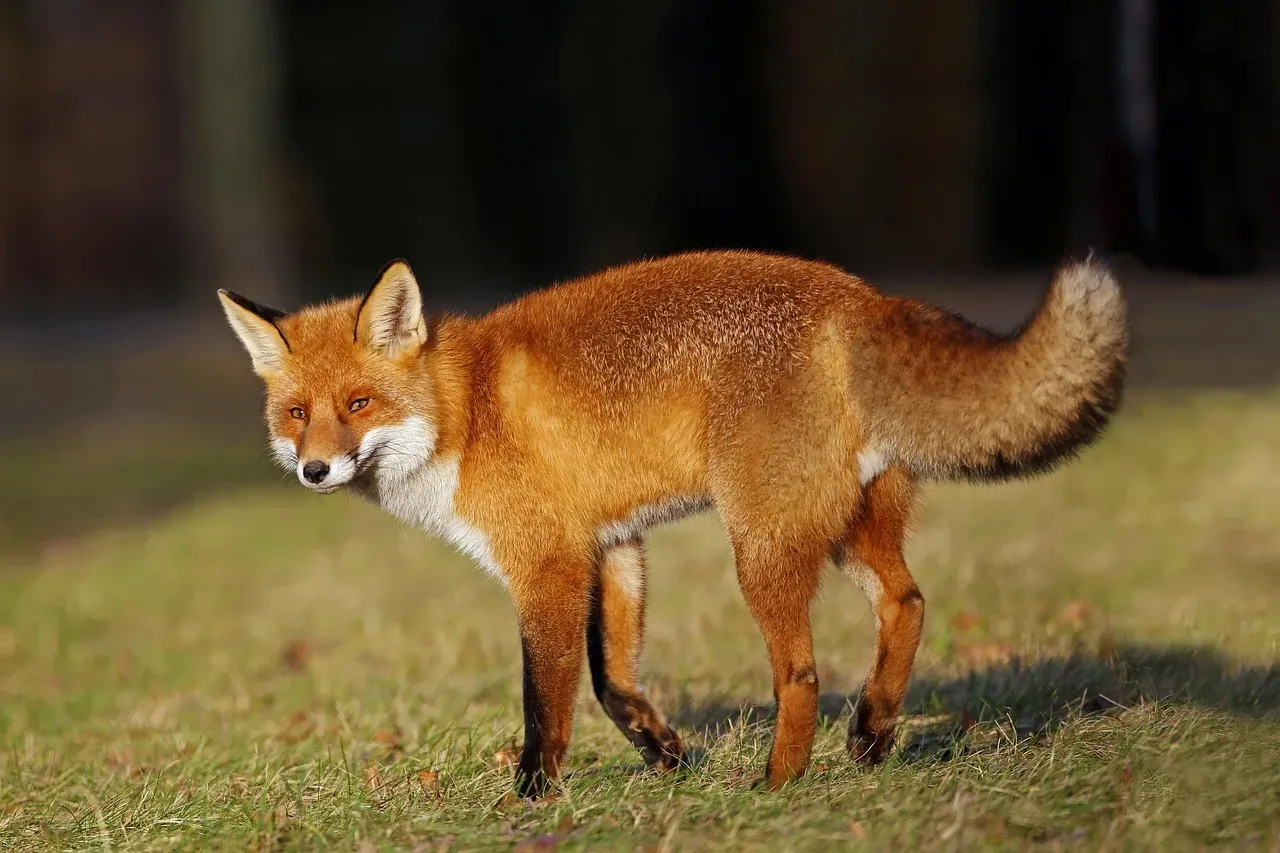
Wisconsin ranks at the top with roughly 200,000 red foxes calling the state home, making it the clear leader in the continental United States for fox populations. That kind of number is genuinely staggering when you picture it spread across farmlands and frozen fields.
Wisconsin has one of the largest red fox populations in the nation, and the state’s cold weather, variety of forests, farmland, and cities offer plenty of habitats that suit the species’ differing needs. During harsh winters, red foxes use their thick coats and clever hunting techniques to survive, often pouncing through deep snow to catch rodents scurrying beneath.
Wisconsin’s foxes contribute to keeping rodents in check and play a substantial role in maintaining agriculture and natural ecosystems, and the state is making efforts to protect the species, with wildlife management and public education having stabilized and increased fox populations, making Wisconsin a model for wildlife management.
#2. Missouri: Where Two Fox Species Share the Land
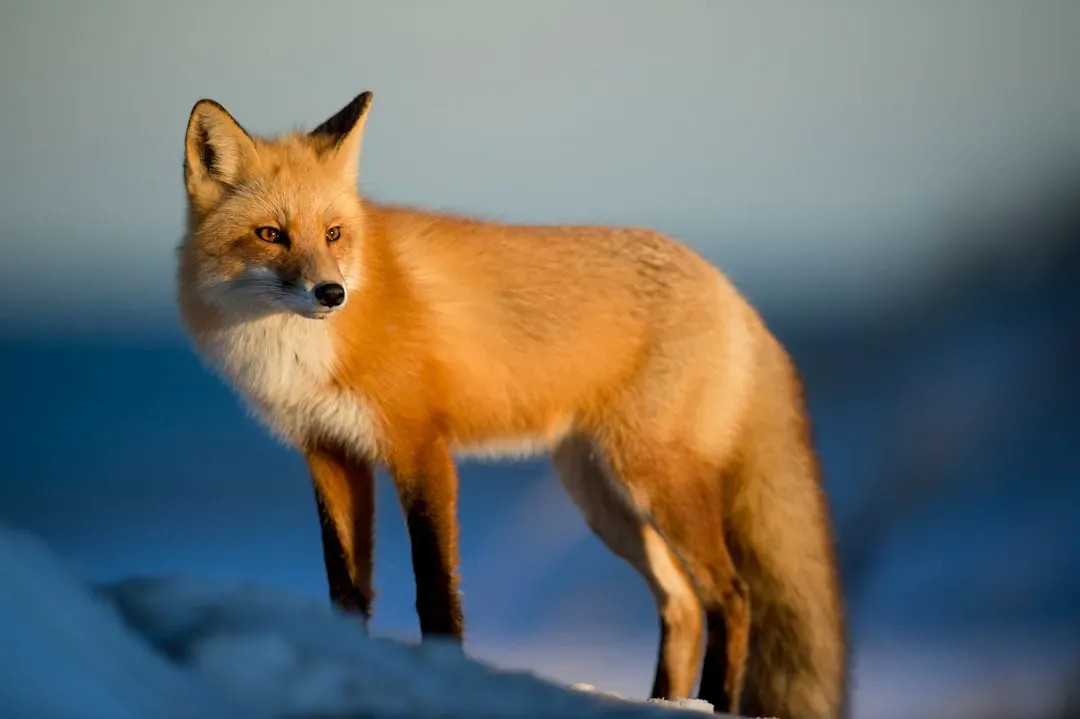
Missouri has a dense red fox population of about 100,000. Its diverse topography, with mountain ranges such as the Ozarks and great plains, provides varied habitats for the fox. It’s the kind of state where you can drive for hours and encounter wildly different landscapes, all of them friendly to wildlife.
Red foxes in Missouri prefer the state’s agricultural lands and mixed habitats where field edges meet woodlands. These transition zones offer excellent hunting grounds for rabbits, mice, and ground-nesting birds, and Missouri’s diverse landscape means foxes can thrive whether they’re in the rolling hills of the south or the flatter farmlands of the north.
Both gray and red foxes are found in Missouri. There is no estimation for gray foxes, but they are primarily found in the Ozarks, and for red foxes, there’s thought to be somewhere near 100,000. That makes Missouri a genuinely rare dual-species stronghold.
#3. Pennsylvania: Appalachian Fox Country
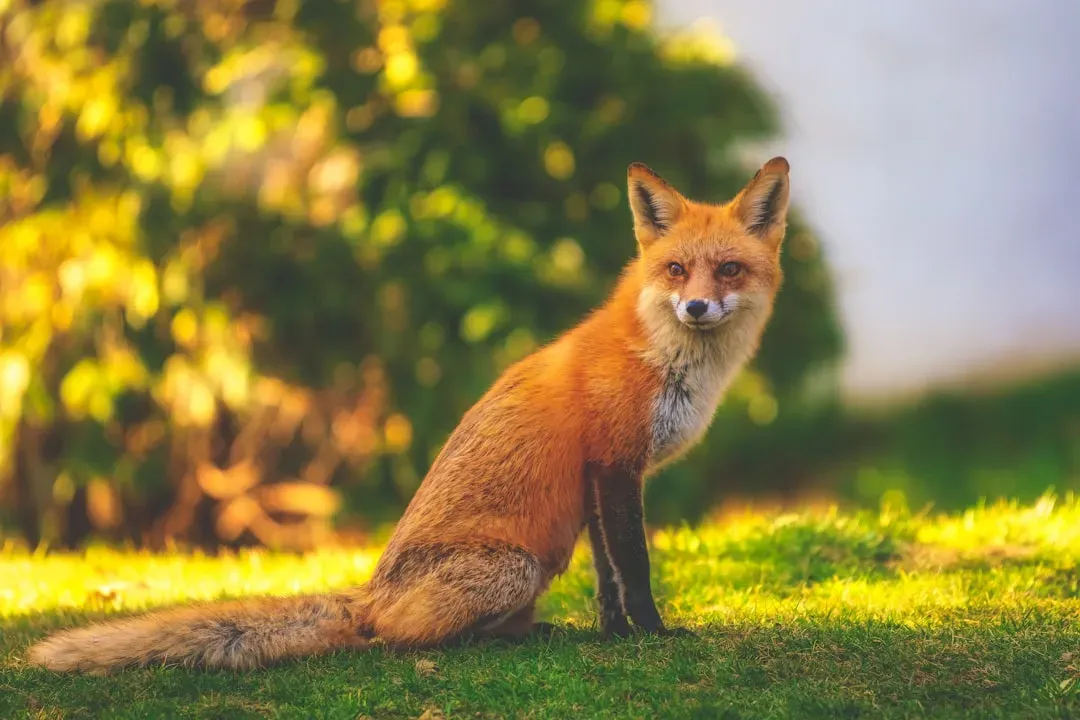
Pennsylvania is home to roughly 50,000 red foxes, and both red and gray foxes inhabit the state, with the red fox population being the more documented of the two. Pennsylvania’s Appalachian Mountains and vast stretches of forest provide ample cover and prey for these cunning animals.
Pennsylvania studies have documented that some high-use agricultural areas had only one fox per 300 acres, while wooded and less heavily farmed areas had one fox per 50 acres, a high concentration. That contrast tells you a lot about how critical landscape quality is for fox populations.
Fox populations in Pennsylvania are affected by availability of food, habitat suitability, coyote predation, and hunting and trapping pressure. Despite those pressures, Pennsylvania remains one of the most fox-dense states in the entire country, and its mix of forested ridges and agricultural valleys keeps both species well supported year-round.
#4. Michigan: A Great Lakes Fox Stronghold
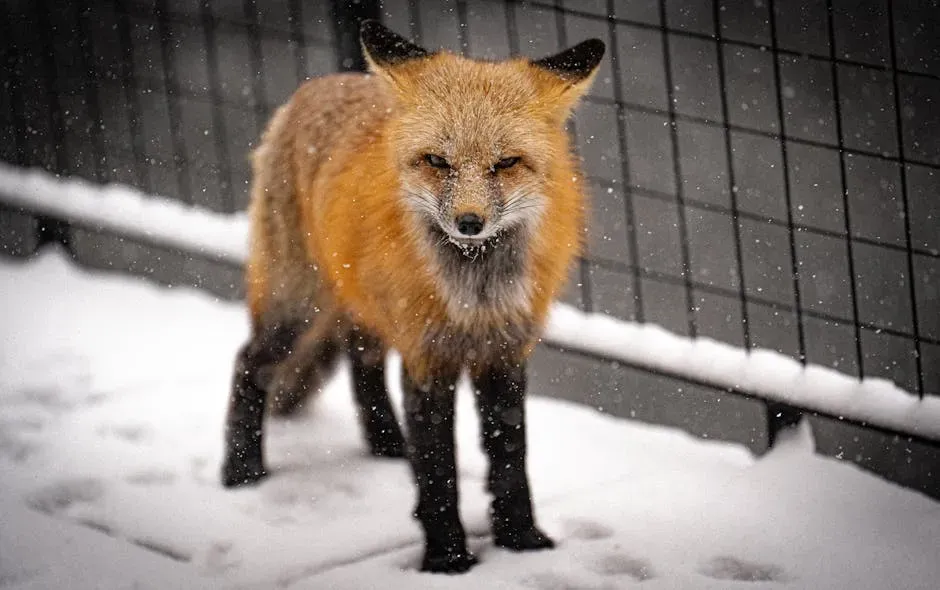
Red and gray foxes are found throughout Michigan, with both species distributed across the entire state, though specific population estimates are not available. Michigan’s geography, with its Great Lakes coastline, dense forests, and agricultural heartland, offers diverse habitats that support robust fox populations.
Red foxes are particularly common in Michigan, thriving in the state’s cold winters and dense forests, with their thick fur providing excellent insulation against harsh conditions. Gray foxes tend to stick to more wooded, secluded areas, and Michigan’s Upper Peninsula, with its remote wilderness, serves as a sanctuary for foxes seeking solitude away from human activity.
Michigan is home to the red fox, with its presence spanning every corner of the state, and this species coexists alongside gray foxes. Red foxes in Michigan tend to live as close-knit family units and typically only form a partnership with one mate for life. That kind of loyalty within a species that most people picture as solitary and sly is worth pausing on.
#5. South Carolina: Where Gray Foxes Rule
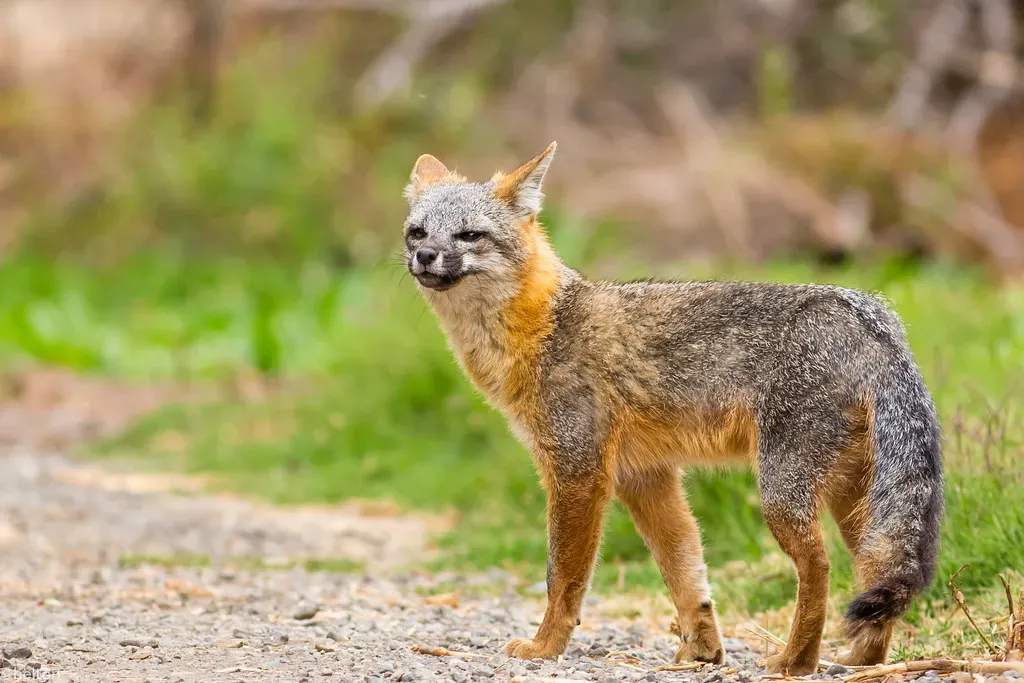
There’s no firm estimation for red foxes in South Carolina, though they are thought to be very abundant and easy to spot. Gray foxes outnumber red foxes there, roughly at a ratio of three to one. That dominance flips the usual national narrative on its head entirely.
The gray fox was once the most common fox in the eastern United States, and though still found there, human advancement and deforestation allowed the red fox to become the predominant fox in much of the country. Despite this competition, the gray fox has been able to thrive in urban and suburban environments. South Carolina holds onto that older ecological story better than most.
The gray fox can climb branchless, vertical trunks to heights of nearly 60 feet and jump from branch to branch, descending primarily by jumping or by moving slowly backwards like a domestic cat. It is primarily nocturnal or crepuscular and makes its den in hollow trees, stumps, or appropriated burrows during the day. That ability to climb trees is something virtually no other fox species in North America can do, and it gives the gray fox a real edge in South Carolina’s dense, tangled forests.
Conclusion: These States Deserve Their Fox Reputation
The data makes one thing clear: fox populations in America aren’t randomly scattered. They concentrate where the land, climate, and food supply align in just the right way. Wisconsin’s farmland, Missouri’s river valleys, Pennsylvania’s mountains, Michigan’s forested wilderness, and South Carolina’s ancient woodlands have each created their own version of fox paradise.
From Wisconsin’s massive red fox population to South Carolina’s gray fox dominance, these states showcase the incredible adaptability and resilience of foxes across diverse American landscapes. These clever mammals have proven they can thrive in forests, farmlands, suburbs, and even urban edges, adjusting their behavior and diet to whatever environment they encounter.
Personally, the real takeaway here isn’t just about numbers on a map. It’s that these animals have quietly shaped the ecological fabric of entire regions, keeping rodent populations in check, raising families in the hollows of old trees, and navigating landscapes that change faster every decade. The states that have made room for them are better off for it. The question isn’t where the foxes are – it’s whether we’re paying close enough attention to keep them there.


