
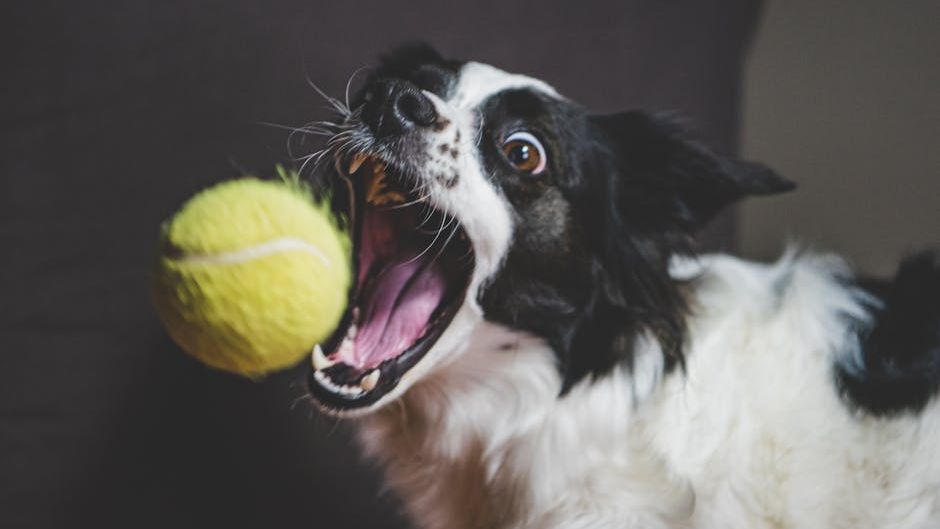
Have you ever looked at your dog and genuinely wondered, “Are you actually happy, or are you just tolerating me?” It’s a surprisingly real question that millions of dog owners quietly ask themselves. Dogs can’t speak our language, but here’s the thing – they’re communicating constantly. Through every sigh, stretch, tail wag, and sideways glance, your dog is telling you exactly how they feel.
The trouble is, most of us are only trained to notice the obvious stuff: the energetic tail wags, the bouncy greetings at the door. True canine happiness is actually layered, quieter, and far more nuanced than we often give it credit for. It lives in the little moments. The way your dog melts into your hand when you pet them. The way they sprawl freely across the floor without a care in the world. Get curious about those moments, because that’s where the magic is. Let’s dive in.
Reading the Room: What Your Dog’s Body Language Is Really Saying
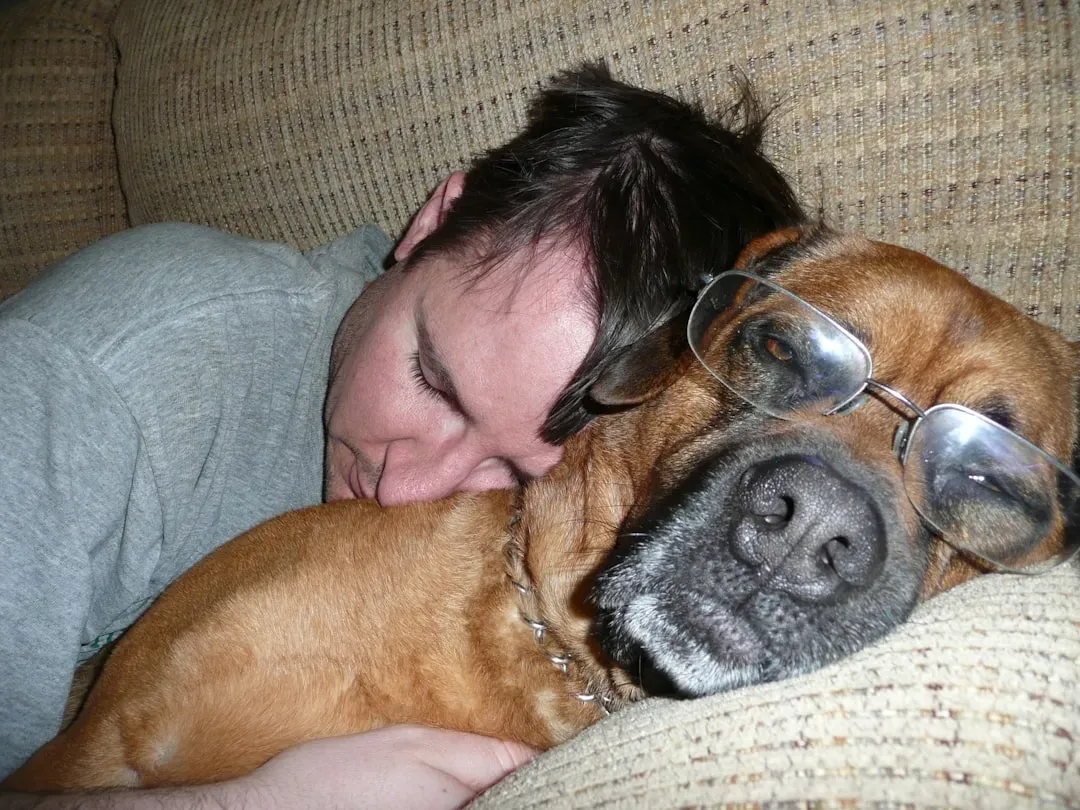
Honestly, if there’s one skill every dog owner needs to develop, it’s reading body language. Relaxed body language is one of the most obvious indicators of a happy, content dog. Think of it like this: your dog’s body is a live emotional dashboard, updating in real time. You just need to learn which buttons mean what.
Happy dogs appear loose and wiggly rather than stiff or tense. Their shoulders sit naturally, not hunched up. You might even catch them in full “flop mode,” completely relaxed and sprawled out. When your dog lies belly-up on the couch like they own the whole place, that’s not laziness. That’s trust. In these positions, their belly is left exposed, and we know that it’s a vulnerable spot, so this can only mean they trust you completely.
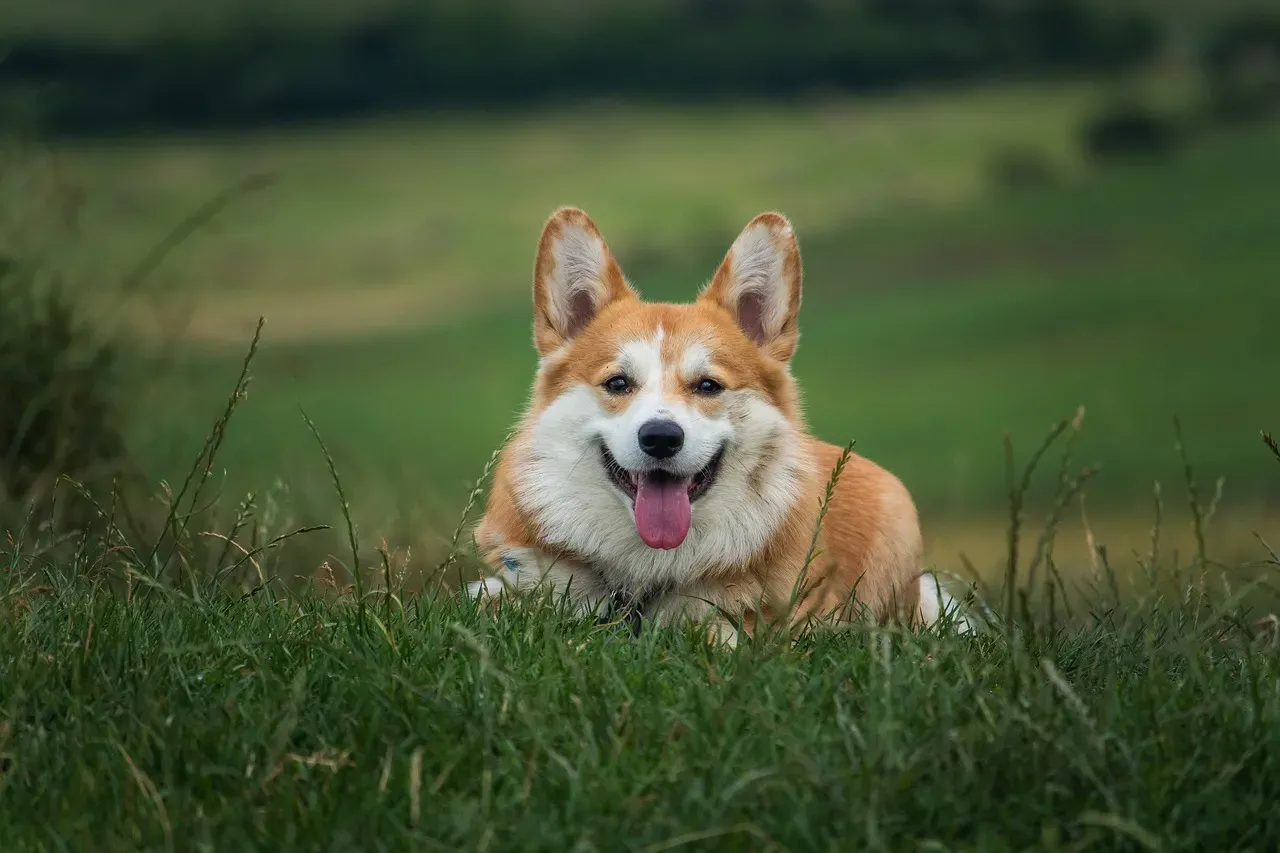
While ear shapes vary depending on the breed, a happy dog’s ears are relaxed and rest naturally against their head. Some dogs will have one ear cocked up, or both may be loose and floppy. Contrast that with ears pinned tight against the skull, and you’ve got a very different emotional picture. When a dog is happy, their eyes and eyelids will be open and relaxed, their gaze will be soft, and they will blink often. Soft, blinking eyes are basically the canine version of a smile.
Be careful not to mistake a high, stiff tail for happiness – that usually means the dog is overstimulated or agitated. Context is everything. A tail wag paired with a tense body and wide eyes tells a very different story than a wag paired with a loose, wiggling behind. Learn the full picture, not just the headline.
The Playful Spirit: Why Engagement Is the Heartbeat of a Happy Dog
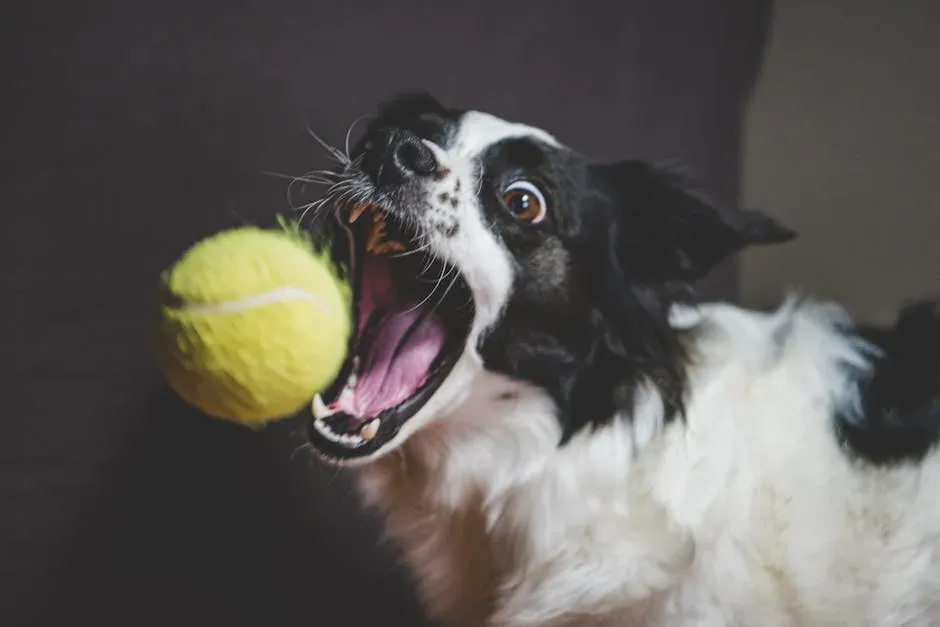
Let’s be real: few things are as contagiously joyful as a dog in full play mode. Playful dogs often initiate play by bringing you toys, nudging you, or engaging in a “play bow” position – lowering their front end while keeping their rear end elevated – to get your attention and encourage you to join in. That play bow? It’s your dog essentially sending you a formal invitation. And you absolutely should RSVP yes.
When your dog suddenly bursts into high-speed laps around the house or yard, it’s a clear sign they’re overflowing with happiness. Known as “zoomies,” these spontaneous energy explosions allow dogs to release excitement and express pure joy. Whether it’s after a bath, during playtime, or just out of nowhere, zoomies show your dog is feeling good both physically and emotionally. If your dog has ever turned your living room into a racetrack at 9pm for no apparent reason, consider yourself blessed.
Their energy is lively but not frantic or tired, striking a balance between excitement and calmness. A lack of interest in play may hint at boredom, sadness, or discomfort, while excessive play might signal anxiety or frustration. This balance is important. Think of it like a healthy friendship – engaged, enthusiastic, but also comfortable with stillness. Much of dogs’ personalities are closely tied to their relationship with their owners, and one of the biggest ways that manifests itself is their eagerness to please. This really comes out during intense training sessions, when your pooch will do their absolute best to learn every command you’re teaching them.
Sleep, Appetite, and the Quiet Signals Most Owners Miss

Here’s something that surprises a lot of dog owners: happiness often shows up most clearly in the mundane. Not in the dramatic tail wags or the grand greetings, but in how peacefully your dog eats and sleeps. Healthy adult dogs sleep 12 to 16 hours per day. This might seem like a lot, but it’s completely normal. Happy dogs sleep deeply and peacefully. They find comfortable spots and settle in for long naps.
You can tell a lot about a dog’s happiness by how they sleep. Dogs who snooze on their back with all four paws in the air or sprawled out like a starfish feel very comfortable and safe in their environment. I think of it like this: you only sleep with your belly exposed when you feel completely safe. Your dog operates on exactly the same principle. Watch for changes in sleep patterns. Dogs who suddenly sleep much more or much less than usual might be dealing with stress, illness, or emotional issues.
On the food front, the signals are equally telling. A dog with a good appetite will show excitement and eagerness when it’s time to eat. They may wag their tail, pace around, or become visibly enthusiastic as you prepare their food. Finishing meals: a dog with a healthy appetite will consume their entire meal, leaving little to no food behind. Suddenly disinterested in the food bowl they once sprinted toward? That deserves attention. A sudden change in appetite often signals underlying health issues or emotional distress. If your dog suddenly becomes a picky eater or shows unusual feeding behaviors, it’s worth investigating the cause.
The Bond Factor: How Connection and Routine Fuel Canine Joy
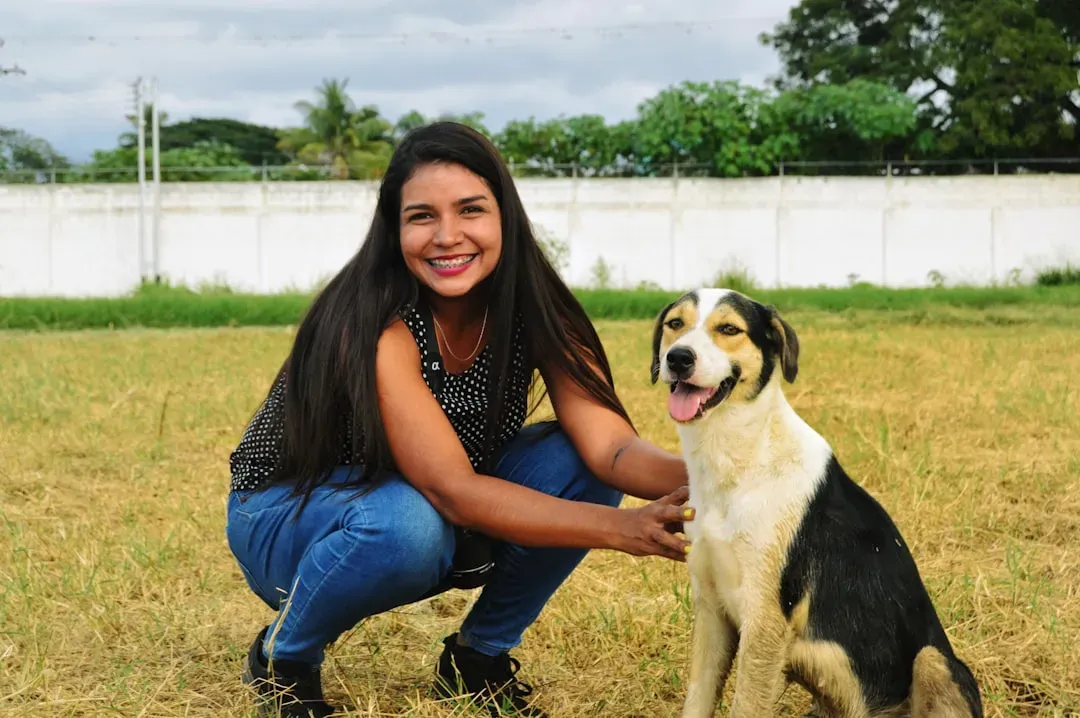
Dogs are, at their core, relationship animals. They don’t just want food and shelter. They want you. Dogs are pack animals at heart, which means they love being around their family, whether that’s you, other humans, or even fellow pets. They might follow you from room to room, nudge you for belly rubs, or curl up next to you on the couch. If your dog shadows your every move through the house, that’s not neediness. That’s love in its purest form.
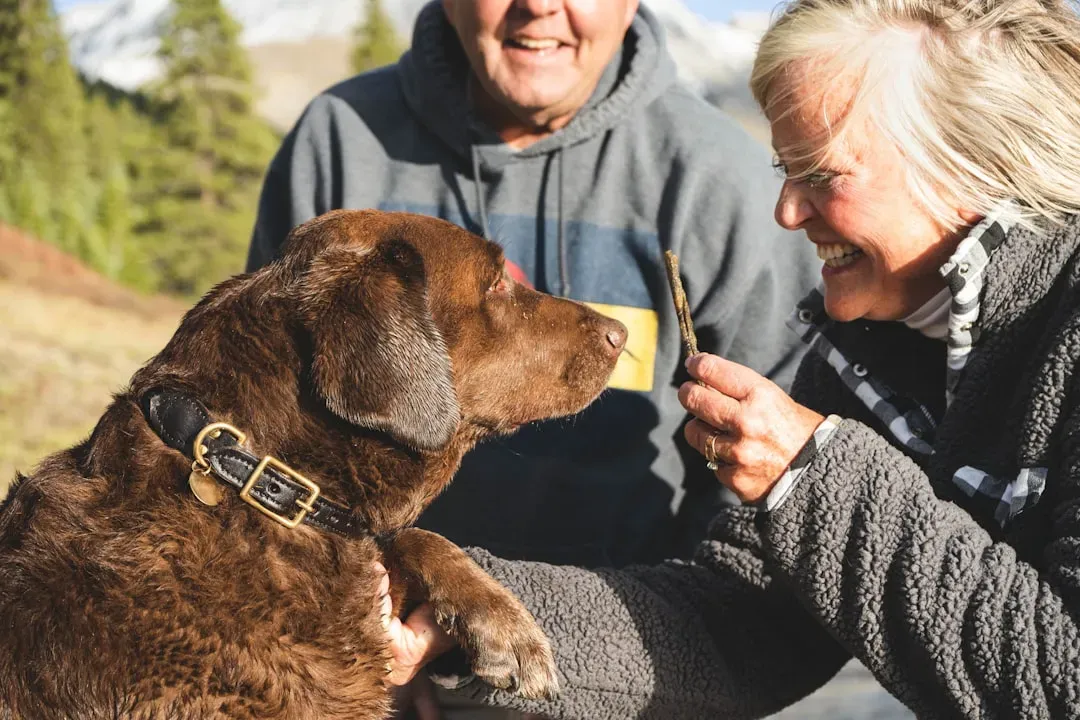
Studies have even found that, when petted, dogs’ levels of oxytocin – the “feel-good hormone” – rise, just like humans’ levels rise when petting their pup. So that warmth you feel when cuddling your dog? It’s fully mutual. The science is real. Dogs that seek out affection from their owners are expressing their happiness and trust. Whether it’s leaning against you, placing a paw on your lap, or curling up next to you, these behaviors show they feel safe and loved.
Consistency is the foundation of a happy dog’s life. Regular feeding times, daily walks, and grooming sessions create a sense of stability and trust. Dogs love routine as it helps them feel loved and secure. Think of routine as your dog’s love language. It’s not exciting, but it’s deeply reassuring. A dog that knows what to expect is a dog that can truly relax. Dogs adopted later in life, especially from shelters, may need more time to feel safe and show relaxed, happy behavior. Once they realize they can count on you, these dogs are often capable of forming incredibly deep bonds.
When Happiness Needs a Little Help: Prevention Tips and Red Flags to Watch
Sometimes, despite our best intentions, our dogs aren’t as happy as we’d like them to be. Recognizing the warning signs early is a form of love in itself. Happy dogs are unlikely to destroy your home or act “naughty.” Chewing is a natural behavior for dogs, as they use their mouths to explore their environments. Excessive chewing or destructive behavior, particularly in an adult dog, could also be a sign of stress or boredom. Separation anxiety is another common cause of destructive behavior in dogs.
A number of overlooked lifestyle factors can slowly diminish a dog’s emotional state. These factors tend to influence behavior earlier than health, and early awareness is crucial to avoid stress or dissatisfaction in the long run. Here’s the sobering truth: boredom is one of the quietest threats to a dog’s wellbeing. Boredom can actually be a dangerous thing. A bored dog is not happy, and more often than not, they will act out and resort to destructive behavior to get your attention.
The good news is that prevention is genuinely straightforward. Provide regular exercise: engage your dog in physical activities that suit their age and energy level. This could include daily walks, playing fetch, or even hiking with your dog! Daily activity can help maintain your dog’s health and allow them to release energy, contributing to an overall happier attitude. Layer in some brain work too. Interactive toys, food puzzles, and training sessions are all great examples of mental stimulation for your dog. These activities can prevent boredom and promote a sense of accomplishment in canines.
Schedule preventive veterinary care: regular health check-ups can detect pain or illness at an early stage, so it does not creep into mood, behavior, and long-term emotional health unnoticed. A dog in physical pain can easily look like an emotionally withdrawn or anxious dog. Never skip the vet visits. Your dog can’t tell you what hurts, but their behavior absolutely can.
A Final Thought: Your Dog Is Telling You Everything – Are You Listening?
Here’s what I keep coming back to: dog happiness isn’t a mystery. It’s a language. And like any language, it simply takes time, attention, and genuine curiosity to learn. A dog’s happiness is built on regular care, emotional insight, and a balanced lifestyle that promotes physical well-being and psychological fulfillment at all stages of life. That’s not a tall order. That’s a daily practice.
Content and happy dogs often show fewer signs of stress and anxiety, leading to fewer health issues and a longer lifespan. When a dog feels secure and loved, they tend to have stronger immune systems and exhibit more playful and relaxed behaviors. In other words, the love you pour into your dog comes back to them in years of health and joy. It’s honestly one of the best investments you’ll ever make.
Perfection is not what a happy dog requires, but rather safety, contact, challenge, and affection. By observing such happy clues, you can learn more about your dog’s emotional world and act in ways that help build trust and companionship. You don’t have to be a perfect dog parent. You just have to be a present one.
So the next time your dog presses their warm weight against your leg for no particular reason, or blinks at you slowly from across the room, know this: that’s their version of “I’m happy, and it’s because of you.” Does that change how you’ll pay attention to them tomorrow? Tell us in the comments!


