
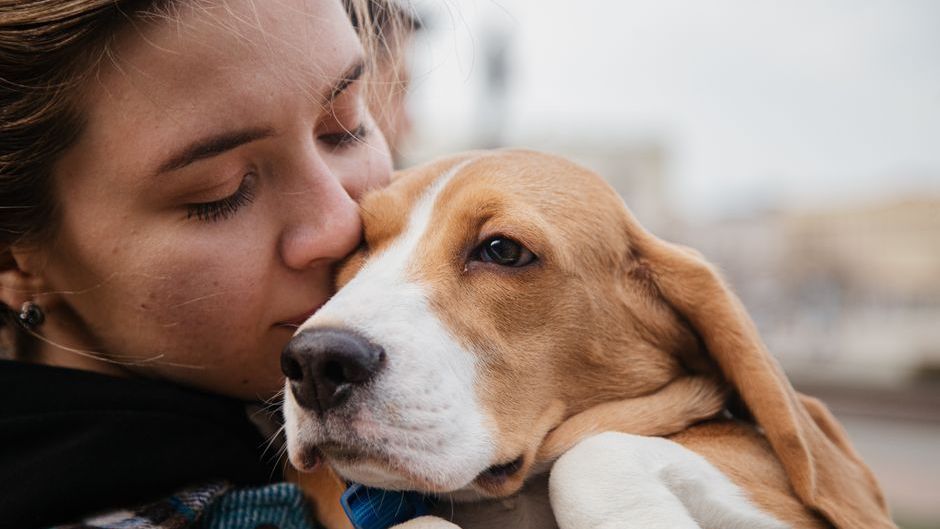
Have you ever returned home to find your dog avoiding your gaze, and wondered if they’re feeling guilty for some mischief? It’s a common misconception among dog owners. In reality, when your canine companion looks away upon your return, they’re not recalling a past wrongdoing but are instead displaying a natural, submissive behavior. Let’s delve into the fascinating world of canine psychology to understand this better.
The Canine Perspective on Eye Contact
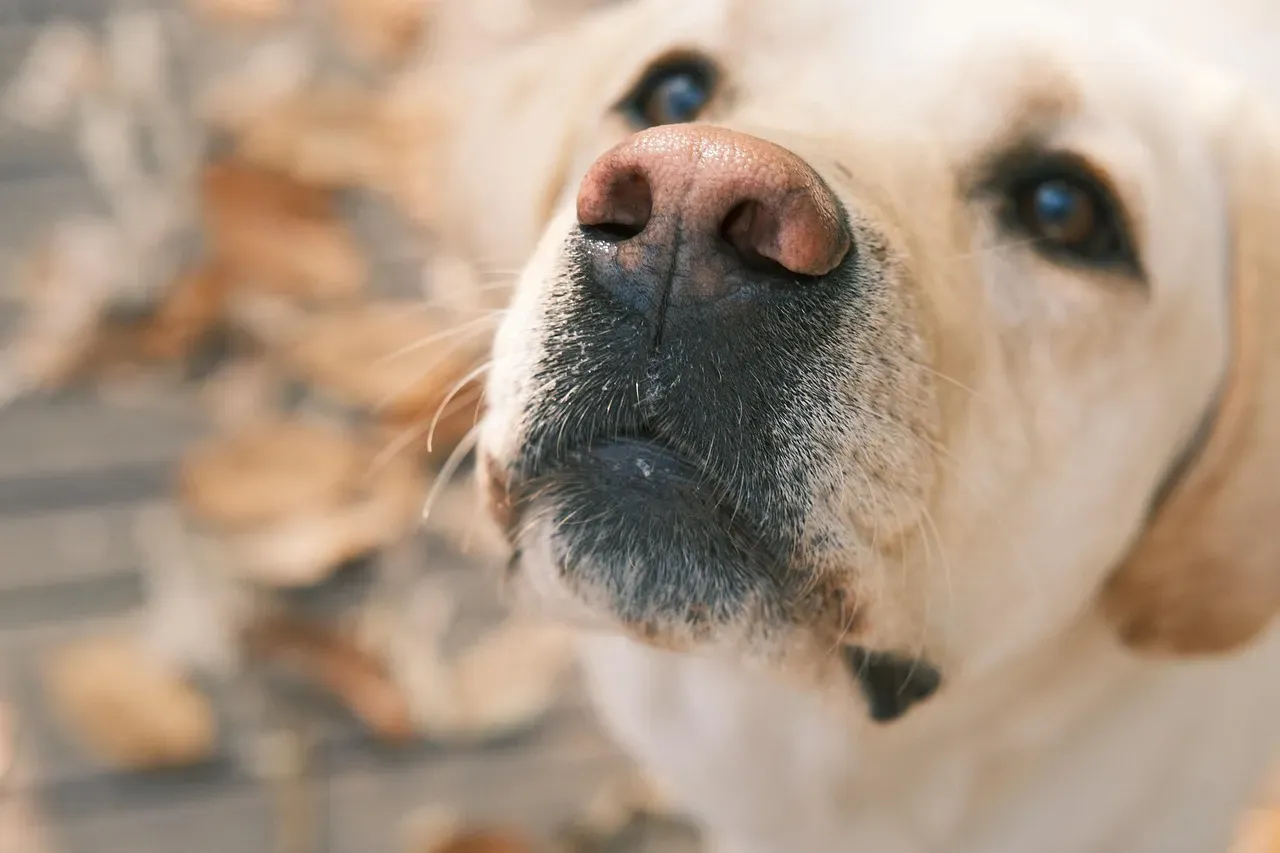
In the human world, direct eye contact often signifies confidence and honesty. However, in the canine realm, it’s a different story. Dogs interpret prolonged eye contact as a potential threat or challenge. This instinct harks back to their wild ancestors, where a direct stare could escalate into aggression. Therefore, when your dog avoids your gaze, they’re not being evasive; they’re communicating respect and submission.
Submission vs. Guilt: Decoding the Behavior
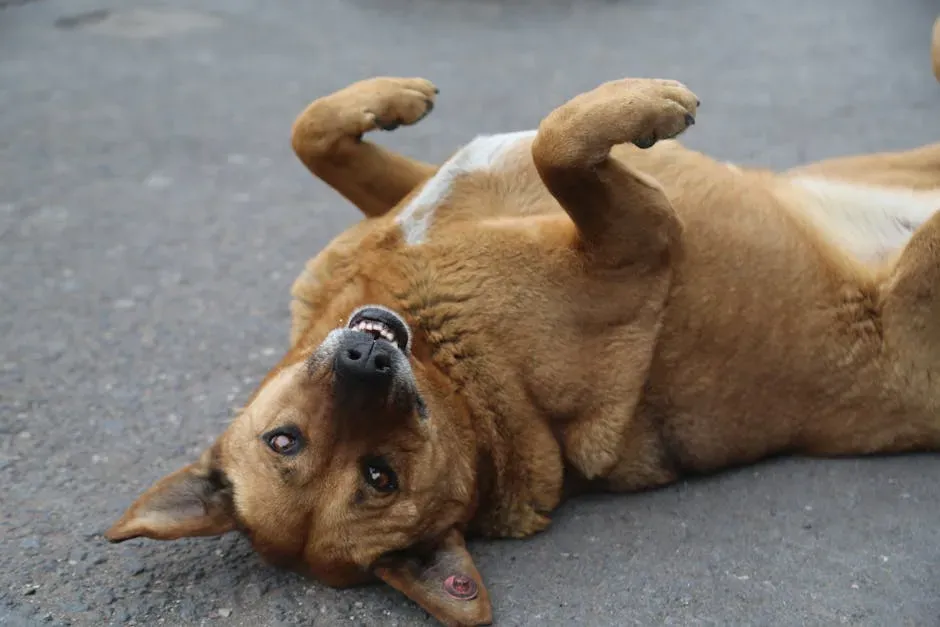
It’s easy to anthropomorphize our pets, attributing human emotions like guilt to their actions. However, dogs don’t experience guilt in the same way humans do. When they avert their eyes, it’s not an admission of wrongdoing but a calming signal. They’re essentially saying, “I acknowledge your authority and mean no harm.” This behavior helps maintain harmony within the pack, or in this case, your household.
Recognizing Stress and Anxiety Signals
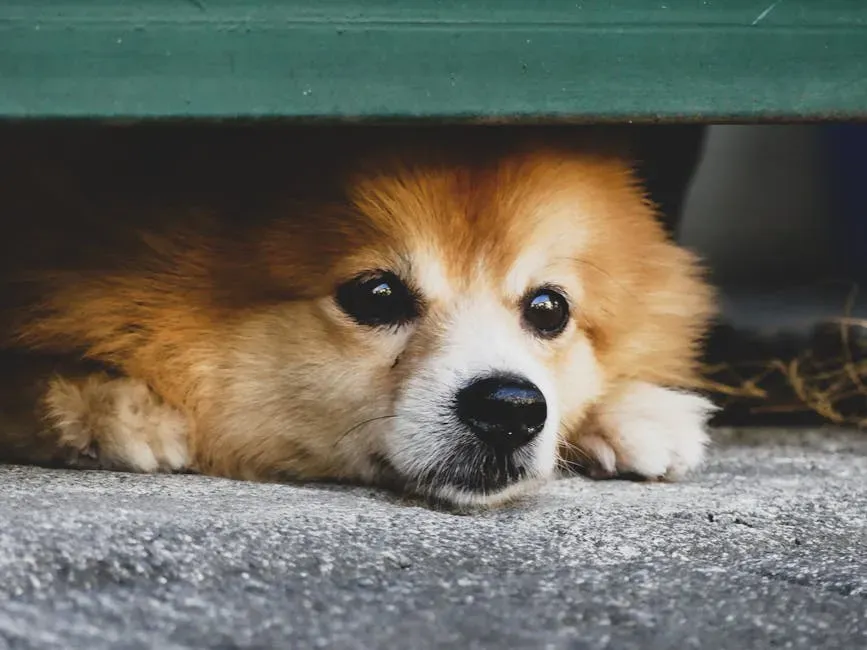
While avoiding eye contact is a normal submissive behavior, it’s essential to recognize when it might indicate stress or anxiety. If your dog consistently avoids your gaze, coupled with other signs like tucked tails, flattened ears, or lip licking, they might be feeling uneasy. Understanding these cues can help you address any underlying issues and ensure your dog’s well-being.
The Role of Socialization and Training
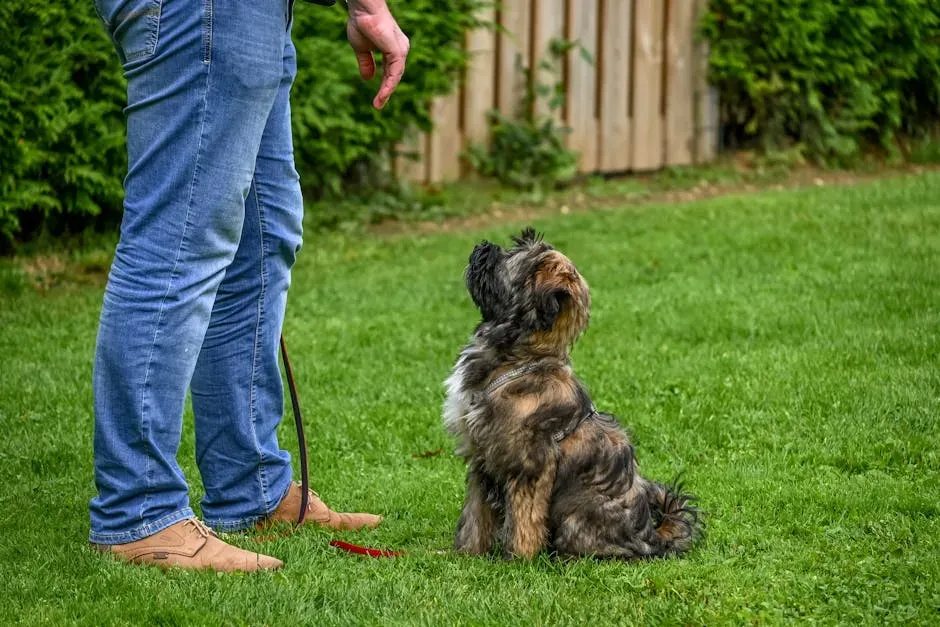
Proper socialization and positive reinforcement training can influence your dog’s comfort with eye contact. Dogs that have been gently exposed to various social situations from a young age tend to be more at ease with direct gazes. Training exercises that reward brief eye contact can also help build their confidence and strengthen your bond.
When to Seek Professional Guidance
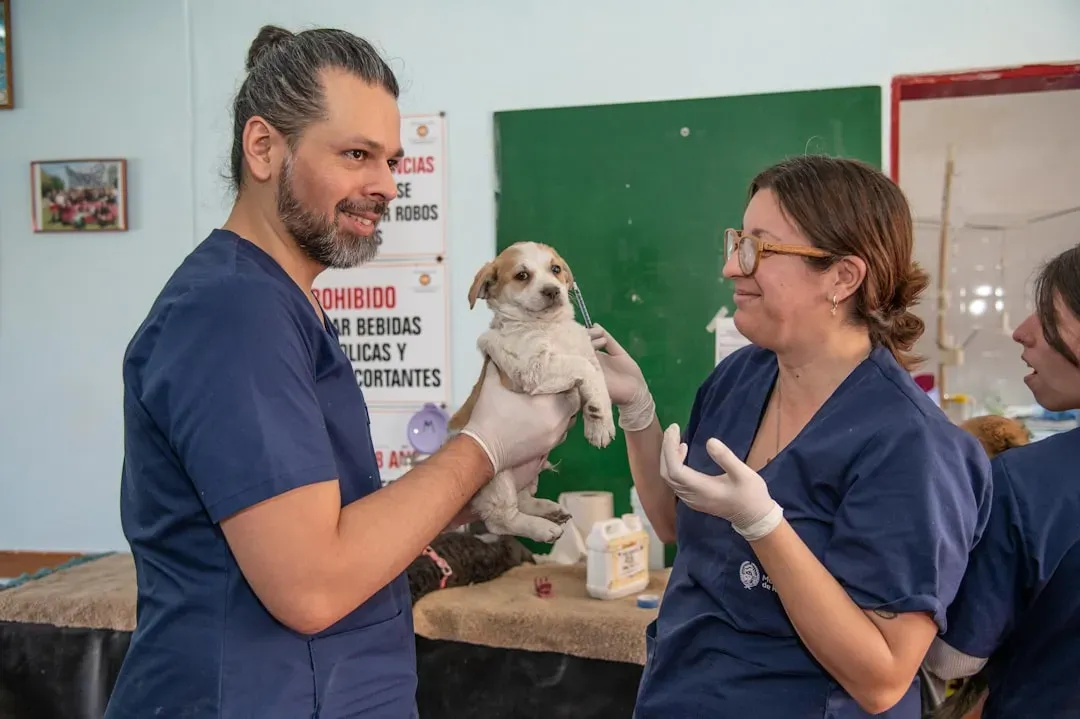
If your dog’s avoidance of eye contact is sudden or accompanied by other behavioral changes, it might be time to consult a professional. Veterinarians or certified dog behaviorists can help identify any medical or psychological issues and provide guidance tailored to your dog’s needs.
Building Trust Through Understanding
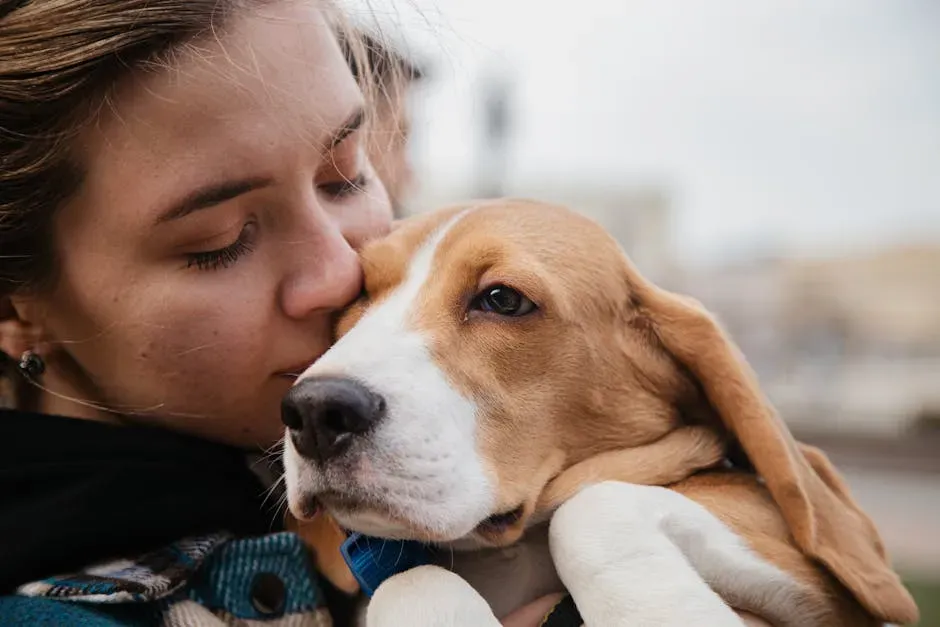
By recognizing and respecting your dog’s natural communication methods, you can build a deeper, more trusting relationship. Instead of interpreting their behavior through a human lens, try to see the world from their perspective. This empathy will not only enhance your bond but also ensure a happier, more harmonious coexistence.
Conclusion: Embracing Canine Communication
Understanding that your dog’s avoidance of eye contact is a sign of submission, not guilt, allows you to appreciate their unique way of communicating. By acknowledging and respecting these natural behaviors, you foster a relationship built on trust and mutual respect. So, the next time your furry friend looks away, remember, they’re not recalling a past misdeed; they’re simply saying, “I respect you.” Isn’t that a beautiful sentiment?


