
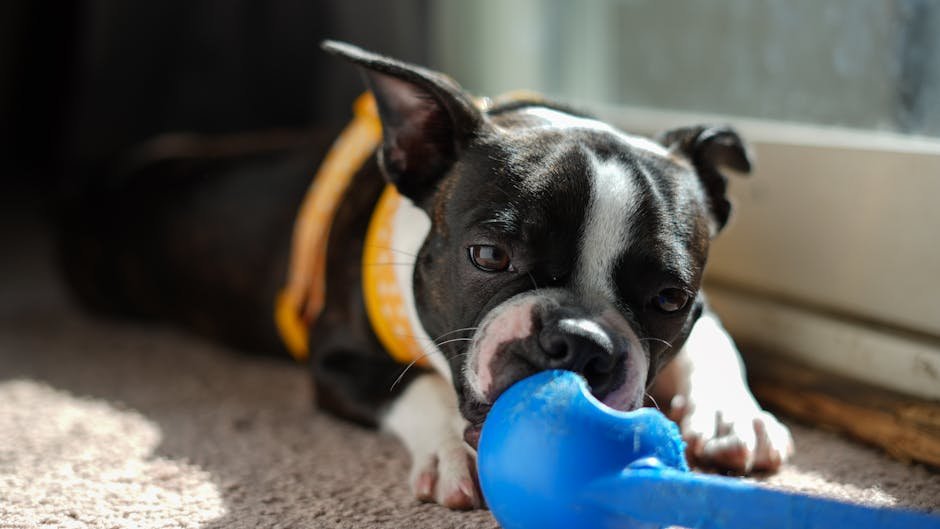
Picture this: your energetic Labrador pacing the room, eyes darting everywhere, finally resorting to shredding that favorite pillow. It’s heartbreaking, right? Boredom hits dogs hard, leading to mischief that no one wants.
Yet mental workouts can transform that restless pup into a calm, confident companion. These aren’t just games; they’re lifelines for their sharp minds. Let’s dive into five game-changing ways to spark joy and smarts in your furry friend.[1]
Spot the Subtle Cues of Canine Boredom

Excessive chewing on furniture or shoes often screams boredom before anything else. Watch for pacing back and forth or digging at carpets, classic signs your dog craves more than a walk. Whining at doors or obsessive licking points to the same issue.[2]
I’ve seen it in my own pack: a once-destructive chewer turned chill after we upped the brain games. These behaviors fade with mental input, reducing stress and boosting relaxation. Spot them early, and you’ll prevent bigger headaches down the line.[3]
Puzzle Toys: The Ultimate Brain Buffet
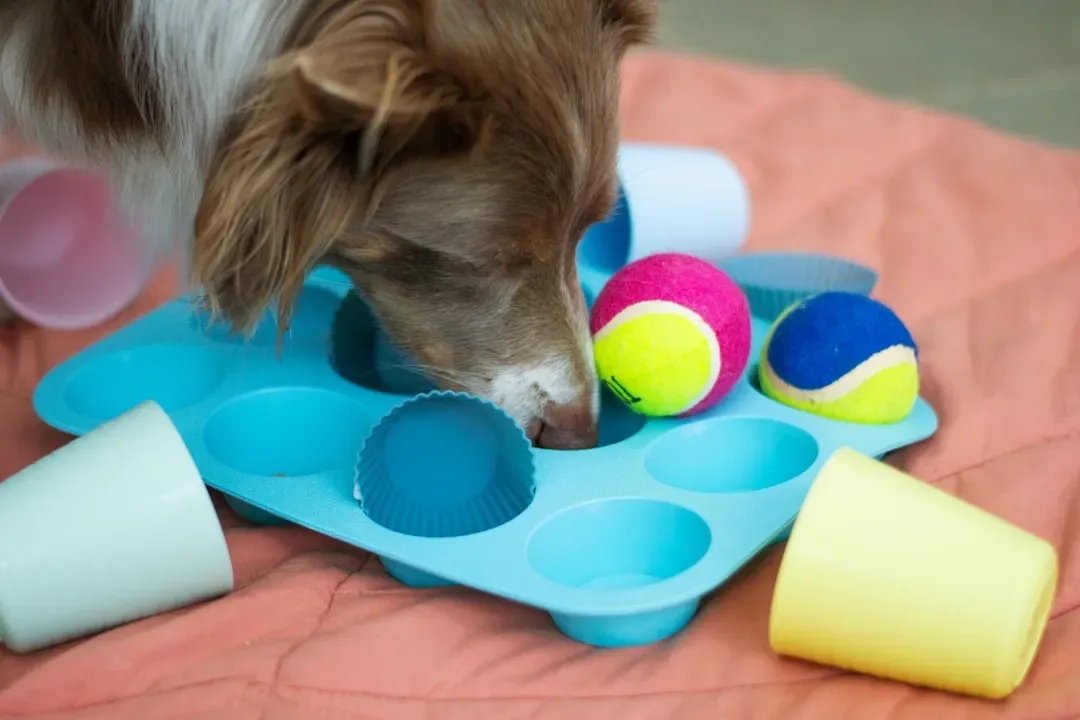
Stuff a Kong with peanut butter and freeze it; your dog will work for hours to get every bit. These toys mimic foraging, tapping into ancient instincts while sharpening problem-solving skills. Studies show they cut stereotypic behaviors like circling.[4]
Honestly, it’s magic for apartment dwellers. One client’s hyper Border Collie stopped counter-surfing once puzzles became daily. Rotate toys to keep the challenge fresh, and watch confidence soar.[5]
Scent Games: Awaken the Super Sniffer
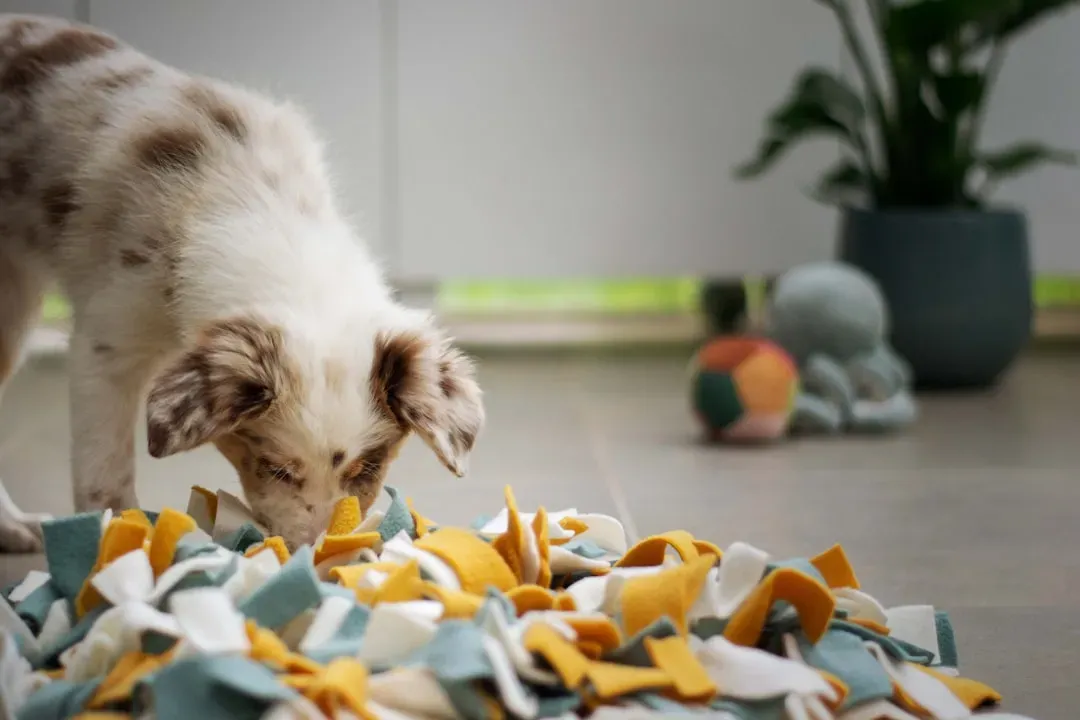
Hide treats around the yard or under blankets for a sniffari adventure. Dogs’ noses are thousands of times stronger than ours, so this lights up their brain like fireworks. It reduces anxiety by channeling natural hunting drives.[6]
Try a snuffle mat for rainy days; my rescue mix goes into zen mode burying her nose in it. Real-world wins include calmer shelter dogs post-scent sessions. Start simple, build complexity, and prevent boredom-fueled barking.[7]
Trick Training: Smarts Meet Fun Bonding
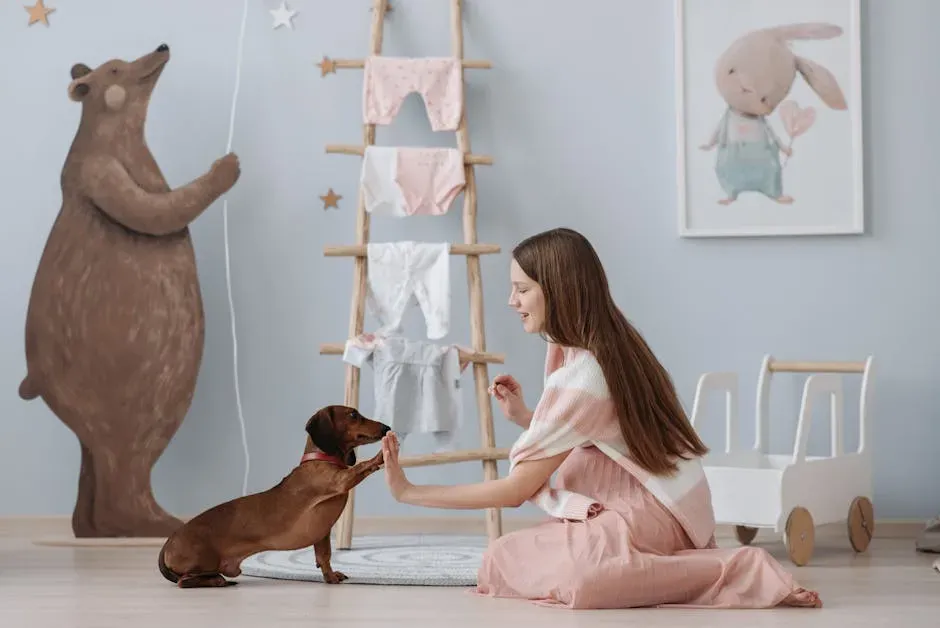
Teach “spin” or “touch” with treats; short five-minute sessions pack a punch. This builds memory and focus, much like puzzles but with your voice as the guide. Research links it to better cognitive function in aging pups.[8]
Let’s be real, nothing beats the tail-wag pride when they nail a new move. A friend’s anxious Aussie transformed, gaining poise through daily drills. Keep it positive, end on success, and dodge destructive outlets.[9]
Hide and Seek: Everyday Thrills Indoors

Call your dog from behind a door, rewarding finds with play. It hones recall while burning mental energy faster than a run. Perfect for high-drive breeds prone to escape antics.
I know it sounds basic, but one hyper pup I trained quit jumping fences after weeks of this. Mix in toys or family members for variety. You’ll see less whining, more wagging, proving simple swaps yield big calm.[10]
Wrap It Up: A Sharper, Happier Hound Awaits
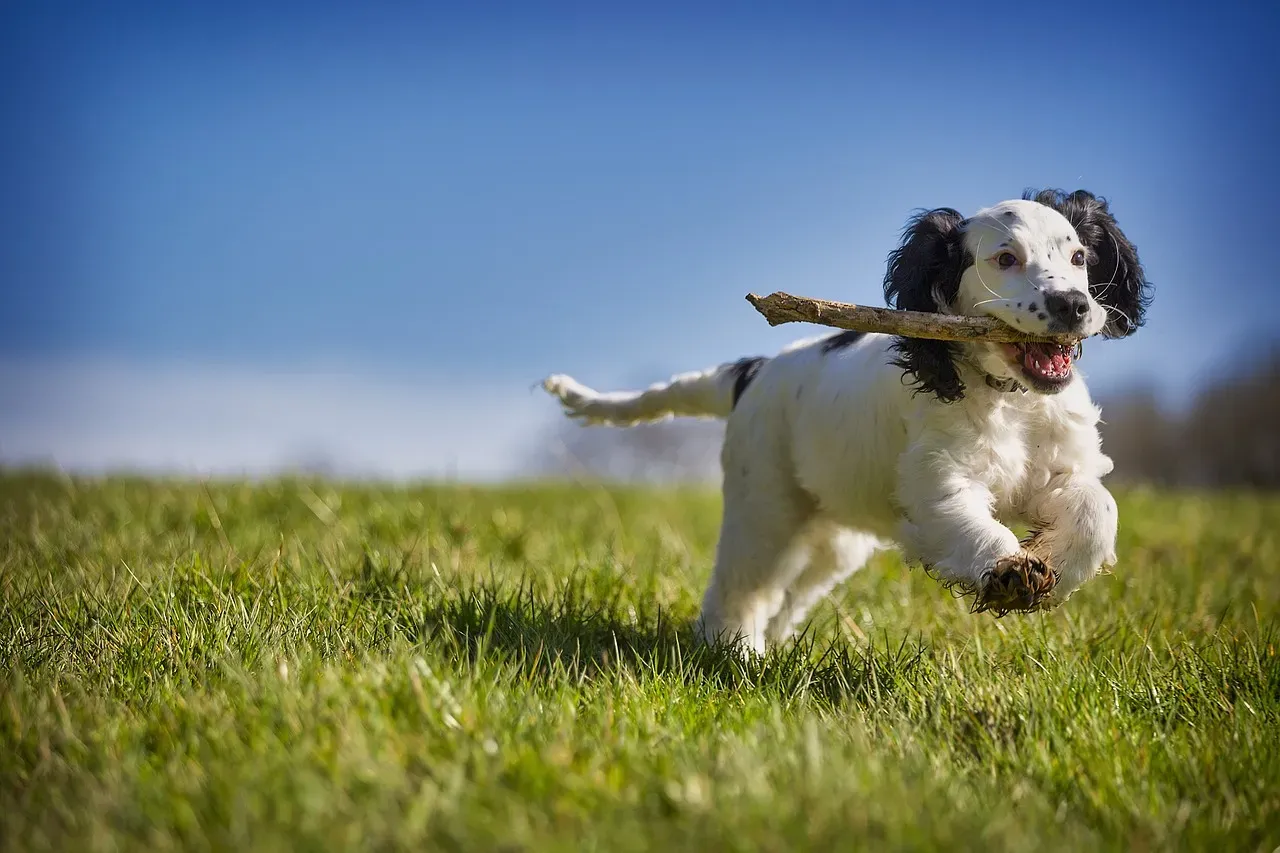
Mental challenges aren’t extras; they’re essentials matching walks in impact. Your dog will show gratitude through fewer mishaps and brighter eyes. Start small today, and feel that bond deepen.
What game will you try first with your pup? Share in the comments – we’re all in this tail-wagging life together.


