
There’s a particular kind of stillness that settles over a house when a dog is nearing the end. Most owners sense it before they can name it. Something shifts in the way their dog looks at them, moves through a room, or leans into a hand placed on their side. It’s quieter than anything you’d expect from a creature that once knocked cups off tables just to hear them fall.
Dogs have spent thousands of years learning to read us. What many owners don’t realize, until it’s almost too late, is that their dogs spend those final weeks, days, and hours doing the same thing in reverse. They’re sending signals. They’re communicating. The tragedy is that most of us don’t know how to listen.
#1: The Shift Between Seeking You and Pulling Away

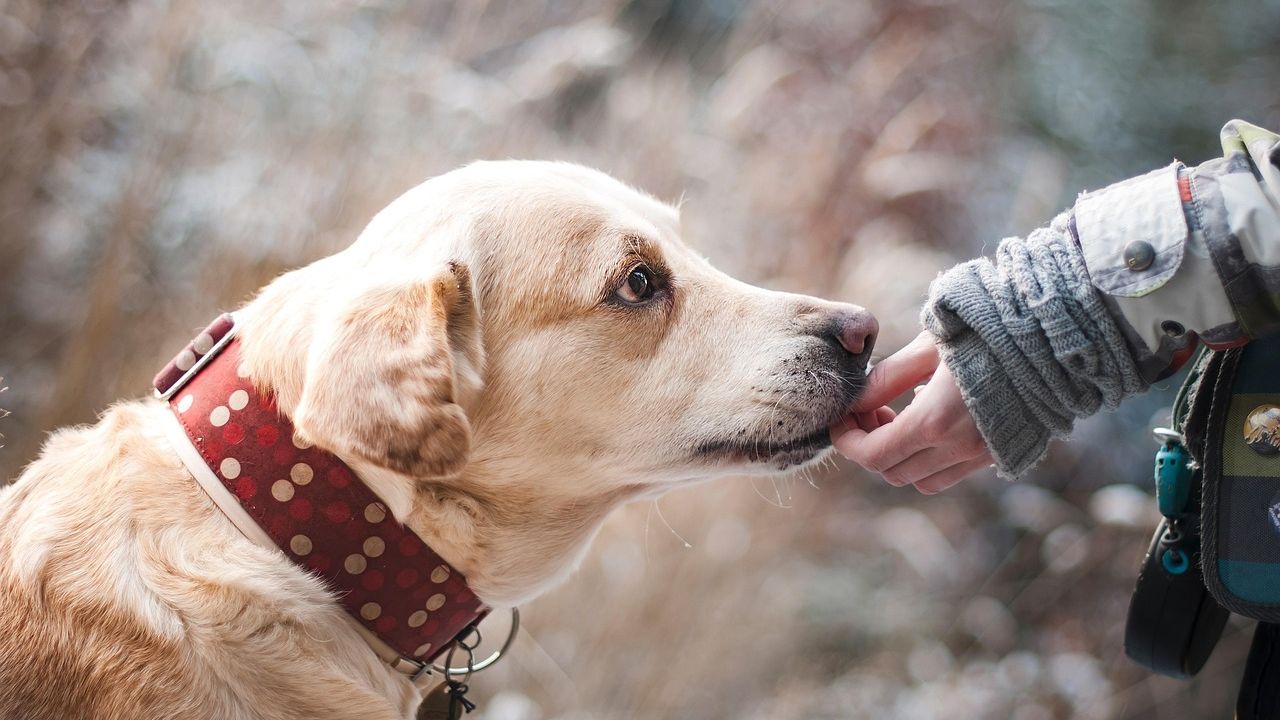
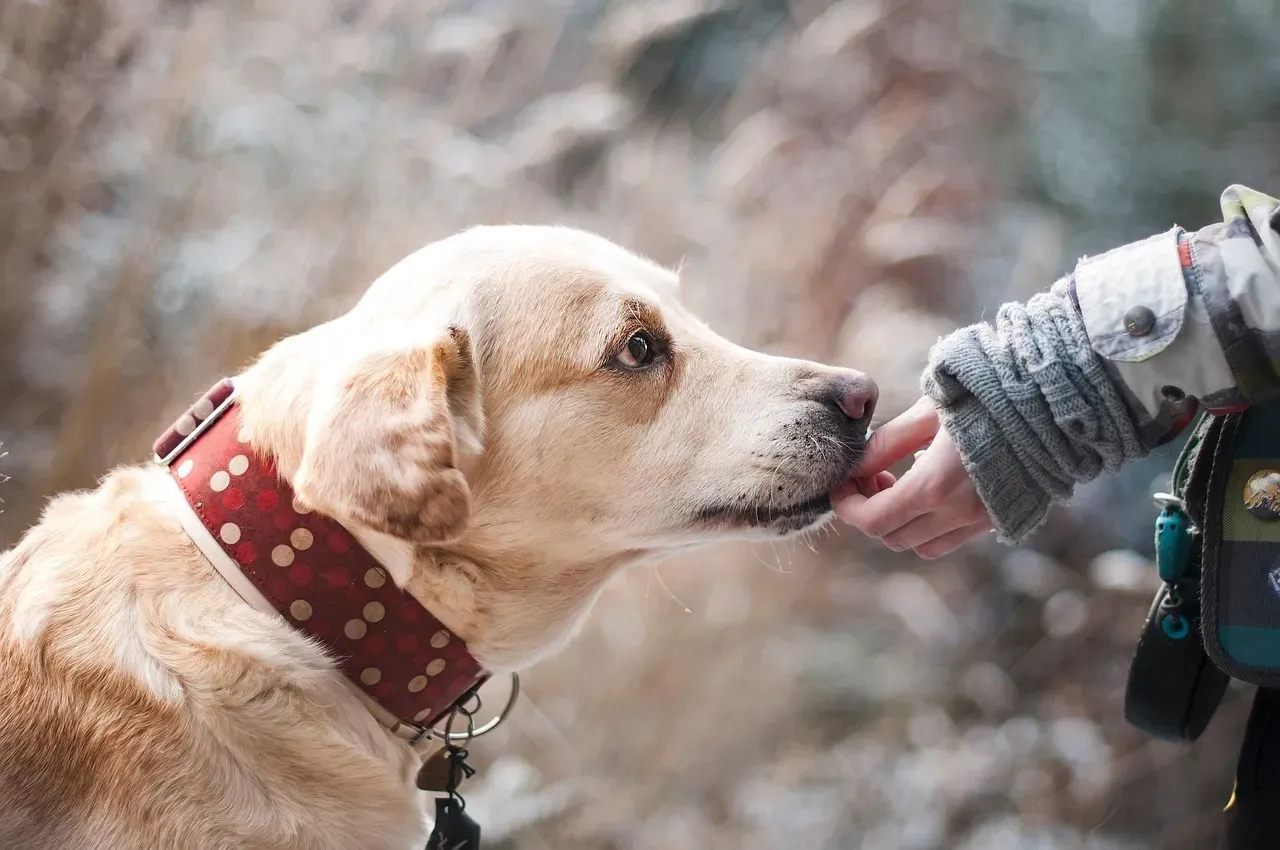
The single most consistent message that dying dogs try to deliver to their owners isn’t dramatic. It doesn’t come with a bark or a howl. It shows up as a change in proximity, either a pull toward you or a quiet retreat into solitude. Dogs’ incredible bond with their owners and keen emotional intelligence lead them to exhibit behaviors that can be interpreted as farewell gestures. A typically independent dog might become more attached to their owner, seeking constant cuddles and attention. This heightened need for closeness could be their way of feeling secure and comforted during a time of vulnerability.
Pets can become affectionate or clingy when they are close to passing away. Their need for attention stems from the feeling of being vulnerable and weak. They may seek out comfort as they are fading away, with some dogs wanting you to pet them before they die, or cuddle them until the last moment. In other words, what looks like clinginess is actually a form of communication, a dog using the only language it has ever known.
In some cases, dying dogs can withdraw from their surroundings and avoid attention. They tend to become disinterested in reality and their surroundings. This pulling away can confuse owners who interpret distance as discomfort with them personally. It isn’t. As their body temperature regulation changes or their urge to feel safer increases, dying dogs start seeking unusual places to rest. This could include under furniture, in closets, and in other secluded spots. Your dog may want to be away from the hustle and bustle of daily household activities.
Some dogs might become more affectionate, showering their owner with licks and cuddles. Others might seem withdrawn, preferring solitude. These changes can be influenced by their individual personalities and level of comfort. Both responses carry the same underlying message: your dog is aware that something has changed, and they are responding to it with the emotional vocabulary they’ve always had.
#2: The Body Is Speaking Even When the Dog Goes Quiet
Dogs likely do not understand death as a concept, but they often show noticeable physical and behavioral changes as their bodies decline near the end of life. As illness progresses, dogs often experience physical, behavioral, and emotional changes that signal declining health. These physical signals are just as communicative as behavioral ones, and they deserve the same careful attention.
A noticeable decrease in appetite is often one of the first signs a dog is nearing the end. They may refuse food or water entirely, as their body slows down and no longer requires as much energy. This isn’t stubbornness or a passing stomach upset. Pets may lose interest in food or water as vital organ functions begin to shut down and end-of-life behaviors set in. Your dog or cat may be reluctant to approach their food bowl, but continue to take treats, or they may stop eating altogether.
Dogs approaching death may experience changes in their breathing patterns, such as labored or irregular breathing. You might hear wheezing or observe pauses between breaths. Meanwhile, some dogs may also perceive when their own death is near, exhibiting behavioral changes that veterinarians attribute to their ability to detect metabolic changes in the body. When a dog’s death approaches, they often experience cognitive changes that alter their behavior in noticeable ways. These dogs may show signs of confusion, restlessness, or withdrawal. These unusual behavior patterns may indicate they’re experiencing discomfort or sensing something is happening.
Dogs still hold onto many of their old instincts from their wild days. Because of this, many will try to hide the fact that they are ill. In the wild, showing signs of injury or terminal illness makes an animal a target for predators, which is why many dogs will naturally try not to show pain or display signs that indicate illness. This is a crucial thing to understand. The silence is not reassurance. It may actually be a message in itself.
#3: The Final Look Is Real, Even If Science Is Still Catching Up

Many pet owners report that their dogs make prolonged eye contact as if trying to communicate something profound. This can be seen as a final connection or farewell. Veterinarians are careful not to over-romanticize this moment, and rightly so. What families are often seeing are physical changes from illness, like muscle loss that makes the eyes look sunken or pain that creates tension in the face. These are medical signs, not a goodbye glance.
Still, the experience of a prolonged, quiet gaze from a dying dog is reported so consistently across cultures and continents that it would be dismissive to ignore it entirely. Some dogs may show a final look that lets them communicate with their owners, which could be a loving, tired, sad, or confused look. Either way, the final look communicates their feelings to their owners. The mutual gaze can be something that only the two of you understand.
Dogs are incredibly loyal and often keep trying to engage even when they feel unwell. By the time their expression noticeably changes, they’re usually already uncomfortable. It’s kinder to talk with your veterinarian and make a plan before reaching that point. That distinction matters enormously. The look itself may be meaningful, but waiting for it to appear before seeking help is waiting too long.
Dogs can also sense their pet parents’ distress and may react accordingly, so try to remain as calm and reassuring as possible. When your dog’s final moments arrive, you may feel conflicted about watching your friend transition to death. As difficult as it may be, it will provide great comfort for them to know their loving family is there with them. The final look, whatever its true nature, is a moment of mutual recognition. Your presence in that moment is the only response it truly asks for.
How to Actually Respond When You Notice These Signs
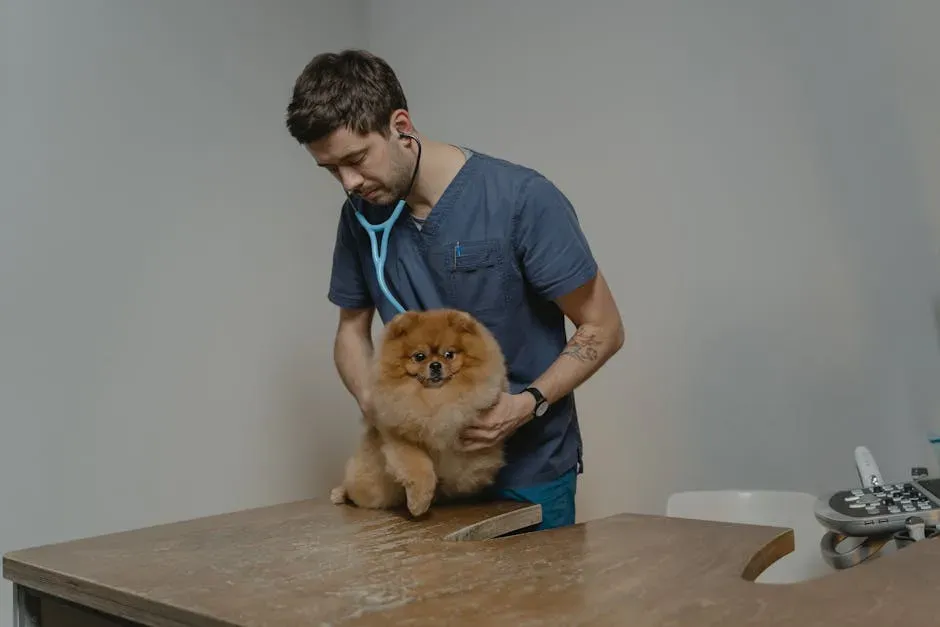
As illness progresses, dogs often experience physical, behavioral, and emotional changes that signal declining health. These changes can look similar to signs of treatable conditions, so veterinary evaluation is essential. Planning ahead with your veterinarian can help ensure a peaceful, comfortable end-of-life experience for your dog. This point cannot be overstated. Not every sign of decline means death is imminent.
While it’s true that some behavioral changes can signal the end of life, it’s just as important to remember that not every sign of decline means your pet is dying. Many pets, especially seniors, experience health issues that are treatable or manageable with proper veterinary care. A sudden withdrawal, mobility issue, or appetite loss could just as easily stem from something like arthritis, dental pain, infection, or a manageable chronic condition, and not necessarily mean impending death.
Spending as much time as possible with your dog will not only give them the emotional support and comfort they need, but it will also allow you to watch for signs of discomfort or anxiety. Continue all prescribed medications to keep pain and anxiety to a minimum. Comfort, in these moments, is not a passive act. It’s the most active thing you can offer.
Sometimes, specific end-of-life behaviors are hard to pinpoint. Many pet parents seem to sense when something is off with a pet’s overall energy or expressions. Trust your gut as a pet owner, especially if other signs of dying are present or your pet has a diagnosis that makes dying more likely. Your instincts as an owner are a real and legitimate diagnostic tool, especially when combined with professional veterinary guidance.
The One Thing Veterinarians Most Want Owners to Know

It’s important to recognize that the dying process in dogs, much like in humans, takes place months, weeks, and days prior to actual death. Dying, therefore, starts well before the actual death occurs, and the process is a very individual experience. Knowing this creates a window of time, often a generous one, in which you can make things better for your dog.
If possible, make an end-of-life plan for your dog and discuss it with your family and your veterinarian well before the time arrives when you’ll need it. Your veterinarian can explain your dog’s ailments and describe palliative and hospice care options, euthanasia services, natural death, and aftercare and memorial considerations. Having that conversation before the crisis arrives is one of the most genuinely loving things an owner can do.
Dogs have a remarkable ability to communicate their feelings, even without words. In their final days, many dogs may give subtle emotional signals indicating they are ready to let go. Some dogs may appear relaxed or at peace, a sign they are no longer fighting to stay alive. That quiet readiness, when it arrives, is itself a form of communication. It deserves to be honored with clarity, gentleness, and presence.
Conclusion: Pay Attention, Because They Always Have
Dogs have spent their entire lives watching us. They’ve learned to read our moods from a slight shift in posture, tell when we’re sad from the sound of our breathing, and move closer when we need them without ever being asked. The least we can do at the end is return the favor.
isn’t complicated. It’s some version of: “I’m here, I’m changing, and I need you to notice.” Whether that message comes as clinginess or withdrawal, a refused bowl of food or a long, steady gaze, it’s always asking for the same response. Presence. Attention. A willingness to act before it’s too late to act at all.
The veterinarians who sit with families through these moments consistently say the same thing: the owners who carry the least regret are the ones who paid attention early, made a plan, and stayed close. Not because it made things easier. Because it made things honest.


