
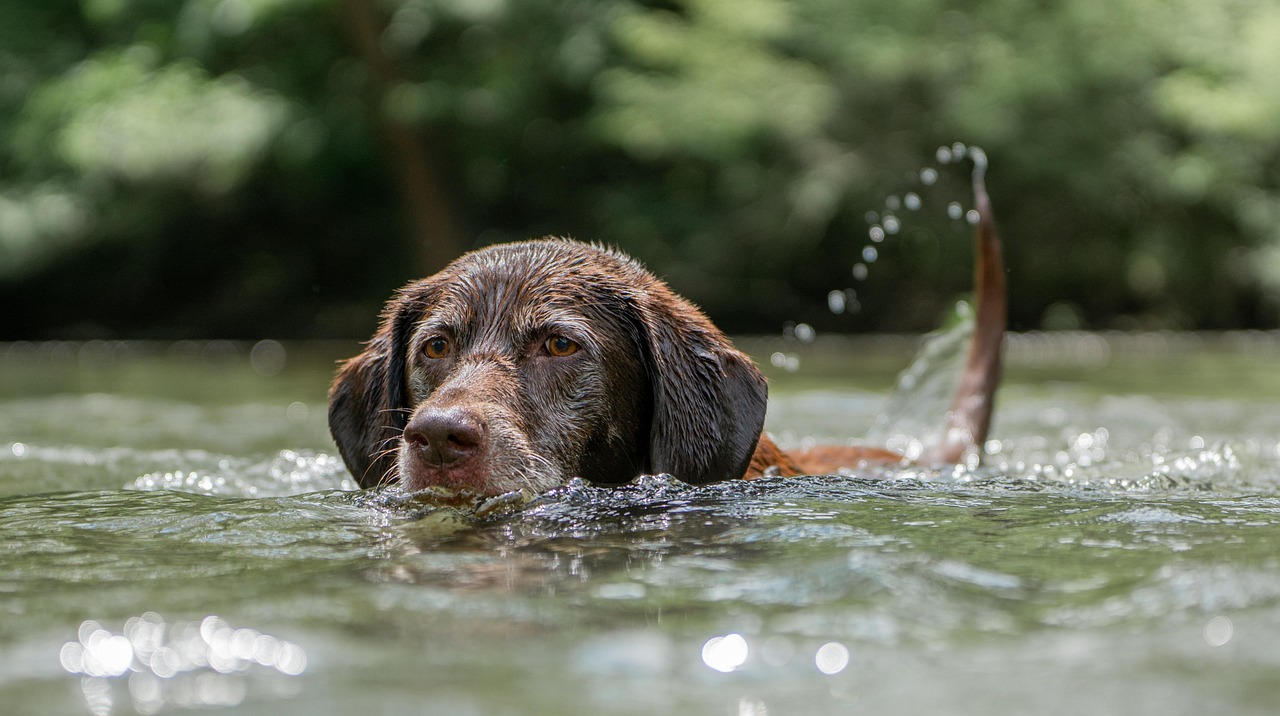
6 Water Safety Tips for Your Pup – Image for illustrative purposes only (Image credits: Pixabay)
A day spent near water often strengthens the bond between dogs and their families, yet these outings carry real responsibilities for owners who want everyone to return home safely. Pools, beaches, and lakes draw crowds each season, and pets frequently join the fun without owners realizing how quickly conditions can change. Guidance from groups like the Animal Rescue League of Boston helps owners focus on preparation so that shared time outdoors remains positive and free of preventable incidents.
Why Preparation Matters Before Any Trip
Owners who plan ahead reduce the chance of sudden problems that can interrupt an otherwise pleasant afternoon. Dogs vary widely in their comfort around water, and even strong swimmers can face unexpected challenges from fatigue or unfamiliar surroundings. Taking time to assess a pet’s abilities and the specific location helps families avoid last-minute stress. This approach turns potential concerns into manageable details that support a smoother experience for everyone involved.
Adapting to Different Water Settings
Each type of water environment presents its own set of factors that owners should consider in advance. At a pool, controlled depths and surfaces allow for easier monitoring, while beaches introduce waves and changing tides that require closer attention. Lakes often feature cooler temperatures and hidden underwater features, making gradual introductions especially useful for dogs new to swimming. Adjusting expectations and routines to match the setting keeps the focus on enjoyment rather than reaction.
Building Habits That Support Long-Term Safety
Consistent routines around water help dogs become more confident over time. Short, supervised sessions allow pets to learn at their own pace without pressure. Owners who stay nearby and watch for signs of tiredness create an environment where dogs can explore safely. These habits extend beyond a single outing and contribute to better overall experiences during future visits.
Resources That Make a Difference
Local organizations continue to share practical information that helps owners feel more prepared. The Animal Rescue League of Boston, for example, highlights steps that turn ordinary water trips into reliable family activities. Access to such guidance encourages more people to include their dogs in seasonal plans while keeping safety at the center of every decision. When owners apply these principles, water outings become opportunities for connection rather than sources of worry.


