

There’s a moment almost every dog owner knows: you lock eyes with a particular dog, and something just clicks. Maybe it was the breed you’d admired for years, or a spur-of-the-moment decision that turned out to be anything but random. Psychologists have been quietly curious about that moment for decades, and it turns out there’s real substance behind it.
We’re not just choosing dogs for how they look. We’re choosing the version of ourselves we want to live with, or the version we already are. That’s a thought worth sitting with. Whether your dog is a bouncy Labrador or a quietly dignified Greyhound, your choice tells a story about who you are, what you value, and how you move through the world.
The Science Behind the Bond: Why We Choose the Dogs We Do
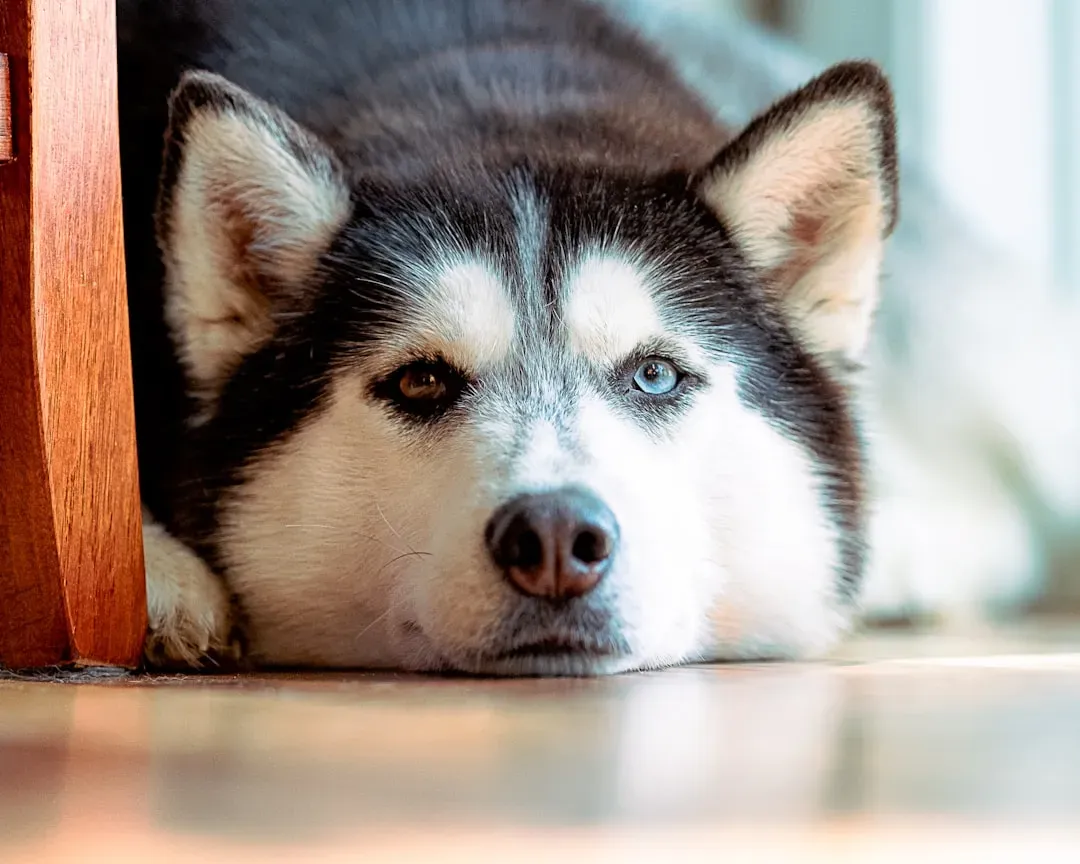
Research has consistently found a pattern most dog owners instinctively sense. A 2019 study published in Animals found that adopters reported the most satisfaction, and the fewest post-adoption problems, when their dog’s energy level and sociability matched their own. That’s not a coincidence. It points to something deeper than aesthetics driving the decision.
That pattern was reinforced by a 2022 study in the Journal of Veterinary Behavior, which followed 400 adoptions and found that matching on activity, affection, and boldness cut post-adoption issues in half. In other words, compatibility isn’t just a nice-to-have; it actively shapes how well the relationship works long-term.
Research suggests that there is a connection between our favorite dog breed and fundamental aspects of our psychological profiles. Individuals drawn to breeds marked by loyalty and affection might value reliability and emotional connection in their relationships, while those who gravitate towards energetic and adventurous breeds may reflect a sense of spontaneity and a zest for life. The dog you choose is rarely as random as it feels.
The Extrovert’s Dog: Golden Retrievers, Labradors, and the Life of the Party

A Bath Spa University survey of 1,000 owners showed that extroverts gravitate to sociable party animals like Labradors and Golden Retrievers. These breeds are mirrors of their owners’ social energy, always ready to greet a stranger, always game for a gathering, always eager to be in the middle of things.
Labrador Retriever owners often come across as sociable and outgoing, the kind of people who would organize the neighborhood BBQ. If that description made you nod knowingly, you’re probably not surprised. Lab owners tend to thrive in community, value warmth in their relationships, and are often the person their friends call when they need someone dependable.
Gun dogs like Labradors are the breed of choice for friendly folk. There’s a generosity of spirit in people who choose these breeds. They don’t just want a pet. They want a companion who participates fully in life. The flip side? These dogs need that same investment back, so if your Golden is developing separation anxiety, that’s your cue to check how much meaningful social time they’re actually getting.
The High Achiever’s Dog: Border Collies and the Need for Intellectual Challenge
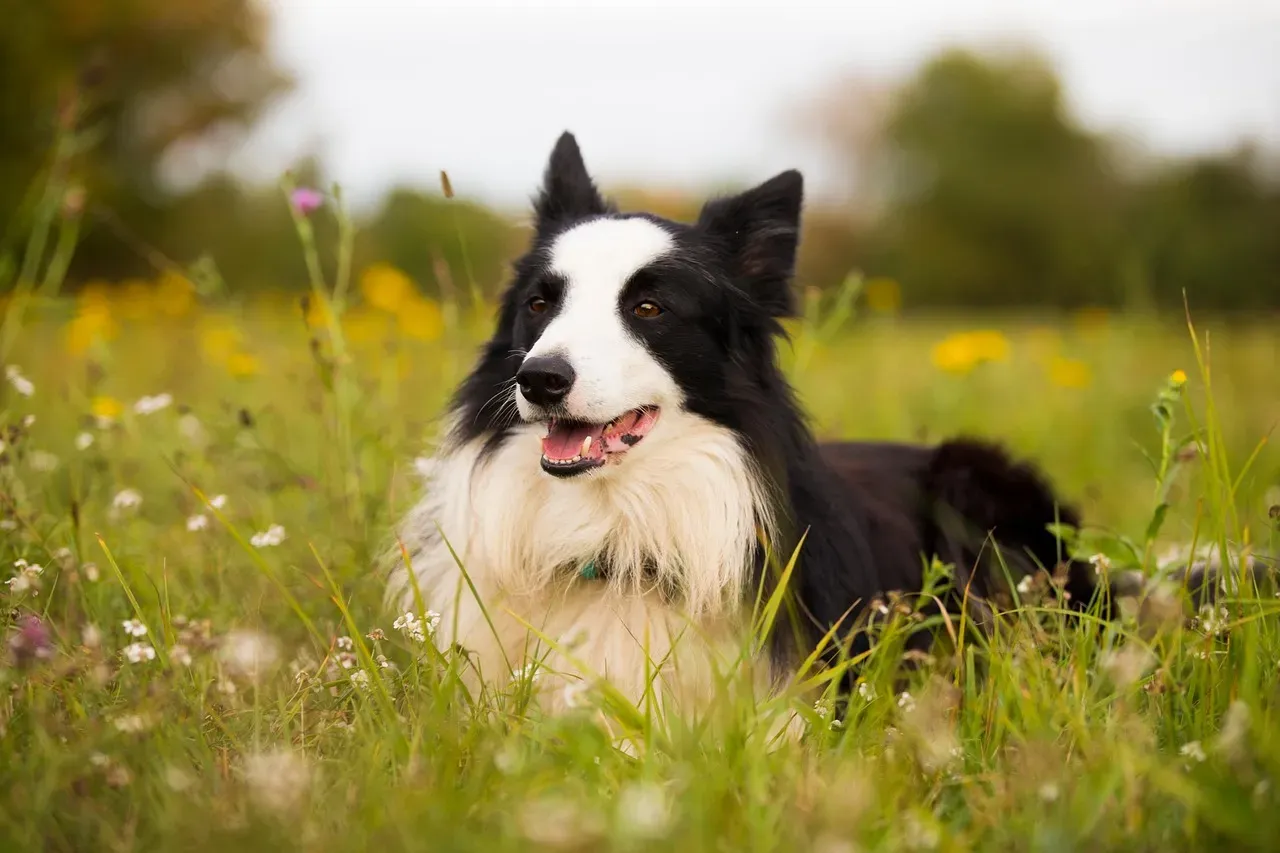
High-achievers tend to pick brainy workaholics like Border Collies. It’s a breed for people who feel restless when they’re not solving a problem, people who set goals on their days off and get genuine satisfaction from a completed task. Border Collie owners are rarely the type to let things drift.
Border Collies are highly intelligent and active dogs that require a lot of mental and physical stimulation. Choosing a Border Collie may suggest that you lead an active lifestyle and enjoy spending time outdoors. Additionally, their intelligence and trainability may indicate that you value intelligence and obedience in both yourself and others.
The important care cue here is real: the gene found to be common among sheepdogs has also been associated with anxiety-like behaviors in other mammals, as well as attention-deficit/hyperactivity disorder in humans, which might explain the breed’s high energy and tendency to hyperfocus on tasks. A Border Collie without enough mental stimulation can develop destructive habits fast. If you have one, think of puzzle feeders, agility training, and learning new commands as non-negotiable, not optional extras.
The Independent Soul: Beagles, Dachshunds, and the Quietly Stubborn Personality
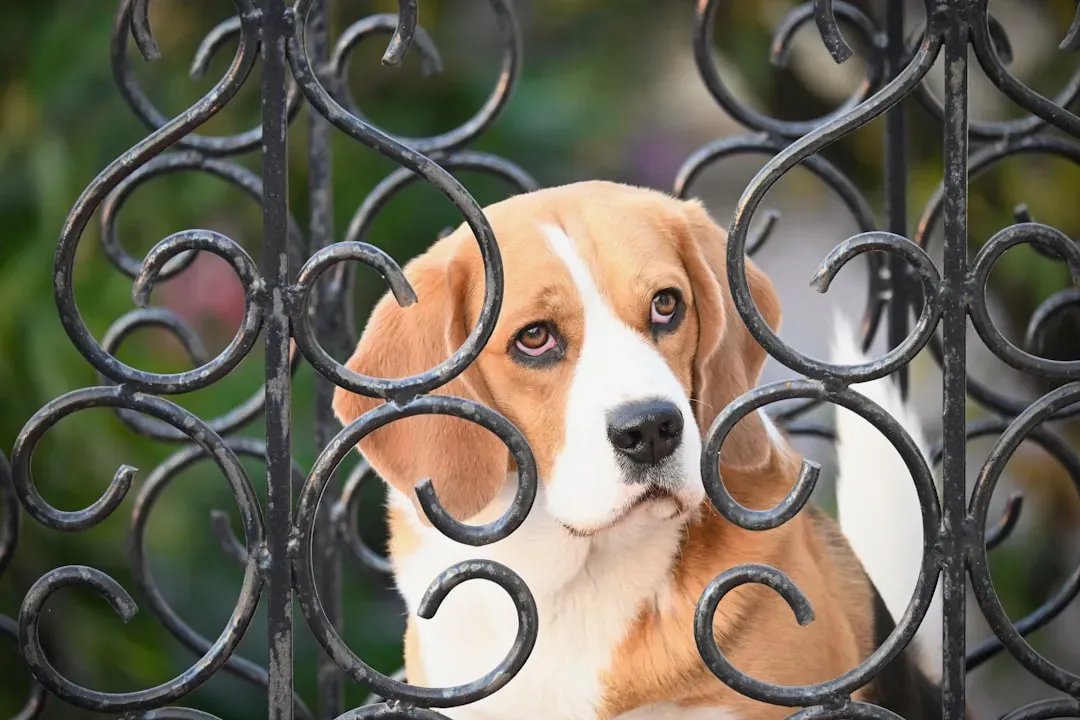
If you like no-frills hunting breeds like the Beagle, you’re likely to be fiercely independent, inquisitive, and comfortable on your own. These dogs’ owners are often task-oriented, industrious, and stoic, keeping their emotions reined in. There’s an honest self-sufficiency to this type of owner. They don’t need to be the center of attention. They just need to know what they’re doing and why.
Dachshund owners share some of that same independent streak. The Miniature Schnauzer and Dachshund attract personality traits like loyalty and conscientiousness, as well as people who are sticklers for rules. That sounds about right for the person who researches every restaurant before booking and has strong opinions about how things should be done.
The care tip that matters most for scent hound owners: if you want a dog super responsive to you, scenthounds are probably not a great bet. These dogs follow their noses, not commands. Leash training and a securely fenced yard aren’t suggestions for Beagle owners. They’re essentials. Independent people often love these dogs precisely because of that stubbornness, but keeping them safe requires structure even when both of you would rather do things your own way.
The Nurturer’s Dog: Small Breeds, Toy Dogs, and a Surprising Intelligence Twist
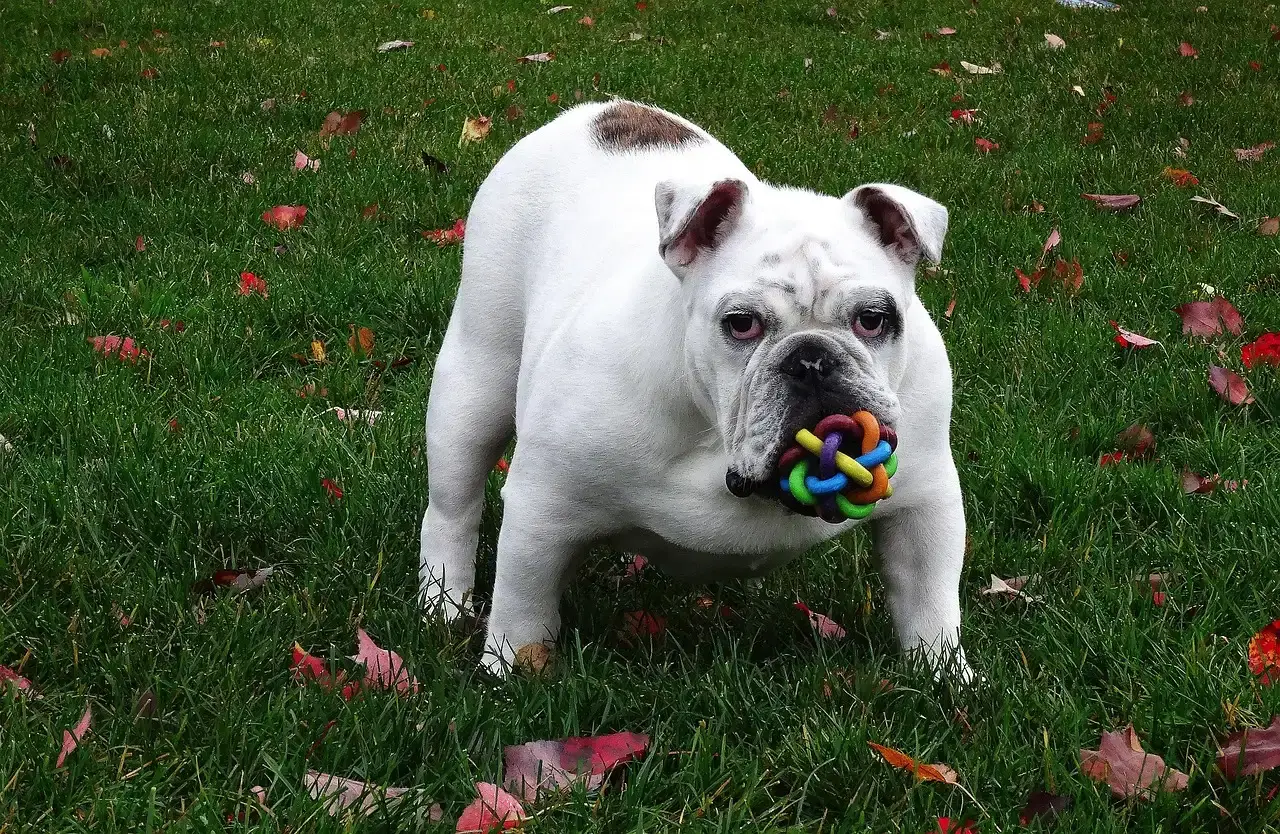
Research revealed that individuals who favor larger breeds often exhibit traits associated with being outgoing and active. On the other hand, those who prefer smaller breeds, like Chihuahuas or Pomeranians, may display more nurturing behaviors. Small breed owners often provide an intense, devoted kind of care that larger breed owners sometimes can’t match in terms of daily attentiveness.
There’s an interesting counter-narrative to the stereotype here. Working dogs tend to find owners who score above average on agreeableness and intelligence, while toy dog owners, who are often seen as airheads, came out pretty much on top when it came to openness, creativity and intelligence. So if someone’s ever underestimated you because of your tiny, coiffed companion, the research is firmly on your side.
For small breed owners specifically, one health sign worth watching is dental disease, which affects smaller dogs at a much higher rate than large breeds. Regular teeth brushing, dental chews, and annual vet cleanings aren’t glamorous, but they’re the kind of thoughtful, detail-oriented care that nurturing owners are already well-positioned to provide. Your instinct to fuss is actually a genuine health asset.
You and Your Dog: How Personalities Converge Over Time

Dogs and their owners resemble each other in the way they look and in their personality traits. A 2025 systematic review published in Personality and Individual Differences examined 15 studies on this very question, and the evidence held up. The resemblance isn’t just visual. It runs deeper.
Regarding internal similarities, correlation of various personality dimensions was found. Most studies support the existence of similarities on the dimensions of extraversion and neuroticism. Discussion of potential reasons for these findings proposed a development of similarity over time, due to effects such as Emotional Convergence, Co-Regulation, and Reinforcement. In plain terms, you and your dog are shaping each other, continuously and quietly.
Most pet parents agree a person’s choice of dog breed is an extension of their own personality, and over half of pet parents say they share behavioral traits and interests with their dog, with the leading shared trait being anxiety. That last detail matters. If your dog is showing signs of stress, restlessness, or clinginess, it may be worth asking honestly how you’ve been feeling lately, not as a guilt trip, but as a useful clue to what’s happening in your shared emotional environment.
Choosing Wisely: What the Research Actually Tells Us About Compatibility
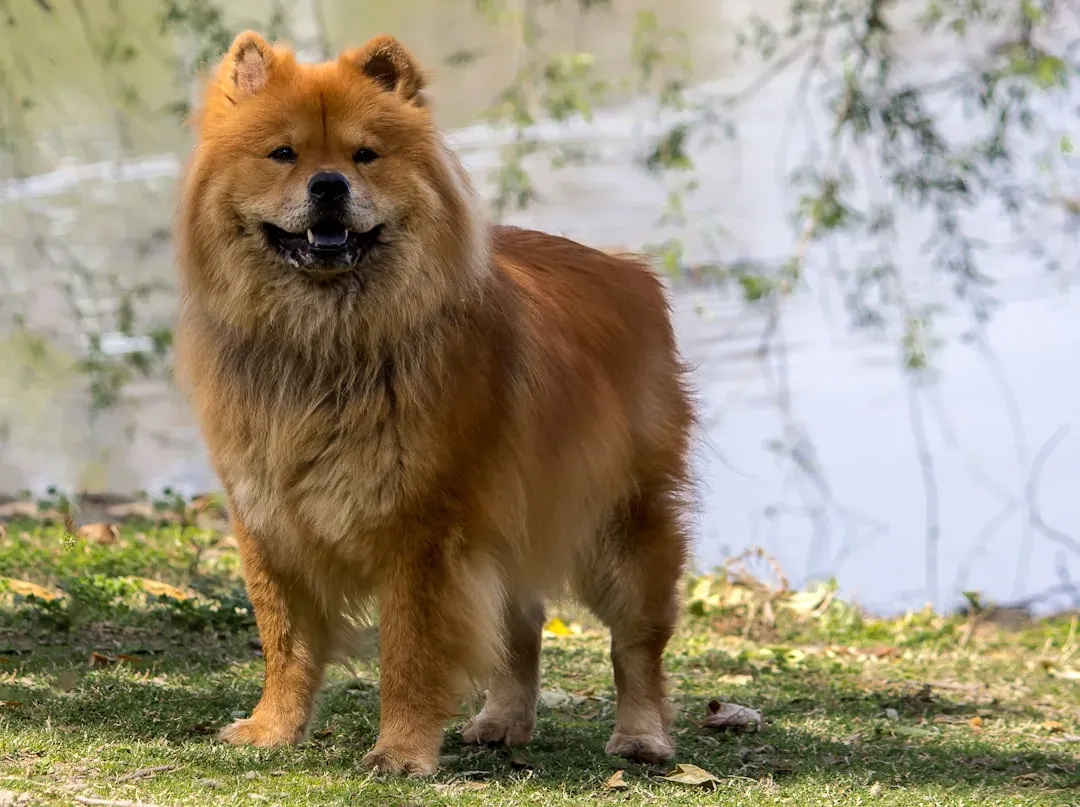
Researching the different dog breeds you’re interested in is critical. This helps a prospective puppy or dog owner narrow the field to pick breeds that are an overall good match for your lifestyle, beyond just breeds that have the physical traits you prefer, or that you find to be the most cute. The impulse to choose based on looks is entirely human. Acting on it without more thought is where things can unravel.
While breed alone might not be a good predictor of behavior for any individual dog, it’s certainly sensible to pay attention to what breeds were originally bred for. Those behavioral patterns that helped dogs do their original job for humans are probably still strong in the population. A herding dog in a cramped city apartment without a job to do is going to find its own job, and you may not like what it picks.
Choosing a particular breed does not mean you’ll get a carbon copy of personality with each dog. Rather, you can understand their breed’s general tendencies, which can help you decide if that breed has the baseline potential to be a good fit for you, and it will also help guide the kind of training the breed will need. Use breed traits as a starting point, not a guarantee. Every dog remains an individual, shaped significantly by how you raise and engage with them.
Conclusion: Your Dog Is a Mirror Worth Looking Into

The dog you chose, or the one that somehow chose you, reflects something genuine about who you are. Not a perfect reflection, and certainly not a judgment, but a real one. The research spanning psychology, genetics, and behavioral science consistently points in the same direction: we’re drawn to dogs that echo our energy, our values, and often our unspoken needs.
That’s actually useful information. It means that understanding your dog more deeply is, in some ways, a path to understanding yourself. And it means that caring for your dog well, with the right exercise, the right mental stimulation, the right routine, is also a form of self-awareness made practical.
The best dog owners aren’t just people who love their dogs. They’re people who pay attention. And if you’ve read this far, you almost certainly already are.


