
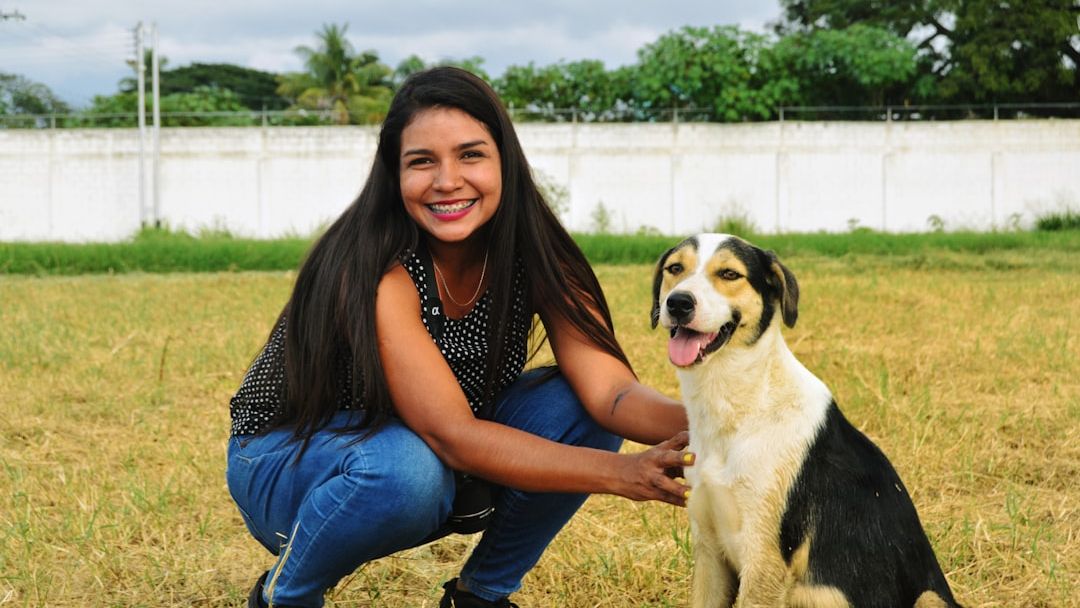
The Way Dogs Use Their Faces to Connect
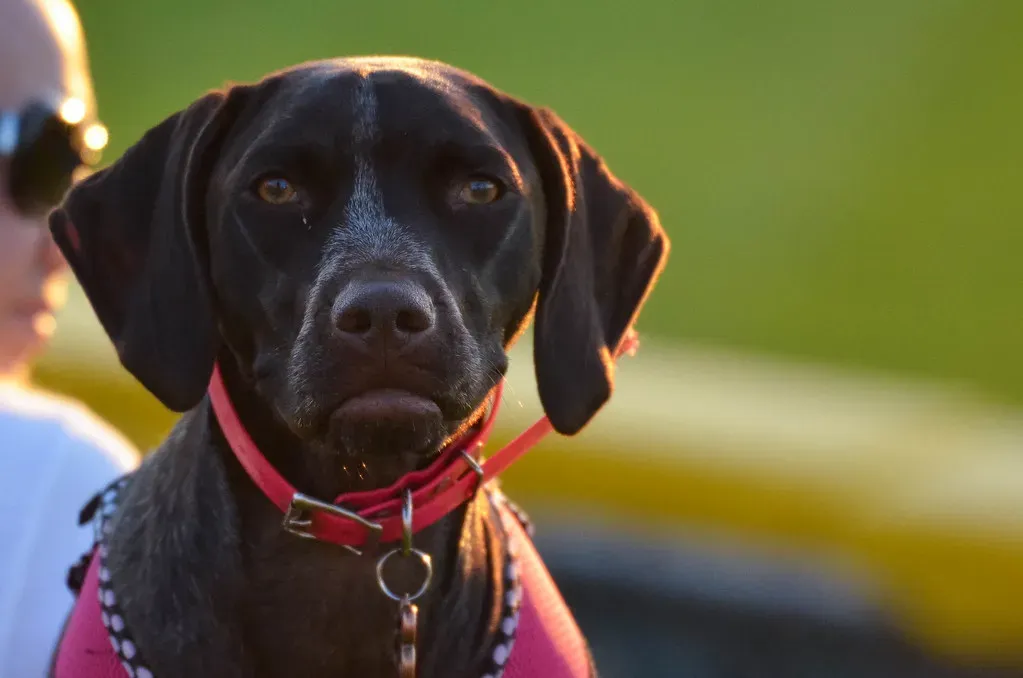
Dogs evolved specialized facial muscles that allow them to communicate more effectively with people than their wolf ancestors could. These muscles help create expressions that draw human attention and strengthen bonds over time. Research shows dogs raise their inner eyebrows more often when interacting with attentive humans, producing that soft, appealing look many find irresistible.
This ability turns everyday moments into shared signals of emotion. When an owner is present, the face becomes more animated overall. The eyes play a central role in these exchanges, widening or softening depending on the context of the interaction.
How Attention Shapes Canine Expressions
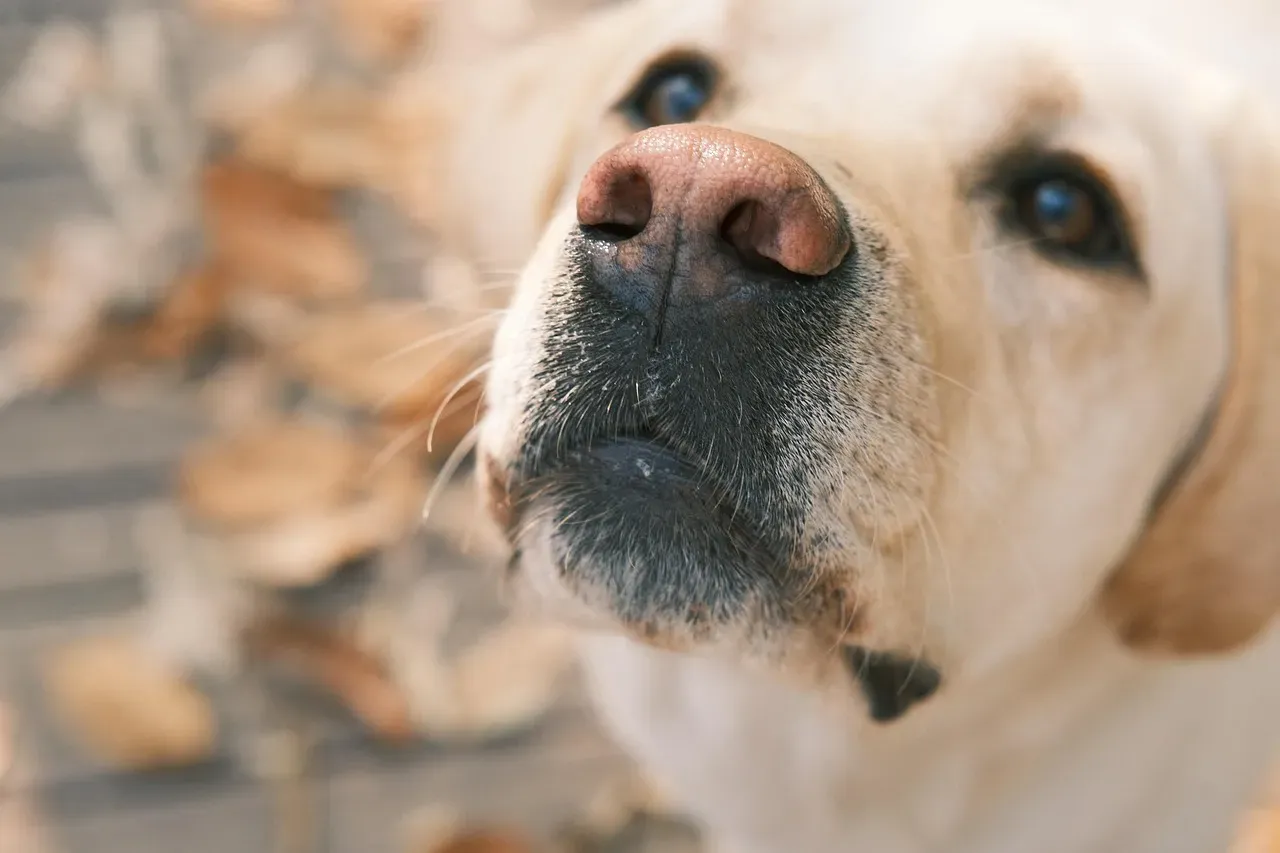
Studies from dog cognition centers reveal that dogs produce significantly more facial movements when a person faces them directly. The inner brow raise stands out as a frequent response, making the eyes appear larger and more engaging. This reaction happens even without treats or other rewards, pointing to a social motivation rather than simple hunger.
Over repeated interactions, these expressions become tools for maintaining closeness. A dog learns that certain looks prompt responses from its person. The eyes serve as the focal point, reflecting both immediate feelings and the history of the relationship.
Everyday Separation and Rising Distress
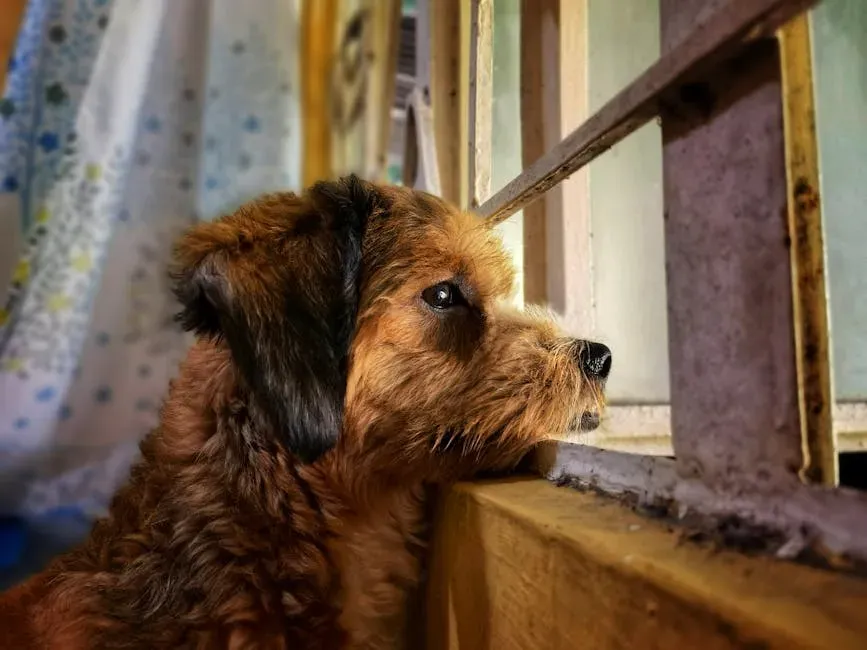
Many dogs show clear signs of unease shortly after an owner departs, often within minutes. Vocalizing, pacing, or destructive chewing can appear as the first indicators that the absence feels unsettling. These behaviors tie directly to the strength of the attachment formed over months or years together.
The eyes may take on a more alert or searching quality during these periods. Pupils can dilate slightly under stress, and the overall face tightens in subtle ways. Short separations rarely trigger a full realization of permanence, yet they build the emotional framework for stronger reactions later.
The Bond That Makes Absence Matter
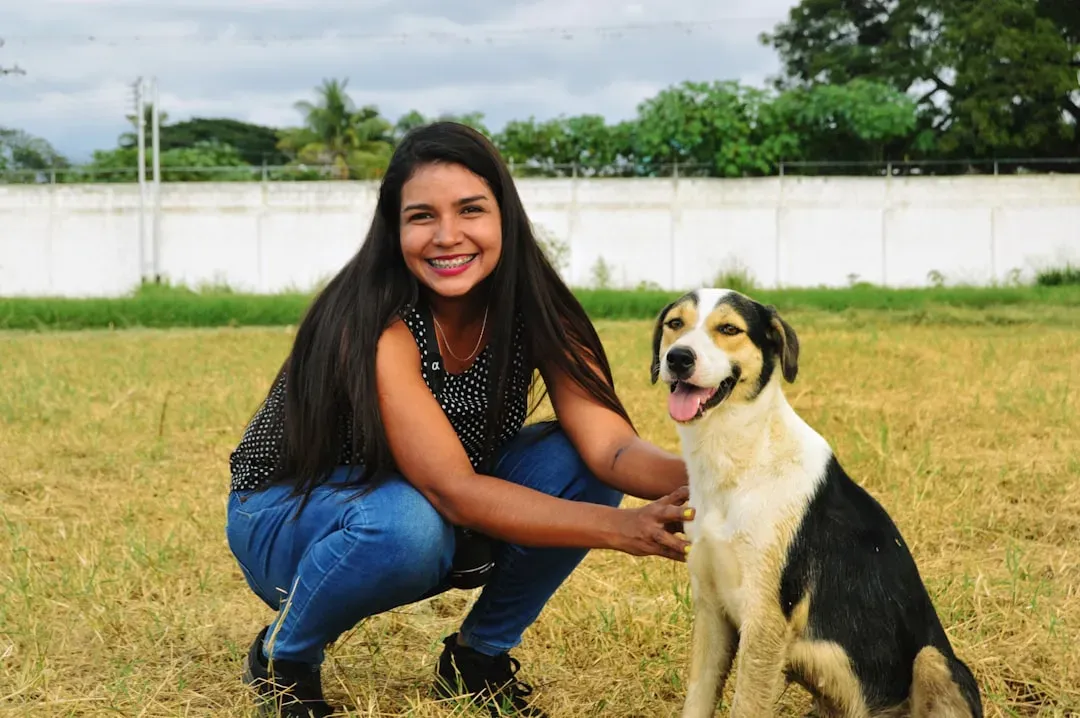
Oxytocin, the same hormone linked to human parental attachment, rises in both dogs and people during positive interactions. This shared chemistry helps explain why dogs track their owners so closely and react strongly to departures. The eyes often mirror this connection through sustained eye contact or quick glances that seek reassurance.
Daily routines reinforce the expectation of return. A dog comes to associate certain cues with reunion, such as the sound of keys or footsteps. When those patterns break without explanation, the eyes can shift from hopeful scanning to a more subdued, unfocused stare.
Signs That Point Toward Longer Term Changes
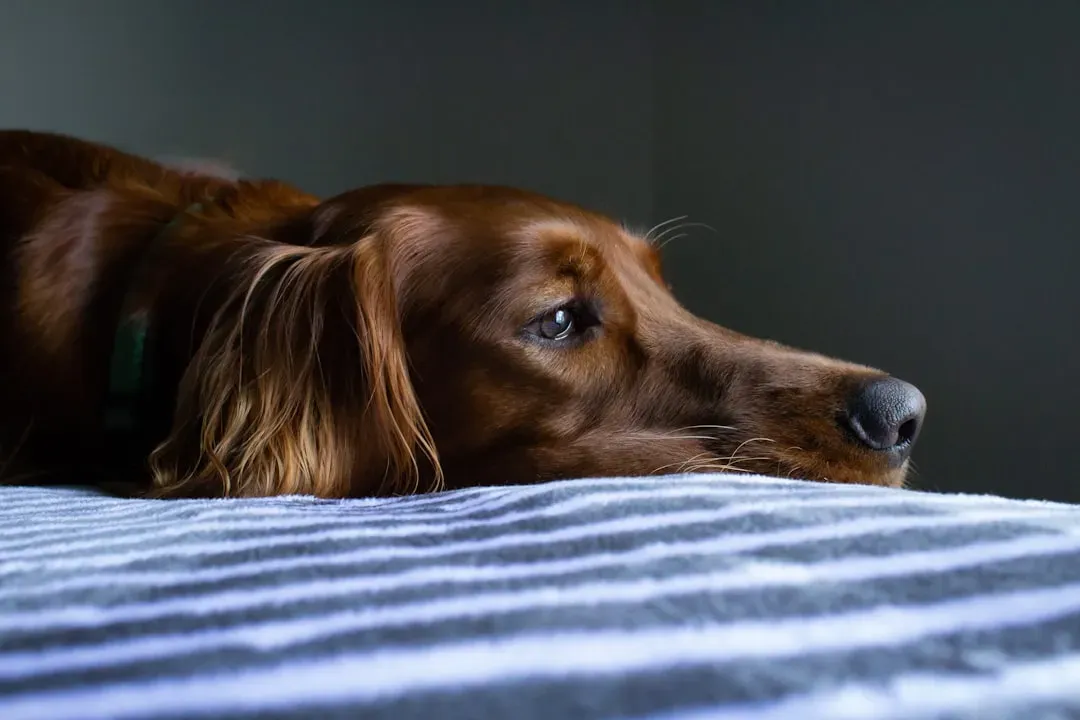
Behavioral shifts after a major loss sometimes resemble extreme separation anxiety. Reduced activity, changes in appetite, or increased sleeping can emerge as the dog adjusts to a new reality. The eyes may lose some of their usual brightness, appearing heavier or less responsive to surroundings.
Observations of dogs after losing a companion show that many exhibit negative changes in mood or energy. While dogs may not grasp the concept of death in human terms, the absence registers as a profound disruption. The gaze can settle into a watchful stillness that differs from ordinary waiting.
Physical Clues in the Eyes During Grief
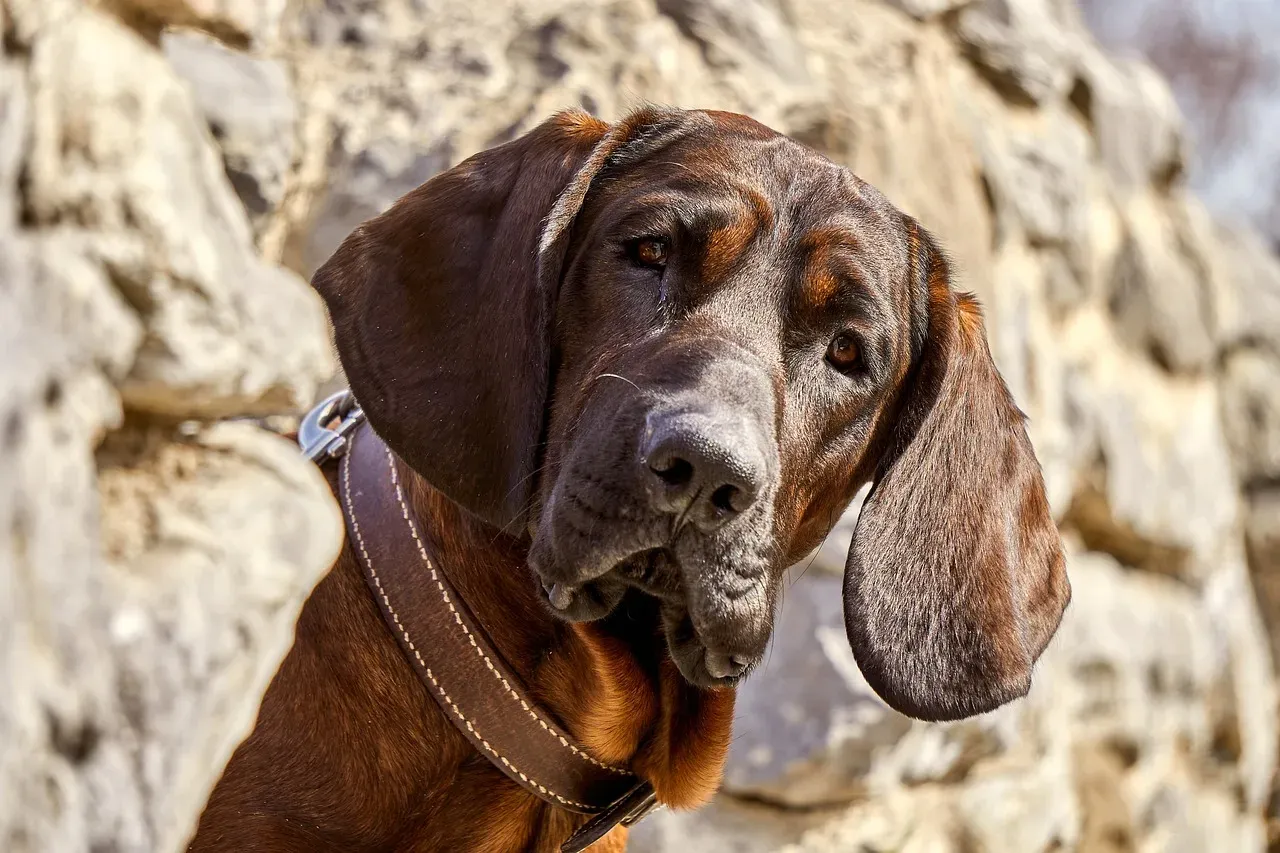
Stress often shows through tightened muscles around the eyes and mouth. Dilated pupils or a slight glazing over can accompany periods of withdrawal. These details build gradually rather than appearing in one dramatic instant.
Over days or weeks, the expression may soften into something more resigned. The inner brow area stays less active without the usual human feedback loop. Owners who have witnessed this describe a quiet sadness that lingers in the way the dog looks toward empty spaces.
Helping Dogs Navigate Profound Loss
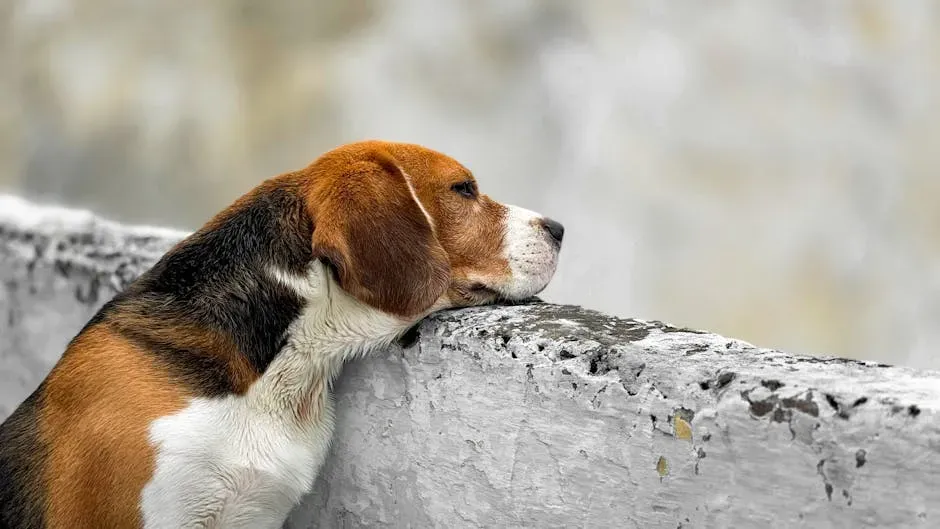
Consistent routines and gentle engagement help many dogs regain steadiness after a permanent separation. Extra walks, familiar toys, or calm presence from new caregivers can ease the transition. The eyes gradually regain some of their earlier liveliness as new patterns form.
Patience matters because recovery timelines vary widely between individuals. Some dogs show improvement within weeks while others need months of steady support. Paying attention to subtle facial cues offers one way to track progress without rushing the process.
Every dog processes absence in its own way, yet the eyes remain a reliable window into that inner adjustment. The bond formed over time leaves a lasting imprint that deserves respect long after the person is gone.


