
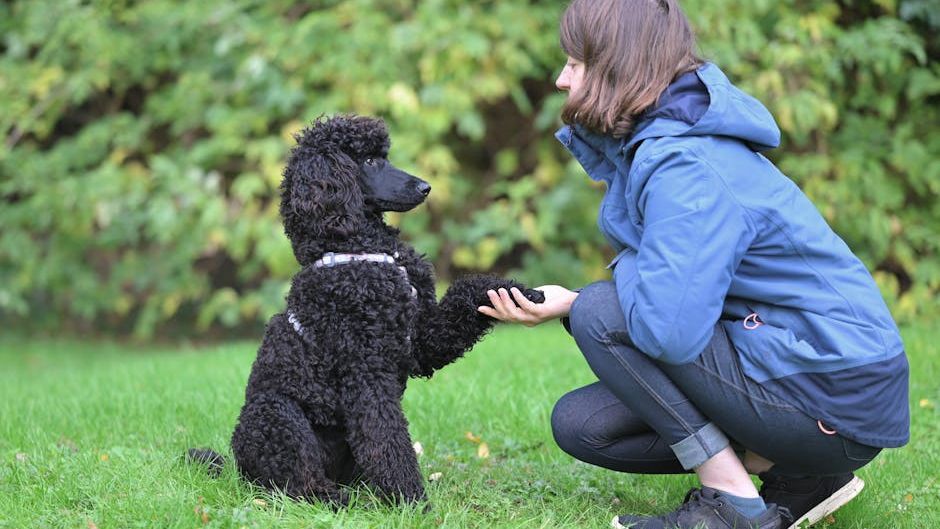
Most people choose a dog based on appearance, size, or some vague notion of liking their energy. What very few people consider is that the quality of that bond has far more to do with personality alignment than anything else. There’s a reason some people and dogs click instantly while others seem to clash despite everyone’s best intentions. It isn’t random.
Psychology has spent decades mapping how early human relationships shape the way we connect, trust, and pull away. Those same patterns follow us right into the way we care for and relate to animals. The answer behind why humans form such deep bonds with dogs lies in the interplay between the attachment system and the caregiving system, both deeply rooted in our biology, shaping not just our connections with other people but our relationships with our canine companions too. Once you understand your attachment style, the breed question becomes far more interesting than you’d expect.
#1. The Secure Attachment Style: Golden Retriever or Labrador Retriever
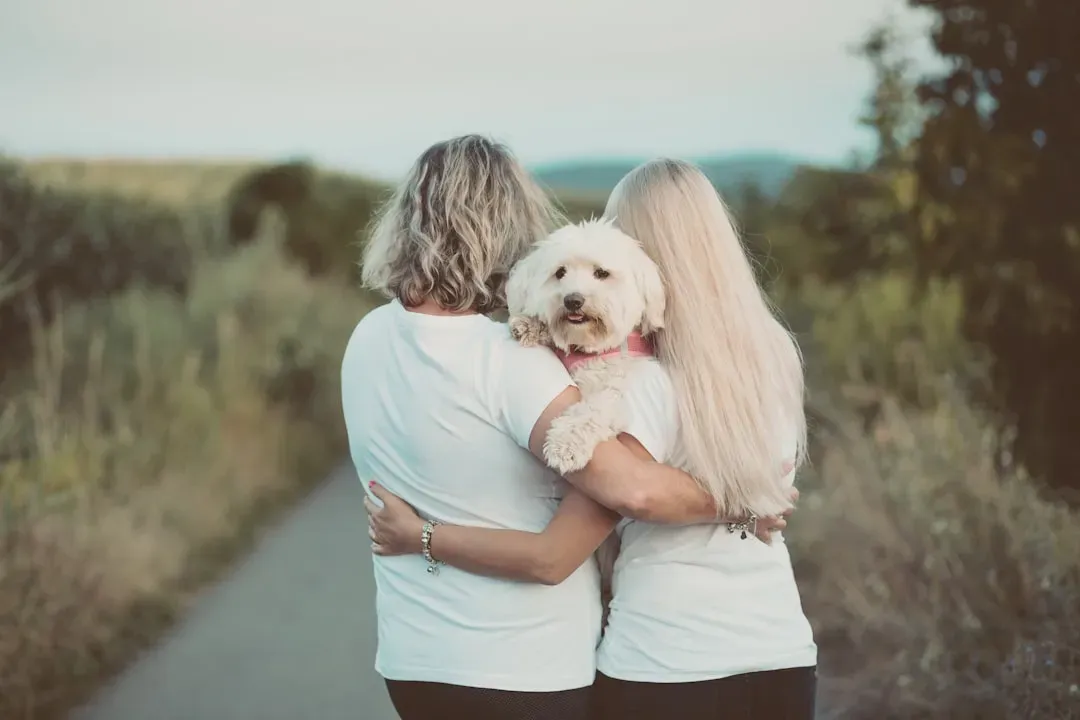
Secure attachments develop when people can consistently rely on others to fulfill their needs, with those relationships providing a safe space to express emotions freely. People with this style tend to be warm, grounded, and comfortable with both closeness and independence. They don’t need a dog to fill an emotional gap. They genuinely want to share their stability with another living being.
The Golden Retriever and Labrador Retriever are natural mirrors for this energy. These breeds are especially known for their strong bonds with humans, and they thrive when that bond is mutual and reciprocal rather than desperate or one-sided. Labrador Retrievers often bring a steady, upbeat energy and are eager to be part of your day, which pairs beautifully with someone who has the emotional capacity to meet that enthusiasm consistently. The relationship feels natural rather than demanding, and that’s exactly what secure attachers are built for.
#2. The Anxious Attachment Style: Cavalier King Charles Spaniel
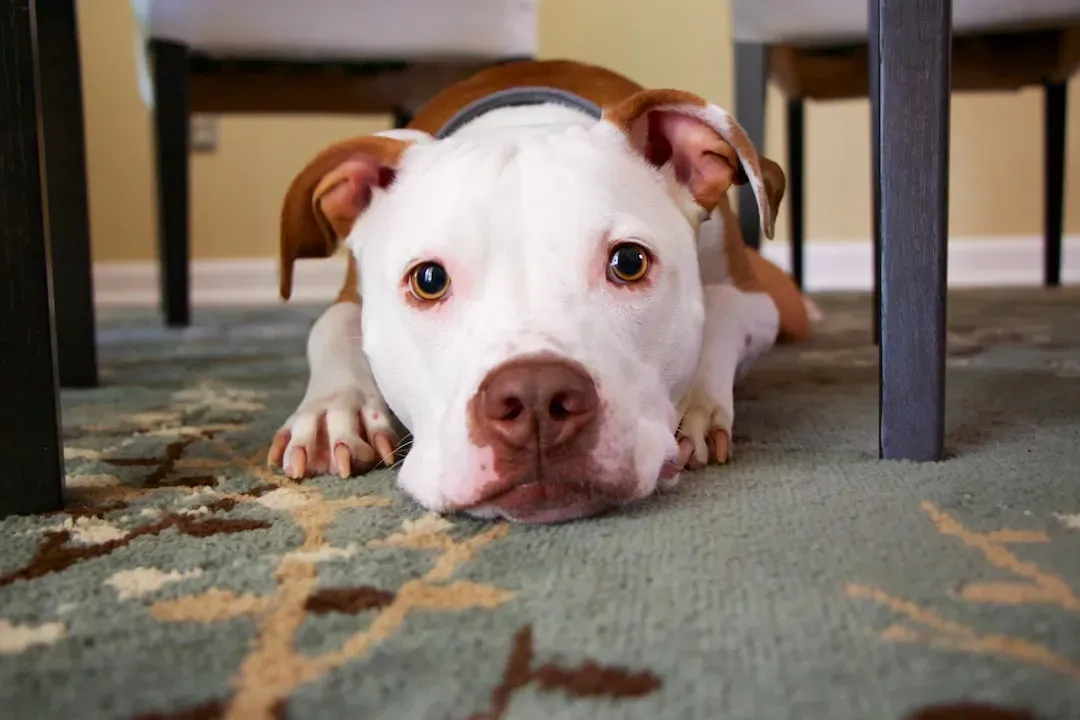
Anxious attachment is characterized by clinginess and anxiety about abandonment. People with this style often seek a lot of reassurance, feel deeply attuned to the moods of others, and can struggle when a relationship feels uncertain or inconsistent. They love hard. That’s not a flaw, but it does shape what kind of canine companion will truly serve them well.
The Cavalier King Charles Spaniel is, in many ways, the emotional support dog that was born for this match. Well known for their gentle and cheerful temperaments, these dogs are always ready to shower their person with affection and provide a warm, calming presence. A laid-back breed like the Cavalier King Charles Spaniel is a good match for those who prefer a calm, low-energy companion, which can actually help regulate the anxious person’s own nervous system rather than amplify it. The Cavalier meets the anxious attacher’s need for proximity without triggering more anxiety through unpredictability.
#3. The Dismissive-Avoidant Style: Basenji or Shiba Inu
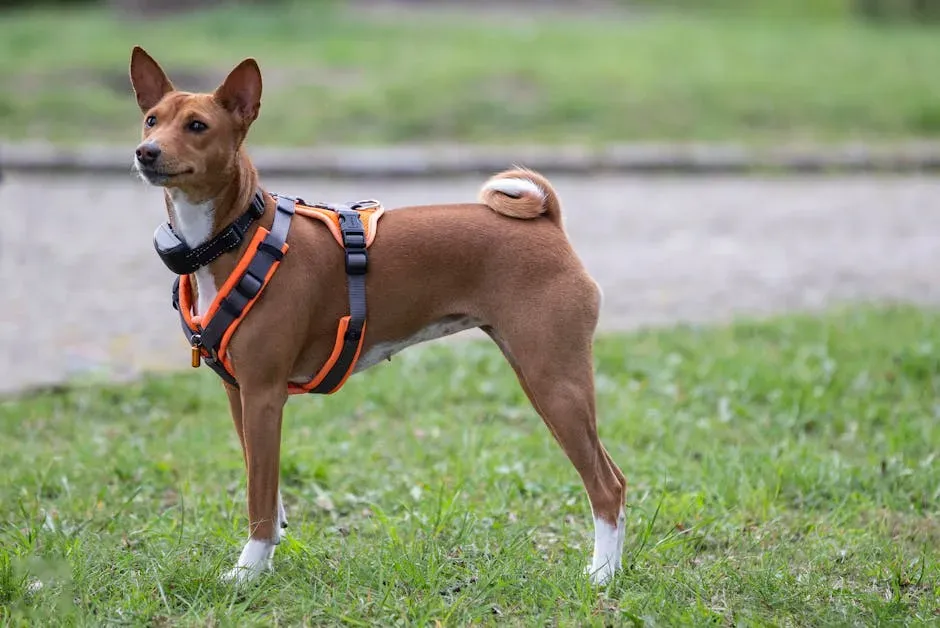
People with dismissive-avoidant attachment tend to value independence and suppress emotional needs. They often resist the idea of relying on others and can feel quietly uncomfortable when closeness becomes too intense or demanding. Deep down, the need for connection is still there. It just lives behind a very controlled exterior.
Avoidantly attached individuals may feel more comfortable connecting with a dog, as the relationship lacks the emotional demands of human intimacy. A breed like the Basenji or Shiba Inu, both known for their cat-like independence and quiet self-possession, actually gives the dismissive-avoidant person a way into connection without feeling overwhelmed. These breeds won’t crowd you, won’t demand constant attention, and won’t punish you for needing space. In this way, dog ownership can serve as a stepping stone toward healthier relational patterns, both with others and with oneself. For someone who keeps the world at arm’s length, that gentle entrypoint matters more than most realize.
#4. The Fearful-Avoidant Style: Rescue Dogs and Mixed Breeds
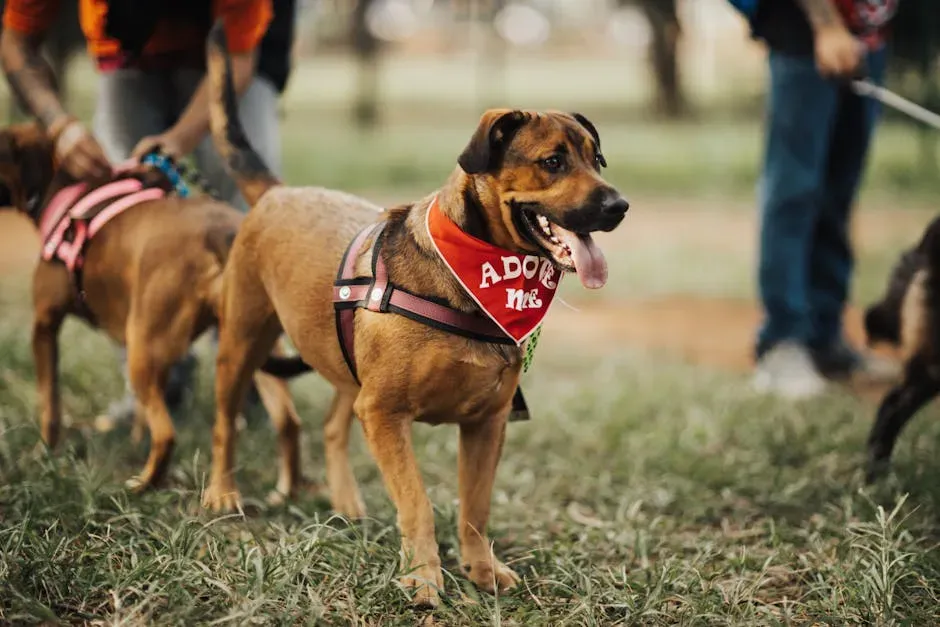
The disorganized or fearful-avoidant attachment style stems from intense fear, often as a result of childhood trauma, neglect, or abuse. People with this style genuinely want closeness but feel threatened by it at the same time. They pull people in, then push them away. The emotional world can feel contradictory and exhausting, both for themselves and for the people around them.
There’s something quietly profound about the match between a fearfully-avoidant person and a well-socialized rescue dog. Dogs that experienced early neglect, abuse, or insufficient socialization may form bonds more cautiously, but with patience and consistent positive interaction, most dogs are capable of forming a strong and trusting relationship with a caring owner. The shared language of earned trust, the slow building of safety, and the non-verbal nature of the bond can feel far less threatening than human intimacy. Dogs have evolved alongside humans for thousands of years and release bonding hormones like oxytocin during positive interactions, which strengthen attachment, making the healing aspect of this pairing genuinely biological, not just symbolic.
#5. The High-Anxiety Style: Poodle
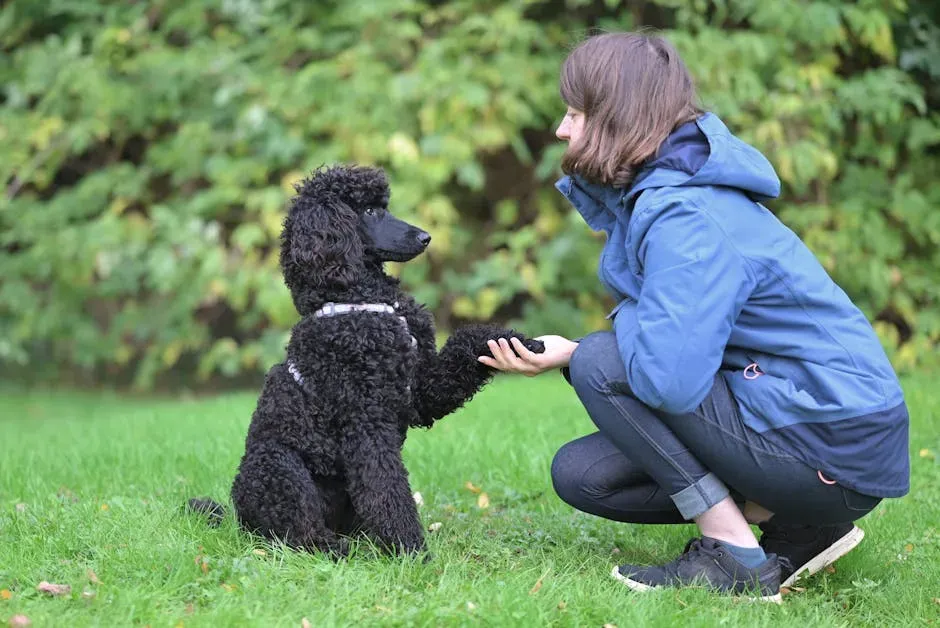
Some people sit squarely in the anxious camp but with a particular quality: their anxiety shows up as overthinking, hyper-vigilance, and an urgent need for predictability. They don’t just want closeness. They want order, routine, and a companion that feels responsive to their signals without adding chaos to an already busy mind.
Poodles notice patterns fast and tend to bond closely with their people, making them a strong match for someone who appreciates a dog that genuinely seems to understand them. Poodles are famously trainable, which can be a relief for someone stressed by unpredictability. Clear cues, consistent practice, and a dog that likes to learn can create a real sense of order in the home. For a person whose mind rarely quiets down, the focused engagement of training a responsive, intelligent dog gives that restless mental energy somewhere useful and rewarding to go.
#6. The Earned Secure Style: Border Collie or Australian Shepherd
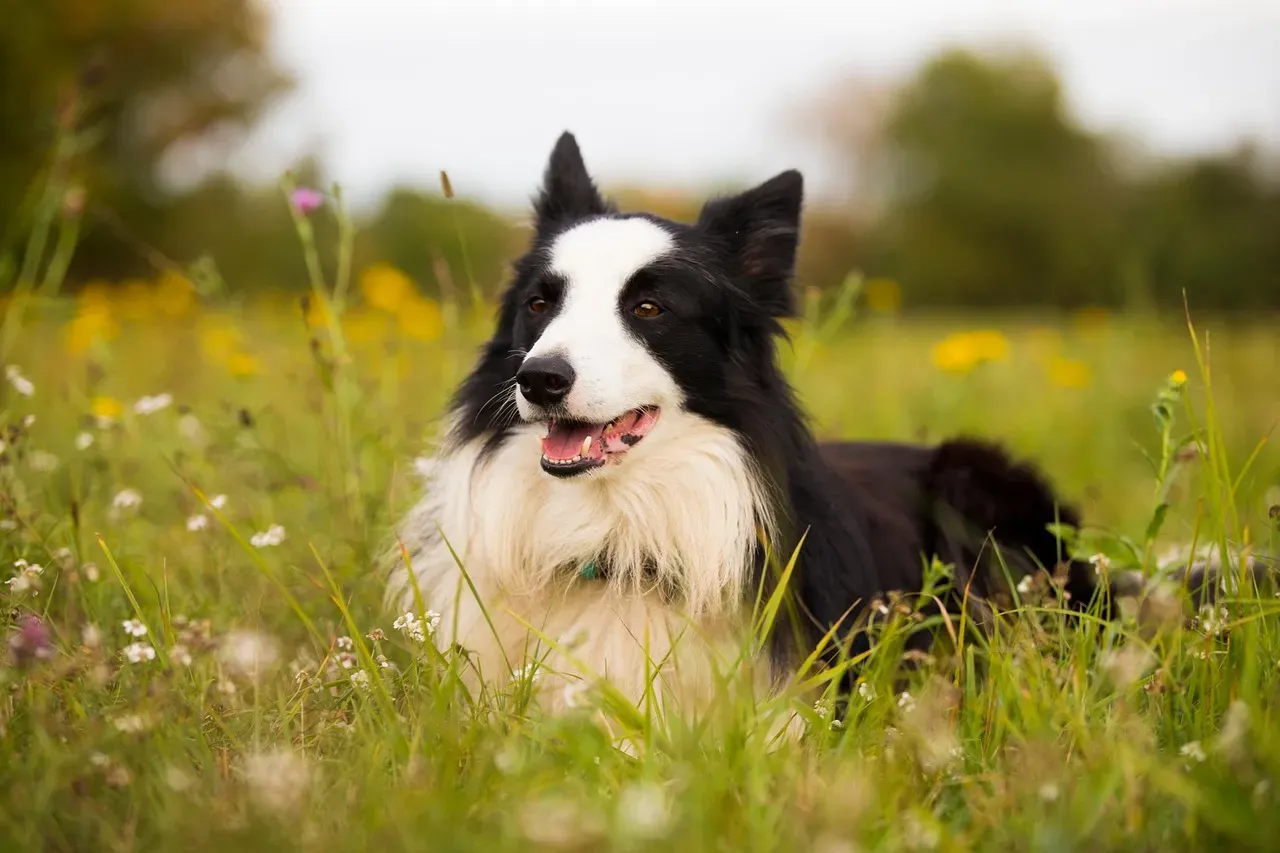
One of the most empowering discoveries in attachment research is that individuals can experience what psychologists call “earned security,” which refers to developing a secure attachment orientation later in life, despite starting out anxious, avoidant, or disorganized. People in this category have done genuine inner work. They’ve become self-aware, they invest thoughtfully in their relationships, and they approach emotional growth with intention rather than avoidance.
A high-intelligence, high-engagement breed like the Border Collie or Australian Shepherd is almost uniquely suited to someone who has learned to show up consistently and with purpose. Building a strong relationship with a dog takes intention and consistency, and reward-based training builds the kind of trust that makes a dog feel secure and confident. These breeds require active emotional and mental investment, which suits someone who has learned that relationship depth is proportional to what you bring to it. Dogs who live with anxious owners often show signs of chronic stress themselves, while dogs whose owners model calm, confident energy tend to display it too, meaning the earned-secure person and a responsive, intelligent breed create a genuinely reciprocal, thriving dynamic.
What This All Really Means
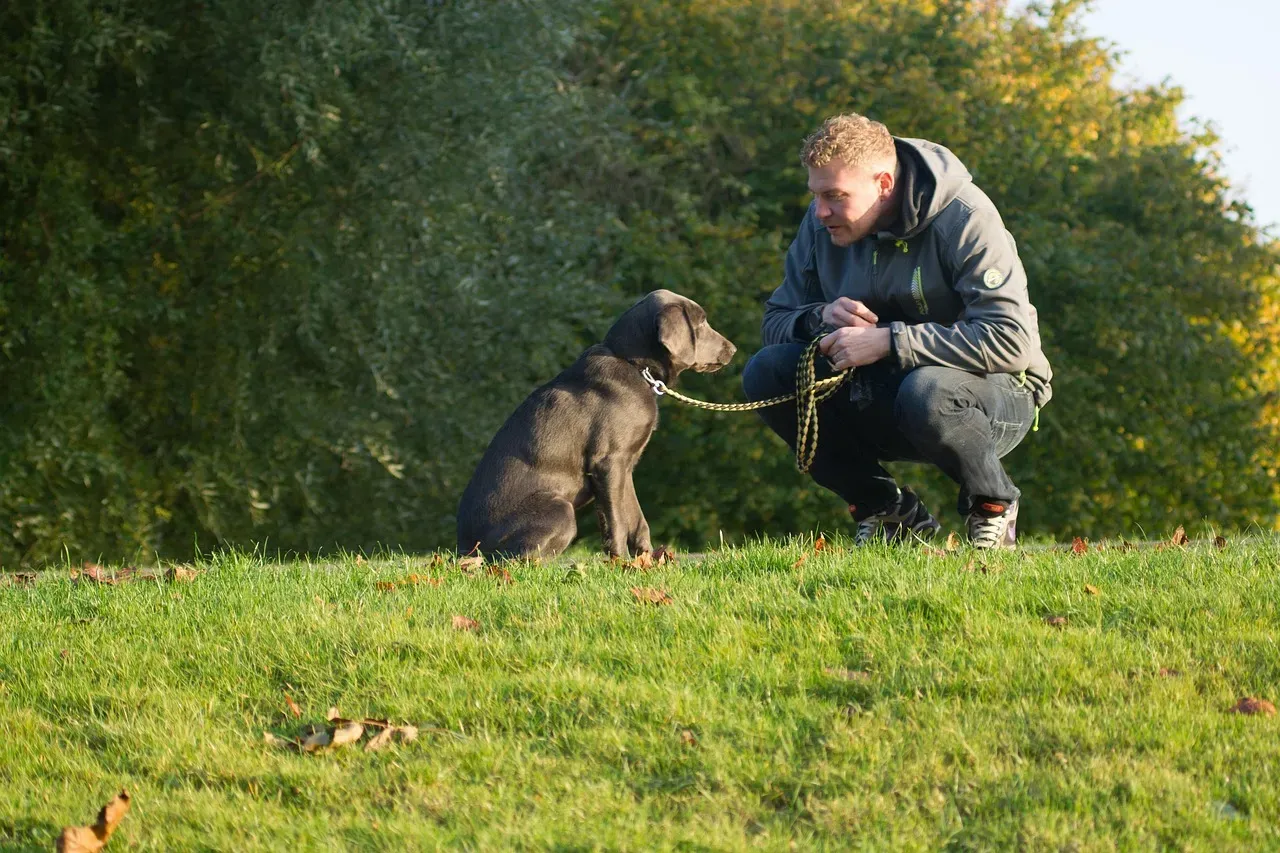
The psychology here isn’t about finding a dog that perfectly coddles your existing patterns. It’s about recognizing what kind of bond you’re capable of sustaining right now, and choosing a canine companion that meets you honestly in that space. Attachment styles exist on a spectrum, and individuals may show traits from more than one style, especially under stress, so treat these matches as a starting point rather than a definitive label.
Research across behavioral science, neuroscience, and evolutionary biology has documented that dogs form genuine attachment bonds with their human caregivers, and all evidence points to the same conclusion: the relationship has real biological underpinnings, not just cultural ones. That means the match genuinely matters, in both directions. It’s possible to change your attachment style, and if you recognize an avoidant, disorganized, or anxious pattern in yourself, know that you don’t have to resign yourself to those insecure patterns. You can develop more secure beliefs and behaviors as an adult. Sometimes the right dog, chosen with self-awareness rather than impulse, is one of the more surprising ways that process begins.
There’s no perfect breed for a broken heart or a guarded one. There’s only the right match for where you are, and the willingness to show up for it honestly. That, more than pedigree or coat type or size, is what makes a bond last.


