
Which Type of Wolf Breed Matches Your Zodiac Sign’s Survival Nature
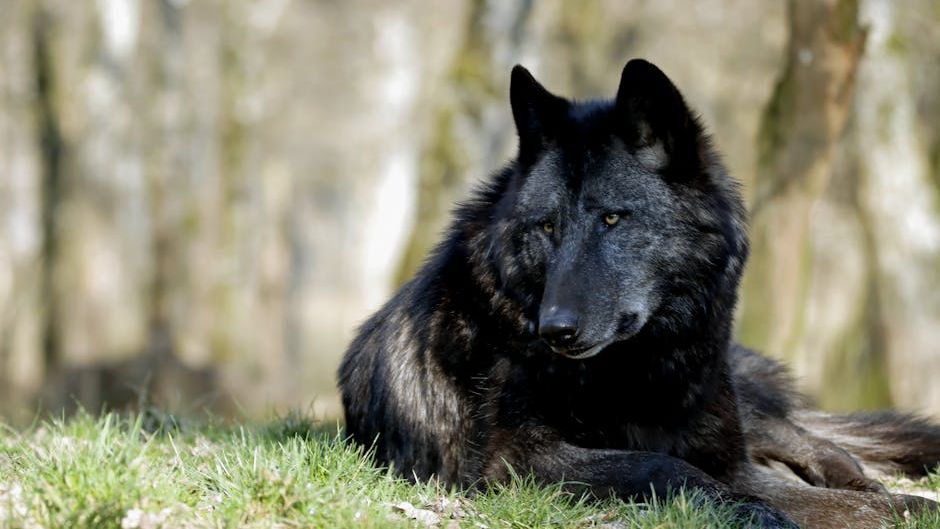
#1 Aries (March 21 – April 19): The Northwestern Gray Wolf
Aries presents a tough exterior that masks an all-or-nothing emotional intensity. That energy maps perfectly onto the Northwestern Gray Wolf, one of the most physically dominant and territorially aggressive subspecies in North America. Northwestern gray wolves range from 70 to 120 pounds, with wolves in the northern United States tending to be larger, some reaching 130 pounds or more. When Aries charges forward without hesitation, this is the wolf they’re channeling.
Aries is inextricably connected with the concept of beginnings and charging full speed at life. It is about the physical excitement of being alive and the desire to get started with creating something new. The Northwestern Gray Wolf reflects that same forward momentum. It doesn’t wait for conditions to improve. It acts, pivots, and claims territory with confidence. Aries doesn’t survive by being cautious. It survives by being first.
#2 Taurus (April 20 – May 20): The Great Plains Wolf
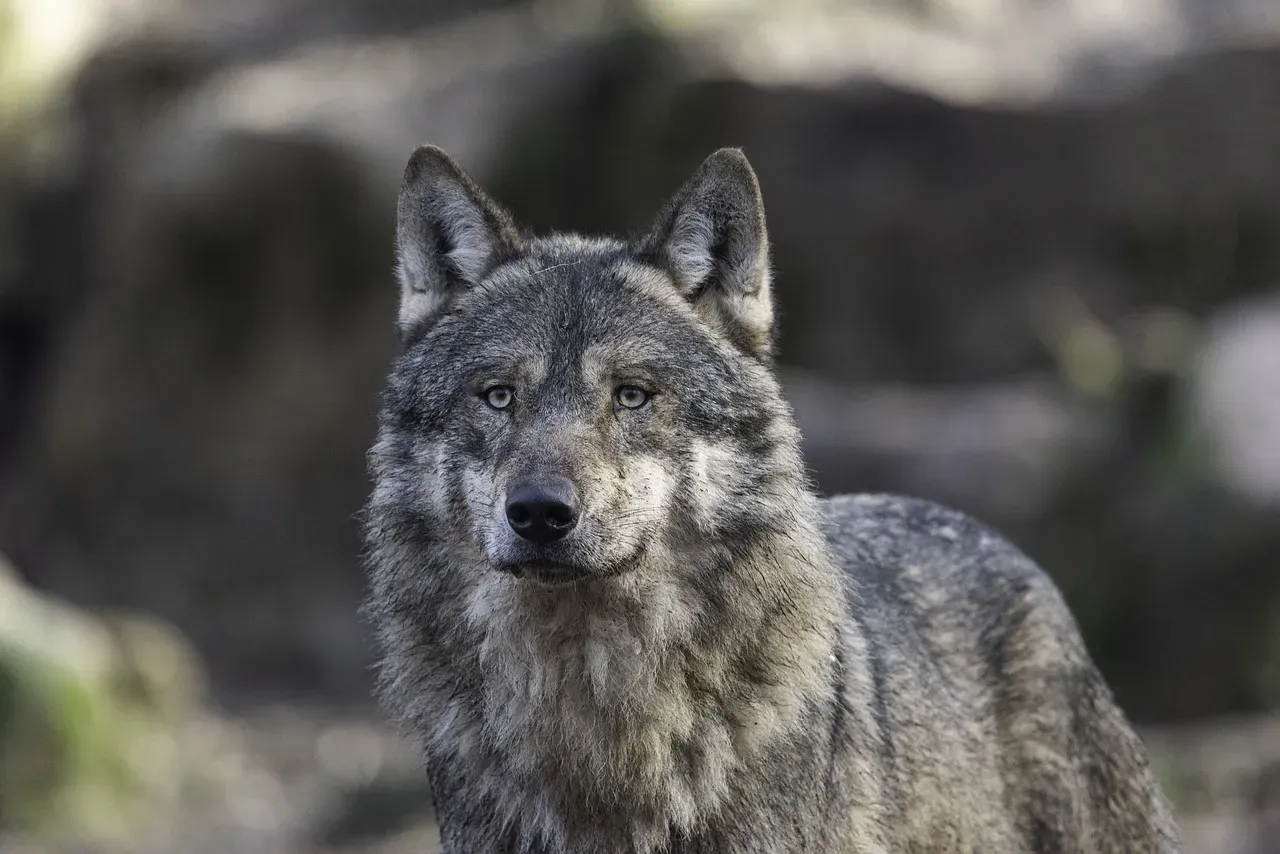
On the most basic level, Taurus is about the survival of self and acquiring all the practical resources necessary to ensure that survival. The Great Plains Wolf is an ideal match for this grounded, resource-driven sign. The Great Plains Wolf is a subspecies found in the Great Plains region of North America. They have a grayish-brown coat and are adapted to living in a variety of habitats, from grasslands to forests. They primarily hunt large ungulates such as bison and elk and are known for their strong social behavior, living in packs with a well-defined hierarchy.
Taurus, deeply grounded and occasionally stubborn, navigates life with a sensual appreciation for the physical world. The Great Plains Wolf shares this quality absolutely. It doesn’t rush. It reads the terrain, identifies the most sustainable prey, and executes with patience rather than panic. The Great Plains Wolf once inhabited the vast grasslands of North America and played a vital role in the region’s ecosystem. Both Taurus and this wolf understand that staying power is a survival advantage no impulsive creature can replicate.
#3 Gemini (May 21 – June 20): The Eurasian Wolf
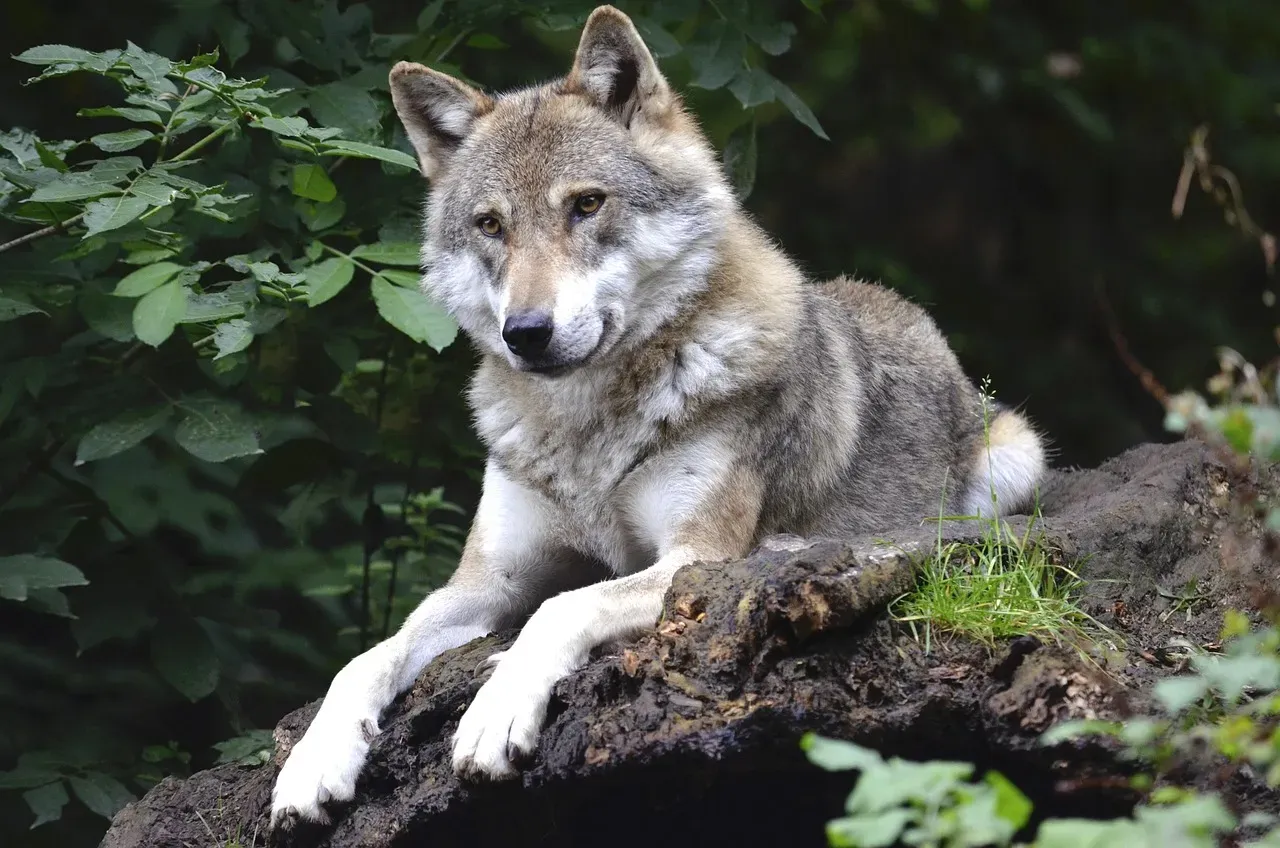
Gemini encourages you to circulate and collect experiences and information. Gemini is the curious explorer in touch with identity on an intellectual level, through the mental examination of alternative thoughts and ideas. The Eurasian Wolf, with its broad and varied distribution across forests, steppes, and mountain terrain, carries that same restless intelligence and adaptability. The Eurasian Wolf inhabits diverse regions of Europe and Asia, known for its social behavior and critical role as a top predator across the terrain.
No single environment defines the Eurasian Wolf. It thrives by shifting strategies, reading new landscapes, and communicating fluidly within its pack. That’s Gemini in action. The gray wolf is known for its exceptional teamwork and communication skills, which make it one of the most effective hunters. With complex social structures, these wolves operate in tightly knit packs and work together to bring down large prey. Gemini’s survival tool is information, and the Eurasian Wolf survives by using every piece of environmental data available.
#4 Cancer (June 21 – July 22): The Eastern Timber Wolf
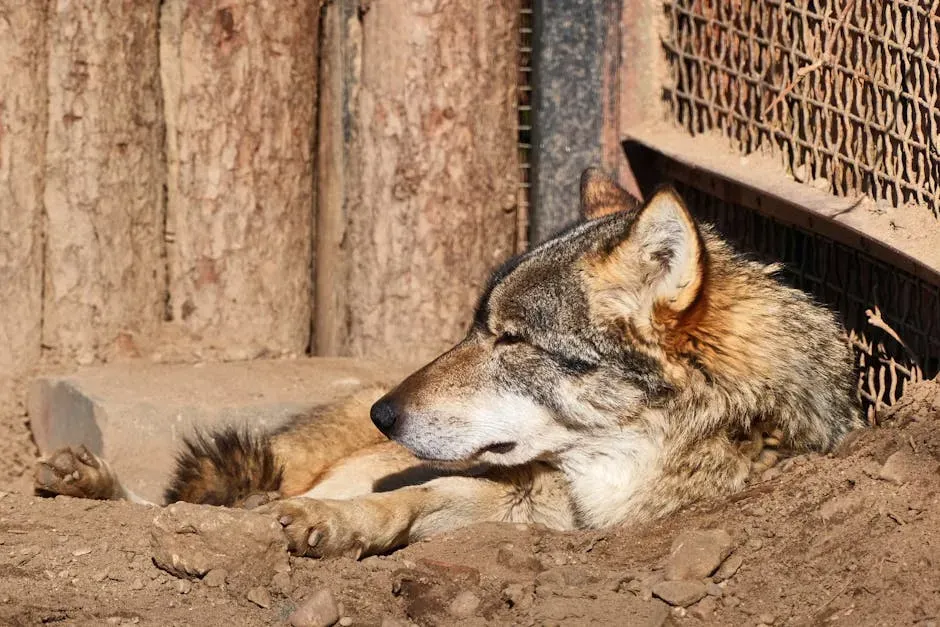
Cancer, at its most basic level, is charged with creating a sense of security for the self through sensitive attunement to emotions. A Cancer Sun gifts you with the capacity to deal with others up close and personal on the feeling dimension of human experience. The Eastern Timber Wolf, a deeply pack-bonded subspecies native to the Great Lakes region, carries exactly this energy. The eastern wolf is found in Minnesota, Wisconsin, and Michigan and is virtually indistinguishable from gray wolf subspecies in the area by physical, behavioral, and ecological traits.
Cancer protects fiercely, hides deeply, and loves hard. The Eastern Timber Wolf shares that nurturing intensity. Wolves are monogamous, and mated pairs usually remain together for life. Should one of the pair die, another mate is found quickly. The bond the Eastern Timber Wolf forms with its pack mirrors Cancer’s instinct to build an emotional fortress around those it loves. Survival, for Cancer, is never just personal. It’s communal.
#5 Leo (July 23 – August 22): The Northwestern Black Wolf
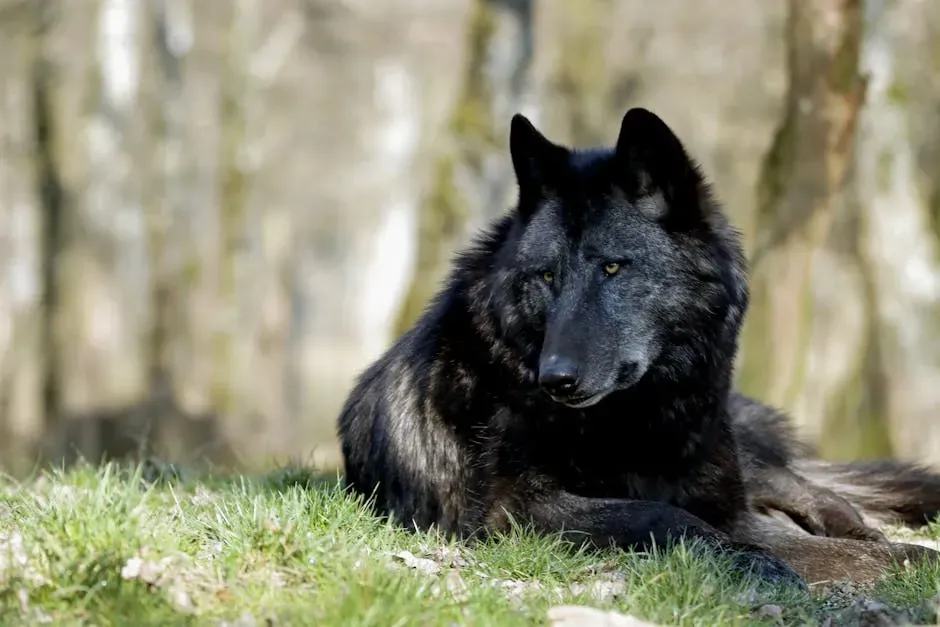
At its most basic level, Leo represents the individual human shining in its own glory and becoming intensely self-aware. Leo is the loving expression of self. Nothing says Leo quite like the Black Wolf, a melanistic variant of the Gray Wolf that stands visually distinct from every other wolf in the pack. The black wolf is not a distinct species, but is a melanistic specimen of the gray wolf. It has a genetic variation which causes its coat to be black instead of gray. Otherwise, the black wolf has the same distribution and behavior of the gray wolf.
Leo doesn’t do invisible. This sign is built to be seen, to lead with confidence, and to command a room without demanding attention. The Black Wolf achieves the same effect simply by existing. Wolves can live in packs of up to two dozen individuals, with packs numbering 6 to 10 being most common. A pack is a family group consisting of an adult breeding pair, the alpha male and alpha female, and their offspring of various ages. Leo gravitates naturally toward that alpha role, not through domination but through presence. The Black Wolf earns its place the same way.
#6 Virgo (August 23 – September 22): The Ethiopian Wolf
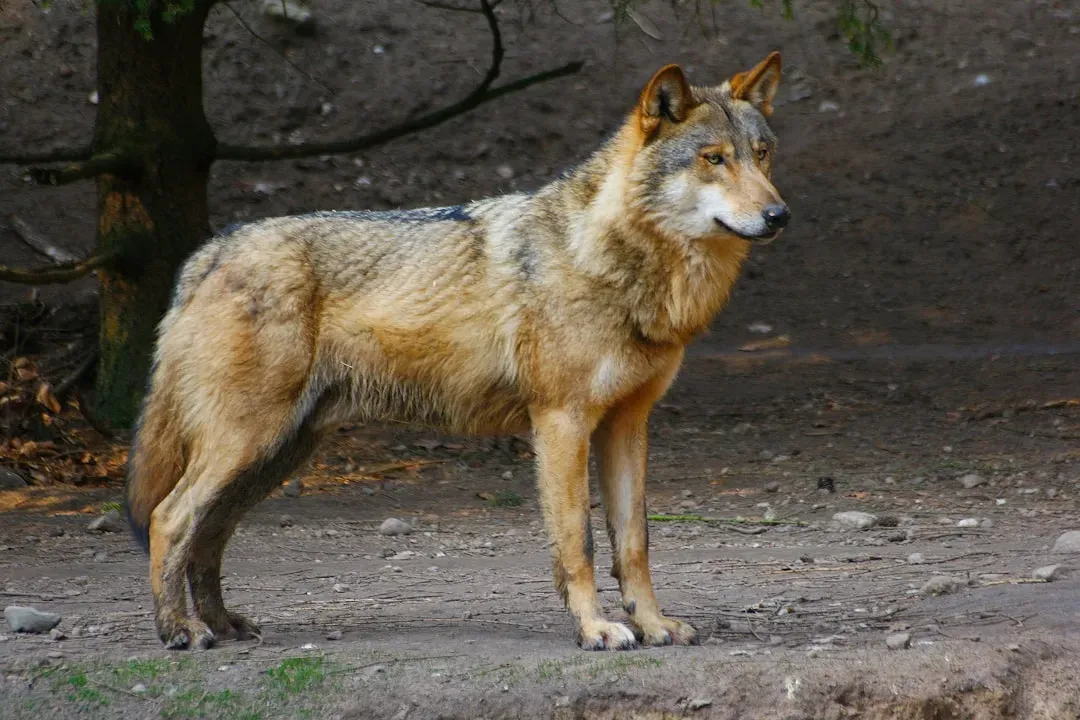
Virgo is the feminine, mutable, Earth sign. At its most basic, Virgo is about the sacredness of the human experience and becoming an expert technician of the earthly skills chosen to master. The Ethiopian Wolf is one of the most specialized hunters on the planet, and that precision is unmistakably Virgo. Unlike most large canids, which are widespread, generalist feeders, the Ethiopian wolf is a highly specialised feeder of Afroalpine rodents with very specific habitat requirements.
One of the activities Ethiopian wolves prefer to do solo is hunting. The hunters of the pack track down the finest grass rats and giant mole rats the Ethiopian highlands has to offer. When given the opportunity to go after larger prey, they will work together to increase their chances of success. That balance of solo discipline and calculated cooperation is very Virgo. They are characterized by their lengthy limbs, slim appearance, black bushy tails, orangish-red body, and white underbelly. Efficient, precise, and deeply purposeful, this is Virgo’s survival nature expressed in wolf form.
#7 Libra (September 23 – October 22): The Saarloos Wolfdog
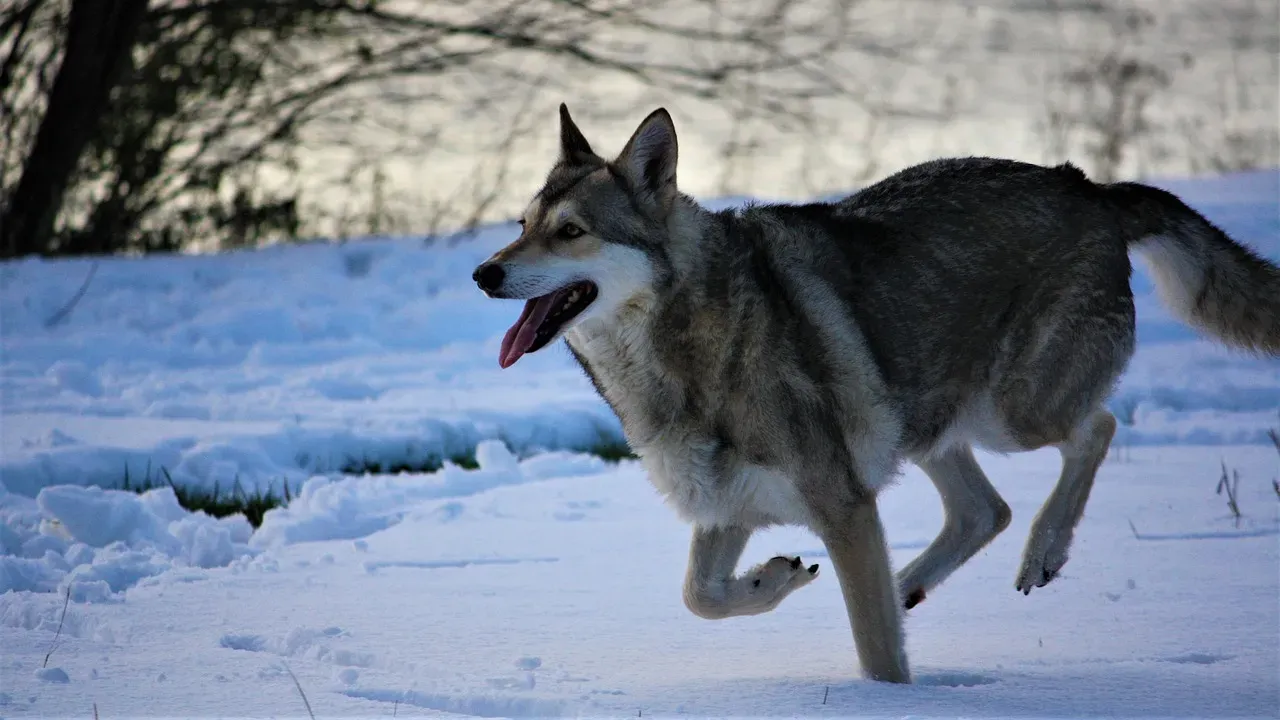
Libra is the sign of balance, relationship, and beauty. It survives through diplomacy, alliances, and the ability to find common ground even in conflict. The Saarloos Wolfdog, a breed created through the intentional union of wolf and domestic dog, carries that same dual energy of wild instinct and relational sensitivity. Dutch breeder Leendert Saarloos created the Saarloos Wolfdog by crossing a German Shepherd with a Eurasian gray wolf. This breed carries long legs, a narrow face, and intense wolf-like expressions. The Saarloos Wolfdog forms deep bonds with its family yet keeps a cautious personality around strangers.
Libra is rarely the aggressor. It reads the room, weighs every option, and builds connections that buffer it from isolation. The Saarloos Wolfdog mirrors this precisely. Like dogs, wolves are highly social animals and form strong bonds within their packs. The roles of each pack member are essential in maintaining the group’s structure and success. Wolves’ complex social dynamics are not just about hierarchy but also about cooperation, mutual care, and communication. Libra knows that relationships, maintained well, are the most durable survival strategy of all.
#8 Scorpio (October 23 – November 21): The Tundra Wolf (Siberian Wolf)
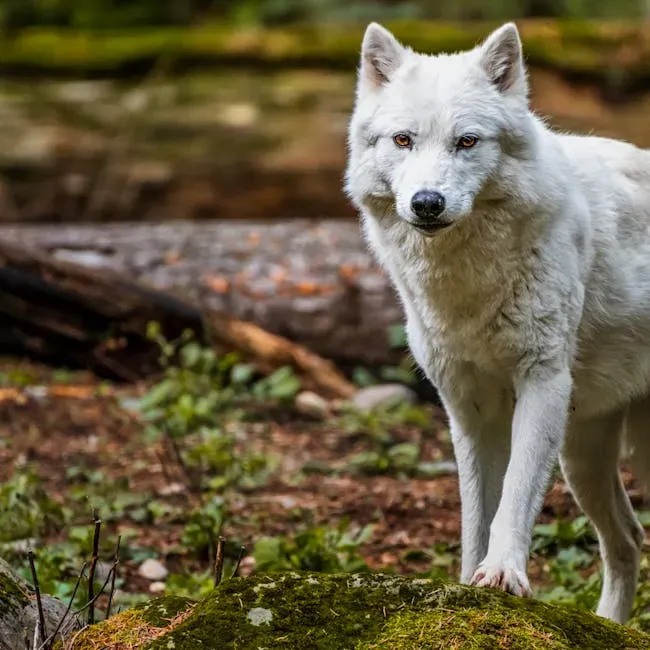
Scorpio is an archetype of depth and power, regeneration and alchemy. It heightens intuition, sensitizes us to the mystery inherent in life, and ignites passion, focus, and profound inner strength. The Tundra Wolf, or Siberian Wolf, embodies exactly that kind of relentless, hidden power. The Tundra wolf lives in the Russian tundra and the Siberian region, reaching into Scandinavia. It weighs between 88 and 110 lbs and its fur is long and thick, allowing it to survive in extremely cold temperatures.
The Tundra wolf feeds on reindeer, hares, and Arctic foxes. It is a nomadic species that travels following the migrations of the animals that form part of its diet. This wolf doesn’t wait passively. It tracks, anticipates, and moves with purpose through the harshest terrain on the planet. Scorpio, too, survives by understanding things others miss. The scorpion within Scorpio is instinctive, reactive, and protective. This is where Scorpio learns survival and personal power. The Tundra Wolf and Scorpio are both built for cold, long games.
#9 Sagittarius (November 22 – December 21): The Arctic Wolf
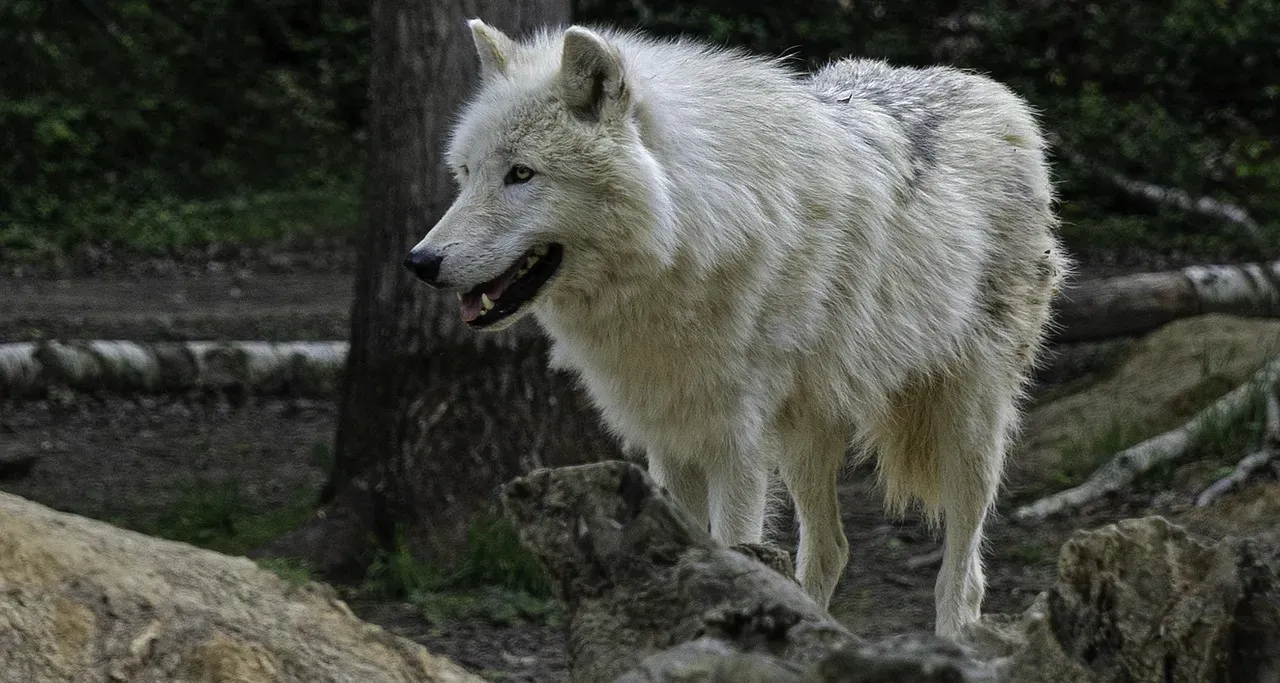
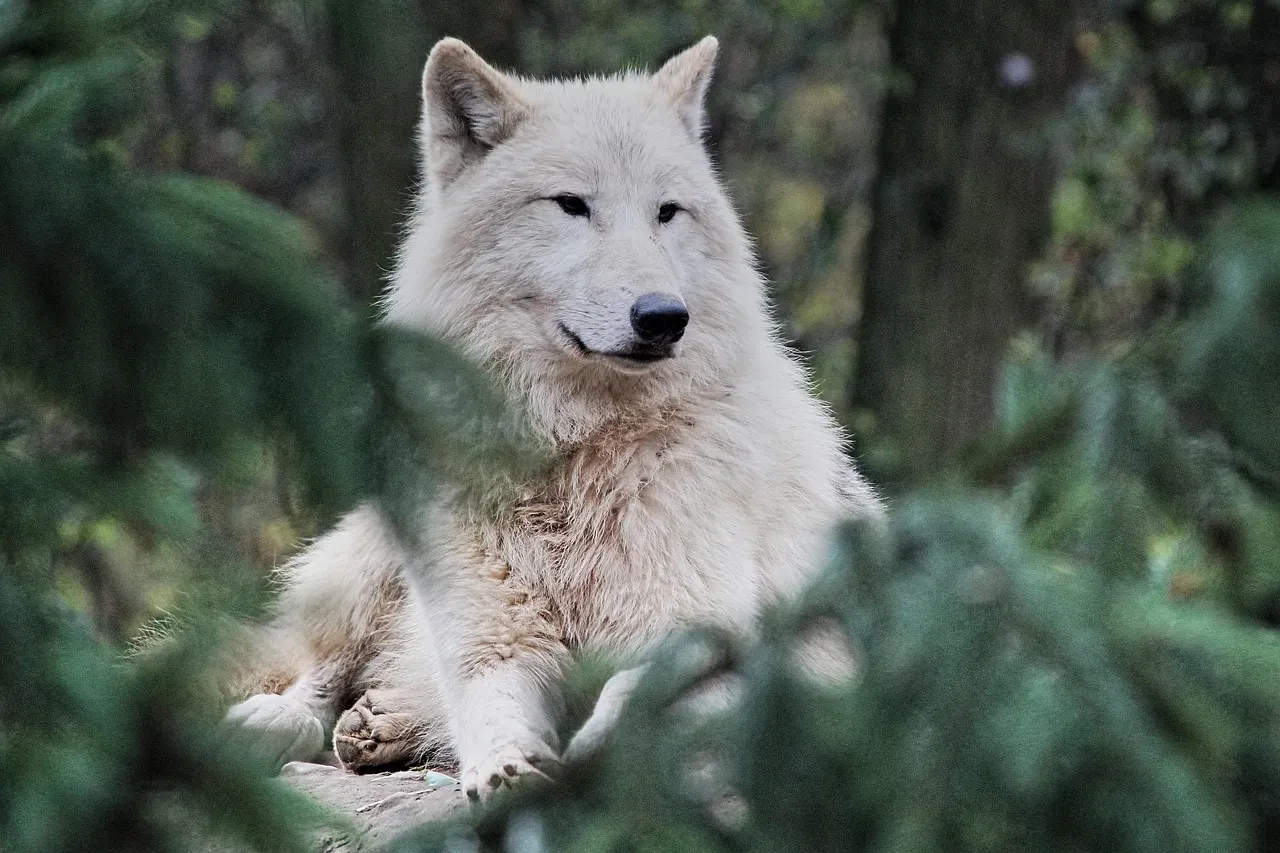
Fire signs like Sagittarius operate through intuitive knowing, seeing the whole before data assembles. Freedom, exploration, and far horizons define this sign’s survival instinct. The Arctic Wolf is a natural mirror. Renowned for their endurance and resilience, Arctic Wolves are capable hunters. They primarily feed on Arctic mammals such as muskoxen, Arctic hares, and caribou. Living in one of the most unforgiving climates, they have a less territorial lifestyle compared to other wolf species, often traveling vast distances in search of food.
Arctic Wolves are known for their incredible endurance and ability to traverse vast distances across snow and ice. Despite living in one of the harshest environments on Earth, they can maintain complex social structures and communicate effectively within their packs. Sagittarius shares that wide-range thinking. It survives by staying in motion, staying curious, and never confining itself to a single territory. The Arctic wolf’s life is a testament to the power of adaptation. With its thick white fur providing both warmth and camouflage, and its pack-oriented behavior ensuring efficient hunting, this animal exemplifies resilience.
#10 Capricorn (December 22 – January 19): The Gray Wolf (Timber Wolf)
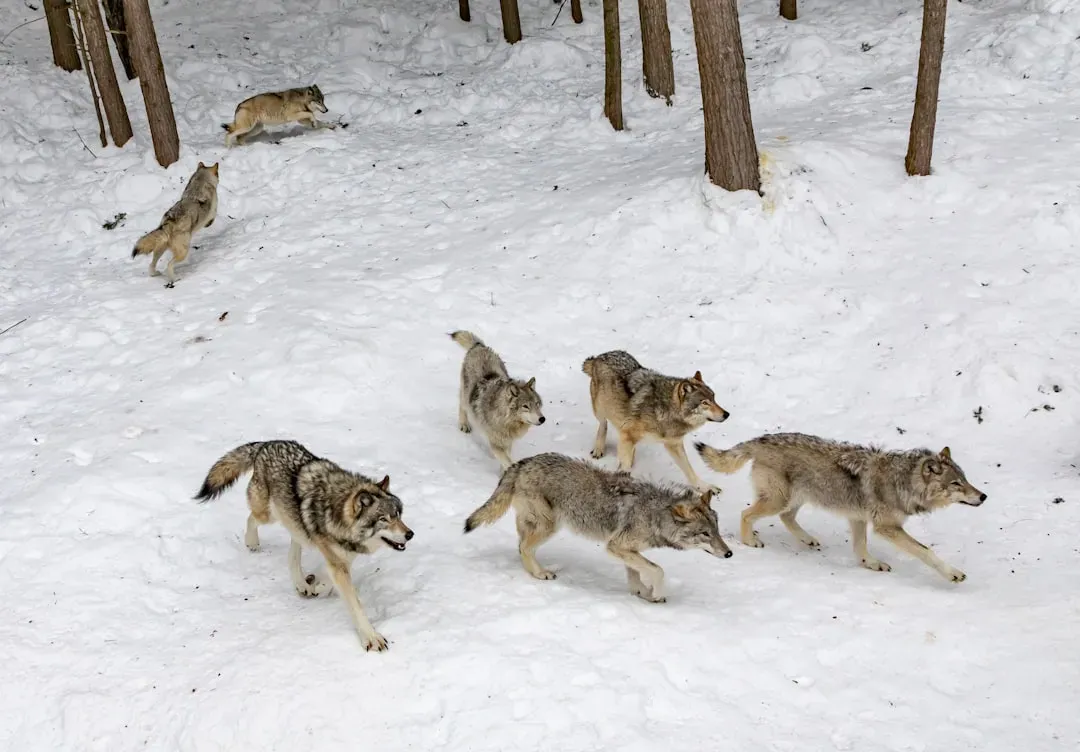
Earth signs like Capricorn operate through sensory knowing and direct contact with physical reality. Capricorn builds, endures, and climbs with methodical focus. The Gray Wolf, the most widespread and dominant wolf species on the planet, is its survival counterpart. The gray wolf is the most widespread and well-known wolf species. They inhabit a vast range of environments, including the dense forests of North America and Europe to the open tundras and deserts of Asia. Gray wolves are highly adaptable, which has allowed them to thrive in various habitats despite human encroachment.
With the exception of humans and the lion, the gray wolf once had a larger distribution than any other land mammal, ranging over all of North America and throughout Europe and Asia. It lived in every type of habitat except tropical forests and the most arid deserts. That kind of enduring, continent-spanning dominance is pure Capricorn. Wolves are territorial and generally establish territories far larger than they require to survive, assuring a steady supply of prey. Capricorn always builds more than it needs right now. That’s not greed. That’s long-term survival intelligence.
#11 Aquarius (January 20 – February 18): The Arabian Wolf
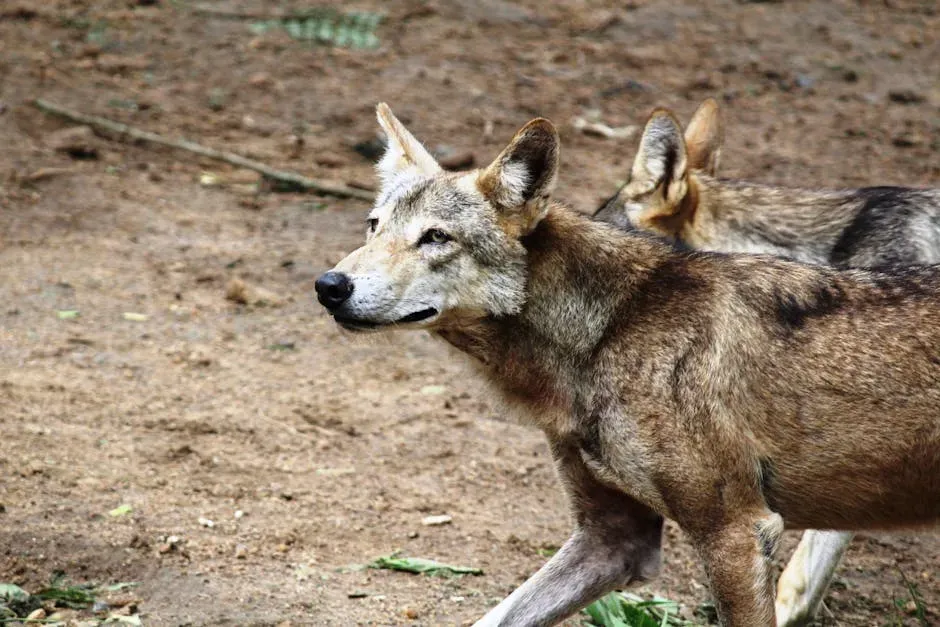
Aquarius breaks every rule quietly and survives by doing what no one else thought to try. The Arabian Wolf is the most unconventional wolf in existence, and that alone makes it Aquarius. The Arabian wolf is a subspecies of the grey wolf found in the Sinai Peninsula and several Middle Eastern countries. It is a small desert wolf that weighs only 44 lbs and feeds on carrion as well as smaller animals such as hares. Unlike other wolves, the Arabian wolf does not howl and does not live in packs.
The Arabian wolf is found in the Sinai Peninsula and several Middle Eastern countries. It is even smaller than the Arctic wolf, weighing around 20 kilos. It feeds mainly on carrion and smaller mammals. Different from most other species, the Arabian wolf does not live in packs, nor does it howl. Its coat is sepia-colored with chestnut and paler tones to camouflage in sandy terrain. Aquarius doesn’t need a pack to validate its strategy. It invents its own rules, adapts its own way, and survives precisely because it refuses to be what everyone expects a wolf to be.
#12 Pisces (February 19 – March 20): The Red Wolf
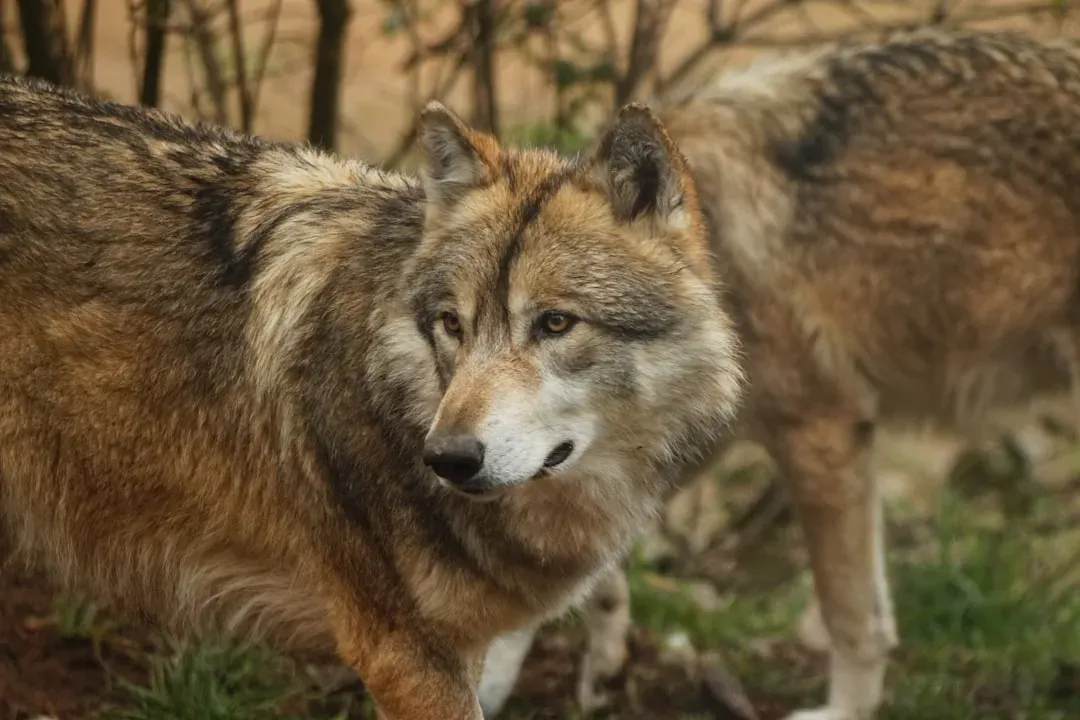
On the most basic level, Pisces is the sign of universal peace and love. Pisces is about the search for bliss and the belief in something that connects all of life. A Pisces Sun gifts deep empathy for others and the ability to make many sacrifices in an attempt to connect to something ethereal. The Red Wolf is its living reflection, a rare, deeply feeling, and uniquely vulnerable creature that has nonetheless found ways to persist. Unlike the gray and Arctic wolves, red wolves have a more slender build. This makes them agile hunters of small mammals like rabbits and rodents. Native to the southeastern United States, these types of wolf are known for their reddish coats and distinct vocalizations.
Red Wolf populations are experiencing a drastic downward trend. Currently classified as critically endangered, only about 20 to 30 individuals remain in the wild. Their survival is now largely dependent on protective measures and conservation efforts. Pisces understands that vulnerability isn’t weakness. It’s a different kind of strength. The red wolf is by far the rarest of the different wolf types. Understanding its plight is essential to protecting it from extinction, as red wolves play a critical role in maintaining the ecological balance in their habitats. Pisces survives not through force but through connection, meaning, and the quiet insistence of continuing to exist when everything says not to.
Conclusion: Your Inner Wolf Is Already Running
There is something worth sitting with here. Every zodiac sign carries a legitimate and distinctive survival architecture, and so does every wolf type. Neither astrology nor wildlife biology was designed to speak to the other, yet the resonance is hard to ignore. The way a sign instinctively responds to pressure, territory, isolation, or uncertainty often mirrors the adaptive strategy of a specific wolf almost exactly.
What this comparison ultimately reveals isn’t mysticism. It’s a useful mirror. When you understand which kind of wolf your instincts most closely resemble, you start to see your own survival patterns with more clarity. You notice whether you are built for vast open ranges or dense territorial roots, for solitary precision or coordinated pack power. That’s genuinely useful self-knowledge.
The wolf doesn’t apologize for how it survives. It just does. Maybe we could all borrow a little of that honesty.