
Why Do Dogs Scratch the Ground After They Poop?
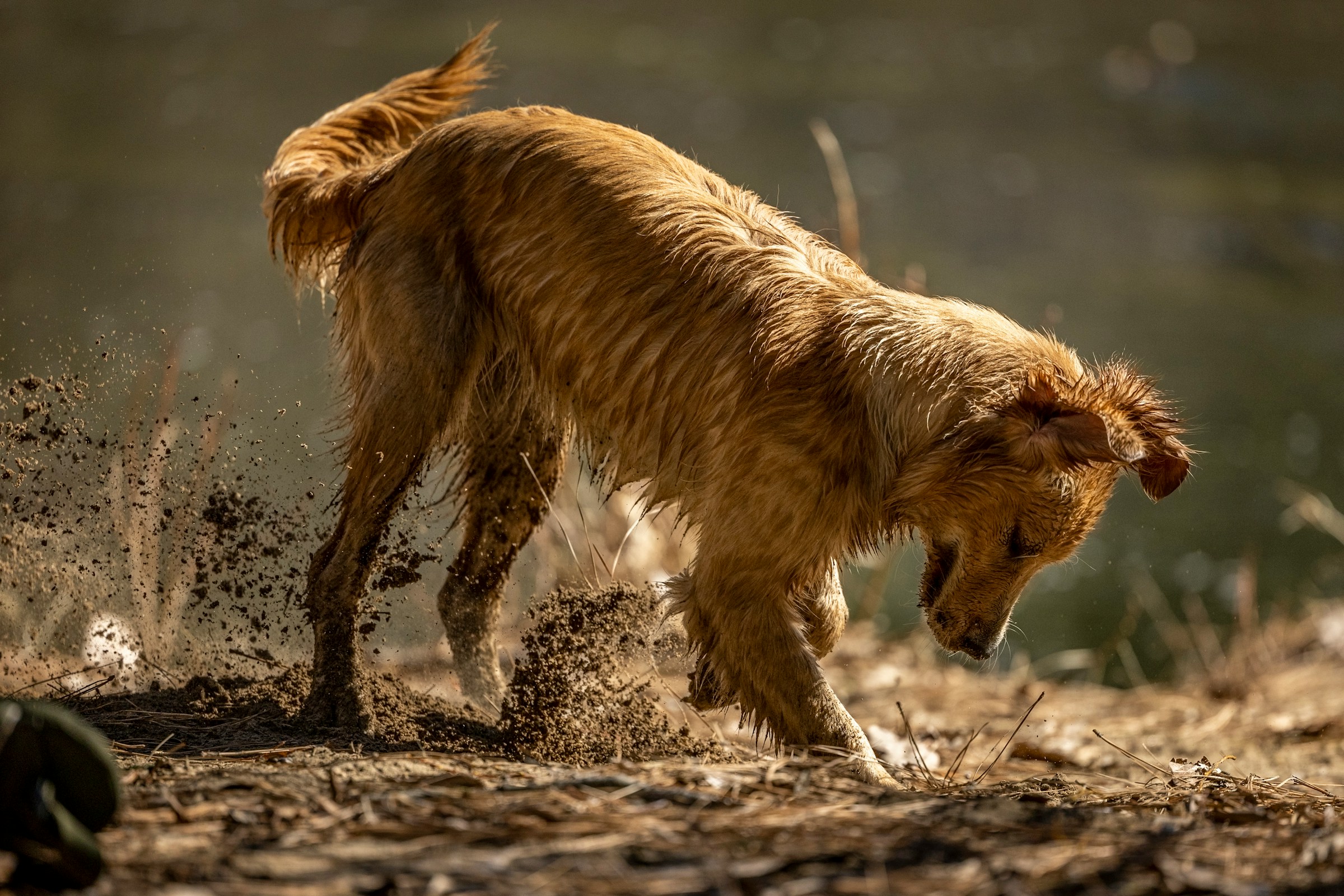
Dog people all know that look: your pup finishes their business, glances around like they just did something huge, and then aggressively scratches at the ground like they are trying to dig their way to another dimension. It can be loud, dramatic, even embarrassing when dirt and grass go flying toward an unsuspecting passerby. But behind that slightly ridiculous moment is a behavior that’s actually ancient, purposeful, and surprisingly smart.
This little post-poop ritual is not just your dog being weird or “extra.” It is instinct talking. From wild ancestors to modern couch potatoes, ground-scratching after pooping is wired deeply into dog behavior. When you understand what is really going on, you stop seeing it as random and start seeing it as communication, territory, and even confidence on display. Let’s break it down in a way that actually makes sense in real life.
Ancestral Instincts: Your Dog Is Channeling Their Inner Wolf
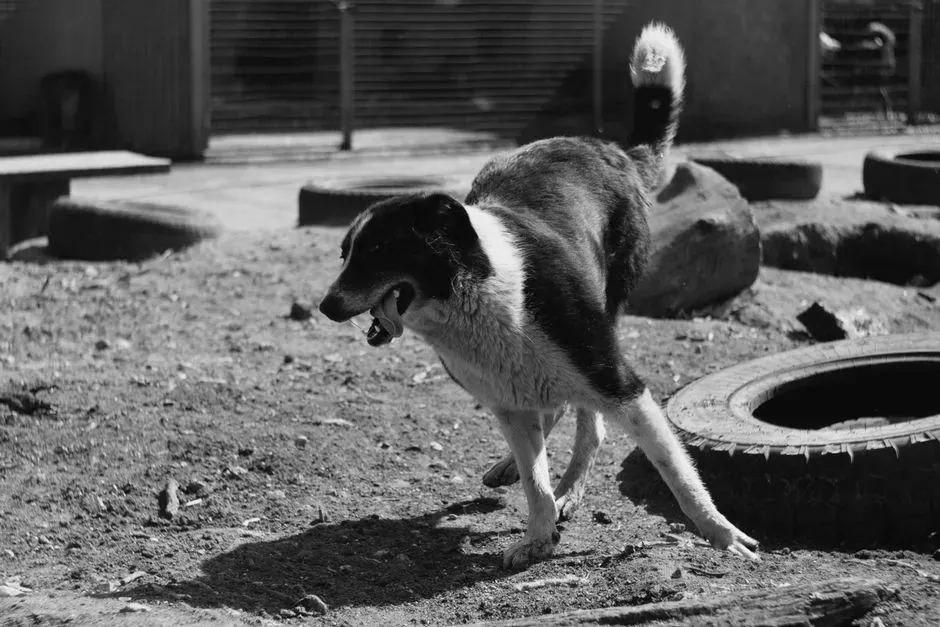
The first thing to know is that this habit is not new. Dogs have been scratching the ground after relieving themselves long before leashes, backyards, or poop bags existed. Wild canines like wolves, coyotes, and foxes show similar behaviors, using the ground not just as a toilet but as part of a larger communication system with their pack and rivals. Even if your dog has never met a wolf, they are still carrying those built‑in behaviors like a family heirloom.
Think of it like an old operating system still running underneath the cute modern interface of your pet. You might see a fluffy doodle with bows in her fur, but her brain still speaks fluent “wild dog.” Scratching after pooping is one of those instinctive actions that stuck around because, for canine survival, it was useful. Your dog is not trying to be dramatic; they are just doing what thousands of years of evolution told them to do.
Scent Marking: It’s Not About the Poop, It’s About the Message
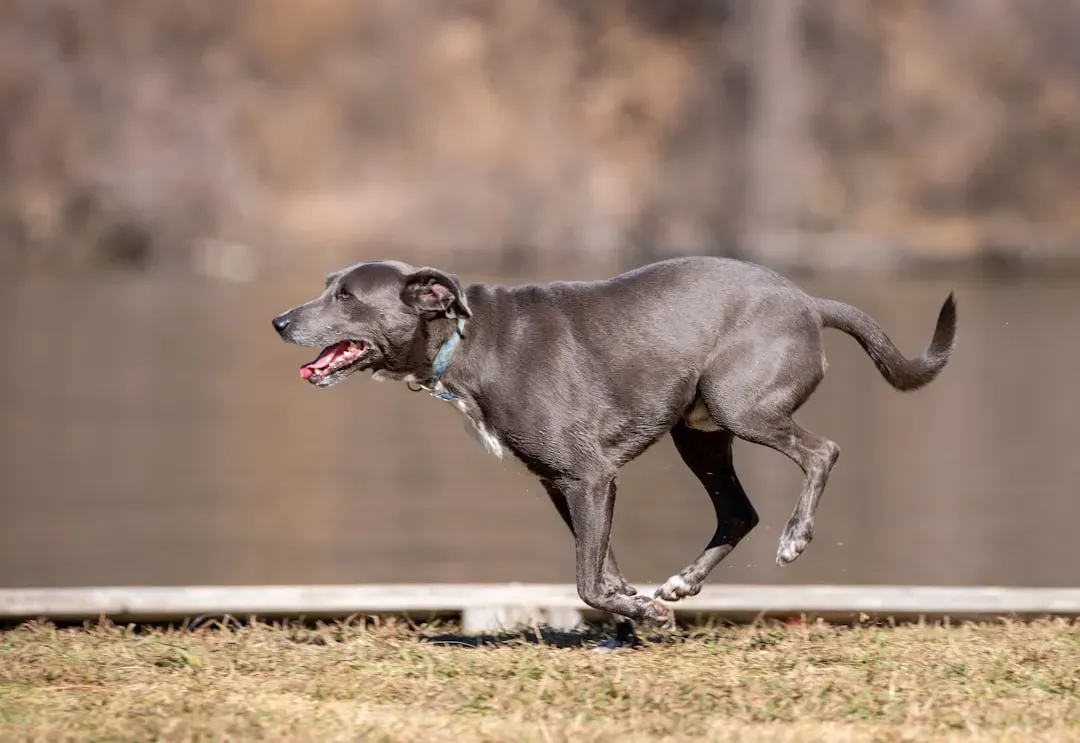
Here is the twist most people do not realize: the important part is not the poop itself. Dogs have scent glands in their paws that leave a subtle scent when they scratch the ground. When your dog rakes their feet in the dirt or grass, they are spreading their personal chemical “signature” around the area like a calling card. The poop is just one part of the message; the scratching is the follow‑up highlight, telling other dogs that this spot has already been claimed or at least visited.
In simple terms, your dog is leaving a scented status update. Other dogs that come by later can “read” that message just by sniffing the ground, kind of like checking comments on a social post. To us, it just looks like a mess. To dogs, it is territorial graffiti, subtle and sophisticated, saying something like: “I was here, this is my route, and I am confident enough to say so.”
Visual Signals: Scratched Ground as a Billboard for Other Dogs
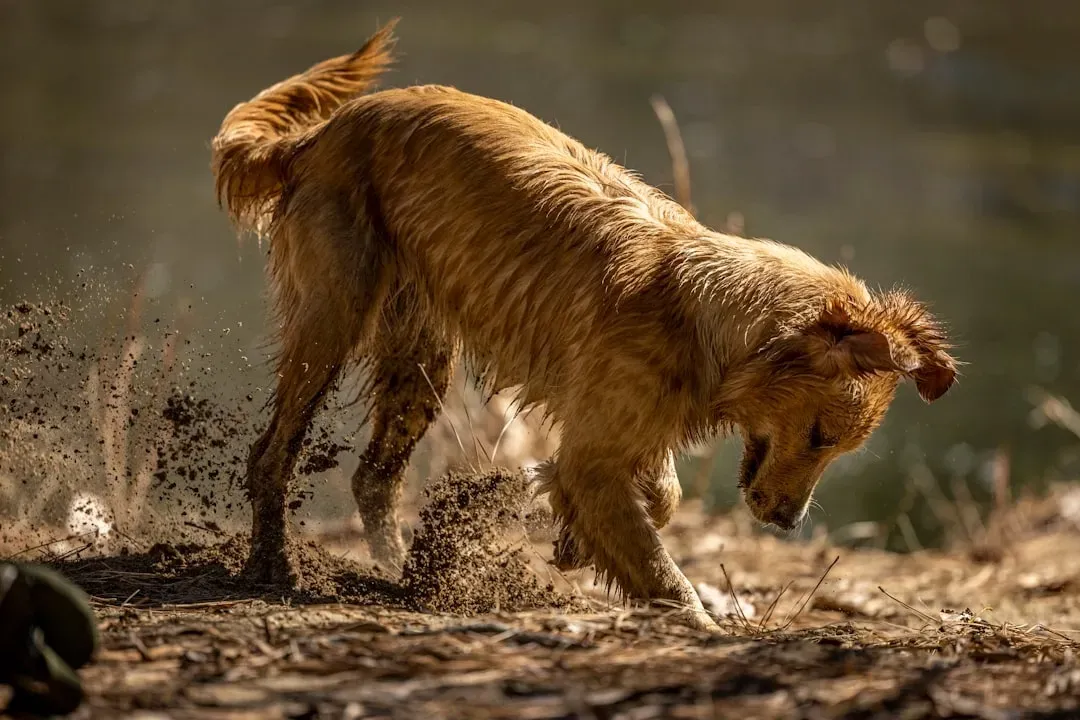
It is not just about scent. When dogs tear into the ground after they poop, they also leave a visible mark: kicked‑up dirt, scraped grass, or little ruts in the soil. In the wild, that visual cue is useful, especially in open areas where scent can fade or get blown around by wind or washed away by rain. A scratched patch of earth is like a signpost that grabs attention and invites other dogs to come over and inspect the area more closely.
From a dog’s point of view, this is a clever combo of smell and sight, like bold text with a bright underline. Even modern dogs in parks and sidewalks are doing the same thing without knowing why; their brains are still wired to think: “If I scratch this up a bit, others will notice.” What looks like random chaos under their paws is, in reality, a surprisingly well-designed way to make sure their message does not go unnoticed.
Confidence, Territory, and a Bit of Swagger
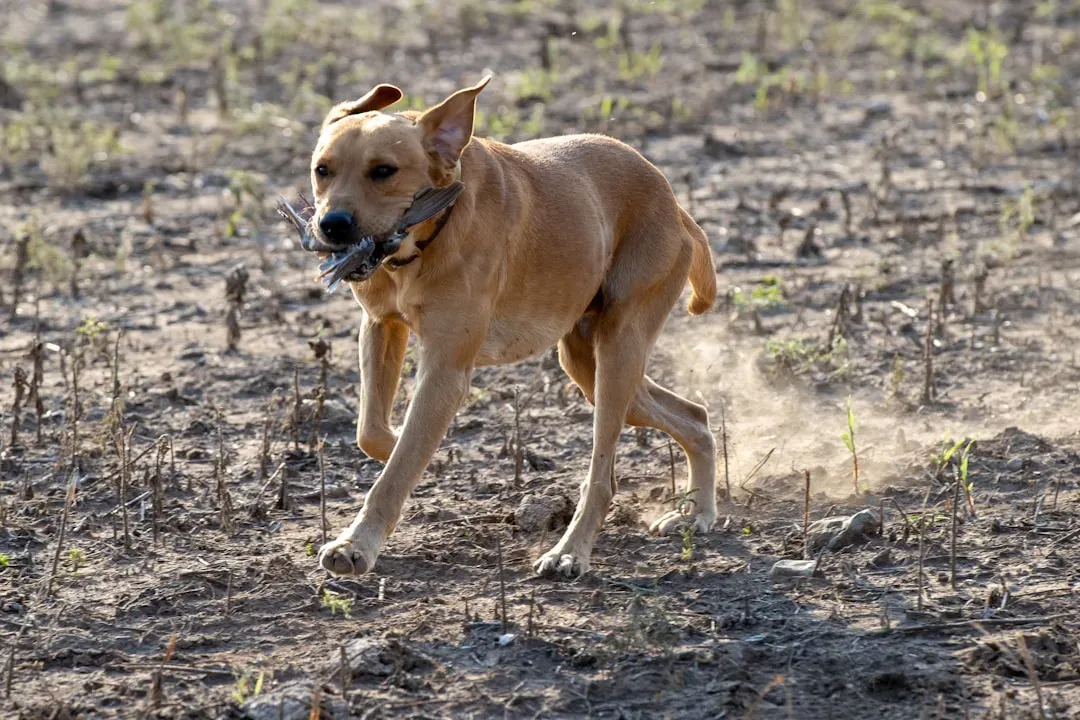
Many behavior experts see ground scratching as a sign of confidence or territorial expression. Not every dog does it, and among those who do, some are much more dramatic than others. The confident, slightly bossy dog who flings dirt like they are in an action movie is not just stretching after a bathroom break; they are announcing themselves. It is like a canine mic drop at the end of a performance.
On the flip side, some shy or timid dogs barely scratch at all, or they might only do it in spots where they feel especially secure. That does not mean scratching equals aggression, but it can point to how comfortable and in control a dog feels in a given area. When I first noticed that my own dog scratched way more in our yard than on walks, it clicked: he felt like the yard was his zone, and he wanted everyone – seen or unseen – to know it.
Clean-Up Myth: No, They’re Not Covering It Like a Cat
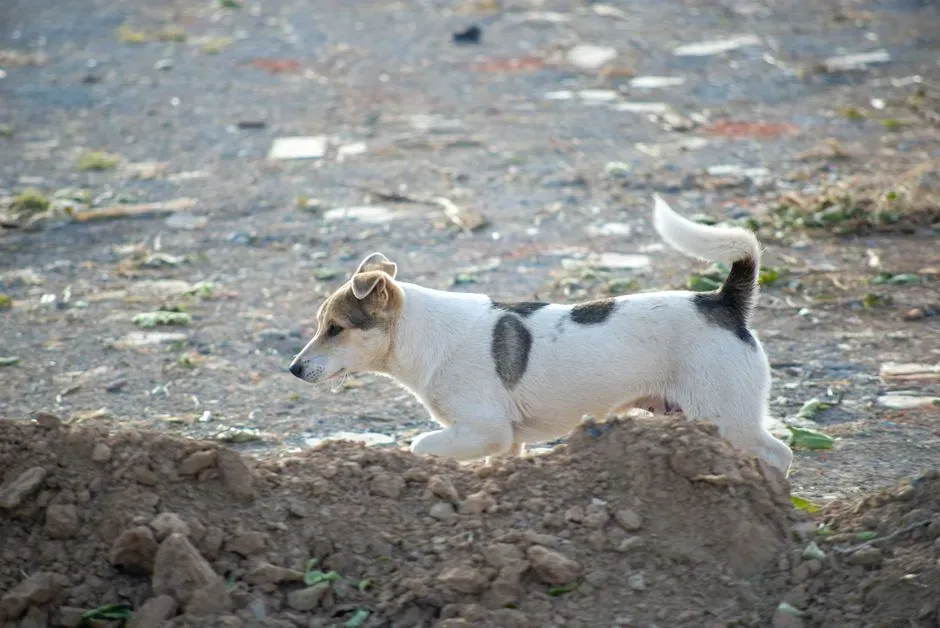
A common belief is that dogs are trying to cover their poop like cats do in a litter box. That sounds logical at first, but it does not line up with what is really happening. Cats carefully pull material over their waste to hide it, often with small, precise motions. Dogs, in contrast, usually scratch behind or to the side of the poop, kicking stuff away from the pile rather than neatly over it. The result is not tidy; it is chaotic and scattered.
If dogs were truly trying to bury their droppings, they would be much more accurate and deliberate about it. Instead, their wild ancestors likely wanted the opposite: their scent to be noticed, not hidden. So while it is tempting to think your dog is trying to “cover their tracks,” in most cases they are actually amplifying them. The poop is the base note; the scratching is the volume knob turning the whole message up.
When Scratching Becomes Excessive: Normal Quirk or Red Flag?
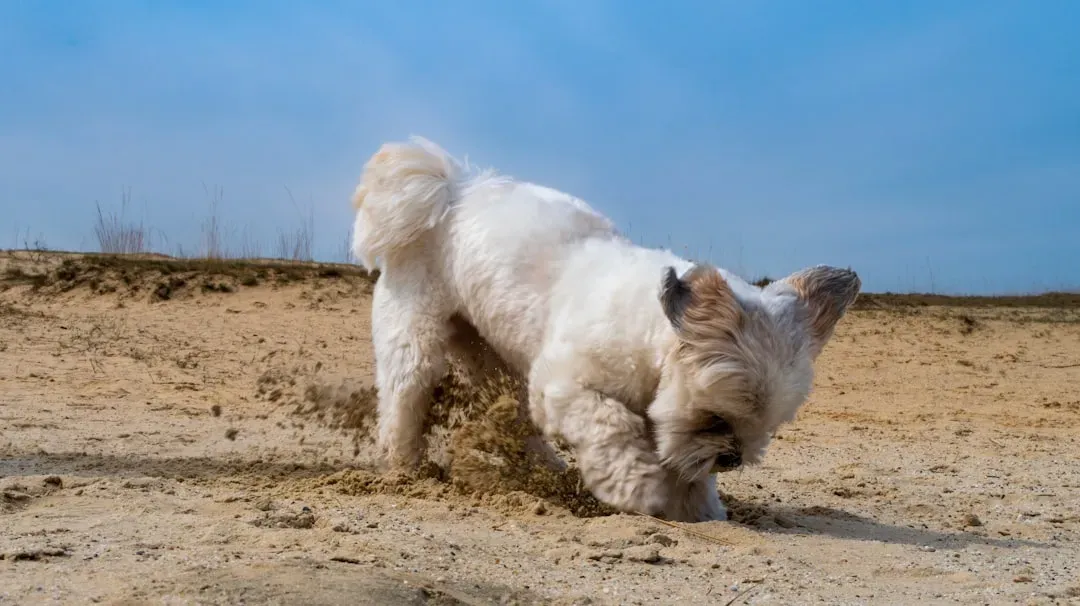
Most of the time, post‑poop scratching is totally normal and nothing to worry about. A few kicks, a quick flourish, and they move on with their life. But if your dog is scratching obsessively, tearing up their paws, or clearly fixating on the ground for a long time, it may be worth paying attention. Over-the-top behavior can sometimes hint at anxiety, compulsive tendencies, or even pain and discomfort in their legs, hips, or paws.
It is also smart to check the ground they are using. Hard concrete, sharp gravel, frozen soil, or surfaces with debris can cause cuts, cracked nails, or paw irritation, especially if your dog is enthusiastic about their scratching. In my opinion, if a “cute quirk” starts leaving your dog limping, licking their paws obsessively, or avoiding walks, that is when it shifts from normal instinct to a health or behavior issue that deserves a vet or trainer’s eyes.
How You Should Respond: Guide It, Don’t Fight It
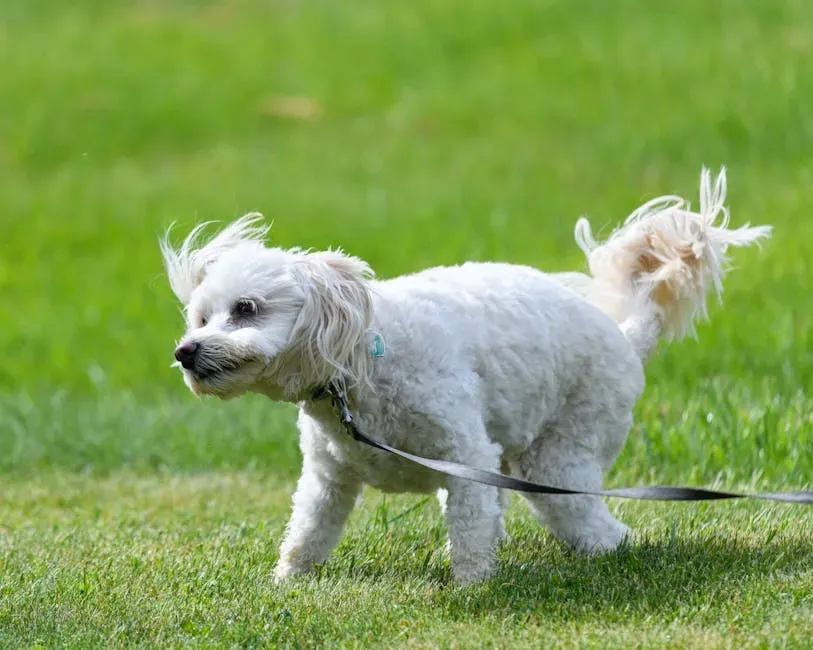
So what are you supposed to do when your dog launches into their post‑poop kick routine in the middle of a nice lawn or on a busy sidewalk? In most cases, the answer is simple: do not make a huge deal of it. Trying to punish or completely shut down a deeply rooted instinct usually just adds confusion or stress. Instead, gently redirect. Move them a few steps off the manicured grass, walk them to a less delicate patch, or cue a simple command to guide them onward once they have had their moment.
If the scratching habit is causing problems – like ruining your yard or annoying neighbors – you can manage it by choosing potty areas with more durable ground, using a leash to keep their range small, and rewarding calm movement away after they finish. The goal is not to erase the behavior, but to channel it in a way that fits human life. To me, that feels like the sweet spot with so many dog quirks: respecting who they are, while still setting boundaries that keep everyone sane.
The Bottom Line: A Small Drama With a Big Story Behind It
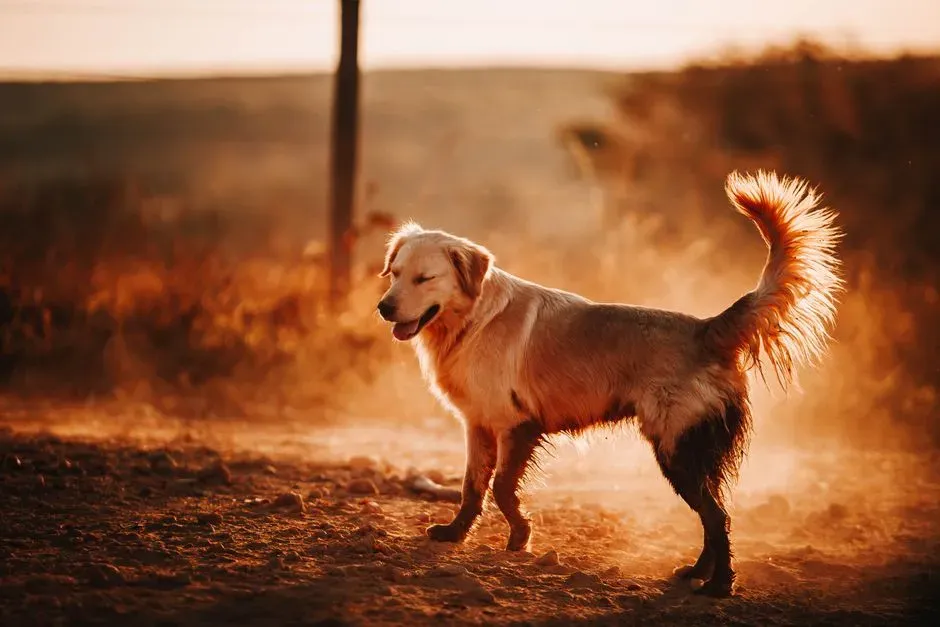
When you zoom out, that ridiculous little dance your dog does after pooping turns out to be a fascinating mix of instincts: scent marking, visual signaling, confidence, and territorial behavior all rolled into a few seconds of chaos. I think we often underestimate how much quiet communication is happening under our noses, especially between dogs who never said a single human word in their lives. Scratching the ground is one of those moments where their wild history peeks through the surface of everyday life.
Personally, I see it as a reminder that our pets are not just furry children – they are animals with their own ancient rules and reasons. Instead of being annoyed or embarrassed, it is almost more honest to respect it, manage it where we need to, and then let them be the strange, instinct-driven creatures they are. Next time your dog finishes their business and proudly sprays dirt everywhere, maybe you will see it a little differently: as a tiny echo of the wild, right there at the end of your leash. Did you expect that?