
Every dog owner has witnessed this charming ritual countless times. Your furry friend approaches their favorite sleeping spot, walks in one, two, or maybe even three full circles, then finally plops down with a satisfied sigh. This seemingly pointless dance happens whether they’re settling into a plush dog bed, a patch of grass, or even your expensive sofa. Though it might seem like just another quirky canine behavior, this ancient ritual has fascinating roots that stretch back thousands of years to your pup’s wild ancestors.
Scientists and dog behaviorists have studied this curious habit extensively, revealing that this simple spinning motion serves multiple purposes beyond just being adorable to watch. Understanding why your dog performs this nightly dance can help you better appreciate their instincts while also knowing when this behavior might signal something more serious.
Ancient Survival Instincts at Work
Dog behaviorists believe that a dog’s need to perform the bedtime ritual of turning around in circles before lying down is inherited. Canine ancestors, such as wild wolves, did the same thing, and domestic dogs retained this genetic predisposition. This behavior represents one of nature’s most enduring survival strategies, passed down through generations despite no longer being necessary for survival.
Dogs were once wild creatures, and their ancestors often spun around in a circle before lying down for the night. Wolves and coyotes would do this because of their survival instincts. Turning around in a circle lets them take one last look for any predators who may be roaming around before they settle down for the night. This final security check allowed wild canines to position themselves strategically for a quick escape if danger approached during their vulnerable sleeping hours.
Creating the Perfect Natural Bed
Doggy beds and pillows haven’t always been around, so wild dogs had to pat down tall grass and underbrush to make a comfortable bed for themselves and their pups. The easiest way to prepare that night’s sleeping area was by walking around in a circle. This practical nest-building behavior ensured they had the most comfortable spot possible in an often harsh natural environment.
To make their sleeping quarters more comfortable, dogs pat down tall grass and move prickly underbrush before lying down. They root out rocks and fallen tree branches. This “nesting” procedure also uncovers unwanted inhabitants, such as snakes or insects. The circling motion was essentially their way of quality-checking their bedroom before settling in for the night.
Temperature Control Through Circling
By walking in circles before settling down, your dog may be helping to regulate his body temperature. Dog body temperatures can vary by a degree or two, and if your dog runs warmer or cooler, circling before settling in can help him get comfortable. This temperature regulation was crucial for survival in the wild, where dogs couldn’t simply adjust a thermostat.
Dogs would also control their body temperature by scratching an area on the ground, digging cool soil to sleep in for the hotter months, and digging deeper to preserve their body heat and sleep in when the colder months arrived. Wild dogs in colder climates circled to wind themselves into tight balls to conserve personal body heat. The tighter the tuck, the warmer the dog.
Pack Safety and Territory Marking
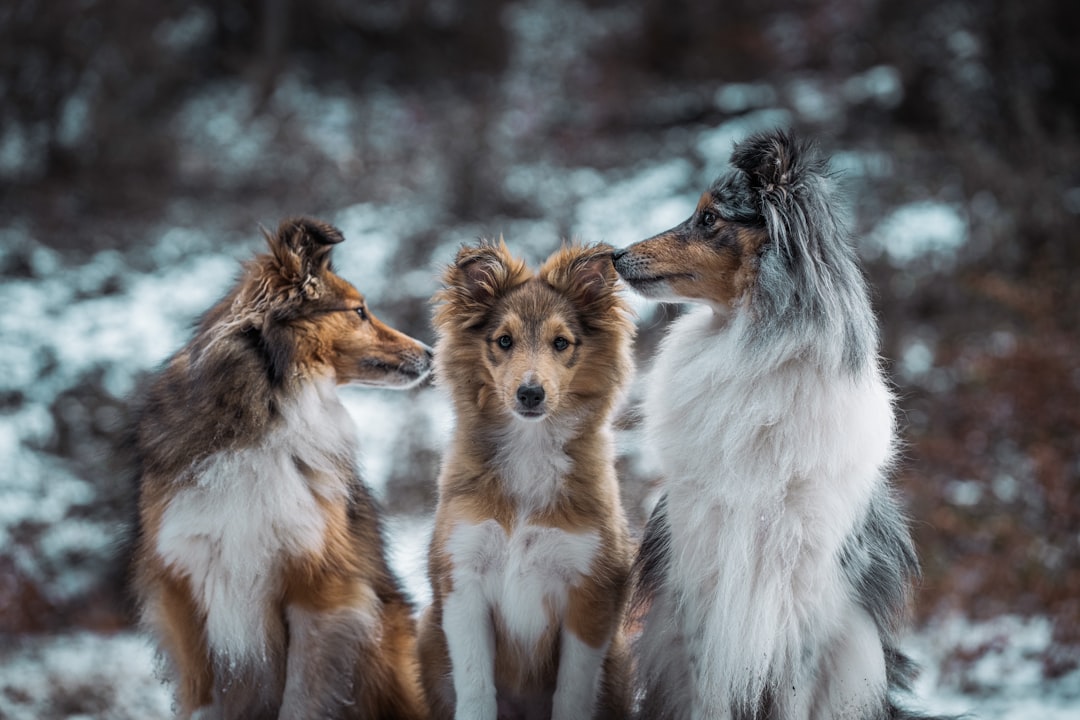
The theory is that pack animals circle before sleep to assess that all members of the pack are accounted for and there are no predators about before settling down. This behavior allowed the pack leader to do a final headcount while scanning the surrounding area for any signs of danger that might threaten the group during their rest.
Circling before lying down was also a way for the animal to claim their space. This message can be sent through both action and scent. Dogs have scent glands on their paws, which can help them communicate. The circling motion helped spread their unique scent around their chosen sleeping area, essentially posting an invisible “occupied” sign for other animals.
Modern Comfort and Habit Formation
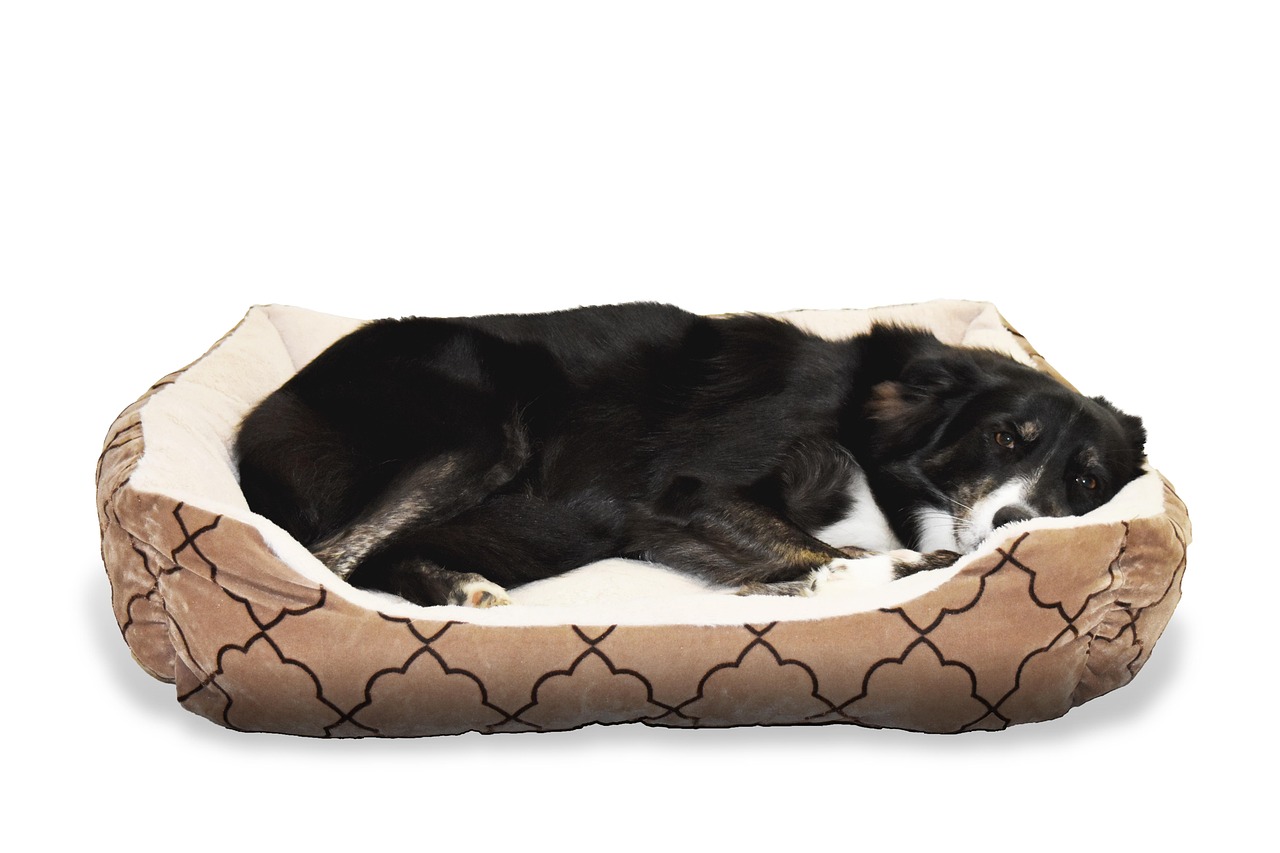
“With modern dogs who sleep in a cozy dog bed with padding or blankets, the dog can be circling to get the bedding just right,” Burch says. “Think of the dog who does this at bedtime as arranging the blankets and fluffing his pillows.” Just like humans might adjust their pillows or rearrange their blankets, dogs are simply trying to create the most comfortable sleeping arrangement possible.
On the shag-carpeted, uneven surface, more than half of the dogs (55 percent) turned at least one full circle before they finally rested. That means to say that the dogs were nearly 3 times more likely to circle before laying down on the uneven surface than on the smooth surface. This research demonstrates that even today, surface comfort plays a significant role in whether dogs feel the need to circle.
Bedtime Rituals and Psychological Comfort

Like humans, dogs have created bedtime rituals they practice every night or when they nap. Your pup circling before lying down is the equivalent of us reading a book in bed or having some chamomile tea. This routine helps signal to their brain that it’s time to wind down and prepare for rest.
When dogs prepare for rest, this repetitive motion can calm their nervous system, helping them transition into sleep more smoothly. Similar to pacing before bed in humans, it signals the body and brain that it’s time to wind down. The familiar pattern of circling becomes a self-soothing behavior that helps anxious or excited dogs settle down more effectively.
When Circling Becomes a Health Concern
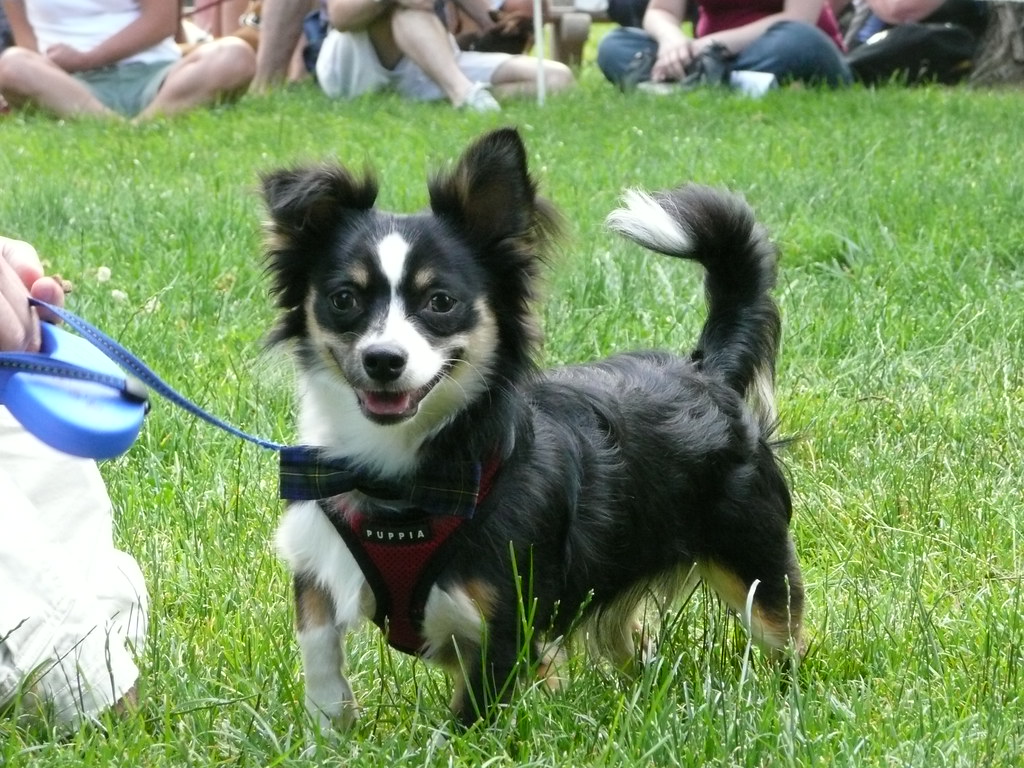
Dogs that are in pain will circle excessively as they struggle to find a more comfortable position. They may also crouch and rise several times before completely reclining. If your dog has difficulty settling down even after making several revolutions, consult your veterinarian. Excessive circling can indicate underlying health issues that require professional attention.
Spinning that is excessive or out of the ordinary can be a sign of trouble that indicates the dog has a problem, such as pain [like hip dysplasia], a neurological problem or an inner ear problem [like vertigo]. Neurological issues, such as canine cognitive dysfunction (similar to dementia in humans), brain tumors, or vestibular disease, can all cause disoriented circling before lying down. Unlike the purposeful spin of a young, healthy dog, this kind of circling may appear aimless or excessive.
Supporting Your Dog’s Natural Behavior
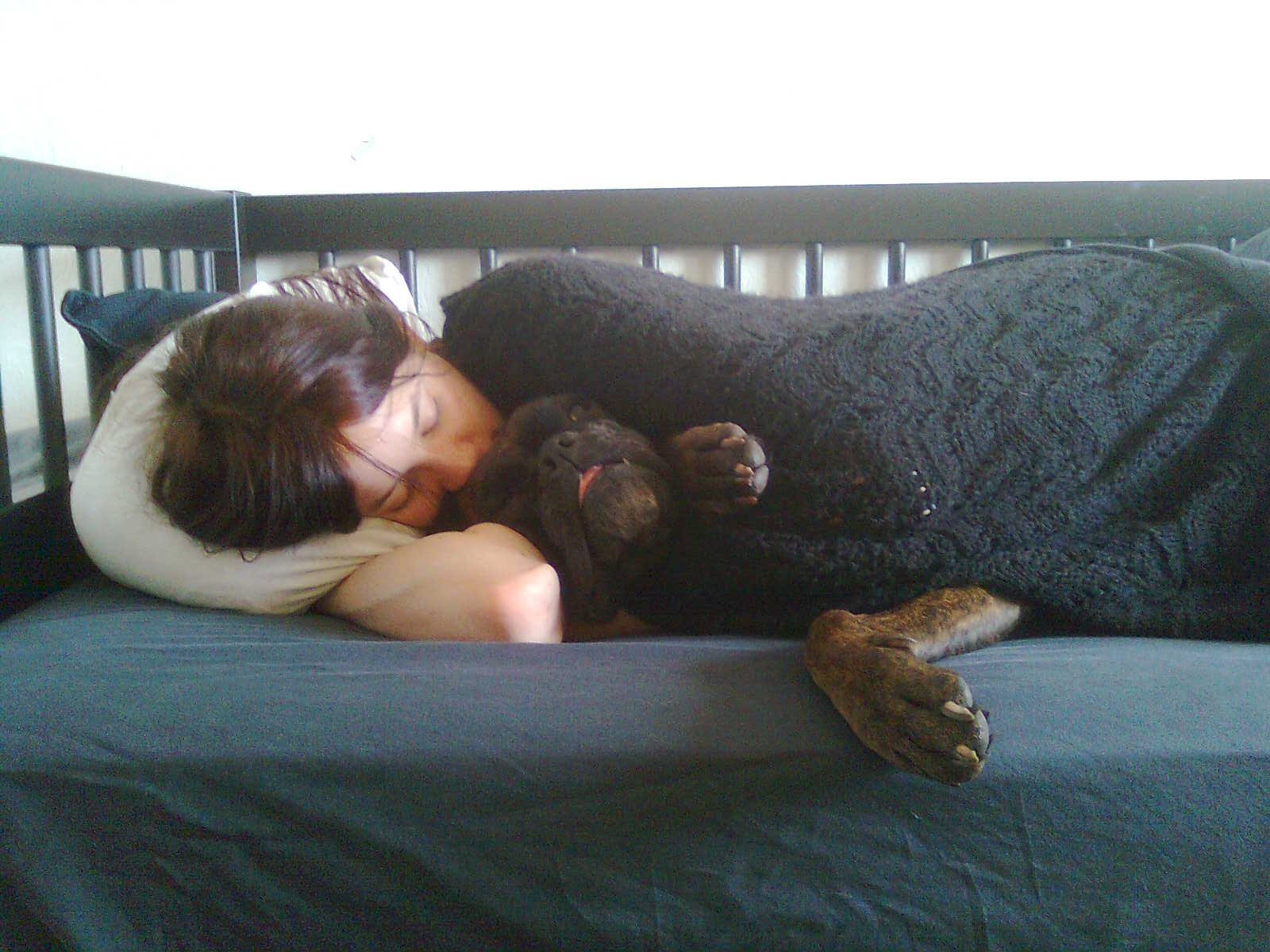
Fortunately, there are ways to support your dog – whether the circling is instinctual or a sign of something more. Providing orthopedic beds for older dogs, maintaining a consistent sleep routine, and ensuring a calm sleeping environment all make bedtime easier. Creating the right environment can help minimize excessive circling while still honoring their natural instincts.
“With some larger dogs, there’s more weight put onto their elbows and other joints when they’re laying on the ground. So maybe it might take them a minute more to find a comfortable spot,” says Ellis. “Giving them a nice, comfortable bed, and some blankets to lay on, could help alleviate those problems and we might see a difference in how quickly they lie down.” Quality bedding can reduce the need for extensive circling by providing immediate comfort.
Conclusion: Embracing Your Dog’s Ancient Dance
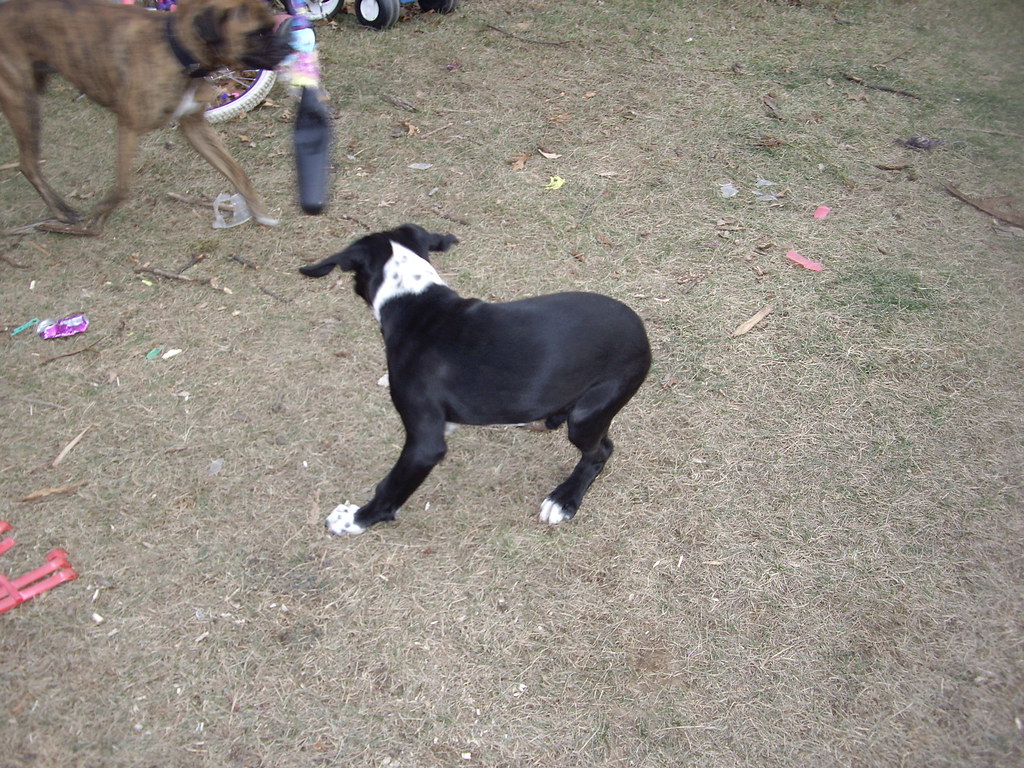
Your dog’s pre-sleep spinning ritual is far more than a simple quirk. It’s a beautiful connection to their wild heritage, combining survival instincts, comfort-seeking behavior, and emotional self-regulation all rolled into one charming dance. Whether they’re channeling their inner wolf or simply arranging their blankets just right, this behavior represents thousands of years of evolutionary wisdom.
The next time you watch your furry friend perform their nightly circles, you’ll know you’re witnessing an ancient ritual that has helped canines survive and thrive for millennia. Though they may no longer need to check for predators or create beds from grass and leaves, that instinctual drive to prepare their sleeping space remains beautifully intact. What do you think about your dog’s bedtime ritual now that you know its fascinating history? Tell us in the comments.


