

Picture this: you’re relaxing on your couch watching TV when you notice your furry companion sitting perfectly still, staring intensely at what appears to be an empty wall. Your dog’s eyes are locked in place, ears perked up, completely focused on something you just can’t see. It’s enough to give you chills and make you wonder if your house is haunted!
Every dog parent has witnessed this mysterious behavior at least once. That eerie, almost hypnotic stare can last anywhere from a few seconds to several minutes, leaving you scratching your head and maybe even glancing over your shoulder. Though it might look like your pup is communing with supernatural beings, the truth is both more fascinating and reassuring than you might expect. Let’s dive into the real reasons behind this ghostly behavior and discover what’s actually capturing your dog’s attention.
Their Super-Powered Hearing Picks Up Hidden Sounds

Your dog’s ears are basically supernatural hearing devices compared to ours. Dogs are able to hear sounds up to 65,000 Hz. If we compare this to humans, humans can only hear frequencies up to 20,000 Hz.
When your pup stares at a wall, they might be tracking sounds that are completely invisible to your ears. Think about it like having x-ray vision for sound. That seemingly innocent wall could be hiding scratching mice, water dripping in pipes, or even electrical humming from wires.
“There are a lot of possible reasons for this, but the most common reason that dogs do this is their hearing has picked up something that we didn’t notice, and they’re trying to place it or track it,” explains certified canine behavior consultant Jenn Stanley.
Next time you catch your dog in their wall-staring trance, sit quietly beside them and listen carefully. You might be surprised by what subtle sounds start to emerge when you really focus.
They’re Detecting Tiny Creatures You Can’t Hear
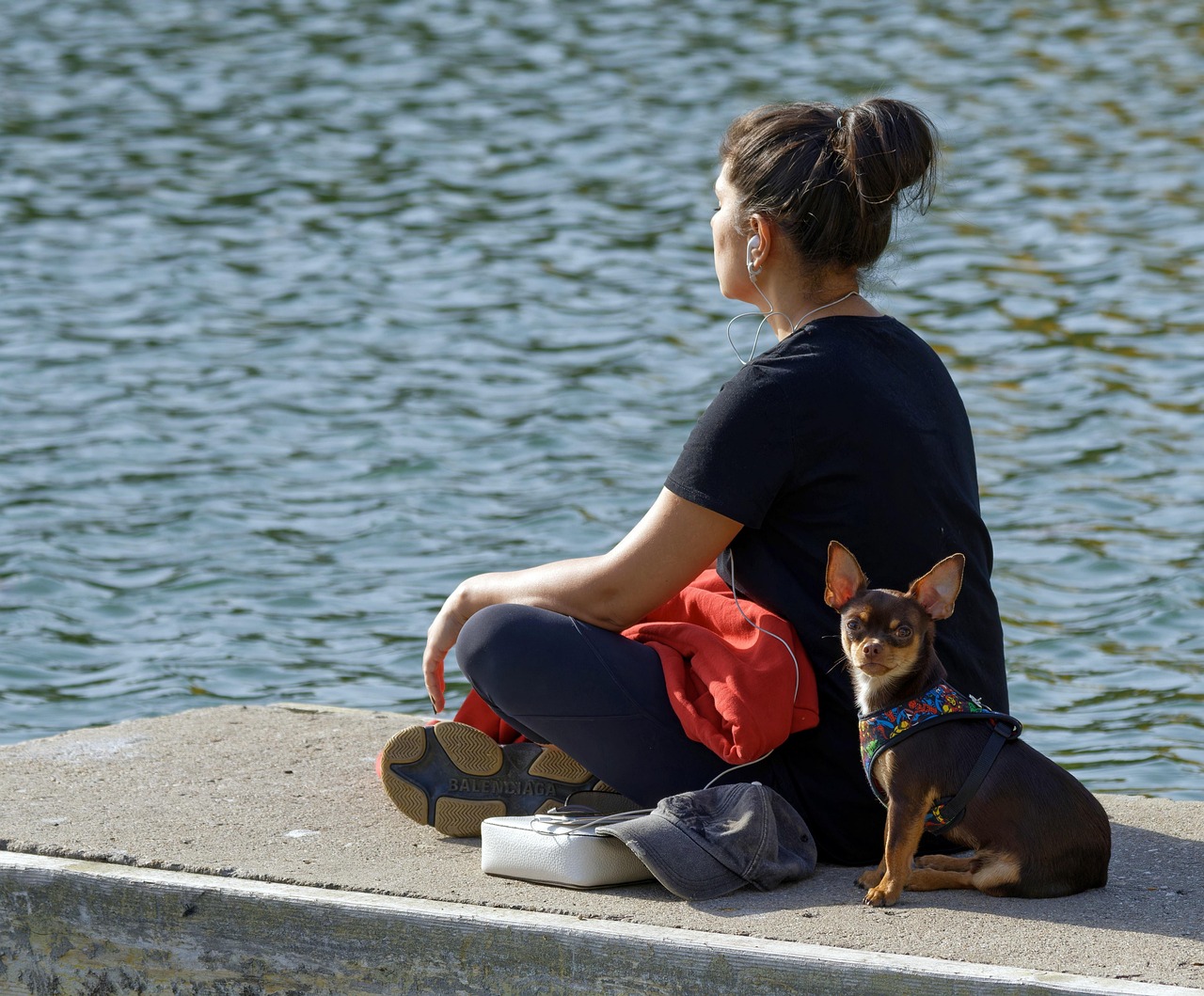
Sometimes, this means that they pick up on things we don’t –- such as infestations. Squirrels, termites, bees, and all sorts of other critters tend to move in alongside us, often without our realization, but they can’t sneak past our observant canines.
Your dog might be alerting you to unwanted houseguests living rent-free in your walls. Those little paws scurrying around or wings buzzing create high-pitched sounds that are like alarm bells to canine ears. This allows dogs to detect high-pitched noises, like the squeaking of a mouse, making them better hunters. In fact, their ability to hear higher frequencies helps them detect the presence of rodents and other critters.
If your dog consistently stares at the same wall spot, it might be worth having a pest control professional take a look. Sometimes what seems like mysterious behavior is actually your dog doing their job as your home’s security system.
Ultrasonic Household Devices Create Invisible Noise
Modern homes are filled with electronic devices that produce sounds only dogs can hear. Since your dog has quite sensitive hearing, they can hear different frequencies of ultrasonic sound. Ultrasonic sounds can come from a variety of devices and many of those items can be household objects. For instance, if you have an ultrasonic style humidifier, there is a chance your dog can hear its sound frequency.
These invisible noises might come from your WiFi router, computer chargers, or even certain light fixtures. What’s completely silent to you could be like having a radio playing at full volume for your dog.
I recently checked the sound environment again, and found some constant, low-level, electronics-generated ultrasound in dogs’ hearing range that was not accompanied with anything in the human hearing range. The culprits: three adapters that put out ultrasound, but no sound audible to humans · I found what people have been worried about: sound that dogs can hear but we can’t. But the sound was very quiet; it would likely be inaudible unless a dog was very close.
If your dog suddenly starts staring at walls after you’ve added new electronics to your home, try moving the device to see if the behavior changes.
Canine Cognitive Dysfunction in Senior Dogs

For older dogs, wall staring can signal something more serious called Canine Cognitive Dysfunction. If you have a senior dog, one of the most likely reasons for your dog staring at the wall is Canine Cognitive Dysfunction (CCD). CCD is similar to dementia in people.
The first medical signs of canine cognitive dysfunction syndrome (doggy dementia) and brain tumors or partial seizures can appear through wall-staring behavior. The prevalence of cognitive decline in U.S. dogs age 11-to-12 reaches 28 percent and continues to rise dramatically with each passing year of age.
Senior dogs with cognitive dysfunction might seem confused or disoriented, almost like they’re lost in their own familiar home. The wall staring often comes alongside other changes like altered sleep patterns, forgetting house training, or seeming withdrawn from activities they once loved.
Early intervention can help slow the progression of cognitive decline, so it’s crucial to discuss any concerning changes with your veterinarian as soon as you notice them.
Seizures Can Look Like Intense Staring

Not all seizures involve dramatic convulsions and drooling. Staring at the wall or staring into space could be a symptom of a type of seizure called a partial seizure or a focal seizure. These seizures are often hard to diagnose, but if you repeatedly catch your dog staring at the wall, contact your veterinarian for an expert opinion.
Focal point seizures can cause a dog to stare off into space. When we look for seizures, we often think of the more common symptoms like shaking, foaming at the mouth, collapse, and loss of bladder control. Sometimes seizures can be harder to spot, with less noticeable symptoms. These seizures are called Focal point seizures.
The key difference between normal attention-seeking staring and seizure-related staring is responsiveness. During a seizure episode, your dog won’t respond to their name or react to treats or toys offered nearby.
If you suspect seizures, try to video the episodes and note their duration, frequency, and any other unusual behaviors to share with your veterinarian.
Anxiety and Stress Can Cause Zoning Out
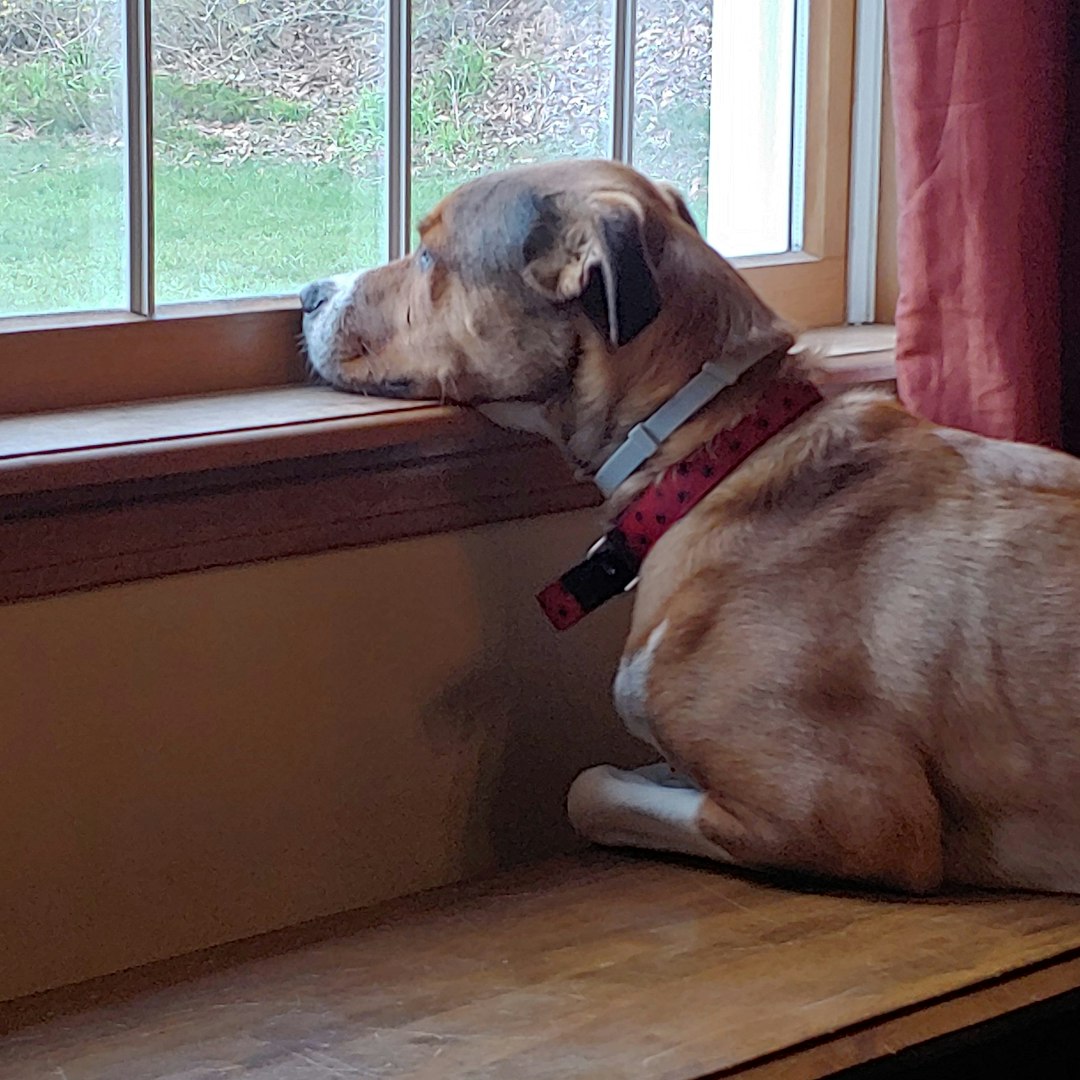
Your dog might be in a state of stones because of anxiety. Sometimes, if you’re really riddled with anxiety on the inside, it can cause you to almost go comatose on the outside, including just staring at things such as the wall.
Just like humans sometimes stare into space when overwhelmed, dogs can have a similar response to stress. Changes in environment – a move, new baby, or extended time away from you – can throw dogs into anxiety spirals. Staring at the wall may be a way for your pup to self-soothe or decompress when they feel anxious.
This coping mechanism might develop into a compulsive behavior if the underlying stress isn’t addressed. Look for other signs like destructive chewing, excessive licking, or changes in appetite that might indicate anxiety.
Creating a calm, predictable environment and providing mental stimulation through puzzle toys can help reduce stress-related wall staring.
Vision Problems Make Things Look Strange
Have you ever noticed how you squint when something is blurry and hard to see? Your dog may be doing the same thing at the wall. Vision problems can make ordinary objects look shadowy or distorted, explaining a dog’s hyper-focus on something you can’t see.
Dogs losing their eyesight might stare at walls because shadows, light reflections, or visual distortions appear where there shouldn’t be anything. A dog who is losing eyesight may stare at nothing. SARD stands for sudden acquired retinal degeneration and is an eye condition known for causing blindness within 30 days and sometimes even within a few days.
Even minor eye problems like ulcers can create spots in your dog’s field of vision, making them think they see something that isn’t actually there. Dogs with eye issues often squint, paw at their eyes, or seem hesitant to navigate familiar spaces.
Regular eye exams become increasingly important as dogs age, since many vision problems can be treated if caught early enough.
Sometimes It’s Just a Bid for Attention

Staring could also be an attention-seeking behavior. If you inadvertently give your dog attention when he stares at the wall, he may repeat the behavior to get your attention again.
Dogs are incredibly smart at figuring out what gets them noticed. If rushing over to check on your “ghost-seeing” pup has become routine, you might have accidentally trained them that wall staring equals instant human attention and concern.
Your dog could be staring at the wall to get your attention. This strange behavior could be your dog’s way of telling you they want some much-deserved attention. Has your dog stared at the wall before, and you approached them to give them some love or called them to take them for a walk?
The solution isn’t to ignore your dog completely, but to redirect their attention to more appropriate behaviors. Offer praise and attention when they’re engaging in activities you want to encourage, like playing with toys or resting calmly.
When Wall Staring Becomes Concerning
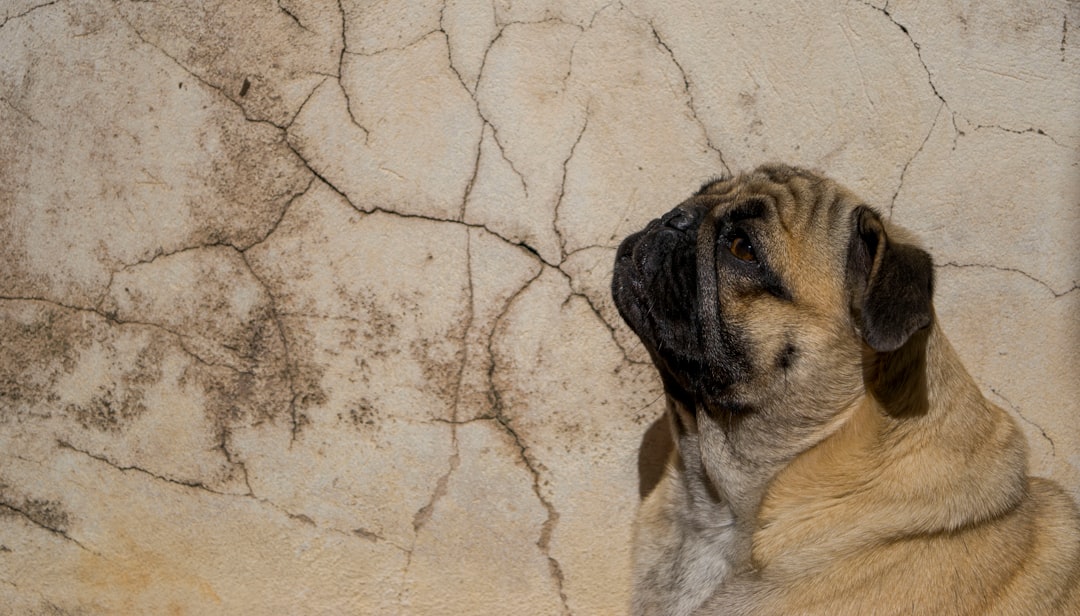
If your dog is staring at the wall, the first thing to remember is not to panic. Just because you’ve caught your dog staring at the wall once does not mean that your dog has CDS, a seizure disorder, compulsive behavior, or cancer. However, if you notice that your dog stares at the wall on a regular basis, or that the staring is accompanied by other changes in behavior, call your veterinarian.
Occasional wall staring is usually nothing to worry about, especially if your dog easily snaps out of it when you call their name. However, persistent episodes warrant professional attention, particularly when combined with other warning signs.
Persistent staring paired with head tilting, tail chasing, or barking at nothing points to bigger issues. Focal or partial seizures, brain inflammation, or obsessive compulsive disorder can all present without dramatic symptoms. Head pressing – when the pet leans its skull flat against a surface – is an emergency. Act fast if episodes last over a minute, cluster in one day, or come with disorientation, pacing, or night-time house-soiling.
Trust your instincts as a pet parent. If something feels off about your dog’s behavior, it’s always better to have a conversation with your veterinarian sooner rather than later.
Conclusion
Your dog’s mysterious wall-staring episodes probably aren’t supernatural encounters, but they’re revealing something fascinating about the rich sensory world our canine companions inhabit. From their incredible ability to hear sounds we’ll never detect to their instinctive responses to stress and environmental changes, these behaviors give us a window into how differently dogs experience their surroundings.
While most wall staring is completely harmless and just another quirky dog behavior to add to your list, staying alert to changes in frequency or intensity ensures you’ll catch any health issues early. Remember, your dog’s “ghost detection” might actually be pest detection, anxiety management, or simply their way of saying they need more attention from their favorite human.
What do you think your dog sees when they stare at those walls? Share your own spooky dog stories in the comments below!


