
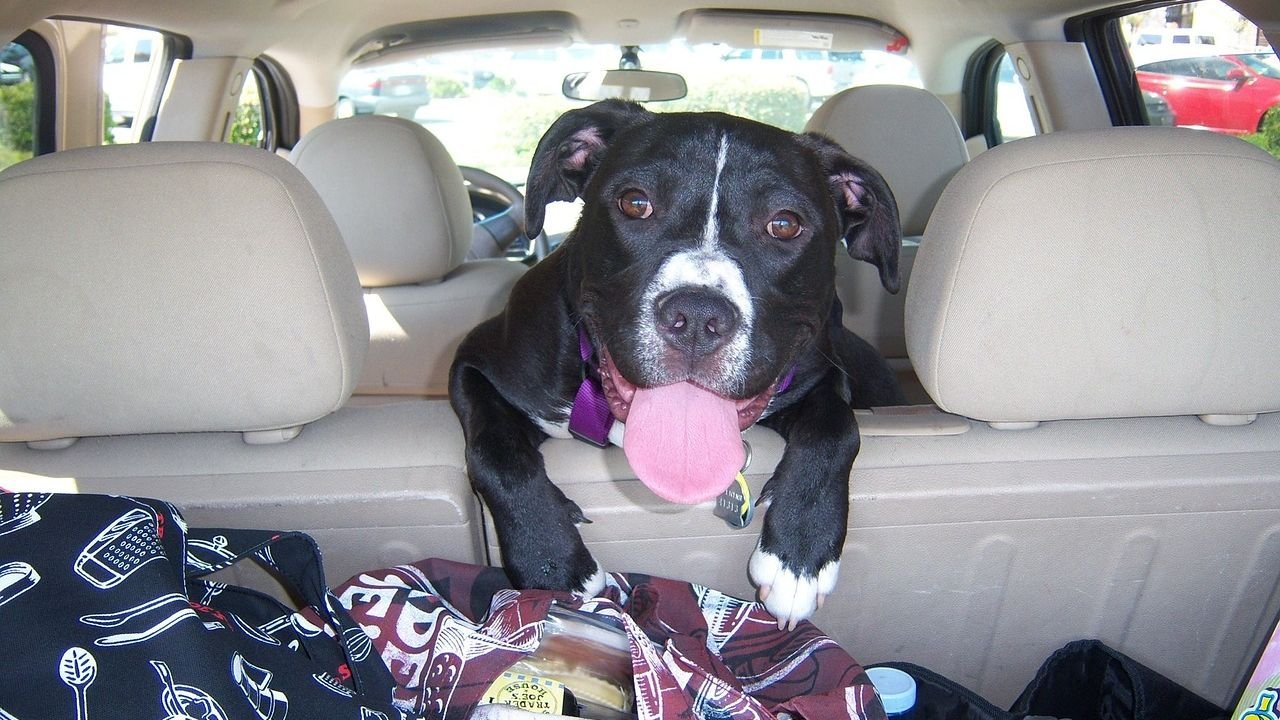
Picture this: you pick up your car keys and one dog bolts to the door, tail spinning like a helicopter. Another dog slinks under the bed before you’ve even grabbed your jacket. Same household, same owners, completely different reactions. If you’ve ever wondered why your dog either loves or dreads the car, you’re not alone.
The truth is, a dog’s response to car travel isn’t random or stubborn behavior. It’s deeply rooted in instinct, past experience, physical comfort, and the unique emotional wiring of each individual dog. Understanding what drives these reactions can genuinely change how you approach every future trip with your pup.
The Science of Why Some Dogs Absolutely Love It
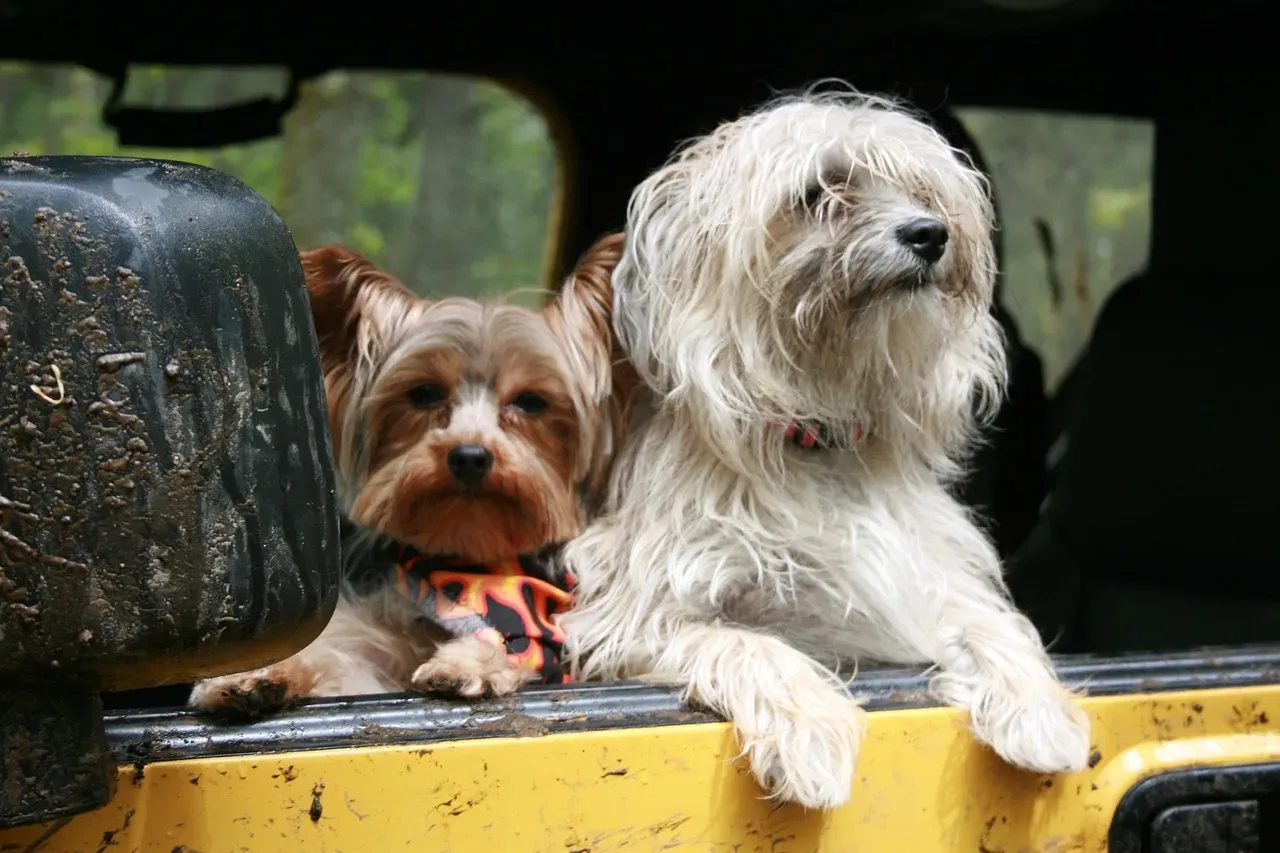
For dogs who can’t wait to jump in the backseat, the car isn’t just a vehicle. It’s a full-blown sensory adventure. Dogs’ noses contain up to 300 million olfactory receptors compared to just 5 million in humans, meaning every ride offers a constantly changing aromatic adventure as they smell new environments from bustling city streets to peaceful countryside. That alone is enough to make the experience genuinely thrilling for them.
Some dog behaviorists think riding in a car feels like hunting for a dog. The car’s forward motion, surrounded by other moving cars, makes a dog feel like part of a pack on a hunting expedition, and this sensation is said to give your dog a feeling of euphoria. It’s a primal pull, not a learned trick.
Car rides can also release feel-good hormones like endorphins and oxytocin in dogs. One reason for this “feel good factor” is that you are present with the dog, and canines are most secure when they are next to their human family pack. So part of what makes a car ride magical for your dog is simply that you’re right there with them.
How Early Experiences Shape a Dog’s Car Attitude Forever
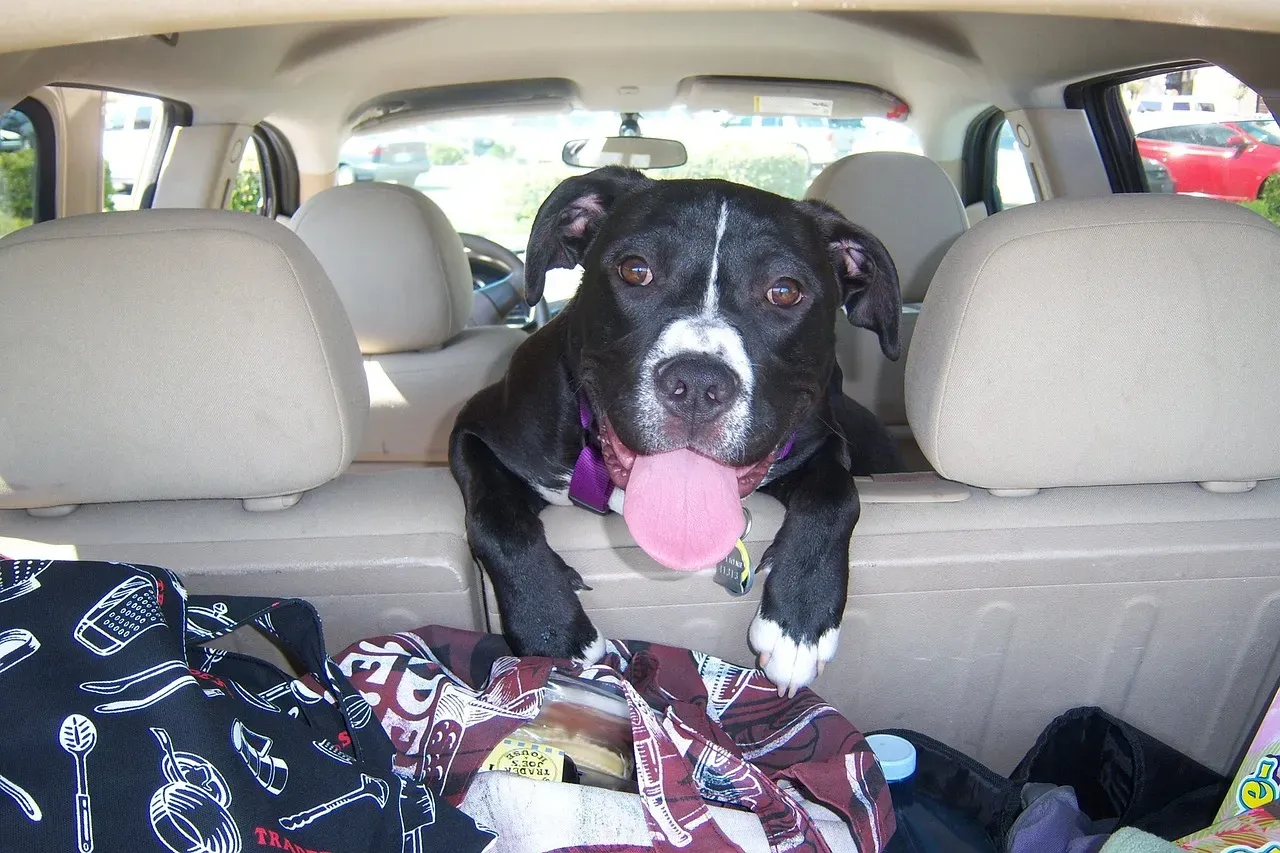
One of the most common reasons dogs develop anxiety around car rides is negative past experiences. If a dog associates car rides with unpleasant events, such as a trip to the veterinarian, a boarding facility, or even a traumatic accident, they may resist getting in the car or show signs of distress. That association gets wired in early and sticks.
Dogs that are not introduced to car rides at an early age may become fearful when placed in a moving vehicle. If a puppy is only exposed to car travel for vet visits or stressful situations, they may associate the experience with fear rather than excitement. Early socialization with the car, when done positively, can be the single biggest factor in whether a dog grows up loving or dreading the ride.
If most car rides end at parks, trails, or places where treats abound, dogs quickly learn to associate travel with good things. Over time, even hearing your keys jingle can send them into a tail-wagging frenzy because they anticipate something enjoyable is about to happen. The opposite is also true, so where you take your dog matters enormously.
Recognizing the Real Signs of Car Anxiety in Your Dog
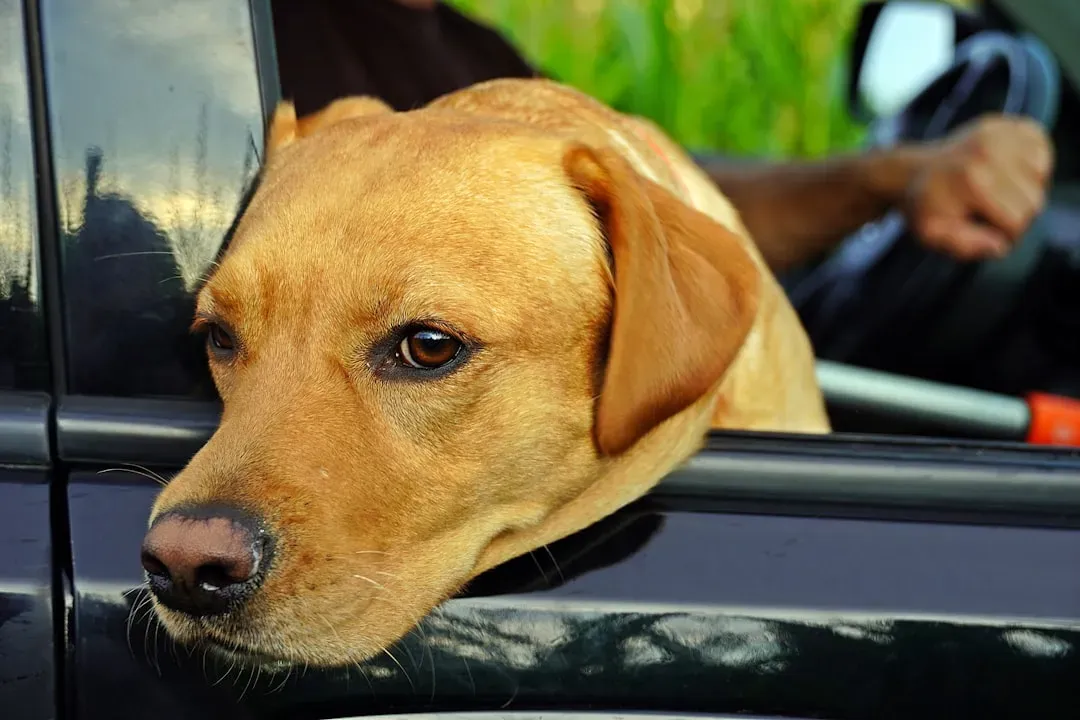
A lot of owners mistake anxiety for “just being dramatic,” but your dog is actually communicating something real. Mild symptoms include typical signs of dog stress like yawning, lip licking, panting, or drooling. Dogs with moderate symptoms might also lick their paws, fidget, or vocalize with barks, whining, or whimpering. These are easy to dismiss, but they’re worth taking seriously.
More obvious signs include excessive panting that starts before or as soon as the car moves, often with heavy drooling, as well as trembling or shaking, lip licking and yawning even before the engine starts, and in severe cases, vomiting or loss of bladder control. A key difference from motion sickness is that car anxiety symptoms often start before the car moves, when your dog sees the car, hears the keys, or approaches the vehicle. Motion sickness only occurs during movement.
Anxiety can be general, meaning if your dog is fearful about a lot of things, the car might just happen to be one of them. It’s a small, confining space that makes strange noises and moves in ways that make a dog feel unstable. Knowing which type of reaction your dog is having helps you choose the right response.
Motion Sickness vs. Anxiety: They’re Not the Same Thing
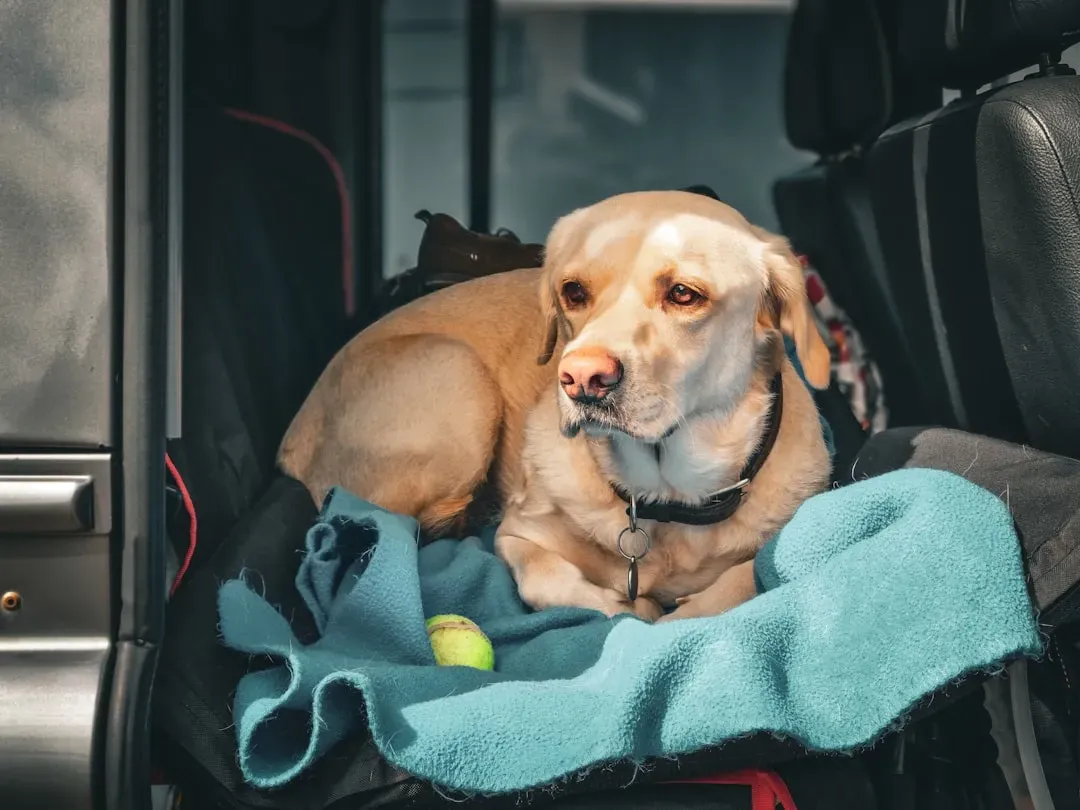
Mixing up motion sickness and anxiety is genuinely common, and treating the wrong one won’t help much. A dog’s motion sickness is often confused with travel anxiety, since both can cause symptoms such as drooling, restlessness, or other signs of distress. They can also exist together, which complicates things further.
Motion sickness is more common in younger dogs than adults. The reason may be due to the fact that the parts of the inner ear involved in balance aren’t fully developed. Puppies will often outgrow motion sickness by the time they’re about one year old. So if you have a young pup struggling in the car, there’s real hope on the horizon.
It’s important to be aware that sometimes motion sickness can be linked to underlying issues like inner ear infections, vestibular disease, or side effects from medications. If standard remedies aren’t working, a vet visit to rule out underlying health issues is genuinely the right next step, not just a precaution.
Practical Ways to Help an Anxious Dog Learn to Love the Ride
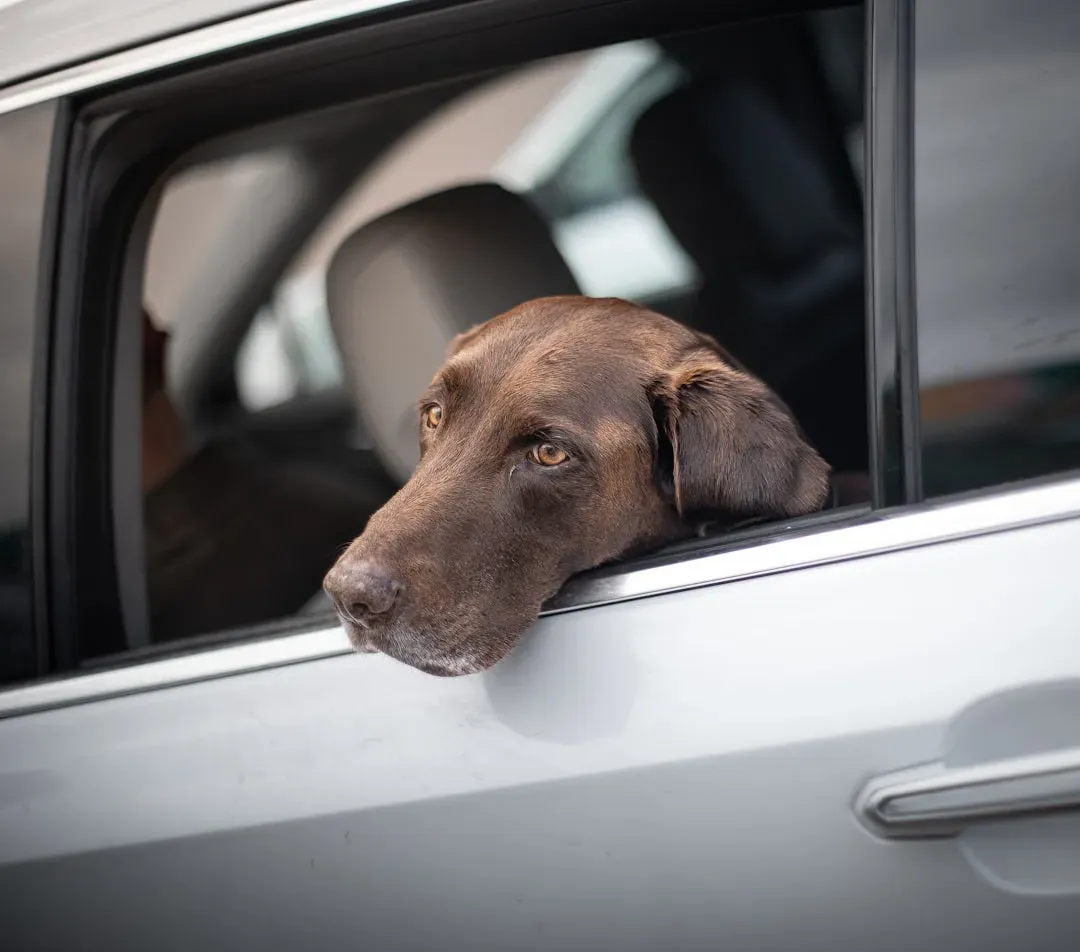
The good news is that anxiety around car rides is one of the most treatable behavioral issues in dogs, especially when you approach it with patience. The main strategies used by behaviorists to get a dog used to the car include desensitization and counterconditioning, which are both types of healthy training techniques that avoid any type of punishment and help a dog feel safe. Skipping to long drives too soon is where most people go wrong.
Forcing an unwilling dog into the car can destroy its trust in you and worsen its anxiety. Let your dog set the pace for getting comfortable with car travel. Alongside that, crash-tested harnesses or crates provide proper restraint that isn’t just for safety but also reduces anxiety by providing a secure, defined space, where dogs feel more stable and protected when properly secured.
Most dogs show significant improvement within four to eight weeks of consistent daily training. Severe car phobia may take three to six months. The key is never rushing progression, as each setback adds weeks to the timeline. For stubborn cases, some dogs may benefit from prescription medications for anxiety or nausea, which is best determined via a consultation with your veterinarian.
Conclusion
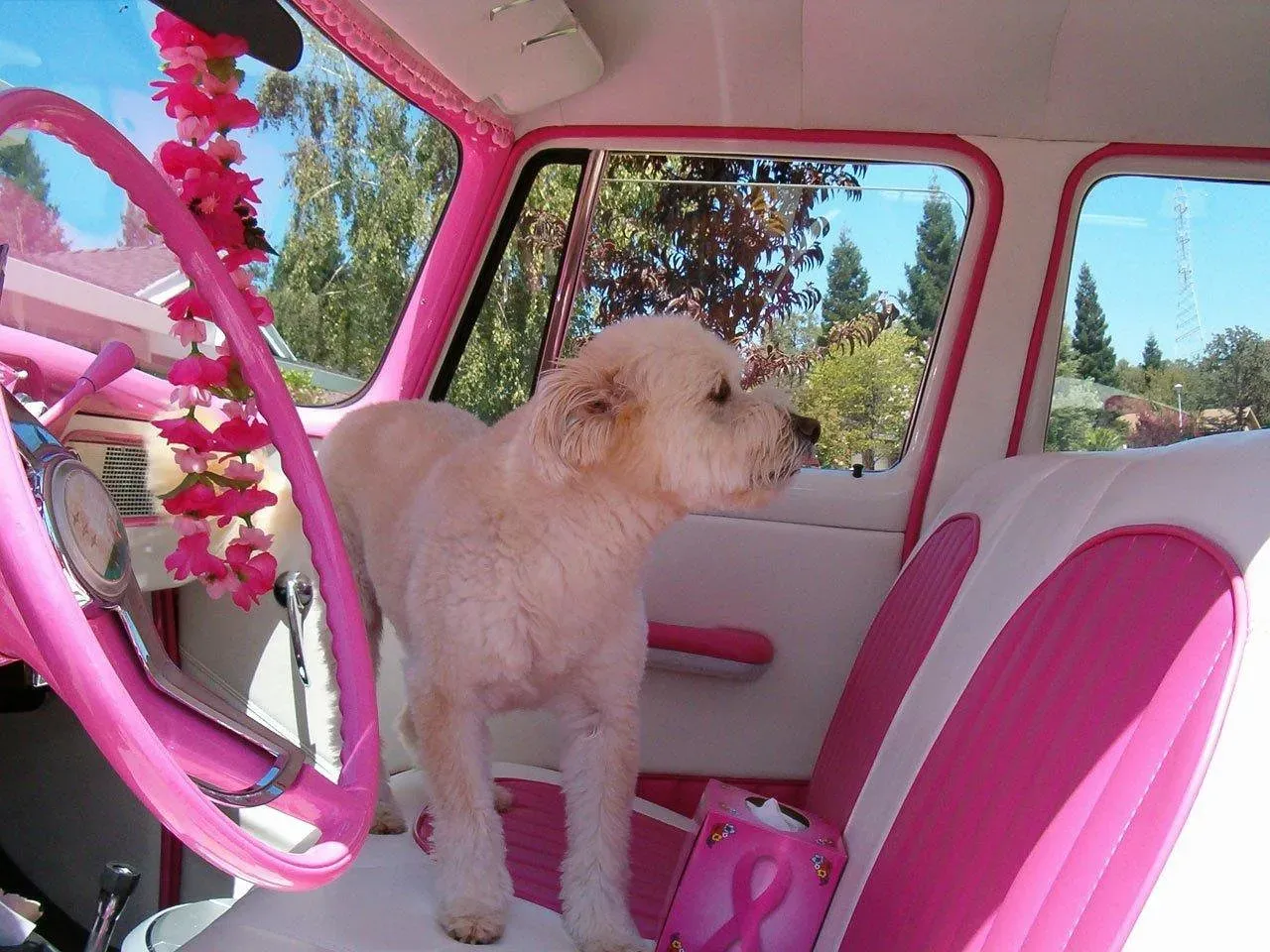
Your dog’s relationship with the car is really a reflection of so much more: their history, their senses, their trust in you, and their nervous system. There’s no single answer that explains every anxious dog or every enthusiastic one, and that’s actually what makes this so worth exploring. Whether your dog is a window-down dreamer or a trembling backseat skeptic, they’re not broken and they’re not being difficult.
What they need is a patient, informed owner who takes the time to understand the “why” behind the behavior. With that understanding, a comfortable, even joyful car experience is possible for almost every dog. The journey toward that, much like the car rides themselves, is worth taking one small step at a time.


