
Why Does My Dog Lean on Me So Much?

You’re sitting on the couch, and suddenly you feel it. That familiar weight pressing against your leg. Your dog has sidled up next to you and is now leaning their entire body against yours, sometimes so hard you wonder if they’ll topple over if you dare to move. It’s endearing, sweet, and maybe just a little bit puzzling. What exactly is your pup trying to tell you? Is it love, is it fear, or something else entirely? Let’s dive in and explore what’s really going on when your furry companion becomes your personal leaning post.
It’s Their Way of Saying “I Love You”
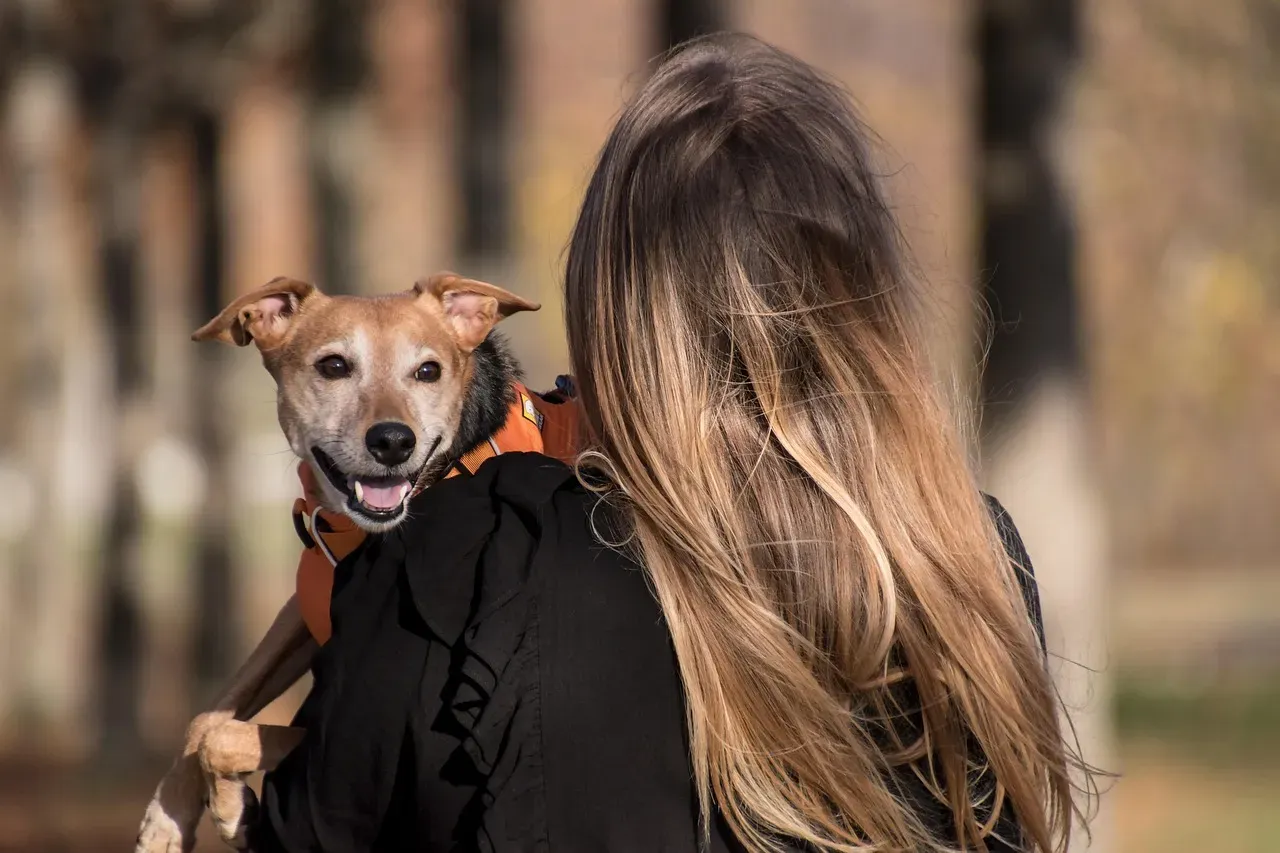
Here’s the thing: most of the time, when your dog leans on you, it’s pure affection. The main reason dogs lean on people is to be as close to their owners as possible as a sign of affection. Think of it as their version of a hug. Dogs can’t wrap their paws around you the way we embrace each other, so they use their bodies to communicate closeness and trust.
Dogs lean on people because it feels safe, like holding hands with someone you care about. When your dog presses their warm body against you, they’re telling you they feel comfortable, content, and connected. Big dogs lean on their owners more often than small dogs because they can not be picked up and held as often. Leaning is the only way they are able to feel close to their human while they are standing.
If your dog is relaxed when they lean, with soft eyes and a loose body, that’s your confirmation. They’re simply soaking up your presence and reinforcing the bond you share. Honestly, it’s one of the sweetest compliments a dog can give.
They’re Looking for Reassurance
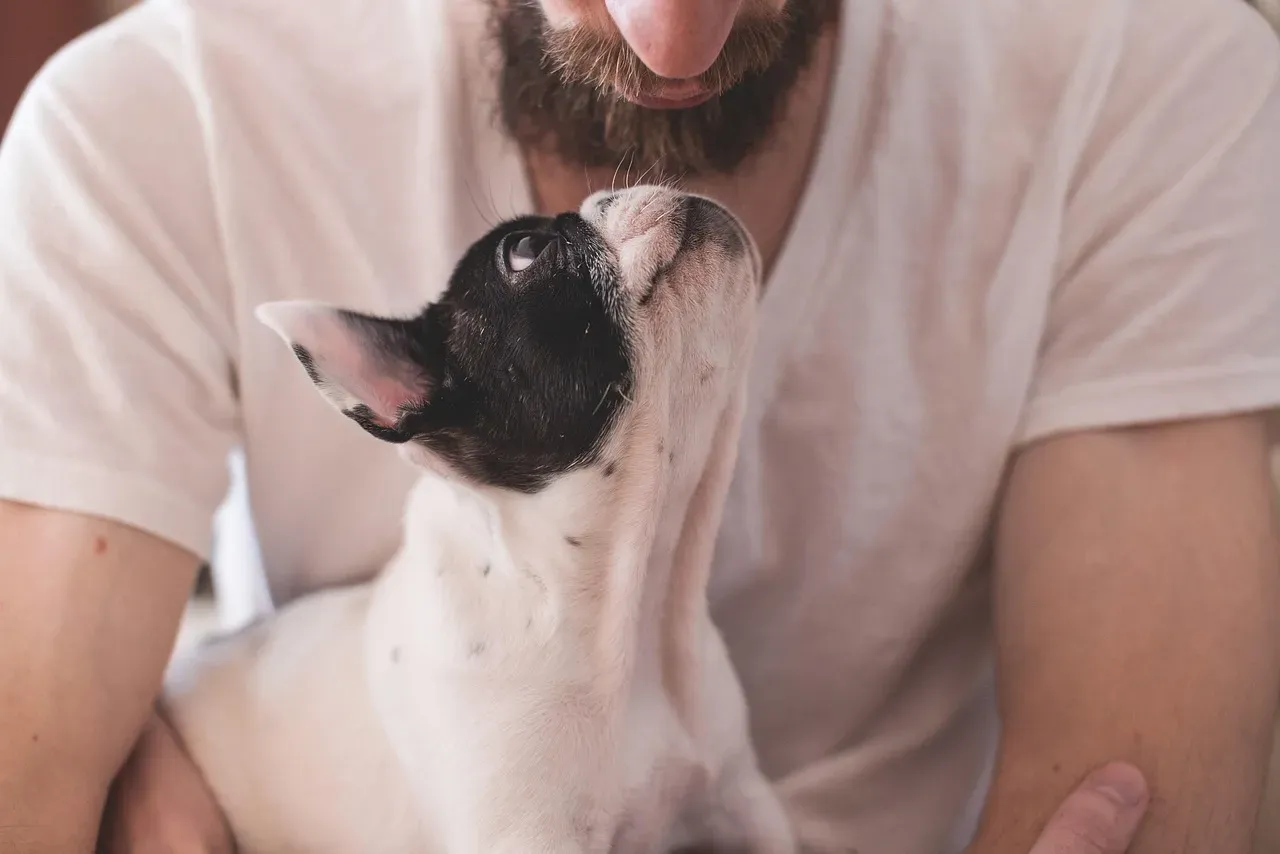
Sometimes leaning isn’t just about love. It’s about seeking comfort in moments of uncertainty. This behavior can indicate a need for attention or reassurance, especially in new or stressful environments. It means they trust you and have a strong bond with you. Your dog sees you as their safe harbor, the one steady thing they can count on when the world feels a little too overwhelming.
Picture this: you’re at the vet’s office, and your dog scoots backward until they’re practically glued to your legs. When the vet walks into the exam room and your pup comes over and leans on you, your dog is looking for reassurance in this situation. They remember past visits and want you to tell them everything will be okay. In this case, it’s absolutely fine to comfort them.
Thunderstorms, fireworks and other loud noises can cause some dogs to be frightened. If your dog is afraid, he may lean against you to reassure himself that you’re there and that he’s safe. Watch for other signs too, like tucked tails, pinned ears, or whale eyes. These clues will help you understand whether your dog needs extra support in that moment.
It Could Be a Plea for Attention
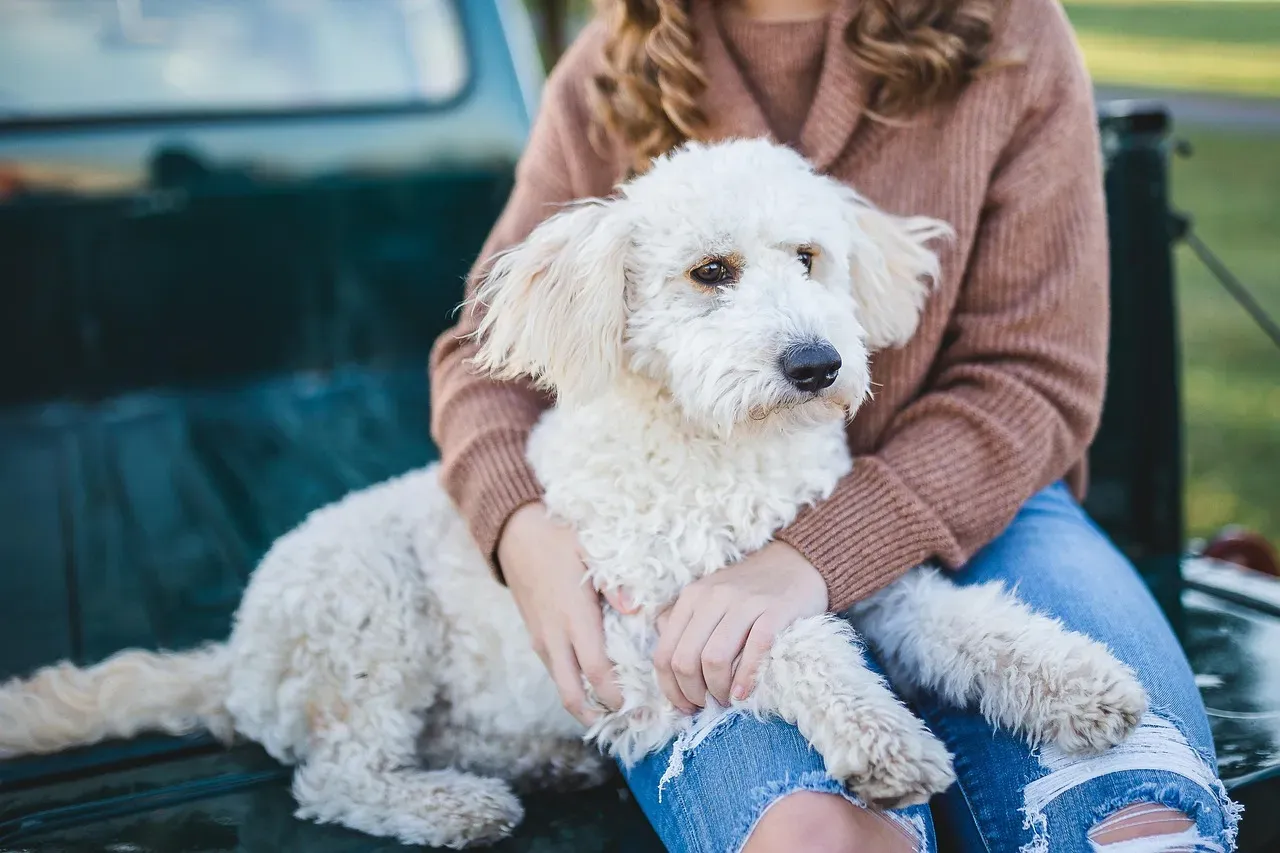
Let’s be real: dogs are smart. Really smart. They figure out quickly which behaviors get them what they want. Humans are notoriously awful at reading dog communication. We miss so much of what our dogs are telling us. Dogs quickly learn what behaviors humans won’t miss and will get the dog what they want. Leaning is one of those behaviors.
If your dog has learned that leaning equals belly rubs, ear scratches, or even just your undivided attention, they’ll repeat the behavior over and over. If a dog is leaning on you for attention, their personality will be showing a bit more. It may come across as more of a body slam when they lean their body against you, trying to get you interested in play. They might even bring you a toy, hoping you’ll take the hint.
This isn’t manipulation. It’s just learned behavior. Your dog has connected the dots: lean equals love, and love feels amazing. Who can blame them for wanting more?
Anxiety Might Be the Hidden Culprit
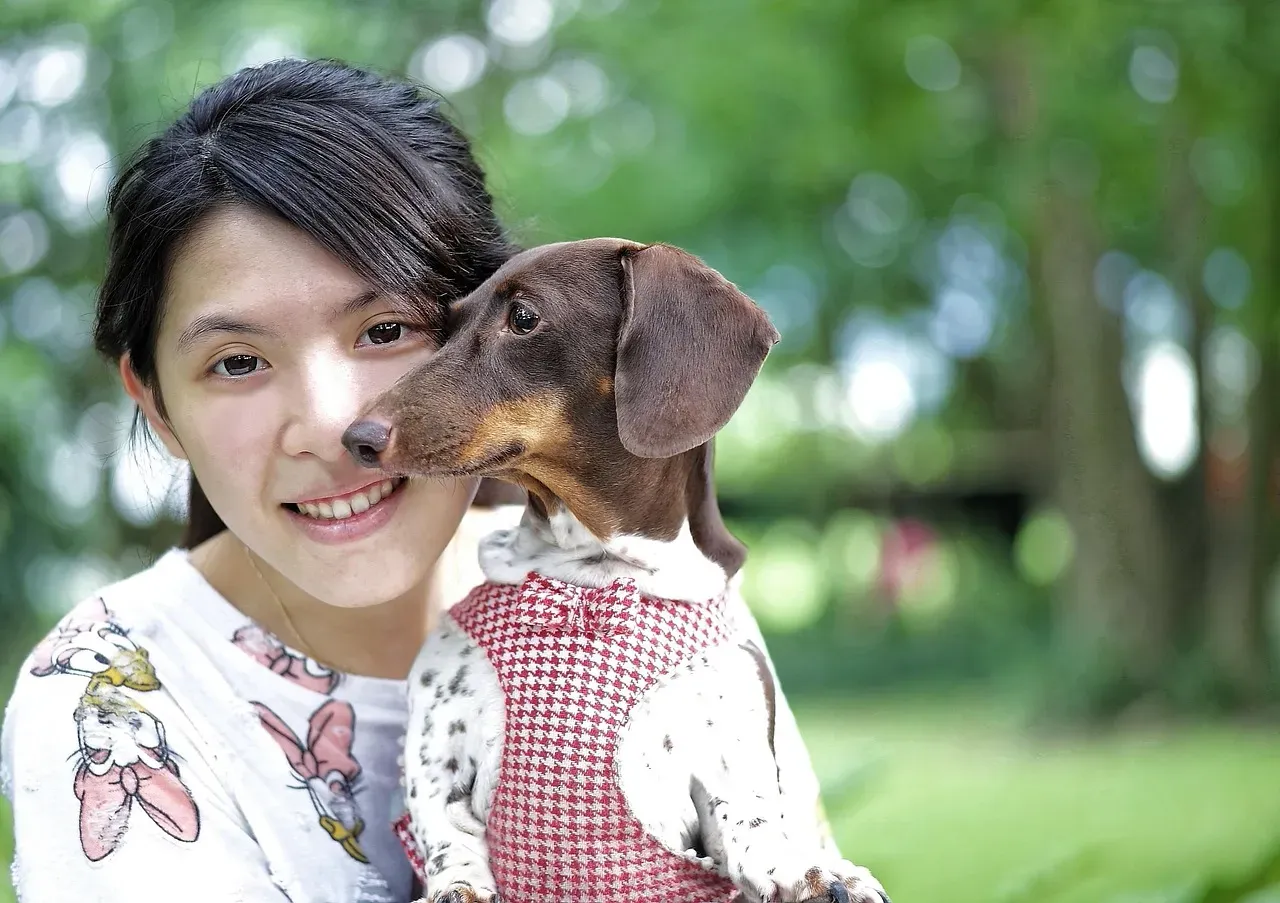
Now, here’s where things get a bit more complex. Anxious dogs require support, so they often lean against their owners, especially in the case of separation anxiety, where the dog is afraid to be alone. If your dog leans excessively, follows you from room to room, or seems unable to settle unless they’re touching you, anxiety could be at play.
Leaning can be an expression of anxiety or insecurity. In stressful situations or environments, a dog may lean on their human as a coping mechanism, seeking comfort and reassurance. Dogs prone to anxiety use leaning as a way to self-soothe and feel grounded. Look at the bigger picture: Is your dog panting heavily, pacing, or showing other stress signals like excessive licking or yawning?
Anxiety is the most likely cause for problem leaning. If you suspect this is the case, don’t ignore it. Working with a certified dog trainer or veterinary behaviorist can help your dog build confidence and learn healthier coping strategies. Creating predictable routines and providing mental stimulation can also make a real difference.
When to Be Concerned

Most of the time, leaning is harmless and heartwarming. Still, there are moments when you should pay closer attention. Leaning on you could be a sign your dog is experiencing a medical condition involving its balance. If you feel your dog is unsteady on their feet and leaning on you for support, it’s best to consult your vet.
If a dog suddenly starts leaning more than usual or shows signs of distress while doing so, it may be trying to communicate that something is wrong. This behaviour could be a way of seeking support or indicating that they are not feeling well. Changes in appetite, lethargy, or unusual behaviors should prompt a vet visit to rule out underlying health issues.
Also consider the context. Is your dog tense when they lean? Are their ears pinned back or tail tucked? If your dog leans against you with a relaxed body posture, this typically indicates affection and comfort. Conversely, if your dog is tense, with ears pinned back or a tucked tail, the leaning might signal anxiety or fear. Understanding these nuances helps you respond in the most helpful way.
Conclusion

At the end of the day, when your dog leans on you, they’re communicating something important. Whether it’s love, a need for reassurance, a request for attention, or a sign of anxiety, this simple gesture reveals the depth of your bond. By paying attention to their body language and the surrounding context, you can better understand what your dog needs in that moment and respond with compassion.
So the next time your furry friend presses their weight against you, take a moment to appreciate it. You’re their safe place, their comfort, and their favorite person in the whole world. What more could you ask for? What does your dog’s leaning tell you about your bond together?