
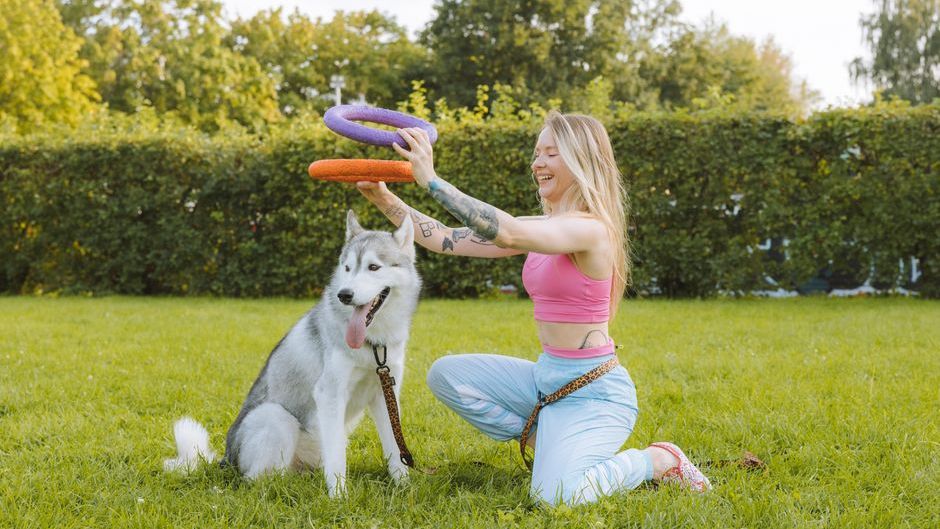
Have you ever wondered if the gender of a dog’s owner could influence its lifespan? Recent studies suggest that dogs with female owners tend to live longer, and the evidence is compelling. Let’s delve into the factors contributing to this fascinating phenomenon.
The Surprising Link Between Owner Gender and Canine Longevity
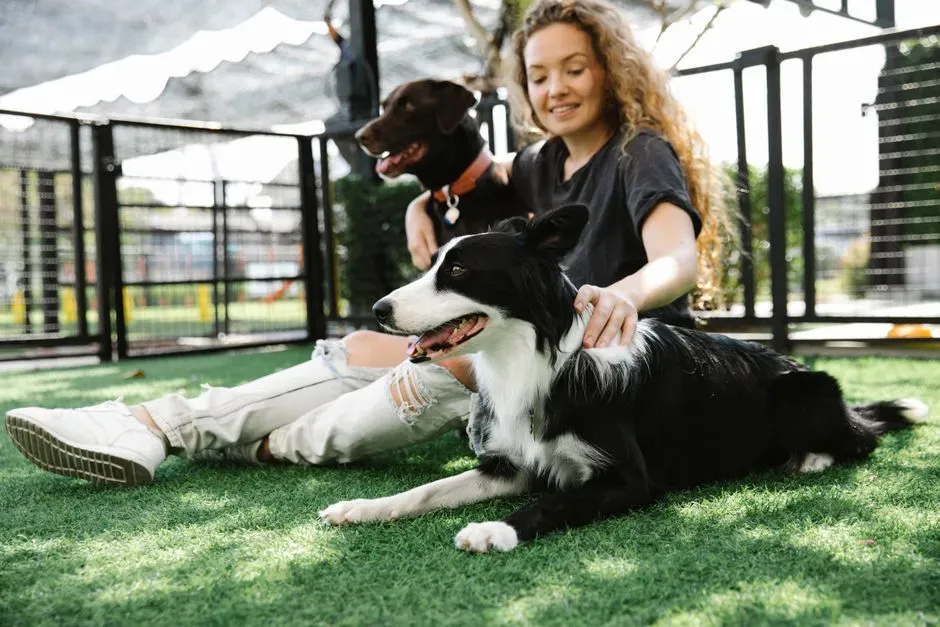
It’s not just a coincidence – research indicates a tangible connection between a dog’s lifespan and the gender of its owner. Studies have shown that dogs owned by women often enjoy longer, healthier lives compared to those with male owners. This intriguing correlation has sparked interest among scientists and pet enthusiasts alike.
One possible explanation lies in the caregiving styles typically associated with women. Women are often more attentive to their pets’ health needs, ensuring regular veterinary check-ups, balanced diets, and consistent exercise routines. This proactive approach can significantly enhance a dog’s overall well-being and longevity.
Emotional Bonds and Their Impact on Canine Health

The depth of the emotional bond between a dog and its owner can profoundly affect the pet’s health. Female owners may be more likely to form strong, nurturing connections with their dogs, leading to reduced stress levels for the animals. Lower stress is associated with a host of health benefits, including a stronger immune system and decreased risk of disease.
Moreover, dogs that experience consistent affection and companionship are less prone to anxiety-related behaviors, which can negatively impact their health. The emotional stability provided by a caring owner plays a crucial role in promoting a longer, happier life for the dog.
Attention to Preventive Healthcare
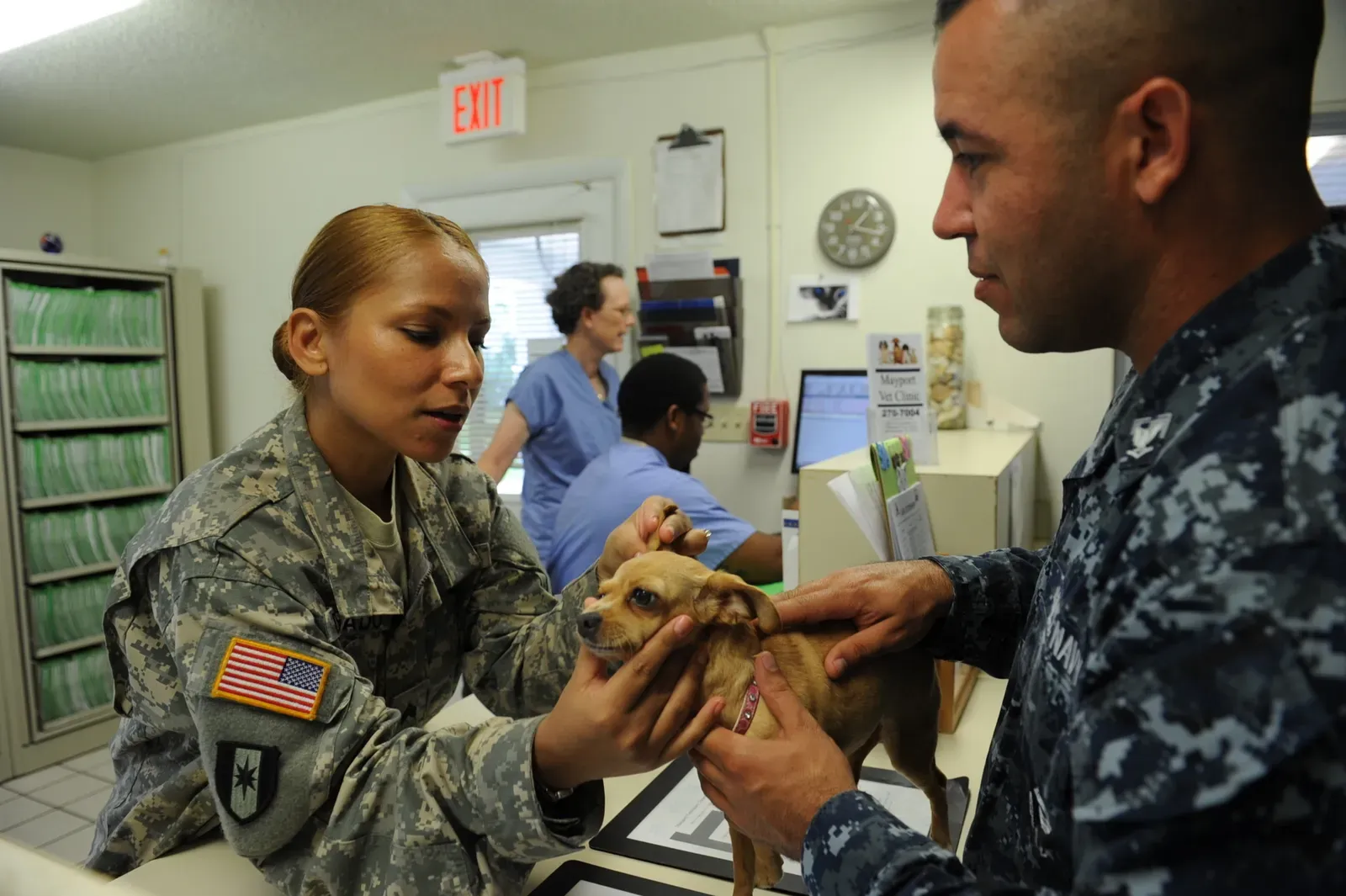
Preventive healthcare is a cornerstone of longevity for both humans and animals. Female owners are often more diligent in scheduling regular veterinary visits, vaccinations, and screenings for their dogs. Early detection of potential health issues allows for timely intervention, increasing the chances of successful treatment and extending the dog’s lifespan.
Additionally, adherence to preventive measures such as flea and tick control, dental care, and weight management contributes to overall health. These practices, commonly prioritized by female owners, can prevent a range of health problems that might otherwise shorten a dog’s life.
Diet and Nutrition: A Key Factor
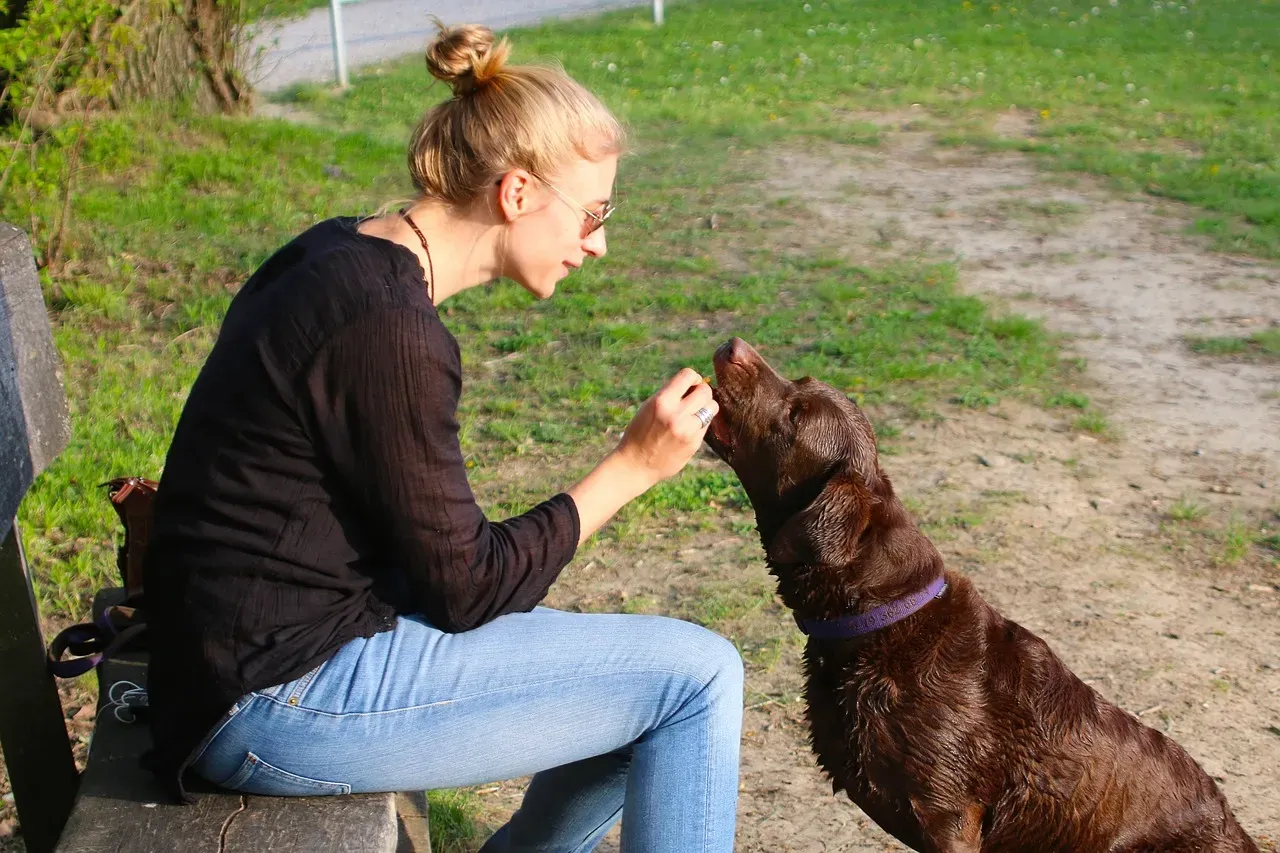
Proper nutrition is vital for a dog’s health and longevity. Female owners may be more inclined to research and provide high-quality, balanced diets tailored to their dog’s specific needs. This attention to dietary details ensures that dogs receive the necessary nutrients to support their immune system, maintain healthy weight, and prevent chronic diseases.
Furthermore, female owners might be more cautious about feeding habits, avoiding harmful human foods and limiting treats that could lead to obesity. Such mindful feeding practices play a significant role in promoting a longer, healthier life for dogs.
Exercise and Mental Stimulation

Regular physical activity and mental stimulation are essential for a dog’s well-being. Female owners often engage their dogs in consistent exercise routines, such as daily walks, play sessions, and training activities. This not only keeps the dog physically fit but also provides mental enrichment, reducing the risk of behavioral issues and cognitive decline.
Engaging in activities that challenge a dog’s mind, like puzzle toys or obedience training, can enhance cognitive function and delay the onset of age-related mental deterioration. Female owners’ commitment to their dogs’ physical and mental health contributes significantly to increased longevity.
Socialization and Behavioral Training
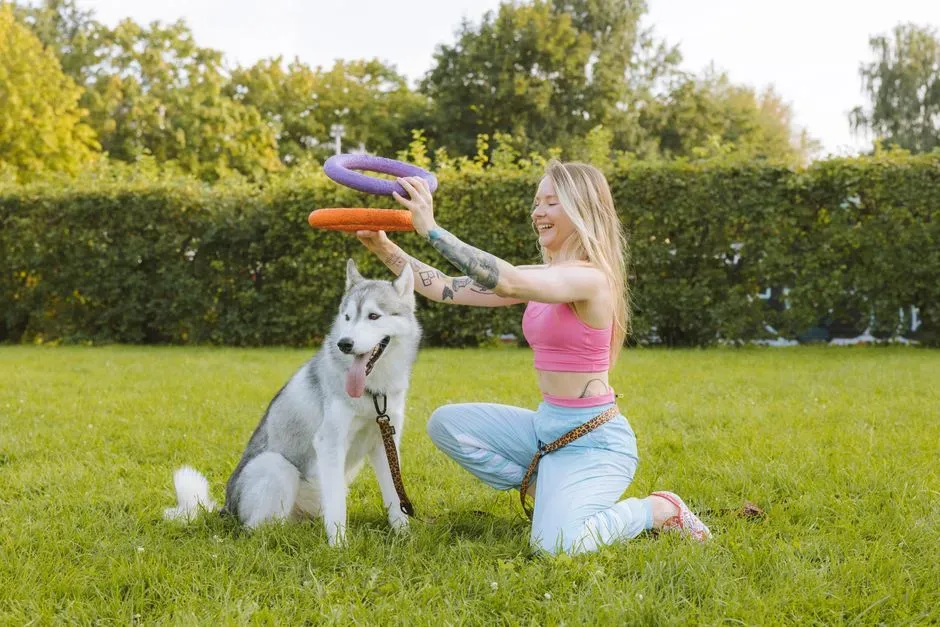
Proper socialization and behavioral training are crucial for a dog’s development and long-term health. Female owners may be more proactive in exposing their dogs to various environments, people, and other animals, fostering well-adjusted and confident pets. This reduces the likelihood of stress-induced behaviors that can negatively impact health.
Additionally, consistent and positive reinforcement training methods, often favored by female owners, lead to better-behaved dogs. Well-trained dogs are less likely to engage in dangerous behaviors, such as running away or aggressive encounters, which can pose health risks and shorten their lifespan.
The Role of Hormonal Differences in Owners
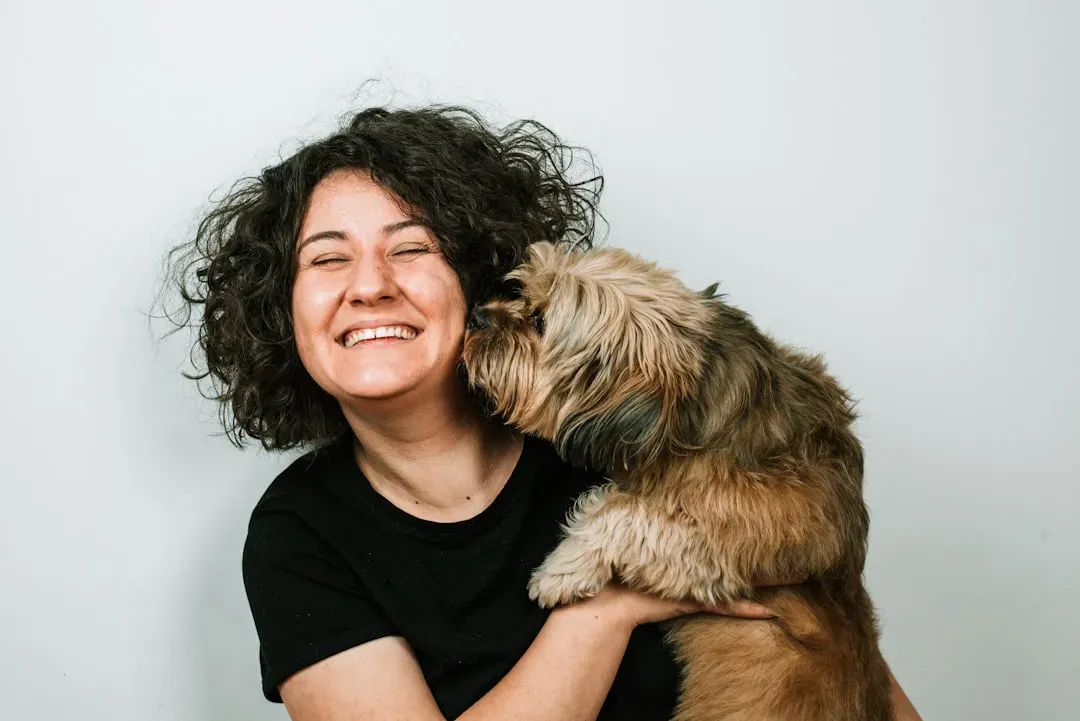
Hormonal differences between male and female owners might also play a role in canine longevity. Studies suggest that women may have higher levels of oxytocin, a hormone associated with bonding and nurturing behaviors. This hormonal influence could enhance the caregiving behaviors exhibited by female owners, leading to better health outcomes for their dogs.
While more research is needed to fully understand the impact of owner hormones on pet health, it’s plausible that these biological differences contribute to the observed longevity in dogs with female owners.
Conclusion

The evidence is clear: dogs with female owners tend to live longer, healthier lives. This can be attributed to a combination of factors, including attentive caregiving, strong emotional bonds, proactive healthcare, proper nutrition, regular exercise, and effective training. While individual circumstances vary, the data underscores the significant impact an owner’s gender can have on a dog’s lifespan.
So, if you’re considering adding a furry friend to your family, remember that the love and care you provide can make all the difference. After all, isn’t a longer, happier life for your beloved pet worth the effort?


