

When it’s time to say goodbye, many dogs instinctively choose solitude, and while it can feel like a rejection, it’s actually quite the opposite. In the wild, animals often hide when they’re vulnerable, and your dog might be following that same instinct. It’s their quiet way of coping, protecting you from seeing them in distress. Though heartbreaking, it’s a sign of trust and the deep emotional bond you’ve shared. Understanding this behavior can help bring peace during those final moments, knowing your dog always felt safe and loved with you.
Ancient Instincts Still Shape Modern Dogs
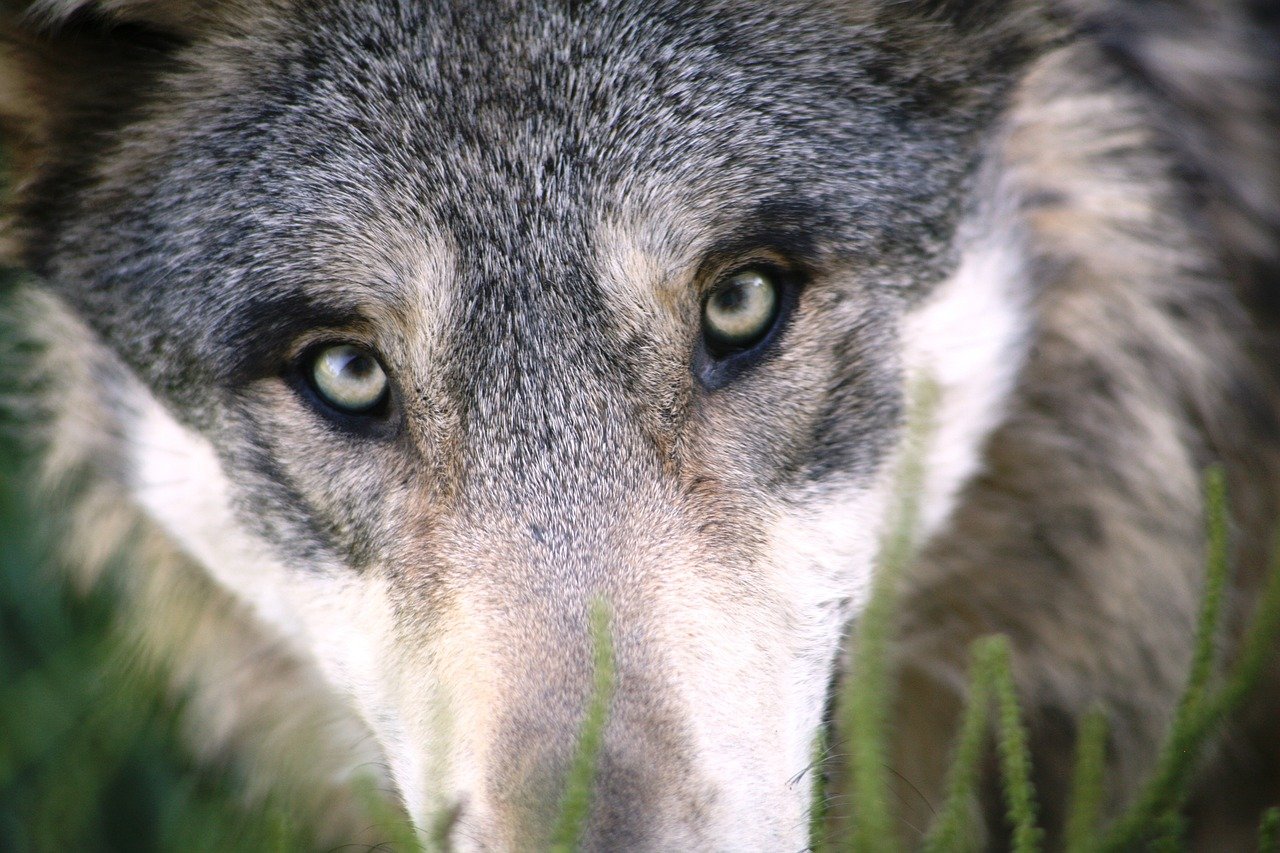
Long before dogs became our couch companions, their wild ancestors roamed forests and plains. In the wild, showing weakness or illness made animals easy targets for predators. Hiding away gave them a fighting chance to recover or, if the end was near, to find peace without drawing attention. Even after thousands of years by our sides, this instinct remains strong. When dogs feel their health slipping, their ancient programming nudges them to seek quiet, hidden spots. It’s a protective behavior, rooted in survival, that many domestic dogs still follow without even knowing why.
The Desire for Comfort and Security
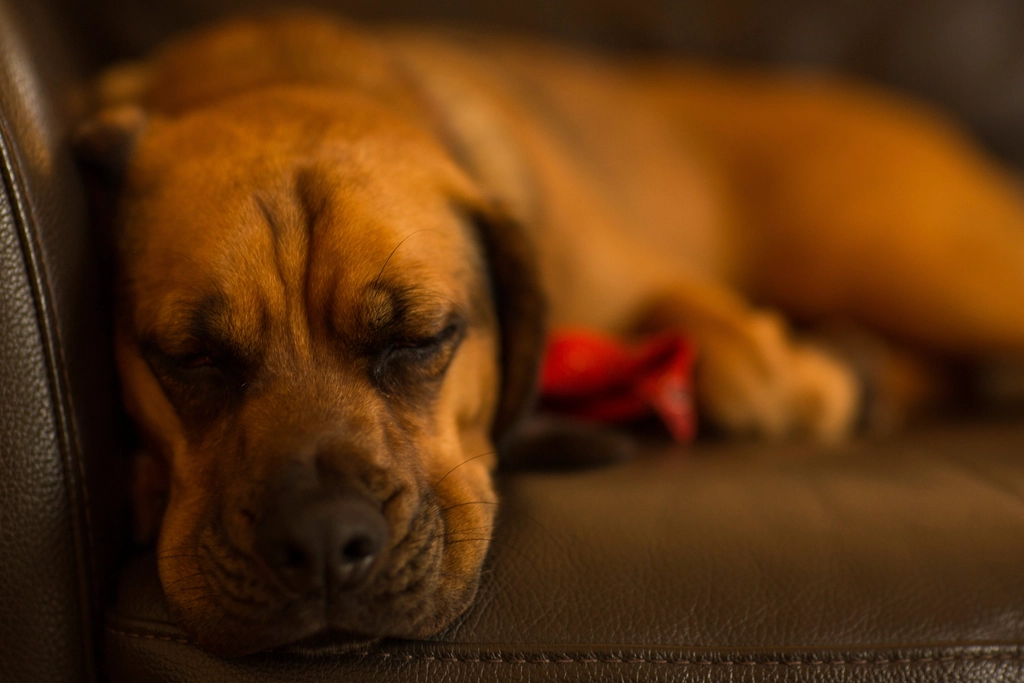
When dogs aren’t feeling well, comfort becomes their top priority. A small, enclosed space can feel like a safe hug—think of it as their version of curling up in a cozy blanket fort. These safe havens, whether it’s under a bed or behind a couch, offer a sense of security when the world feels overwhelming. Dogs crave these spaces not just for physical comfort but for emotional reassurance, too. It’s their way of wrapping themselves in a sense of safety as they navigate uncertainty.
Understanding Vulnerability in Dogs
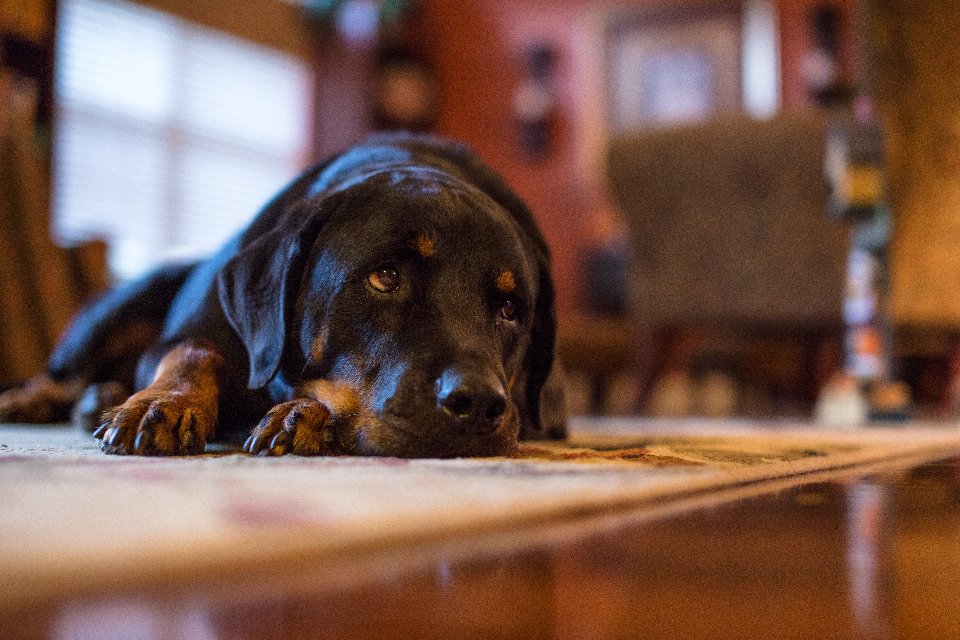
Illness or pain makes even the bravest dog feel vulnerable. Just like people sometimes want to be alone when they’re sick, dogs may withdraw to protect themselves emotionally and physically. This vulnerability isn’t a sign that they don’t love us; rather, it’s a natural response to feeling fragile. In moments of weakness, solitude can offer relief from noise, light, and even the gentle touch of loved ones. It’s a tender reminder of their need for space, even in a house full of love.
How Sickness Changes Dog Behavior

When a dog’s health declines, their usual routines and personalities often shift. A once playful pup may become lethargic, withdrawn, or less interested in affection. This isn’t just sadness—it’s a response to physical discomfort and confusion. Sick dogs may feel disoriented or anxious, leading them to seek out quiet, dark places where they can rest uninterrupted. These changes are their way of coping, a silent language that says, “I need a break from the world right now.”
The Power of Scent and Familiarity
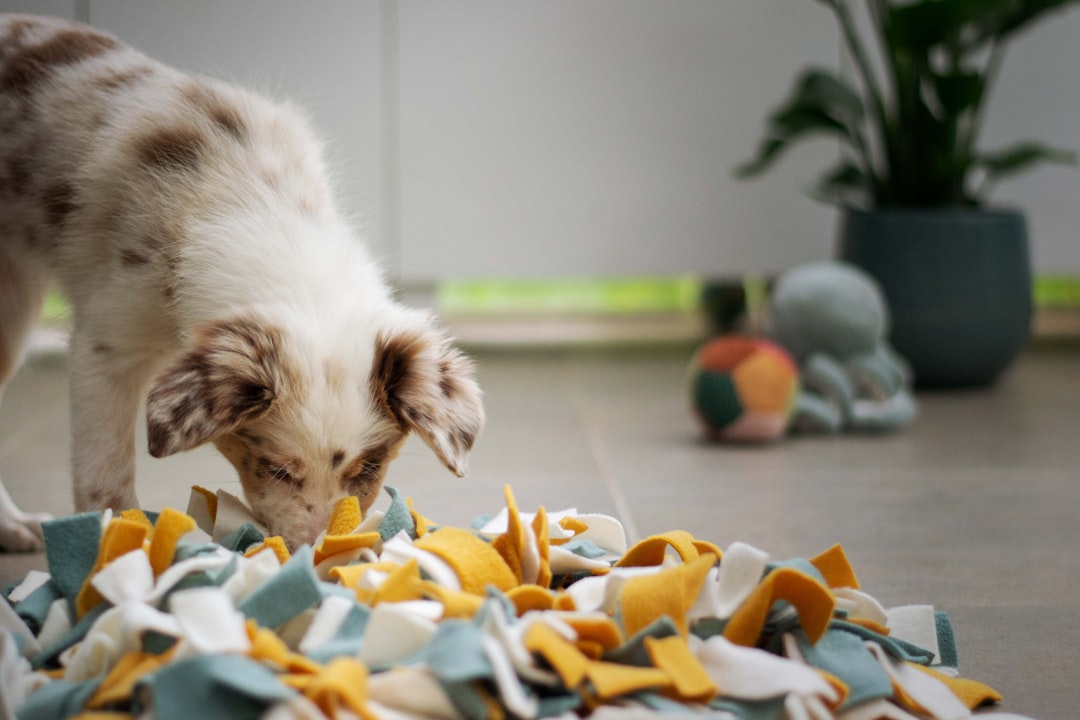
Dogs experience the world through their noses, and their sense of smell is soul-stirringly powerful. When the end draws near, many dogs retreat to places rich with familiar scents—their favorite blanket, a corner of the house, or a spot where their family gathers. These comforting aromas can soothe them far more than words ever could. In their final moments, being surrounded by familiar smells helps ease anxiety and brings a sense of peace.
Emotional Sensitivity to Human Grief
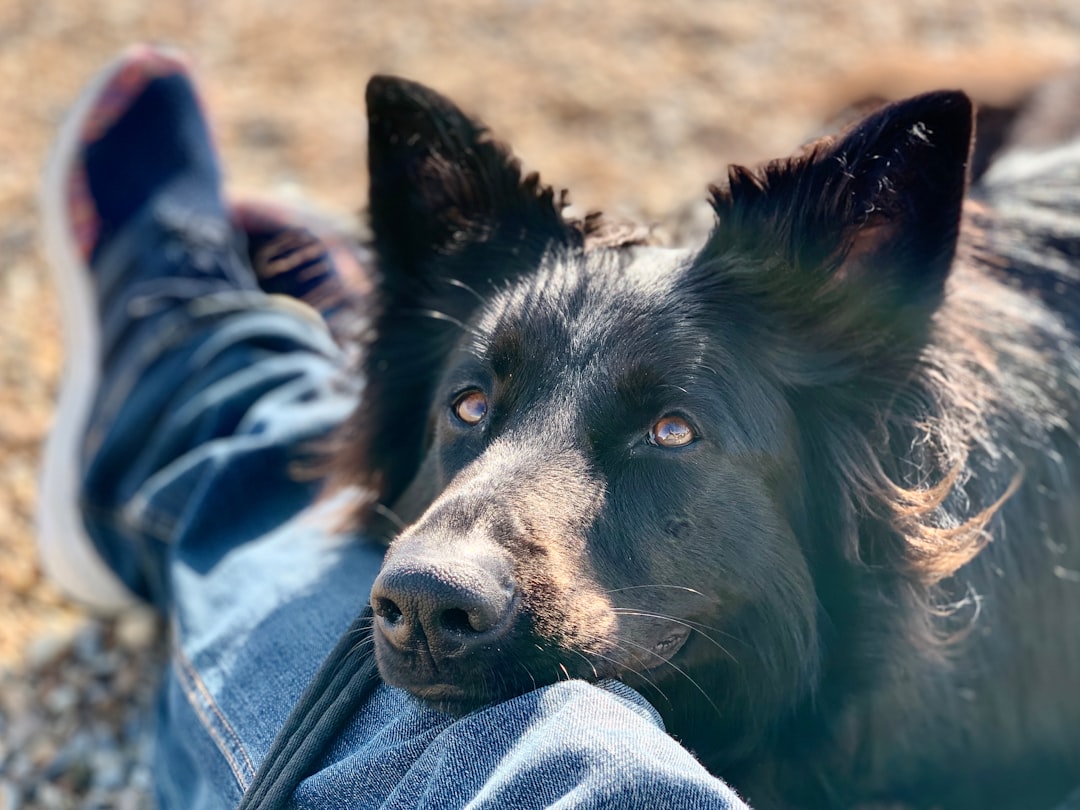
Dogs are astonishingly attuned to our emotions. They sense when something’s wrong, and our sadness can weigh heavily on them. Sometimes, dogs may hide or isolate themselves not only for their own comfort but to shield us from pain. It’s almost as if they know how much we’re hurting and want to spare us from seeing them suffer. This selfless, loving act is just one more way dogs show their loyalty, even as they prepare to say goodbye.
The Impact of Pain and Physical Limitations
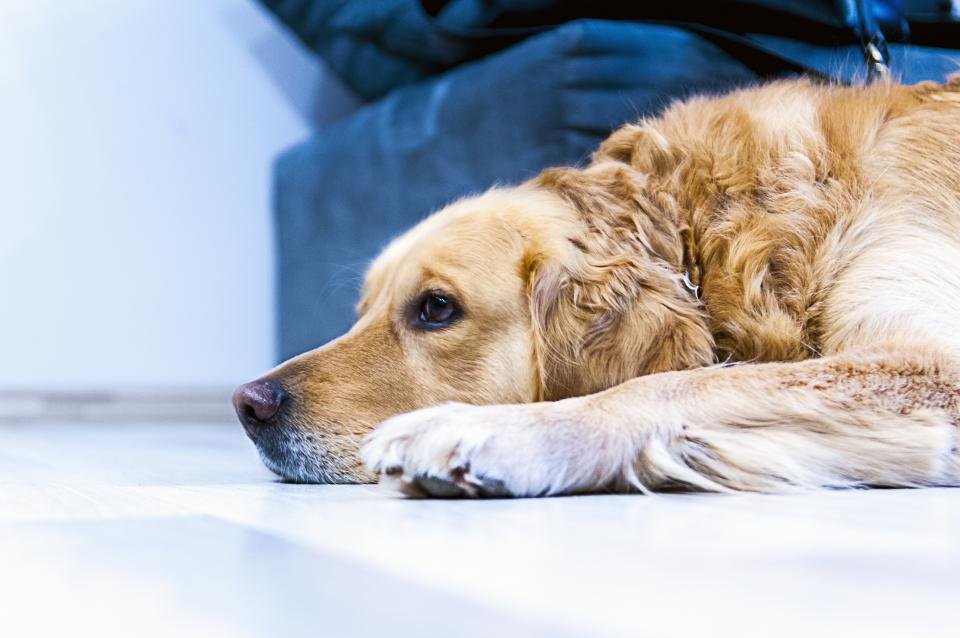
Pain can make even the most sociable dog seek solitude. As illness progresses, simple movements can become exhausting. Dogs might avoid social interaction because touch or noise aggravates their discomfort. They may also have trouble walking or controlling their bodies, leading them to hide out of embarrassment or frustration. In these moments, quiet and privacy become necessities, not just preferences.
Seeking Peace in the Midst of Chaos
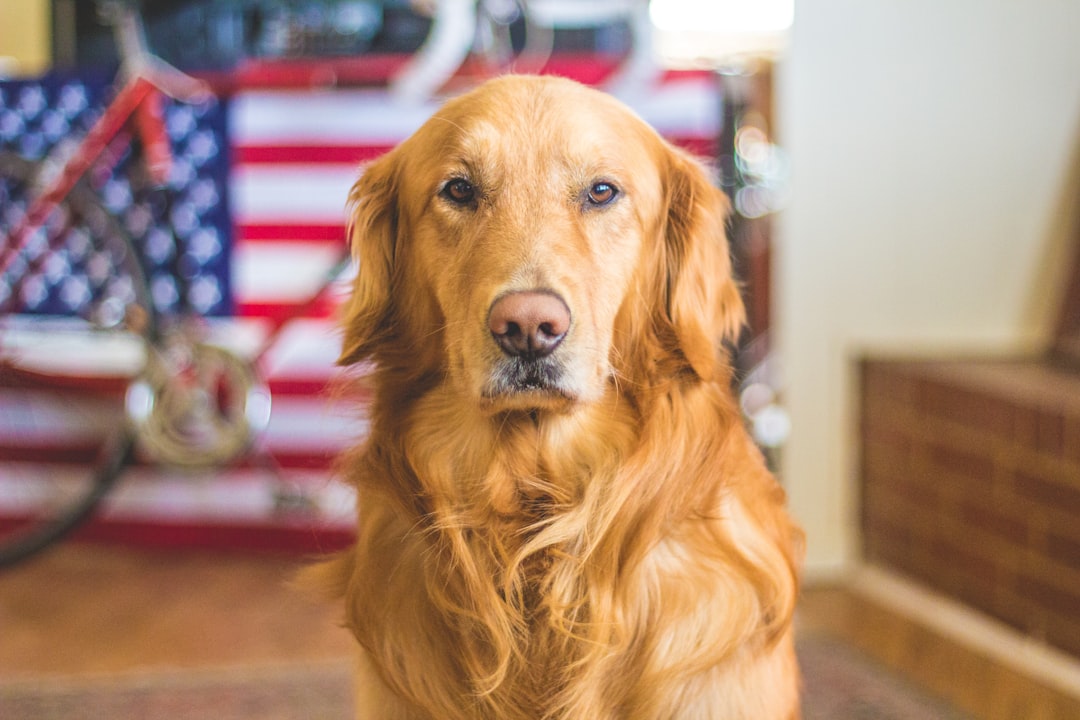
Households can be busy, noisy places, especially with children, other pets, or frequent visitors. When dogs feel overwhelmed or overstimulated, their natural response is to find a peaceful retreat. This is especially true at the end of life, when the desire for calm becomes overwhelming. Like finding a quiet park bench in a bustling city, dogs seek serenity away from the chaos, hoping for a gentle, undisturbed farewell.
Stories from Dog Owners: Real-Life Experiences
Many dog owners recall the bittersweet moments when their beloved pets quietly slipped away to a favorite hiding spot. One woman described her senior dog crawling under a bush in the backyard, a place he’d never shown interest in before. Another shared how her golden retriever chose the laundry room, surrounded by the scent of family clothes, for his final nap. These stories echo across generations and cultures, uniting dog lovers in shared grief and understanding.
The Role of Age and Cognitive Decline
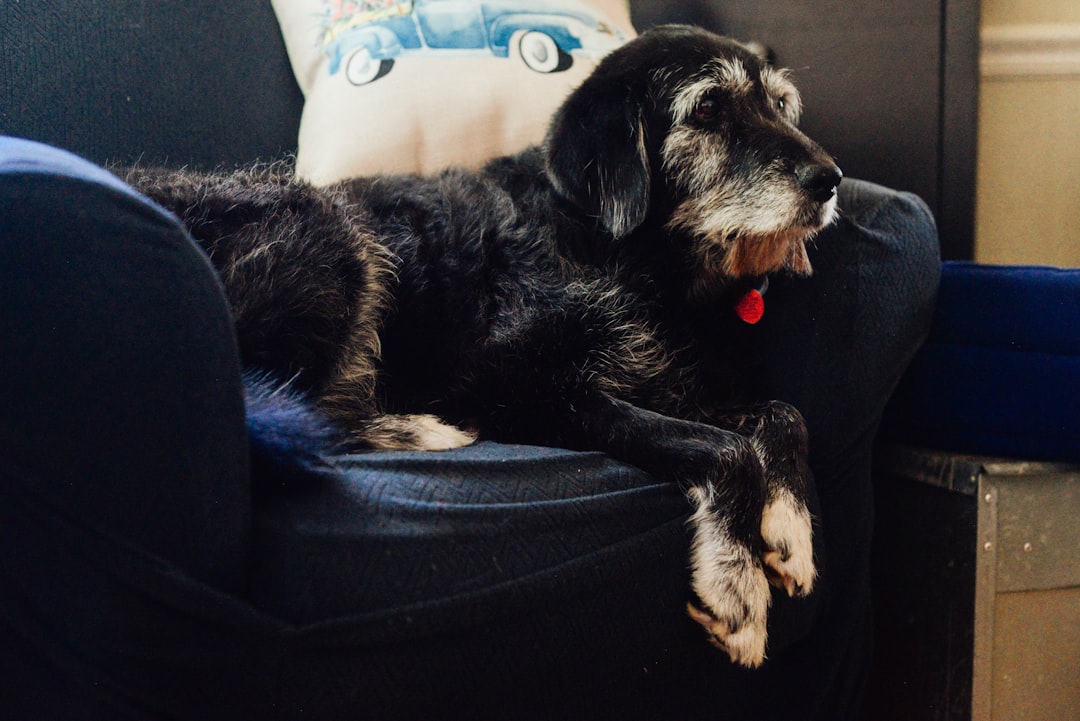
As dogs grow older, cognitive changes can affect their behavior. Senior dogs may become confused, forgetful, or anxious, leading them to wander or hide. Cognitive decline can make familiar spaces feel strange, causing dogs to seek out new hiding spots or become more reclusive. Understanding these changes helps us provide comfort without forcing interaction, respecting their need for solitude in this vulnerable stage.
How to Support a Dog Who Wants to Be Alone
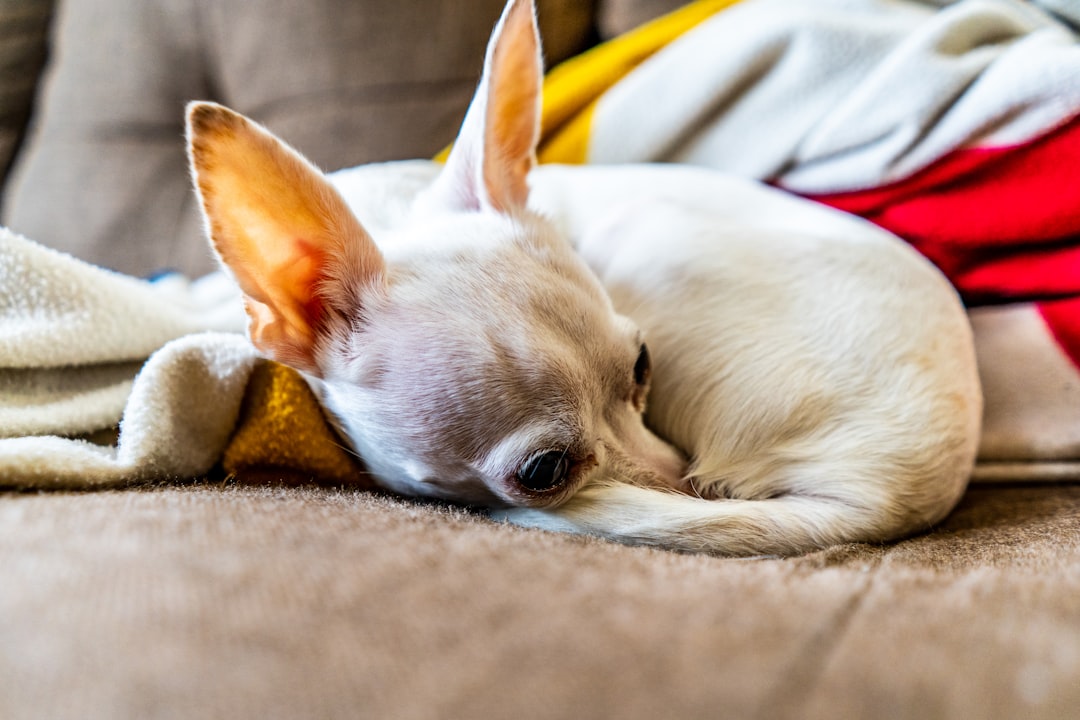
When a dog seeks solitude at the end of life, it’s natural to want to comfort them constantly. However, respecting their wishes is a final act of love. Creating a quiet, comfortable space with familiar items—a soft bed, a favorite toy, or an old T-shirt—can provide reassurance without intrusion. Keep the environment calm, lower the lights, and give them space, checking in gently as needed. Sometimes, just being nearby is enough to show you care.
Accepting the Unspoken Goodbye
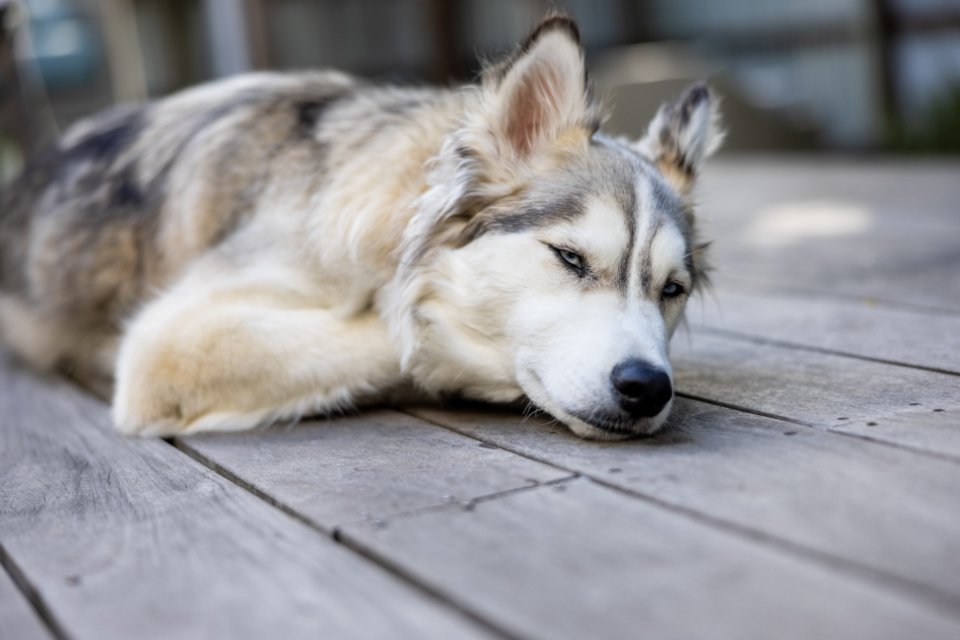
The hardest part for any dog lover is accepting that sometimes, dogs want to say goodbye on their own terms. It’s a profound sign of trust and love to let them choose solitude if that’s what they need. While the urge to hold them tight is overwhelming, respecting their instincts is the greatest final gift we can give. Their quiet departure is not a rejection but a reflection of their ancient wisdom and deep connection to us.
While it’s heartbreaking to see your dog pull away at the end, it’s often their way of protecting both you and themselves. Dogs may seek solitude when saying goodbye because they’re following a natural instinct to hide when feeling vulnerable. It doesn’t mean they love you any less—in fact, it’s a quiet sign of trust. Just being there, offering comfort from a distance, can mean the world to them. It’s one last act of love, both from them and from you.


