Ever walked into a home where everyone loves the family dog equally, yet the moment that special person enters the room, it’s like no one else exists? You know exactly what I’m talking about. That magical connection where a dog’s entire world revolves around one human being, following them from room to room like they’re attached by an invisible thread.
This isn’t just cute behavior or a phase. Dogs typically imprint on one person, meaning they bond to one human in particular as their source of food, shelter, and safety. Sometimes it happens gradually, and other times it seems instantaneous, but when it does occur, it creates one of the most remarkable relationships in the animal kingdom. Let’s dive into this fascinating world of canine devotion and discover why your furry friend might have chosen you as their person for life.
The Science Behind the Special Bond
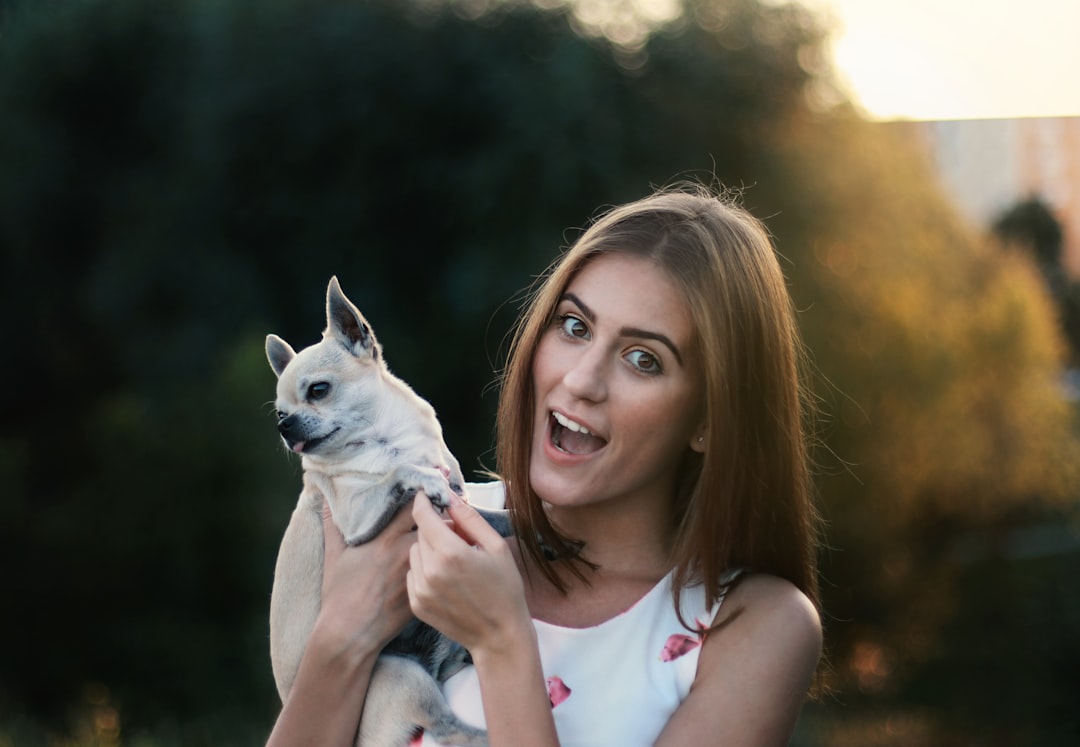
The relationship between dogs and their chosen human goes far deeper than simple attachment. When a dog “imprints” on someone, it means that they have formed a strong and lasting bond, often viewing that person as a significant figure in their life. Dog imprinting or bonding with humans is essential to the pet-owner relationship and may last a lifetime.
What makes this bond so extraordinary is the chemical reaction happening in both species. Research suggests dogs release oxytocin, the love hormone, when gazing into their pet parents’ eyes. This is the same hormone that helps parents and infants bond after birth. Think of it as nature’s way of creating an unbreakable connection.
Your dog’s imprinting promises an impactful bond and ensures you and your dog are lifelong friends. This isn’t just wishful thinking from dog lovers, it’s backed by real scientific evidence that shows these relationships mirror some of the strongest bonds found in nature.
The timing of this bonding process is crucial. Between about 3 and 14 weeks of age, dogs go through a critical sensitive period where they can form a strong attachment to a particular person, though bonds can certainly form later in life with patience and consistency.
Early Life Experiences Shape Everything
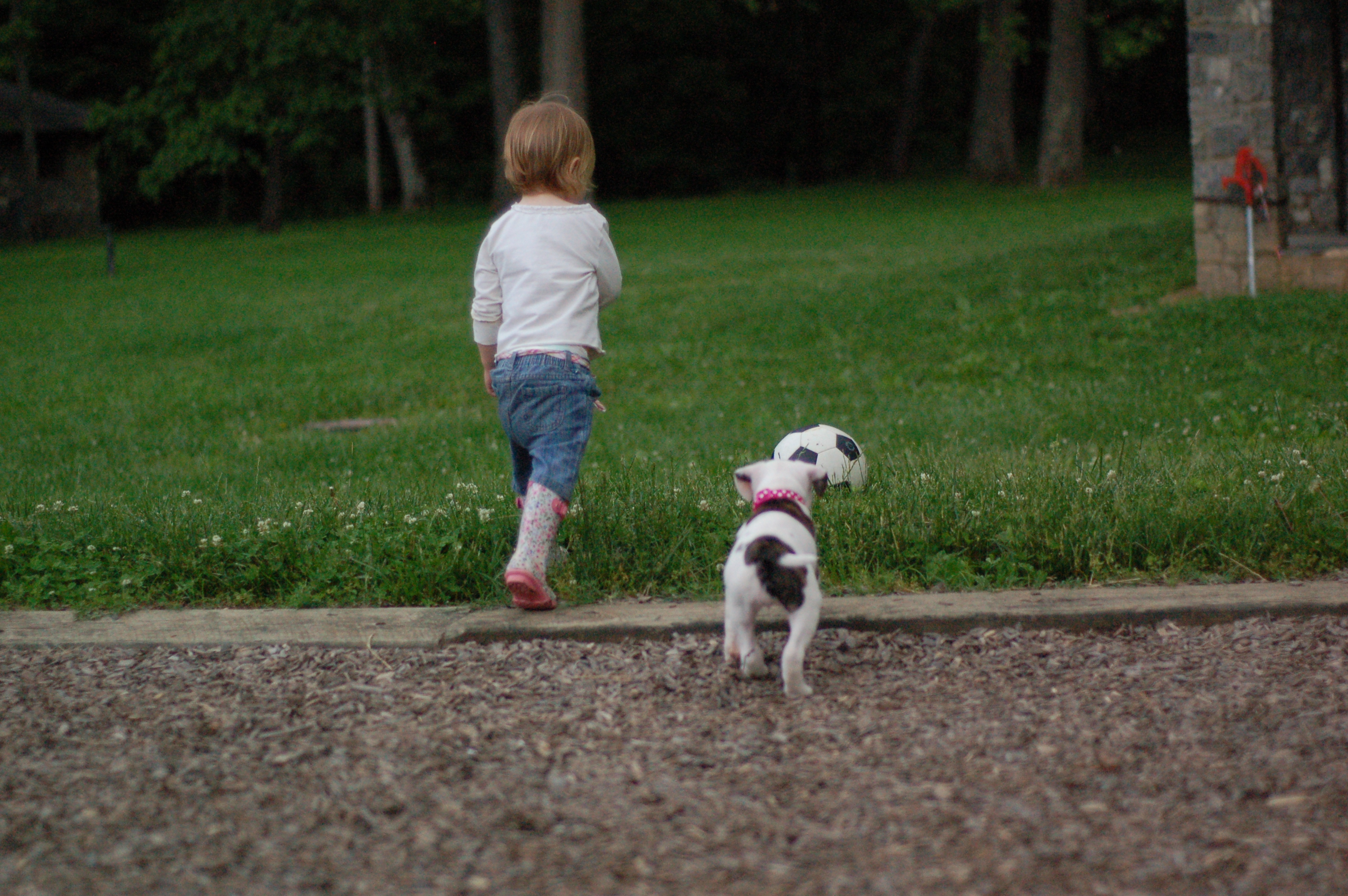
Picture a tiny puppy experiencing the world for the first time. A dog’s favorite person usually results from the time, training, and bonding they have experienced with a particular individual. Socialization and positive reinforcement are essential for a dog to develop a strong connection with their owner.
The magic happens during those precious early months. Many dogs bond hardest to whoever feeds, plays, and generally cares for them during their key socialization period, which occurs between birth and six months. At this age, puppies’ brains are incredibly receptive, and the experiences a puppy has in their first few months of life have an oversized impact on their development.
However, rescue dogs prove that it’s never too late for love. You may, in fact, notice that your adult adoptee takes to you much more quickly than some puppies may. This is seen quite often if a dog has been rescued from an abusive or neglectful environment. Showing them that they are now safe and loved will go a long way to solidifying your bond with one another.
Remember that first interactions matter immensely. The first few months of a dog’s life contain the key socialization period, which occurs primarily between 3 and 14 weeks of age. The people they encounter in those months can largely determine who they bond with later in life. If, for example, a puppy spends most of their time with men, it may be harder to bond with women later.
Quality Time Trumps Everything Else
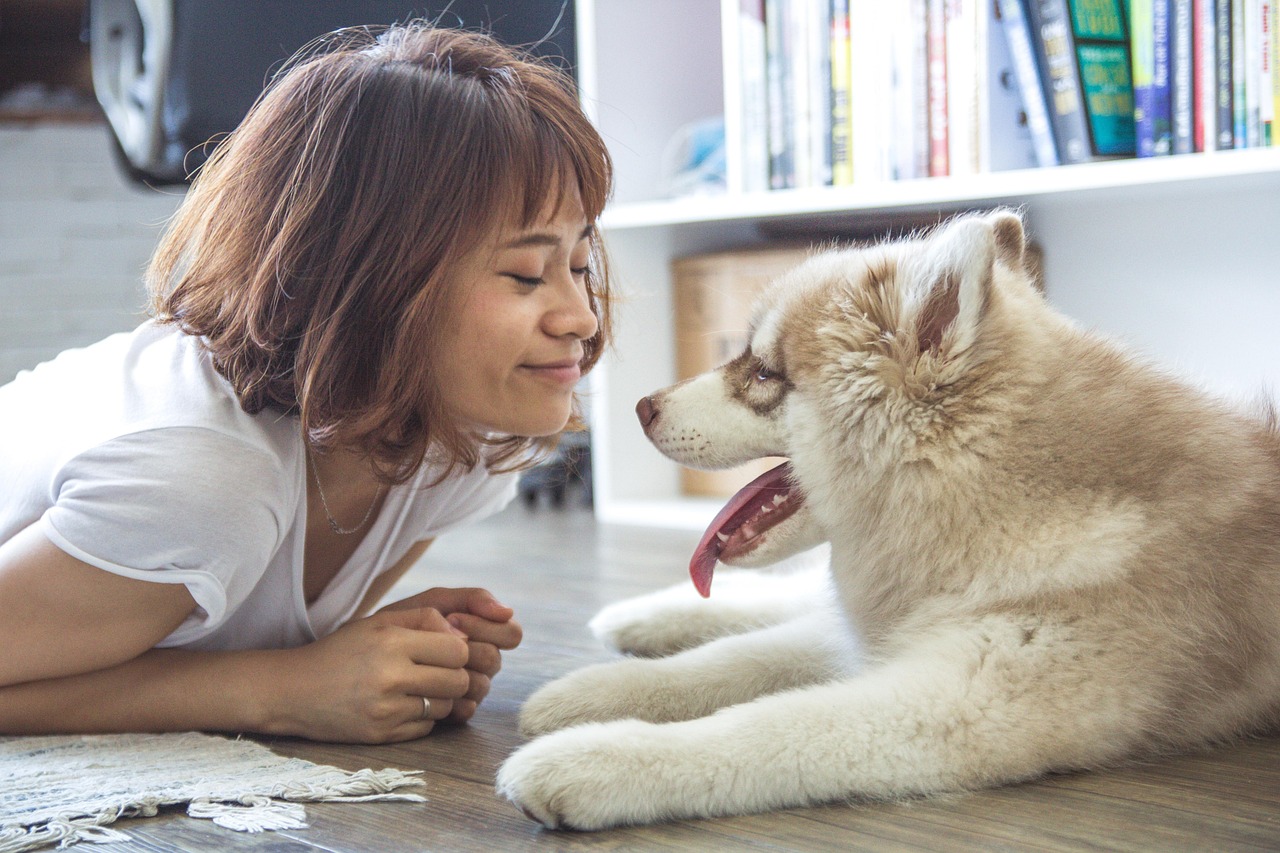
Simply being present isn’t enough to win a dog’s heart. Another reason canines will bond more with one person than another is because their favorite human shows them lots of attention. It isn’t only the amount of attention a dog receives that cements this bond, though; it’s also the quality of that attention. If a person is spending quality time with a pup and playing with them, cuddling them, or giving them treats, that’s a lot of physical affection and attention.
The person who becomes “the chosen one” often shares meaningful experiences with their dog. Dogs’ favorite people are associated with the most positive experiences, especially experiences of love, shelter, and comfort. They love someone who can make a bad situation better or spend time with them doing something they enjoy. In a dog’s mind, this person equals fun, safety, affection, and other good things.
Consistency plays a huge role in building this trust. Consistency is crucial in a dog’s life. Dogs thrive on routine, and they are more likely to choose a person who provides a stable and predictable environment. Regular feeding, grooming, and exercise routines can make a person more appealing to a dog looking for security.
Dogs remember who makes their world brighter. Make sure that you are spending quality time with your fur baby to let them know how much they mean to you. A key thing to remember when it comes to time together is the old saying quality over quantity. Meaning, make even the smallest of times count.
Personality Matching Is Real
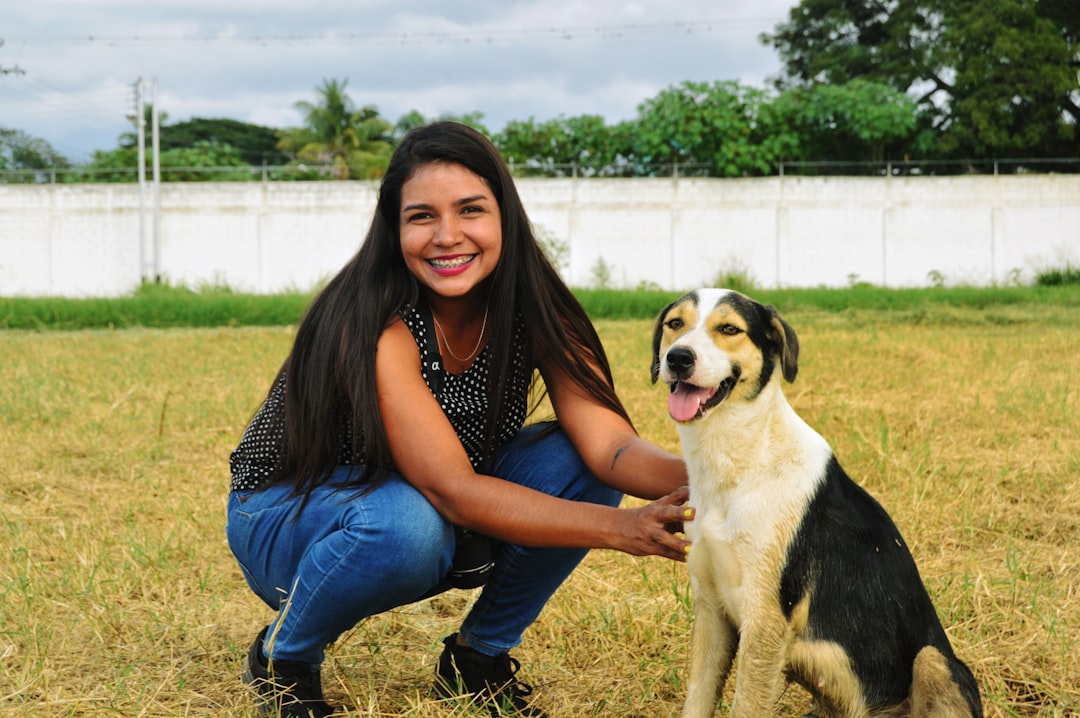
Have you ever noticed how some people just click with dogs instantly? There’s actual science behind this phenomenon. Do you and any of your close friends have similar personalities? As much as opposites can attract, you’re more likely to hang out with people who match your personality in some way. Dogs have a tendency to do the same thing.
So, if your pup is energetic and needs lots of activity, and you enjoy taking them out for hikes and other activities, your dog may bond with you most. Likewise, if a dog is more chill and less active, they’re more likely to spend time with whoever in the house is quieter or enjoys lounging.
Energy levels matter more than you might think. A person who runs marathons and goes hiking every weekend will be more appealing to a higher-energy dog breed. Extroverted personalities match well with Labradors, Golden Retrievers, Bernese Mountain Dogs, and Jack Russell Terriers.
Sometimes it’s inexplicable chemistry. Sometimes it is no different than what happens with us humans. There is just an inexplicable chemistry between Fido and another member of the family. It can even come down to compatible ‘personalities’ of the family member and the dog.
Emotional Intelligence at Work
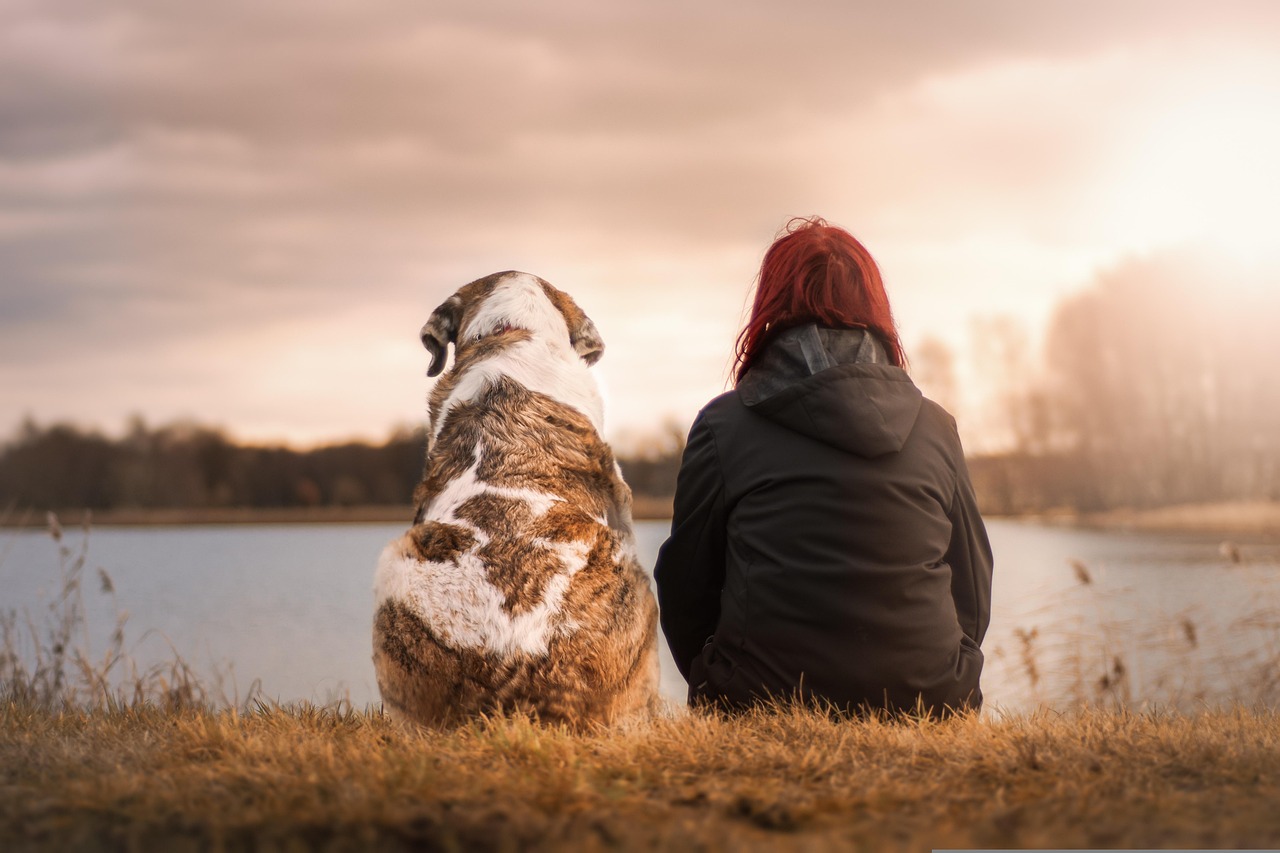
Dogs are incredibly perceptive creatures who pick up on our emotional states in ways that might surprise you. Dogs also take emotional cues from us. If a person is stressed, loud, or inconsistent, a dog may avoid bonding deeply with them. On the other hand, someone who offers reassurance and stability often earns the title of “favorite” without even realizing it.
Studies found that dogs are sensitive to their parents’ emotional states. They can pick up those feelings over time and begin to mirror their humans’ behavior. This emotional mirroring creates a feedback loop that strengthens the bond between dog and human.
Your emotional availability matters tremendously. Dogs have an innate ability to sense our emotions and respond accordingly. This is especially true for the person a canine has bonded most deeply with. They’re not just responding to your actions, but to your entire emotional presence.
Dogs can sense our emotions, so anyone who is often anxious or nervous can unintentionally push them away. The person who remains calm and confident often becomes the one the dog trusts most completely.
Physical Affection Seals the Deal
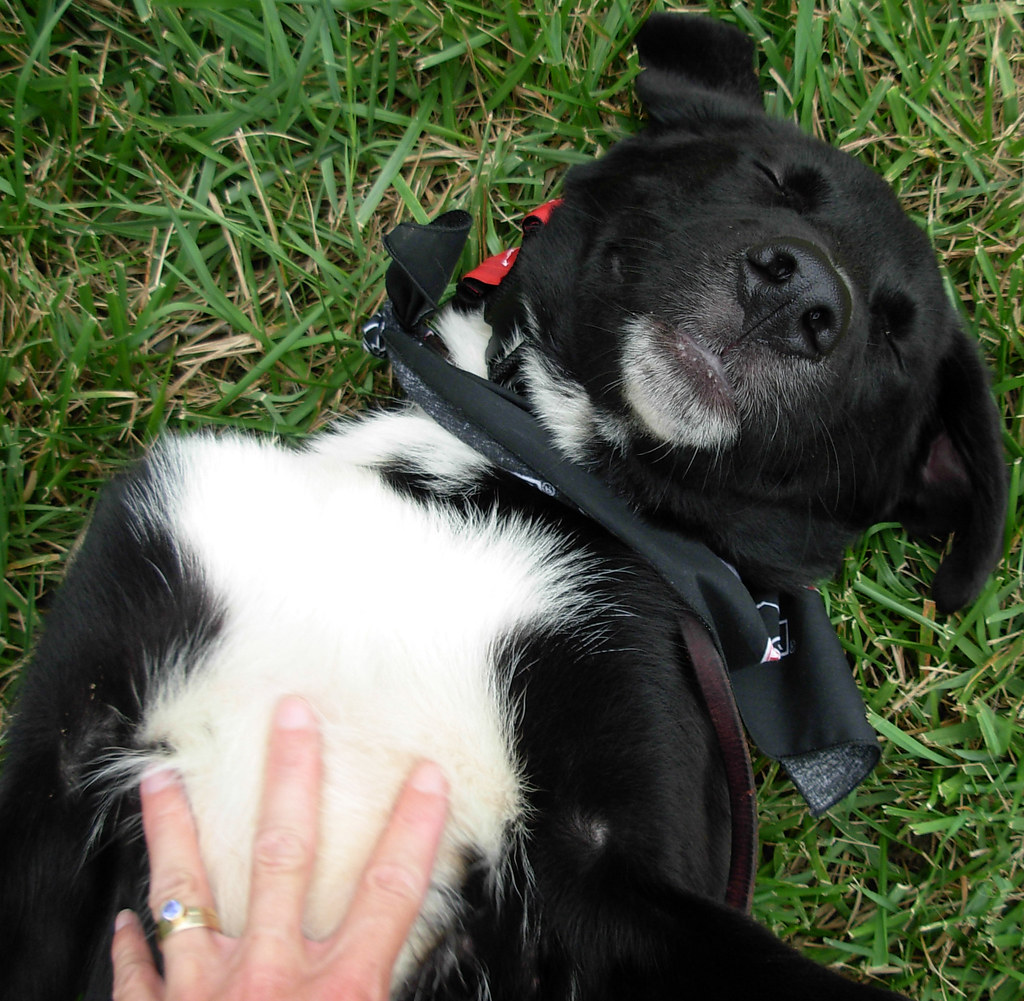
Touch is a powerful language in the dog world. Your dog’s favorite person likely offers them treats, spends one-on-one time with them, and grooms or massages them. After all, physical affection solidifies this bond. Think about it: who in your household gives the best belly rubs or the longest cuddle sessions?
In addition, physical affection solidifies the bond between dog and person. If a person is stand-offish towards a dog, the dog will be stand-offish towards them. But if you give your dog plenty of pets, grooming sessions, massages, and love, they’re likely to seek out more.
Dogs show their trust through vulnerability. Dogs are pretty picky about who gets to see or touch their belly. When a dog feels comfortable and safe around you, they are happy to roll over and show you their belly. This often means they want scratches or pets, but if they’re asleep, it means they are totally comfortable and feel safe with you.
Eye contact becomes a love language. They will stare at you to communicate their love for you. Eye contact between dogs and their owners can also release oxytocin, an important chemical that helps with bonding. So if your dog stares deep into your eyes frequently, this can be a sign of imprinting.
When One Person Love Becomes Too Much
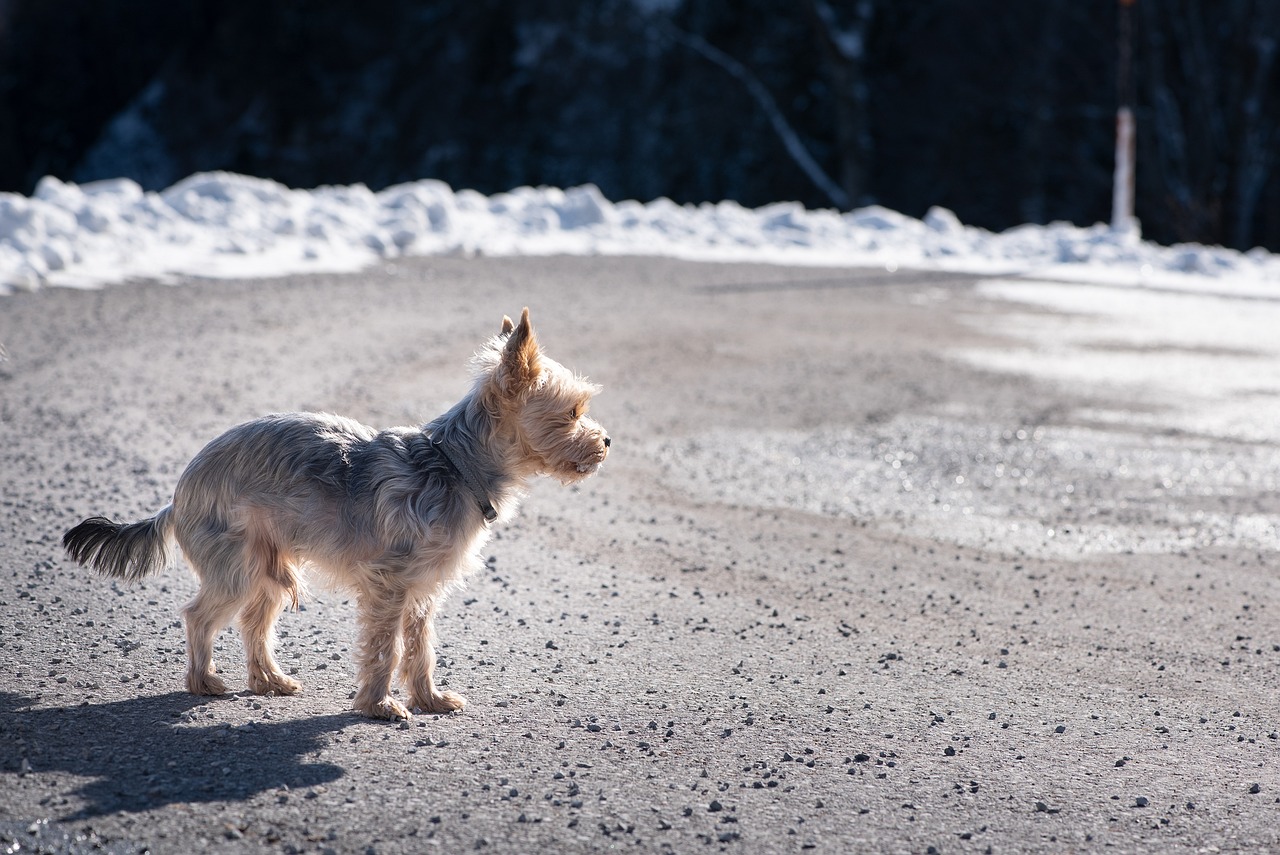
While being your dog’s favorite person feels wonderful, sometimes this bond becomes problematic. True separation anxiety is when a dog is so hyper-bonded to a person, and panics when that specific person/people aren’t there, even if others are. These cases impact owners much more because the dog cannot be left with family members, dog sitters or left at doggy daycare without experiencing severe anxiety and panic.
Separation anxiety is a stress response a dog exhibits when they are away from the person (or people) they’re bonded to. Tina Flores, KPA-CTP, CSAT, certified separation anxiety trainer (CSAT), says a dog experiencing separation anxiety is similar to a human having a panic attack.
The signs are usually obvious and distressing. Some of the most common dog separation anxiety symptoms – which typically occur when a pet parent is away from the home – include clingy behavior, exaggerated excitement when a pet parent returns home, or signs of distress (barking, whining, drooling, trying to prevent their pet parent from leaving) as the pet parent gets ready to depart.
Prevention starts early and requires intentional effort. Separation anxiety might be prevented by ensuring that puppies have scheduled times where they learn to spend time alone in their own crates or beds. Teaching independence from the beginning helps prevent unhealthy attachment patterns.
Building Healthy Bonds with Multiple Family Members
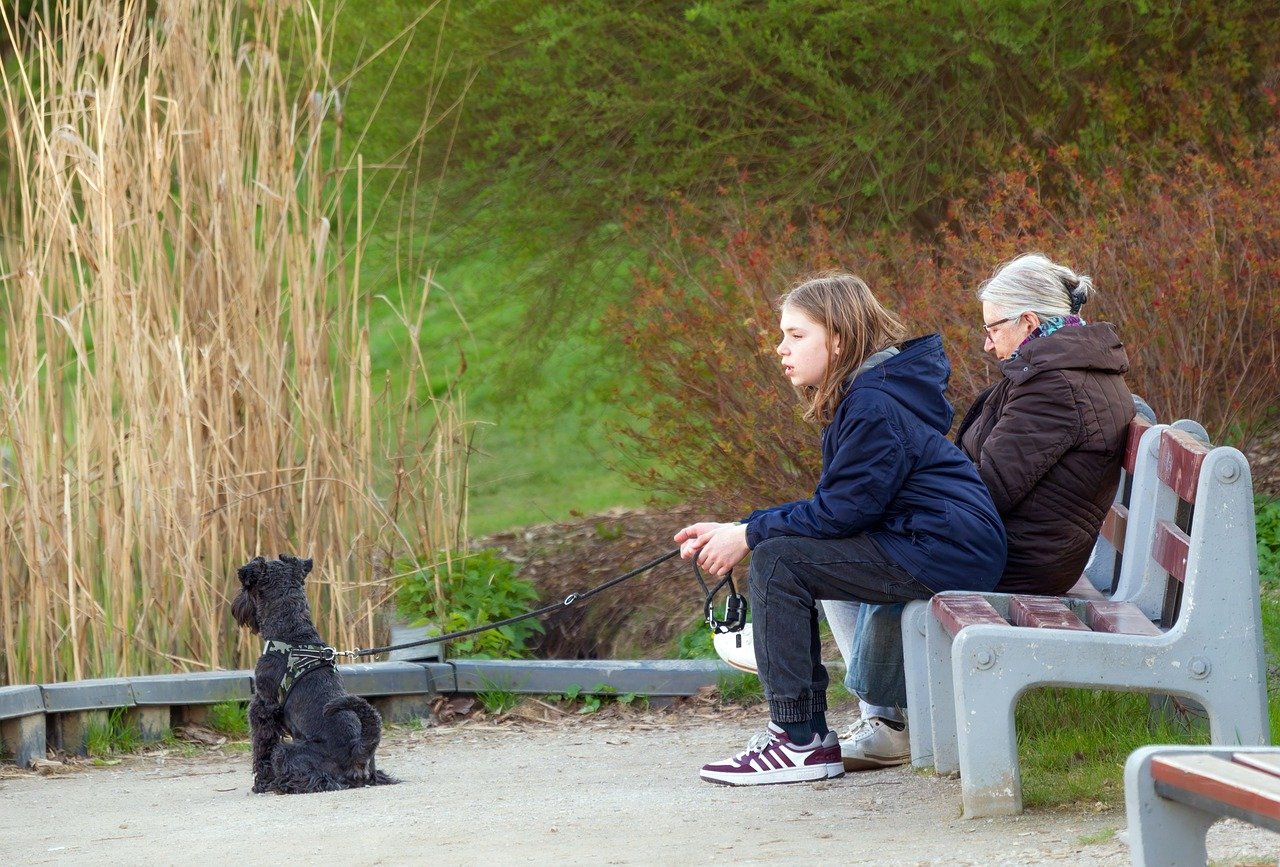
The good news is that dogs can love more than one person deeply. Dogs can absolutely bond with two people, just as a kid can connect with both their mom and dad. Still, they may feel slightly more attached to one person. Measuring how equal a canine’s love is for two people is impossible.
Encouraging multiple bonds requires family teamwork. If you are the only one who has practiced training with your dog, you will likely be the only person your dog listens to. This is why it’s important for all family members – if you do not live alone – to participate in training, so there is consistency in your dog’s behavior.
Building bonds with other family members takes patience and strategy. With separation anxiety cases where the dog cannot be left alone with anyone other than “their people”, its’ important that you help the dog expand the number of humans that they see as “their people”. Finding others willing to be regular caregivers when you can’t be there is the first step, but then spending time with those people along with the dog, and letting the dog build a bond with them is the next step. Taking the time to allow the dog to build a bond is extremely important.
Everyone in the household can contribute to positive associations. On a regular basis, feed the dog their meals, take them for their walks, give them a new toy or two, or be the provider of brushing, petting, and belly rubs. Generally, take care of their basic needs. Sharing responsibilities helps create multiple secure relationships.
Conclusion
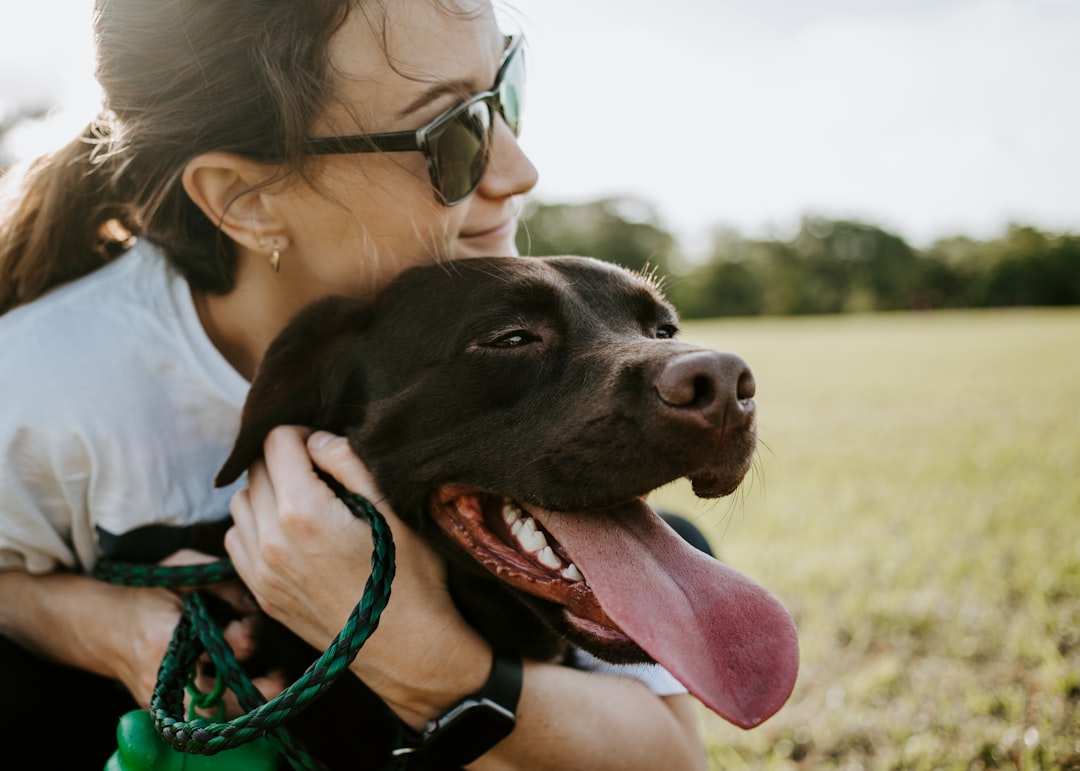
The bond between a dog and their chosen human represents one of nature’s most beautiful relationships. It’s built on trust, consistency, shared experiences, and genuine affection. In short, dogs don’t play favorites to be dramatic. Their preferences reflect a blend of consistency, comfort, and positive reinforcement.
Whether you’re currently your dog’s number one or working to strengthen your bond, remember that these relationships can grow and evolve. Bonding occurs naturally between dogs and the people who treat them well. A dog’s favorite person can change over time. Take good care of your dog, socialize them, create positive experiences, and respect their unique personality. Your dog will reward you with a lifetime of love.
What do you think about it? Have you noticed your dog choosing one special person in your family? Tell us in the comments about your experiences with canine favoritism.