
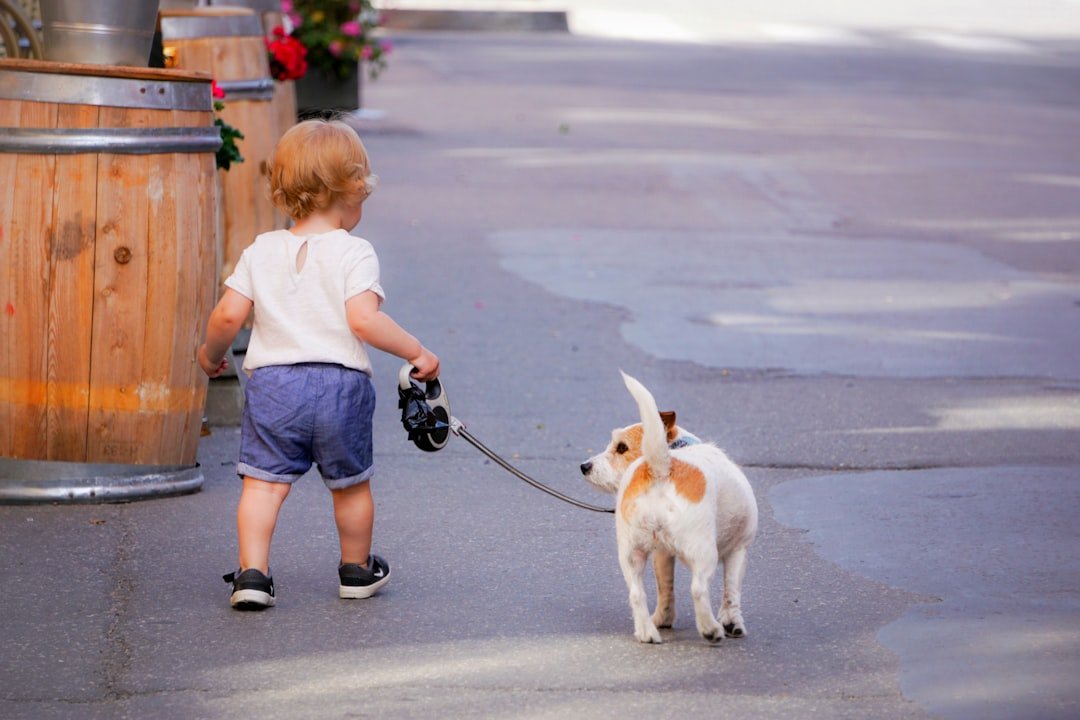
Picture this: you come home after a rough day, and there’s your beloved pup waiting by the door, tail wagging furiously. Your first instinct? Wrap those warm arms around your furry friend for the ultimate comfort hug. Yet what you might not realize is that while you’re melting into that fuzzy embrace, your dog could be silently screaming “help me” in their own special language.
The truth about dogs and hugs is far more complex than most of us imagine. Some pups genuinely adore being wrapped up like living teddy bears, while others merely tolerate our human need for physical affection. The real mystery lies in understanding which camp your dog falls into and why. Let’s dive into the fascinating world of canine communication to decode the secret messages your dog has been sending you all along.
The Science Behind Canine Stress Signals
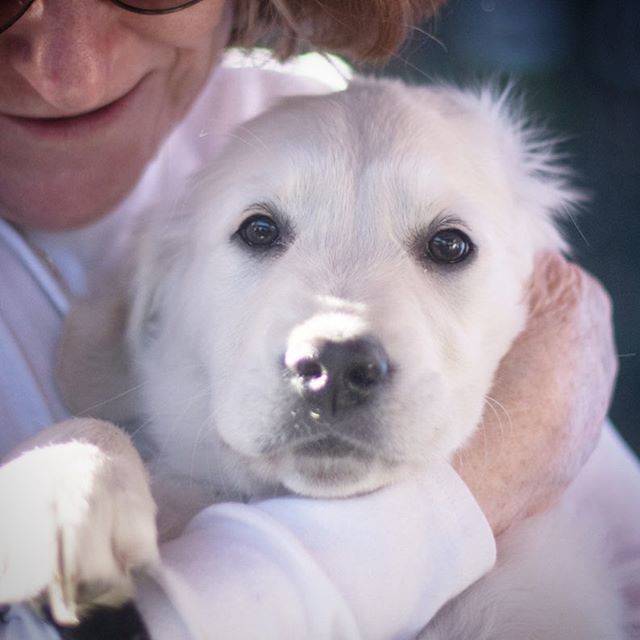
Research reveals a startling reality: approximately 82% of photographs show dogs displaying signs of discomfort when being hugged, with only about 7.6% appearing comfortable with the embrace. Those adorable internet photos we all love might be hiding a different story entirely.
Dogs experience hugs differently than we do, and when anxious, they often display quick tongue flicks and lip licking. The telltale “whale eye” appears when dogs show the whites of their eyes, signaling anxiety or stress, particularly noticeable when we pat their heads or during uncomfortable interactions.
Dogs are cursorial animals designed for swift running, using their ability to flee as their primary defense mechanism rather than their teeth. Hugging immobilizes them, potentially increasing stress levels and, in extreme cases, triggering a bite response.
Reading Your Dog’s Body Language During Hugs
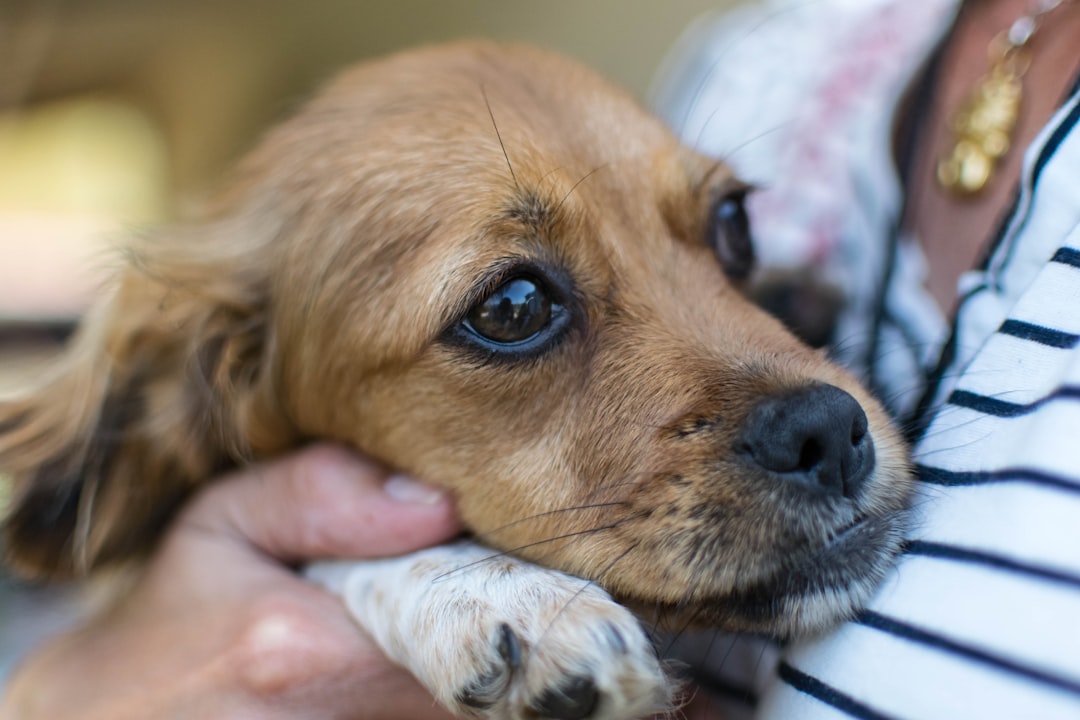
The key to understanding your dog’s feelings lies in observing their reaction: dogs who enjoy hugs will lean into you, make eye contact, and seek more contact, while uncomfortable dogs will lean away, tense up, or display calming signals like yawning or lip licking.
A fearful dog may lean away, crouch, lower their body or head, or even roll onto their side or back. When a dog’s tail is tucked between their legs, combined with ears pressed back against their head, these are clear signs of discomfort.
Watch for the “shake-off” behavior when dogs shake their entire body as if they were wet, which often happens after stressful interactions as a way to release tension. Remember that dogs typically freeze right before they snap or bite, making this an crucial warning signal.
Why Some Breeds Are More Hug-Friendly
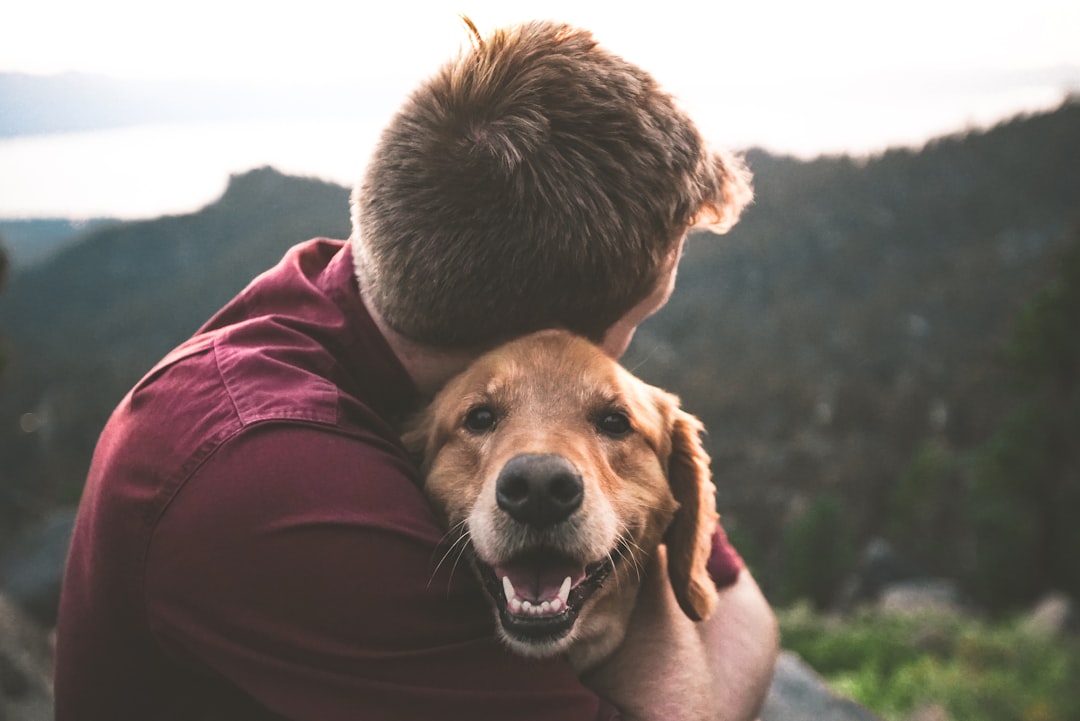
Breeds known for their sociability, such as Golden Retrievers and Labrador Retrievers, may be more predisposed to enjoy hugs, though individual differences always exist. Affectionate breeds like Golden Retrievers or Cavalier King Charles Spaniels typically show more tolerance for hugs compared to naturally reserved breeds such as Shiba Inus or Basenjis.
Research by Stanley Coren shows how dogs from certain breeds crave physical closeness more than others. Dogs that have been well-socialized from a young age may be more accustomed to receiving affection, including hugs, with some breeds naturally more prone to enjoying physical contact.
The Difference Between Tolerating and Enjoying
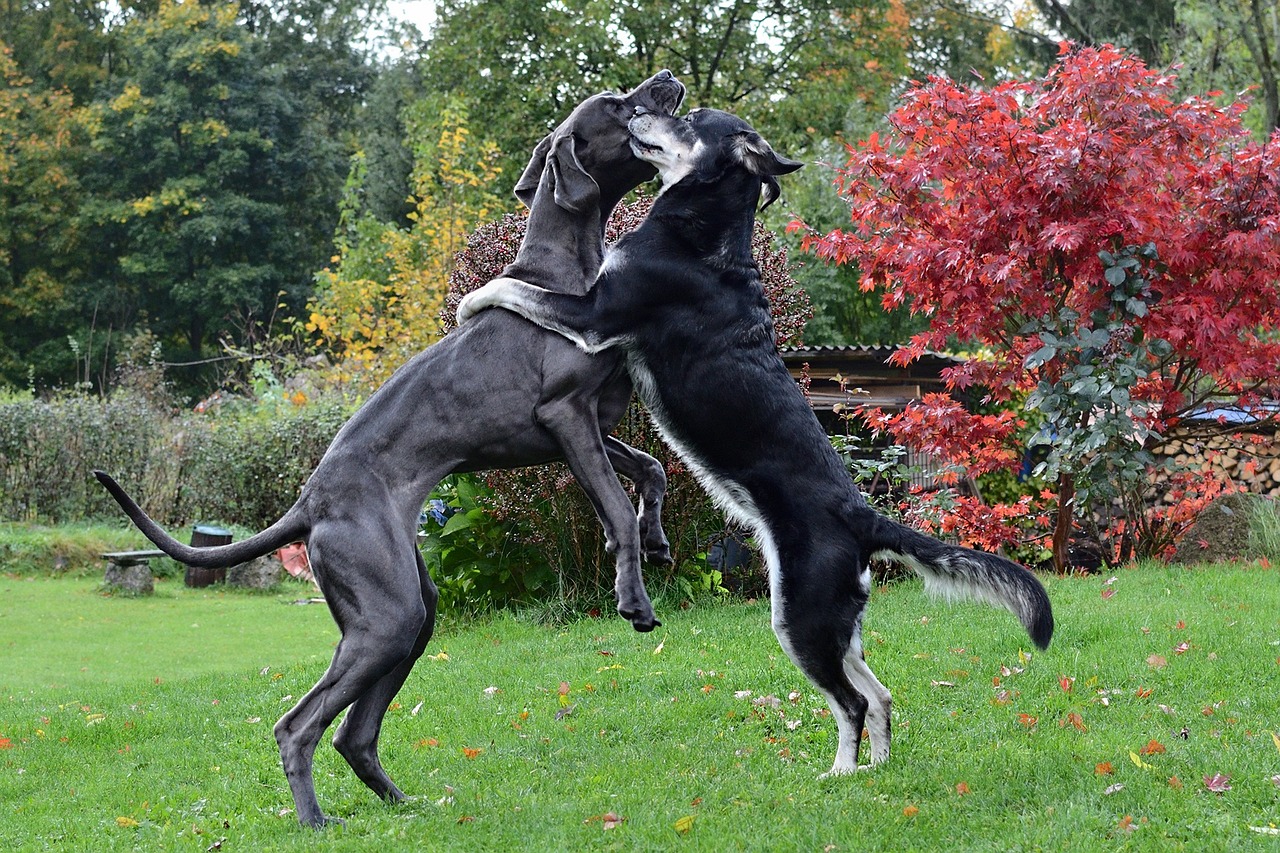
Most dogs don’t actually like being hugged or kissed, even when we think they do. They might become very still and tolerate the hug because they love their owner, but it’s not comfortable for them. Many dog owners achieve a delicate balance where dogs tolerate our occasional need to snuggle, getting plenty in return for putting up with our hugging habits.
Stanley Coren’s study revealed that 81.6% of dogs displayed stress signs when embraced by their owners. It’s essential to recognize that dogs aren’t naturally inclined to enjoy close confinement, and they may tolerate hugs without deriving actual pleasure from them.
Children and Dogs: A Special Safety Concern
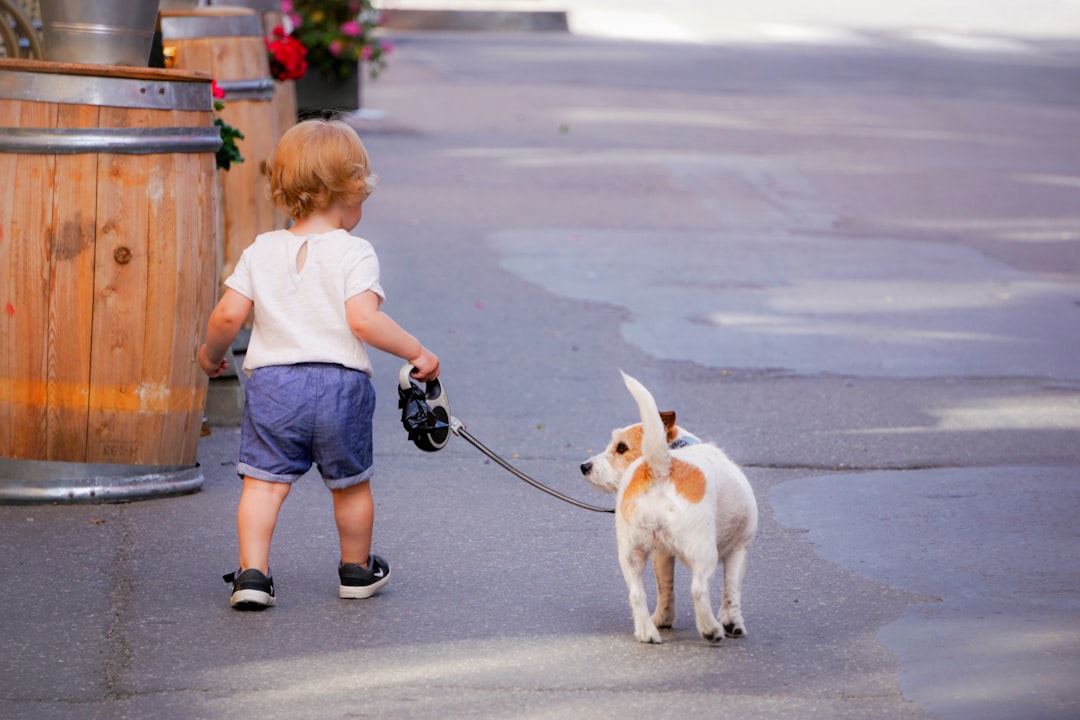
Hugging in dog language can signal a desire to fight with another dog, so when we hug our dogs, they might interpret this as wanting to fight, which is definitely not our intention. Statistics reveal that children are more likely to be bitten by dogs than adults, with nearly 800,000 Americans seeking medical attention for dog bites annually. Children aged 5 to 9 face the highest risk due to impulsive behavior and lack of understanding of canine body language.
Toddlers, especially those under 2 years of age, require extra monitoring around dogs since they’re often mobile, loud, and may grab, slap, squeeze, and hug dogs if given the opportunity. Dogs and young children should never be left alone together unsupervised, as canine body language is tricky to read and young children simply cannot interpret it on their own.
Training Your Dog to Accept Hugs
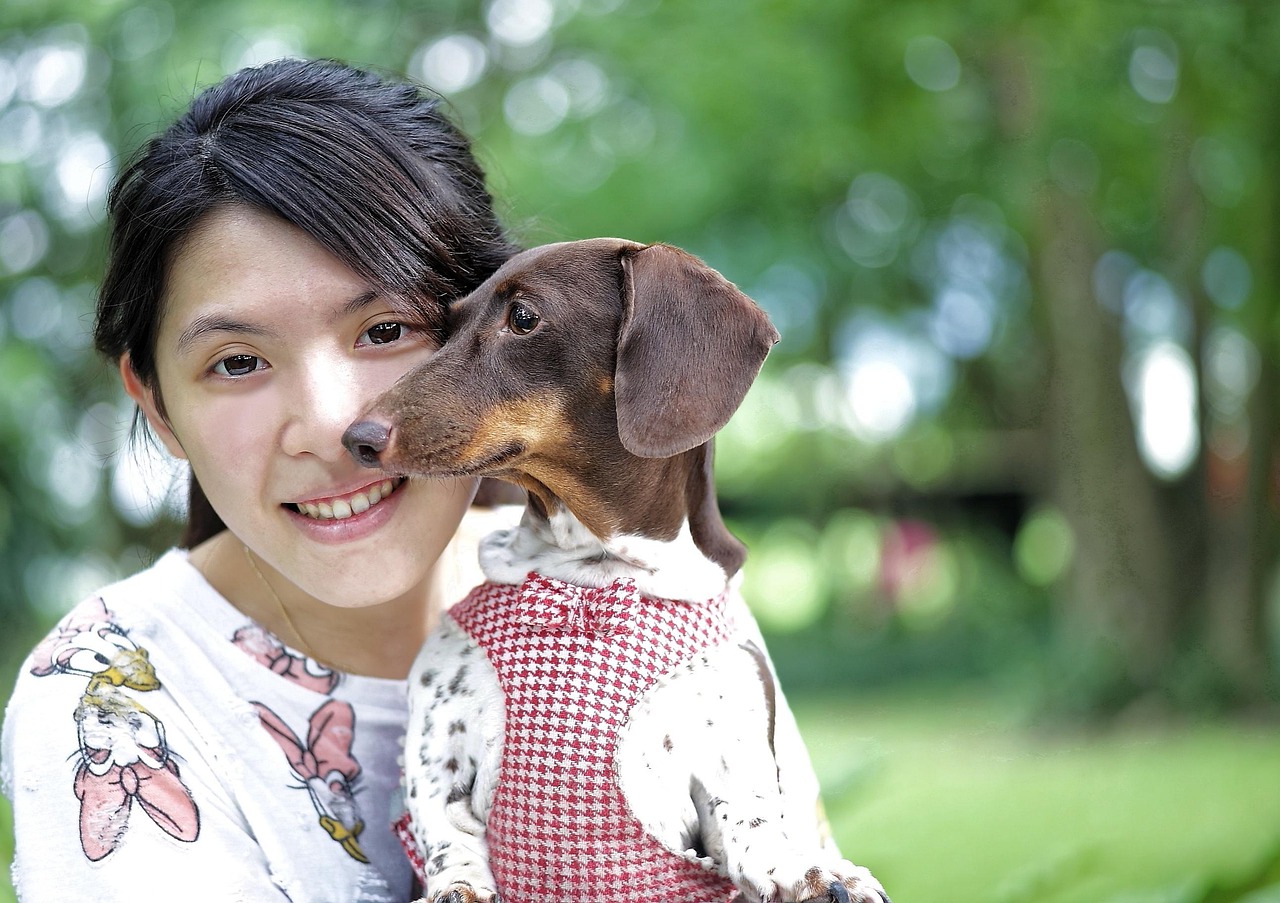
You can desensitize your dog to accept physical contact by teaching them that it leads to good things, similar to direct eye contact training. However, this process takes time and patience, and it’s crucial never to force a hug on your dog. Some dogs may learn to tolerate hugs through gradual exposure in positive contexts, but it’s essential to respect their comfort levels and never force the interaction if they show signs of distress.
Start with brief, gentle contact and immediately reward calm behavior with treats and praise. Gradually increase the duration and closeness of contact only when your dog remains relaxed and comfortable.
Better Ways to Show Your Dog Affection
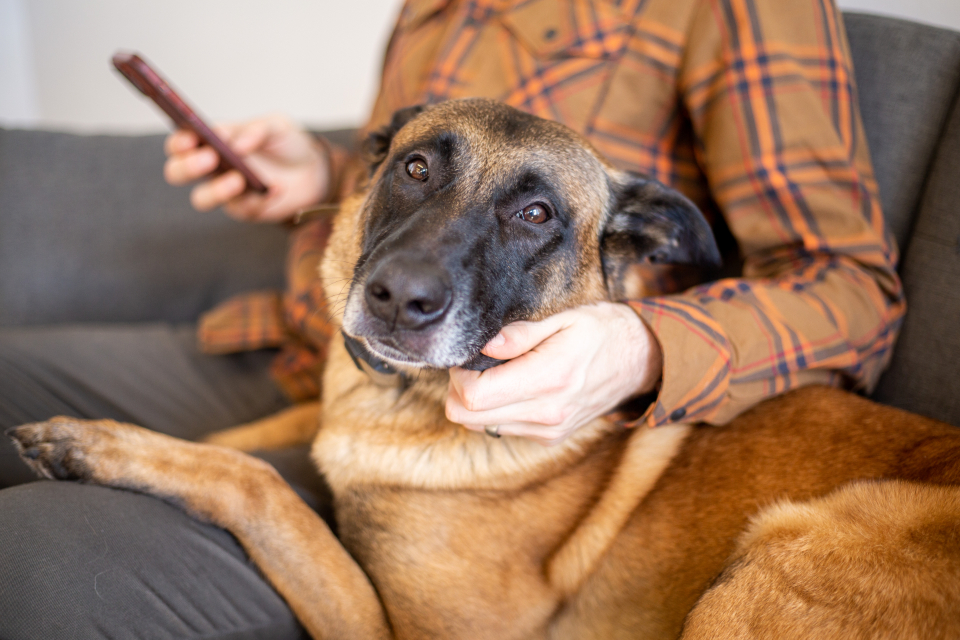
Humans express love through hugs, while dogs display affection by leaning against you, wagging their tails, or licking your face. Consider alternatives like gentle petting along their back, sides, or belly to increase bonding and trust, engaging in playtime activities like fetch or tug-of-war, or teaching new tricks using positive reinforcement for mental stimulation.
The dog’s back or chest provides the best petting locations, as approaching from behind or petting directly on top of the head can feel threatening and uncomfortable. Always pet with only one hand, as two hands can quickly turn into grabbing or holding.
A happy dog typically shows relaxed body posture, wagging tail, playful behavior, and willingness to engage with their owner. When your dog approaches you for affection, it’s a sign they feel secure and loved.
Every dog writes their own unique love story, and part of being a devoted dog parent means learning to read the chapters they’re sharing with us every single day. Whether your pup is a cuddle enthusiast or prefers showing affection through a gentle lean against your leg, respecting their individual personality creates the foundation for a stronger, more trusting relationship.
What matters most isn’t how we want to show love, but how our dogs prefer to receive it. What do you think about your dog’s hugging preferences? Tell us in the comments.


