

Bringing home a dog that’s been labeled “easy” or “beginner-friendly” can feel like a reassuring head start. The breed has a reputation. People say it’s calm, affectionate, low-maintenance. What could go wrong? Quite a bit, as it turns out.
The reality is that breed labels are snapshots, not guarantees. The truth behind so-called behavioral problems in dogs is more complicated than a simple label, because a dog’s potential to engage in certain behaviors is based on a mix of genetics, training, environment, and owner involvement. What starts as a sweet, manageable puppy can gradually become something much harder to handle – not because the dog changed, but because the full picture was never clear to begin with.
The “Easy Breed” Myth and Where It Starts
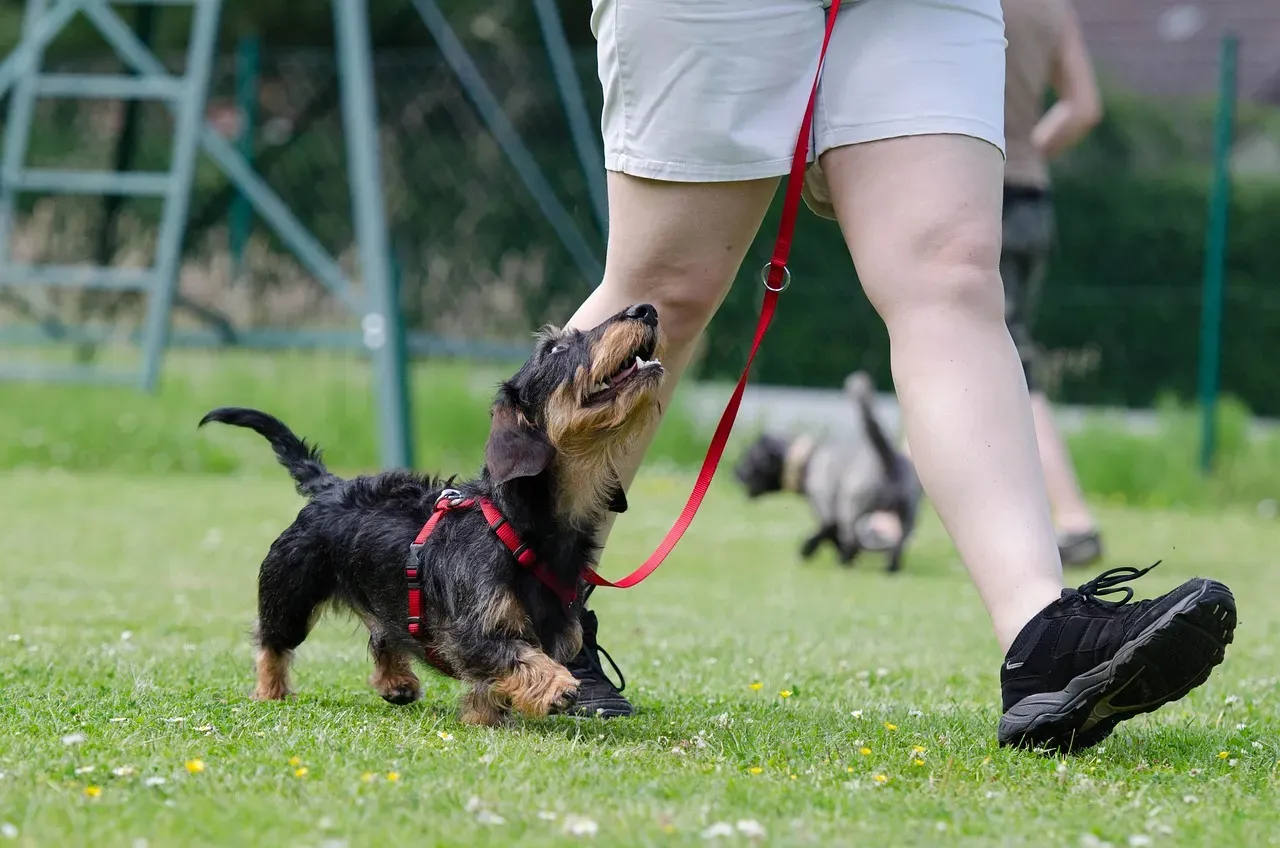
The idea of an easy dog breed often comes down to first impressions. A calm demeanor at eight weeks old, a breed list on a popular website, or a friend’s glowing recommendation. These things carry real weight when someone is choosing a dog.
A lot of training difficulties in a breed come from their “origin stories,” meaning the tasks and traits they were originally bred for in earlier times. A breed that seems laid-back in a living room may have been built for hard physical labor, constant movement, or intense independent thinking.
A common misconception is that if a breed is considered difficult to train, it’s because they’re not smart. However, a lack of intelligence is rarely the cause. In reality, it’s usually because they simply have a stubborn nature. These traits don’t disappear just because a dog is marketed as suitable for first-time owners.
Boredom Disguised as Disobedience

One of the most predictable turning points for a so-called easy breed is boredom. Dogs that seem perfectly content in the early months sometimes begin to unravel once the novelty wears off and routine sets in without adequate stimulation.
Dogs have a lot of energy, and a lack of exercise and enrichment can lead to behavior problems. Dogs that don’t get enough physical and mental stimulation may become destructive or anxious. This isn’t a character flaw. It’s simply a need that isn’t being met.
Border Collies, for example, are an extremely smart and loyal breed with high energy levels. Due to their athletic nature, they naturally seek a job and an outlet for their energy. If not given a decent outlet, they may find a job that is not particularly ideal in the household, such as destructive or obsessive behaviors. The pattern repeats across dozens of breeds that owners initially described as easy.
The Socialization Window That Closes Too Soon
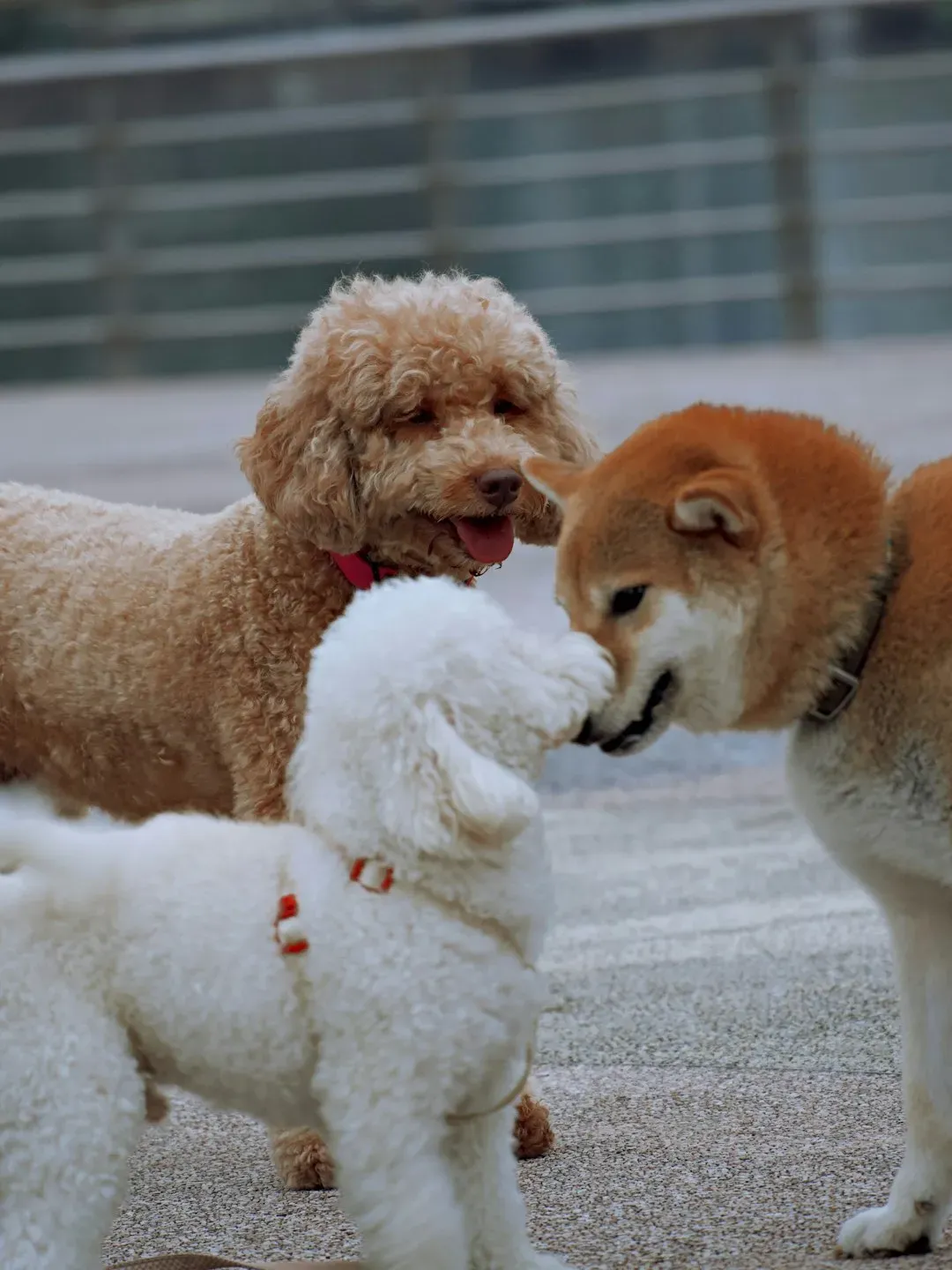
Early socialization is one of the most powerful tools in a dog’s development, and it has a time limit. Early and ongoing positive reinforcement training is vital for dogs to learn acceptable behaviors. Proper socialization during their formative months helps them develop into well-adjusted companions.
When owners skip or underestimate this window, the consequences often show up months or even years later. Genetic factors, early-life negative experience, and insufficient socialization as puppies contribute to the development of conflict aggression in dogs. A breed that seemed calm as a puppy can become fearful, reactive, or territorial in adulthood if it never learned to navigate the world confidently.
Saint Bernards, for instance, can develop temperament and behavioral issues if not socialized and trained early. Size amplifies everything. A poorly socialized small dog is inconvenient. A poorly socialized giant breed is genuinely dangerous.
When Small Dog Syndrome Sneaks Up on You
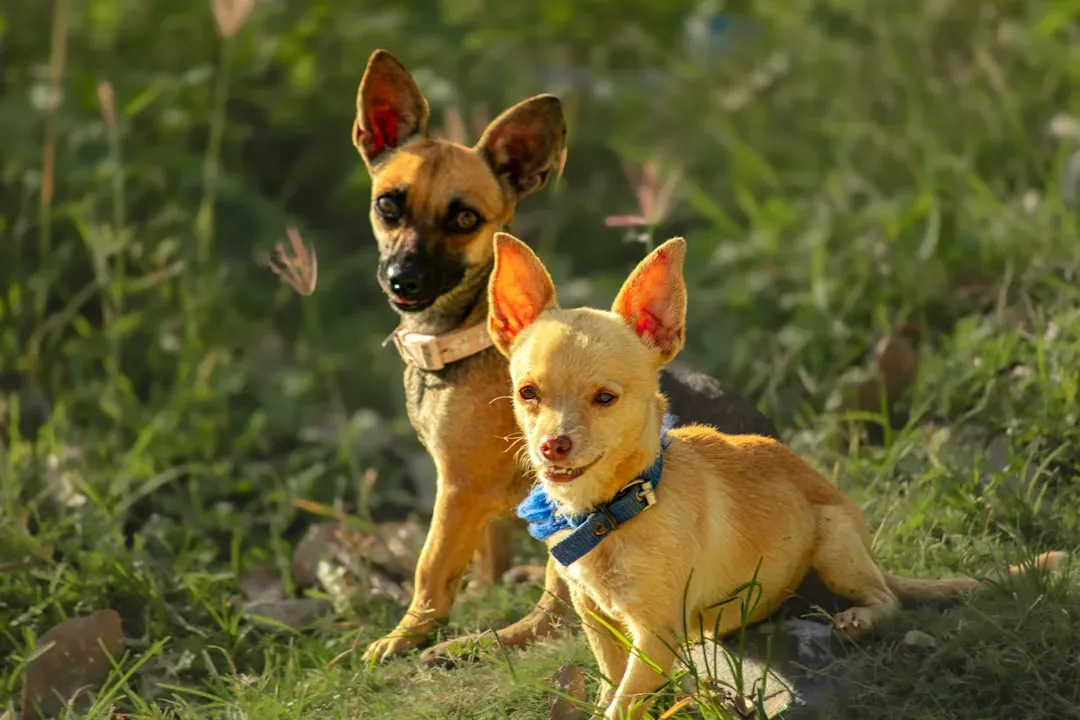
Smaller breeds are frequently handed the “easy” label because owners assume their size makes them manageable regardless of behavior. That assumption creates a very specific kind of problem.
Although the Chihuahua is one of the most popular and smallest dog breeds, owners tend to coddle them and neglect training or disciplining them because of their small size, which exacerbates their bad behavior. They tend to be very possessive of their owners and have no problem barking, snapping at, or even biting other people and dogs several times their size.
The same pattern applies to other small breeds. Chihuahuas may be the smallest dog breed in the world, but their attitude is probably the biggest out there. They’re not afraid to act out or try any means to get what they want, so they need an assertive owner that can take charge. Size, in short, is not a proxy for easy.
Scent-Driven Breeds and the Training Wall
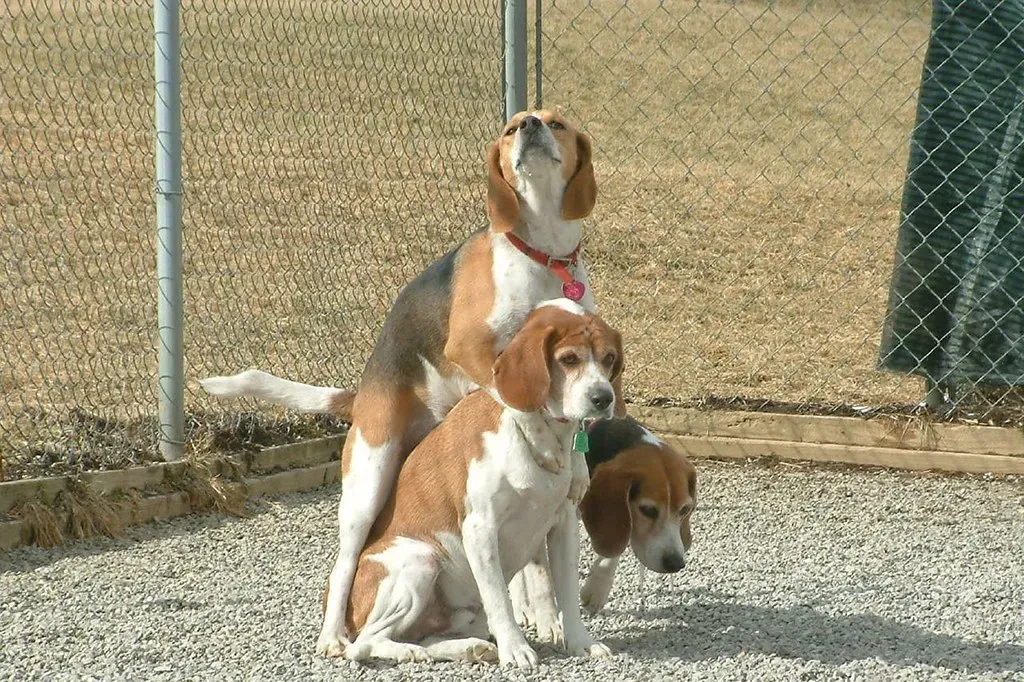
Beagles are consistently listed among the most family-friendly and lovable dogs available. They’re compact, gentle, and cheerful. They’re also remarkably difficult to keep focused, and that difficulty compounds over time.
Beagles are excellent family dogs and even considered among the best for kids. However, these hunting dogs have a very strong focus on the smells around them and a strong genetic inclination to follow scent trails, which is what makes them one of the hardest dogs to train.
Most Beagles have high amounts of energy, which is why they are hard to train. They are independent and take longer to get used to commands, but with consistent training and a lot of patience, training a Beagle is certainly achievable. The challenge isn’t the dog. It’s the mismatch between expectations and reality.
High Intelligence That Turns Against You
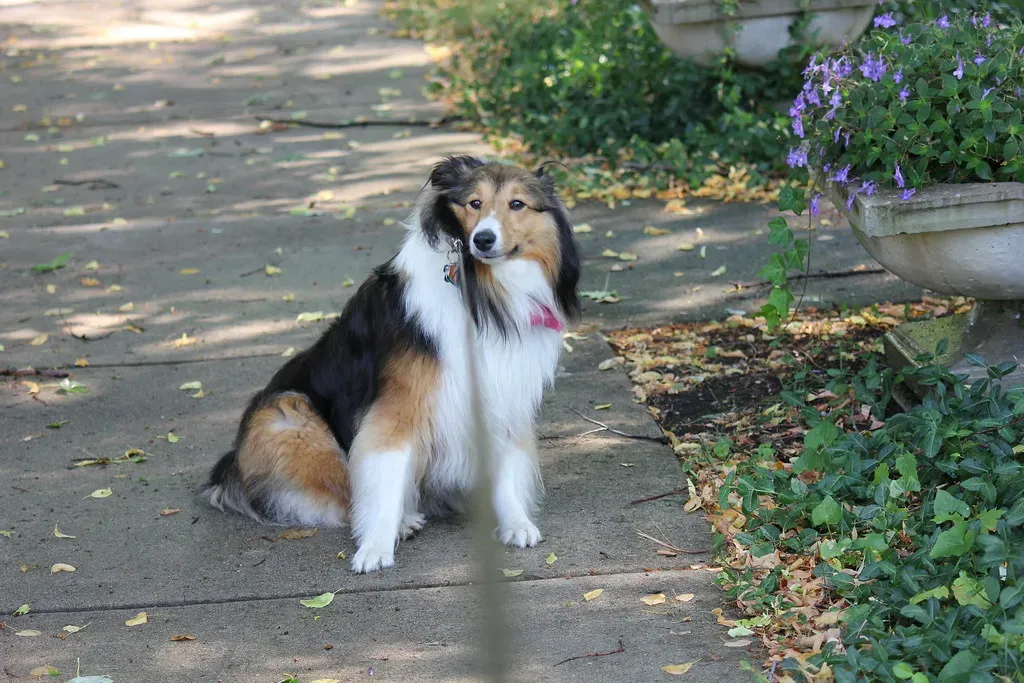
It seems counterintuitive, but some of the most intelligent dog breeds are among the hardest to live with long-term. Smart dogs learn fast. The problem is they learn everything fast, including bad habits.
Huskies are a high-energy breed that requires a lot of exercise and is prone to bolting out the door. They are also very intelligent and skilled escape artists, with a strong will that can lead them to ignore you in favor of doing whatever they want. Intelligence without direction is rarely peaceful.
Stubbornness is seen in certain dog breeds because they have increased intelligence, a sense of independence, and inherent instinctual behavior. This trait makes it highly challenging to train stubborn breeds, but it also reflects their strong personality and higher intelligence, which are not found in other standard breeds. Understanding this distinction changes the whole approach to training.
The Working Breed in a Suburban Home
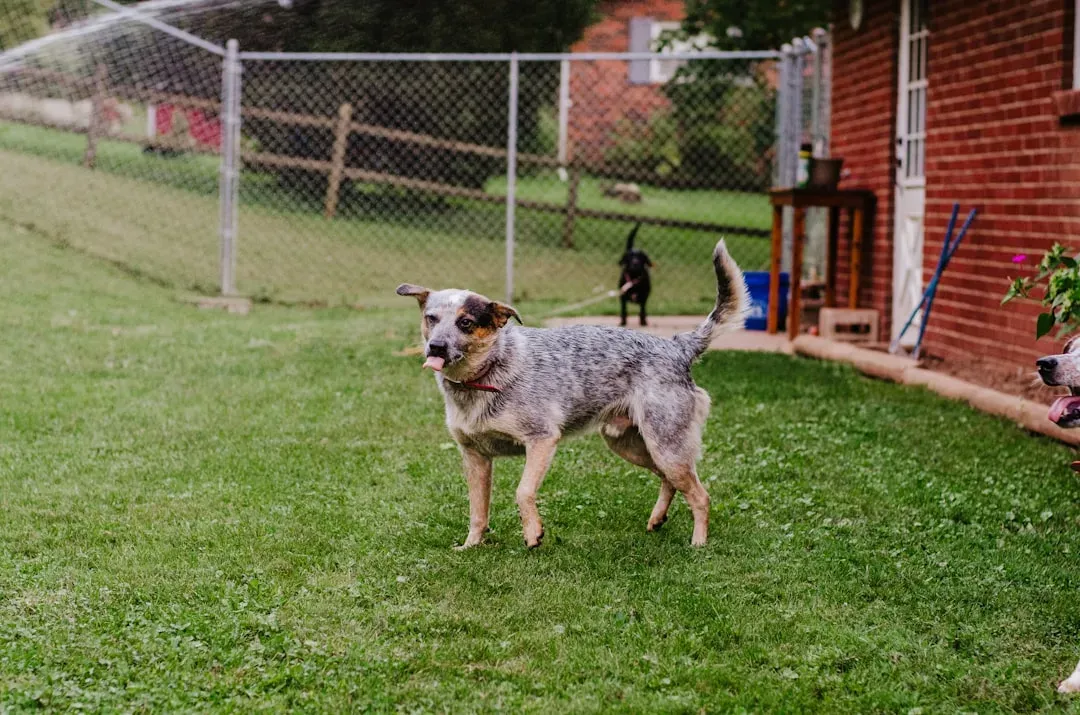
Some of the most dramatic mismatches between expectation and reality involve working breeds placed in households that can’t meet their needs. These dogs were built for a purpose, and without one, things tend to deteriorate.
Australian Cattle Dogs are rugged herders built for long, hot days moving stubborn livestock. In suburbia, that translates to nipping heels, patrolling windows, and guarding toys with intensity. They need tough mental jobs, not endless fetch. Without structure, they can become pushy, vocal, and suspicious of visitors.
This breed shines when given consistent boundaries, purposeful work, and thoughtful decompression every single day. That’s a high bar for most households, and most prospective owners don’t fully appreciate it until they’re living with the consequences.
Fear, Anxiety, and How They Grow Over Time

Behavioral problems don’t always erupt suddenly. Often they build quietly, starting with small signs that owners brush off as quirks, until those quirks become genuine challenges.
Over time, fear-related aggressive behavior might appear offensive as the dog learns to display aggression proactively in anticipation of a threat. For example, owing to a history of attempts to avoid contact being thwarted, a fearful dog might begin to growl whenever a stranger tries to pet it. With continued exposure, the dog might begin growling when it sees strangers at a distance.
Separation anxiety is a common issue where dogs become distressed when left alone. Symptoms include excessive barking, destructive chewing, and even attempts to escape. This condition often develops due to lack of socialization, sudden changes in routine, or past trauma. It’s a progressive problem, and it rarely resolves on its own.
Health Issues That Quietly Alter Behavior
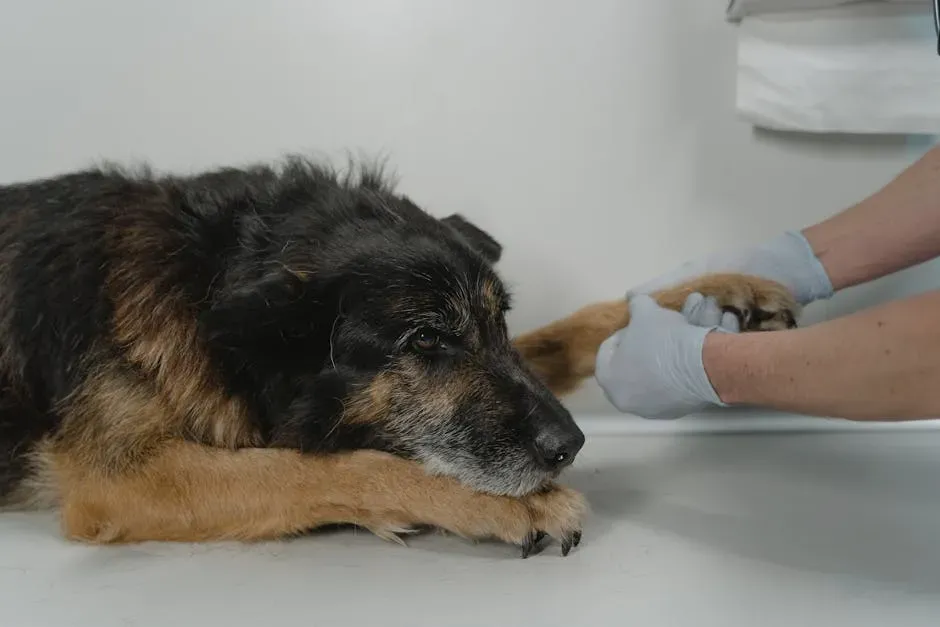
Sometimes a dog’s increasing difficulty has less to do with training gaps and more to do with what’s happening inside the body. Physical discomfort changes behavior in ways that owners often misread as stubbornness or regression.
Health issues such as pain, cognitive decline, or hormonal imbalances can also contribute to dog behavior challenges. A dog that was once relaxed and cooperative can become irritable, reactive, or withdrawn when something physically isn’t right.
Behavior depends directly on an animal’s health condition, and vice versa. Some behavioral problems are caused totally or partially by a medical condition. It’s worth ruling out physical causes before attributing a change in behavior purely to a training issue, especially in dogs past middle age.
What Actually Helps When an “Easy” Dog Gets Hard
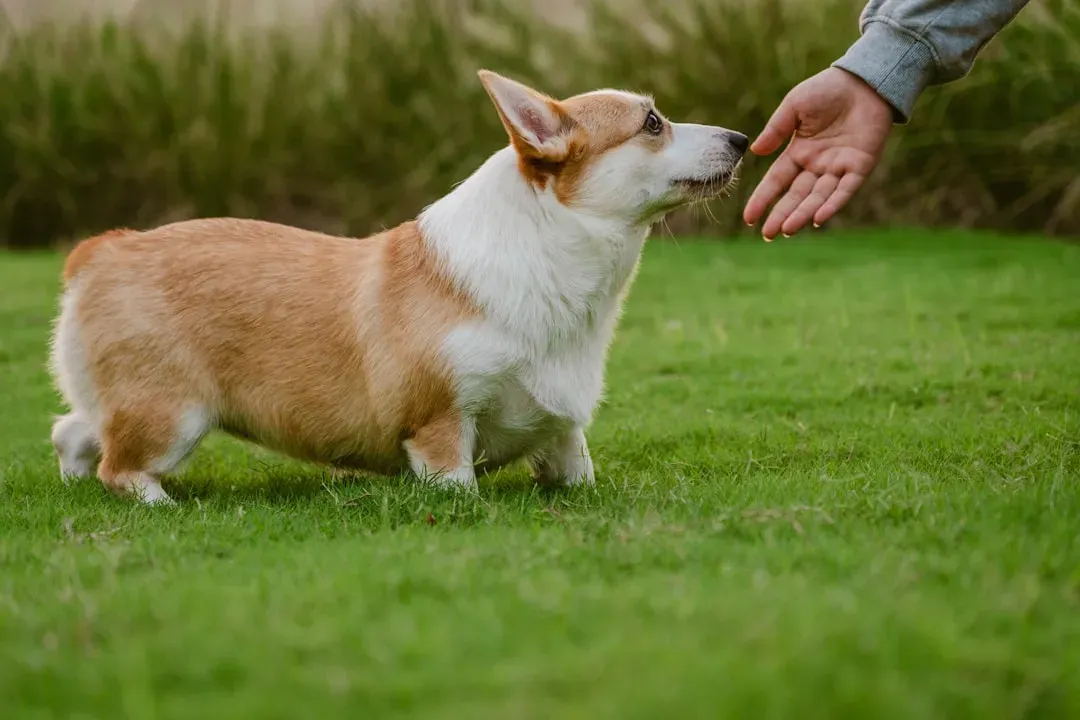
The good news is that most behavioral challenges, even deep-rooted ones, are workable with the right approach and realistic expectations. The starting point is usually consistency.
Research suggests that positive reinforcement, instead of traditional dominance-based methods, offers a transformative solution for challenging dogs. Studies at the University of Cambridge demonstrate the effectiveness of positive reinforcement in building trust and strengthening the human-animal bond. This approach utilizes treats, praise, and playtime as rewards for desired behaviors, establishing a foundation of mutual understanding and respect.
There is no untrainable dog. The breeds that require more dedication, patience, and perseverance can still make for a loyal and loving friend, as long as you know what to expect, are able to meet their needs, and are equipped with the right knowledge. Knowing your dog’s actual needs rather than its assumed ones is where the real work begins.
Conclusion
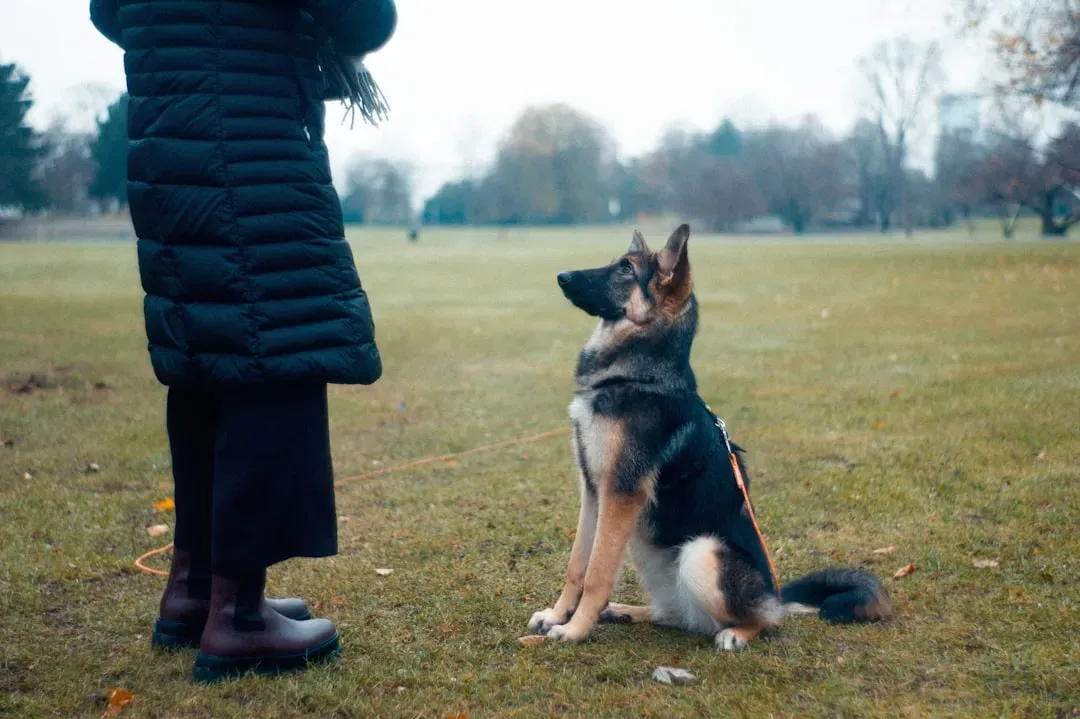
The label “easy breed” is a starting point, not a promise. Dogs are shaped by genetics, by early experience, by the amount of structure and stimulation they receive, and by the patience their owners are willing to invest. A breed that works beautifully for one household can genuinely struggle in another.
What changes over time isn’t usually the dog. It’s the gap between what the owner expected and what the dog actually needs. Closing that gap, through consistent training, honest assessment, and sometimes professional help, is what turns a difficult situation back into a good one.
The most enduring dog-owner relationships tend to be built not on the promise of an easy ride, but on a clear-eyed willingness to meet a dog where it actually is.


