
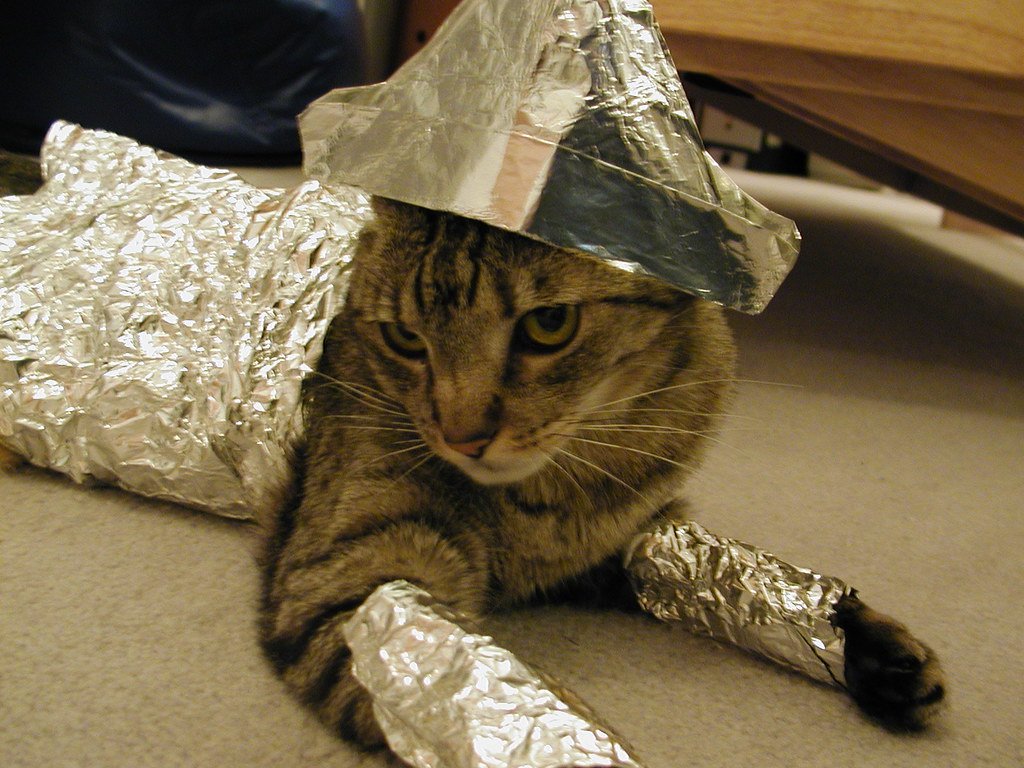
It might seem harmless or even funny to watch a cat jump at the sight of tin foil, but scaring them this way can do more harm than good. Cats are naturally sensitive creatures, and sudden frights—like stepping on or seeing tin foil—can trigger stress or anxiety. Repeated scares can break their trust in you and even lead to long-term behavioral issues, like hiding, aggression, or litter box avoidance. While tin foil is often used to deter cats from counters, it’s best to use more respectful and gentle methods. Scaring isn’t training—it’s just fear. Creating positive boundaries builds trust and keeps your feline friend feeling safe and secure.
The Science Behind Cat Fears
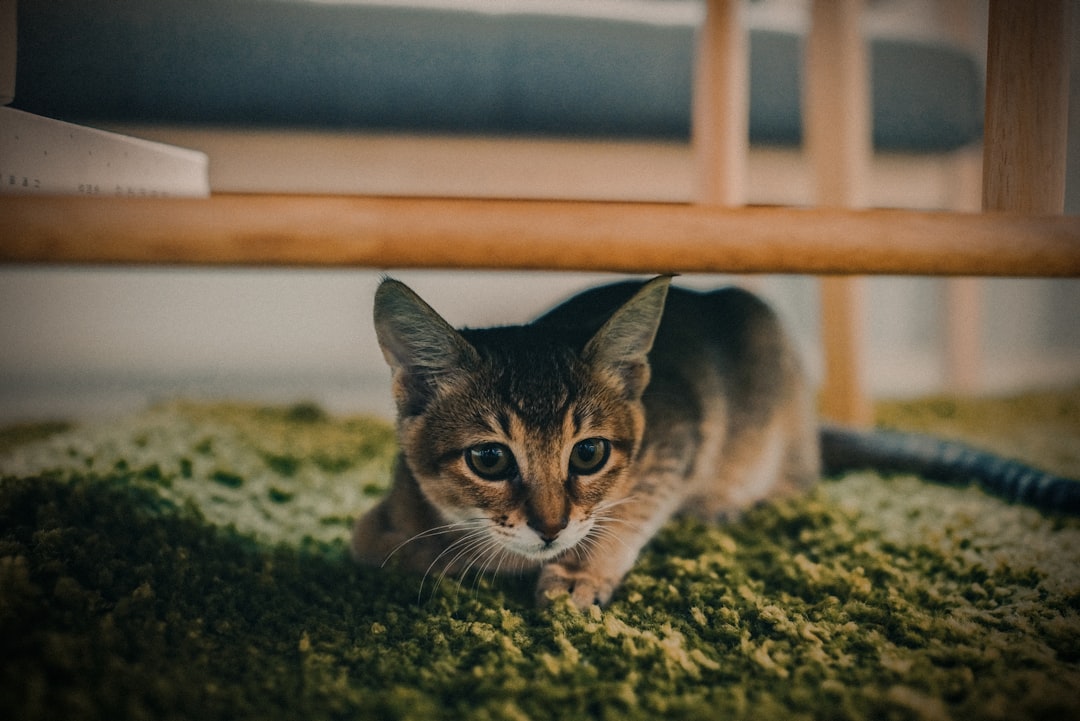
Cats are wired to be cautious. In the wild, their survival depends on spotting threats and reacting quickly. Sudden sights or noises—like the gleam and crinkle of tin foil—activate their instinct to jump away or hide. This basic fear response isn’t just a quirk; it’s built into their DNA. When a cat encounters something unexpected, like a shiny sheet that wasn’t there before, its brain floods with stress hormones.
Imagine if every time you walked into your kitchen, you saw a snake on the floor. Even if you learned it wasn’t real, your heart would race every time it appeared. That’s a bit like what cats feel when they’re startled by something as foreign and jarring as tin foil. It’s not just a moment of surprise—it’s a rush of fear that can linger long after the foil is gone.
How Tin Foil Triggers Anxiety in Cats
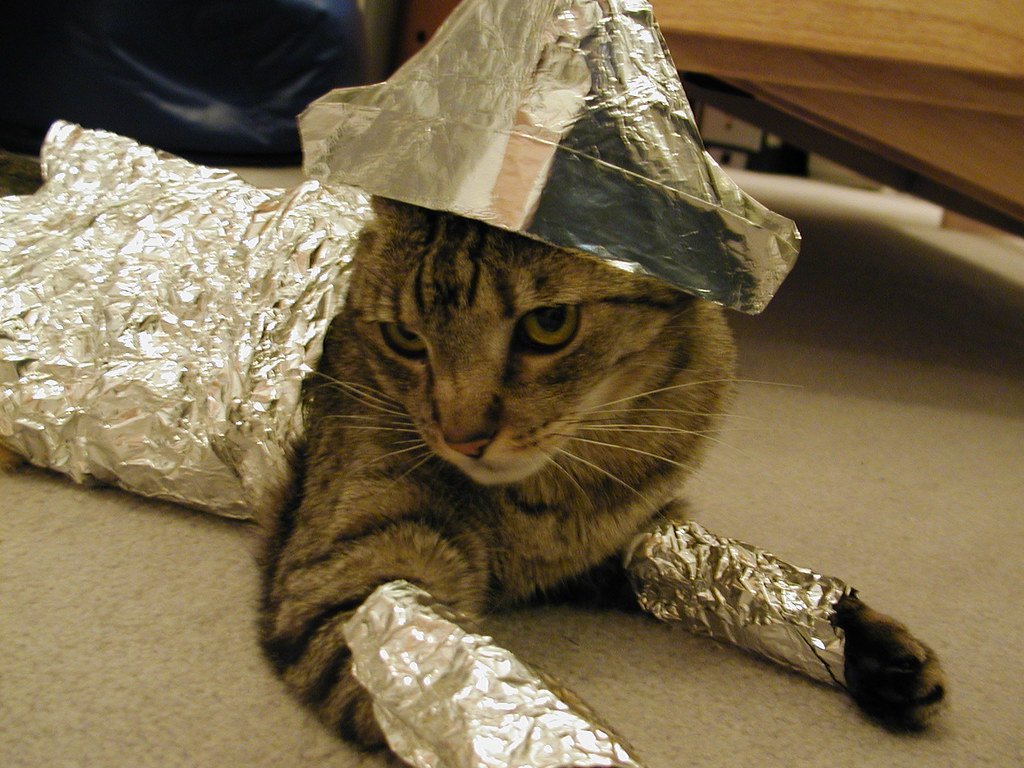
Tin foil is unpredictable to cats. Its shiny surface catches light and moves in strange ways, and the crinkling noise can sound a lot like danger. For a cat, this is a double whammy: their eyes see a sudden, unfamiliar object, and their ears pick up a noise that spells trouble. The result? Instant anxiety.
This isn’t the same as a playful scare, like when you hide behind a door and jump out at a friend. The cat doesn’t understand the joke. Instead, the fear can stick around, making your pet wary of places where it once felt safe. Over time, repeated scares can make your cat jumpy or even aggressive. No one wants their beloved pet to associate their home with fear.
The Emotional Toll on Your Cat
Cats have feelings, just like us. When they’re scared, their bodies go into fight-or-flight mode. Their hearts pound, their breathing quickens, and their muscles tense up. Even after the scare is over, the stress can linger, making them anxious or withdrawn for hours—or even days.
Think about how you feel after a bad fright: maybe your hands shake or you have trouble relaxing. For cats, the impact can be even worse because they don’t understand why it’s happening. They trust us to keep them safe. When we scare them—especially on purpose—it can damage that trust. Over time, your cat might start avoiding you or hiding more often, just to feel secure.
Potential Health Consequences
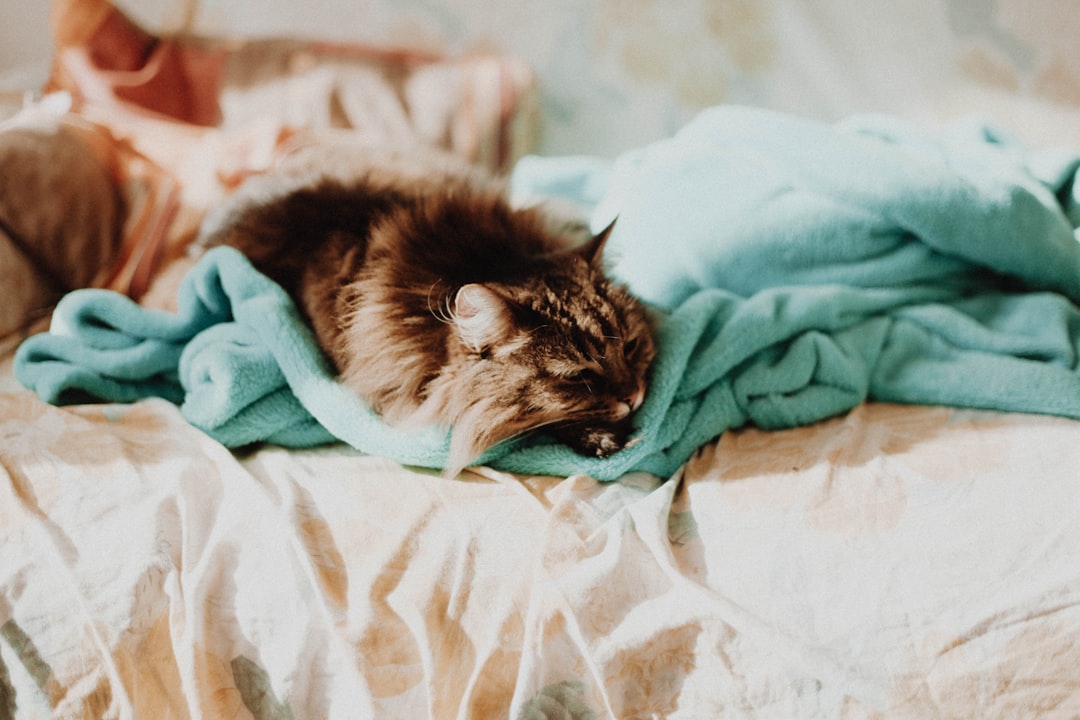
Stress isn’t just a feeling; it can actually make your cat sick. When a cat is stressed out, its immune system weakens, making it more likely to get sick. Chronic anxiety can lead to digestive problems, skin issues, and even heart trouble. Some cats begin to over-groom or stop eating altogether when they’re scared too often.
If you’ve ever dealt with a sick pet, you know how heartbreaking it is. It’s hard enough when illness is out of your control. But knowing that something as simple as a “harmless” prank might be behind your cat’s problems? That’s a heavy burden for any loving pet owner to bear.
Trust: The Cornerstone of Your Relationship
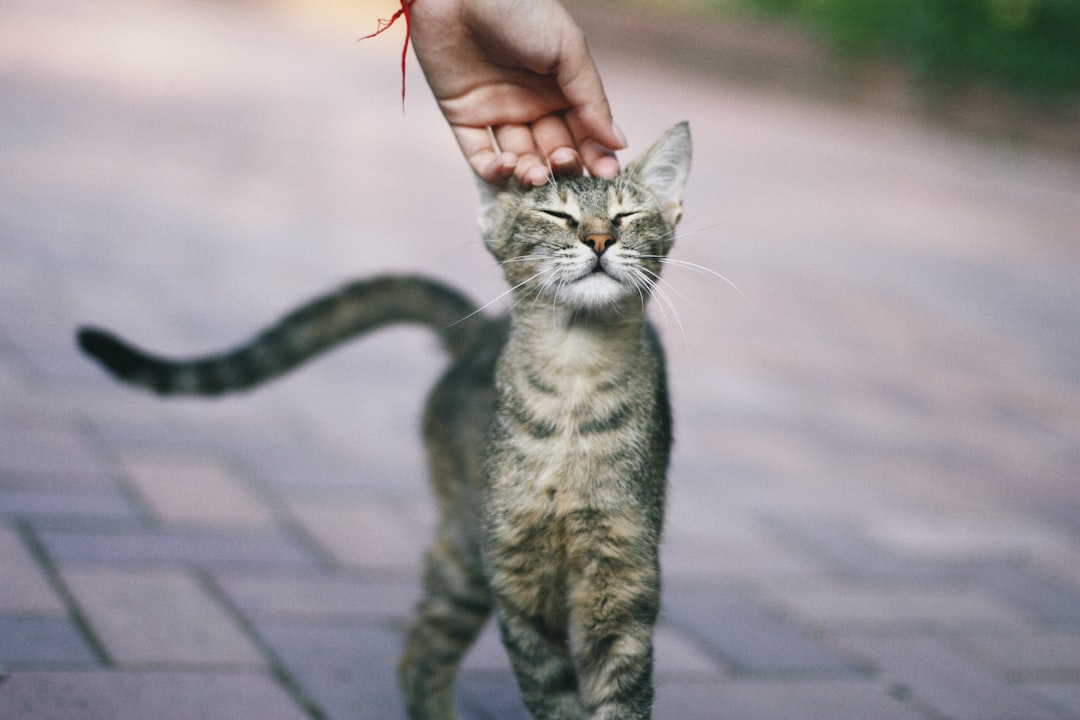
Cats might seem mysterious, but at their core, they’re creatures of habit and trust. They form strong bonds with the people who care for them. When you use tin foil to startle your cat, you might get a laugh, but you’re chipping away at that foundation of trust. Your cat might start to see you as unpredictable or even dangerous.
Building trust with a cat takes time and patience. Every little scare sets you back, making it harder for your cat to relax around you. Instead of seeing you as a safe haven, your furry friend might start to see you as just another source of stress. That’s the opposite of what any cat lover wants.
The Long-Lasting Effects of Fear
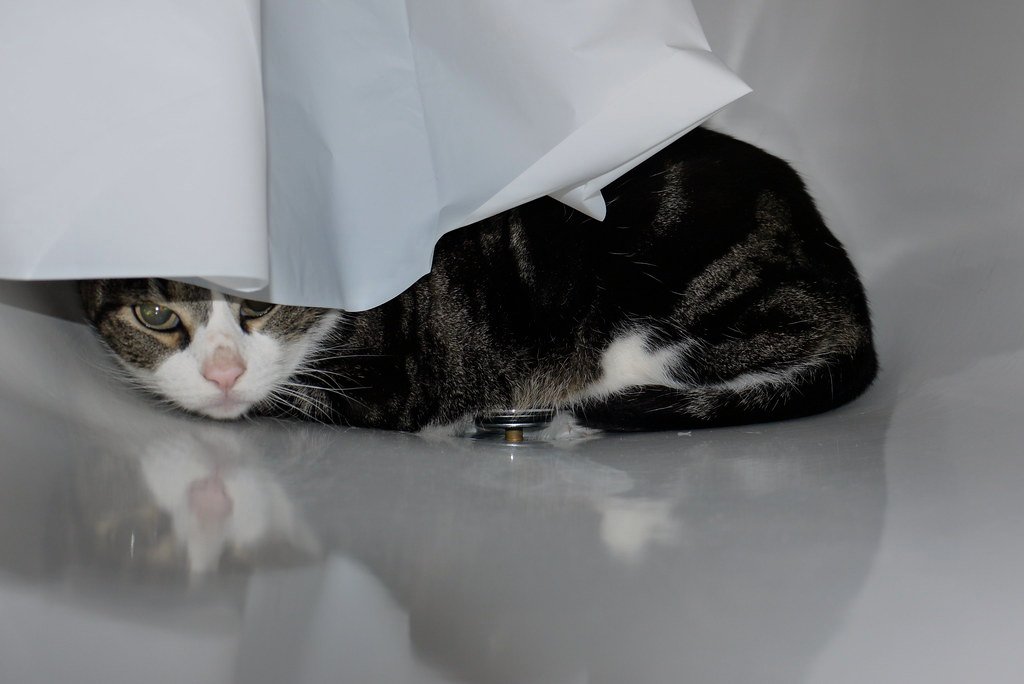
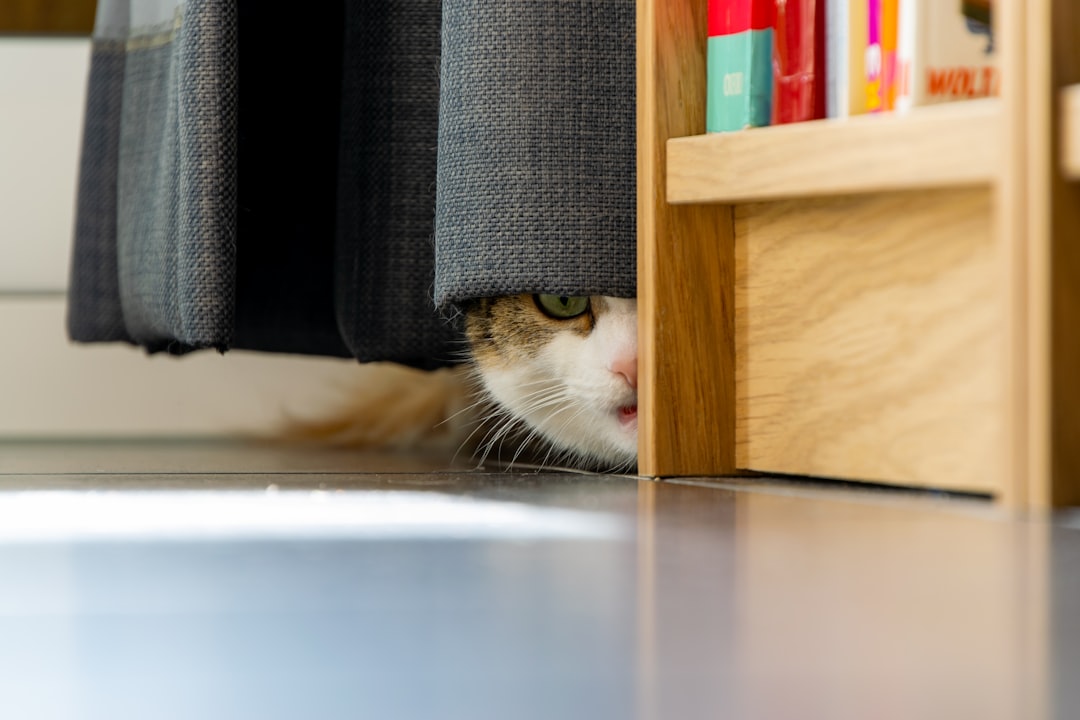
Fear isn’t always a fleeting emotion. For many cats, one bad scare can lead to lasting changes in their behavior. Some cats become skittish, hiding under beds or in closets for days. Others might lash out, scratching or biting when they feel cornered. In severe cases, a cat might develop phobias of certain rooms or objects.
I once had a cat named Luna who became terrified of the kitchen after being startled by a dropped pan. It took months of gentle coaxing to help her feel safe again. Tin foil scares might seem funny in the moment, but the aftershocks can last for far longer than you expect.
Alternatives to Tin Foil for Training

If you’re using tin foil to keep your cat off counters or furniture, there are kinder ways to set boundaries. Double-sided tape, citrus scents, or even providing a cozy cat tree as an alternative can work wonders. Cats respond well to positive reinforcement—rewarding them when they choose the right spot—rather than punishment or fear.
Think of it like raising a child. You wouldn’t want to scare them into behaving; you’d want to guide them gently, showing them where they’re welcome and where they’re not. Cats are no different. With patience and creativity, you can teach your cat the rules of the house without resorting to scary tricks.
The Power of Positive Reinforcement
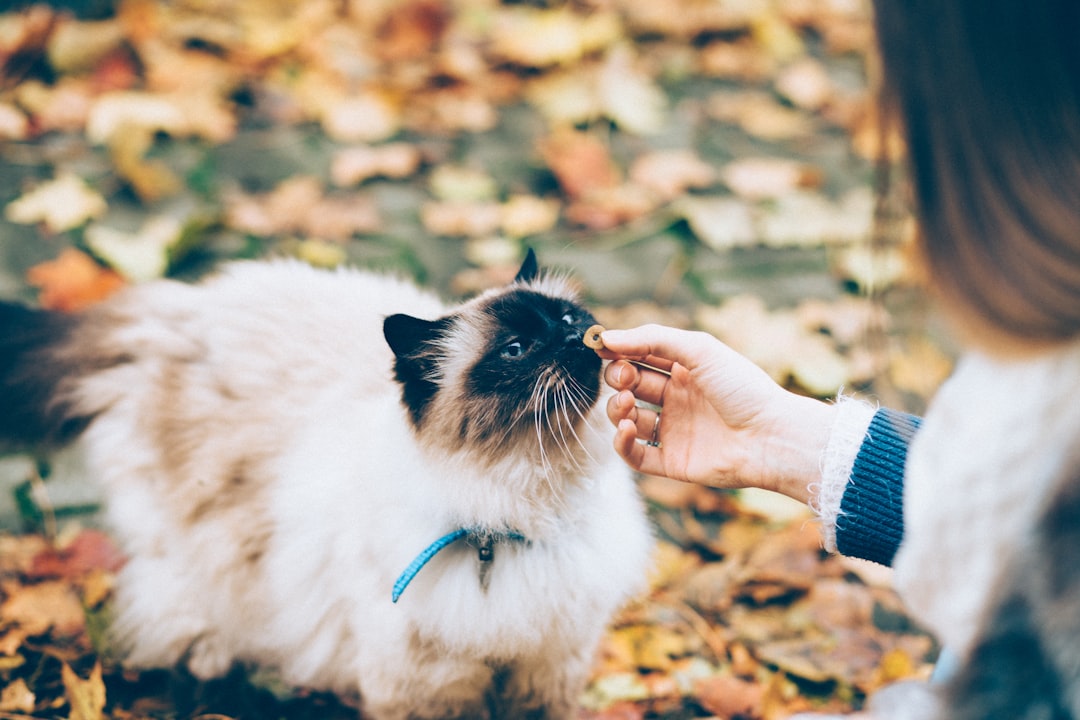
Positive reinforcement builds confidence and trust. When your cat does something you like, such as using a scratching post or staying off the counter, a treat or a kind word can go a long way. Over time, your cat learns that good things happen when they make the right choices.
This approach makes your home feel safe and predictable. Instead of living in fear of the next scare, your cat can relax and enjoy being part of the family. It’s amazing how quickly cats blossom when they feel safe and understood.
Understanding Cat Body Language
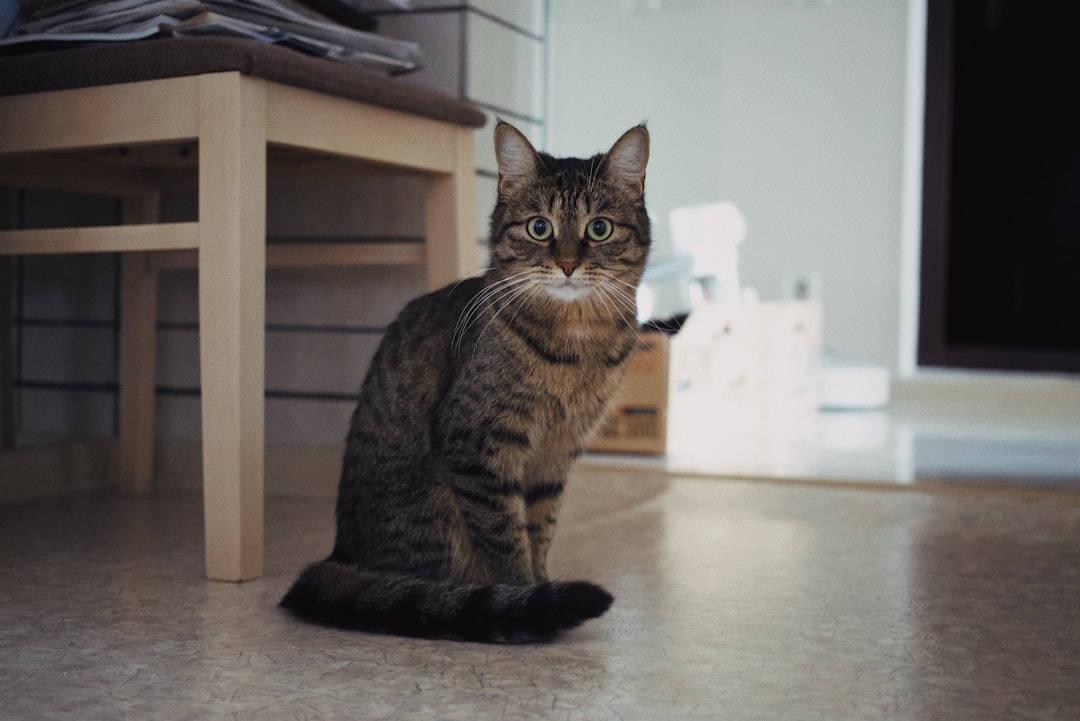
Cats communicate with their bodies. A fluffed-up tail, flattened ears, or wide eyes are all signs of fear. When you see these signals after a tin foil scare, it’s a clear message: “I’m scared, and I don’t feel safe.” Learning to read your cat’s body language can help you spot stress before it becomes a bigger problem.
By tuning in to your cat’s needs, you can offer comfort and reassurance when they’re feeling anxious. A gentle voice, a soft touch, or a quiet space to retreat can make all the difference. It’s like speaking their secret language—and it’s a powerful way to deepen your bond.
Creating a Safe and Loving Home
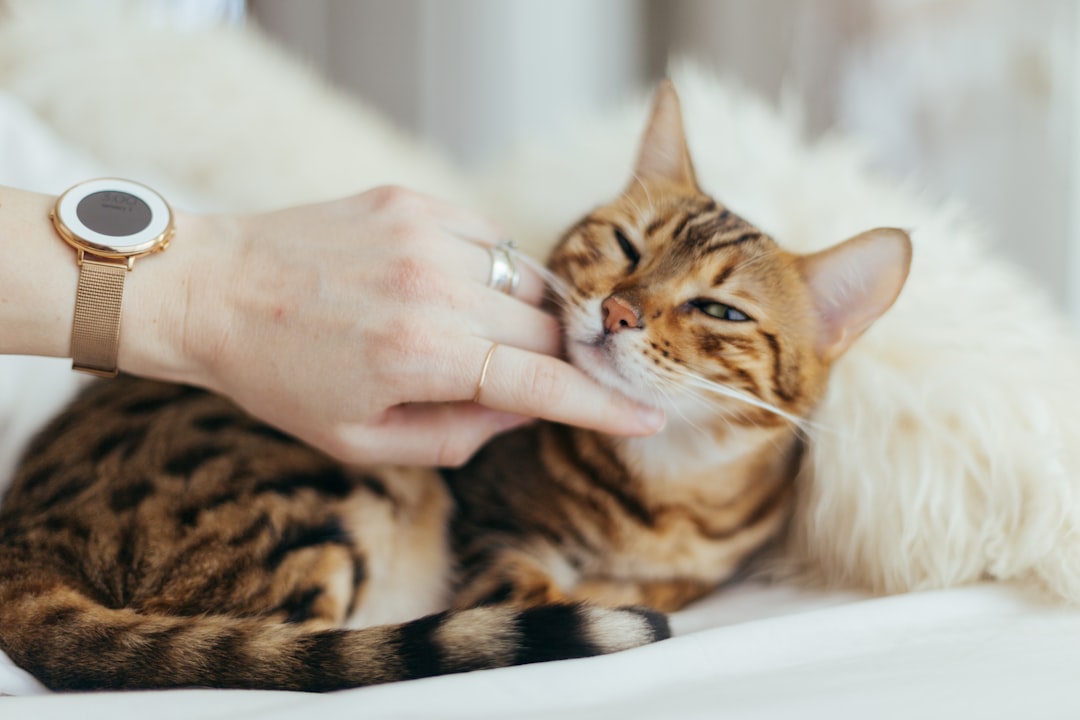
At the end of the day, your cat relies on you for comfort and security. A home filled with love, patience, and understanding is the best gift you can give. Putting away the tin foil and choosing kindness over scares sends a strong message: “You belong here, and you are safe.”
Every cat deserves a life free from unnecessary fear. By choosing compassion over convenience, you’re not just protecting your cat’s health—you’re building a relationship that’s based on trust, respect, and love. Isn’t that what every pet parent truly wants?
In the end, scaring your cat with tin foil might stop a behavior, but it can damage the bond you share. Cats thrive in calm, trusting environments—and fear only makes them feel unsafe. There are kinder, more effective ways to guide their behavior. Your cat deserves respect, even during training, and a little patience always goes a long way.


