
Picture this: you’ve just wrapped your arms around your beloved dog, squeezed them close, and breathed in that wonderful doggy smell. Then the moment you let go, they give themselves a dramatic full-body shake from nose to tail – like they’re trying to shake off a rainstorm that never happened. And you think, did they just… reset me?
If you’ve felt a tiny sting of rejection in that moment, you’re not alone. Millions of dog owners around the world have wondered the same thing. But here’s the truth: that little wiggle-shake is one of the most fascinating windows into your dog’s inner world, and understanding it might just completely transform how you and your dog connect. So let’s dive in, because the story behind that shake is so much richer than you think.
The Shake-Off: What’s Actually Happening in That Wiggle
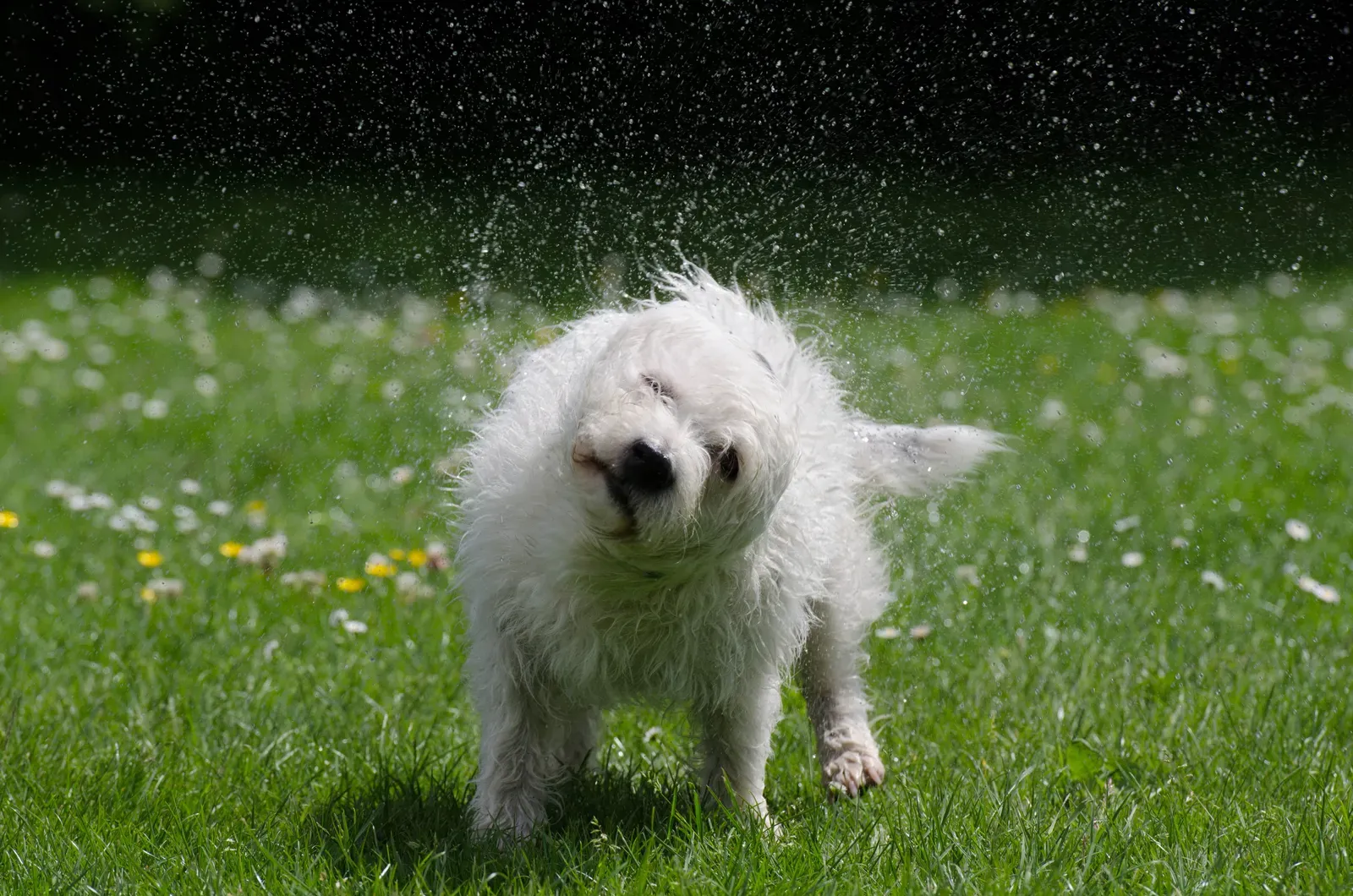
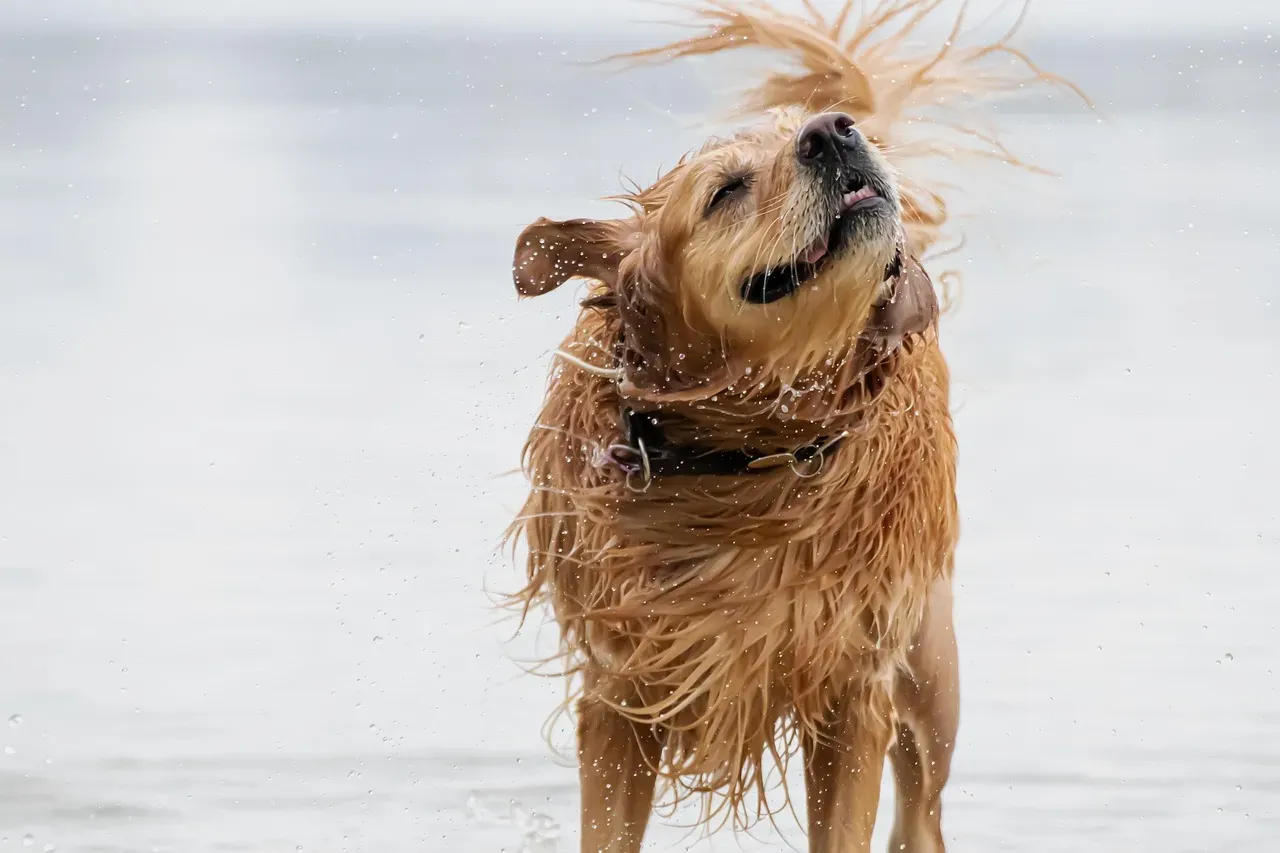
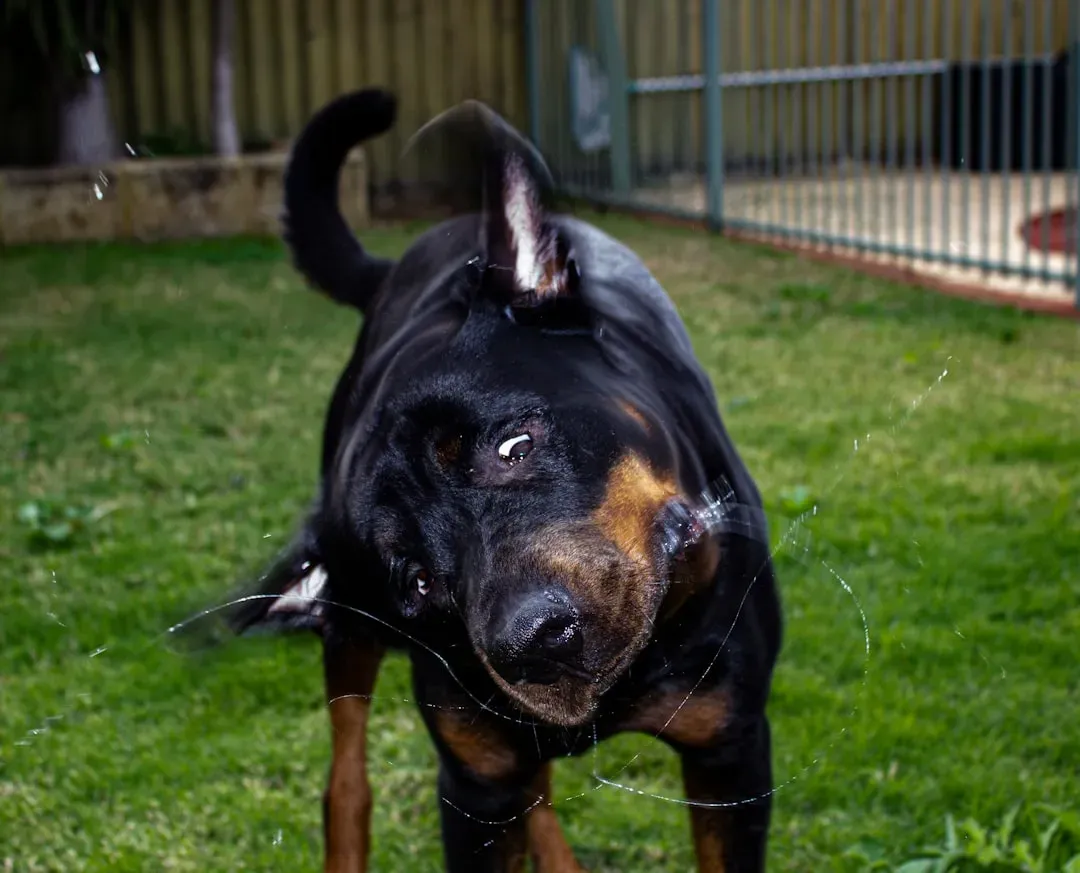
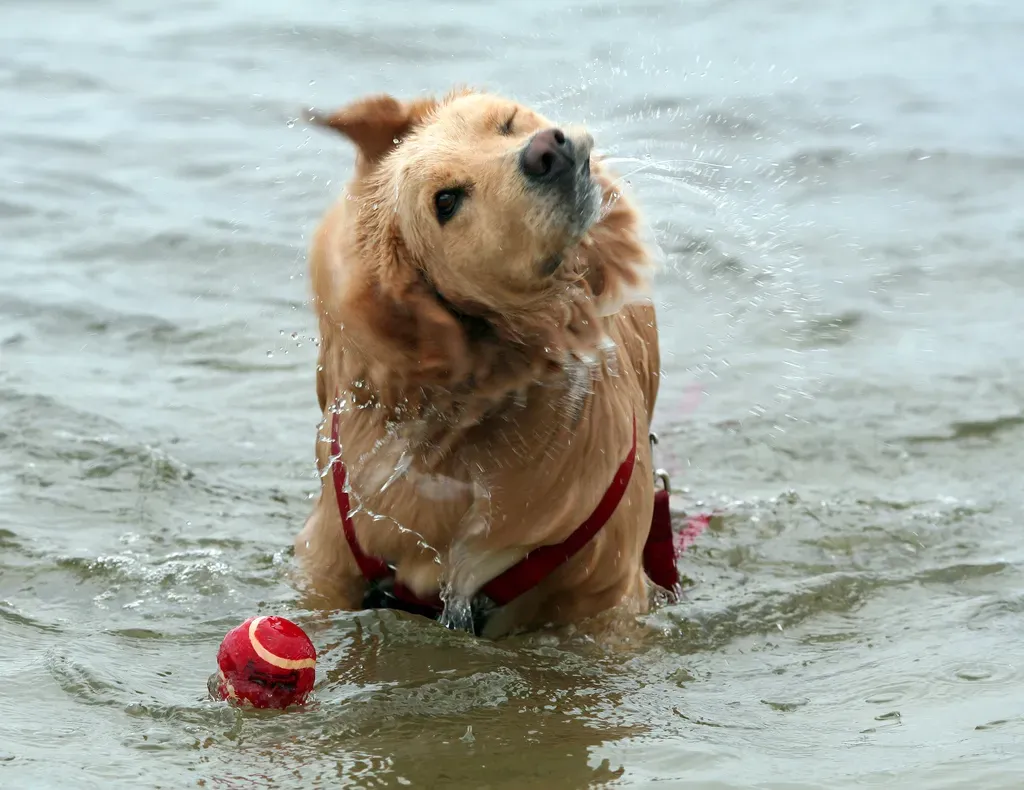
A shake-off is a quick, whole-body movement where a dog rapidly shakes its body, starting from the head and moving down to the tail. It resembles the way dogs shake off water after a swim, but it can occur in many other contexts beyond just drying themselves. Honestly, when you see it for the first time after a hug, it can feel almost comically theatrical.
The classical shake begins at the head and gradually progresses toward the tail, and to maintain balance, the front half and back half of the dog rotate in opposite directions. Think of it like a wave rolling through their entire body – purposeful, efficient, and completely instinctive.
It’s Not Rejection – It’s a Nervous System Reset
The shake-off is almost a figurative way of the dog “shaking off some stress.” It’s a coping mechanism and the dog’s version of a sigh of relief. So rather than saying “ugh, get off me,” your dog is essentially exhaling. They’re letting go of the emotional intensity of the moment.
It’s not something dogs do on purpose; rather it’s a reflex to help regulate and soothe their nervous system. According to Stanford Professor Robert Sapolsky, body shaking is also a sign of neurogenic tremors in animals. In short, when an animal is stressed, it activates its sympathetic nervous system, and this floods its system with stress hormones. After the stress, shaking the body is a way to literally shake the tension out.
Why Hugs Feel Different to Dogs Than They Do to Us
Since dogs don’t process love on the mental stage as human beings are capable of doing, they tend to respond quite differently, and so you will probably see your dog step away and then shake off the hug. We hug to communicate closeness and warmth. Dogs, though, don’t have that same cultural script.
According to veterinary experts, dogs do not inherently understand hugs the way humans do. While some dogs may tolerate or even enjoy the physical closeness, others may feel uncomfortable or stressed, and whether a dog enjoys hugs often depends on their personality and past experiences, including how well they’ve been socialized. Every dog is a unique individual, and that’s worth holding onto.
The Science of Stress Behind a Squeeze
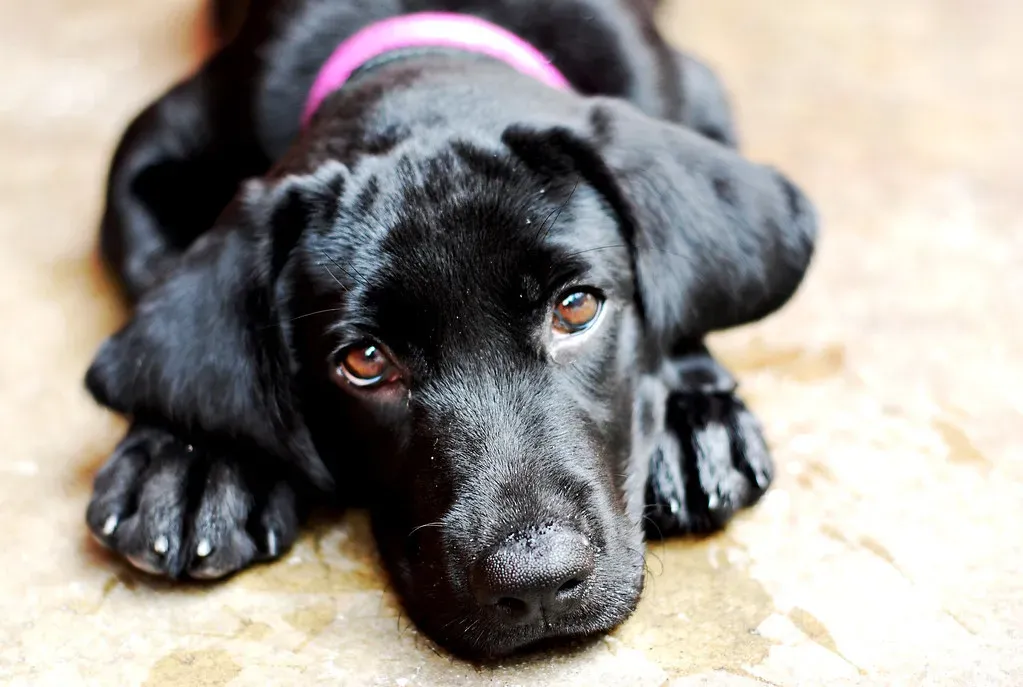
One study of 250 photographs of people hugging their dogs found that roughly four out of five showed at least one sign of stress. A further study of videos found that nearly two-thirds of dogs who were hugged responded by trying to nip or bite. That’s a striking finding, and I know it might sting a little to hear.
For little things like being petted by a stranger, a dog’s body can release a small rush of adrenaline and cortisol. Shaking the body afterward is a way to eliminate that inner tension. The shake, then, isn’t drama – it’s biology doing its job beautifully.
Good Stress vs. Bad Stress: Yes, There’s a Difference
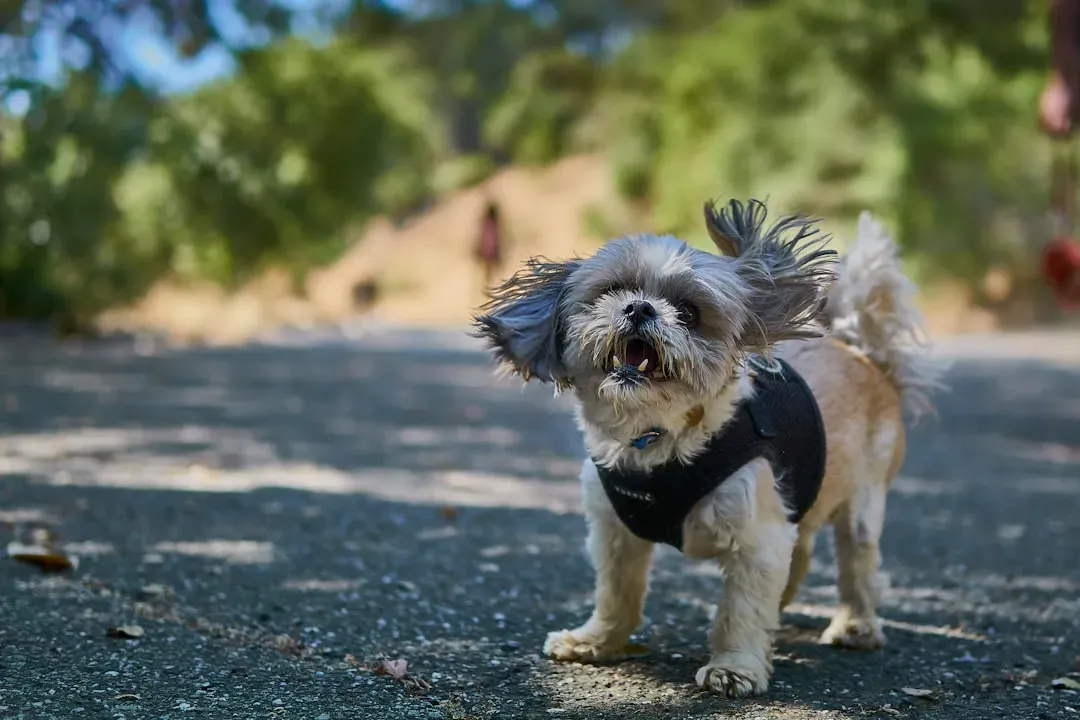
Dogs shake off both good and bad stress. Certified dog behavior consultants say they love to see a good shake-off after a vigorous play session or a stressful event. So the shake isn’t automatically a red flag. Sometimes it’s the opposite.
A dog who shakes off vigorously after being petted for an extended period may be signaling a need for a break, while a light, gentle shake may simply be a sign of contentment. Understanding these cues can help dog owners recognize when their pet is feeling overwhelmed and respect their boundaries. Context, as always, is king.
Reading the Full Picture: Body Language Clues Around the Shake
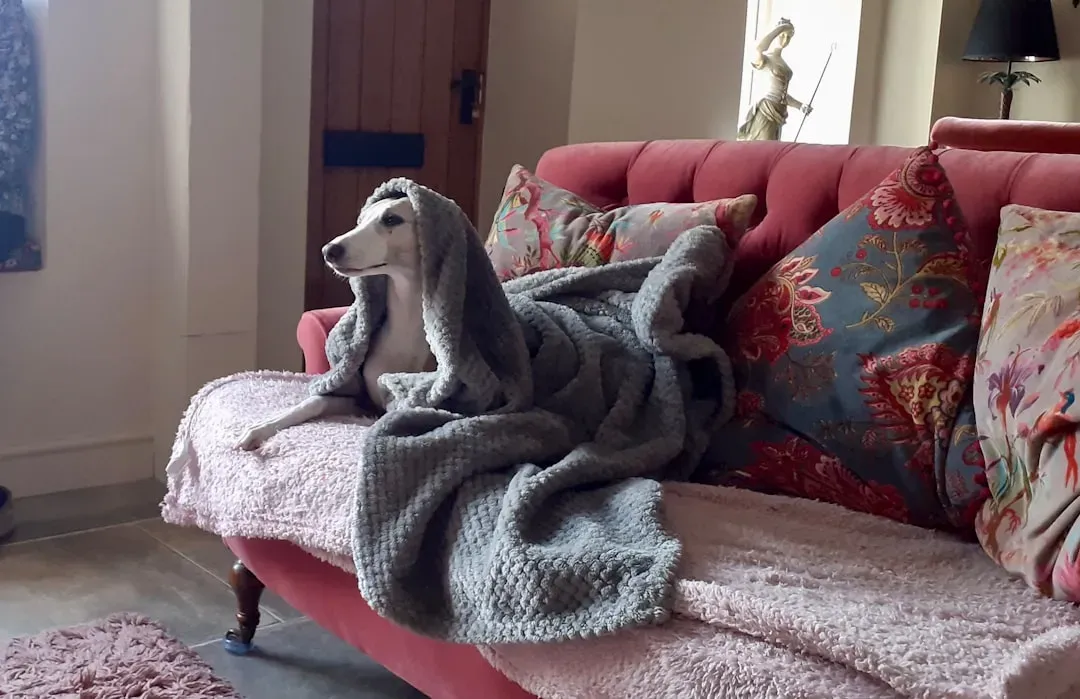
If it’s pleasure, the dog looks relaxed and happy, with loose movements and a wagging tail, and may also have a content expression on their face. However, if they’re stressed, their body language is tense and may show signs like flattened ears or raised hackles, and the shake is usually more abrupt and may be followed by other stress signals like licking lips or yawning.
A relaxed dog usually has semi-erect or forward-facing ears, a soft mouth, and round eyes. When you see those signs alongside the shake, you can breathe a little easier. Your dog is processing, not protesting.
Calming Signals: The Secret Language Your Dog Speaks
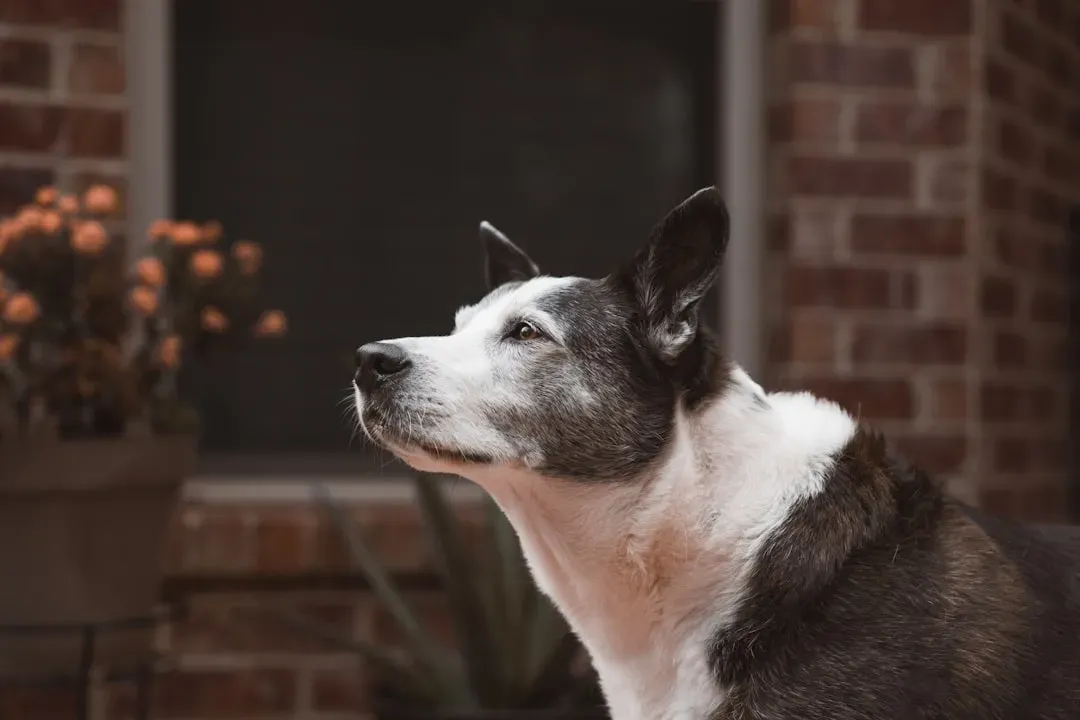
Dogs use a complex system of visual signals to communicate their emotional state, and many of these signals are designed to prevent conflict and reduce tension. These are called “calming signals” or “displacement behaviors” – subtle cues that indicate your dog is feeling uncomfortable, anxious, or stressed.
Calming signals are communicative cues used by dogs to de-escalate aggressive encounters or to prevent the development of aggressive encounters completely. They are performed by one dog and directed towards one or more individuals, which could be dogs or individuals of other species, such as humans. Learning this language is genuinely one of the most rewarding things a dog owner can do.
The Whale Eye, the Lip Lick, and Other Hug-Time Warning Signs
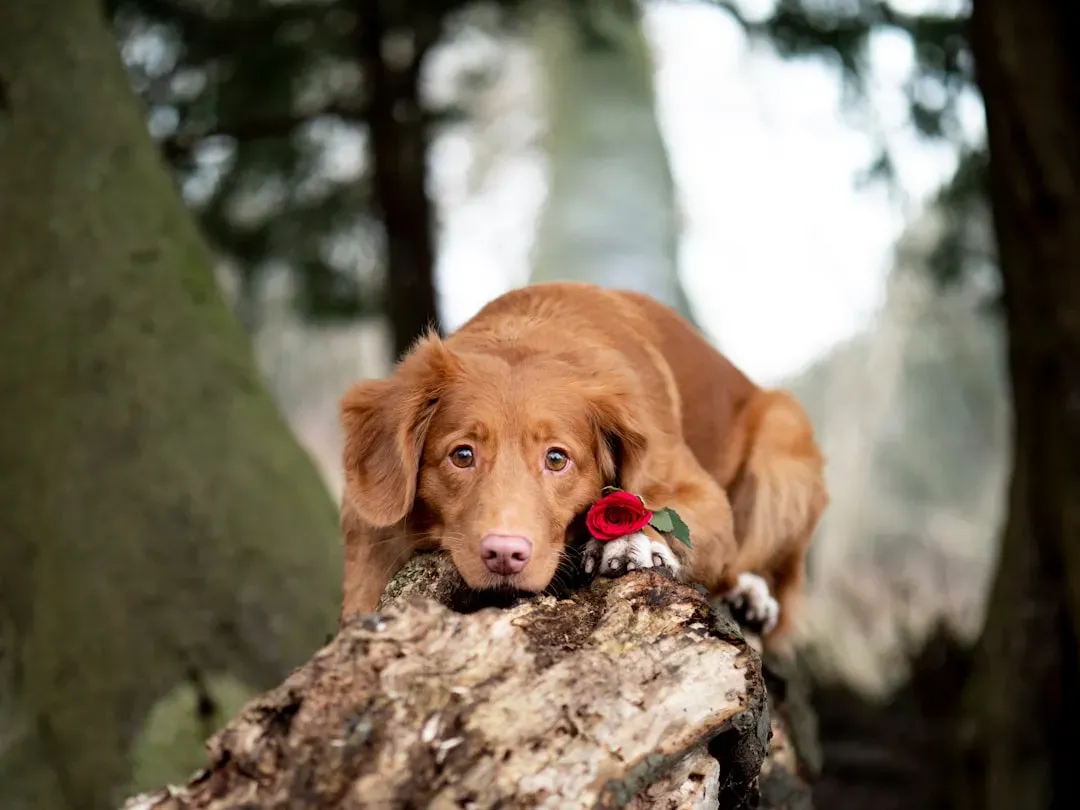
The dog communicates with body language such as whale eye, lip lick, head turn and yawn to signal she would prefer not to be hugged and did not enjoy her space being invaded. These are the whisper-level signals that often happen before or during the hug itself.
Signs of stress and anxiety in dogs include turning the head away from whatever is bothering them, closing or partially closing the eyes, lowering the ears or slicking them against the side of the head, lip licking, and half-moon eye, among others. If you see these during a cuddle session, it might be worth pausing and giving your pup some space.
The Shake as a Behavioral Transition Marker
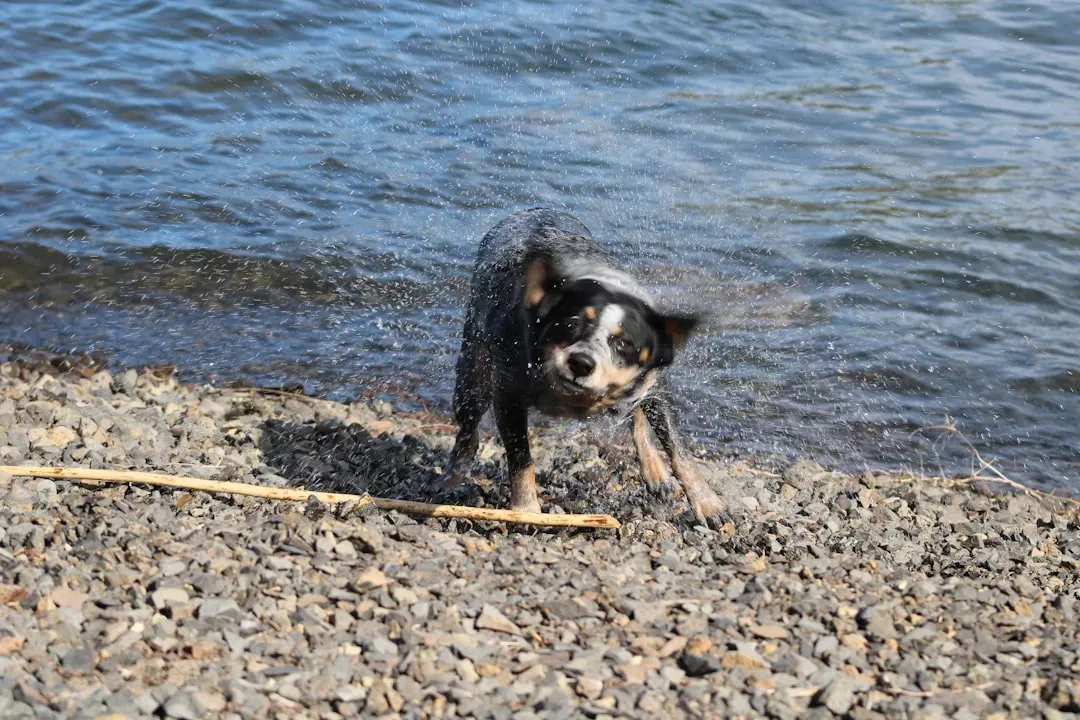
Research shows that shaking most often occurred between two distinct activities or two distinct categories of behavior, supporting the hypothesis that shaking marks a moment of behavioral transition, and was not necessarily linked to changes in postures related to affect. Think of it like a dog pressing the reset button to move cleanly from one moment to the next.
You may notice the shake-off after an event that may have been taxing or stressful for the dog. It is almost as if it signifies a break from whatever had just occurred, allowing the dog to reframe the event, pause and move on from it. There’s something almost meditative about that, isn’t there?
When Two Dogs Shake It Off Together
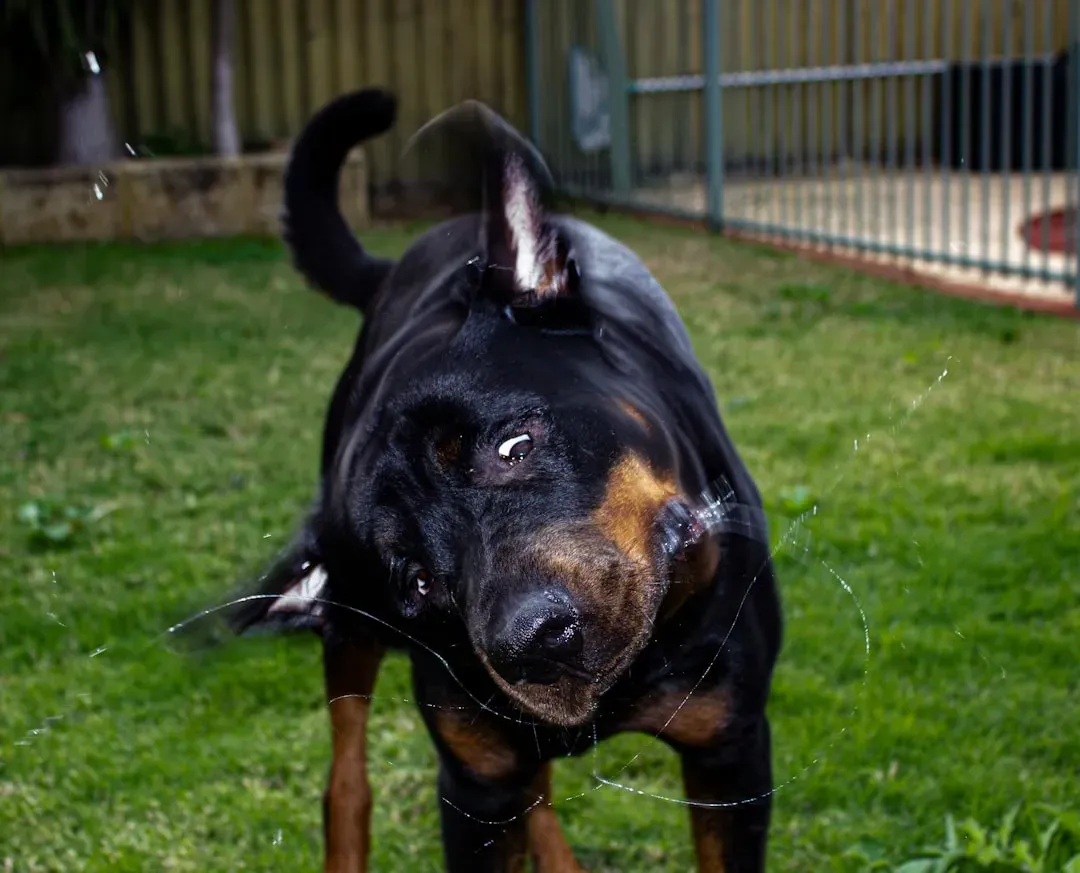
When the play between two dogs gets a little rough, first one dog, and then invariably the other in an interesting act of syncopation, stop what they’re doing and shake themselves off just as if they were drying off after a swim. This synchronized shaking is actually a socially meaningful act.
The behavior indicates that the dog is coming down off adrenaline and moving into a Thinking or Responding state, and this may feel comforting for other dogs in the area. It’s like a collective deep breath between friends after a heated game of tag.
Does Your Dog Actually Enjoy Hugs? Here’s How to Tell
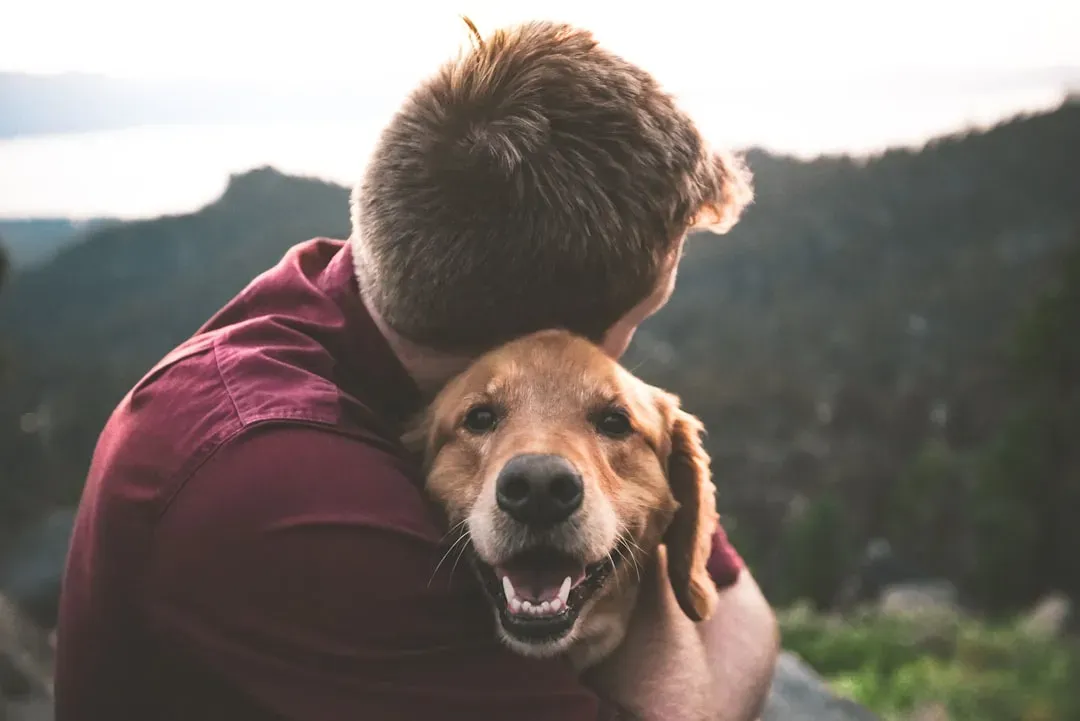
Relaxed body language is one of the clearest ways to tell that your dog is comfortable with affection. When a dog is at ease, their muscles are loose, their eyes are soft, and they may wag their tail. They might also blink slowly or have an open mouth with a relaxed tongue.
Dogs who enjoy hugs will often push into the contact rather than pull away. Leaning into you can also be a dog’s way of seeking more affection, especially if paired with other relaxed body cues like soft eyes or a wagging tail. When your dog leans in, that’s the real hug. The one they’re choosing.
Every Dog Is Different: Personality, Breed, and History Matter
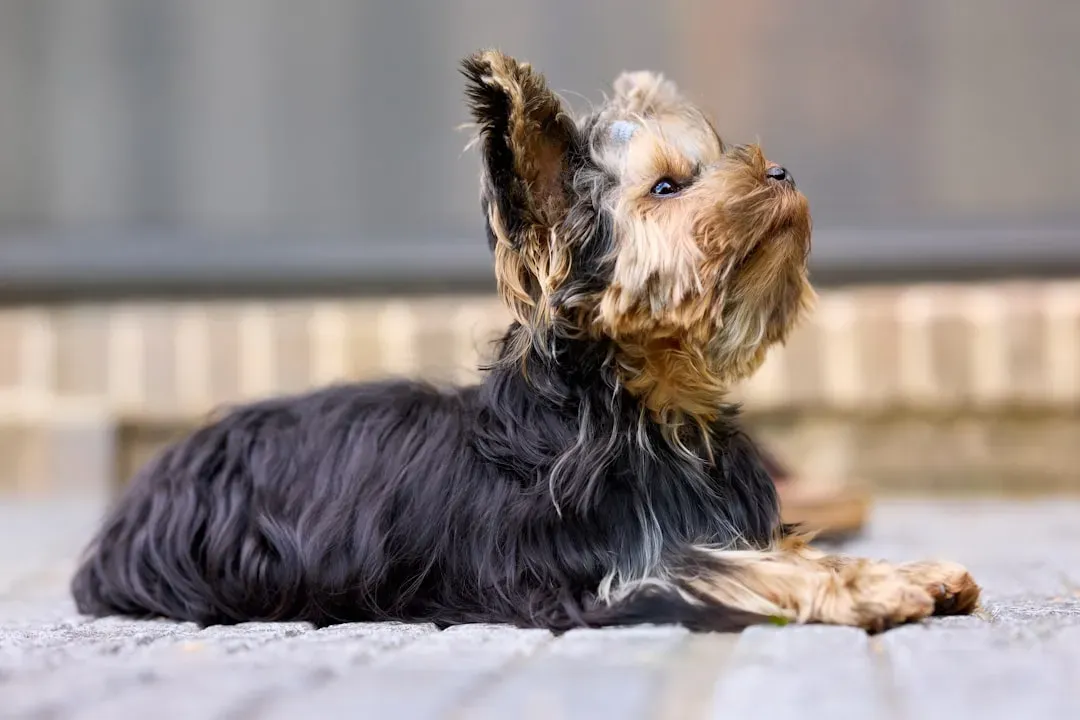
A dog’s breed can influence how they express themselves. Smaller breeds may shake more frequently due to their size and temperature regulation needs, while larger breeds might shake less often. Understanding these breed-specific behaviors can help you respond better to your dog’s individual needs and personality.
The nature of your interactions with your dog shapes their responses. Regular affectionate behavior can make them more likely to shake with joy, while uncertainty about your affection may lead to stress-related shaking. A dog with a difficult past may need extra time before even gentle touch feels safe.
Rescue Dogs and the Extra Layer of Sensitivity
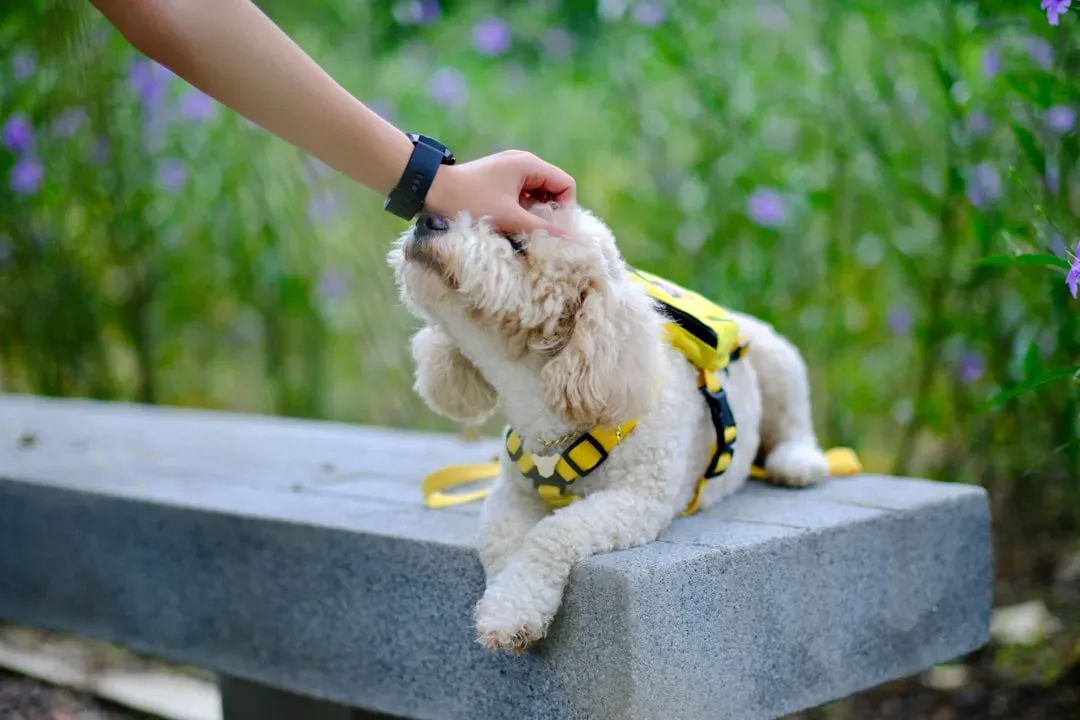
You may run across this from a rescue dog, depending on the dog’s past and how they were treated. Your dog may be in pain if you touch or pet a specific area that hurts, resulting in shaking away from your hand. Rescue dogs carry stories we’ll never fully know, and their shake-off might be carrying more weight than usual.
If a dog has experienced rough handling, rebuilding trust takes time. Wait for clear body language cues that indicate your dog is comfortable with physical affection. This isn’t about holding back your love – it’s about offering it in the form your dog can receive.
The Adrenaline Flush: What’s Happening Inside Their Body
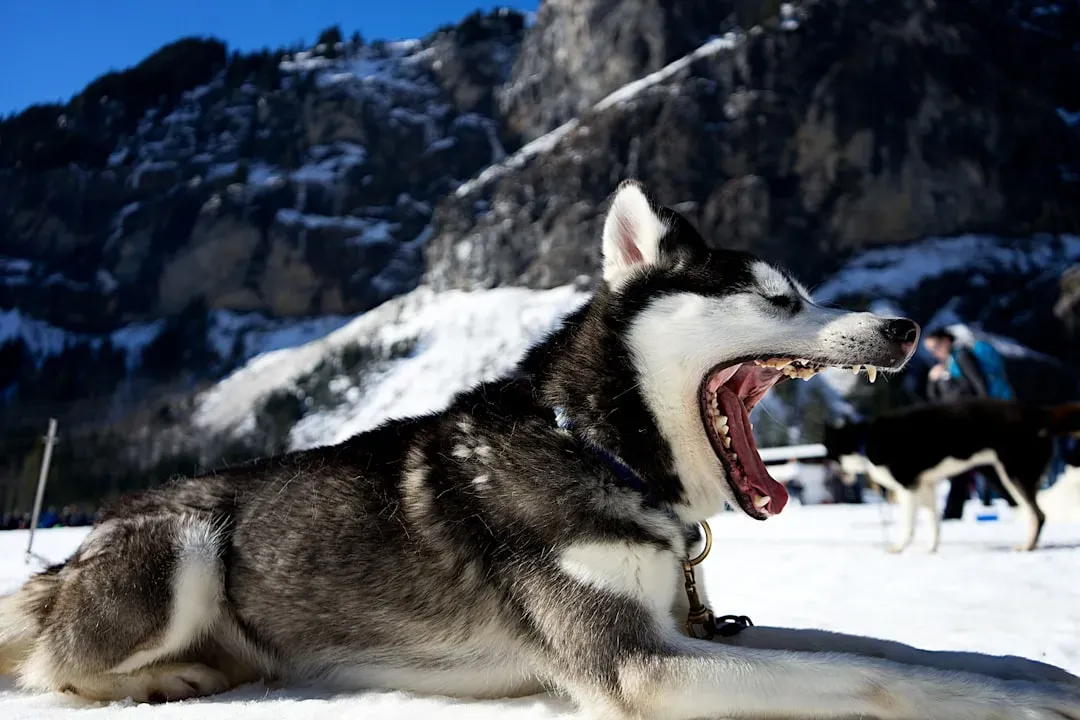
Dogs go through physiological reactions when they feel frightened or uneasy. Their bodies release adrenaline in response to these triggers, which readies them for either fighting or running away. Shaking can stem from the adrenaline release or from shaking off the stress.
This type of shake-off is sometimes called an adrenaline flush. In this case, stress can mean physical or emotional stress that’s either negative or positive. Your hug, full of love as it is, still triggers this chemical cascade – and the shake is the body’s elegant solution.
What a Vigorous Shake vs. a Gentle One Is Telling You
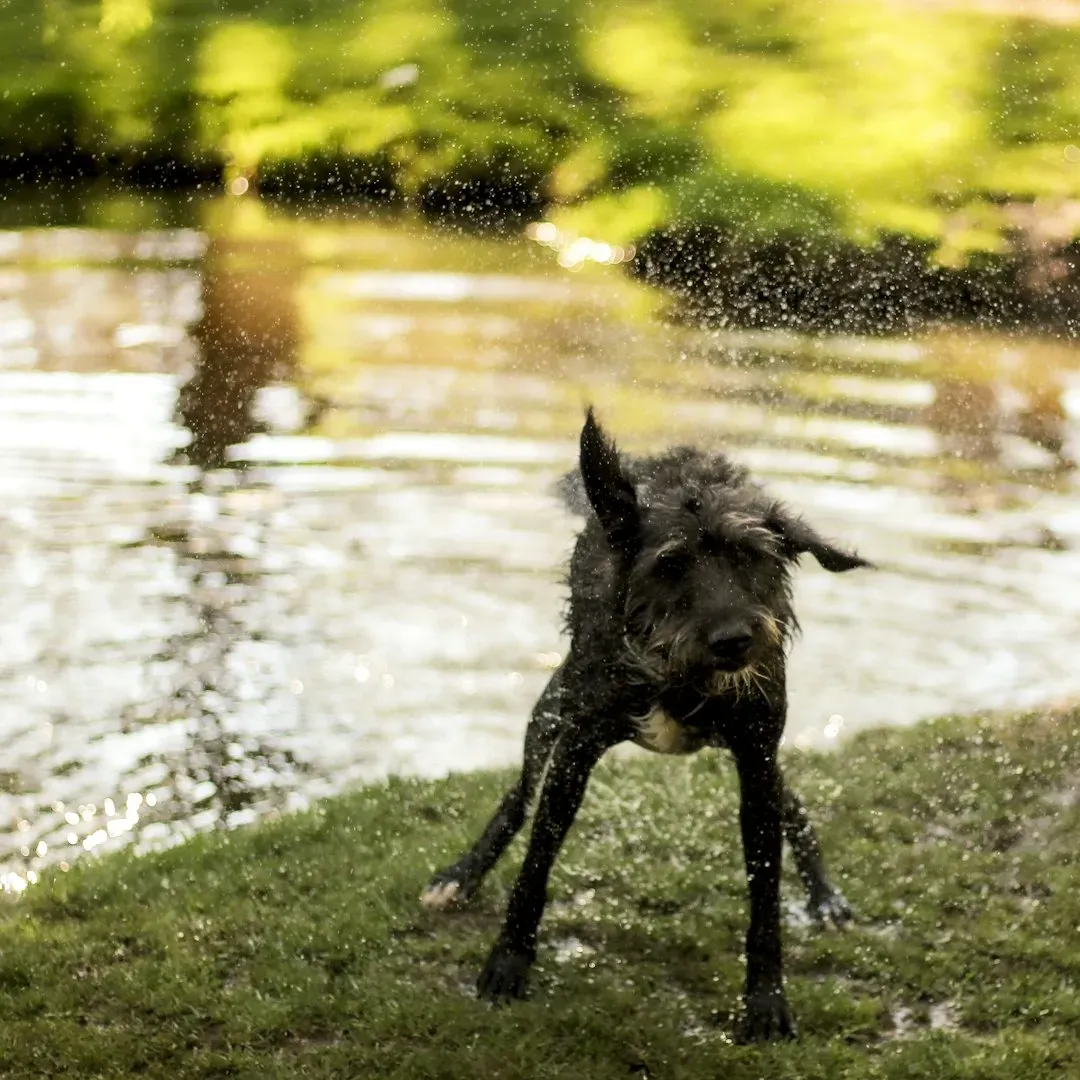
If a dog shakes a lot after being petted, it might mean they’re too excited or nervous. A slow shake could show that the dog is content and relaxed. Intensity matters enormously. There’s a big difference between a dramatic full-body shimmy and a casual, almost lazy roll of the shoulders.
If your dog shakes off after being touched, it doesn’t necessarily mean they dislike it – it might just be their way of recalibrating. Like a person who shakes off a compliment because they don’t quite know how to hold it. Processing, not rejecting.
When to Worry: Medical Reasons Behind Unusual Shaking
If your dog suddenly starts shaking and trembling and it’s not cold, be alert to health issues. Sudden shaking or trembling could be a sign of seizures, kidney disease, injury, or poisoning. Other signs like vomiting, diarrhea, and loss of consciousness could all signal a medical emergency.
Be alert if your dog is shaking excessively or compulsively, if the shake-off is accompanied by scratching, head tilting, or signs of discomfort, or if your dog seems unusually stressed in their environment. If any of these signs appear, consult a veterinarian to rule out medical issues.
The Consent Check: Pausing to Ask Your Dog
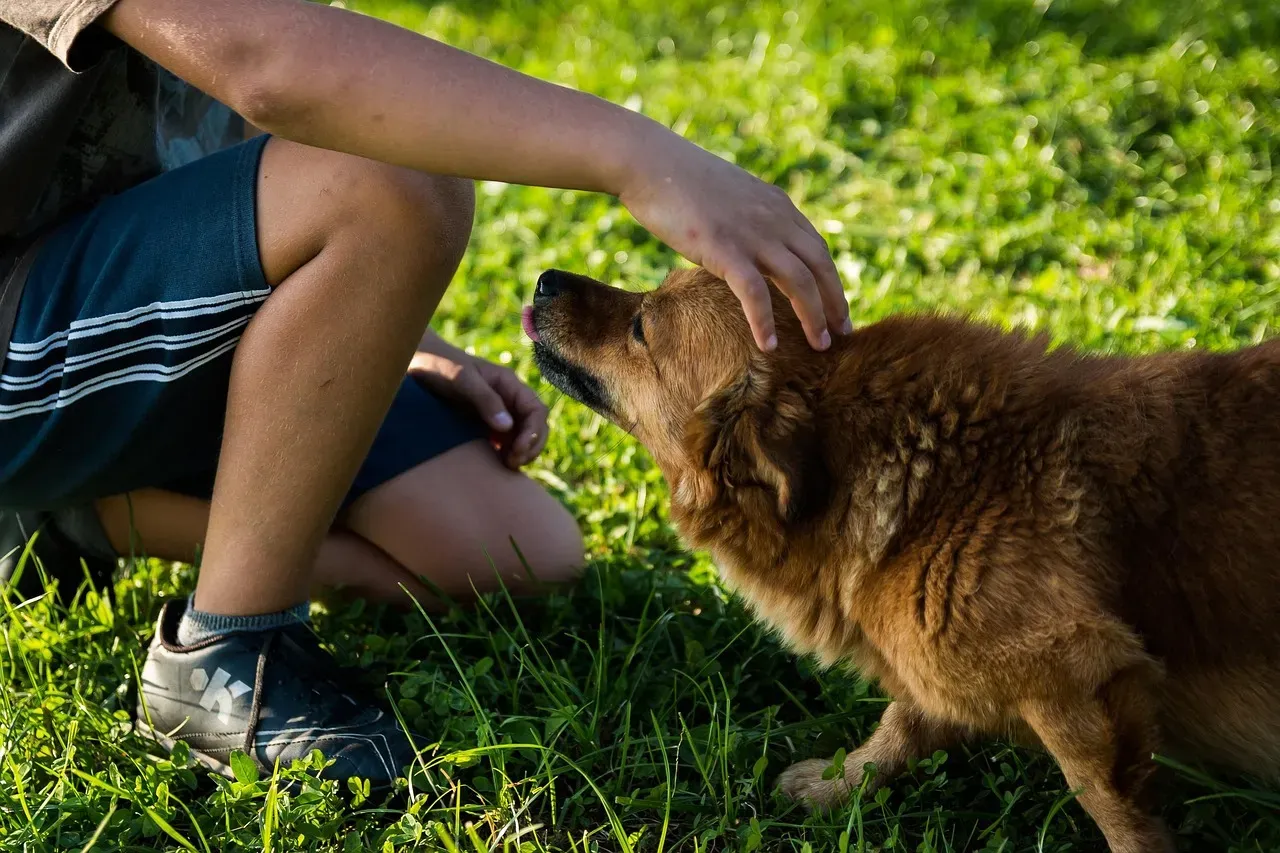
Pet the chest or side of the neck rather than patting on top of the head. Use slow, steady strokes instead of rapid rubbing. Pause every few seconds and see if your dog re-engages – a great consent check. Watch for loose muscles, soft eyes, and a relaxed mouth. These small changes can reduce stress-release shaking and make handling more comfortable.
This is honestly one of the most powerful habits any dog owner can build. It transforms petting from something you do to your dog into something you share with your dog. A small pause, a moment of listening – it changes everything.
How to Hug Smarter: Adapting Your Affection
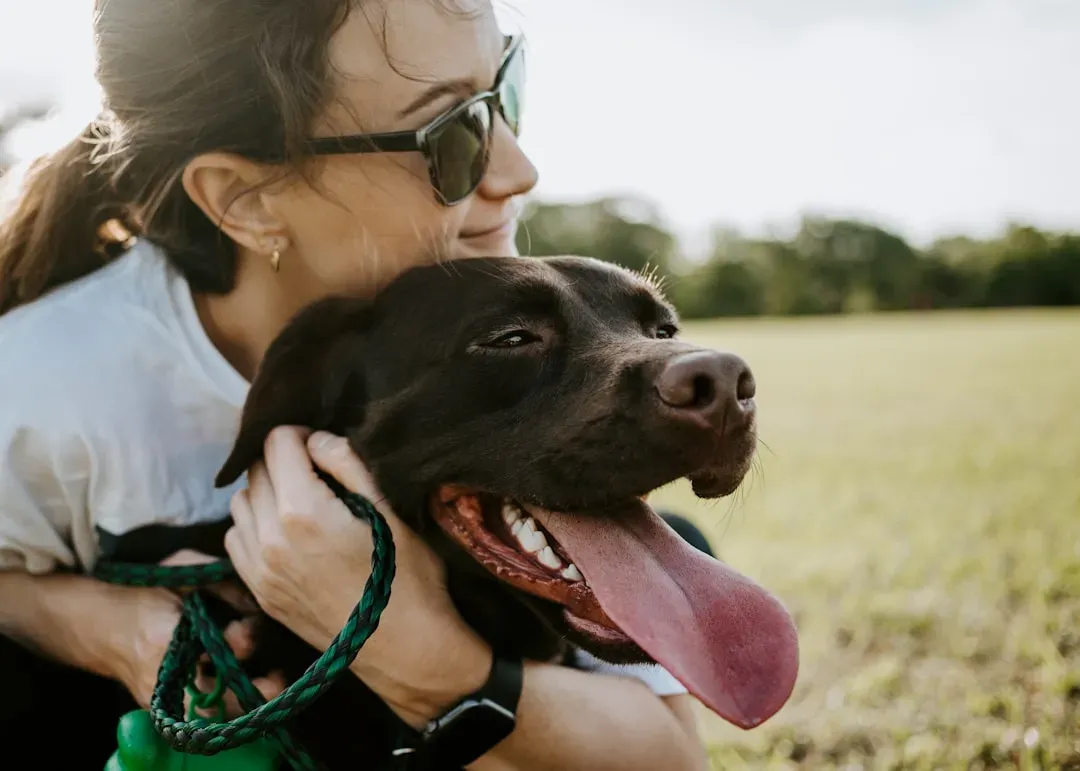
Not all hugs are equal, and different styles of hugs may be tolerated, or even enjoyed, more than others. A side-on lean-in, for instance, tends to feel far less threatening than a full frontal, head-over-the-shoulder embrace.
This doesn’t mean you should never hug your dog again. The take-home message is not to assume all dogs like hugs because it’s quite likely the opposite is true. Instead, err on the side of caution, especially if you have a dog with an unknown history, young children, or a dog that is fearful or anxious.
Children and Dogs: A Word of Gentle Caution
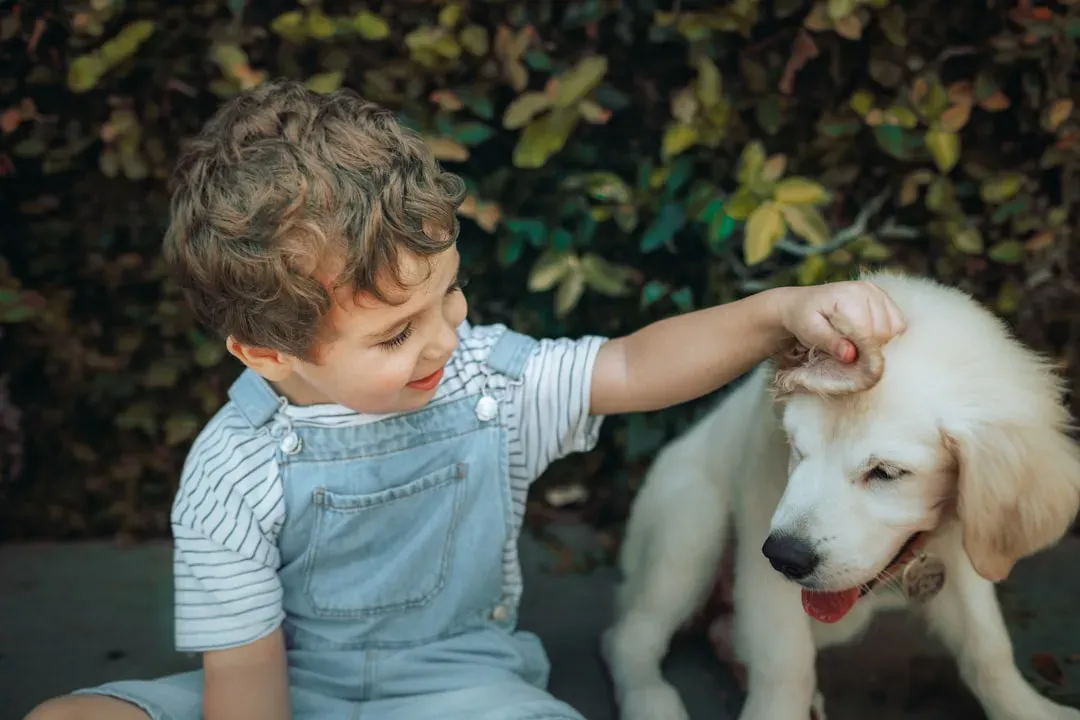
While many people feel that dogs tolerate hugging well, some dogs find it threatening. Sadly, children get bitten by dogs because they try to hug the dog or approach them at eye level. This is one of those facts that deserves to be shouted from the rooftops, honestly.
Teach children not to hug or even approach dogs they don’t know. Teach them that dogs prefer a gentle scratch under the chin or on their chest, shoulder or back – and only if the dog is relaxed and approaches calmly of their own accord to interact. Teaching this to kids is one of the best gifts you can give both the children and the dogs in your life.
Better Ways to Show Dogs Love – In Their Own Language

You can show your dog you love them just by petting them. Touching a dog releases oxytocin for both of you, which is a hormone that makes you feel good. So if your dog enjoys it, there’s no reason to hold back on the pets and belly rubs.
When you rub your dog’s ears, their bodies produce endorphins – hormones that cause pleasure for your pup. A gentle ear massage in a circular motion is enough for your dog to know how you feel. Simple, slow, intentional touch. That’s the love language dogs were born for.
Oxytocin, Eye Contact, and the Love Hormone Connection
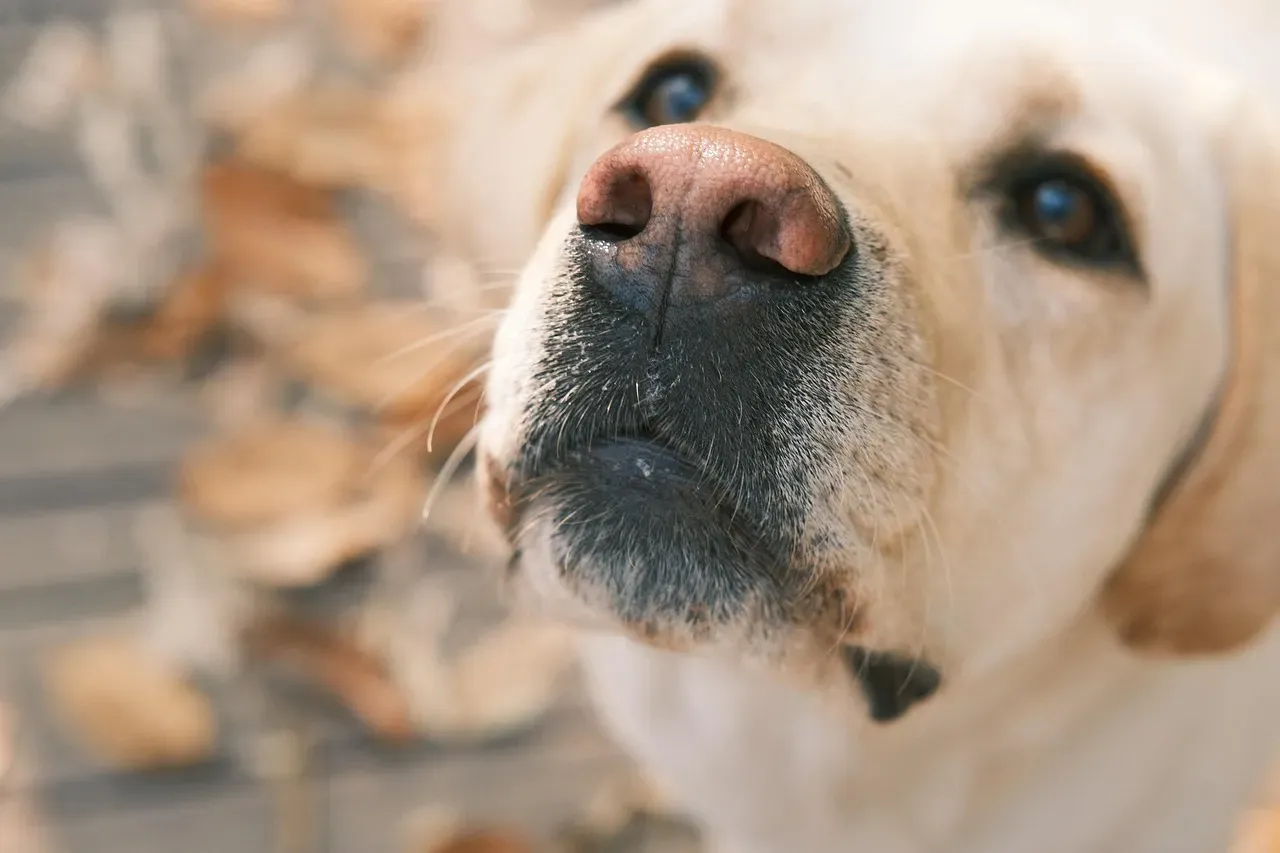
Dogs get the same oxytocin rush that we do. Oxytocin is known as the “love hormone” for its role in securing bonds, and it can surge when pet parents gaze at, speak to, pet, or otherwise interact with their dog. Dopamine can also boost their reward center, signaling that the feeling they’re experiencing is positive.
Some studies show that maintaining eye contact between dogs and owners increases oxytocin levels in both. This hormone supports bonding in the same way it does between human parents and children. So the next time you want to tell your dog you love them deeply, try a soft, slow gaze. They’ll feel it.
After the Shake, What Comes Next? Reading the Follow-Through
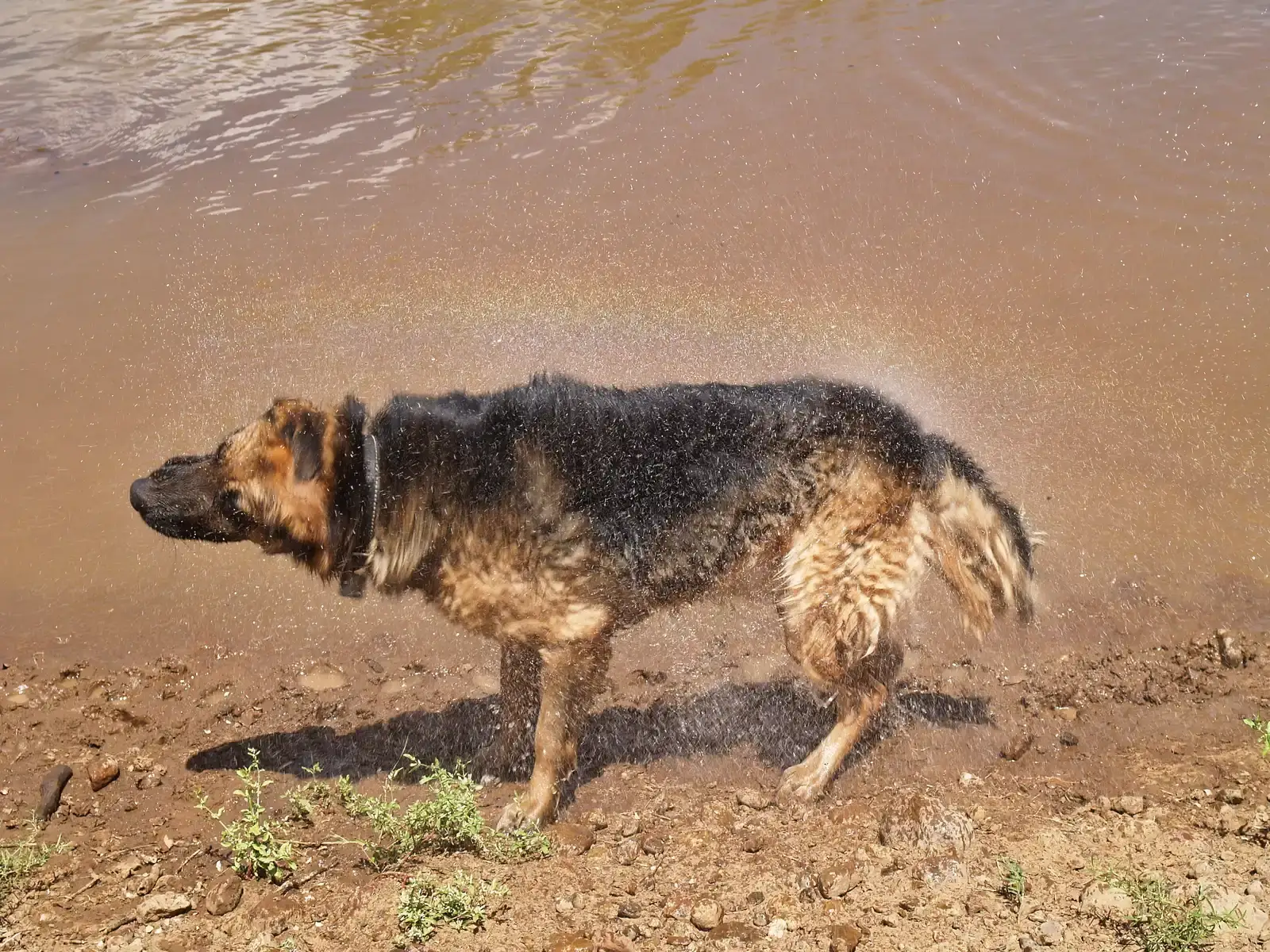
Why dogs shake their bodies after you pet them is often about transitioning and regulating arousal, not rejecting affection. Many dogs enjoy petting but still shake afterward as a neutral “all done” signal.
If your dog shakes off after an interaction, give them space to process their emotions. Watch what they do in the seconds that follow. Do they wander off calmly? Come back and nudge you? Those follow-up moments are often the truest signal of how they really felt about the whole thing.
How This Knowledge Can Deepen Your Bond
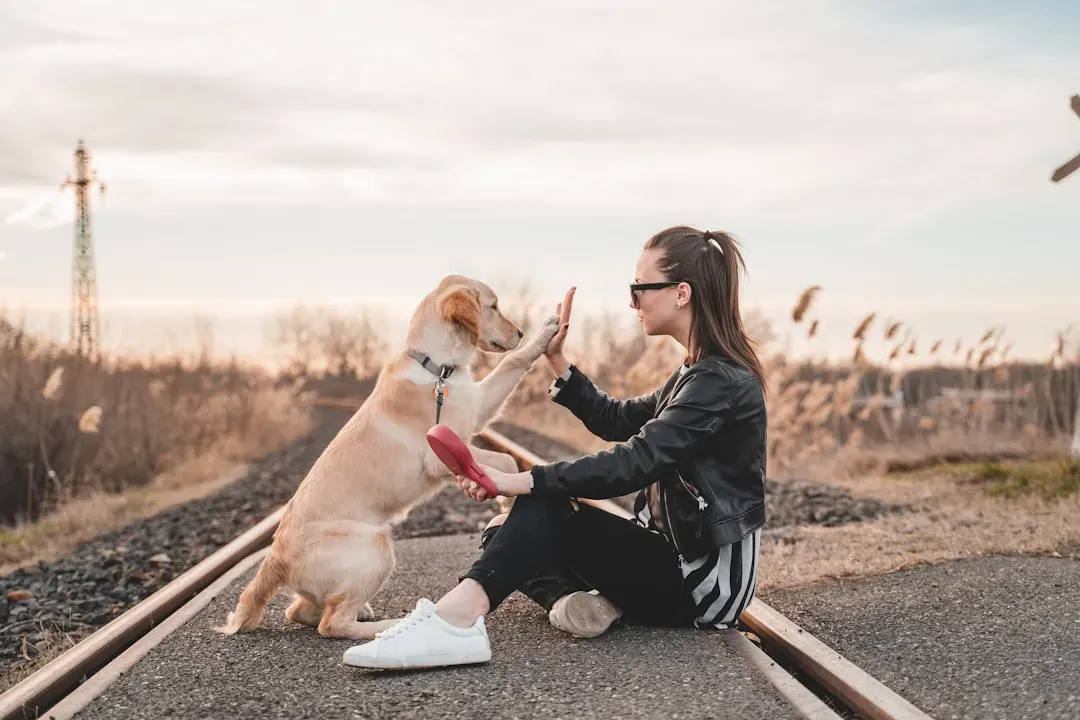
By paying attention to when and why your dog shakes off, you can better interpret their body language, respect their feelings, and strengthen your bond. That’s not a small thing. That’s everything, really.
When we learn their language, we love them better, and they feel safer with us. Every lick, tail wag, lean, or toy drop is your dog’s way of saying, “You matter to me.” The more fluently you speak dog, the deeper the friendship becomes.
Signs Your Dog Genuinely Loves You Back
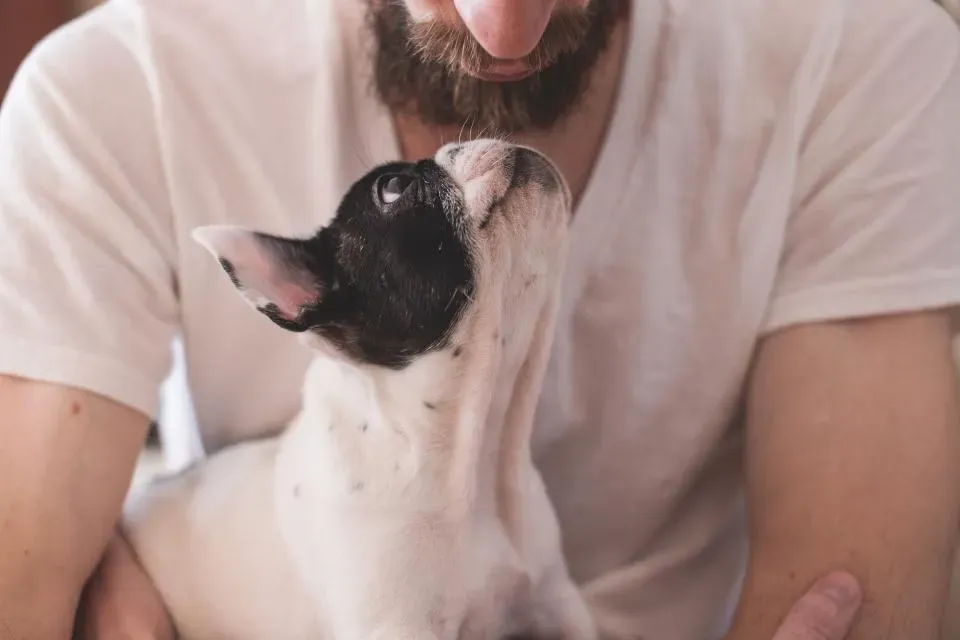
Signs your dog loves you may include wagging their tail when they see you, holding gentle eye contact, welcoming you home, sleeping in your bed, and wiggling when you’re around. These are the moments to savor and recognize for what they are.
A full-body wiggle is a telltale sign that your pup is head-over-heels in love – they simply can’t contain their excitement. While we may never know exactly what our dogs are thinking, there’s no doubt in most pet parents’ minds that dogs are capable of love. And that love, once you understand their language, is more obvious than ever.
Conclusion: The Shake Is a Love Letter Written in Motion
Here’s the bottom line: when your dog shakes after you hug them, they are not erasing you. They are not hitting the “undo” button on your affection. In most cases, it is a normal, healthy behavior that helps dogs release tension after excitement or stress. The key is context: a single shake after petting or play is usually a harmless reset, while frequent or intense shaking paired with itching, pain signals, or fear deserves attention.
Your dog is doing something remarkable every time they shake. They are managing their own inner world, self-regulating, and telling you – in the only language they have – exactly what they need. Learning to hear that message is one of the greatest acts of love you can offer them. The more we listen to what our dogs are telling us, the better we can support them in leading happy, stress-free lives.
Now that you know all of this – does your dog’s post-hug shake feel different to you? Drop your thoughts in the comments. We’d love to hear your story.


