
There is a strange, quiet week that often happens before a dog passes. It does not always look dramatic or obvious; more often, it is a collection of tiny, easily dismissed changes that only make sense later, when you are looking back and wishing you had understood. Many of these shifts are subtle and deeply individual, but patterns do show up again and again in veterinary reports and in the stories of people who have loved and lost dogs.
This article is not meant to scare you or make you obsess over every odd behavior. Instead, it is here to help you notice, to tune in, and to trust your gut sooner. Not every dog will show all of these signs, and some may appear over weeks or months rather than a single week. But if you are seeing several of these changes together, especially in an older or chronically ill dog, it might be time to talk calmly with your vet, adjust priorities, and focus on comfort, connection, and saying the things you do not want to leave unsaid.
1. They Quietly Change Their Eating Habits
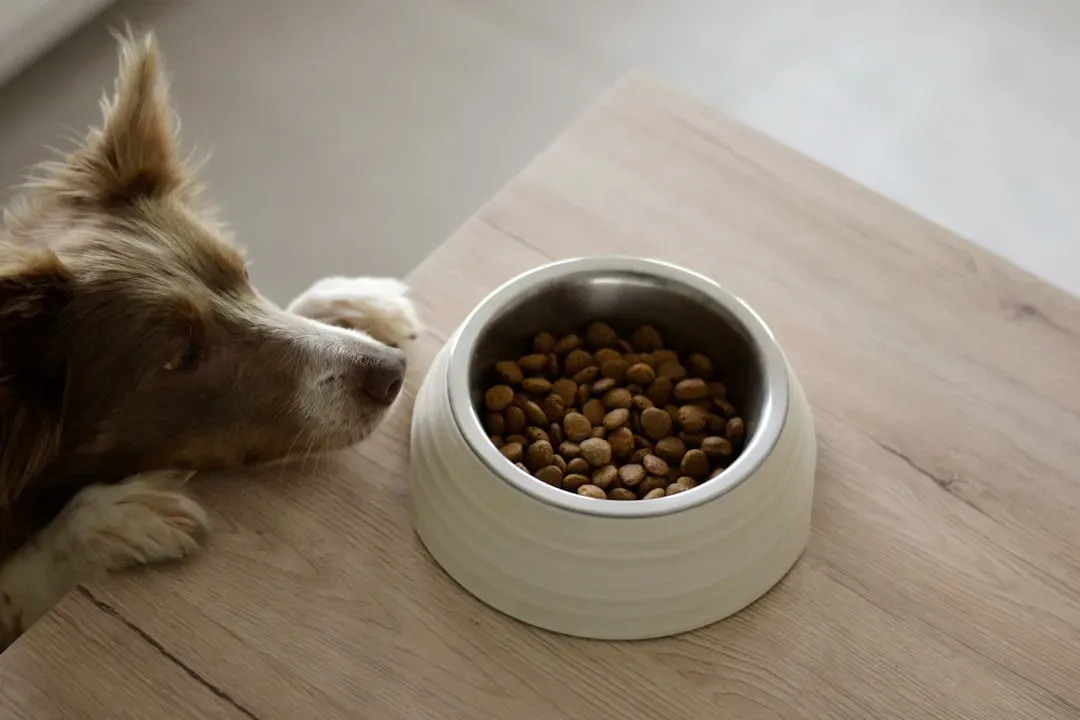
One of the most common and most overlooked changes in the final stretch of a dog’s life is a subtle shift in how they eat. A dog who used to inhale dinner in seconds might suddenly wander away from the bowl, take longer to finish, or only eat if you hand-feed them. Many owners mistake this for pickiness, when in reality it can be a sign of nausea, pain, or organs that are simply getting tired.
Sometimes the change is almost invisible if you are busy: they leave just a few kibbles, they hesitate before starting, they lick the food instead of chewing with enthusiasm. It can be tempting to switch foods repeatedly or blame boredom, but a consistently reduced appetite in an older or sick dog is often the body’s way of slowing down. When this happens over several days, it is worth taking seriously rather than brushing it off as them just being fussy.
2. They Start Drinking Differently, Not Just More or Less
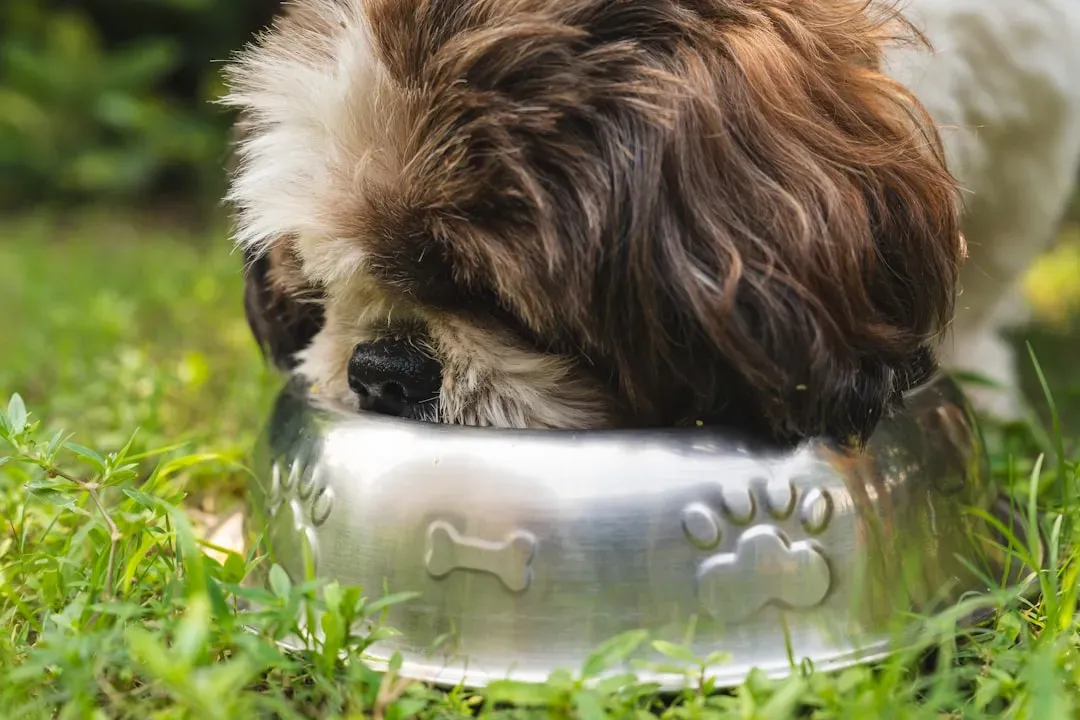
People are often told to watch for a dog drinking a lot more as a sign of illness, but the patterns right before the end can be more complicated. Some dogs seem glued to the water bowl, while others suddenly cannot be bothered to drink even when you bring the bowl to their nose. Both can be concerning because the body’s ability to regulate fluids is closely tied to kidney function, heart health, and overall energy reserves.
What many owners miss is not just the volume of water but the way the dog interacts with it. A dog might stand over the bowl as if thinking about drinking, then turn away, or they may drink but immediately cough, drool, or seem uncomfortable. These small clues can signal nausea, difficulty swallowing, or a system that is struggling, and they are a quiet nudge that a vet check and a conversation about comfort-focused care might not be far off.
3. They Hide or Seek Solitude in Places They Never Used Before
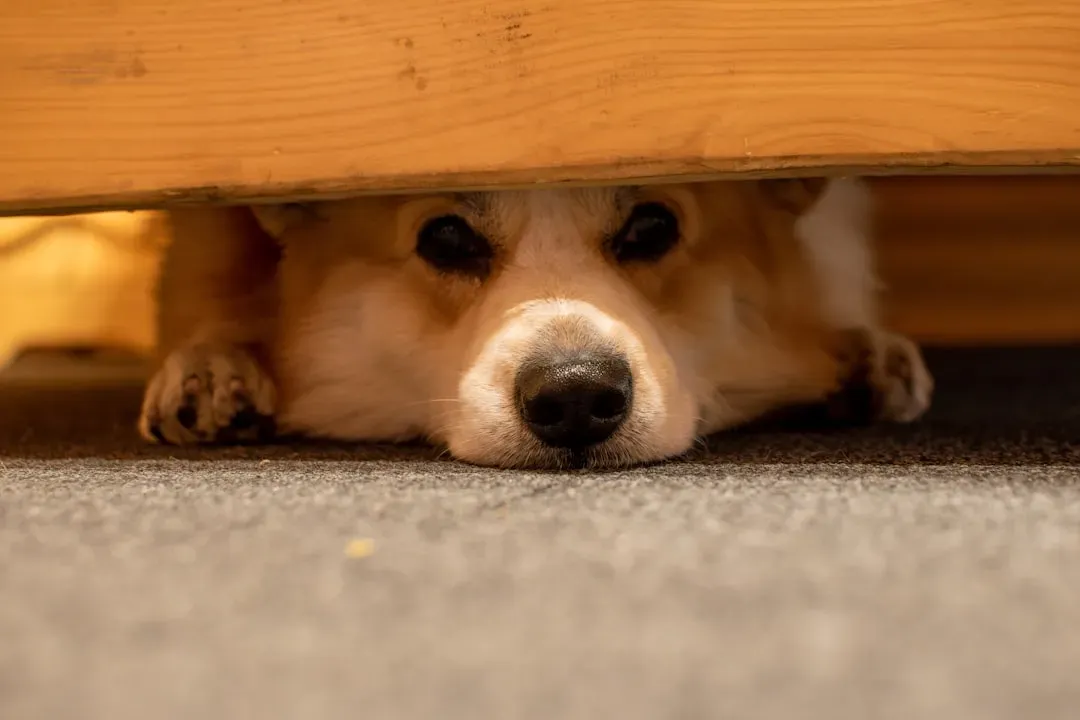
There is something haunting about suddenly finding your dog lying in the bathroom, behind the couch, or in a distant hallway when they have always preferred the heart of the action. Many animals, including dogs, shift toward quieter, cooler, darker spots when they are in pain or approaching the end of life. It is not always dramatic; it can be as simple as them sleeping just outside the bedroom instead of pressed against your legs.
Owners often assume their dog is just trying to escape noise, the kids, or the heat, and sometimes that is true. But if this new habit appears out of nowhere, and especially if they seem harder to call back or more withdrawn when you find them, it can be a sign that they are instinctively looking for a safer, less stimulating place to rest. Noticing this does not mean you have to drag them back into the center of the house; instead, it may be time to bring your presence to them, wherever they are choosing to be.
4. They Suddenly Become Extra Clingy and Emotionally Intense
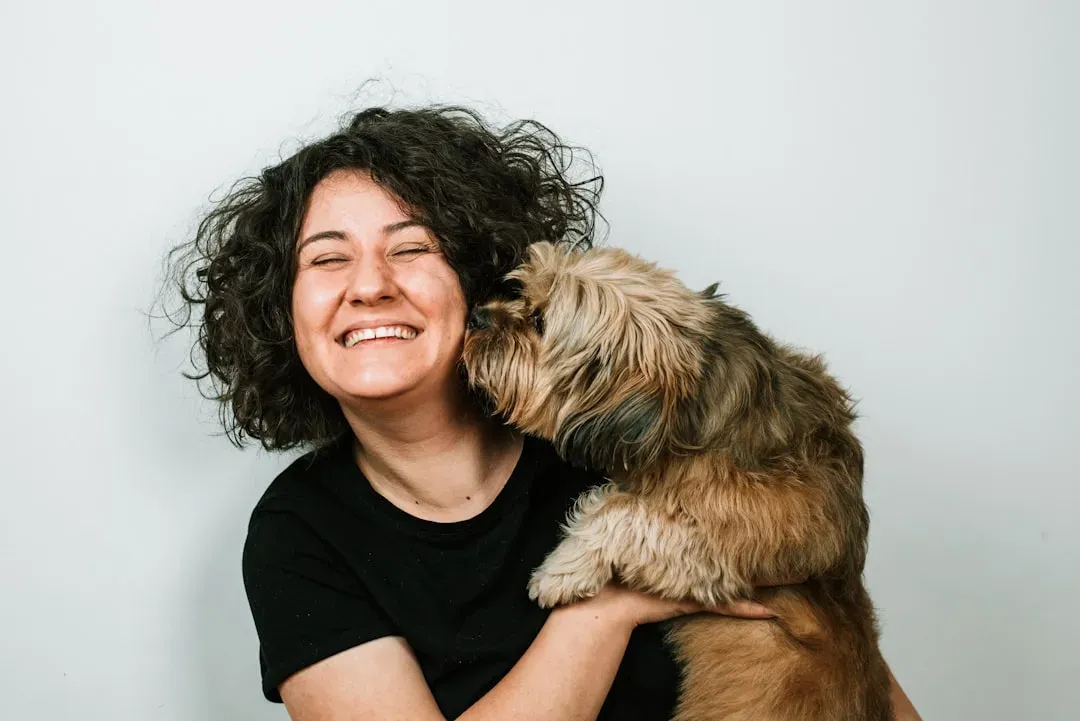
The opposite can also be true: some dogs get incredibly attached during their last days, shadowing you from room to room, staring at you more often, or whining softly when you leave the space. Owners often describe it as their dog looking at them in a deeper, more searching way, as if trying to memorize their face or check in on them constantly. It can feel as though the emotional volume between you has been quietly turned up.
This change can be easy to misinterpret as anxiety from routine changes, visitors, or noise. But when a generally independent dog suddenly insists on sleeping pressed against you, following you even to the bathroom, or panicking when you step outside, it can reflect both physical vulnerability and a desire for reassurance. In that final week, leaning into the extra cuddles, the long head-stroking sessions, and the whispered reassurances can be as important for you as it is for them.
5. Their Sleep Becomes Deeper, Longer, and Harder to Interrupt

Older dogs do sleep more, and that is normal, but the sleep pattern in the last stretch can look different. Instead of a series of naps with bursts of energy in between, some dogs seem to sink into long, heavy sleep that is difficult to wake them from. You might notice that they do not jump up when the doorbell rings, the leash comes out, or their favorite person arrives, which is very unlike their usual response.
This deeper sleep is sometimes the body’s way of conserving every last bit of energy, as organs work harder in the background. Some dogs may even drift into what looks like a light doze but can be a semi-unconscious state where they are less aware of their surroundings. Many owners misread this as a good sign, thinking their dog is relaxed and pain free, when in reality, it can mean their system is running on reserve power and slowly shutting down.
6. They Struggle With Simple Movements They Handled Easily Before
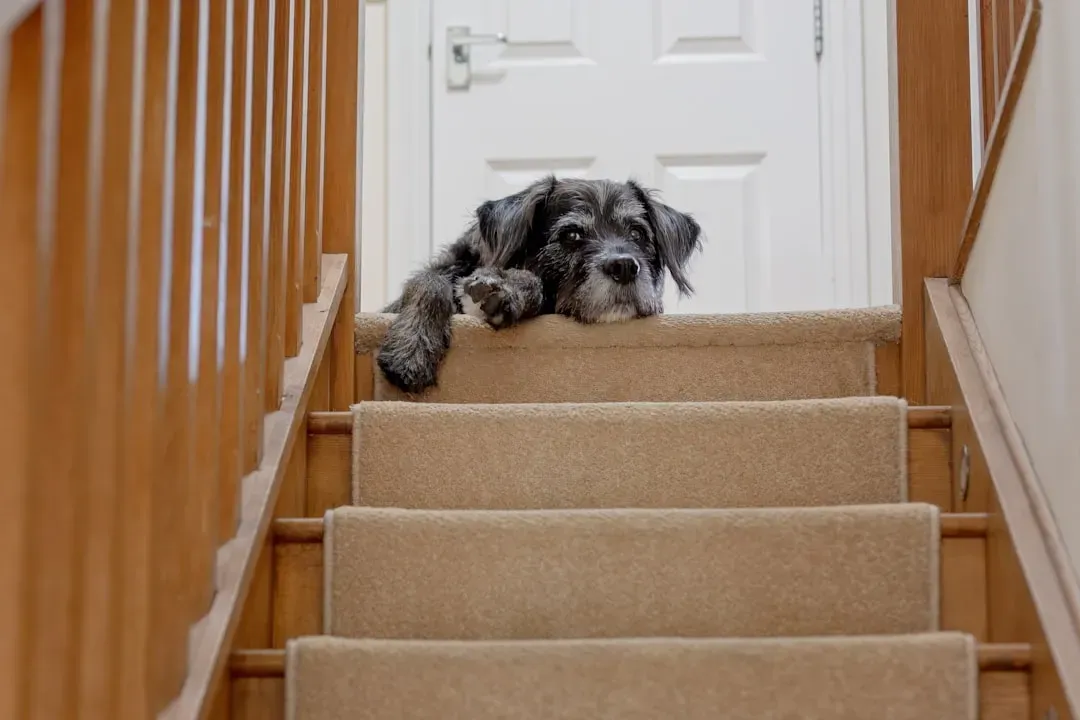
Mobility changes can happen gradually with age, but in the days leading up to death, there is often a sharper, more obvious decline. A dog that used to manage the stairs with a bit of effort may suddenly refuse them entirely or freeze halfway. Even getting up from a favorite bed can look like a complicated task, with multiple attempts, trembling legs, or a quiet whimper as they shift their weight.
Because arthritis and joint pain are common, people sometimes assume this is just “old age catching up.” However, when difficulty moving escalates quickly over a short period, it may be more than just stiffness. Weakness from heart disease, cancer, severe organ dysfunction, or systemic infection can make even basic movements feel like climbing a mountain. This is often the point where reevaluating pain management and quality of life becomes urgent, not optional.
7. They Stop Caring About Their Usual “Big Deals”
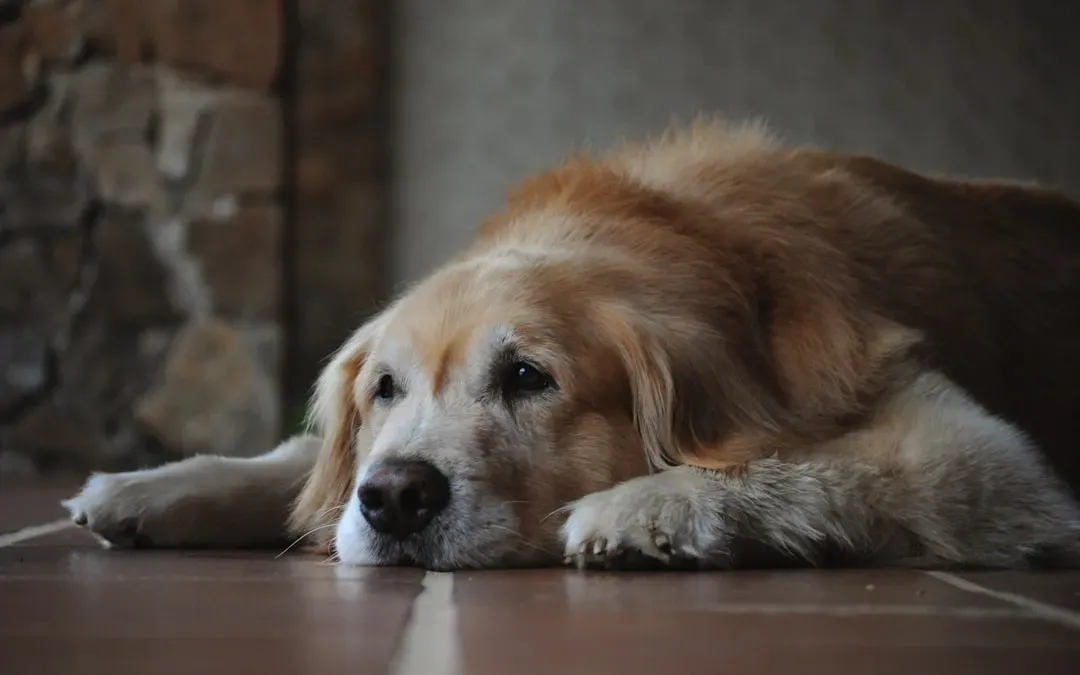
Every dog has a thing that lights them up: a favorite toy, the sound of the treat jar, the word “walk,” or a family member’s car pulling into the driveway. One of the most heartbreaking signs in that final week is when these signature triggers stop getting a reaction. The ball lands near them and they just watch it. The leash appears and they lift their head but do not try to stand up.
Because we are used to seeing these reactions as automatic, it is easy to assume they are just tired or in a mood. But when a dog consistently stops responding to the very things that defined their joy, it often means that pleasure no longer outweighs discomfort. This is not them being ungrateful or stubborn; it is their body and brain saying that the cost of getting excited is simply too high now.
8. They Have Subtle Breathing Changes That Do Not Always Look Like Gasping
Many people think of end-of-life breathing as obvious gasping or dramatic distress, and sometimes it is. But more often, the early changes in that last week are far more understated. You might notice your dog breathing a little faster at rest, taking shallow breaths, or pausing between breaths more than usual. Their chest or belly might move in a different rhythm, almost like they are sighing over and over.
These shifts can indicate pain, heart strain, lung involvement, or the body’s attempt to compensate for failing organs. They are easy to miss if you are used to background snoring or panting, especially in certain breeds. Paying attention to their breathing while they sleep or lie quietly, and noticing if it seems more labored or uneven, can give you an important clue that their body is struggling even if they are not crying out.
9. They Have More “Off” Days in a Row With Only Tiny, Fleeting Rallies
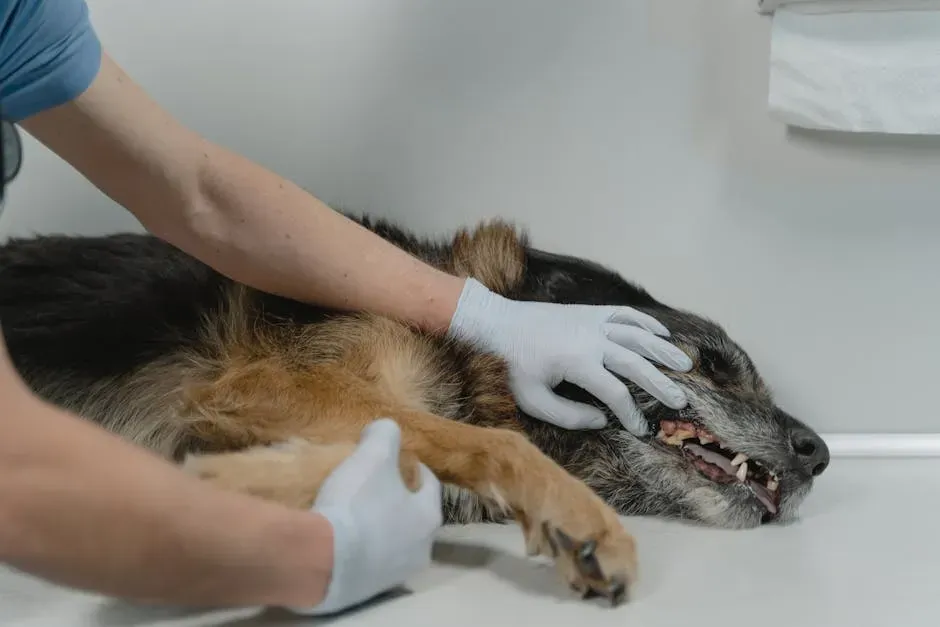
One of the trickiest parts of the last week is the roller coaster effect. A dog may have several really hard days, then suddenly perk up for an afternoon, eat better, or seem more alert. Many owners grab onto that small rally as proof that things are turning around, only to feel blindsided when the decline resumes, often more steeply. This pattern is emotionally brutal because it keeps hope dangling in front of you.
From a medical standpoint, those brief improvements can happen when stress hormones kick in or when you unintentionally adjust something that temporarily makes them feel a bit better. Unfortunately, these small upticks do not usually mean the underlying disease has reversed; they are more like the last flickers of a candle. If your dog is having far more bad days than good ones, with only short-lived rallies, it is usually a sign that their overall trajectory is still downward, no matter how much you want that one good day to mean more.
10. They Change How They Use Their Eyes and Face

There is a look that people describe in dogs nearing the end that is hard to define but unforgettable. The eyes may seem duller, more distant, or strangely glassy, even when they are awake and technically alert. Facial muscles can relax in a way that makes them look older almost overnight, or their expression may seem more serious, as if they are carrying a weight you cannot see.
Because dogs cannot tell us in words what they are feeling, we underestimate how much information lives in their eyes and face. When a dog that once had a bright, sparkling expression suddenly appears tired, far away, or oddly blank, it is easy to write it off as them just getting old. But paired with other physical changes, that altered gaze can be a sign that they are drifting, pulling away from full engagement with the world, and entering a quieter, more inward space.
11. They Start Having More Accidents or Forget Their House Training
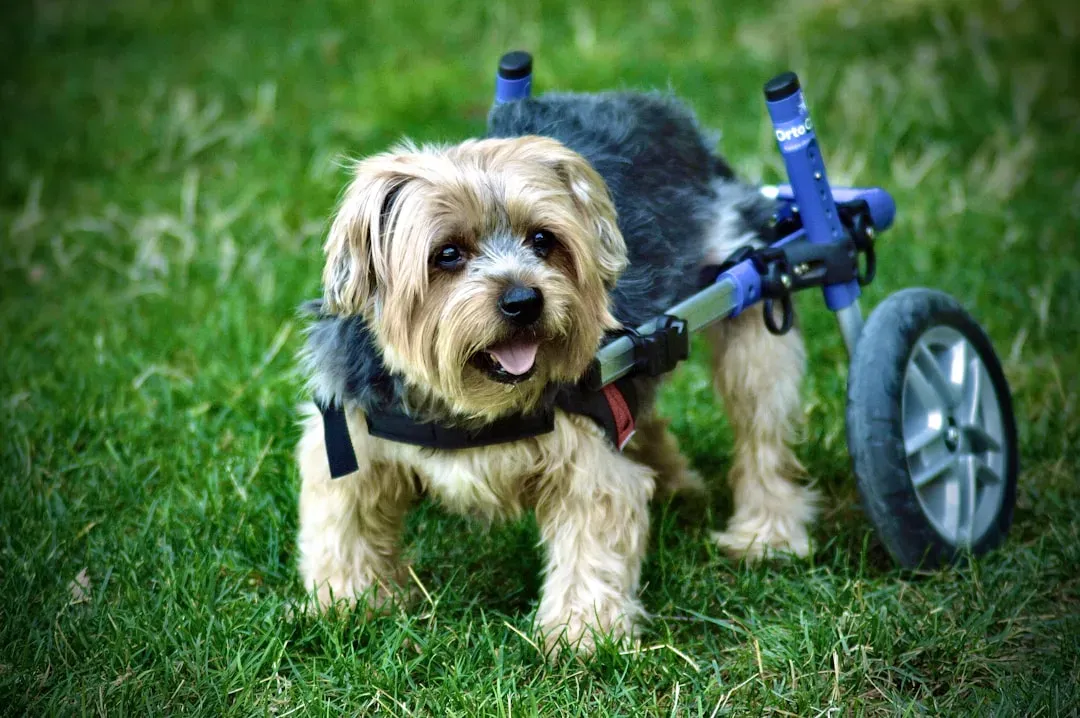
Bathroom accidents in a previously well-trained dog are often chalked up to stubbornness, protest, or carelessness, but in the final stretch, they usually have a more serious cause. Weakness, pain, organ dysfunction, or neurological changes can make it very hard for a dog to hold it or get to the door in time. They might pee while lying down, leak stool, or seem confused about where they are supposed to go.
For many owners, this is one of the most distressing changes because it feels like a loss of dignity for the dog. The important thing to remember is that they are not doing it on purpose, and many dogs look embarrassed or anxious when it happens. Gentle cleanup, soft reassurance, and practical adjustments like puppy pads, waterproof bedding, and shorter intervals between potty breaks can make life more comfortable for both of you in those last days.
12. They React Differently to Touch, Even If They Do Not Cry Out
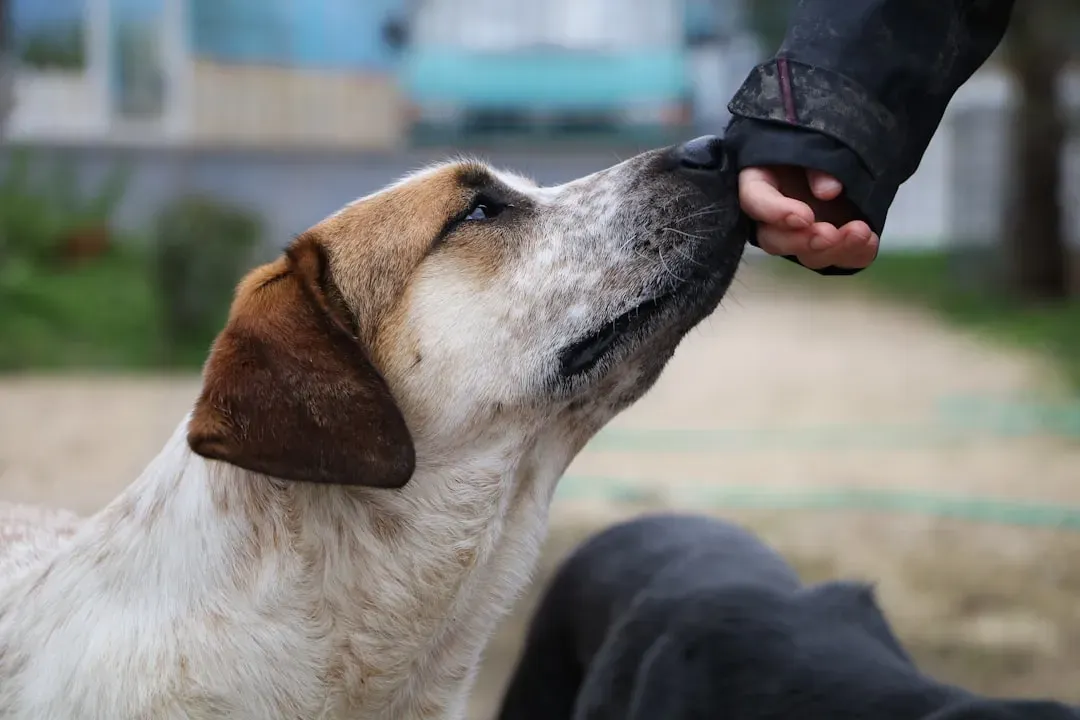
Touch is one of the main languages between people and dogs, and that language often changes right before the end. A dog that once loved belly rubs may suddenly flinch, tense up, or move away when you reach for that area. Others may crave touch only in specific spots, like the head or shoulders, while avoiding pressure on their back, hips, or abdomen. They may not yelp, but their body will quietly tell you what hurts.
It is easy to miss these signals when you are used to petting them a certain way without thinking. The week before they pass, many dogs become much more sensitive, not only because of pain but also because their nervous system is under stress. Paying attention to what kind of touch they lean into and what they shy away from can help you adjust how you comfort them, making those last cuddles soothing instead of irritating or painful.
13. They Seem to Have Moments of Strange Calm or Clarity
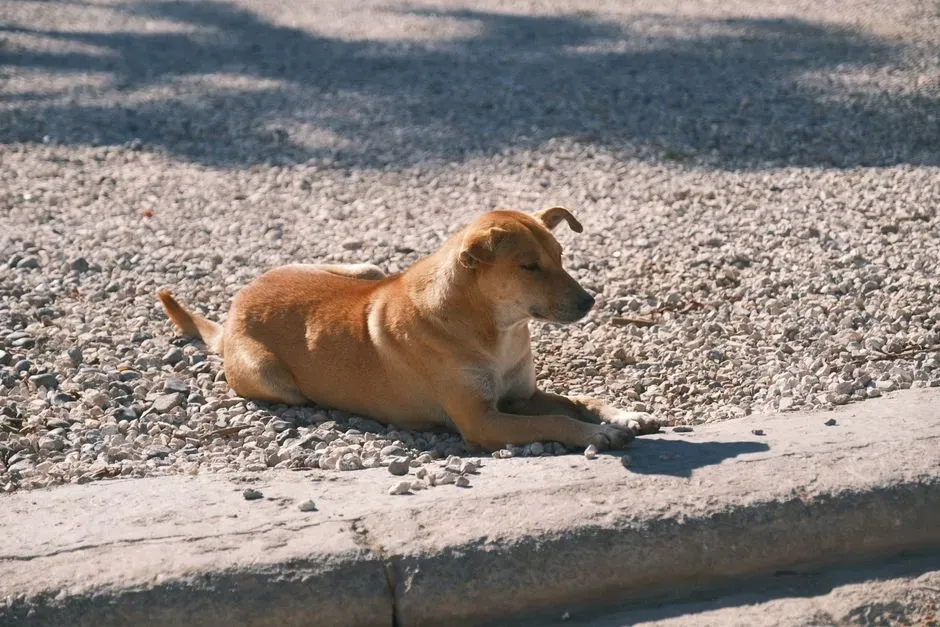
Some owners describe a mysterious calm in their dog shortly before they pass, almost like a quiet acceptance. The dog might spend time simply lying near their people, watching, breathing slowly, and seeming oddly peaceful after a period of restlessness or discomfort. In some cases, there is a brief moment of unexpected brightness, where they greet someone warmly, enjoy a treat, or go outside and sniff the air like they used to.
Science does not have a neat explanation for this, and not every dog experiences it, but it is a pattern that shows up enough to be hard to ignore. From a human perspective, it can feel like a small gift, a final chance to connect without the noise of symptoms dominating everything. The hardest part is that this calm does not mean they are suddenly getting better; it may be one of the last opportunities to be fully present with them while they are still somewhat themselves.
14. They Quietly Let Go of Routine and Lean Into Comfort Above All Else
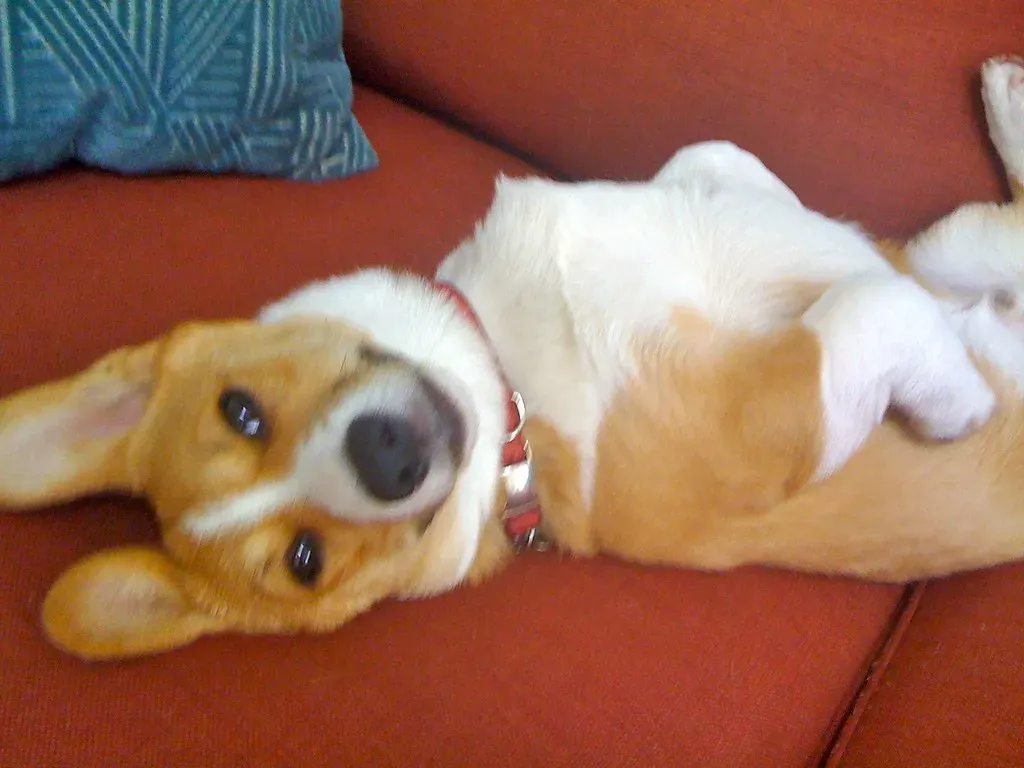
In that last week, many dogs begin to care less about rules, schedules, and habits, and more about simple comfort. They may not get up at their usual time, ignore their old sleeping spot, or skip the evening patrol around the yard. Instead, you will see them gravitate toward the softest bed, the coolest floor, the calmest corner, or simply the place where they can feel you nearby with the least effort.
This loosening of routine is not laziness; it is the body and mind simplifying, dropping everything that is not absolutely necessary. The dog that once lived for structure is now living moment to moment, guided mainly by what feels tolerable or soothing. If you are able to shift with them – letting go of strict schedules, bending the “no dogs on the couch” rule, offering favorite foods instead of perfect diets – you can turn that final stretch into something gentler, more compassionate, and less focused on what used to be.
Conclusion: Reading the Quiet Signals and Choosing Love Over Denial
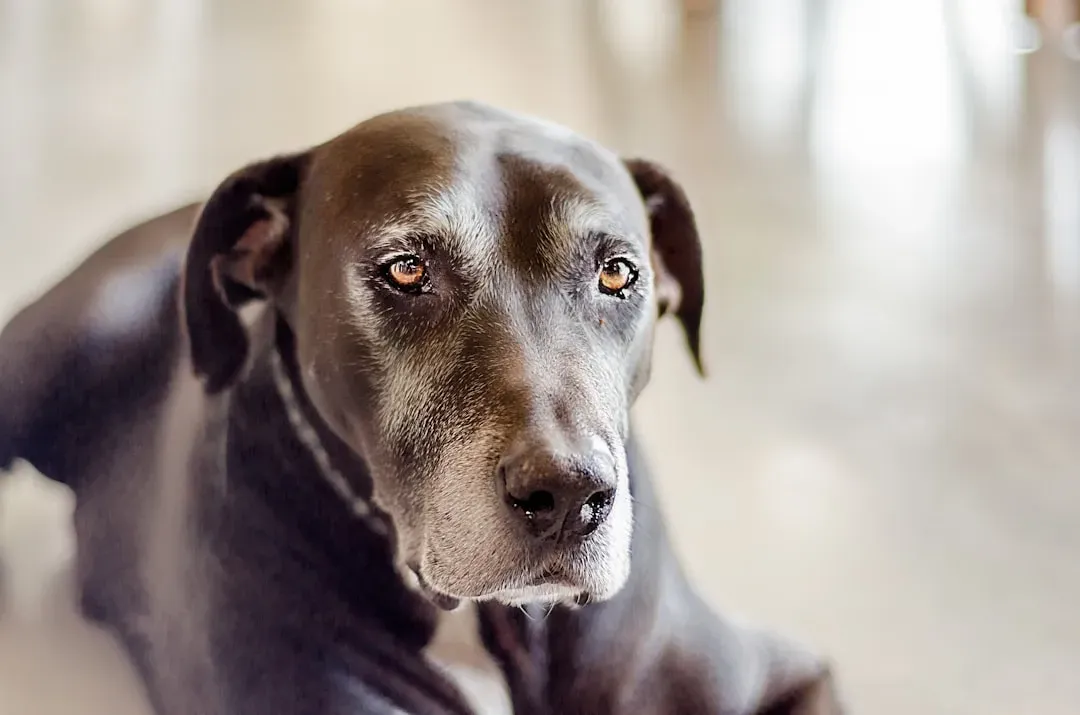
Looking back on the dogs I have loved and lost, the part that still stings is not just the goodbye itself, but all the small signs I brushed off because I did not want them to mean what they meant. A skipped meal here, a longer nap there, a strange new sleeping spot – it all felt explainable at the time. Only later did I realize my dog had been telling me in a hundred quiet ways that they were getting ready to go, and I had been too scared to listen closely.
I do not think the point of noticing these final-week behaviors is to rush the ending or live in constant fear; that would steal the joy from the days you still have together. Instead, the real power lies in using this knowledge to shift from fixing to comforting when the time is right, to ask better questions of your vet, and to prioritize presence over perfection. In the end, most dogs do not need a heroic last stand – they need a soft place to rest, a familiar voice, and a person brave enough to see what is really happening. When that week comes, will you let fear blur the signals, or will you choose to look, listen, and love them all the way to the edge?


