
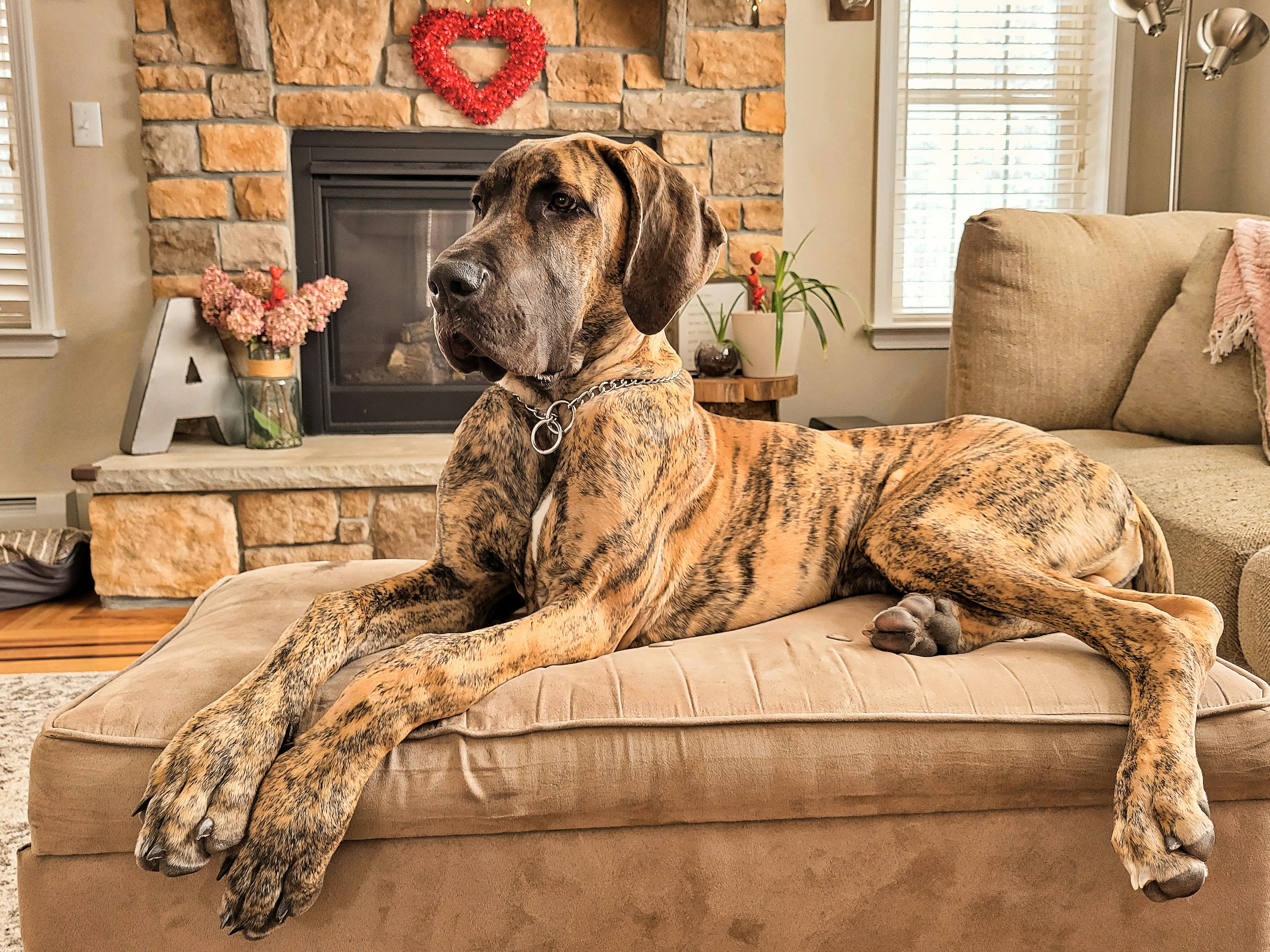
You spot a cute puppy online for less than the price of a new pair of sneakers and think you’ve found a bargain. But with dogs, the sticker price is often the cheapest part of the entire journey. The real cost shows up quietly every month in vet bills, food deliveries, grooming appointments and that one pair of shoes your “bargain” puppy decided to eat.
Some breeds are especially sneaky like this: low purchase price, sky‑high lifetime costs. Many of them are common, easy to find through backyard breeders or online ads, and that availability tricks people into thinking they’re “cheap dogs.” In reality, their genetics, size, health risks and lifestyle needs can turn them into serious money pits. Let’s walk through ten of the biggest culprits so you know exactly what you’re getting into before you fall in love with that adorable, deceptively affordable face.
1. German Shepherd: Budget Puppy, Premium Maintenance

German Shepherd puppies are everywhere: shelters, online classifieds, casual breeders down the road. That easy availability often means the initial price is surprisingly low compared to how impressive and “serious” the breed looks. But this is a large, working dog with a complex body and brain, and that combination rarely comes cheap over time.
German Shepherds are infamous for hip and elbow dysplasia, spinal issues and degenerative joint problems that can require X‑rays, ongoing pain meds or even surgery. Add in the cost of high‑quality large‑breed food, regular training to prevent behavioral problems, and strong toys and equipment that can handle a powerful dog, and the budget puppy quickly becomes a long‑term financial commitment. If you’re not prepared, the gap between purchase price and real cost can be pretty shocking.
2. Labrador Retriever: “Family Dog” With Hidden Bills

Labs are marketed everywhere as the ideal family dog, and because they’re so popular, you can find puppies at all price points, including very low ones. People see a sweet, wiggly Lab pup for a few hundred dollars and think they’ve scored the perfect deal. What they don’t always see is the long list of Lab‑specific costs waiting in the wings.
Labradors are prone to joint issues, ear infections, allergies and, very often, obesity. A Lab that eats too much cheap food and gets too little exercise can end up on weight‑loss diets, medications and frequent vet check‑ups. They also tend to destroy toys, beds and sometimes doors when bored, so you’ll likely spend on training classes, puzzle toys and sturdy gear. The initial price tag is just a ticket into a breed that, when cared for properly, demands consistent investment.
3. French Bulldog: Low Price, High Vet Loyalty Card
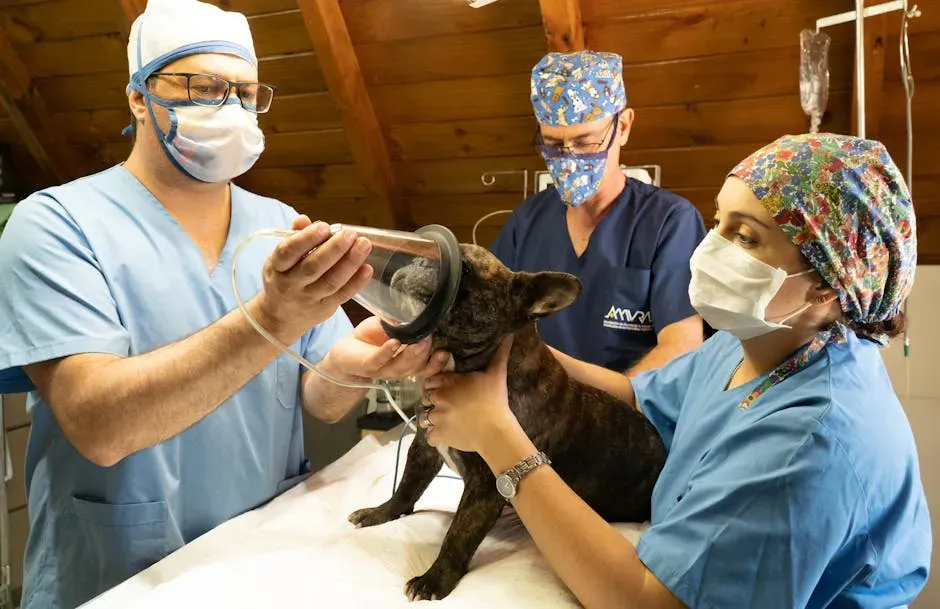
It might surprise you to see Frenchies on a “cheap to buy” list because well‑bred ones can be very expensive, but poorly bred French Bulldogs are often sold for much less in online ads and backyard setups. Those bargain Frenchies frequently come with a catch: health problems baked in from day one. People fall for the cute, wrinkly face and snores without realizing what those features mean medically.
French Bulldogs are a brachycephalic breed, which basically means squashed faces and narrowed airways. That can mean breathing difficulties, overheating risk, sleep issues and sometimes surgery just to help them breathe comfortably. Their skin folds can trap moisture and cause infections, and some have spinal and joint troubles too. So yes, you might find a “cheap” French Bulldog pup, but keeping that dog healthy and comfortable often requires a very close relationship with your vet and a budget that can flex for surprise bills.
4. Golden Retriever: Affordable Pup, Expensive Cancer Risk

Golden Retrievers are another breed that feels like they’re everywhere: pet stores, online listings, casual litters from “family dogs.” That volume keeps initial prices down in many places, so people see a friendly golden fluffball and think, why not? The harder truth with Goldens is that many lines have a high risk of serious health problems, especially cancer.
Even if your Golden stays reasonably healthy, they eat a lot, shed constantly and often need regular grooming to avoid matting, ear infections and skin issues. But if you get unlucky with genetics, you may face imaging, biopsies, chemotherapy, pain management and repeated vet visits as they age. It is emotionally and financially heavy. I still remember a friend saying her “cheap” Golden cost more in the last year of his life than in the previous eight combined, and that’s a pattern many Golden owners quietly experience.
5. English Bulldog: Discount Puppy, Lifetime Medical Project

Like Frenchies, English Bulldogs are sometimes sold cheaply by breeders who cut corners, especially when there’s a local “oops” litter. The chunky body, big head and droopy, wrinkled face look adorable and oddly comical, and a low asking price can make them feel oddly accessible. But from a veterinary perspective, this is one of the most high‑maintenance breeds on the planet.
English Bulldogs can struggle with breathing, overheating, joint issues, eye problems and chronic skin infections in their folds. Many need help being born via C‑section, and some need corrective surgery for their nostrils or palate. Daily cleaning of skin folds, specialized diets and insurance or savings for bigger procedures are almost non‑negotiable. If you go in thinking you found a bargain bulldog, you may feel blindsided when their lifetime costs start to rival those of a used car.
6. Siberian Husky: Inexpensive to Buy, Costly to Contain

Siberian Huskies pop up cheaply in ads and shelters because people underestimate them, then give up. They are stunning, social and often sold at low prices simply because there are so many accidental or poorly planned litters. The problem is not getting a Husky into your home; it is keeping that Husky safe, secure and sane once they’re there.
Huskies are escape artists who can jump fences, chew through flimsy crates and dig under barriers. That can mean money spent on tall, sturdy fencing, secure gates and heavy‑duty harnesses and leashes. They also shed intensely, often need substantial exercise or dog‑sport activities, and can be destructive when bored, turning furniture into confetti. Add in grooming tools, professional baths, quality food to fuel their energy and possible emergency vet visits after their latest escape attempt, and you realize the low purchase price was only the first, easiest bill.
7. Great Dane: “Free to Good Home,” Not Free to Feed
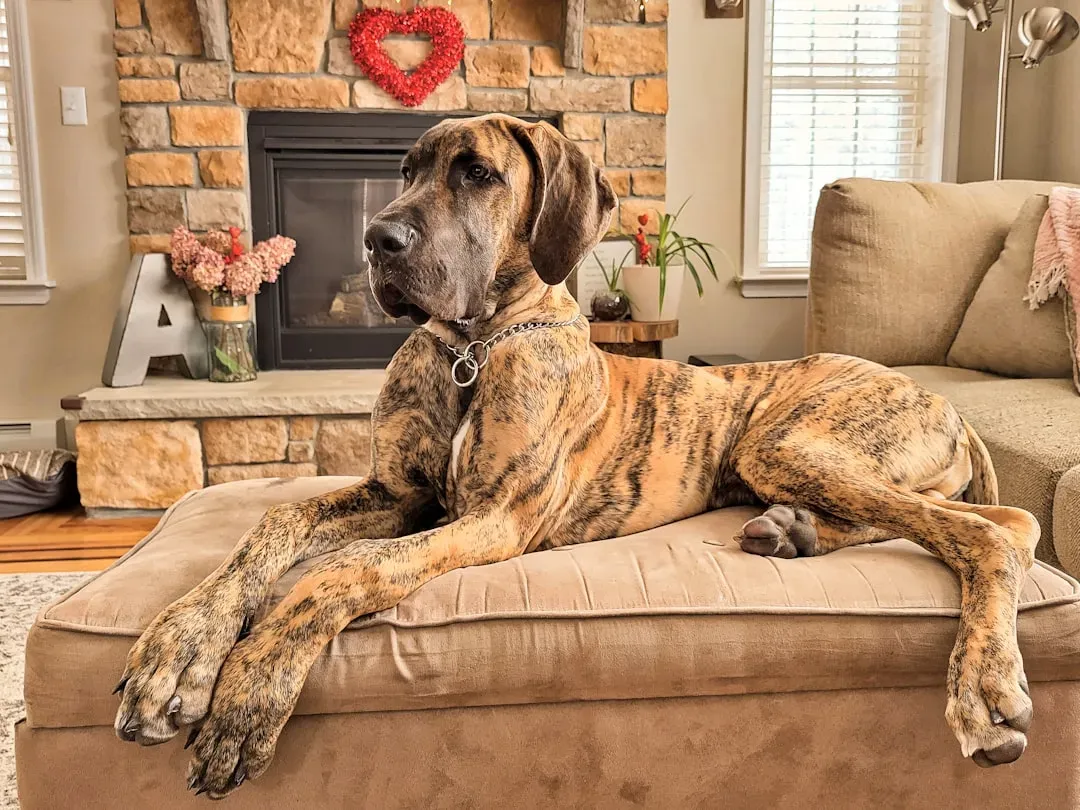
Great Danes are one of those breeds you often see listed as “small rehoming fee” or even free because people underestimate how hard it is to live with a horse‑sized dog in a normal house. The acquisition cost can be almost nothing, especially for adults in rescue or from overwhelmed owners. The shock comes when you look at your monthly bank statement and realize you’re basically feeding a small wolf.
Large and giant breeds like Danes burn through high‑quality food, need big beds, XXL crates, strong leashes and collars, and often higher doses of medications when they get sick, which bumps up pharmacy costs. They are also prone to joint problems and bloat, a life‑threatening stomach condition that can require emergency surgery. Even simple things like boarding or pet sitting can cost more because many facilities charge based on size. So yes, the dog might be cheap or even free, but the lifestyle is very much premium.
8. Dalmatian: Low Purchase Price, High Special Care

Dalmatians are not as trendy as they once were, which means puppies and adults can be surprisingly inexpensive to adopt or buy. On the surface, they seem like sleek, low‑maintenance spotted athletes. Under the hood, they have some very particular needs that can quietly drain your wallet if you are not ready for them.
Dalmatians are prone to urinary issues because of how they metabolize certain substances, so many need carefully managed diets and constant access to fresh water. Some are also at risk of deafness and skin problems. If you mismanage their diet, you can end up with painful bladder stones and emergency procedures. On top of that, they’re energetic and intelligent, so they need serious exercise and mental stimulation; that might mean dog sports, training classes or dog walkers, all of which add up over the years far beyond whatever you paid up front.
9. Cocker Spaniel: Cute Bargain, Ongoing Grooming and Ear Costs

Cocker Spaniels often look like a friendly, middle‑of‑the‑road choice: not too big, not too small, and often not too expensive to buy. Backyard breeders and casual litters keep prices relatively low in many areas. The part people underestimate is how much ongoing care that silky coat and those long, floppy ears can demand.
Many Cockers need professional grooming every few weeks to keep their coats from matting and to maintain hygiene around their ears, paws and eyes. Those big ears can trap moisture and debris, making them prone to infections that require vet visits, medications and regular cleaning supplies. Some lines are also prone to eye problems and allergies. When you add grooming, vet care and potentially special food together, the total yearly cost can surpass that of a supposedly “luxury” breed that just happens to be easier to maintain.
10. Mixed‑Breed “Designer” Dogs: Cheap Doodle, Pricey Surprise

It might feel odd to lump designer mixes in here, because some are sold for very high prices. But you also see plenty of “mini doodles,” “poochons” or random poodle mixes advertised cheaply, especially when trends cool off or litters don’t sell. People sometimes jump on these “discount designer” puppies thinking they’re getting the best of both worlds for a steal: cute looks, low shedding and fewer health issues.
In reality, poorly planned mixes can inherit the worst of both parent breeds: joint issues, skin problems, ear troubles, anxiety or high grooming needs. Many doodle‑type mixes require expensive, regular grooming to prevent matting, plus high‑quality food and lots of training to keep their sharp brains engaged. If you skip good health testing and responsible breeding, that cheap initial price tag can easily snowball into chronic health bills, behavioral consults and specialized care you never expected to pay for.
Opinionated Conclusion: A “Cheap” Dog Is Usually an Illusion

When you step back and look at these breeds side by side, a pattern jumps out: low purchase price often just means the real costs are hiding in genetics, size, grooming needs or behavior. In my opinion, calling any of these dogs “cheap” is almost disrespectful to what they truly are: complex, living beings that require time, attention and real financial planning. The problem is not the breeds themselves; it is the myth that you can get a big‑personality, high‑maintenance dog on the same budget as a casual hobby.
If money is tight, the smartest move is not chasing a bargain puppy; it is choosing a dog whose needs realistically match your lifestyle and budget, and then setting aside a cushion for the unexpected. Adoption fees, responsible breeders and pet insurance can feel expensive in the moment, but they are often far cheaper than constant emergency fixes later. In the end, the only honest way to think about dogs is this: there are no cheap dogs, only dogs you are prepared for and dogs you are not. Which kind are you about to bring home?


