
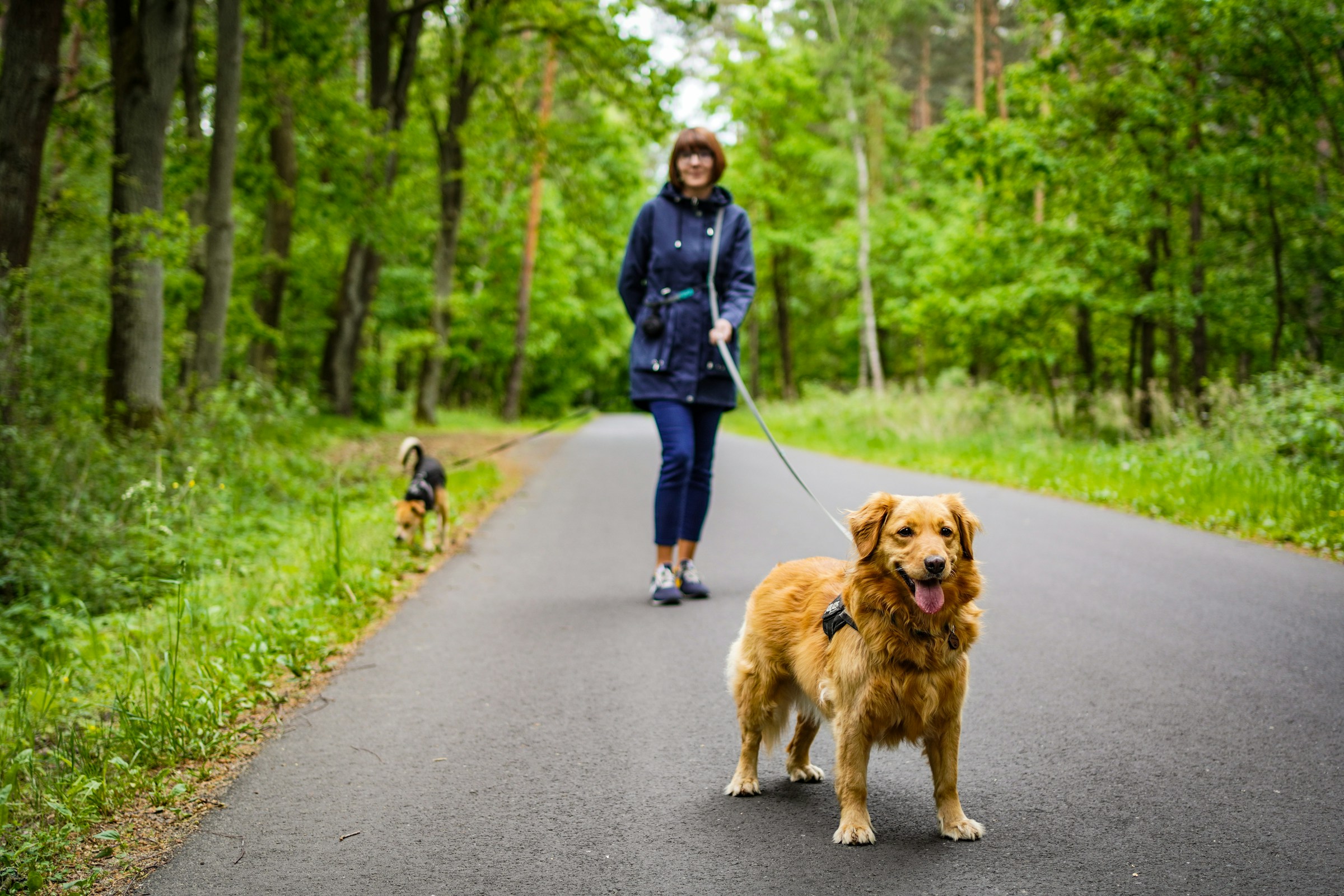
If your dog suddenly stops mid-chase, goes statue-still in the dog park, or freezes when you reach for a toy, it can feel confusing and even a little worrying. Are they being stubborn? Did you do something wrong? Is something hurting them? That moment of stillness can look dramatic, especially in the middle of high-energy play.
Here’s the surprising part: freezing during play is a recognized canine behavior, and in many cases it is not disobedience or drama at all. It is communication. Your dog is essentially hitting pause, asking for a breather, a reset, or a change in the intensity of the interaction. Once you start seeing freezing as a message instead of a problem, your whole relationship with your dog’s play style can shift for the better.
Why Freezing Is a Normal Part of Dog Body Language
Freezing is not just random weirdness; it sits right in the middle of the canine communication toolkit. Dogs use their bodies like a language: loose wiggly movements often say they are happy and relaxed, while stiff, still postures can mean they are overwhelmed, unsure, or asking things to slow down. In play, that freeze is often the dog’s way of saying they need a moment to process what’s happening before deciding whether to continue.
Think of it like a player in a video game hitting the pause button to check their health bar. Your dog is taking a split second to check their emotional and physical “status.” Are things still fun? Is the other dog too rough? Is the human getting too close to sensitive areas like the tail or ears? The freeze is their way of gathering that information before making their next move.
The Difference Between a Playful Pause and a Stress Freeze
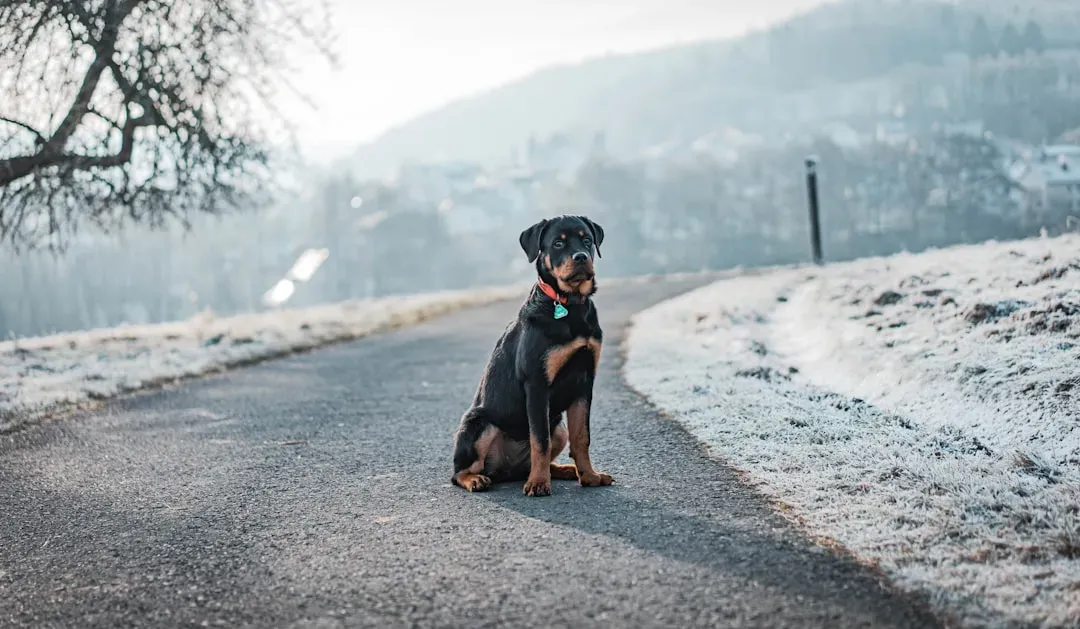
Not every freeze means the same thing, and context matters a lot. A playful pause usually comes with a relaxed body, soft eyes, and quick return to fun behavior like bowing, bouncing, or zooming. You might see this when dogs are mid-wrestle, both briefly stop, look at each other, and then explode back into chasing. That tiny still moment is part of a normal stop-and-go rhythm that keeps play safe and fair.
A stress freeze looks and feels different. The dog’s body may go stiff instead of springy, their mouth closes, their tail might tuck or go rigid, and the whites of their eyes may show. This version is less like a playful pause and more like a red flag. It can be a sign the dog is overwhelmed, scared, guarding something, or on the verge of reacting. Learning to tell these two types of freezes apart is one of the most important skills a dog guardian can build.
How Overstimulation in Play Leads to Freezing
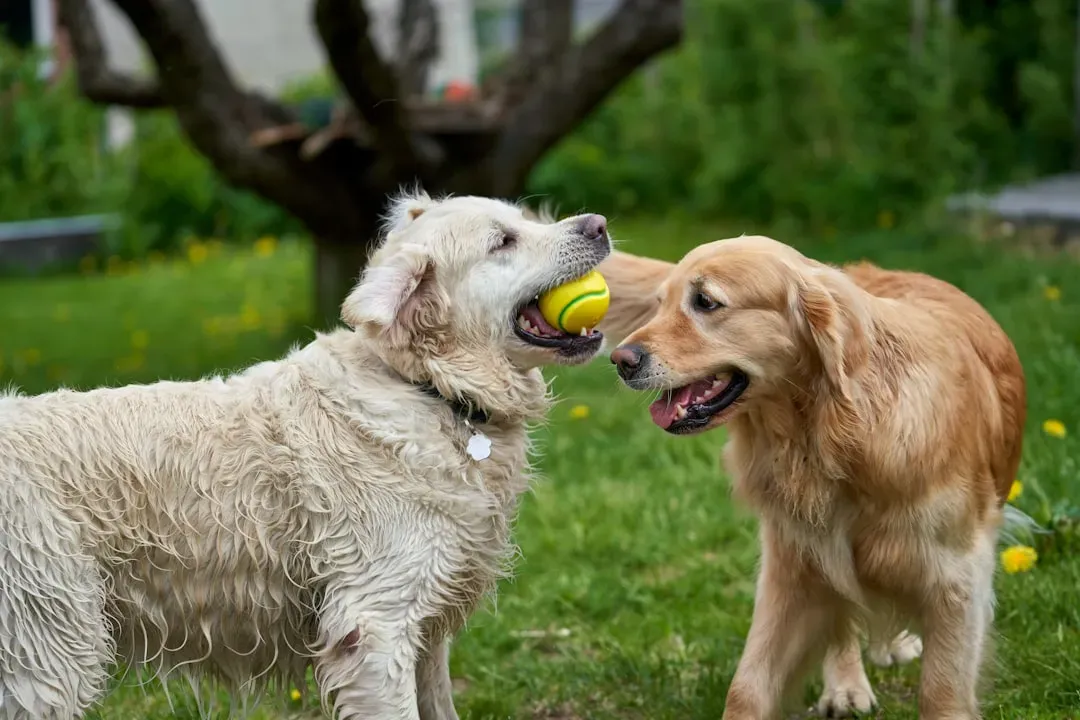
Modern dogs often live pretty exciting lives when it comes to stimulation: busy dog parks, rowdy daycare groups, fast-paced fetch games, tug toys, kids running around the yard. While play is healthy, too much intensity for too long can flood a dog’s nervous system. When arousal goes high enough, the dog’s brain needs a second to decide whether to stay in friendly mode or switch into defense mode.
Freezing is often that split-second checkpoint where the nervous system tries to stabilize. It is a built-in safety brake. Some dogs, especially sensitive or thoughtful ones, will freeze more often because they naturally monitor their environment closely. Others might only freeze when things get truly wild. Either way, respecting those pauses and dialling the energy down when they happen is one of the best ways to prevent snaps, scuffles, or full-blown meltdowns.
Subtle Signals That Show a Freeze Is a Request to Slow Down
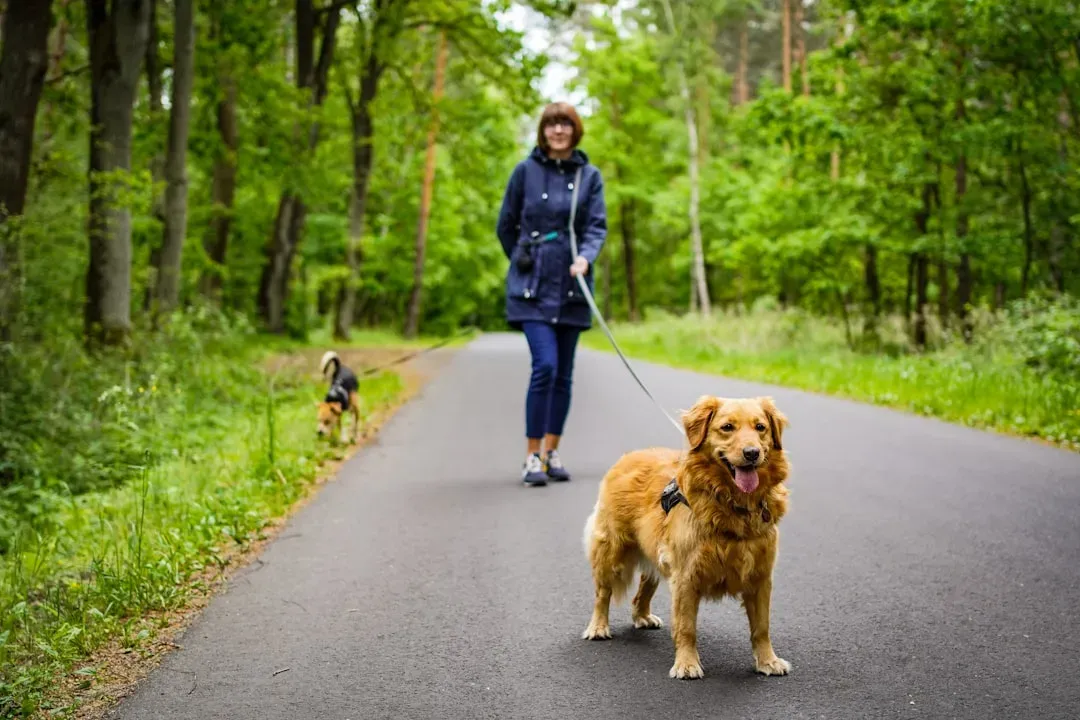
When a dog freezes to ask for slower interaction, the clues are usually in the details. You might notice the dog suddenly stop, stand or sit still, and avoid eye contact while still looking generally soft. Their ears may tilt slightly back, their tail may lower just a bit, and their breathing may slow. They are not lunging or growling, but they are not fully loose and goofy anymore either.
Often this kind of freeze comes after a spike in speed or intensity: you start tugging harder, another dog body-slams them, or a child runs up screaming with excitement. The dog’s freeze is like a yellow light at an intersection: not a full stop forever, but a clear request to ease up and proceed with caution. When humans notice and respond calmly, most dogs are more than willing to keep playing once they feel safe again.
Common Situations Where Dogs Freeze During Play
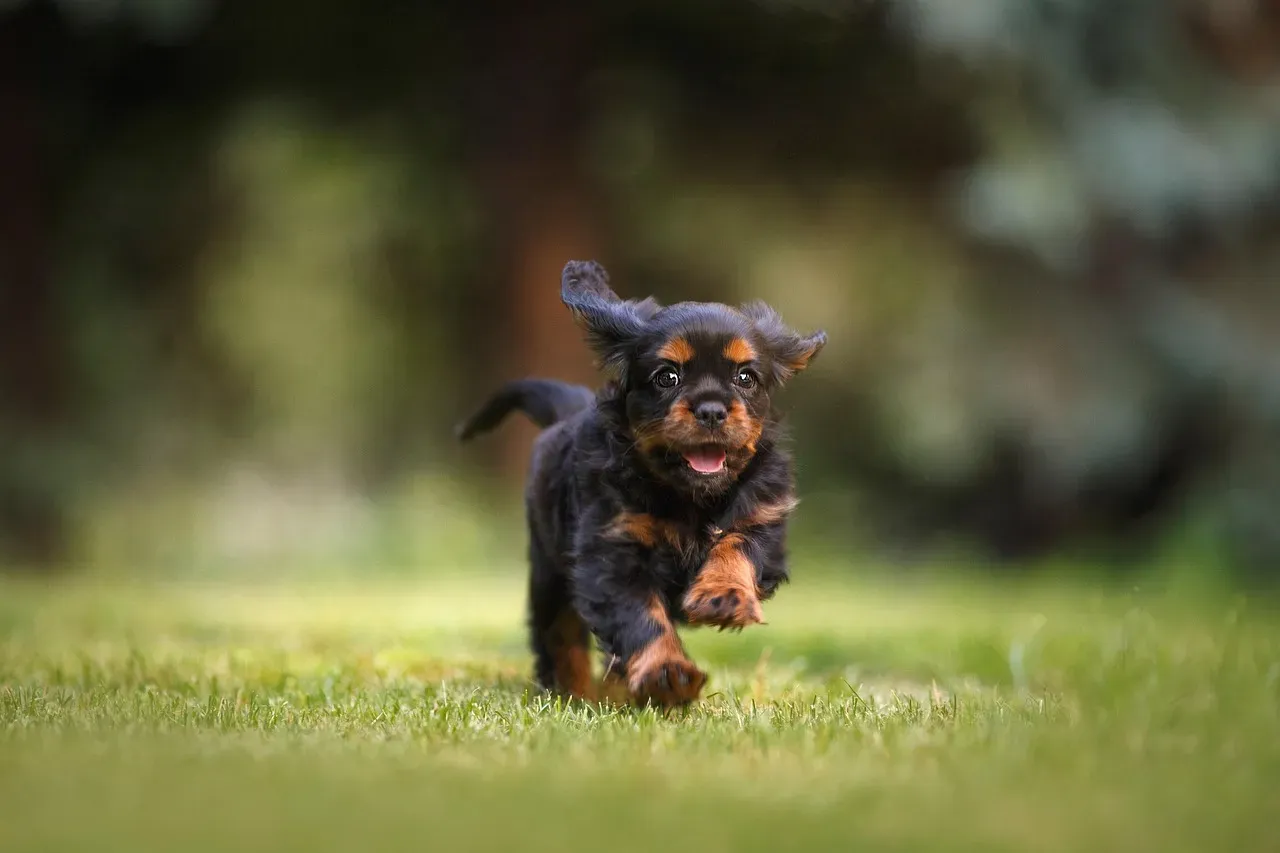
Some patterns show up again and again. Dogs often freeze when another dog repeatedly slams into them, pins them, or chases them without turn-taking. That stillness can be a sign they are not enjoying the game as much as their playmate is. You might also see freezing when a person leans over the dog to grab a toy, hugs them tightly, or reaches toward sensitive parts of their body in the middle of rough play.
Resource-related games can trigger freezes too. Tug-of-war, high-value toys, or games that involve food sometimes push dogs into conflicted territory: they want the fun, but they also feel the urge to guard the item. The result can be a dog holding the toy, going stone-still, and staring or glancing out of the corner of their eye. That is not “being stubborn about letting go” so much as working through a wave of tension that needs careful handling, slower movement, and sometimes a change of game entirely.
What You Should Do When Your Dog Freezes
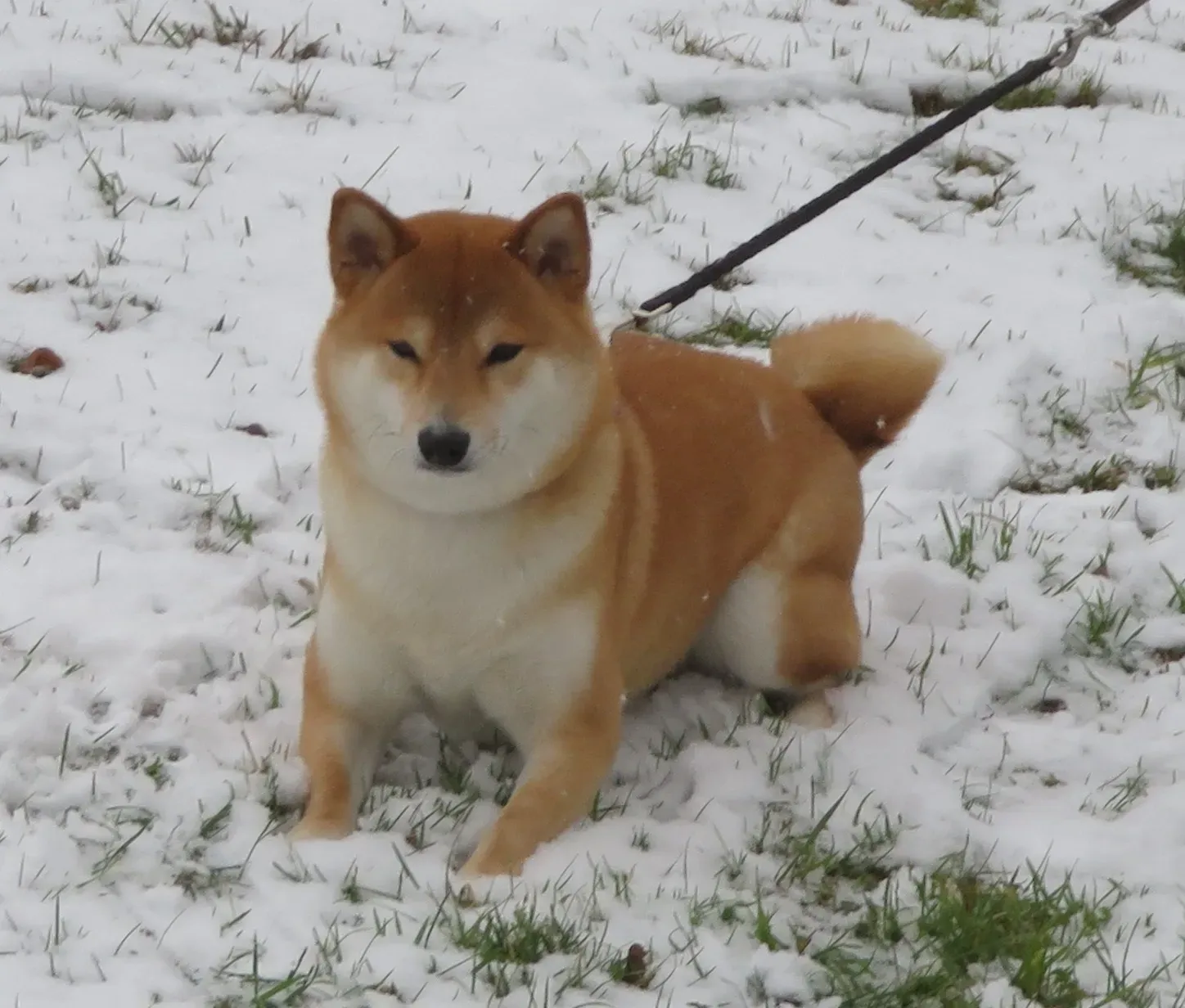
When you see your dog freeze, the smartest move is to slow everything down immediately. If they are playing with another dog, gently call them apart, give them a chance to shake off, sniff, or take a short break. If you are the one playing, soften your voice, ease back your physical intensity, and maybe switch to a calmer activity like gentle petting, sniffing for treats on the ground, or a slow walk around the yard.
Resist the urge to scold, yank, or push them through the freeze. Pushing past that signal teaches the dog that subtle communication does not work, which can unfortunately nudge them toward louder messages like growling or snapping. When you show that you listen to the early whisper, your dog does not need to shout later. Over time, you will probably notice your dog trusting you more, relaxing faster, and checking in with you more often during play.
Helping Your Dog Build Better Play Skills and Confidence
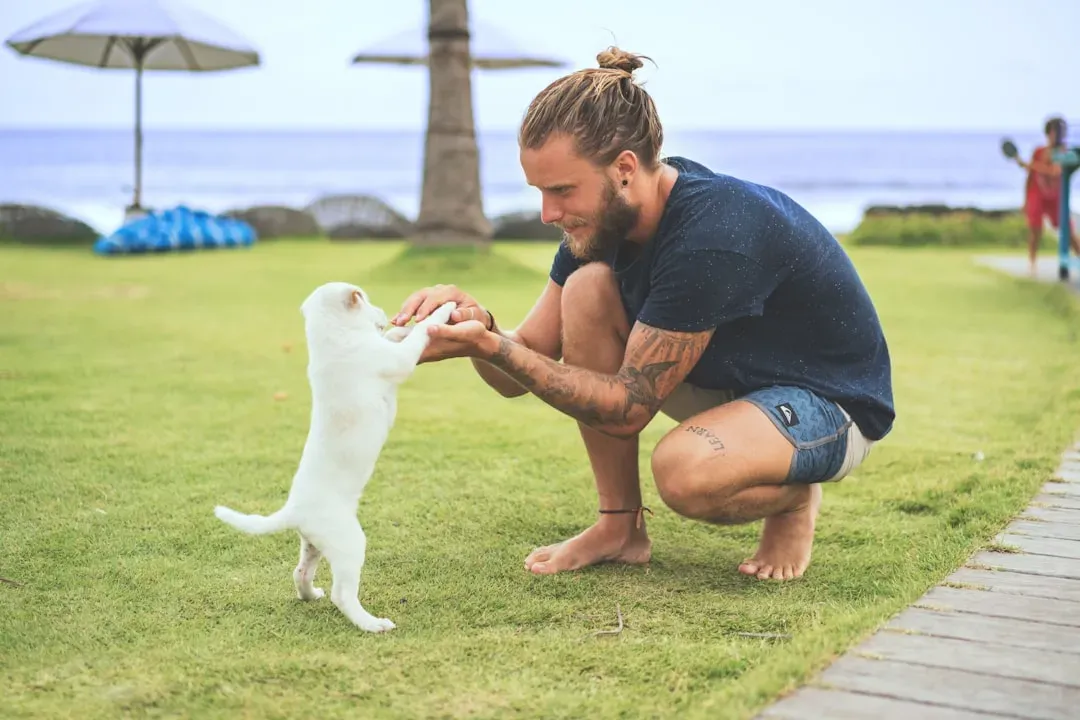
Freezing a lot in play can mean your dog needs a bit more support to feel safe and confident. You can help by setting up calmer, smaller play sessions with well-matched dog friends instead of chaotic dog park mayhem. Structured games that include built-in breaks, like fetch with pauses for sniffing or tug with frequent “drop” and “take it” cues, teach your dog that play can ebb and flow instead of just escalating until someone gets overwhelmed.
It also helps to advocate for your dog in social situations. Step in when other dogs are too rude, ask kids to give your dog space when they freeze, and keep sessions short so your dog ends on a good note. If your dog’s freezes look very tense or are paired with growling, snapping, or other signs of serious stress, getting help from a qualified, reward-based trainer or behavior professional is not overkill; it is preventative care for both safety and quality of life.
Why Respecting Freezing Makes You a Better Dog Guardian
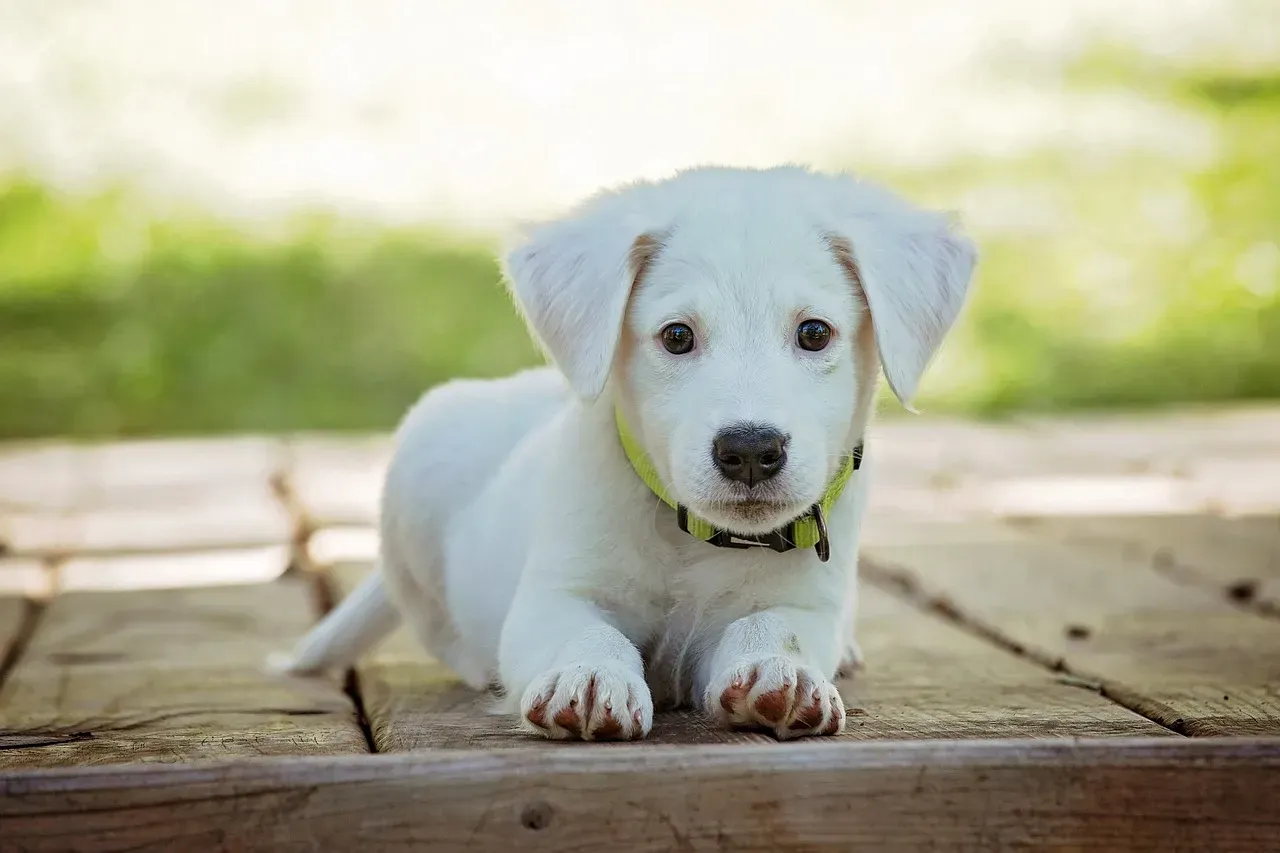
Once you realize that freezing is not your dog being difficult but your dog being honest, it changes how you see those still moments. Instead of feeling irritated or embarrassed, you can feel grateful that your dog is trying to communicate before things go wrong. That mindset shift alone separates thoughtful guardians from people who simply want a dog to “perform” on cue no matter how they feel.
In my own life with dogs, the day I stopped taking freezes personally and started treating them like feedback, everything got easier. Play became more relaxed, trust went up, and those rare tense moments almost disappeared. When we honor the pause, we tell our dogs that their comfort matters just as much as our fun. And honestly, isn’t that what a real partnership with a dog is supposed to be about?
Conclusion: Freezing Is Not Defiance – It Is Communication You Cannot Afford to Ignore
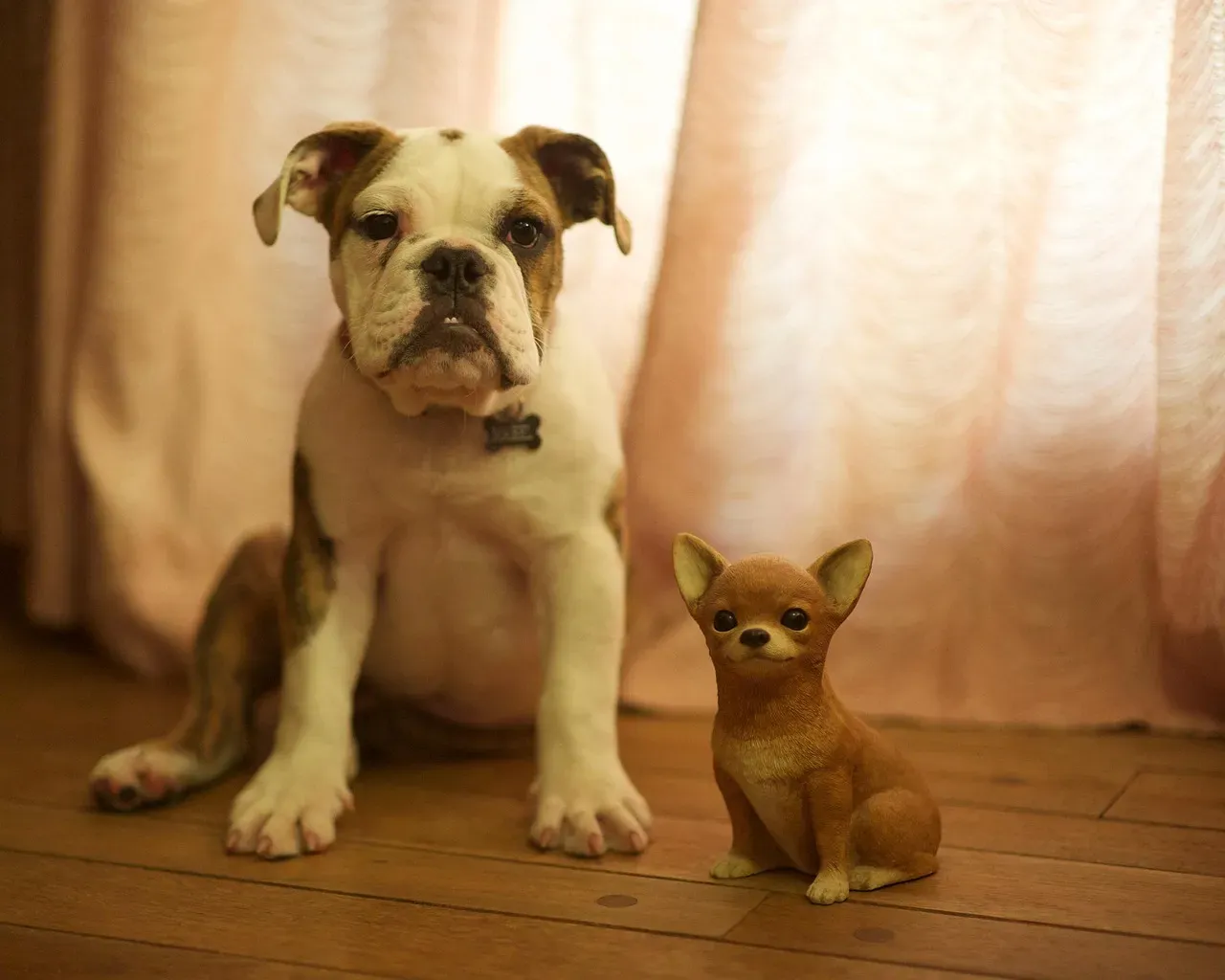
Dogs who suddenly freeze in the middle of play are not out to ruin the fun or challenge your authority. They are doing what emotionally healthy animals do: using their bodies to ask for space, clarity, or a change of pace. Ignoring that communication in the name of “obedience” is not just unkind, it is short-sighted, because it increases the risk of outbursts, misunderstandings, and fractured trust down the road.
Taking freezing seriously is a quietly radical stance in a world that often expects dogs to tolerate anything. It means you are willing to slow down, read the room, and prioritize emotional safety over constant excitement. The payoff is huge: more harmonious play, fewer conflicts, and a dog who knows their subtle signals actually matter to you. The next time your dog goes still mid-game, will you treat it as misbehavior to fix, or communication to respect?


