
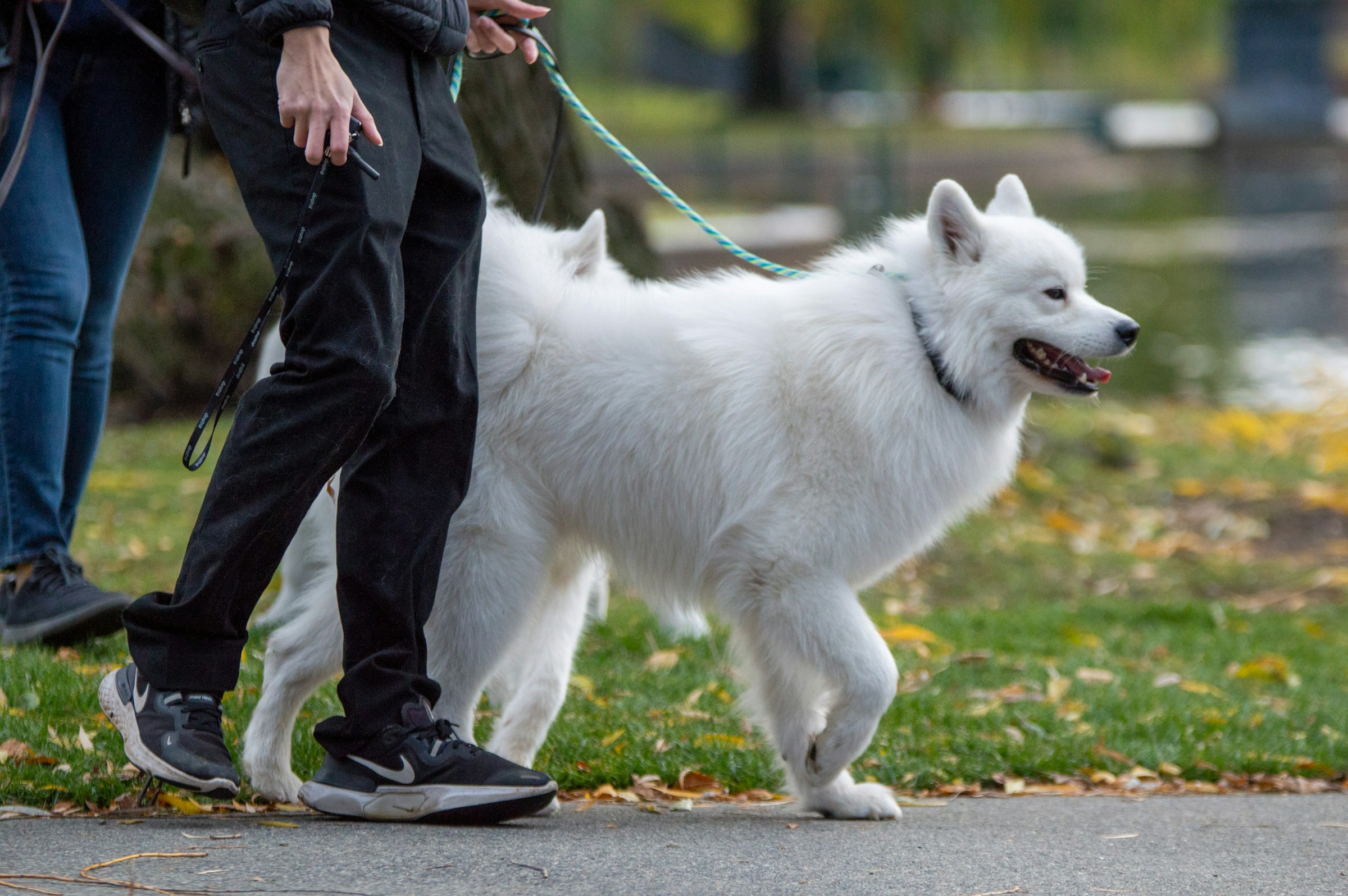
If your dog suddenly stops and sits in the middle of a walk, it can feel annoying, confusing, or even a bit embarrassing when you are standing there tugging on the leash. Many people jump straight to one explanation: the dog is being stubborn or trying to “win.” But that idea is not only outdated, it can actually make things worse for your dog and for your relationship with them.
Very often, that sit is not a power move at all. It can be a subtle, almost whispered message: something ahead feels uncomfortable, and your dog is trying to slow down, think, and calm themselves. When you see it that way, the whole walk looks different. Let’s break down what might really be going on inside your dog’s head and body when they plant their butt on the sidewalk and refuse to budge.
When a Sit Is a Calming Signal, Not a Protest
Dog trainers and behaviorists talk a lot about “calming signals” – small, quiet things dogs do to communicate stress, discomfort, or an attempt to keep the peace. You might already know a few of them without realizing it: turning the head away, slowing down, sniffing the ground for no obvious reason, blinking or yawning at odd times, even suddenly sitting or lying down. These behaviors are often your dog’s way of saying that the situation is a bit too much and they’re trying to defuse it, not start a battle.
When a dog suddenly sits in the middle of a walk, especially if it happens as you are approaching something specific – another dog, a noisy construction site, a crowded corner – that sit can absolutely be a calming signal. Instead of thinking “You’re refusing to walk,” it’s more accurate to think “You’re pausing to cope.” Once you start viewing it as communication instead of defiance, your response naturally becomes softer and more helpful for your dog.
Reading the Environment: What Your Dog Might Be Reacting To
The “something ahead” that bothers your dog is not always obvious to us. Dogs take in the world through scent, sound, and motion far more intensely than we do. A dog might stop and sit because they hear a skateboard before you see it, smell another dog around the corner, or notice a rustling bush that makes them uneasy. What feels like an ordinary sidewalk to you can feel like walking toward a minor explosion of noise and smell to them.
It helps to start playing detective when your dog sits. Scan the street: Is there a dog up ahead that tends to bark? Are you approaching a busy intersection, a loud truck, a group of kids running, or a place where something scary happened on a previous walk? When you notice patterns – like your dog always sitting near the same house, or at the entrance of a particular park – you begin to see that this is not random stubbornness, but a consistent emotional reaction to a specific trigger.
Fear, Stress, and the Freeze Response

From a scientific standpoint, sitting in place can be part of the classic “fight, flight, or freeze” stress response. Many dogs do not choose fight or flight on leash because the leash limits their options, so they default to freezing or slowing down. Planting their body and sitting can be their way of saying they are not comfortable moving closer to whatever is bothering them. In some dogs you see a full stiff freeze; in others, you see a softer version where they sit, look away, or sniff.
This reaction is not your dog being manipulative. It is their nervous system stepping in to protect them. If you respond by dragging, yelling, or physically forcing them to move, you are essentially punishing them for feeling scared or uneasy. Over time, that can erode trust and may even push some dogs toward more intense reactions, because their subtle signals did not work. Respecting the freeze – and the sit that often comes with it – is a big step toward a calmer, more confident dog.
Why “Stubborn” Is Usually the Wrong Label
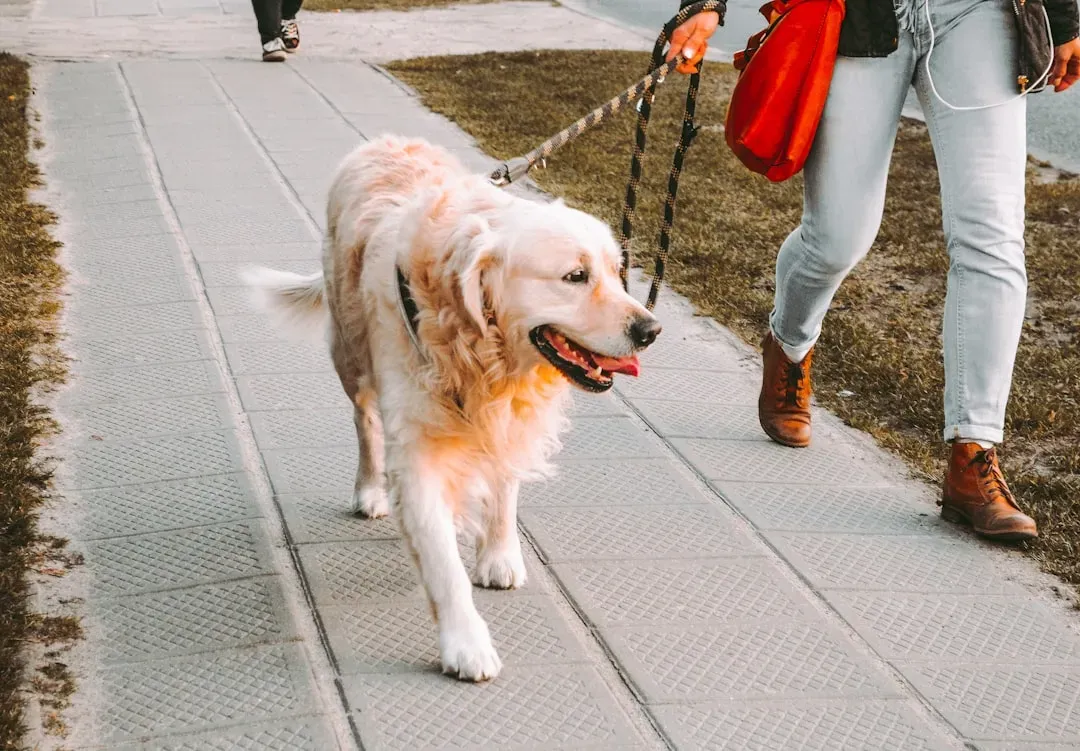
Calling a dog stubborn suggests they fully understand what you want, feel totally comfortable doing it, and are just choosing not to out of spite. Reality is almost always messier and more emotional than that. Most so-called stubborn behavior appears when the dog is confused, worried, tired, in pain, or unmotivated because the environment is more interesting or overwhelming than whatever you are asking for.
When a dog sits down mid-walk, especially if they seem tense, lick their lips, yawn, or keep looking ahead at something, it is much more honest to say they are conflicted, not stubborn. I used to think my own dog was being dramatic when she stopped before a certain corner, until I realized a loud garbage truck often idled there on pickup days. Once I changed my mindset from “You are being difficult” to “You are not okay with this,” it became a training problem we could solve together rather than a personality flaw to be battled.
Pain, Fatigue, and Physical Discomfort You Should Not Ignore
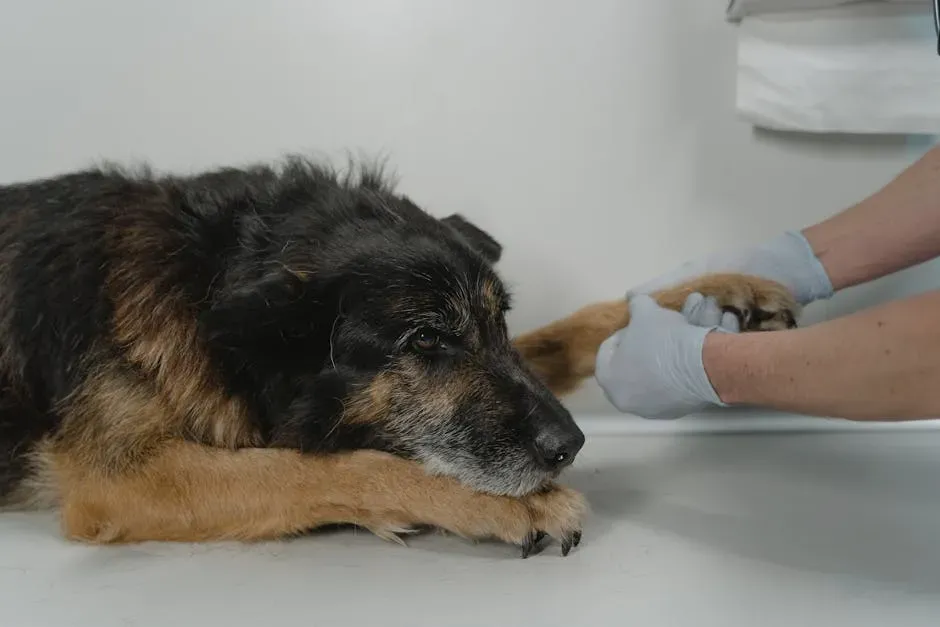
While emotional discomfort is a big reason dogs sit mid-walk, physical factors matter just as much. A dog that suddenly starts sitting or refusing to walk where they previously had no problem might be dealing with joint pain, sore paws, a pulled muscle, or even something as simple as a harness that rubs in the wrong place. This is especially true for puppies with growing bodies, senior dogs, large breeds, or any dog with known orthopedic issues.
Pay attention to the bigger picture: Are they lagging more than usual, licking a paw, hesitating on stairs, or getting up more slowly at home? Do they sit more on hot days, which could signal overheating or sore pads from hot pavement? If the behavior is new, persistent, or paired with other changes, a vet check is not optional. It is very easy to mislabel pain as stubbornness, and that is one mistake every dog owner wants to avoid.
How to Support a Dog That Sits From Worry or Overwhelm
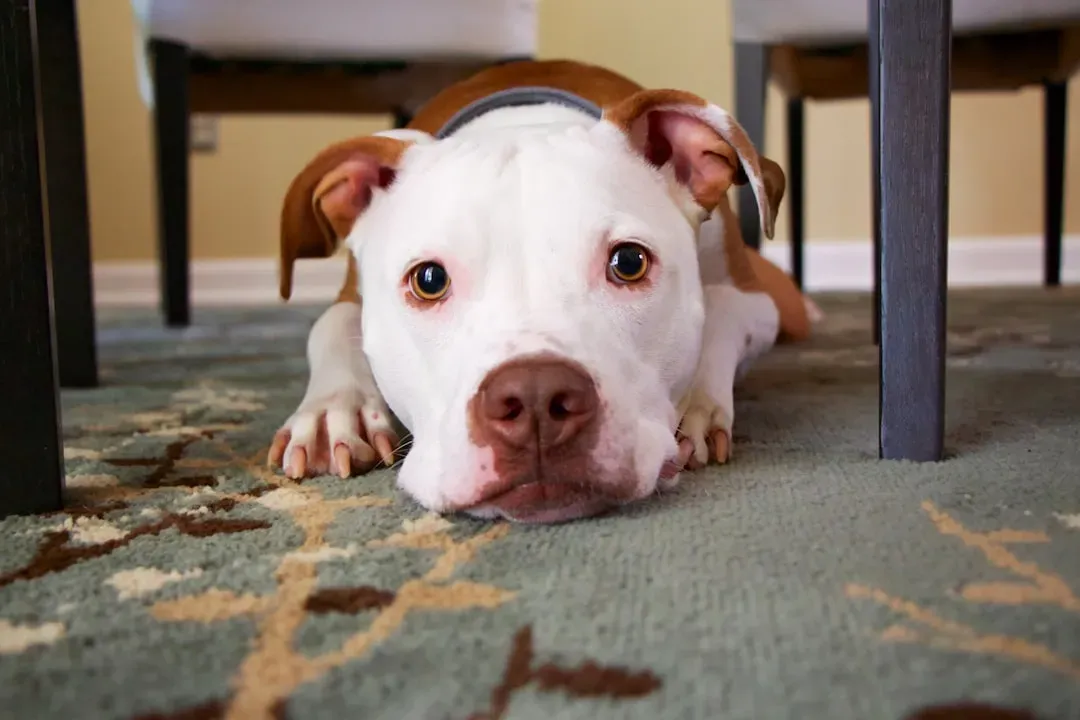
Once you accept that the sit is a message, your next job is to respond like a teammate rather than a drill sergeant. That often means taking a small step back, not a step forward. You can add a little distance from the trigger by crossing the street, turning down a quieter path, or simply stopping and waiting while your dog watches. Pair those moments with something positive, like calm words, gentle touch if they enjoy it, or a favorite treat sprinkled on the ground for a little sniffing game.
Over time, you can use gradual exposure to help them feel better about the scary thing ahead. For example, you might walk to the distance where they can notice the approaching dog or loud truck but still take food and respond to you, and then hang out there in a relaxed way before going home. The key is to go at your dog’s pace, not your schedule’s pace. When the dog learns that you listen to their signals and do not force them through discomfort, many of those mid-walk sits begin to fade on their own.
Training Strategies to Build Confidence and Keep Walks Moving
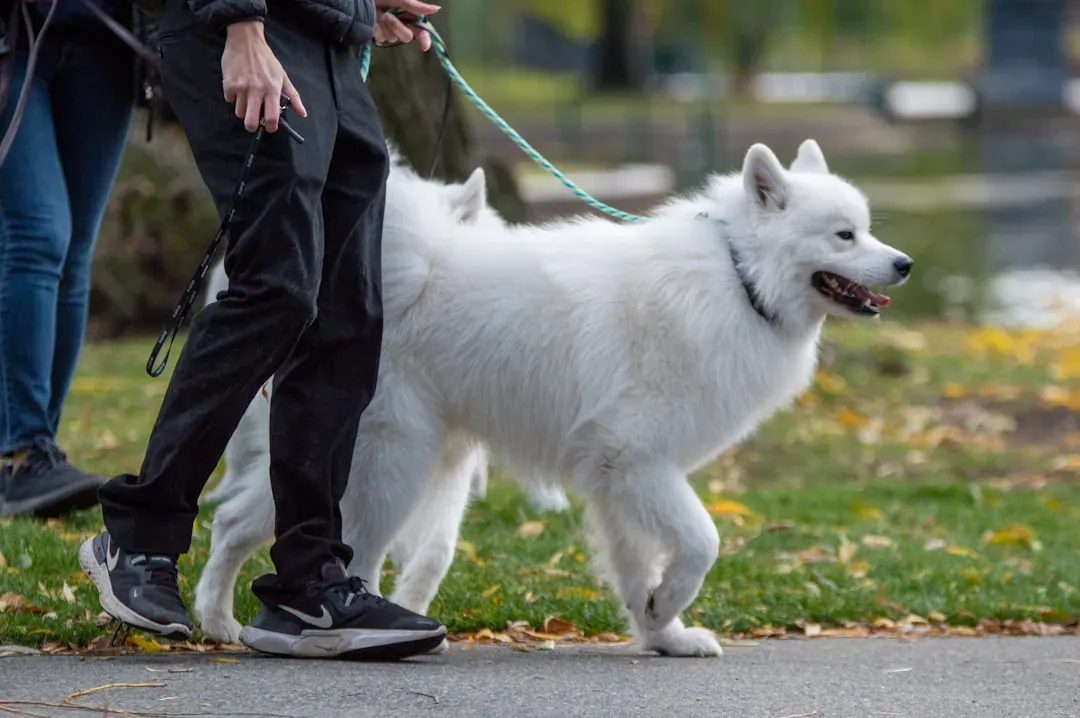
There are also practical training skills that make these moments easier to handle in real life. Teaching cues like “let’s go,” “this way,” or a casual hand target can give your dog a familiar, well-rewarded behavior to fall back on when they feel unsure. You are not bribing them through fear; you are giving their brain something simple and predictable to do, which often lowers stress and builds confidence. It is similar to how some people cope with nerves by focusing on a small routine, like counting steps or breathing in a certain rhythm.
Reward-based training is especially powerful here. If your dog chooses to move with you even one step away from the worrying thing, mark that and pay well. If they need more space, let them have it and reinforce them for walking in the calmer direction. Over many walks, you are teaching them that sitting is acceptable communication, but moving with you leads to good things too. The goal is not to “crush” the sitting behavior; it is to make the world feel safe enough that your dog rarely needs to use it.
Rethinking Walks: Your Dog’s Emotional Life on the End of the Leash
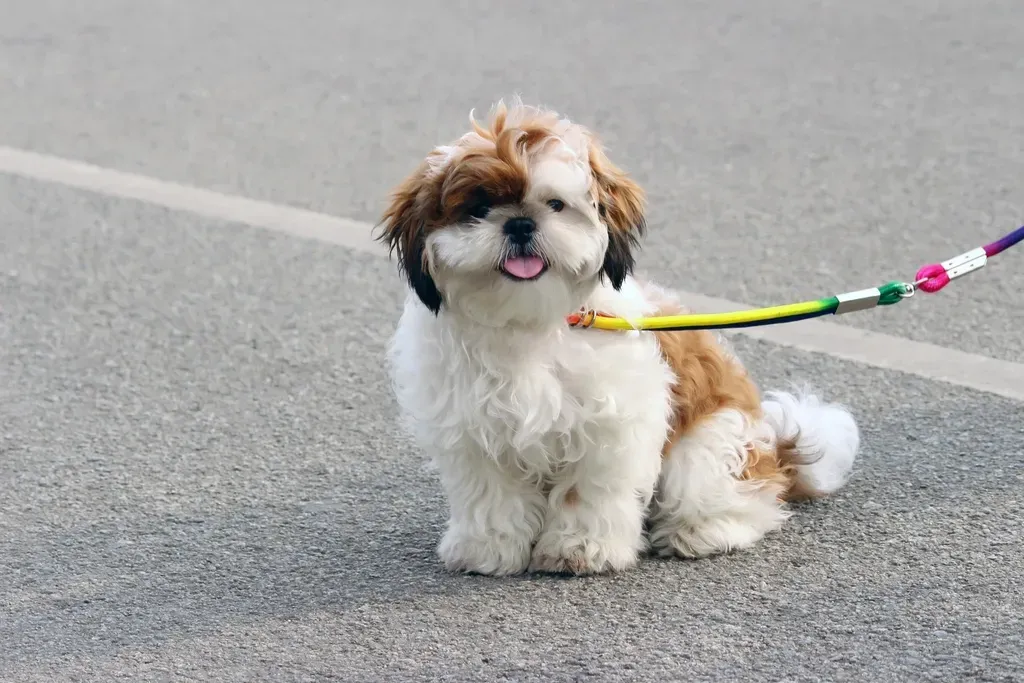
When you start seeing that mid-walk sit as a window into your dog’s emotional state, walks stop being purely about exercise and become something closer to a shared conversation. You are no longer just clocking steps; you are reading tiny signals, responding to their worries, and giving them space to process the world. That shift alone can completely change how connected you feel to your dog and how much they trust you when things get weird or loud out there.
Personally, once I accepted that my dog’s “stubborn” sits were often her trying to calm herself or avoid something that felt too intense, I felt a little guilty about the times I had pulled her along. But I also felt oddly relieved, because it meant there was something we could work on together, instead of just labeling her personality as difficult. The next time your dog drops into a sit in the middle of a walk, ask yourself: are they really being defiant, or are they quietly asking for help in a world that sometimes feels just a bit too big?


