
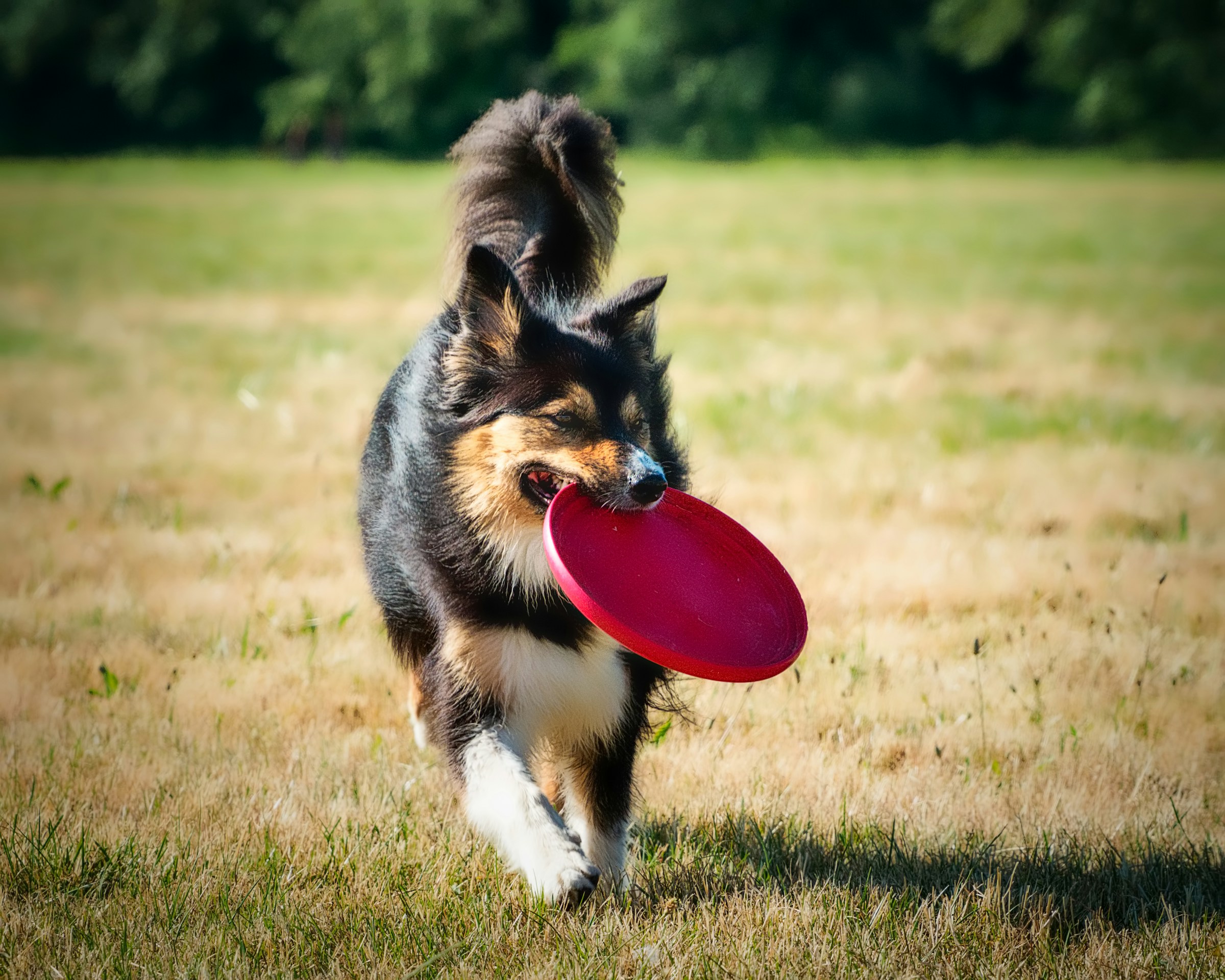
Ever wondered why your furry friend proudly presents you with during your walks or playtime? This endearing behavior is more than just a quirky habit; it’s deeply rooted in your dog’s instincts and emotions. Let’s delve into the fascinating reasons behind this canine trait.
Instinctual Behavior: A Nod to Ancestral Roots

Dogs are descendants of wolves, creatures that relied heavily on their environment for survival. Carrying objects like bones or prey was a common practice. Today, when your dog brings you a stick or rock, it’s echoing this ancestral behavior, showcasing its natural inclination to retrieve and present items.
This instinct is especially pronounced in breeds like Retrievers and Spaniels, who have been historically bred to fetch and carry objects. For them, bringing you a stick isn’t just play – it’s fulfilling a deeply ingrained duty.
Seeking Attention and Interaction
Your dog thrives on your attention. Presenting you with a stick or rock is often an invitation to engage. It’s their way of saying, “Look what I found! Let’s play!” This behavior fosters bonding and ensures they remain the center of your focus.
Moreover, if you’ve previously responded positively – perhaps by playing fetch or praising them – your dog learns that bringing you objects results in rewarding interactions, reinforcing the behavior.
Exploring the World Through Their Mouths

Dogs experience the world differently than humans. While we rely heavily on sight and touch, dogs use their mouths to explore. Sticks and rocks offer varied textures and tastes, making them intriguing objects to pick up and present to you.
This mouthy exploration is particularly common in puppies, who are learning about their environment. By bringing you these items, they’re sharing their discoveries and seeking your approval.
Comfort and Security

For some dogs, carrying objects provides a sense of comfort. The act can be soothing, especially in unfamiliar or stimulating environments. By bringing you a stick or rock, your dog might be seeking reassurance, using the object as a transitional item to cope with new experiences.
This behavior is akin to a child holding onto a favorite toy in a new setting. It’s a self-soothing mechanism that helps them navigate the world with confidence.
Natural Playfulness and Energy Release
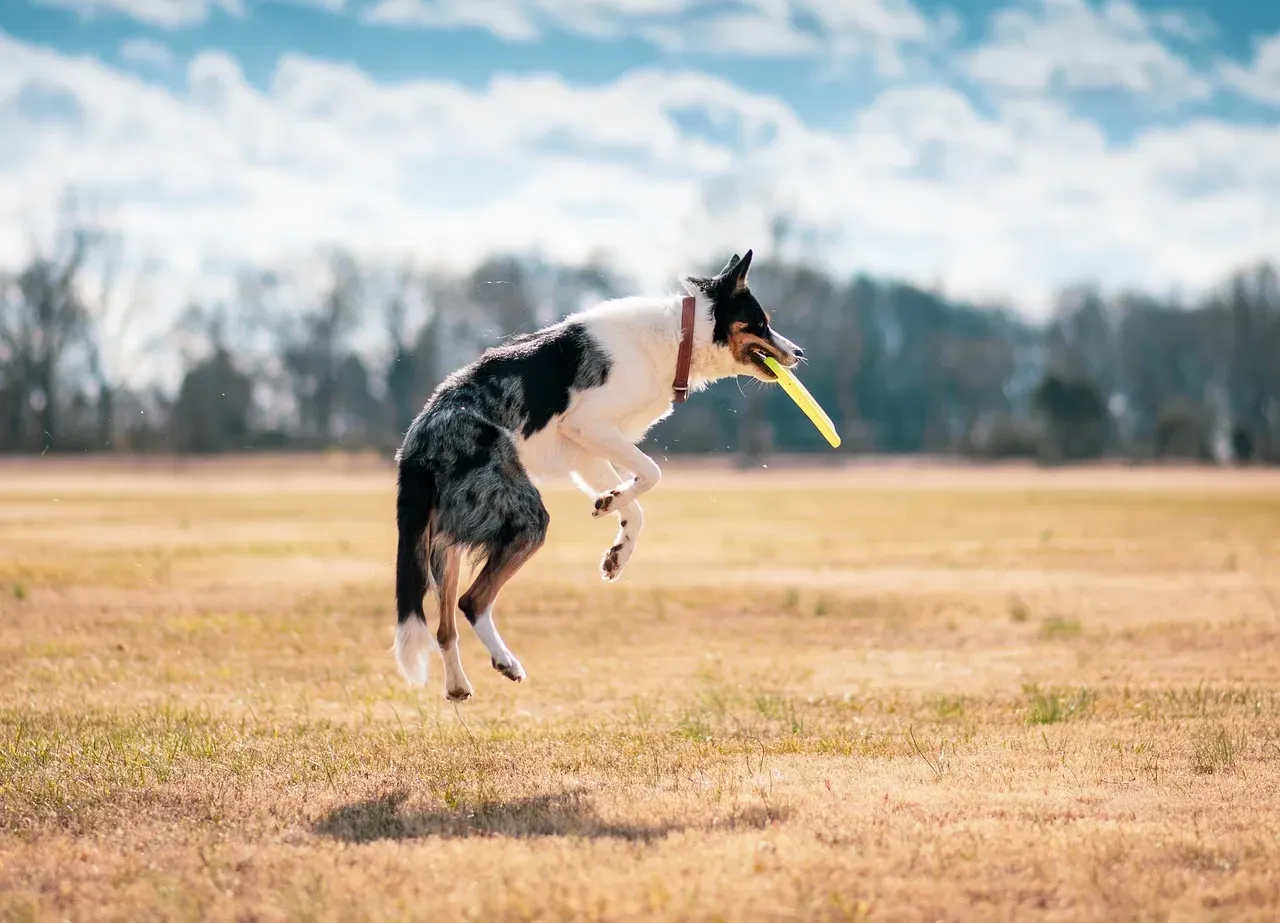
Dogs are playful creatures. Sticks and rocks can become impromptu toys, perfect for a game of fetch or tug-of-war. By bringing you these items, your dog is initiating play, channeling their energy in a fun and interactive way.
Engaging in such play not only provides physical exercise but also mental stimulation, keeping your dog happy and healthy.
Potential Risks and Precautions

While this behavior is generally harmless, it’s essential to be aware of potential risks. Chewing on sticks can lead to splinters, posing choking hazards or causing injuries to the mouth and digestive tract. Similarly, some rocks can be sharp or small enough to be swallowed, leading to internal issues.
To ensure safety, always supervise your dog during play and consider providing safe, dog-friendly toys as alternatives to sticks and rocks.
Encouraging Safe and Positive Behaviors
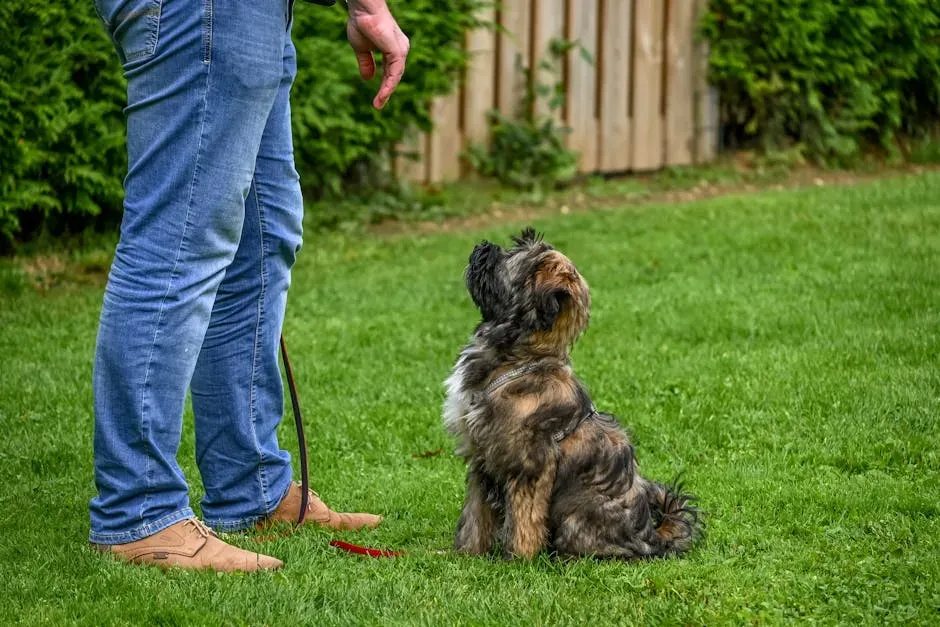
If your dog frequently , it’s beneficial to guide this behavior towards safer alternatives. Introduce durable toys designed for fetching and chewing. Reward your dog when they choose these toys over natural objects, reinforcing positive behavior.
Training commands like “leave it” can also be invaluable, helping your dog understand which items are appropriate to pick up and present.
Conclusion
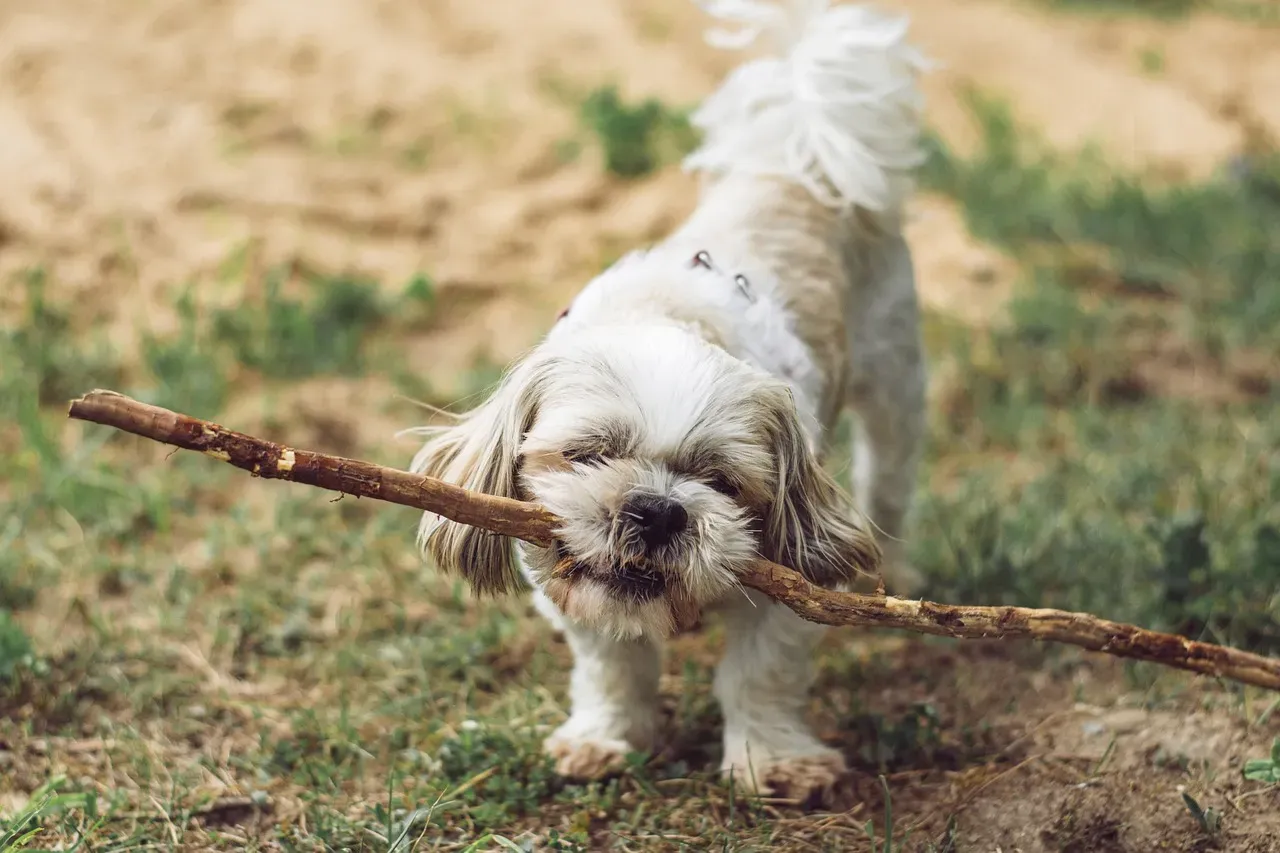
Your dog’s habit of bringing you sticks and rocks is a multifaceted behavior rooted in instinct, a desire for interaction, and exploration. While it’s a testament to their affection and playfulness, it’s crucial to ensure their safety by guiding them towards appropriate toys and monitoring their play. Embracing and understanding this behavior can deepen the bond you share with your canine companion. So, next time your dog drops a stick at your feet, consider it a gesture of trust and love. How will you respond?


