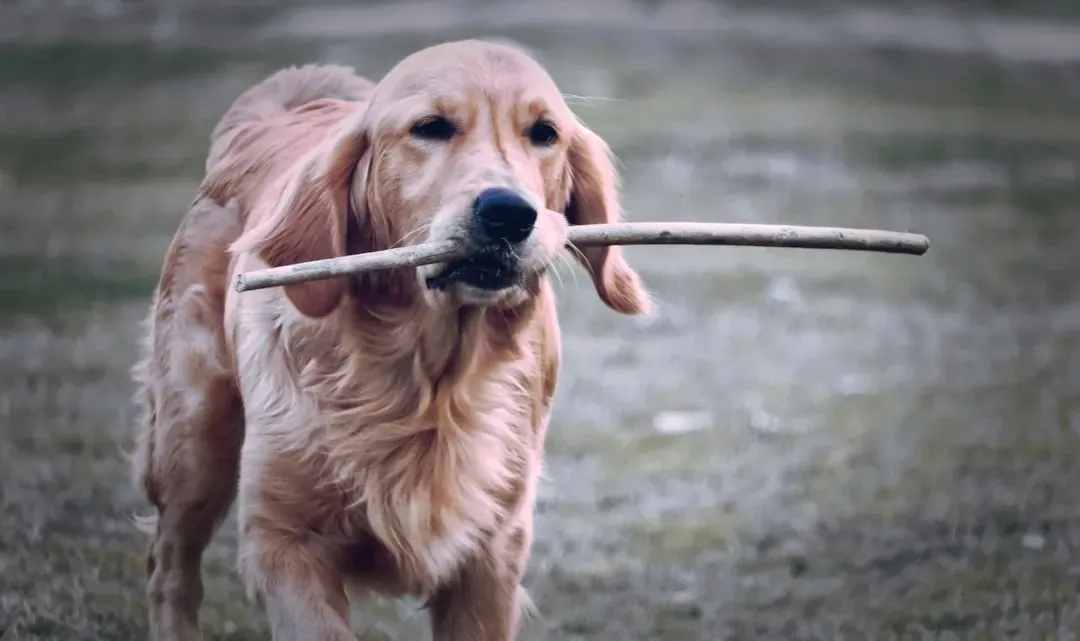
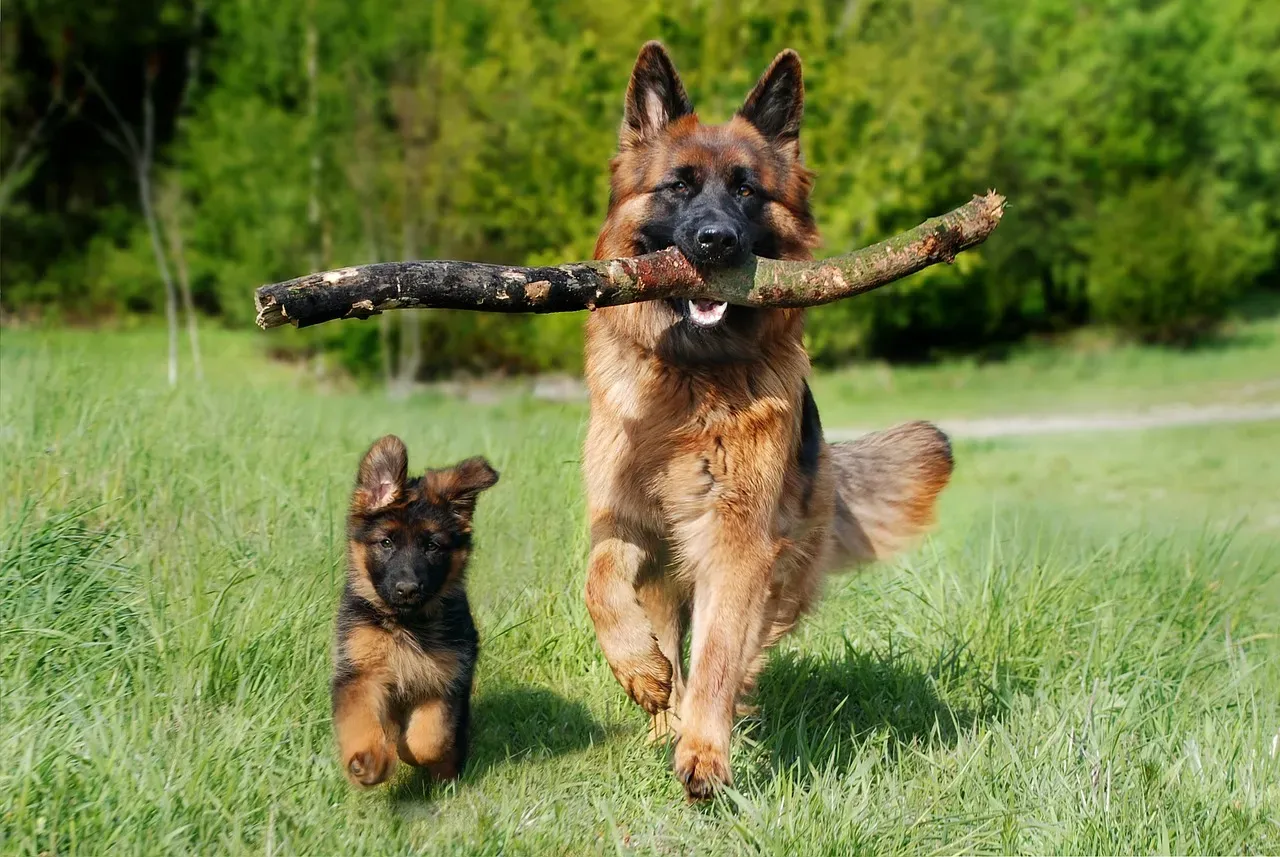
Ever wondered why your furry friend proudly presents you with during your walks or playtime? This behavior, while endearing, is deeply rooted in canine instincts and has various underlying reasons. Let’s delve into the fascinating world of dogs and their penchant for bringing us these natural treasures.
Instinctual Behavior: A Nod to Ancestral Roots
Instinctual Behavior: A Nod to Ancestral Roots (Image Credits: Pexels)Dogs are descendants of wolves, creatures that relied heavily on hunting and gathering for survival. Carrying objects, such as prey or bones, was a common practice. In today’s domesticated dogs, this translates to picking up and carrying items like sticks and stones. It’s their way of tapping into those age-old instincts, showcasing their natural behaviors in a modern setting.
Retrieving Instincts: Born to Fetch
Retrieving Instincts: Born to Fetch (Image Credits: Unsplash)Certain breeds, especially retrievers and spaniels, have been bred over generations to fetch and carry objects. When your dog brings you a stick or stone, it might be acting on this ingrained retrieving instinct. This behavior is not just about play; it’s a demonstration of their genetic predisposition to retrieve and present items to their human companions.
Seeking Attention and Play: An Invitation to Engage
Seeking Attention and Play: An Invitation to Engage (Image Credits: Unsplash)Bringing you a stick or stone can be your dog’s way of seeking interaction. It’s an invitation to play, a signal that they want to engage with you. This behavior is often reinforced when owners respond positively, turning it into a fun and rewarding activity for the dog.
Exploration and Sensory Stimulation: The World Through Their Mouths
Exploration and Sensory Stimulation: The World Through Their Mouths (Image Credits: Unsplash)Dogs experience the world through their senses, and their mouths play a significant role in this exploration. Sticks and stones offer varied textures, tastes, and scents, making them intriguing objects to investigate. By bringing these items to you, your dog is sharing its discoveries, inviting you into its sensory world.
Comfort and Security: A Canine Comfort Blanket
Comfort and Security: A Canine Comfort Blanket (Image Credits: Pexels)For some dogs, carrying objects like sticks or stones provides a sense of comfort and security. This behavior can be likened to a child holding onto a favorite blanket. The act of carrying something familiar can be soothing, especially in unfamiliar or stimulating environments.
Potential Risks: When Natural Behaviors Pose Dangers
Potential Risks: When Natural Behaviors Pose Dangers (Image Credits: Unsplash)While this behavior is natural, it’s essential to be aware of potential risks. Chewing on sticks can lead to splinters, mouth injuries, or even gastrointestinal issues if ingested. Stones pose choking hazards and can damage teeth. It’s crucial to monitor your dog’s interactions with these objects and ensure they don’t lead to harm.
Encouraging Safe Alternatives: Redirecting the Behavior
Encouraging Safe Alternatives: Redirecting the Behavior (Image Credits: Pixabay)To keep your dog safe while still satisfying its natural urges, consider providing safe chew toys or engaging in fetch games with appropriate items. Training your dog to “leave it” or “drop it” can also be beneficial in managing this behavior, ensuring they don’t pick up potentially harmful objects during walks or playtime.
Conclusion: Embracing and Managing Natural Behaviors
Conclusion: Embracing and Managing Natural Behaviors (Image Credits: Pixabay)Understanding allows you to appreciate this behavior as a blend of instinct, play, and affection. While it’s a testament to their natural inclinations and desire to bond, it’s essential to guide and manage this behavior to ensure their safety. By providing appropriate outlets and being mindful of potential risks, you can enjoy these moments with your canine companion while keeping them out of harm’s way. So, next time your dog presents you with a stick or stone, see it as a gesture of trust and engagement, and respond with both appreciation and caution.