
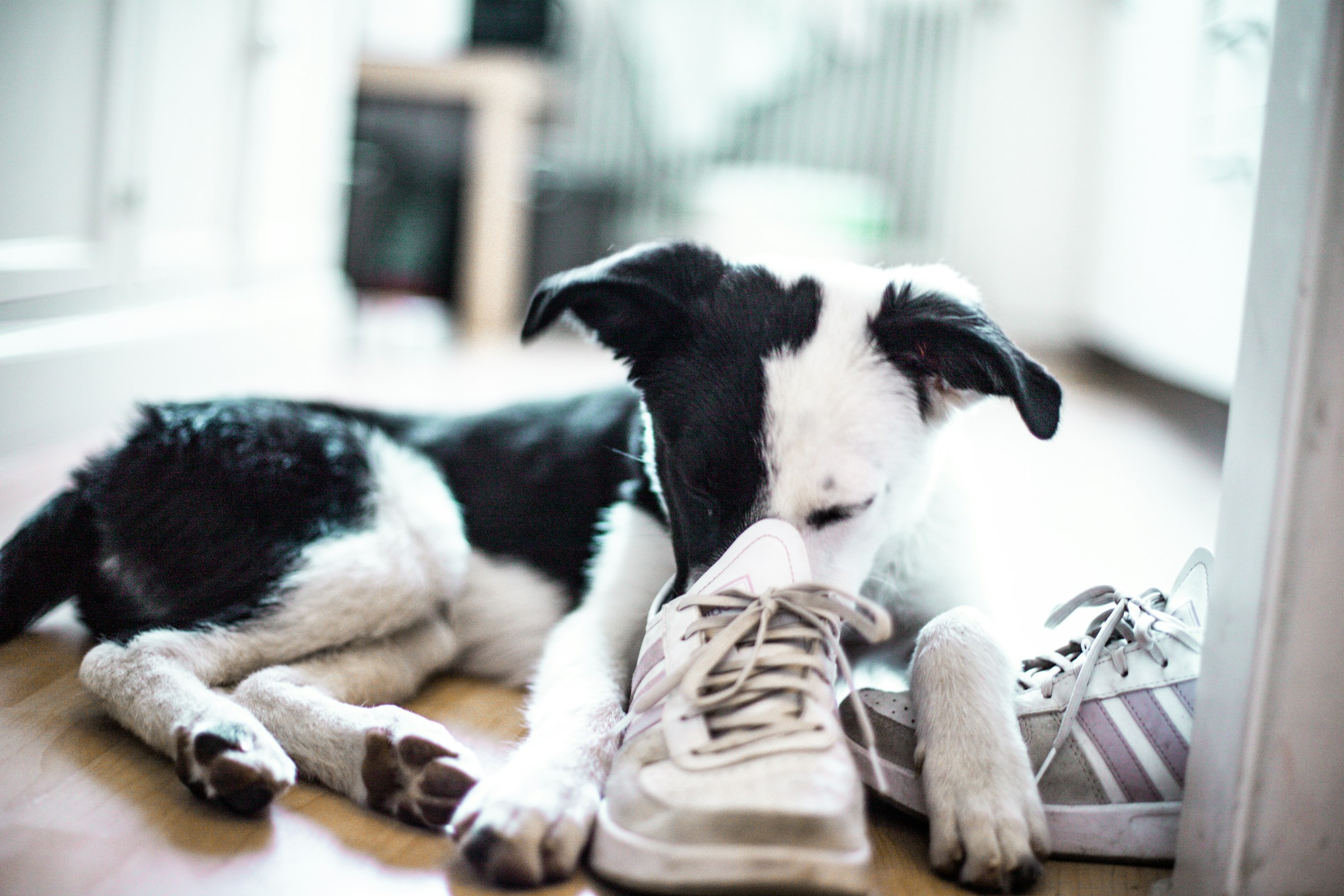
Walk through the door after a long day and your dog is on you in seconds, nose buried in your jeans, your shoes, sometimes straight into your armpit if you let them. It can feel a bit intense, almost like you’re being checked at airport security by a very small, very fluffy customs officer. But to your dog, that first deep sniff is not random or rude – it’s how they read the entire story of your day before you’ve said a single word.
Smell is your dog’s main language, and your personal scent is their favorite book. That quick greeting sniff is packed with emotion, information, and routine, and it’s way more meaningful than we usually give it credit for. Once you understand what your dog is actually “seeing” with their nose, those slightly awkward hallway sniff sessions start to look a lot more like love, trust, and curiosity than just weird dog behavior.
The Superpower Behind That Sniff: Your Dog’s Nose Is Wildly More Powerful Than Yours
The first thing to know is that your dog is not just smelling you a little better than you smell them; they’re living in an entirely different sensory universe. Dogs have far more scent receptors than humans and a much larger part of their brain is dedicated to processing smells, which means your sweaty gym clothes are basically a high‑definition movie to them, not just “ugh, that’s ripe.” What feels like a faint trace of perfume to you can be a layered symphony of individual notes for your dog.
On top of that, dogs have a special structure in their noses that helps them separate breathing from smelling, letting them pull in more odor information with every sniff. When your dog sticks their nose on your shoes the moment you step in, they’re not being dramatic – they’re locking onto a flood of data that you literally cannot detect. Think of it like the difference between glancing at a blurry thumbnail versus watching a movie in ultra‑sharp resolution: they simply have more to work with.
Your Scent Is Their Favorite Comfort Signal
For your dog, your scent is home. It’s safety, predictability, and their version of a warm blanket all rolled into one. That’s why they nuzzle your hoodie, curl up on your side of the bed, or carry your sock around like a prize when you’re not looking. When you walk in the door, that first deep sniff is your dog’s way of confirming, with absolute certainty, that their person is back and everything in their world just snapped back into place.
There’s also an emotional layer here that is easy to miss in the chaos of everyday life. Dogs form strong attachments to their humans, and scent is a huge part of that emotional bond. Your smell is like the soundtrack of their day. When they’re alone, it lingers on furniture, carpets, and doors; when you return, the fresh version of you is like the chorus finally kicking back in. That quick nose‑to‑jeans moment is a rush of relief and familiarity, even if they greet you like it’s been a year and not twenty minutes.
They Can Tell Where You’ve Been (And Who You’ve Been Cheating With)
Here’s where things get uncomfortably impressive: your dog can often tell where you’ve been just from your smell. You might not notice the faint trace of the coffee shop, the subway, or the park you cut through, but your dog is logging those scents like a detective flipping through case files. If you stopped to pet another dog, many dogs will find that out before you even close the door, and some will go straight to sniffing those “betrayal zones” on your hands or pants.
They’re not doing this to judge you; they’re simply gathering context. To them, your scent carries tiny fragments of everything you brushed against during the day – grass, office chairs, different people, other animals, city air, food smells. It’s like you brought home a travel diary written in smell instead of words, and your dog is skimming the entire thing in a few seconds. That intense, focused sniff is their way of catching up on everywhere you’ve been without you saying a thing.
Your Mood Has a Smell, and Your Dog Knows It
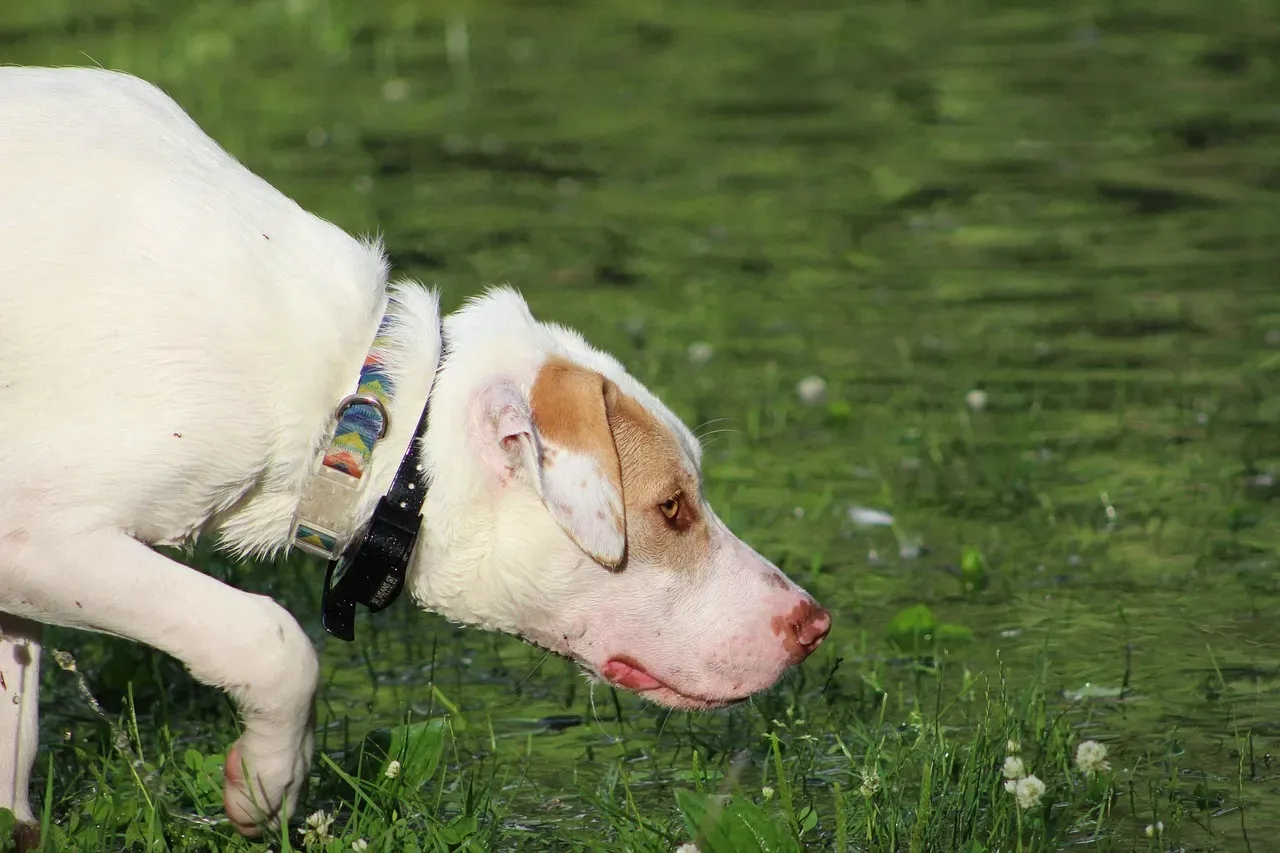
One of the most fascinating parts of dog behavior is how tuned they are to changes in our bodies. When you’re stressed, anxious, tired, or excited, your body chemistry can shift – you sweat differently, your hormones and natural odors can subtly change. Your dog may not understand the concept of a terrible commute or a brutal meeting, but they can absolutely notice that “you” smell slightly different after a rough day compared to a relaxed weekend afternoon.
This is part of why some dogs act differently depending on your mood the second you walk in. You might see them get extra clingy when you’re sad, more bouncy when you’re hyped, or a bit cautious when you’re on edge. They’re not reading your mind; they’re reading your scent and your body language as one package. That first sniff is like an emotional status check – a fast way to decide whether you need space, comfort, or a goofy zoomies performance to cheer you up.
Routine, Ritual, and the “Welcome Home” Sniff
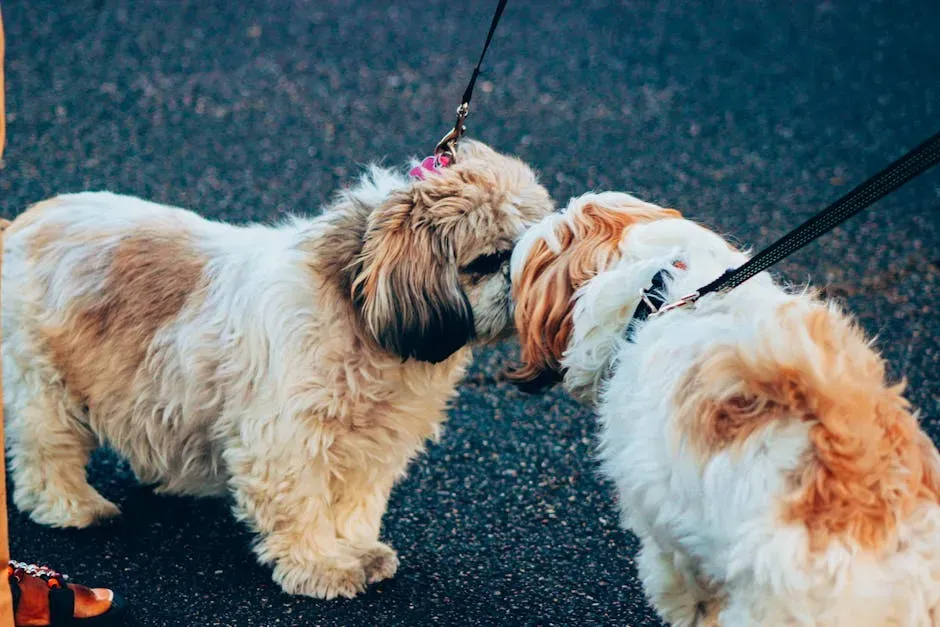
Dogs thrive on patterns. The sound of your keys, the timing of your steps in the hallway, the way the door opens – all of that is part of their daily rhythm. The sniff that follows is often a built‑in ritual, a familiar step in the sequence that tells them the day is following its normal script. You walk in, they rush over, nose engages, tail thumps, and life is good again. Break that pattern by ignoring them or rushing past, and some dogs genuinely get a bit thrown off.
Over time, that greeting sniff can become almost ceremonial. It’s not just information‑gathering; it’s how they say hello, catch up, and reset the bond after a small “separation.” Think of it as the canine version of asking how your day was, except they actually already know the first draft of the answer from your scent alone. By letting them do it, you’re reinforcing that shared routine, which can make your dog feel more secure and connected to you.
Why Some Dogs Get Extra Intense With Their Sniffing
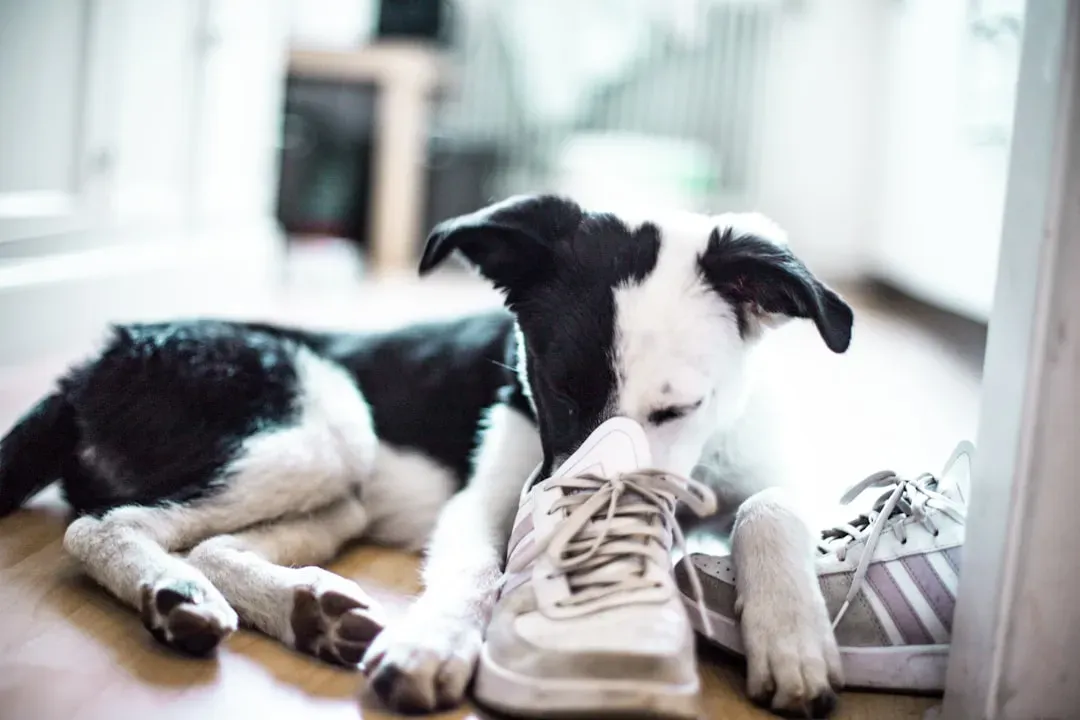
If your dog seems particularly obsessed with sniffing you when you get home – really digging into bags, shoes, or specific body parts – there are a few possible reasons. Some dogs are simply more scent‑driven by personality or breed; for them, your arrival is the most exciting olfactory event of the day, and they’re not going to waste a second of it. Others may have spent more time alone, so you returning is a bigger emotional event that triggers extra sniffing and checking in.
Occasionally, extremely intense sniffing can also signal anxiety or insecurity, especially if your dog struggles with being left alone. In that case, the sniffing can feel a bit frantic, as if they’re trying to reassure themselves that you’re really back and not going anywhere again. Gently acknowledging them, letting them get their information, and pairing your return with calm, predictable affection can help those dogs feel more settled instead of ramping them up even more.
How to Respond: Let Them Sniff, Then Set the Tone
So what should you actually do when your dog rushes in nose‑first at the door? In most cases, the kindest move is to just let them have those first few seconds. Stand still, say hello in a calm, friendly voice, and let them finish their little investigation. To them, that tiny window of time is incredibly rich, and cutting it short can feel a bit like hanging up mid‑sentence. Once they seem satisfied, that’s your moment to guide the energy – maybe toward a sit, a calm pet, or a short play session.
If they get too jumpy or pushy, you don’t have to tolerate chaos to be kind. You can still protect your space while respecting their need to sniff by calmly turning away from jumping, rewarding paws on the floor, and waiting until they settle a bit before big greetings. Over time, you can shape a routine where they get their precious scent check and you get a more polite, controlled welcome. That way, their supernose still gets to do its job, and your hallway doesn’t turn into a daily wrestling match.
Conclusion: Your Dog’s Nose Is Reading a Story You Forget You’re Telling
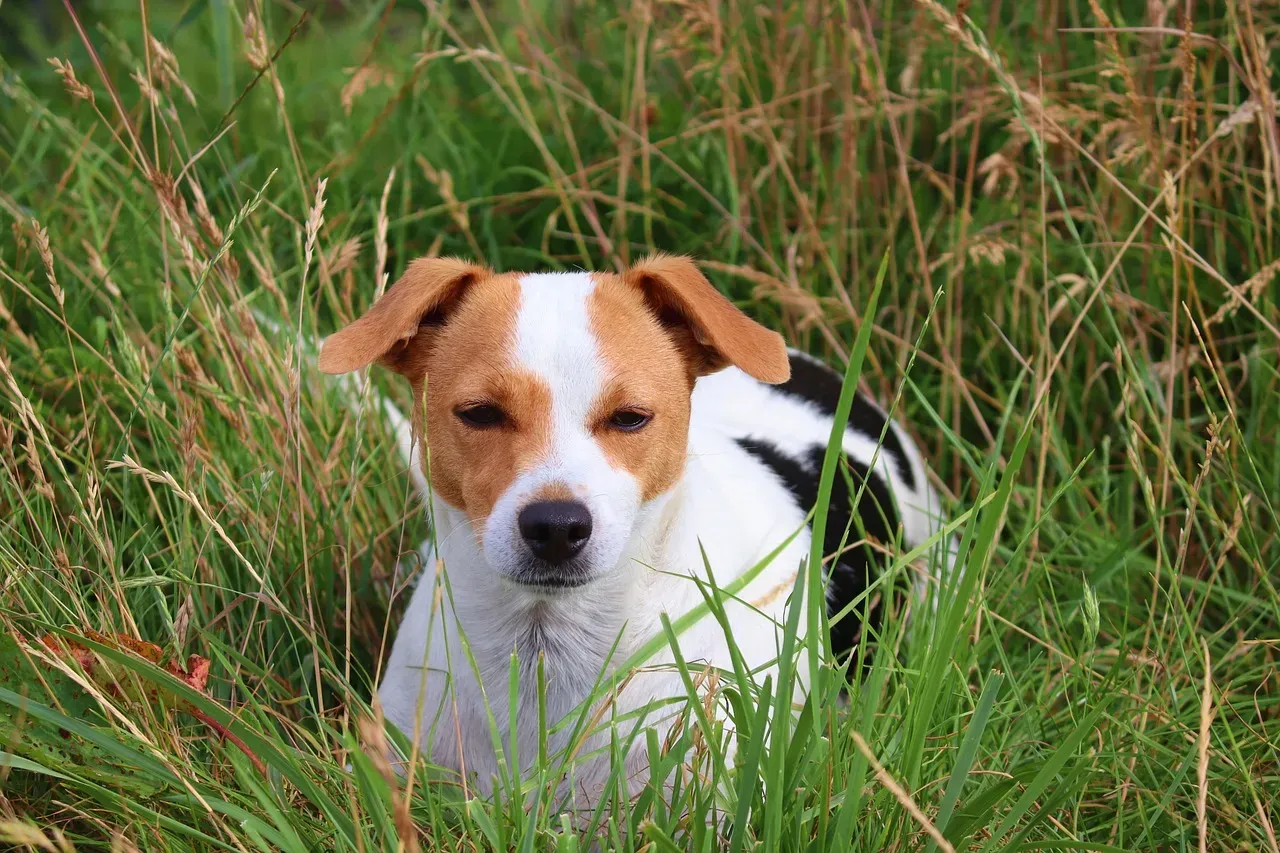
When you step through the door and your dog zeroes in with that eager sniff, it’s easy to brush it off as just another quirky dog habit. But under the surface, there’s a mix of biology, emotion, and ritual at play that says far more about your relationship than we usually admit. Your scent carries the tale of where you’ve been, how you feel, and how long you’ve been gone, and your dog is simply doing what they do best: reading it in full color, every single time.
Personally, once I understood this, I stopped seeing that first sniff as annoying and started treating it like a small act of trust and affection. In a world that drowns us in screens and noise, there’s something grounding about a creature that just wants to smell you and know you’re okay. So the next time your dog presses their nose into your leg the moment you walk in, maybe let them take their time – after all, how many beings in your life are paying that much attention to the story you’re telling without even saying a word?


