
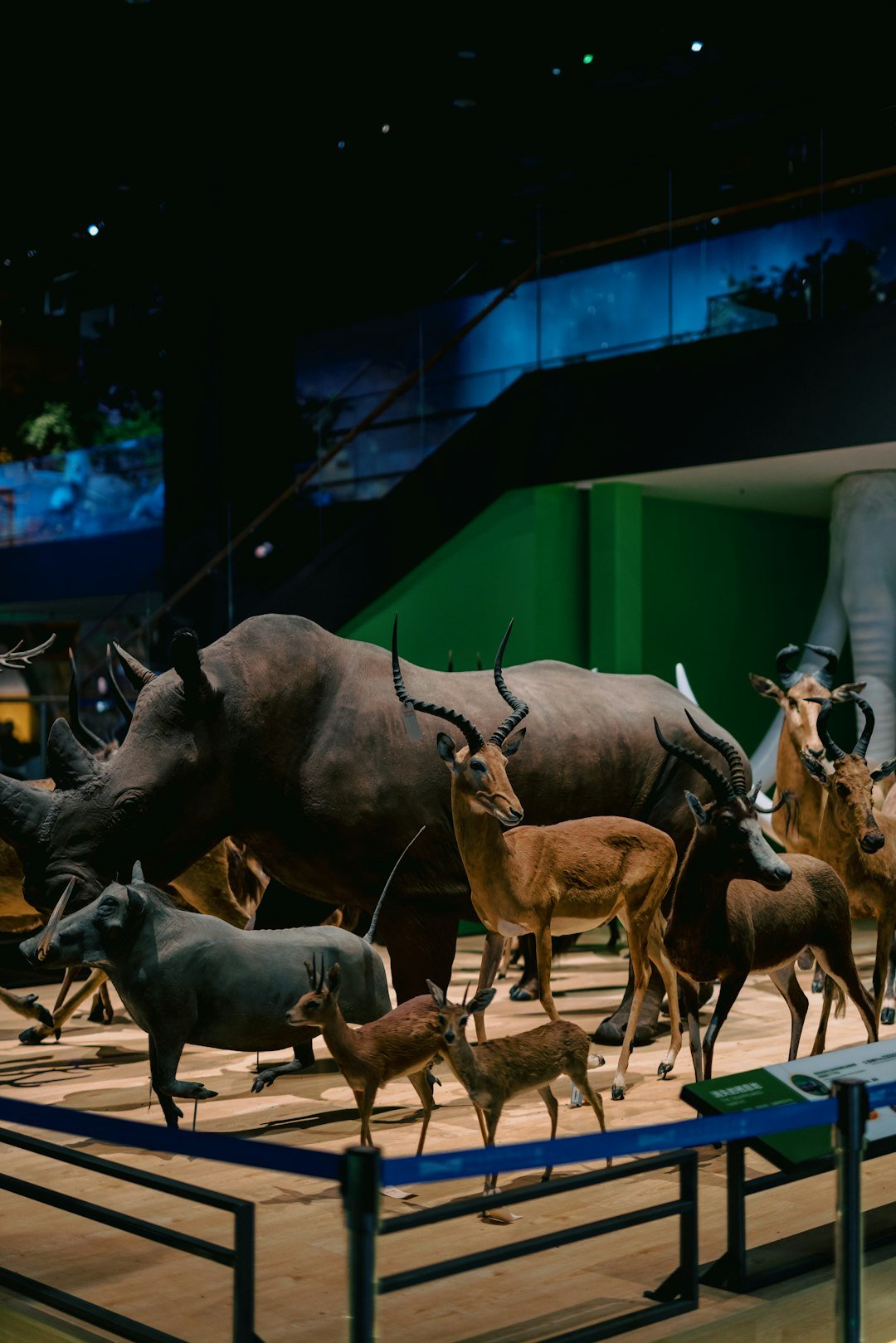
The global wildlife trade, encompassing live animals sold as pets, bushmeat for food, and products for traditional medicine, has long raised alarms about disease transmission. Researchers recently quantified these dangers through an extensive analysis of mammal species and trade records spanning four decades. Their findings underscore a clear link between trading wild animals and heightened chances of pathogens jumping to humans.[1][2]
Traded Mammals Carry Far More Human Pathogens
Among more than 2,000 mammal species involved in wildlife trade, 41 percent shared at least one pathogen with humans, researchers reported. This figure contrasted sharply with non-traded species, where only 6.4 percent showed such overlap.[1] Traded mammals proved 1.5 times more likely to host zoonotic pathogens, even after accounting for factors like geographic range and human proximity.
The study drew from databases tracking legal international trade via CITES, U.S. imports through LEMIS, and illegal seizures. Pathogen data came from over 190,000 mammal associations cataloged in CLOVER. These tools revealed that trade status itself amplified risks beyond mere habitat overlap.[1]
| Category | Percentage Sharing Pathogens with Humans |
|---|---|
| Traded Mammals | 41% |
| Non-Traded Mammals | 6.4% |
Past Outbreaks Trace Back to Trade Networks
A 2003 mpox outbreak in the United States illustrated the perils firsthand. Exotic African rodents shipped to a pet store infected prairie dogs, which then spread the virus to nearly 100 people through handling.[2] Ebola cases often stemmed from bat consumption, while scientific investigations pointed to a Wuhan market – stocked with raccoon dogs and civets – as COVID-19’s likely origin.
These incidents highlighted how trade stages, from capture to markets, fostered close human-animal contact. Crowded live-animal sales mixed species unnaturally, allowing viruses to evolve and spill over. Illegal shipments of pangolins or squirrel monkeys compounded dangers due to unchecked health conditions.[2]
Time in Trade Predicts Escalating Dangers
Duration mattered profoundly. Species remained in trade networks for an average of nearly 10 years, gaining one additional shared pathogen with humans for every decade exposed.[1] Live animal trade boosted odds by 1.34 times, while illegal dealings added 1.4 times more pathogens on average.
Synanthropic species – those tolerant of human areas – and those hunted for meat also carried elevated risks, though trade effects dominated. Structural models confirmed trade’s direct role in pathogen exchange, independent of research biases or consumption patterns.
- Legal international trade data spanned 1975 to present via CITES.
- U.S. import records covered 2000 to 2022.
- Illegal trade seizures tracked from 2010 to 2019.
- Pathogen analysis included viruses, bacteria, fungi, and parasites.
- Phylogenetic controls ensured robust comparisons across mammal families.
Experts Urge Immediate Reforms
“There’s no safe trade,” stated Jerome Gippet, an ecologist and study co-author.[3] Colin Carlson, a Yale disease ecologist involved in the research, emphasized the pace: “Wildlife trade has been affecting our health much faster and for much longer than we thought.”[4]
Live markets and illicit networks demanded priority scrutiny, experts agreed. Enhanced biosurveillance at borders and genomic tracking could flag emerging threats. Policymakers eyed CITES reforms to weigh zoonotic risks alongside conservation.[1] Consumer shifts away from exotic pets and bushmeat offered another lever.
Key Takeaways
- Wildlife trade involves a quarter of terrestrial mammal species worldwide.
- Traded animals face 50 percent higher zoonotic risk than non-traded ones.
- Every decade in trade introduces one new human pathogen on average.
This study transformed anecdotes into evidence, proving wildlife trade as a persistent pandemic driver. Stronger regulations and global vigilance could avert the next spillover. What steps should governments prioritize to curb these risks? Tell us in the comments.


