
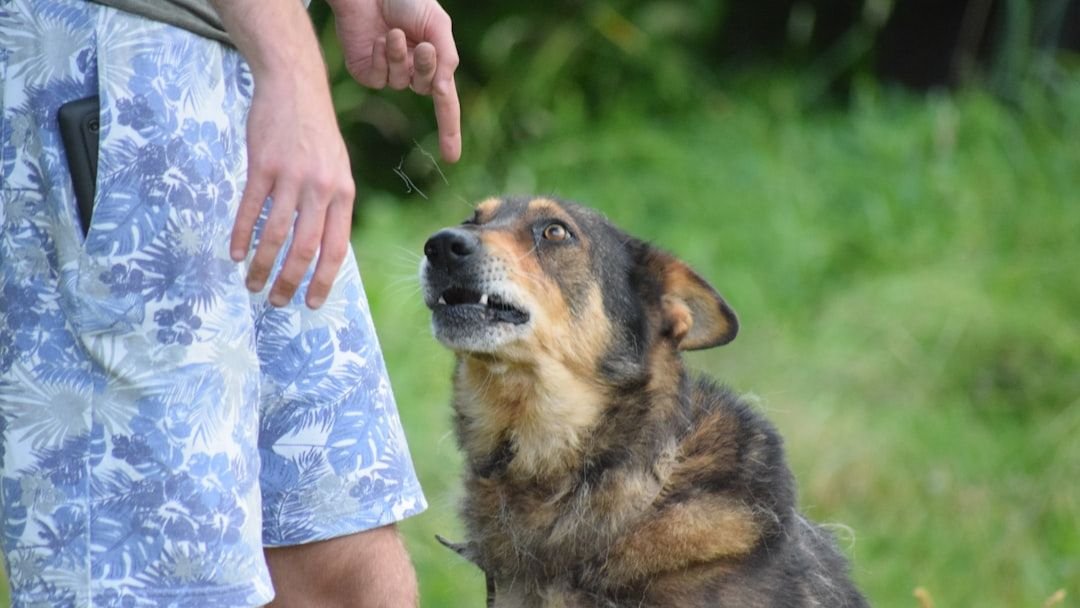
Picture this. You ask your dog to move off the couch. Instead of jumping down quietly, they let out this long, dramatic grumble, half growl, half moan, maybe even a little huffy exhale. Your first instinct? “Did this dog just talk back to me?” Honestly, I get it. It sounds like sass. It feels like defiance. But here’s the thing – your dog isn’t staging a rebellion. They’re doing something far more beautiful than that.
Dogs try to communicate with people in different ways, mostly through body language but also with vocalizations. That grumble, that little vocal protest, that theatrical sigh? It’s your dog trusting you enough to speak. Not every dog opens up like that. So before you shush them, lean in and listen. What they’re saying might just change the way you see your relationship forever. Let’s dive in.
The Grumble Is a Language, Not a Challenge
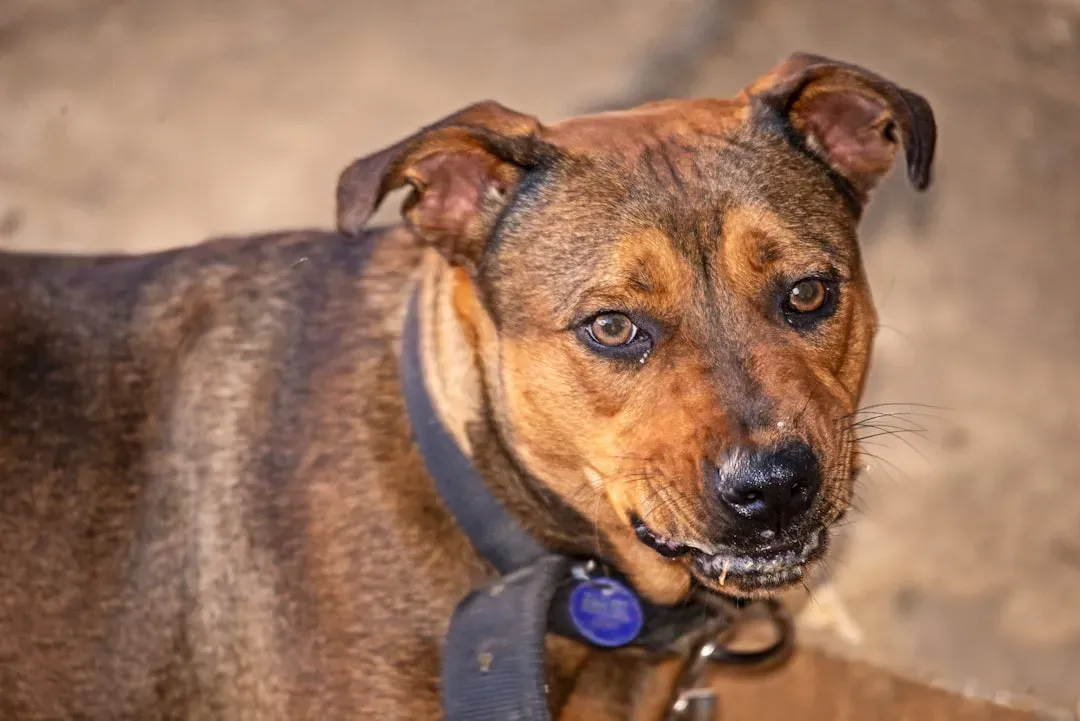
Let’s be real – most of us were never taught to think of a dog’s grumble as a form of communication. We were taught it meant trouble. But science tells a very different story. Dogs try to communicate with people in different ways, one of which is growling. As pet owners, we often assume that dog growling is a signal of displeasure or aggression, but it isn’t always that simple.
Grumbling is a low, guttural sound that resembles a growl, but it’s typically less intense. It can sound similar to human murmuring or mumbling. Many dogs use grumbling as a form of communication, especially during close, relaxed interactions. Think of it like a toddler making noise at the dinner table – not because they’re angry, but because they have things to say and no other way to say them.
Some dogs vocalize more than others, and many can express several interesting sounds. Your dog’s grumble isn’t random noise. It’s a vocabulary. A rich, nuanced one. The sooner you recognize it as such, the more deeply you’ll connect with the animal living right there in your home.
Why Your Dog Grumbles Specifically at You
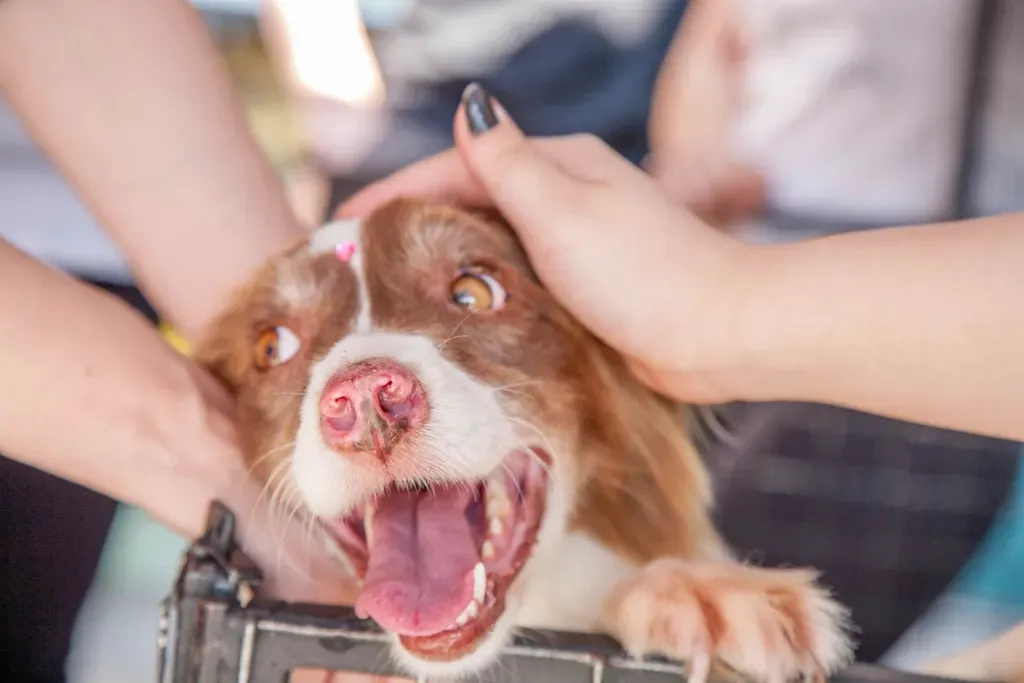
Here’s something that might warm your heart a little. The fact that your dog grumbles at you and not at strangers? That’s not a problem. That’s a privilege. Interactions like gazing and physical contact increase oxytocin levels, strengthening the bond and trust between humans and dogs. Your dog grumbles because you are safe. You are their person.
Some dogs will growl affectionately, when being petted, for example. They may also growl as a request for attention. This is usually a low growl with loose body language that owners tend to think seems like the dog is trying to talk. It may even sound like words, and in a sense they are talking – they are communicating in a vocal fashion.
Dogs have remarkably evolved to pick up on our social and emotional cues, fine-tuning their responses to our vocalizations and speech patterns over thousands of years of shared history. The very act of communicating with dogs beyond training exercises serves to reinforce the emotional bond that is vital for a harmonious relationship. So the next time your dog gives you that grumpy little monologue, smile. They’re talking to you because they trust you completely.
Reading the Room: Good Grumble vs. Warning Grumble
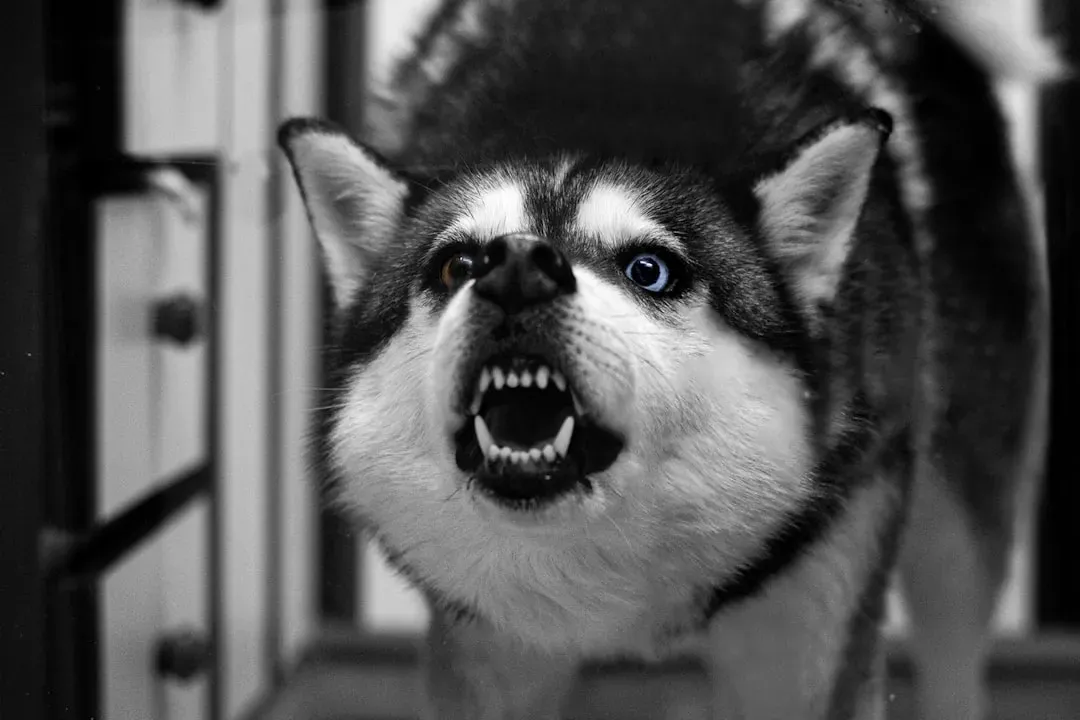
Okay, I know what you’re thinking. “But what if it’s not a happy grumble?” Fair question, and an important one. Not every vocalization is warm and fuzzy. Unlike play and talk growls, stress growls tell you your dog is uncomfortable. And that’s invaluable. The key is learning to read the difference, and it’s easier than you might think.
Watch the body, not just the mouth. Tense muscles, flattened ears, or avoidance behavior might point to agitation or unease. Tail wagging loosely while grumbling is often a sign of enjoyment. Snarling or showing teeth while grumbling leans toward a more aggressive warning. Context is everything here.
Although every dog is different and has their own vocal range and individual voice, in general dog play growls will sound higher pitched than other kinds of growling. They will also often be shorter and may be accompanied by body language like bounding motions, or your dog bending down onto their front legs, or raising their rear-end in the air. A loose wiggly body paired with a grumble? Pure joy. A stiff, frozen body paired with a grumble? Stop what you’re doing and give your dog some space.
Never Punish the Grumble – Here’s Why That Matters
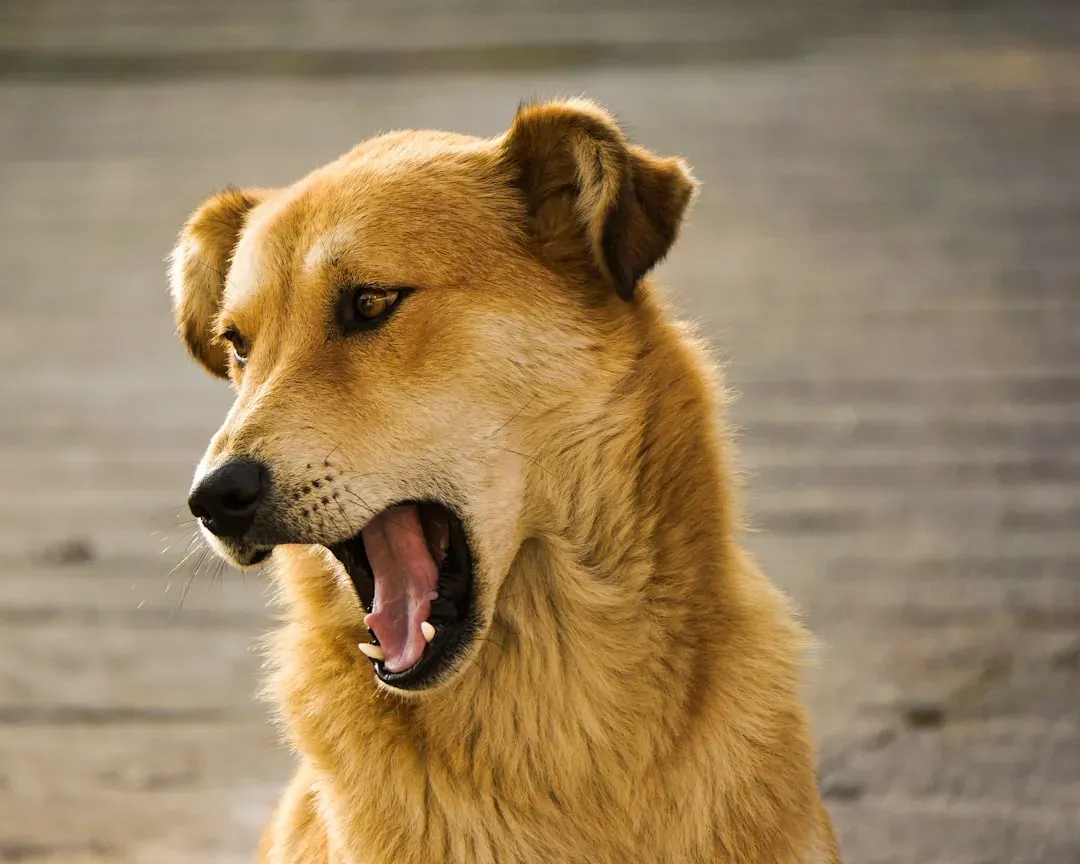
This might be the most important thing in this entire article, so please don’t skim past it. Punishing your dog for grumbling doesn’t teach them to feel better. It teaches them to go silent before they snap. Do not yell at, use a shock collar, or hit your dog when they growl. Remember that a growl, just like a bark, is a normal part of a dog’s vocal communication.
When you tell your growling dog to be quiet, you are only correcting what you perceive to be a problem in that moment and not understanding why your dog is growling. When you physically punish your dog for growling, it may lead to further aggression with your dog baring their teeth, lunging, snapping, or even biting. The punishment may also reinforce your dog’s underlying fear or anxiety.
Most dogs don’t want to attack or bite. They use growling to prevent the situation from escalating. Silencing that signal is like removing the warning light from your car dashboard. The problem doesn’t disappear. It just becomes invisible until it’s too late. Honor the grumble. Respond to it. That’s how you keep both of you safe.
How Breed, Personality, and Trust Shape Your Dog’s Voice
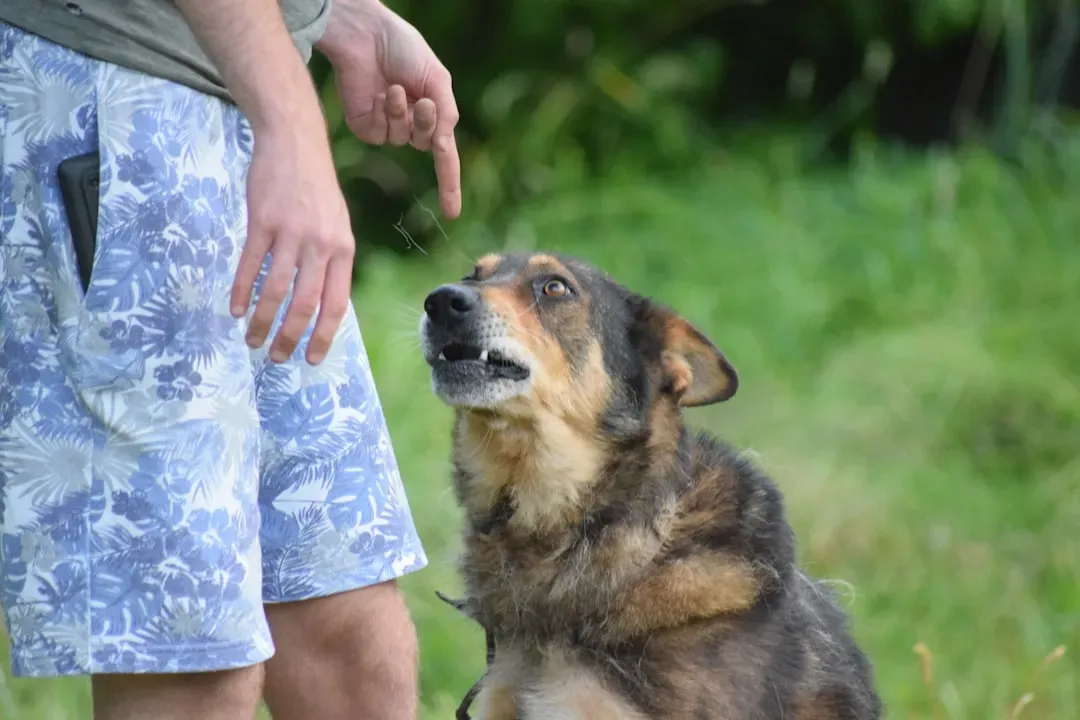
It’s worth knowing that not all dogs grumble equally. Breed plays a surprisingly big role in how vocal a dog chooses to be. Some dogs will make growling or moaning noises or even noises that are impossible to describe in writing. Sometimes these are breed specific – Basenjis yodel, Salukis make all sorts of weird howly-growly sounds, Rottweilers “grumble,” and sometimes they are learned behavior because either normal vocalizations have been punished or, the dog has accidentally hit on an odd noise that has been rewarded.
Some dog breeds are more vocal by nature. Breeds like Huskies, German Shepherds, or Boxers often use a broader range of vocalizations, including grumbling, to communicate with their owners. Similarly, dogs with extroverted, confident personalities may vocalize more during physical affection. If you have one of these breeds, congratulations – you basically have a dog with a lot of opinions and no plans to keep them quiet.
As a result of domestication, most dog species show marked differences compared to the ancestral wolf in vocalization range, frequency, and function – wolves receive natural pressure to communicate with other wolves while humans have spent many generations artificially selecting for effective human-dog communication. In other words, your dog’s talkativeness is not an accident. It’s thousands of years of evolution, all pointing toward one goal: connecting with you.
Conclusion: Listen More, Shush Less
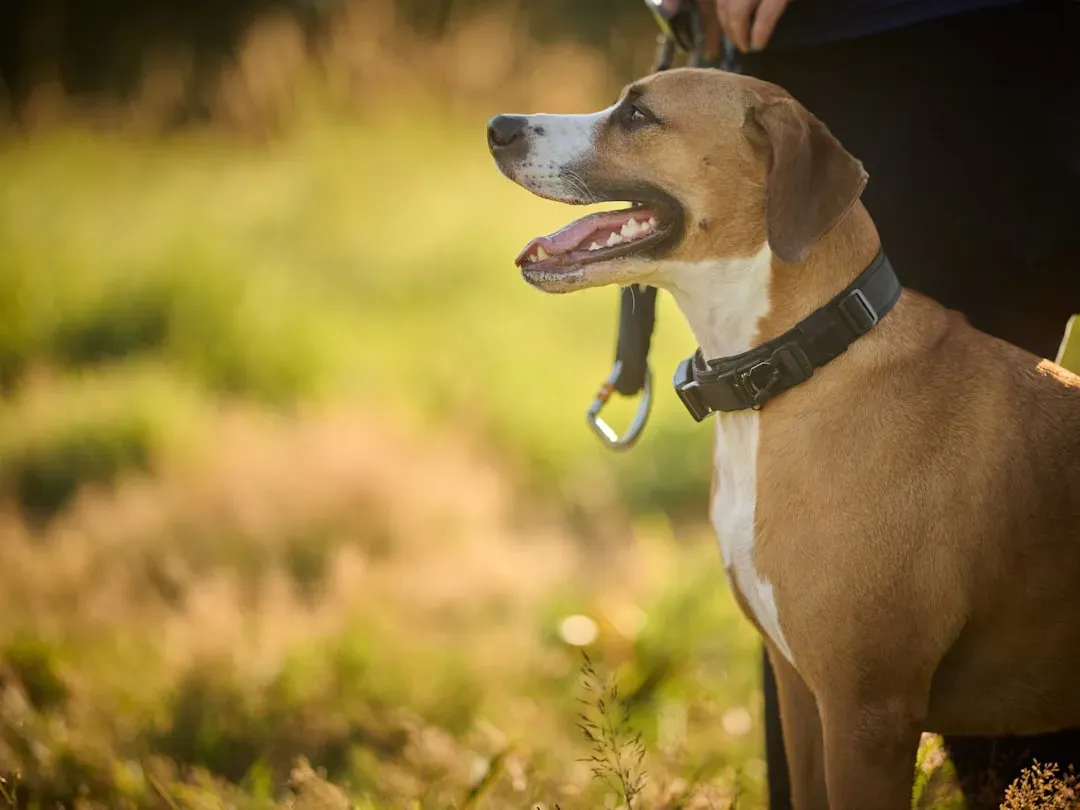
Your dog’s grumbles, sighs, moans, and little verbal protests are not signs of a badly behaved animal. They are signs of a deeply bonded one. Whatever sounds your dog makes, one thing is certain – the sounds mean something and shouldn’t just be ignored. Every vocalization is a window into how your dog is feeling, what they need, and how much they trust you.
Bonding with your dog is essential for a positive long-term relationship, and it can improve mental and physical wellbeing. Understanding your dog’s body language and using positive reinforcement techniques are important steps to building trust and communication. The more you tune in to your dog’s voice, the more they’ll keep talking to you.
Honestly, that’s one of the most extraordinary things about sharing your life with a dog. They find a way to reach you, even across the language barrier, even without words. They grumble, they groan, they sigh – and every single sound is love in its own goofy, imperfect form. So the next time your dog talks back? Talk back to them. What do you think – does your dog have a signature sound that always makes you smile? We’d love to hear about it in the comments.


