
Picture this: you’re standing in the backyard, treat in hand, calling your dog for the third time. They’re staring right at you. They heard you. They just… aren’t coming. In that moment, it’s almost impossible not to think, “This dog is impossible.” But what if the real story is far more interesting than defiance?
Dogs are active decision-makers. They’re weighing options, reading the environment, processing past experiences, and acting on the conclusion they’ve already reached – all in the time it takes you to say their name. That’s not stubbornness. That’s a mind at work.
The “Stubborn Dog” Myth Is Actually a Communication Gap
Too often, people interpret their dog’s behavior through a human lens, and that’s most apparent when their dog doesn’t listen or obey cues. The dog gets labelled as stubborn when, in reality, they either didn’t understand what was asked or didn’t think it was worth their effort. That’s a significant distinction – one that shifts the conversation from blame to understanding.
Stubbornness is a human lens we put on dogs when we feel frustrated. Dogs aren’t giving us a hard time – they’re having a hard time. The moment you make that mental shift, everything changes. You stop asking “Why won’t you listen?” and start asking “What’s going on for you right now?”
In reality, stubbornness is a human characteristic. What looks like a dog refusing to cooperate out of spite may in reality be a dog who is struggling to understand, or a dog who needs a different approach. That’s not a small reframe – it’s a fundamentally kinder and more effective way to think about the relationship you’re trying to build.
Your Dog Is Always Running a Cost-Benefit Analysis
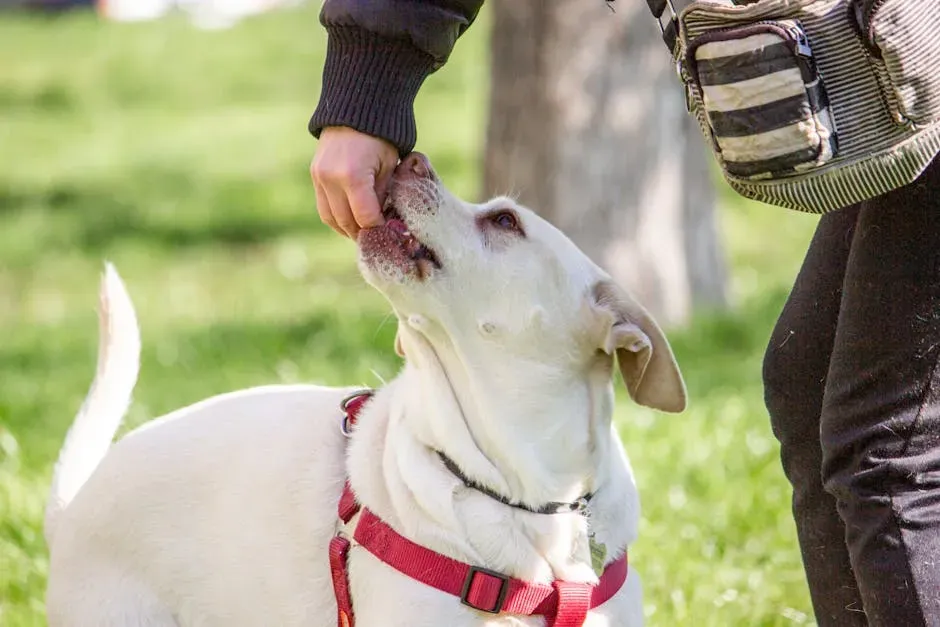
Dogs do what works for them, and they learn by the consequences of their actions. If coming when called means leaving the dog park but running off means more fun with friends, which do you think the dog will choose? In other words, your dog won’t obey just because you think they should. There must be something in it for them.
Dogs are ultimately self-interested little beings. They do what seems to be most interesting to them at that time. That’s not a character flaw. It’s actually a sign of a functioning, healthy mind. The fix isn’t to demand compliance – it’s to make the right choice genuinely worth their while.
Especially in the earlier stages of the training process, it’s important to make sure that the rewards you use in your sessions match the difficulty of the task. People often run into trouble when they take a behavior they’ve taught at home out into more difficult environments, and suddenly aren’t able to get the same reliability from their dog. One reason for this may be that what you’re using as a reward isn’t valuable enough for the added difficulty. Think of it like this: a quick “good dog” might work in your kitchen, but a noisy street corner demands better currency.
When “Stubbornness” Is Actually Fear or Anxiety

Dogs who show a variety of fear-based behaviors, like fear of unfamiliar people, phobias, separation distress, or fear-based aggression, are often mislabeled. Calling a fearful dog stubborn in these cases is a clear miscommunication between dog and person. Fear and defiance can look identical from the outside. The difference is everything.
While some anxious dogs tremble or bark excessively, most display far subtler behaviors. Look for frequent yawning when they are not tired, lip-licking, avoiding eye contact, or showing the whites of their eyes – known as “whale eye.” Others may slow down, freeze, hide, pace, or become unusually clingy. These quiet signals are often overlooked but can indicate that your dog is struggling to stay calm.
A fearful dog is not being stubborn or dominant – they are in a state of physiological stress. Their body is flooded with cortisol and adrenaline, priming them for fight, flight, or freeze. Punishing a dog in this state only confirms their belief that the situation is scary and that you are not a source of safety. That’s a cycle worth breaking early, before it deepens into something harder to undo.
Pain and Health Issues Can Masquerade as Noncompliance
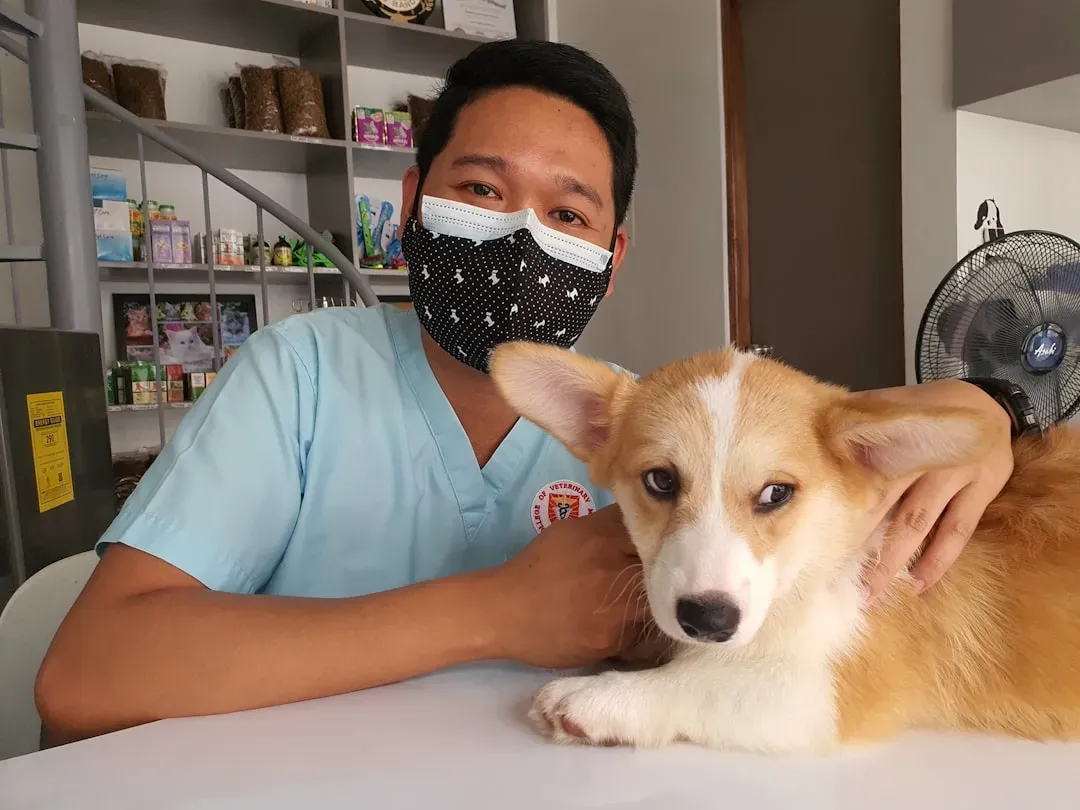
There’s a striking real-world example of this: one client’s dog was not sitting as asked, but when he did sit, he was falling into it. Tests revealed he had a pulled groin muscle. Maybe your dog isn’t wanting to go further on a walk because something is causing discomfort or tiredness. If there is a sudden behavior change, rule out any underlying health issue that could be the root cause.
A dog in chronic pain from arthritis, an infection, or dental disease is more likely to be irritable, reactive, and fearful. Conditions like hypothyroidism can also mimic anxiety. A dog who suddenly stops jumping on the couch, refuses to go down stairs, or flinches when touched in certain areas isn’t being awkward – they’re communicating the only way they can.
Pain and medical disorders can affect your dog’s behaviour. If your dog shows signs of being fearful, speak to your vet to check if there are no underlying health problems that might be contributing to their behaviour. If the vet finds that your dog is in good health, then ask for a referral to an accredited behaviourist for individual support. This is always the right order of operations: health first, training second.
Breed Wiring Isn’t Stubbornness – It’s Purpose-Built Independence
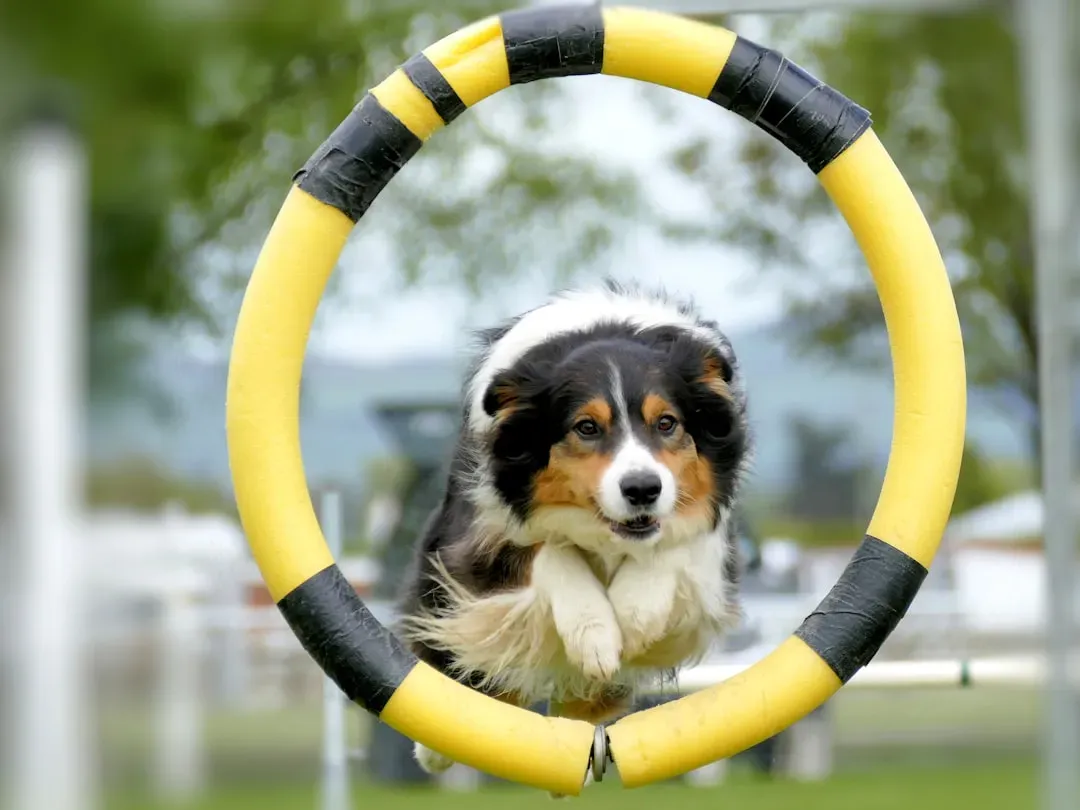
The breeds commonly labelled as stubborn aren’t actually stubborn. It’s because they’re generally absorbed by other things, such as Bloodhounds being ruled by their noses, or they’ve been developed to have an independent personality, like terriers. What this is really a measure of is trainability, not willful insubordination.
The most significant negative correlation was found between the scenthound lineage and trainability. Results indicated that dogs in these lineages can be harder to train. These breeds tend to “follow their noses,” ignoring human cues when they’re tracking. They are known to be independent, and their lineage reflects this. Asking a Beagle to ignore a scent trail is a bit like asking a musician to tune out a song playing in their head – the instinct runs very deep.
Research has shown that breed explains just nine percent of behavioral variation in individual dogs. That number is worth sitting with. As one researcher put it, “while genetics plays a role in the personality of any individual dog, the specific dog breed is not a good predictor of those traits.” A dog’s personality and behavior are shaped by many genes as well as their life experiences. Your individual dog is always more than their breed label.
Dogs Don’t Generalize Well – and That’s on the Training, Not the Dog
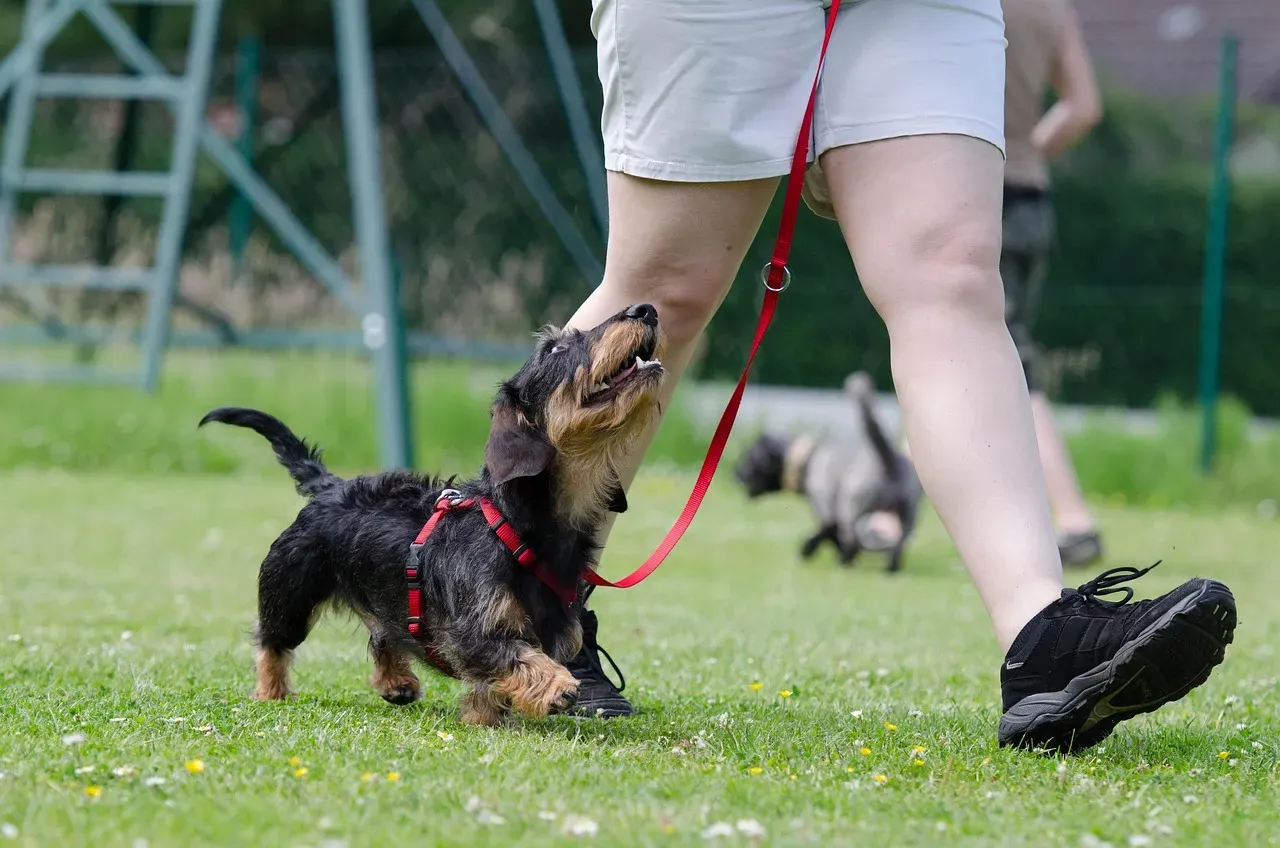
More often than not, dogs don’t understand that what we’ve asked them to do pertains to the situation they are in at the moment. Rather than assuming the worst about our dogs, we should understand that they simply don’t generalize very well. They usually understand how to perform specific behaviors, in specific locations, with specific cues.
Perhaps you’ve always trained in the kitchen in front of the refrigerator, and so your dog thinks “sit” means “sit in the kitchen.” When you ask them to sit in the living room, they don’t sit because it’s not the kitchen. They’re not being stubborn – they need you to help them generalize their behavior so they understand that “sit” means to put their tail on the ground wherever you ask. It seems obvious once you see it that way, but most of us have never thought to explain that distinction to our dogs.
Dogs don’t generalize well. Just because your dog sits in the kitchen doesn’t mean they’ll sit at the park. Practice where you want reliability. Repetition in varied environments isn’t busywork – it’s how dogs actually learn to carry a behavior out into the real world with you.
Conclusion: Your Dog Deserves a More Generous Interpretation
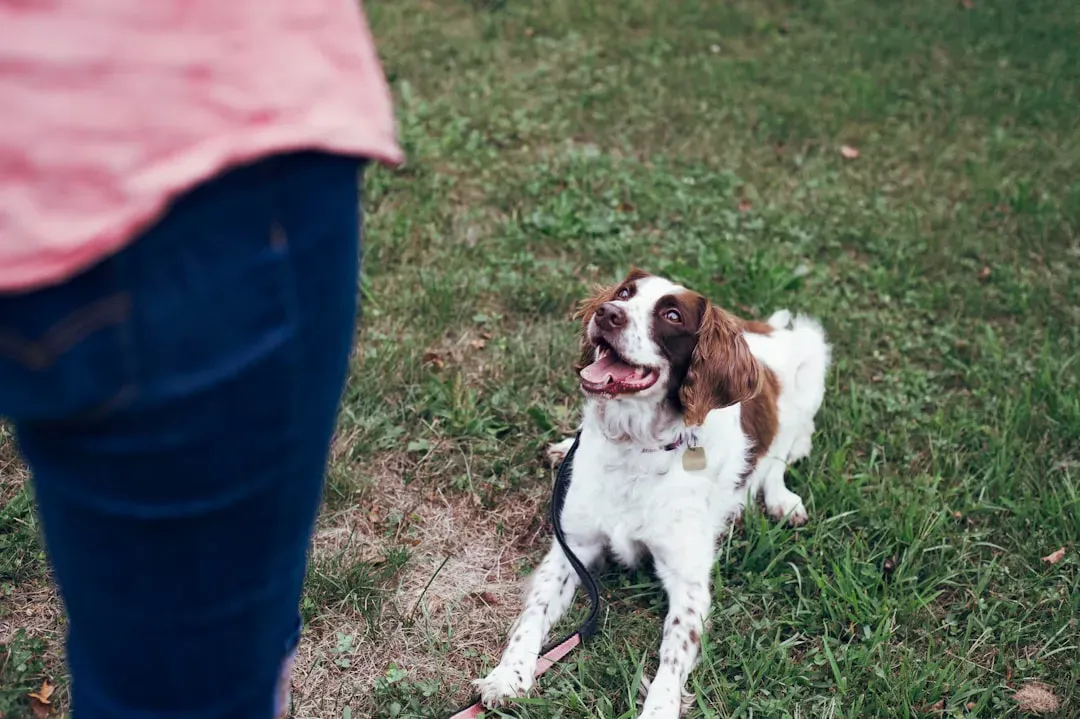
Dogs appear to have the native neurological endowment to draw practical inferences, and therefore to make decisions. That’s a remarkable thing to hold onto. When your dog “doesn’t listen,” they haven’t short-circuited – they’ve reached a conclusion. Your job is to understand what conclusion they reached and why.
Most misbehavior in dogs, with the exception of point-specific trauma and genetic disorders, can be traced back to dysfunction in these parenting attachments. In this way, helping a dog to behave better is really about helping them to feel more secure. That’s a much warmer framing than punishment and repetition. Security builds cooperation. Connection builds behavior.
The dogs most often called stubborn are frequently the ones who are confused, overwhelmed, under-rewarded, or in pain. When you take stubborn off the table as a label, you start seeing your dog clearly. That clarity is where real progress – and real partnership – begins.


