
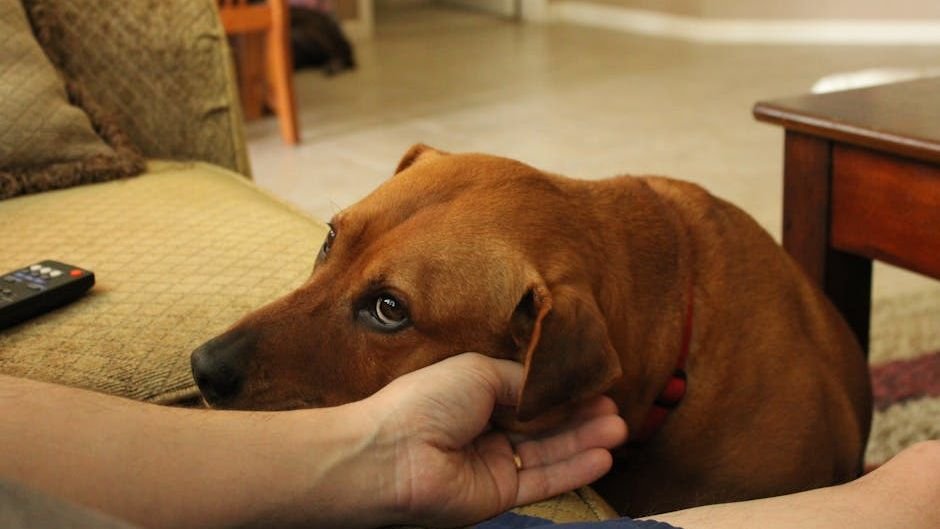
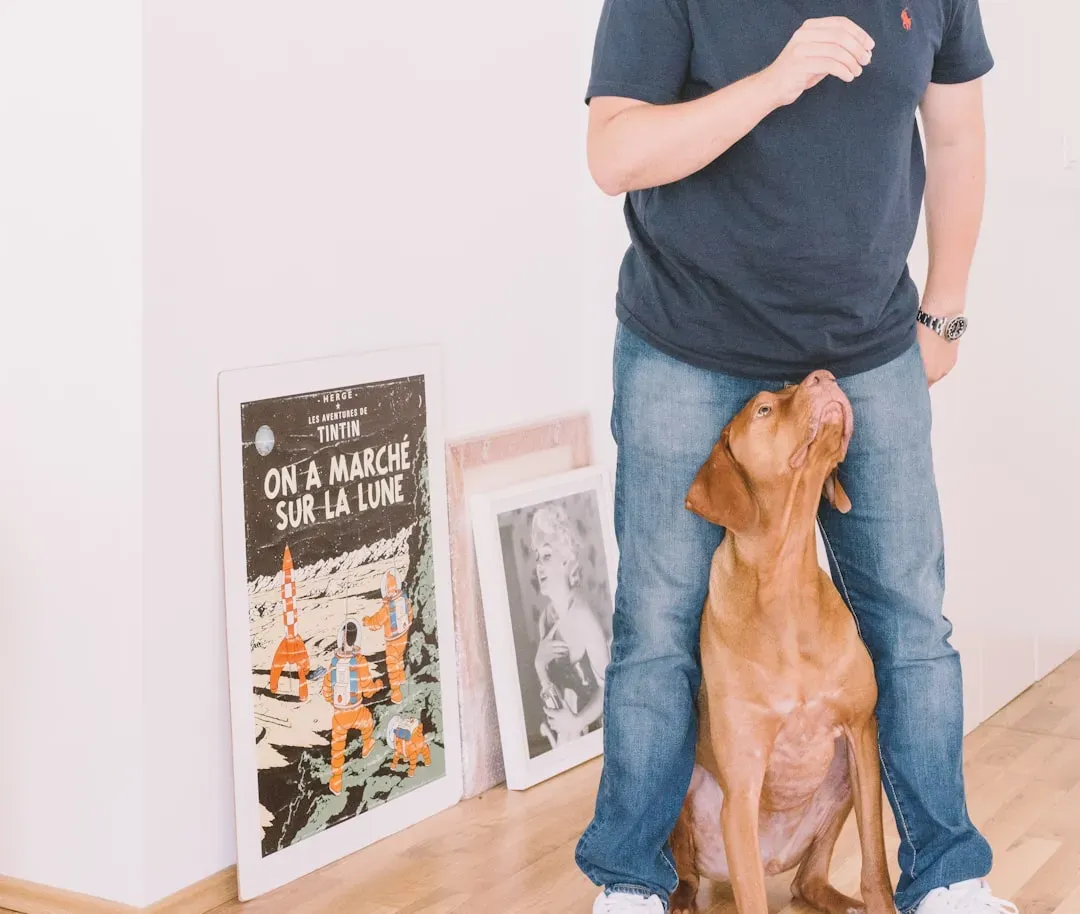
Picture this: a thunderstorm rolls in, and within seconds your dog has wedged themselves firmly against your leg. You didn’t call them over. They just appeared, pressing their full weight into you like you’re the only solid thing in the room. You might smile, maybe even feel a little guilty for being touched by it. Or you might wonder if something’s actually wrong.
The truth is, that lean tells you quite a lot. It’s not random. It’s not dramatic. It’s your dog doing something deeply instinctive and surprisingly sophisticated. They’re using you as an anchor, a biological reset button, a living source of calm. Understanding why they do it changes how you respond and, honestly, how you see your whole relationship with them.
The Science Behind the Lean: What’s Happening in Your Dog’s Body
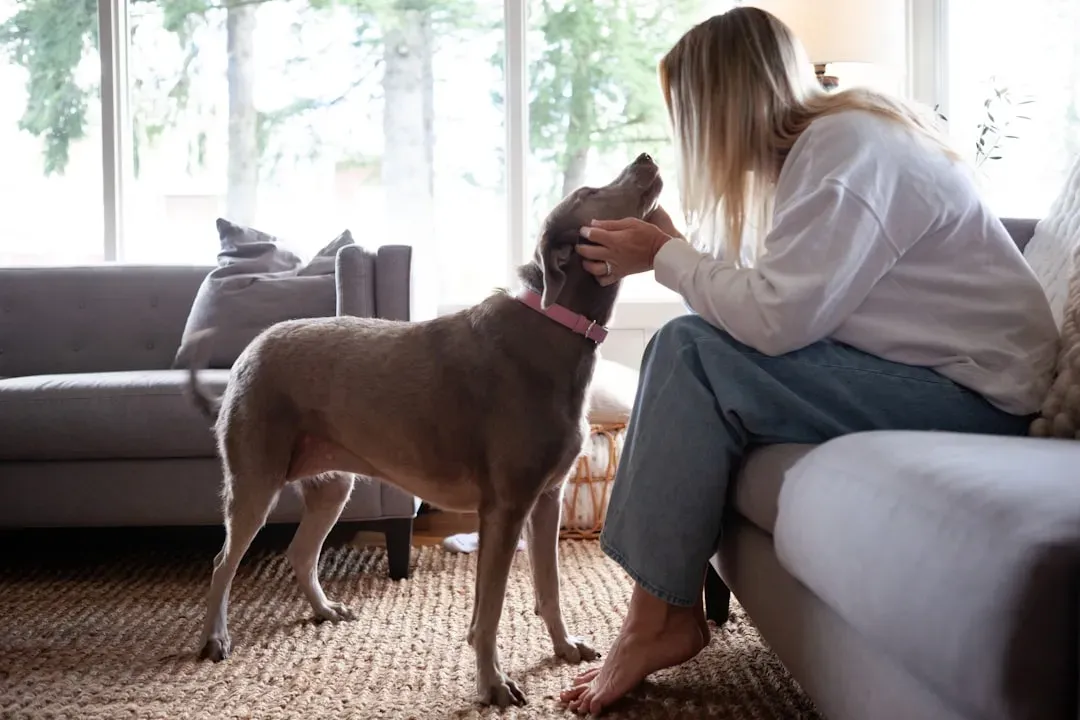
When your dog presses their body against you, something real and measurable happens inside both of you. Research has shown that physical contact can trigger the release of oxytocin, the “love hormone,” in both dogs and humans, and this hormone plays a crucial role in forming emotional bonds and fostering feelings of attachment. It’s not a metaphor. It’s chemistry.
When your dog leans on you, that shared moment triggers a hormonal feedback loop: they feel calm because you’re calm, and you feel loved because they’re close. In this way, leaning isn’t just emotional – it’s biological therapy. Your presence literally changes their internal state.
Research on pet dogs found that oxytocin concentrations correlated positively with physical contact with their owners, while stress hormones remained unaffected. In other words, closeness with you quiets their nervous system without spiking any alarm signals. That’s a meaningful distinction. The lean isn’t distress. It’s regulation.
The release of oxytocin is associated with decreased blood pressure, reduced stress reactivity via inhibition of the hypothalamic-pituitary-adrenal axis, increased trust, and reduced fear. So the next time your dog leans into you during a stressful moment, know that their body is actively using your proximity as medicine.
Reading the Lean: Affection vs. Anxiety (How to Tell the Difference)
Not all leans are the same, and learning to distinguish between them is one of the most useful skills a dog owner can develop. If your dog leans against you with a relaxed body posture, this typically indicates affection and comfort. Conversely, if your dog is tense, with ears pinned back or a tucked tail, the leaning might signal anxiety or fear. The weight of the lean feels similar. The body language around it tells the full story.
You need to look at your dog’s behavior as a whole. If the leaning is paired with some combination of drooling, fast breathing, trembling, lowered posture, tucked tail, or ears back, you should address the dog’s emotional state. A happy lean comes with a soft, loose body. An anxious lean comes with tension you can feel under your hand.
Watch for these stress signals specifically when the leaning is more insistent than usual. If your dog is leaning due to fear, you may also see heavy panting when it isn’t hot, a tail tucked between the legs, ears pinned back against the head, trembling or shivering, and repeated lip licking or yawning. Any of these alongside the lean means your dog is reaching out, not just resting.
Leaning tends to occur more in moments of awareness, when your dog is alert but relaxed. It’s their way of maintaining touch while staying connected to the world around them. That distinction matters. Alert-but-relaxed is very different from alert-and-panicked, and you’ll feel it the moment you start paying closer attention.
Common Triggers: When and Why Dogs Lean for Stress Relief
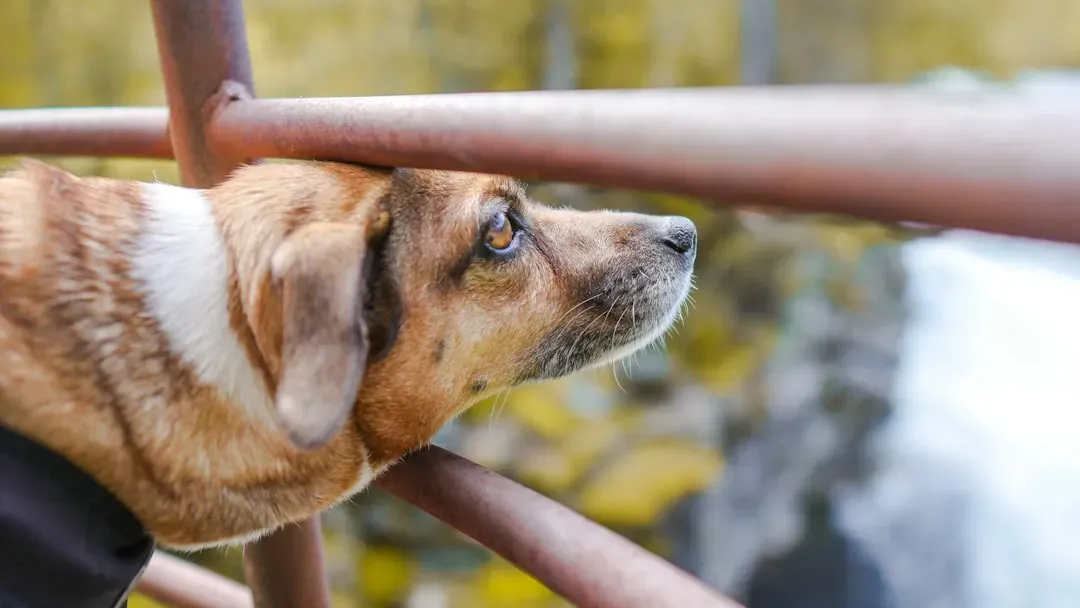
Certain situations almost reliably produce the stress lean, and knowing them in advance helps you be ready rather than caught off guard. Common triggers for stress-related leaning include thunderstorms, fireworks, loud construction noises, and separation anxiety. In these moments, your dog is literally seeking protection. These aren’t imagined fears. To a dog’s senses, a thunderstorm is an overwhelming, unexplained event.
At the vet’s office or during thunderstorms, many dogs will lean harder than usual. This is especially true for dogs who haven’t been gradually desensitized to these environments. New places, unfamiliar people, and sudden changes in routine can all prompt the same response.
One major reason dogs lean on people is because they’re anxious. If an anxious dog can keep tabs on its human, it feels reassured, and physical contact is a reliable way to do that. There’s a practical logic to it. They know exactly where you are, and that knowledge alone lowers their arousal level.
Anxious dogs require support and often lean against their owners, especially in the case of separation anxiety, where the dog is afraid to be alone. A dog with separation distress often cannot sleep, as it worries the owner may leave. If this sounds like your dog at bedtime or whenever you pick up your keys, the lean is a very deliberate communication.
When the Lean Becomes a Concern: Signs to Watch and When to Seek Help
Most leaning is completely healthy. Occasionally, though, it points to something that deserves a closer look. If a dog suddenly starts leaning excessively or the behavior seems out of character, it may be a sign of an underlying issue. One potential cause is pain or discomfort, as dogs may lean against their owners to alleviate pressure on sore joints or muscles. A dog who never used to lean much and starts doing it constantly is worth a vet visit.
Leaning on you could be a sign your dog is experiencing a medical condition involving its balance. If you feel your dog is unsteady on their feet and leaning on you for support, it’s best to consult your vet. This is distinct from emotional leaning. An unsteady lean often looks different, with no eye contact and a general disorientation about the environment.
If you’ve noticed sudden changes in your dog’s tendency to lean heavily on you, especially if they’re older, it’s wise to rule out medical issues first, such as arthritis or vision loss, which may cause them discomfort. Senior dogs deserve particular attention here, since pain can emerge quietly and the lean is sometimes the first visible sign.
If your dog seems overly dependent or anxious, consider training exercises to build their confidence and independence. If a dog is exhibiting other signs of anxiety, such as panting, pacing, or whining alongside the leaning, it may be helpful to consult with a professional dog trainer or behaviorist. The goal is never to punish the dog for reaching out. It’s to give them more tools so they don’t feel they have to.
How to Respond: Supporting Your Dog Without Reinforcing Fear
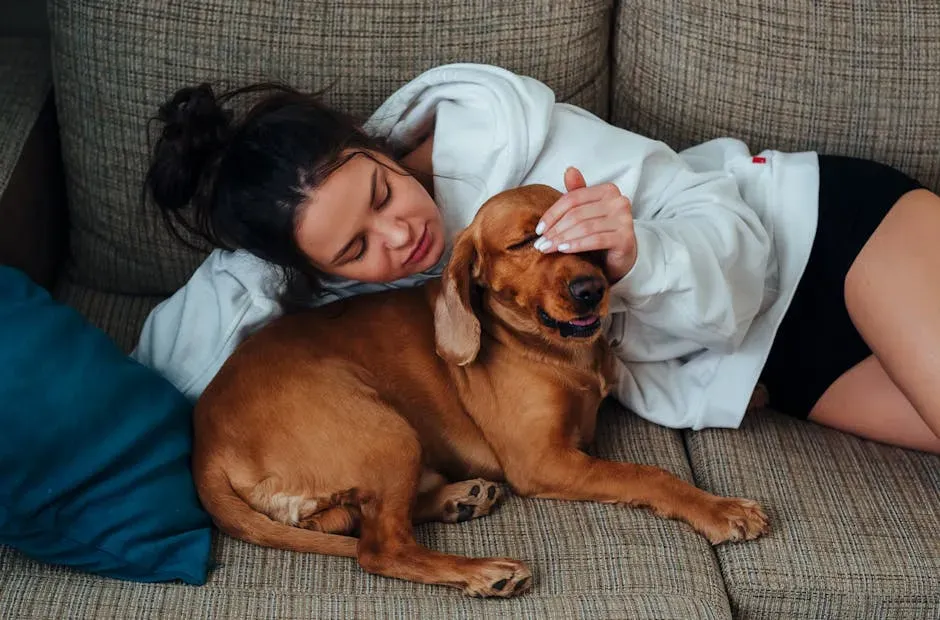
Here’s where many well-meaning owners get a little stuck. You want to comfort your dog, obviously. The question is how to do it in a way that actually helps them rather than accidentally deepening their anxiety. When we let an anxious or overwhelmed dog lean on us, we can accidentally signal that the situation is indeed something to fear. Allowing a dog to regulate entirely on us can deprive them of the opportunity to regulate themselves, fostering codependence. This doesn’t mean pushing them away. It means being thoughtful about your response.
Petting should not reinforce anxious behavior. Excessive soothing during fear-based reactions may unintentionally reinforce fear. Instead, the most effective approach is to stay calm yourself. Your dog reads your body language and scent more accurately than you might expect, and a relaxed owner genuinely transmits safety.
For stress-related leaning in recurring situations, building confidence over time is far more effective than comfort in the moment. Building your dog’s confidence can involve socialization, training, and positive reinforcement. Engaging in activities that challenge them mentally and physically can also bolster their self-esteem. A dog with a strong sense of their own capabilities leans for love rather than for survival.
Redirecting your dog to a “place” such as a bed or mat, and rewarding them when they lay down on their own or stand calmly without leaning, teaches them that calm independence is both safe and rewarding. Over time, this builds the kind of emotional resilience that makes stressful moments less overwhelming for both of you. If your dog’s leaning is accompanied by pacing, whining, or excessive clinginess, support them with calm energy and gradual independence-building exercises. The goal is to help them lean for love, not survival.
Conclusion: That Lean Is a Compliment Worth Understanding
Your dog leaning against you isn’t a character flaw. It isn’t a training failure. When your dog leans on you, it’s not about neediness – it’s about belonging. It means you’ve become their source of security and affection. They trust you enough to relax, to share space, and to be still together.
The benefit is mutual. Just as your dog finds comfort in your presence, studies show that humans who share regular affectionate contact with pets have lower blood pressure, reduced stress hormones, and higher happiness levels. You’re not just receiving trust. You’re receiving real, measurable good.
The most rewarding thing you can do as a dog owner is learn to read what that lean is actually saying. Is it love? Is it fear? Is it a habit or a genuine cry for reassurance? The answer is always somewhere in the body language surrounding it. Pay attention to that, respond with calm intention, and you’ll gradually shift the dynamic from one of dependency to one of deep, mutual trust. That quiet pressure against your leg carries more meaning than words could. The least we can do is listen carefully enough to understand it.


