
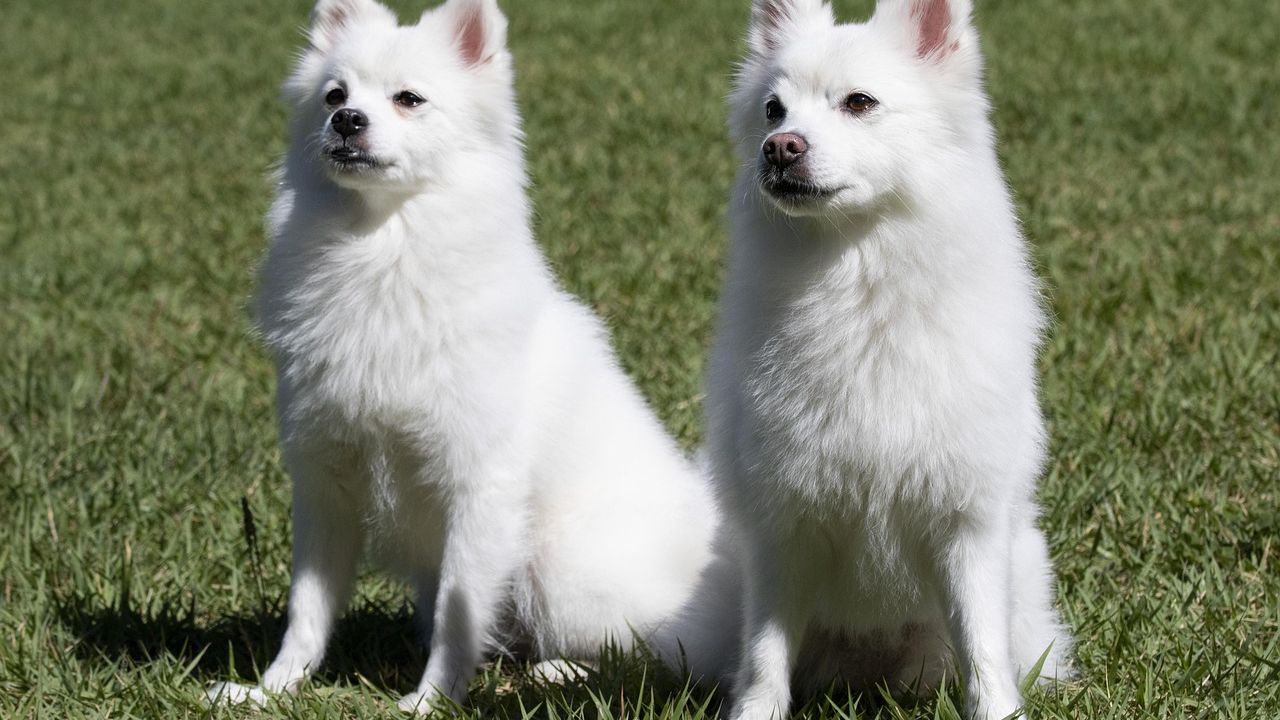
You open your eyes and there it is. Two dark, unblinking eyes aimed directly at your face. Your dog, perfectly still, watching you from inches away like you’re the most important thing that has ever existed on this planet. It’s a little eerie, honestly. Most people laugh it off, snap a photo for the internet, and reach for their phone. A smaller number pull the covers over their head and wonder if they’re being haunted by a very soft, tail-wagging ghost.
The truth is, this behavior is one of the most quietly profound things a dog can do. It isn’t weird or alarming. It’s a window into thousands of years of evolution, emotional bonding, and a kind of loyalty that doesn’t really have a human equivalent. If you’ve ever woken up to find your dog already staring at you, this one is for you.
#1. The Science Behind That Stare: It’s Actually Love, Confirmed
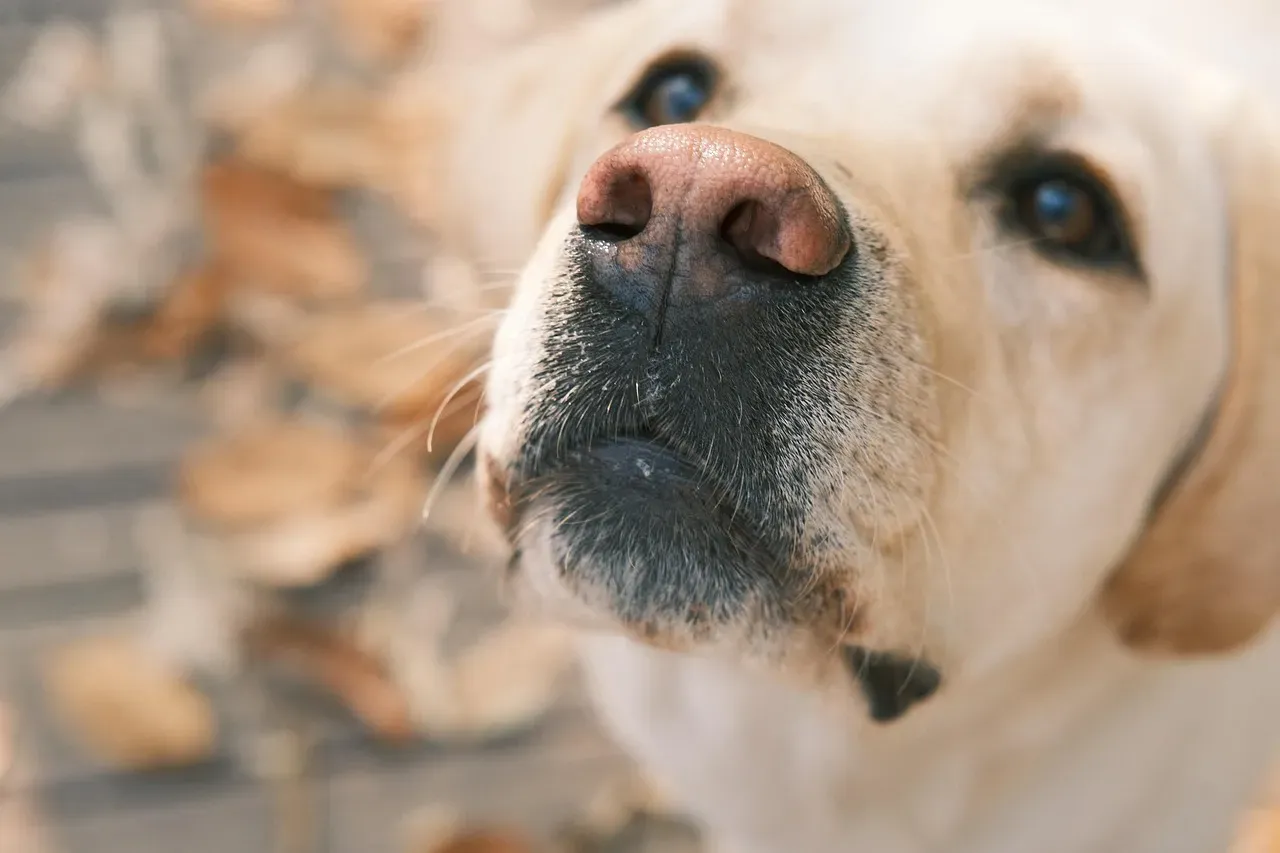
A lot of dog staring is exactly what it seems: an expression of love. Just as humans stare into the eyes of someone they adore, dogs will stare at their owners to express affection. That might sound simple, but the biological reality behind it is genuinely remarkable.
Mutual staring between humans and dogs releases oxytocin, known as the love hormone. This is the same neurochemical that floods the brain between a mother and her newborn child. Research published in Science found that owners and dogs sharing a long mutual gaze had higher levels of oxytocin in their urine than owners of dogs that gave a shorter gaze.
The research investigated whether a dog’s gazing behavior affected not just the owner’s oxytocin concentrations but the dog’s as well. In the first experiment, researchers collected urine from 30 dog-and-owner pairs before and after a 30-minute interaction. Owners whose dogs showed the most gazing behavior had a notable increase in oxytocin concentration, and the researchers also found a similar increase in the neurochemical in the dogs. In other words, the love loop runs both ways.
Just like humans, dogs use eye contact to express emotion. Research has found that when we gaze lovingly into our dogs’ eyes, they both understand and return the affection. Dogs and humans both release oxytocin, a feel-good hormone, when they look into each other’s eyes. So if you thought that stare felt warm, it’s because it genuinely is.
#2. Your Dog Is Watching Over You: The Pack Guardian Instinct
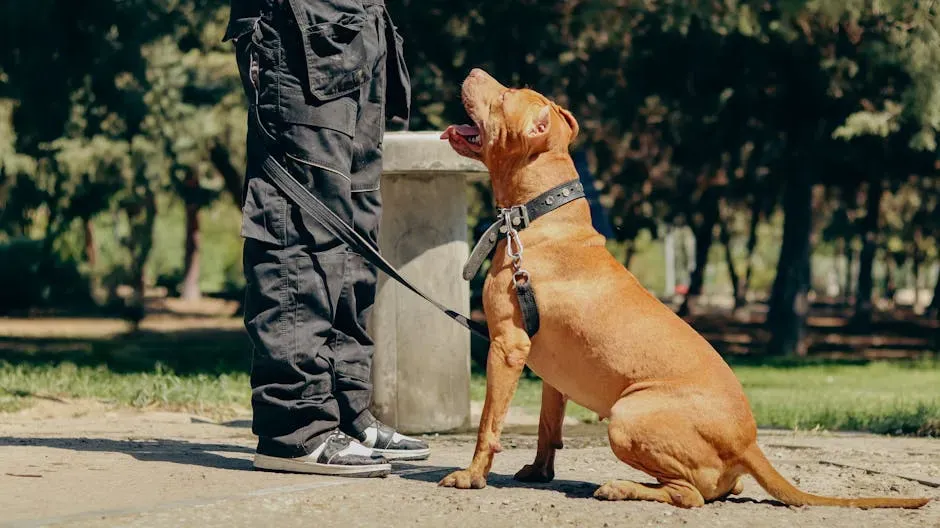
Dogs have a long genetic lineage of living and thriving in packs, and as their owner, you are generally viewed as the pack leader. Dogs in packs will instinctively look out for and protect each other, and one of these methods of protection is standing guard while the rest of the pack is asleep. That instinct hasn’t been engineered out of them. It’s right there, running quietly in the background every night.
Dogs may watch you sleep out of affection, curiosity, or a protective instinct. They might also be checking on you as part of their natural behavior to ensure the “pack” is safe. When you think about it from your dog’s perspective, you going unconscious every night is a genuinely vulnerable situation. They’re not being dramatic. They’re being dogs.
One reason dogs stare at their owners while they sleep is because of their protective instincts. Dogs have a strong sense of smell and hearing, which makes them very alert to their surroundings. If a dog senses any danger, it will stare at its owner to make sure they are safe. This is ancient behavior, not anxiety. There’s a real difference between a dog that watches over you calmly and one that shows signs of stress, and the calm version is something worth appreciating.
#3. They’re Reading You Like a Book: The Emotional Intelligence of a Dog
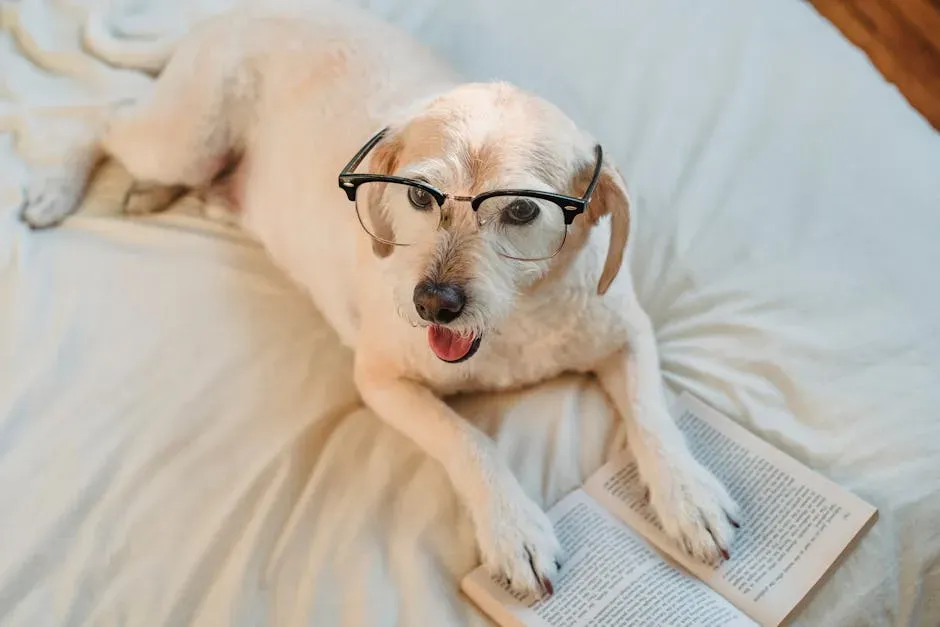
More than almost any other animal on earth, dogs are in tune with humans. They sense our moods, follow our pointing gestures, and read us for information about what’s going to happen next. The stare you wake up to isn’t random. Your dog has been quietly cataloguing your every expression, movement, and sound for years.
This behavior is linked to something deeper: studies have shown that dogs’ ability to interpret our feelings and desires is so finely tuned that they are able to distinguish emotional facial expressions from neutral expressions and happy faces from angry ones, even if they are only shown photographs of faces. The ability is likely due to the intimate bond that humans and dogs have evolved over thousands of years of living together.
Your dog watches your body language and looks at your facial expressions to help them recognize what you’re thinking and feeling. They rely on you for everything: food, water, cuddles, exercise, and even when and where to go to the toilet. Understanding your behavior helps them work out what’s going on and what’s going to happen next. You are, essentially, your dog’s entire world map.
Dogs have so fine-tuned their ability to read into us that they can distinguish their owner’s expressions even by looking at images. When that dog is staring at your sleeping face, they’re doing something remarkable. They’re waiting for the world to start again, and you are the switch.
#4. Why They Sometimes Seem to Know Before You Open Your Eyes
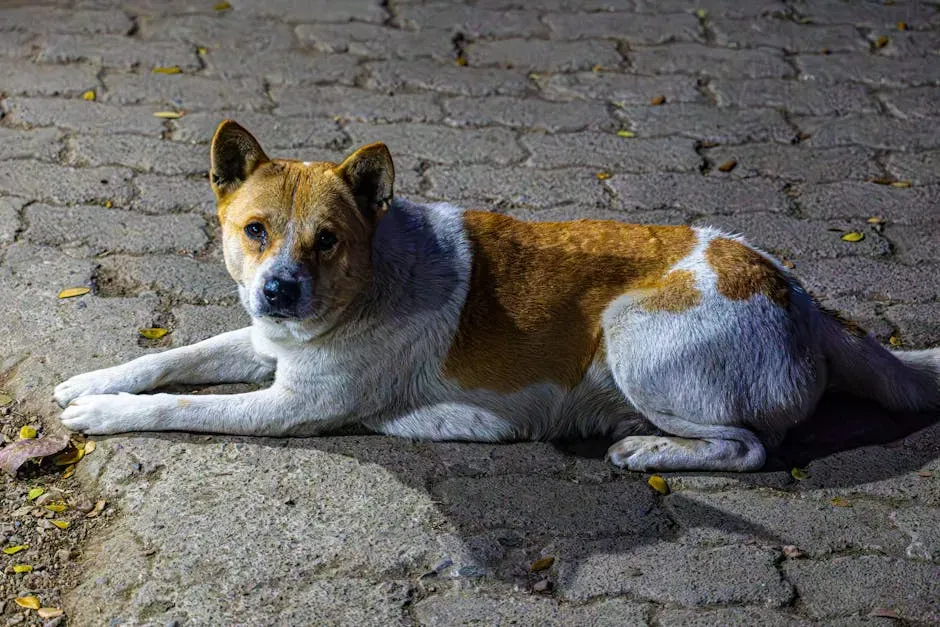
One of the stranger parts of this whole experience is the feeling that your dog was already watching before you were even fully awake. Countless dog owners report exactly this, and it’s not entirely their imagination. Many owners report the same phenomenon with their pets and even farm animals.
The most likely reason you will find your pup staring at you in the night is that you’ve stirred during your sleep and woken them up before you’ve woken up yourself, making it appear that they’ve been staring at you while you’re sleeping. You may have been dreaming and moving around, causing your pup to wake up and see what you’re up to. Dogs are incredibly light and alert sleepers by nature, especially when it comes to the people they care about most.
Looked at from an evolutionary standpoint, this makes perfect sense. Prey animals are more likely to survive if they are aware when a predator is watching them, and humans can be predators as well as prey. Your dog’s nervous system is primed to track you, and even the softest shift in your breathing during sleep is enough to snap them to full attention. The gaze you wake up to is often the tail end of a vigil that started the moment you moved.
#5. The Morning Stare: Anticipation, Routine, and Sheer Devotion
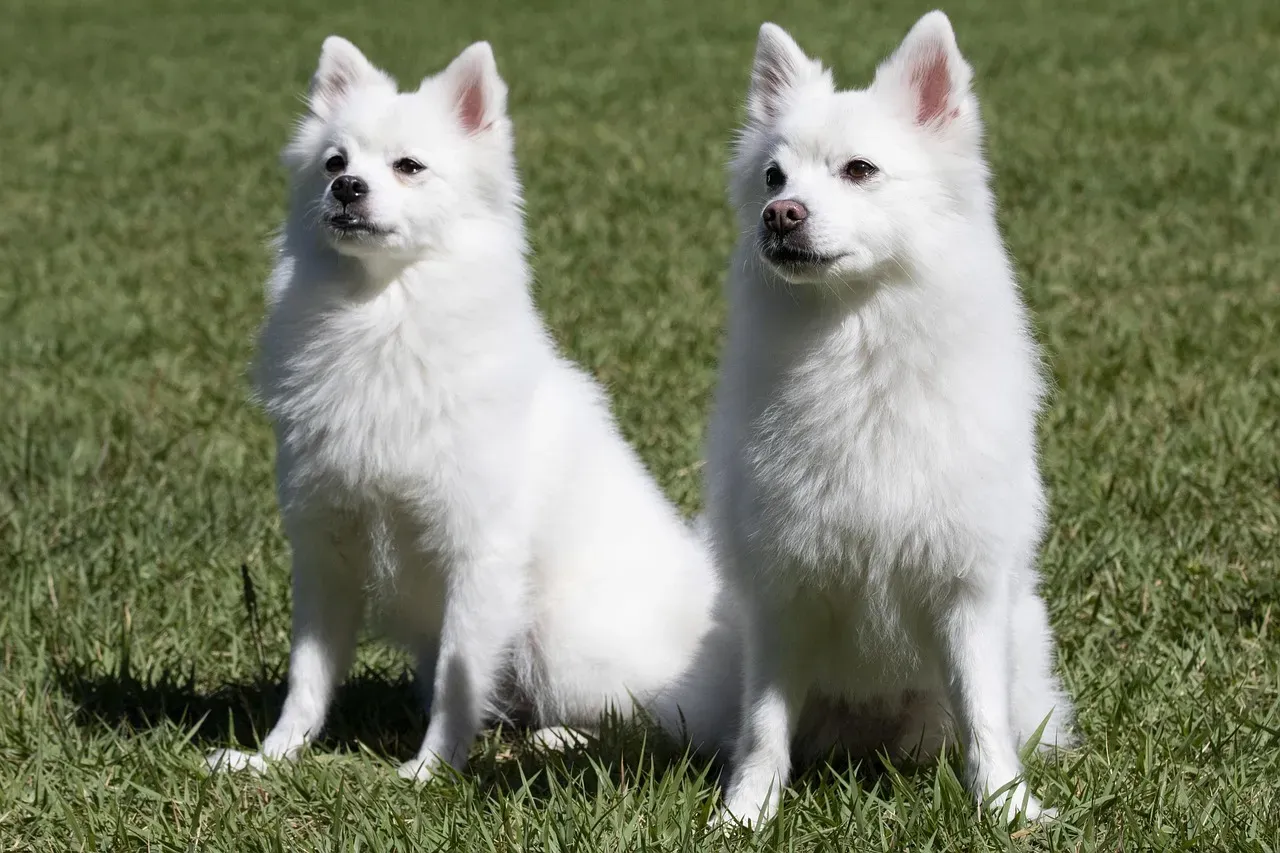
Dogs need plenty of mental and physical stimulation to stay happy and healthy, and they may be waiting for you to wake up to get some engagement. Inadequate stimulation can result in serious behavioral problems in dogs, and this may just be one result. Alternatively, if you tend to walk or play with your dog in the morning, they may just be waiting in anticipation. The morning stare, specifically, is often less about protection and more about excitement barely contained in a dog-shaped body.
Dogs are very sensitive to schedules. They may start looking at you as soon as the clock strikes dinnertime. Or they know that you take a break after Zoom calls to give them attention, so staring starts in the middle of all your meetings. If your mornings follow a rhythm, your dog has that rhythm memorized. They know what your waking up leads to, and they want to be ready for every second of it.
Being able to distinguish our expressions, a possible reason why they gaze at us is that they are trying to figure out how to behave to please us best. Dogs want to fit in around us. They crave acceptance, and their owners are the leaders of the pack. The morning stare isn’t desperation or neediness. It’s the canine equivalent of showing up early, dressed and ready, because you matter that much to them.
Dogs have been shown to exhibit delays in their social development compared to wild canines, and this appears to be tied to genetic changes associated in part with domestication. One noteworthy behavioral trait associated with this change is greater focus on social companions, including more time spent seeking their proximity and looking at them. This intense social focus is more like what we would expect from juveniles of social species than adults, but many dogs maintain this intense social focus throughout their lives. In simpler terms, your dog never really stops needing you the way a puppy does. They just get better at being patient about it.
Conclusion: What That Stare Is Actually Saying
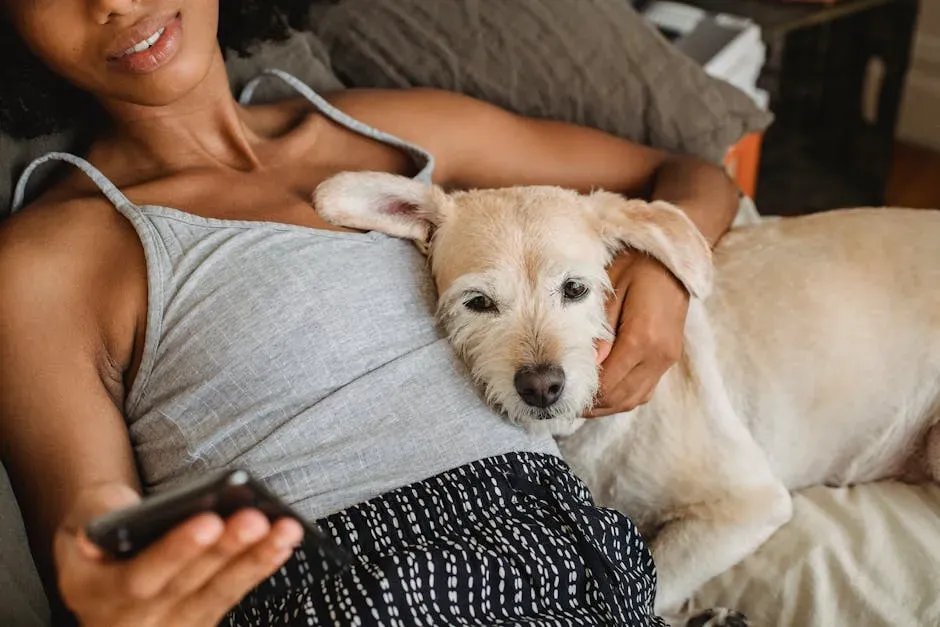
There is no shortage of noise in modern life telling us that love needs to be expressed loudly or dramatically to count. Dogs didn’t get that message. They express it by standing quietly at the side of your bed, watching over you while you sleep, waiting with absolute patience for you to simply open your eyes.
The stare isn’t creepy. It isn’t aggressive or anxious or obsessive in the ordinary dog that wakes you calmly each morning. It’s a behavior shaped by thousands of years of coevolution, neurochemical bonding, pack loyalty, and emotional intelligence that we’re only beginning to understand scientifically. That dog isn’t studying you like a predator. They’re watching over you like family.
If you ask me, the only real mystery here is why we ever called it creepy in the first place. The next time you wake up to two warm eyes already locked on yours, try not to pull the covers over your head. Try meeting the gaze instead. Your dog already knows it feels good. Science confirms it too.


