
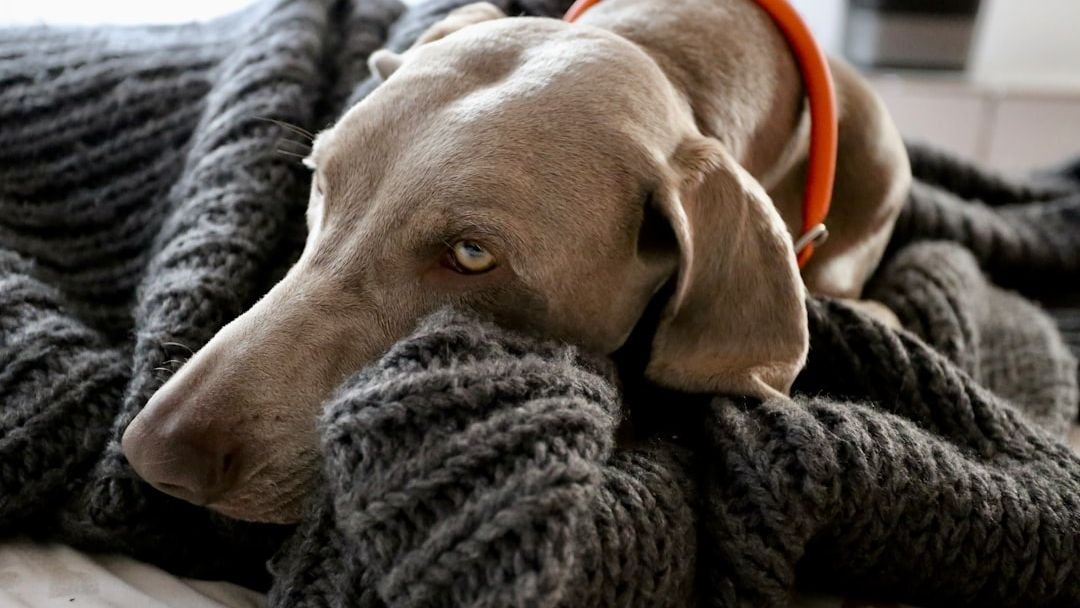
You walk into the bedroom and your favorite worn t-shirt is gone. Again. You follow the trail and find your dog curled up in the corner, blissfully snuggled inside your laundry like they’ve just discovered the greatest treasure on earth. And honestly? In their world, they kind of have.
It’s easy to laugh it off, or even get mildly frustrated. But here’s the thing – your dog isn’t staging a tiny rebellion or trying to embarrass you in front of guests. What looks like mischief is actually something far more tender, far more instinctive, and honestly, a little heartbreaking when you understand the full picture. So let’s dive in.
The Science of Scent: Why Your Smell Is Everything to Your Dog
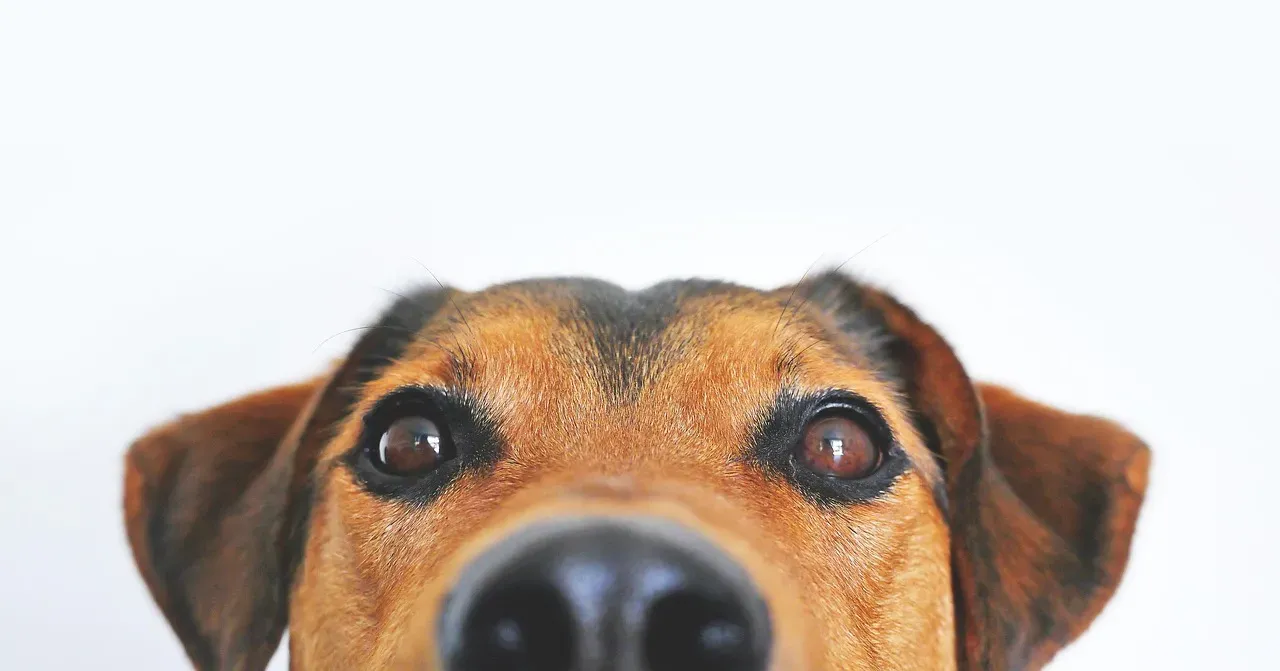
Most of us understand that dogs have a powerful nose, but the actual numbers are staggering. A dog’s sense of smell can be somewhere between 10,000 and 100,000 times stronger than the human sense of smell, depending on breed. Think about that for a second. What we detect as a faint hint of sweat, your dog experiences as a full, rich, detailed biography about you.
A puppy’s sense of smell is one of their first functional senses at birth, weeks before the eyes open or hearing starts to develop – it’s through smell that puppies are able to seek out their mother’s milk, and for the first two weeks of their lives, scent and touch are their primary ways of interacting with the world. This is important context. Scent isn’t just useful to a dog – it’s foundational.
All mammals, including humans, possess sweat glands known as apocrine glands. These glands release pheromones that your dog finds irresistible, and they tell your dog all kinds of information about you – not only your age and gender, but even your mood and hormonal state. Your laundry, in other words, is basically a love letter written in a language only your dog can read.
It’s Self-Soothing, Not Stealing: The Emotional Truth Behind the Behavior
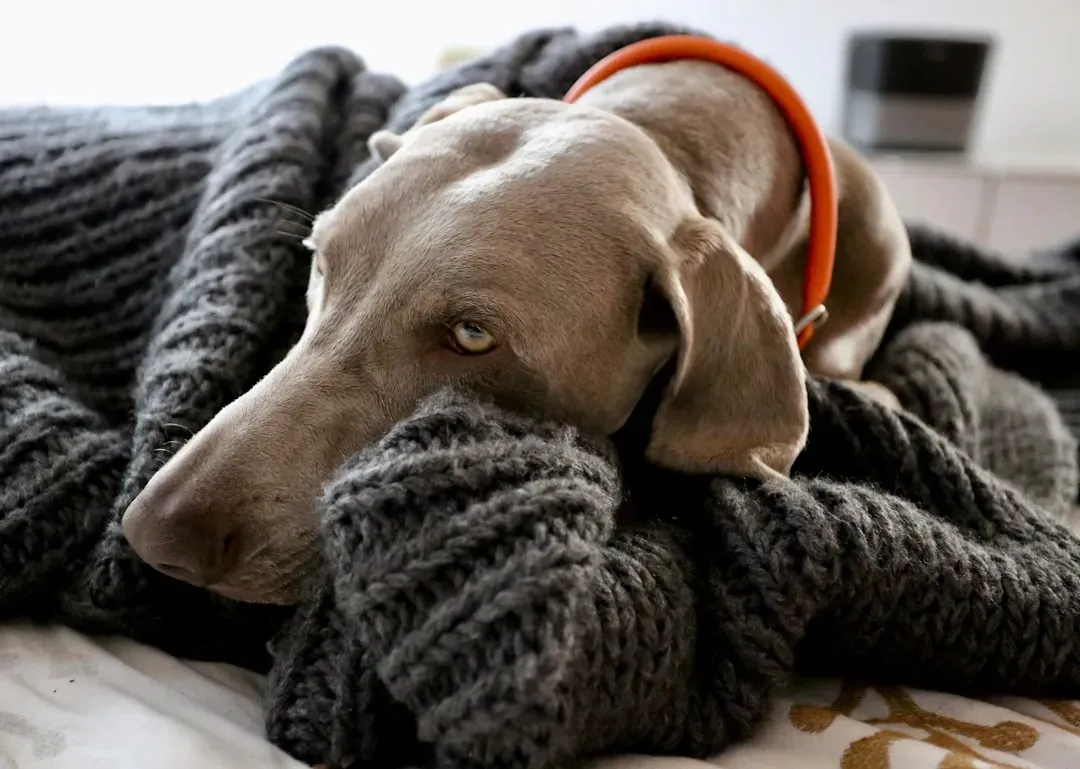
This could be a compulsive behavior to help dogs deal with their anxiety. Stealing clothing that smells like you is not only comforting but also a sign of self-soothing for anxious dogs. Let that sink in. Your dog isn’t acting out. They’re reaching for the one thing in the room that makes them feel like everything is going to be okay – you.
Dogs laying on or taking your clothes can be seen as a way for them to self-soothe. The familiar scent of their favorite human can mitigate feelings of loneliness and stress, and by lying on your clothes, they create a little bubble of comfort that can make waiting for your return a less daunting task. It’s really not so different from how a child sleeps with a parent’s worn sweater when they’re nervous at night.
Scientific studies have shown that dogs exposed to their owner’s scent show reduced stress markers compared to when they’re completely separated from familiar smells. This demonstrates the powerful calming effect your scent can have on your pet. So the next time you spot your pup nose-deep in your gym socks, resist the urge to scold. There’s real biology at work here.
When It Signals Something Deeper: Separation Anxiety and Warning Signs
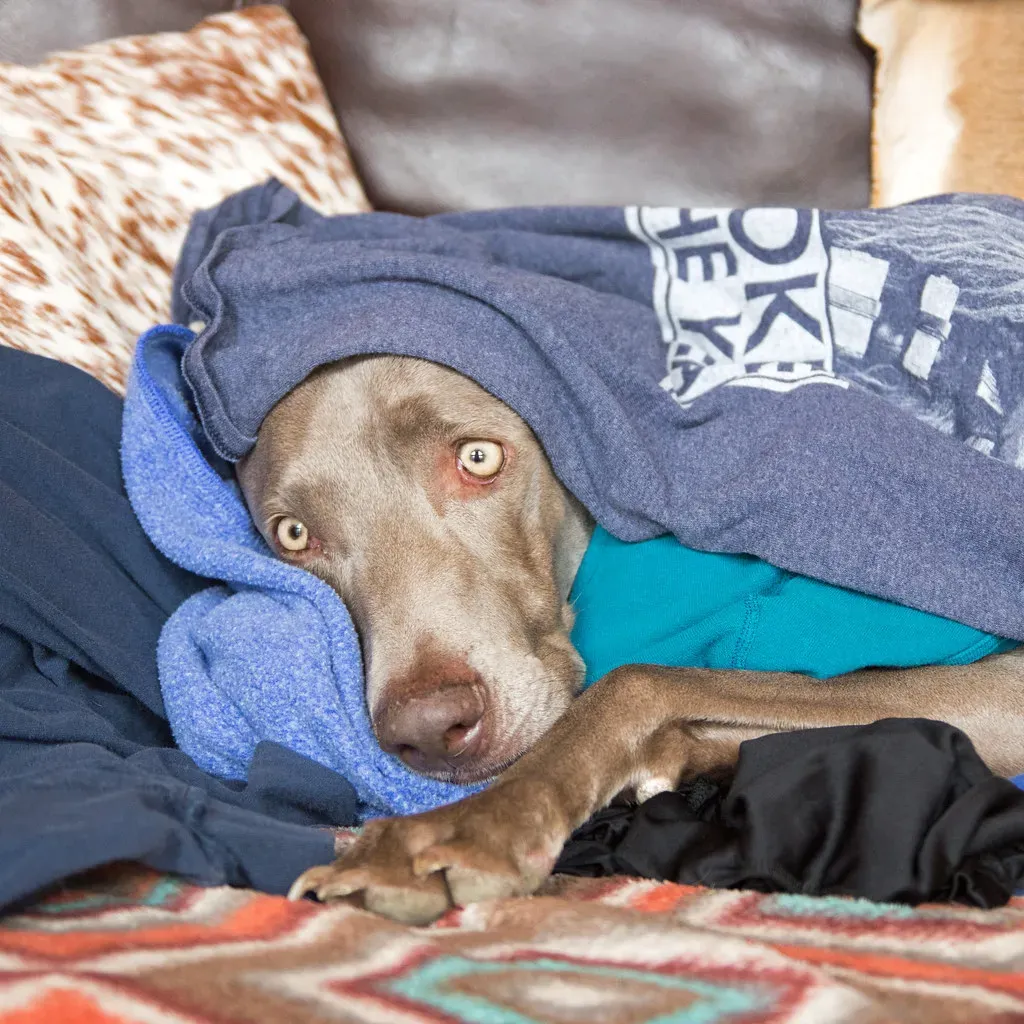
There’s a difference between a dog who occasionally nabs a sock for comfort and one who is unraveling every time you leave the house. Dogs that suffer from separation anxiety often engage in behaviors that help them cope with being left alone, and stealing laundry can be one of these behaviors. Items that carry their owner’s scent provide comfort when the dog feels anxious or lonely, and dogs with separation anxiety may steal clothing and keep it close to them while their owner is away. This behavior is often accompanied by other signs of anxiety, such as excessive barking, pacing, or destructive chewing.
Somewhere between ten and forty percent of dogs suffer from some degree of separation anxiety, and if you’re the owner of one of these dogs, you understand how heartbreaking and frustrating it can be to try to keep your dog calm when you leave the house. That’s a significant number, and many owners have no idea their dog is struggling at this level.
Separation anxiety is when a dog that’s very attached to its owner gets highly stressed when left alone, with signs including excessive barking or howling, indoor accidents, chewing or scratching, pacing, drooling, and trying to escape – mostly when the owner is away. It can be triggered by big life changes, a change in routine, or medical issues. If any of this sounds familiar, a conversation with your vet is well worth having.
Is It Sometimes Just About Attention or Play? Yes, Honestly
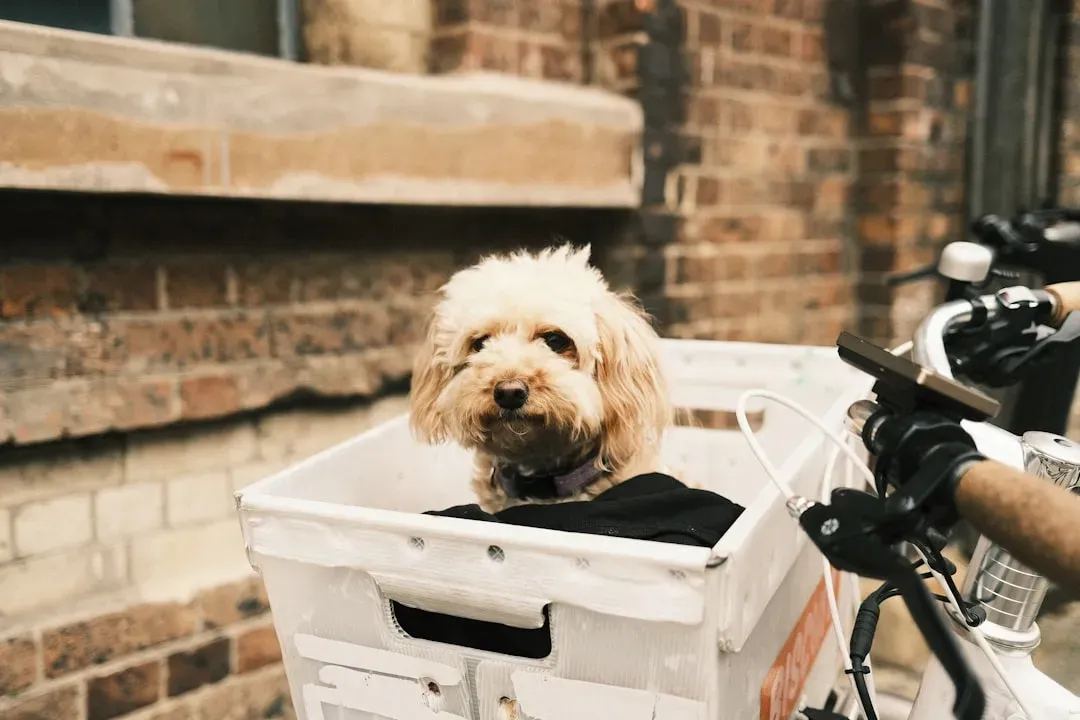
Let’s be real – not every laundry heist is a cry for emotional support. Sometimes your dog is just bored, clever, and has figured out the ultimate hack for getting your full attention in three seconds flat. Dogs are playful creatures and they love engaging in games, especially games that involve a bit of a chase. When your dog grabs a sock or a shirt and runs off with it, they’re likely trying to initiate a playful game of “catch me if you can,” and this behavior can be particularly reinforced if you’ve chased after them in the past. To your dog, this turns laundry stealing into an exciting game.
In some cases, stealing dirty laundry is an attention-seeking behavior. If a dog notices that taking a sock or piece of clothing prompts a reaction from their owner – whether it’s a chase, scolding, or playful retrieval – they may repeat the behavior to get attention. Even negative attention can reinforce the habit if it provides the dog with the interaction they crave. Sound familiar? You’re not alone.
The fix here is simple but surprisingly hard to execute in the moment: don’t chase. Do not chase or yell at your pup. Instead, calmly call her over and bribe her to give up the object in exchange for a favorite treat or a play session with an appropriate toy. Stay calm, stay boring, and the game loses its magic fast.
What You Can Actually Do: Practical, Compassionate Solutions
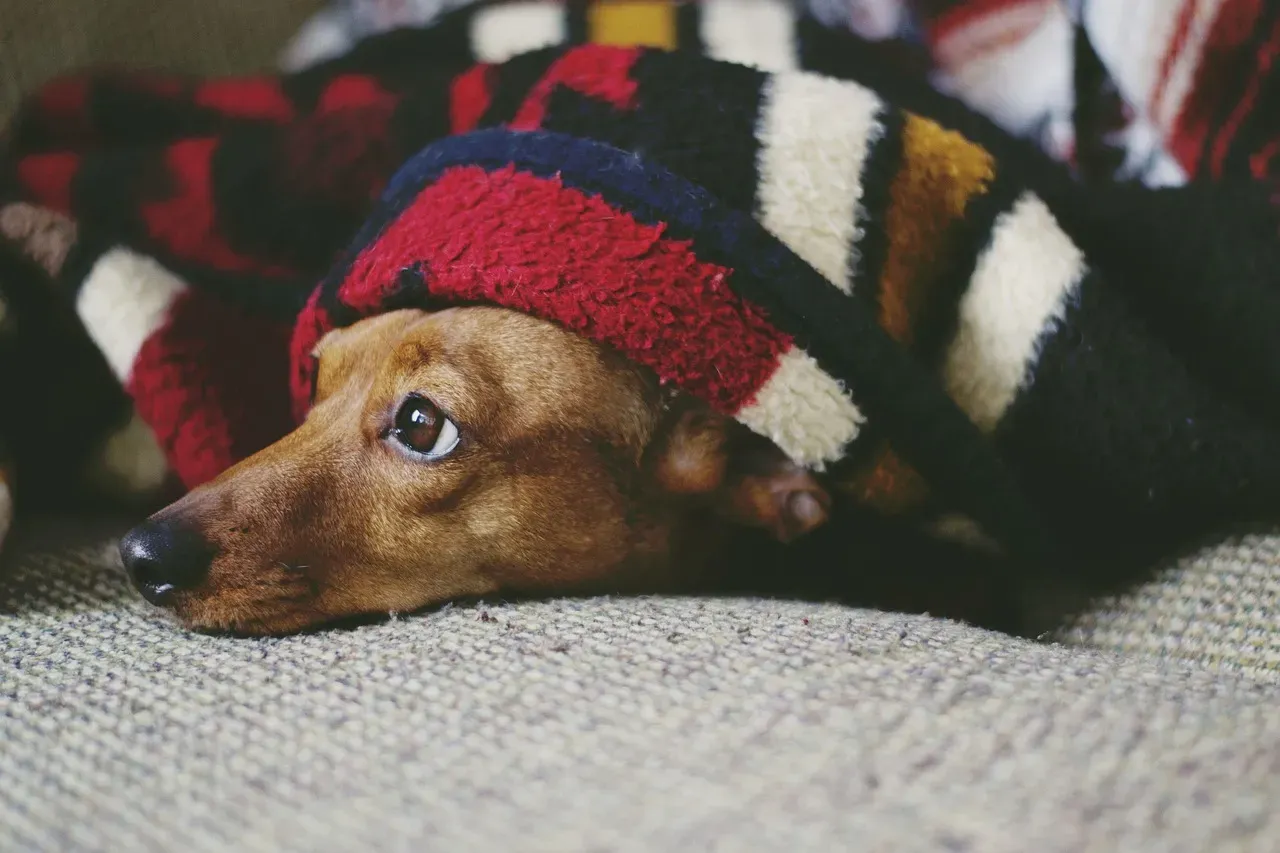
The good news is that you don’t have to choose between your sanity and your dog’s emotional wellbeing. There are genuinely thoughtful ways to meet both needs. If you believe your dog needs something that smells like you for comfort, wear an old t-shirt for a day and put it in your dog’s bed – this is only recommended for dogs that won’t chew up the clothing for safety reasons. If your dog just wants to snuggle up in something soft that smells like you, they won’t need to steal anything.
Leave behind a piece of clothing that you’ve recently worn, or a pillowcase from your bed that hasn’t been washed for at least a few days. Your dog can snuggle up with your scent and feel like you’re nearby even when you’re away. Leaving an article of clothing with your scent on it can make a big difference in your dog’s anxiety level, especially in dogs with only mild to moderate separation anxiety.
On the practical side, prevention really does work. If no socks or t-shirts are lying around, your dog can’t run off with them. Try keeping your clothing in the closet with the door closed, and keep your dirty laundry in a hamper with a tight-fitting lid – without the temptation of your clothing, your dog will have nothing to steal. Pair that with enrichment toys, regular walks, and consistent attention, and you’ll see a noticeable shift. If your dog’s behavior is driven by separation anxiety, consider enriching their environment to make your absence feel less significant – toys, interactive puzzles, or background noise can keep them occupied and reduce the urge to seek out your scent in the laundry pile.
Conclusion: That Stolen Sock Is Actually a Love Note
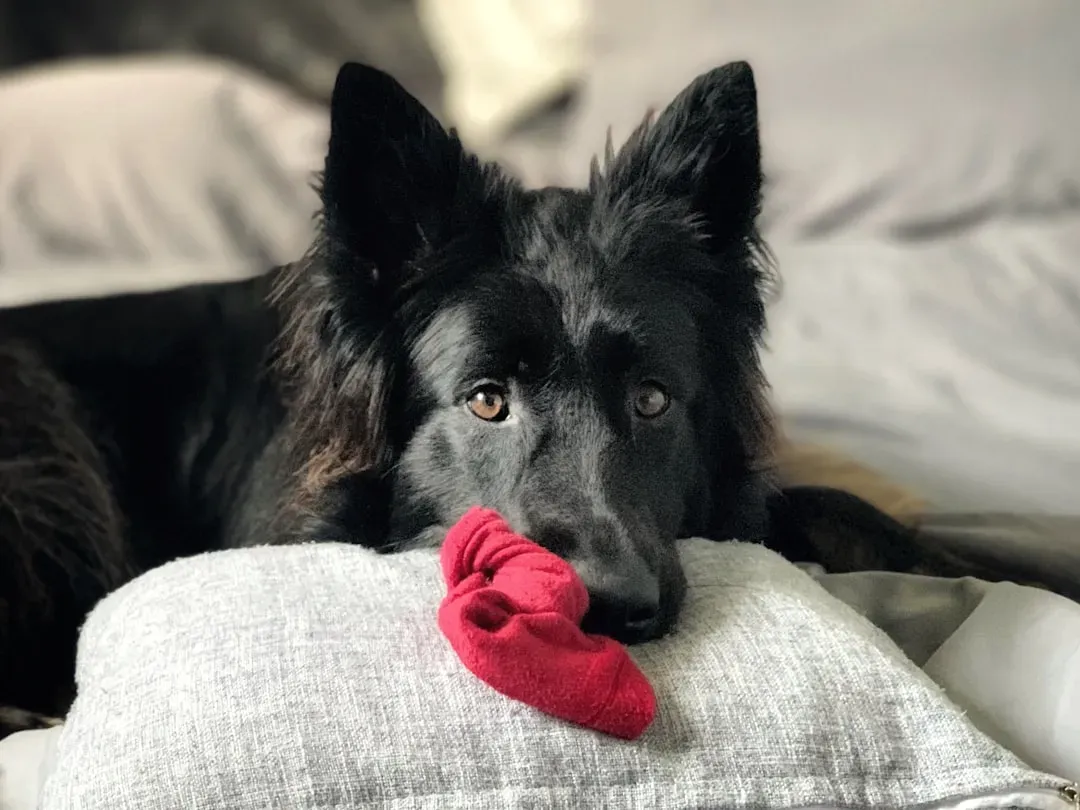
The next time you find your dog curled up in a nest of your unwashed clothes, try to see it for what it truly is. The most common reason that dogs love our dirty laundry is simply that it reminds them of us, and being surrounded by our personal scent gives them a sense of comfort and security. That’s not bad behavior. That’s love in its most instinctive, unfiltered form.
Your dog can’t text you when they miss you. They can’t write a note, call a friend, or watch a comforting film. All they can do is find the thing in the world that smells most like their favorite person and hold it close. Your scent – whether from socks, shoes, or sweaters – gives your dog a sense of safety, comfort, and connection. To your dog, your smell isn’t dirty. It smells like love, like security, like home.
So be patient, be empathetic, and maybe leave out an old t-shirt on purpose. Your dog is doing the best they can to feel okay in a world where you are the center of everything. Doesn’t that make you see those stolen socks just a little differently? What do you think – have you ever caught your dog doing this? Tell us in the comments!


