
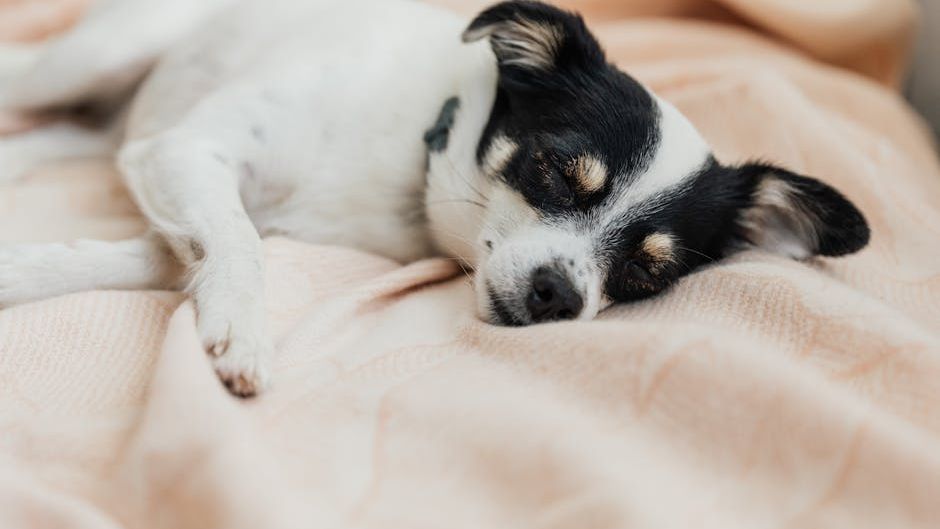
There’s something quietly mesmerizing about watching a dog sleep. One moment they’re completely still, breathing slow and steady. Then a paw flickers. A muffled sound escapes. The legs begin to churn as if sprinting across some open field you’ll never see. Most of us smile, laugh a little, and wonder what on earth is happening inside that sleeping head.
It turns out, quite a lot. Researchers have studied the question of whether dogs dream for decades, and the evidence strongly suggests they do. The science behind those tiny twitches is far richer and more emotionally layered than most dog owners realize, and it has real things to say about memory, emotion, and the bond your dog shares with you.
The Brain Science That Proves Dogs Dream
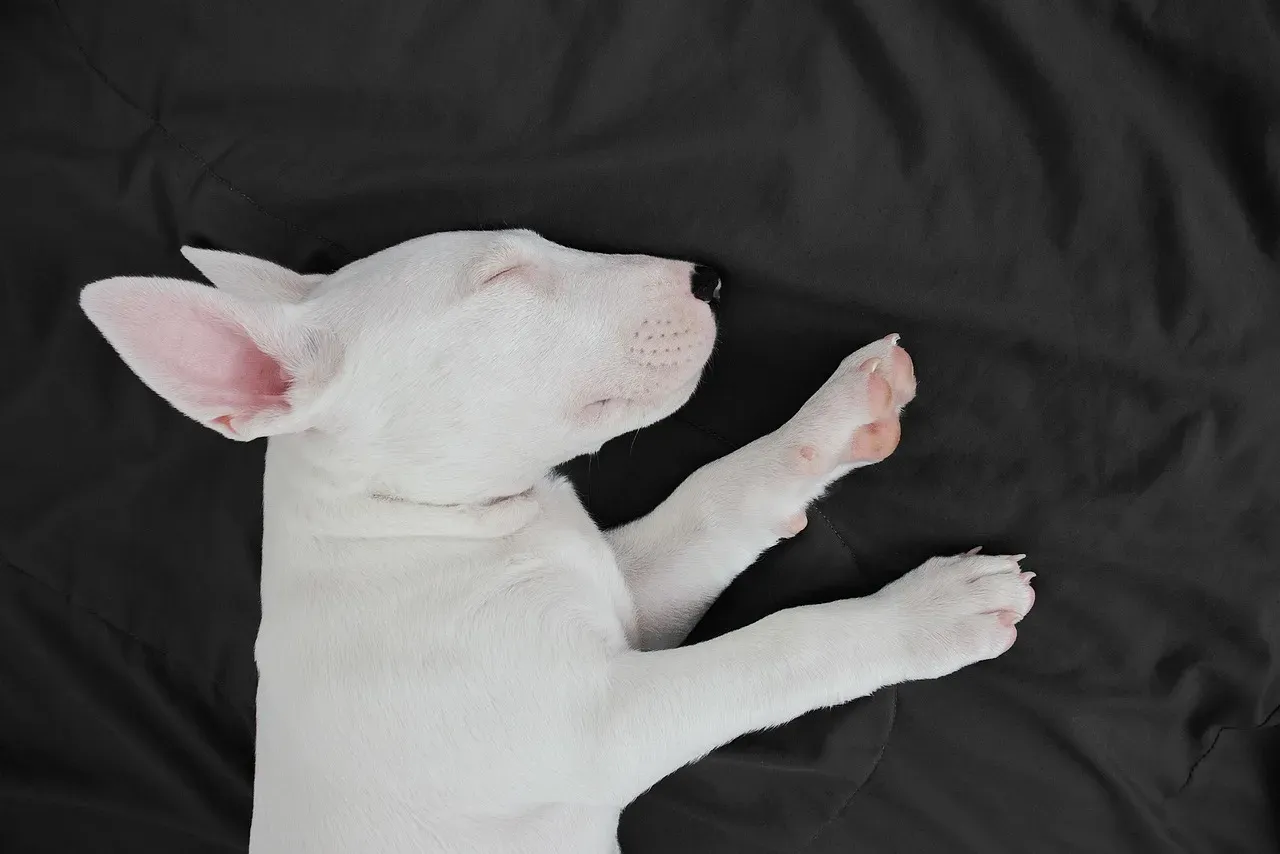
The clearest window into what’s happening during your dog’s sleep comes from brain wave research. Scientists have learned that dogs go through similar brain wave patterns as humans do during deep sleep. That parallel runs deeper than most people expect. Since the sleeping brains of dogs and people go through similar stages of electrical activity, it’s safe to assume that dogs dream, too, and scientific research demonstrates comparable brain wave patterns in humans and dogs, which validates this assumption.
The landmark evidence came from animal research that reshaped how scientists think about sleep across species. In a 2001 MIT study, researchers monitored the brain activity of rats in a maze, then monitored it again when the rats were asleep. The results suggested that, in the rats’ REM sleep, their memory centers were active, and their brains were creating the same patterns they did when they were going through the maze, leading researchers to believe the rats were dreaming about the maze, just like humans dream about their waking experiences. Because dogs’ minds are more complex than those of rats, and because their sleep movements mimic activities they perform in their waking life, experts believe dogs also have robust dream lives.
What Actually Happens When Your Dog Twitches
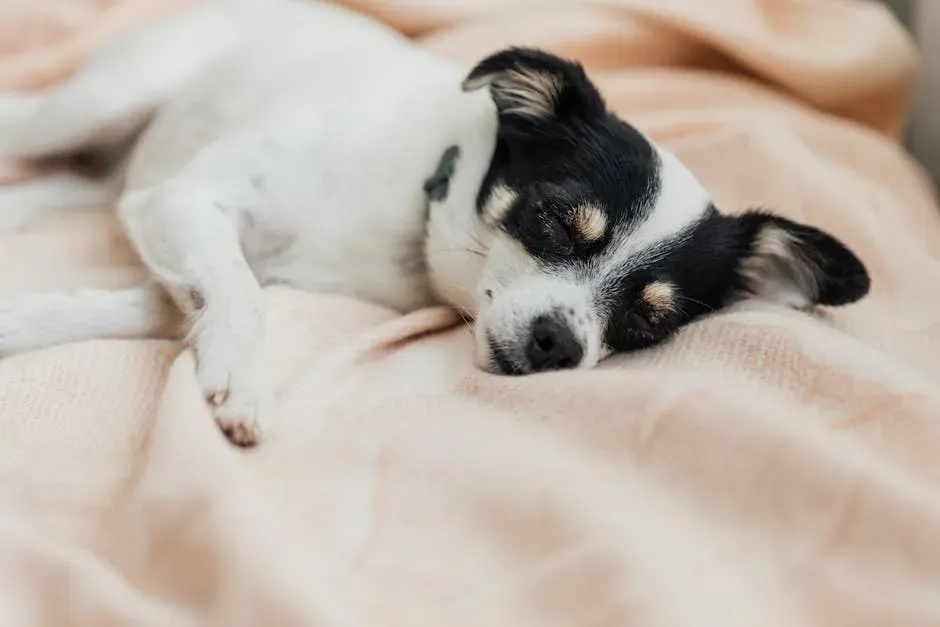
Dogs follow a structured sleep cycle that mirrors that of humans but with shorter durations. Each cycle includes stages of light sleep, deep sleep, and REM sleep. It’s during that final stage that things get interesting. REM sleep usually begins 20 to 30 minutes after falling asleep. During this stage, your dog’s eyes move rapidly beneath closed lids, their muscles may twitch, and you might notice soft vocalizations or gentle paddling motions. These are classic signs of dreaming.
The small movements you see when your dog sleeps, like paw twitching, tail wagging, or muffled barks, are normal physical responses during REM sleep. These actions happen because the brain sends signals that trigger minor muscle contractions. However, the brain stem prevents full muscle activation, keeping dogs from physically acting out their dreams. That last detail is worth sitting with. Your dog’s brain is essentially running the show while the body gets only a fraction of the signal. During REM sleep, the brain might send signals to the body resulting in involuntary movements, such as twitching, leg kicks, or even muted barks, and these movements can be likened to us humans “living” our dreams.
What Your Dog Is Actually Dreaming About
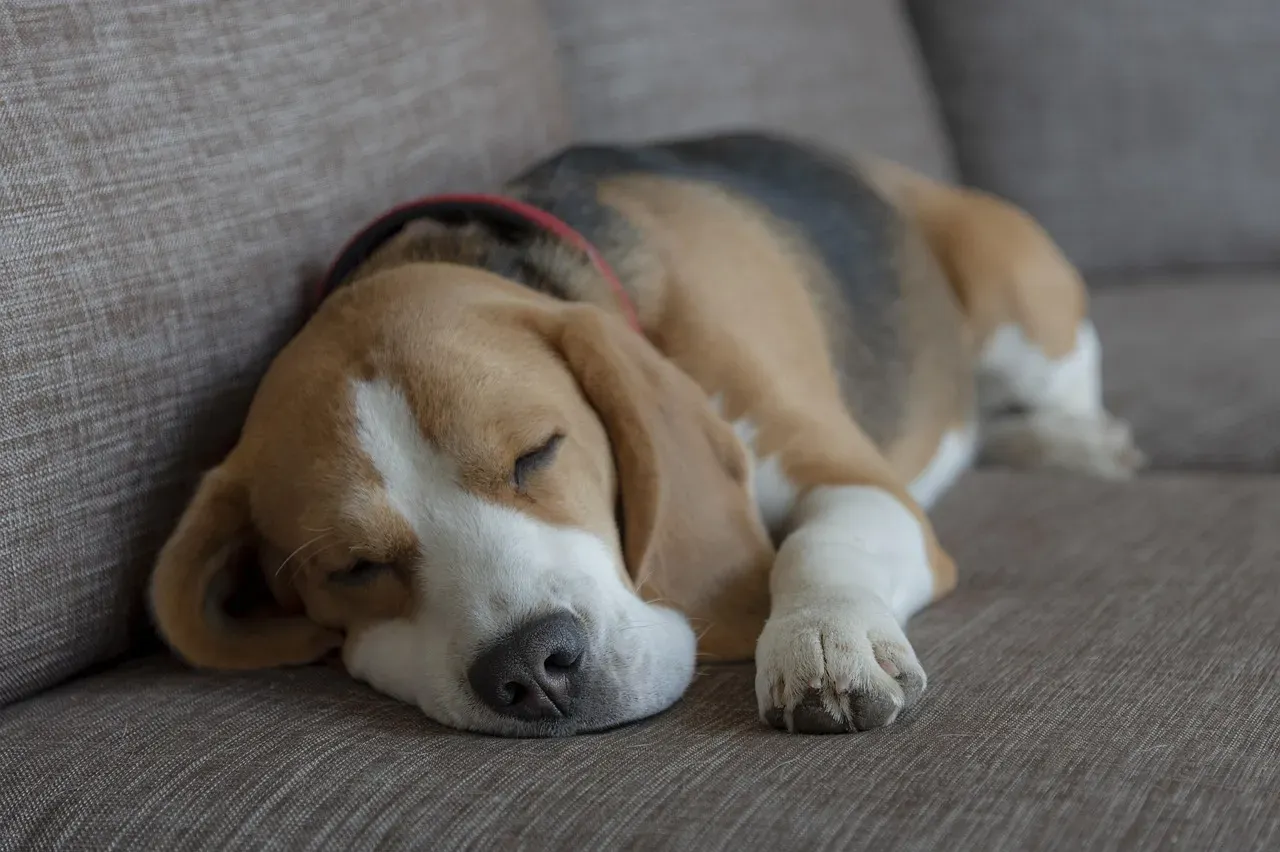
Researchers have observed that certain breeds of dogs tend to perform breed-specific behavior in their sleep when the pons is inactivated. Pointers, for instance, point, and English Springer Spaniels exhibit flushing behavior during REM sleep. That’s a remarkable detail. It suggests the dream content isn’t random noise. It’s connected to who your dog actually is and what drives them when they’re awake.
While we can’t ask dogs to describe their dreams, scientific evidence and behavioral cues give us strong hints. Most experts believe that dogs dream about familiar experiences, people, and emotions from their daily lives. There’s also a dimension to canine dreams that humans rarely consider. Humans rarely report scents when recounting dreams. However, we should expect dogs to dream in smells, given that olfaction is so central to their waking experience of the world. A dog’s dream world is likely a rich sensory landscape, built from the trails they’ve walked, the people they’ve greeted, and the scents that meant something to them.
How Age and Size Shape a Dog’s Dream Life
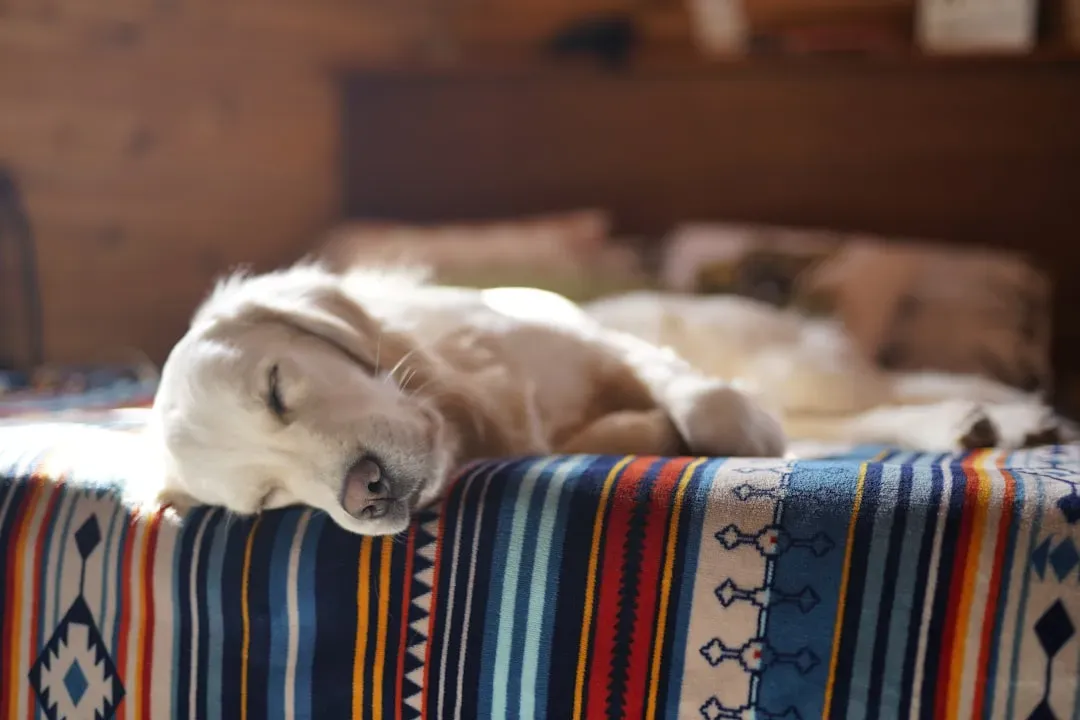
Puppies and senior dogs tend to twitch more than middle-aged dogs. One theory is that the part of the brain that inhibits full muscle movement during REM sleep might be underdeveloped in young dogs or less efficient in older ones. For puppies especially, the connection between dreaming and learning appears to be profound. Puppies spend more time in dream sleep than adult dogs because they need to process more information. Young puppies spend more time in REM sleep than adult dogs, which explains all those little twitches and squeaks during nap time. Their brains are rapidly developing, and dreams help them make sense of the new world around them.
Size plays a surprisingly specific role too. Research suggests that the length and frequency of dreams may be related to the animal’s size. A toy poodle may dream every 10 minutes, while a Labrador Retriever may only dream once every 60 to 90 minutes. However, the poodle’s dreams may last only a minute, while the Labrador’s dreams may be 5 to 10 minutes long. Active breeds, like Border Collies or Labrador Retrievers, may dream more vividly than less energetic breeds because their waking hours are filled with physical and mental activity. Meanwhile, lap dogs might experience more restful, shorter dreams.
When to Watch Closely and When to Simply Let Them Sleep
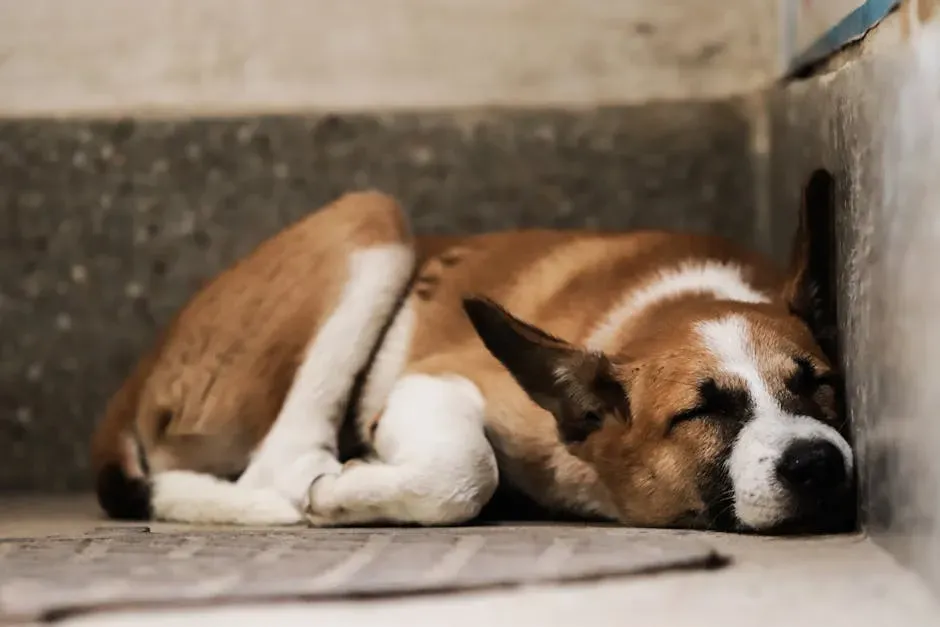
While most twitching during sleep is harmless and dream-related, there are times to be cautious. If the movements are stiff, last a long time, or are accompanied by drooling, confusion, or incontinence, they could point to something more serious, such as a seizure. Dreaming movements are usually brief and relaxed, whereas seizure movements tend to be more rigid and intense. Knowing the difference matters. During normal sleep, a dog’s body will be flexible and relaxed, and they will be breathing normally, with their eyes partially or completely closed. They should awaken easily and respond to voices.
If your dog seems distressed during sleep, the instinct to intervene is natural, but restraint is often the wiser call. Disrupting a dog during REM sleep can result in serious consequences. Touching a dog when they’re dreaming may startle them and cause them to bite or scratch involuntarily. If you feel the need to wake a sleeping dog, it’s better to call their name loudly or make a noise, such as dropping an object on the floor. Beyond safety, there’s another reason to hold back. Dogs that slept after learning new commands performed better when tested afterward, pointing to a genuine sleep-learning connection. Disrupting REM sleep isn’t just uncomfortable for your dog. It could genuinely interfere with how well they retain the day’s experiences.
Conclusion
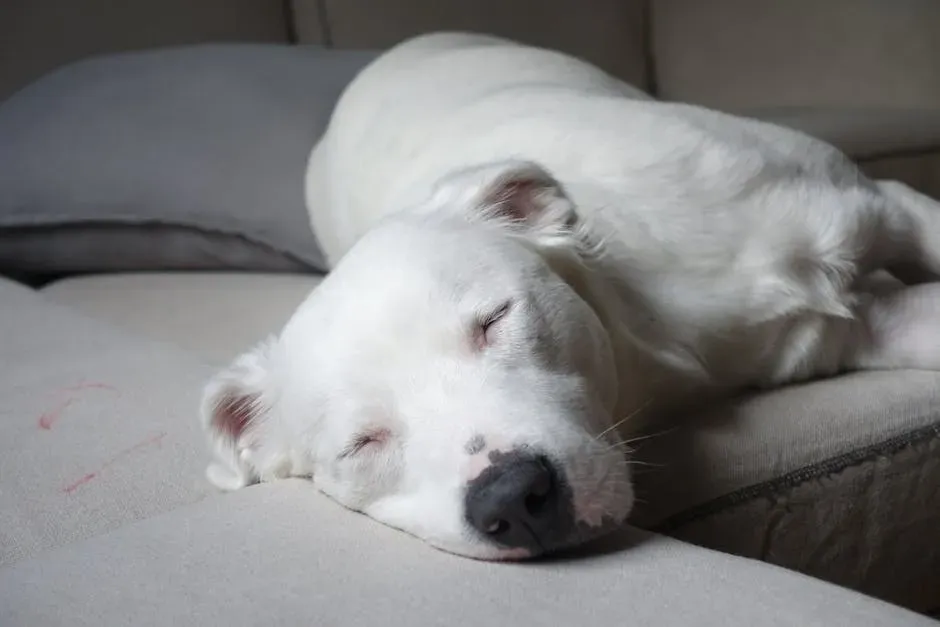
It’s tempting to think of a sleeping dog as simply offline, resting, waiting to be called for a walk. The science tells a more interesting story. Understanding what dogs dream about gives us more than just cute conversation material. Dogs use sleep to process memories, manage stress, and reinforce learning. Watching your dog dream is more than a heartwarming moment. It’s a glimpse into how their brain processes the world around them.
Every twitch, every muffled bark, every phantom sprint across the living room floor is your dog mentally filing away their day, the walks, the smells, the faces they love. We share our homes with them, our routines, our lives. It’s only fitting that we also, in some small way, share their dreams. Next time those paws start paddling, don’t wake them. They’re somewhere good.


