
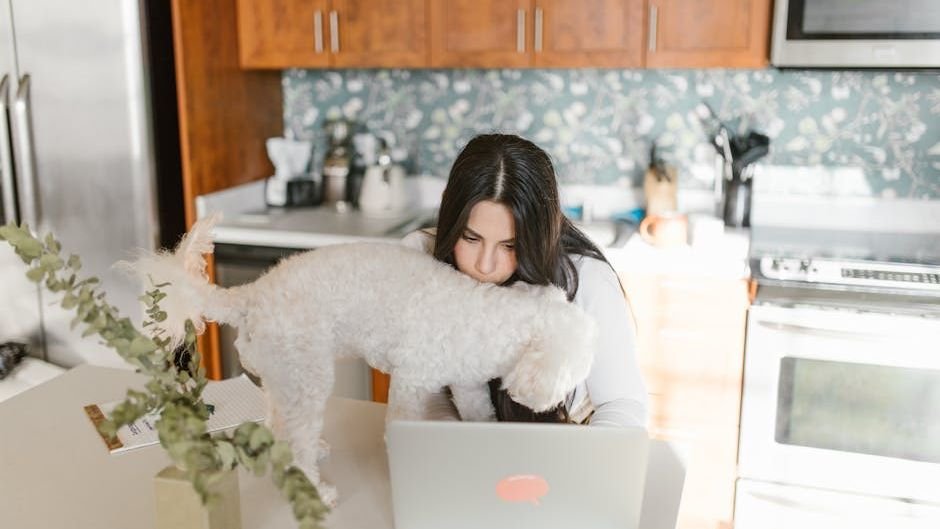
Picture this: you walk into the living room after a long day, and there’s your dog, tucked away in that same odd corner behind the couch. It’s not random. These spots aren’t just comfy nooks; they whisper about how safe your pup truly feels surrounded by your home’s familiar walls.
Dogs descend from wild ancestors who picked dens for protection. Today, their choices echo that instinct, blending comfort with a deep need for security. Paying attention can help you spot when they’re thriving or quietly stressed.[1]
The Hidden Hideout Under Furniture
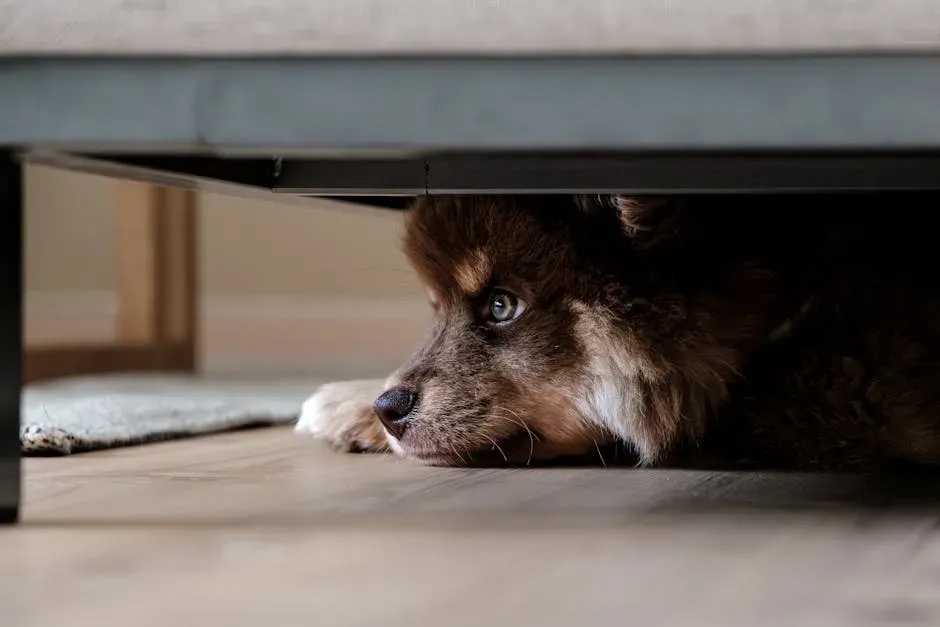
Your dog squeezing under the bed or couch often signals a search for safety. This den-like spot mimics a wild burrow, offering walls on all sides during anxious moments. It might stem from loud noises, new smells, or even subtle household changes that unsettle them.[2][3]
Watch for tucked tail or wide eyes alongside this behavior; it could hint at stress or health issues. Ease them out gently with a cozy crate nearby, draped for privacy. Add familiar blankets to build positive associations over time.
Curled Tight in Quiet Corners
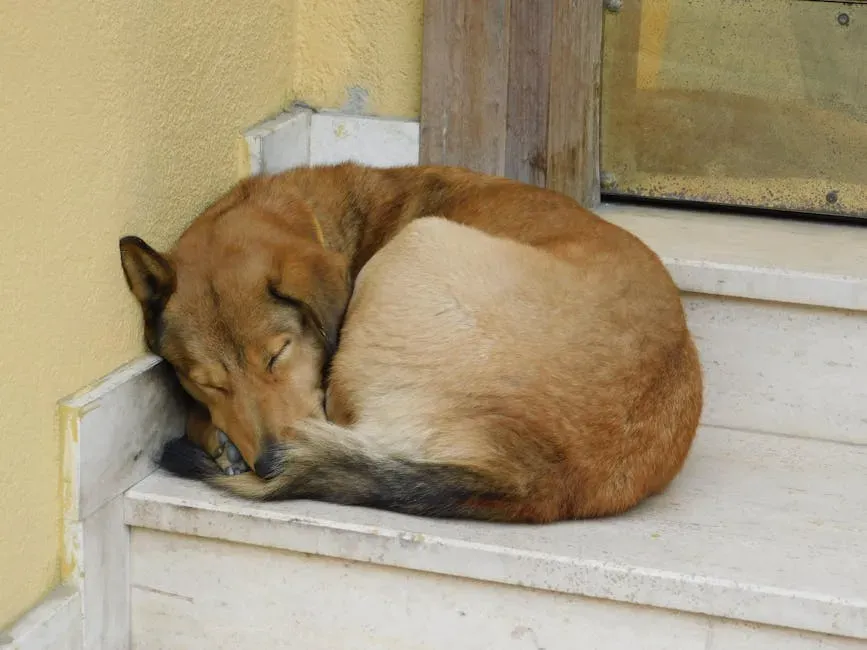
A pup balled up in a dim hallway corner or closet shows they’re craving containment. This position guards their belly and vital spots, a clear cue they don’t fully relax in open areas. Rescue dogs or those with past trauma lean toward these spots most.[4]
Relatable scenario: after fireworks, many dogs burrow deeper. Help by creating a dedicated zen space with soft bedding away from traffic. Consistent routines and calming chews can gradually coax them into feeling bolder around the house.
Sprawled Out in the Middle of the Floor
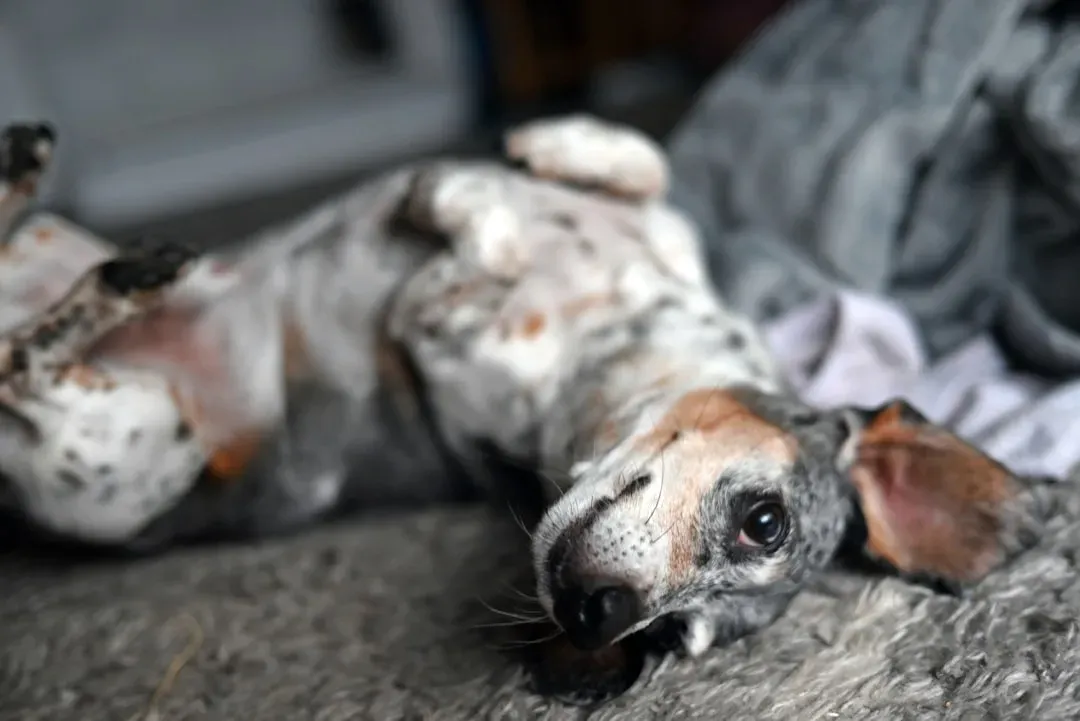
When your dog flops belly-up or legs splayed across the living room rug, celebrate. This vulnerable pose screams trust; they only expose their soft underbelly where threats can’t surprise them. It’s peak comfort, often seen in well-adjusted homes.[5][6]
Deep snores and twitching paws confirm total ease. If they shift spots freely like this, your home hits the security jackpot. Keep it going with stable schedules and plenty of play to maintain that carefree vibe.
Snuggled Close on Your Bed or Lap
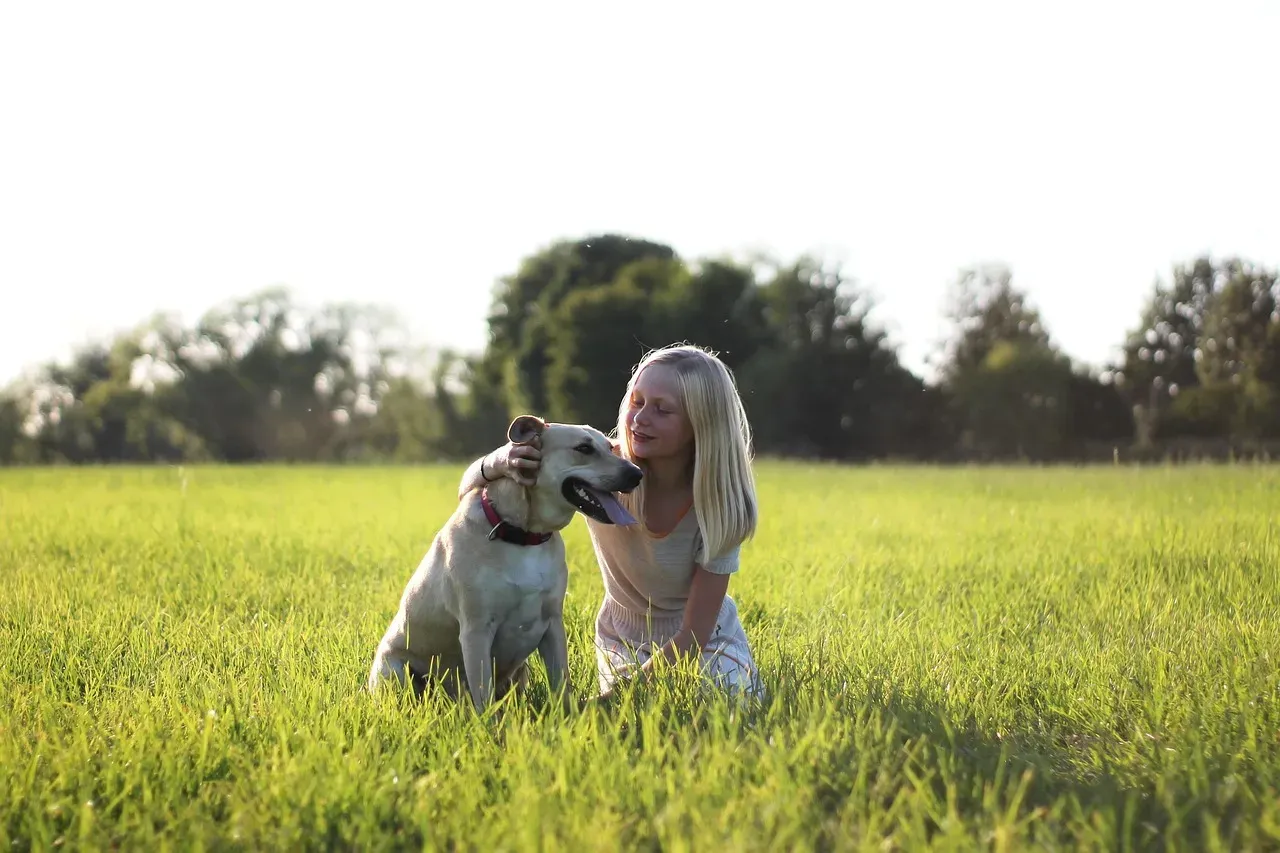
Nothing says “I feel safe” like your dog claiming your pillow or curling against your legs. Proximity to you, their trusted pack leader, overrides solo spots. This choice boosts their emotional security, especially at night.[7]
Think of a chilly evening when they nestle in without invite. It strengthens your bond but watch for allergies or space needs. Offer a nearby dog bed as an option, letting them decide while reinforcing your role as safe haven.
Posted Up by the Door or Entryway
Dogs lingering near doors, ears perked, often play sentinel. This vantage point lets them monitor arrivals, a holdover from guarding instincts. It suggests mild vigilance rather than full panic, but they might not unwind fully.[8][9]
Real-world example: many watch windows too, tail wagging at passersby. Reduce tension with window films or training games that redirect focus. A comfy mat there can turn duty into downtime.
Lounging in the Kitchen or Warm Vents
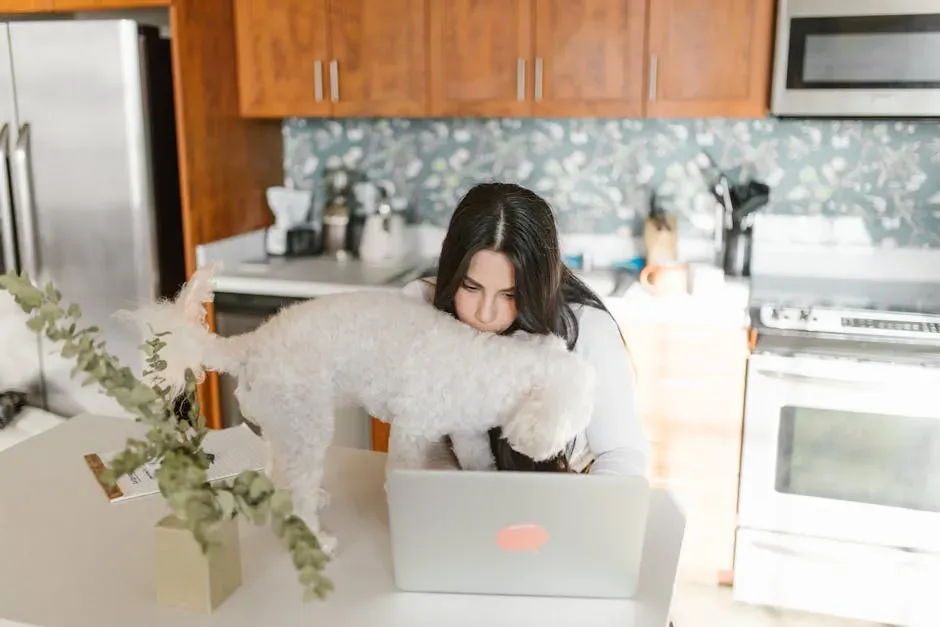
Kitchen corners or heat vents draw dogs for practical perks like food scents and warmth. Yet choosing these over isolated spots points to growing confidence. They feel secure enough to stay near family hubs without hiding.[10]
Busy mealtimes might amp alertness, so note if they pace. Prevention tip: clear floor space and puzzle toys keep them engaged positively. Over time, this spot signals your home’s bustle feels protective, not overwhelming.
Turning Spots Into Stronger Bonds
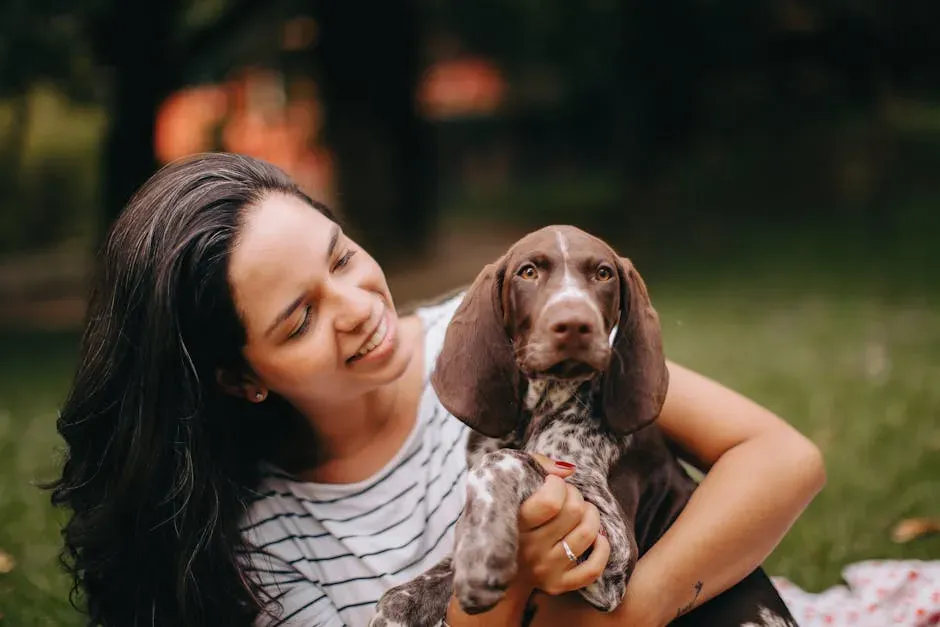
Observing these habits lets you fine-tune your dog’s world for more tail wags and fewer worries. Small tweaks like quiet zones or routine walks make a big difference. Your attentiveness alone reassures them they’re in good paws.
Next time you catch your dog settling in, pause and reflect. That simple choice reveals volumes about the haven you’ve built together. Keep nurturing it, and watch their confidence bloom right there on the floor.


