
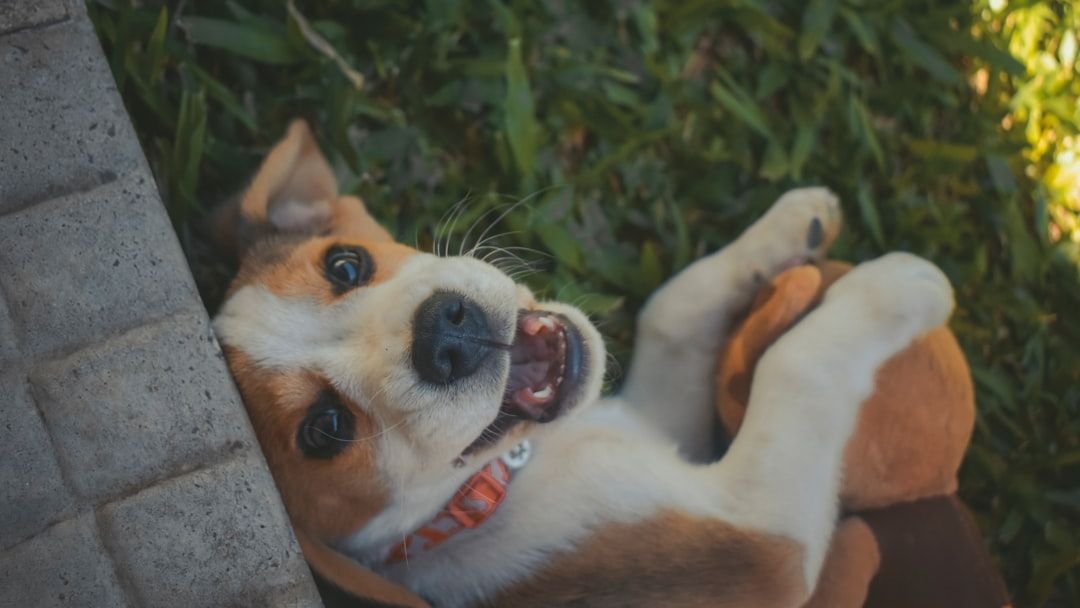
Picture this: you’re sitting on the couch, giving your dog the belly rub of the century, and they suddenly let out a low, rumbly growl. Your first instinct? Panic. But here’s what’s actually happening – your dog might just be telling you they’re in heaven and want you to keep going. That single sound carries more information than most people realize, and misreading it can quietly damage the trust between you and your dog in ways that take a long time to repair.
Dog growling is simply a method of communication. Dogs growl to communicate lots of different things, from fear and aggression to encouraging play. The problem is that most of us were raised to treat every growl as a red flag, when the reality is far more nuanced. Learning to truly listen to your dog’s growl – not just hear it – is one of the most powerful things you can do as a dog owner.
The Many Voices of a Growl: Not All Rumbles Are the Same
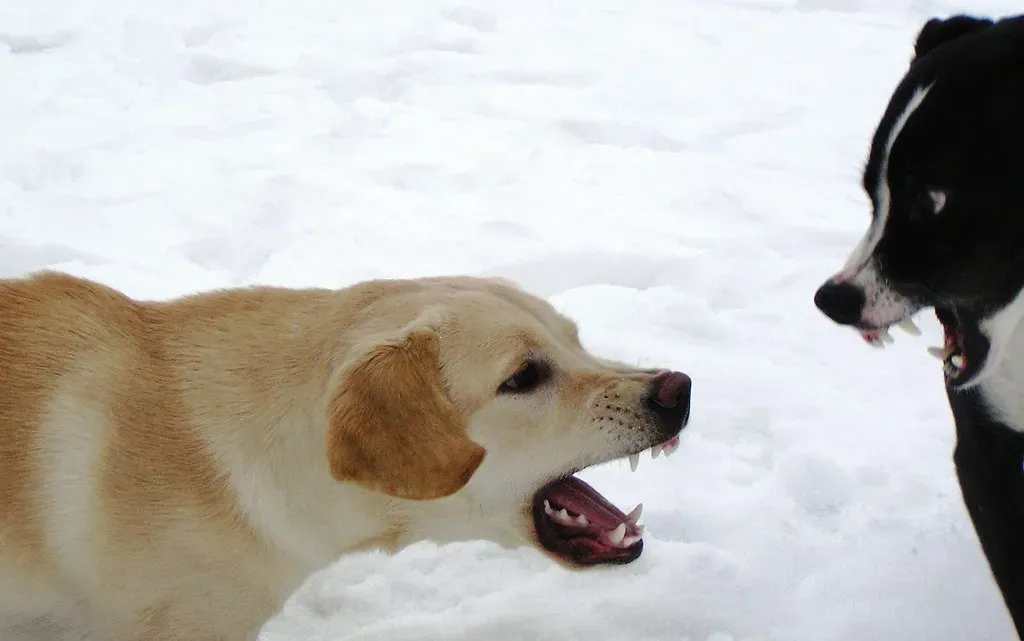
Dogs growl to communicate lots of different things, including fear, anger, and as part of play. This wide variety of potential meanings is why you need to understand the types of dog growl to interpret what the sound means. Think of it this way: humans use a single word like “fine” in dozens of ways depending on tone, context, and expression. Your dog’s growl works the same way.
Different types of growls can indicate different situations: playful growling is often higher pitched and accompanied by playful body language, while aggressive growling is characterized by loud, low rumbles and a tense posture. Warning growls serve as polite alerts indicating that a dog feels threatened and desires personal space, and pleasure growls occur during moments of happiness or contentment.
All dogs are individuals, so it’s not enough just to know what dogs mean when they growl – you need to know what your dog means when they growl. This is the kind of attentiveness that deepens the bond between owner and dog. Keep a mental note of the situations that trigger each growl. Over time, patterns will emerge, and your dog becomes surprisingly readable.
The Play Growl: Pure Joy in a Scary Package
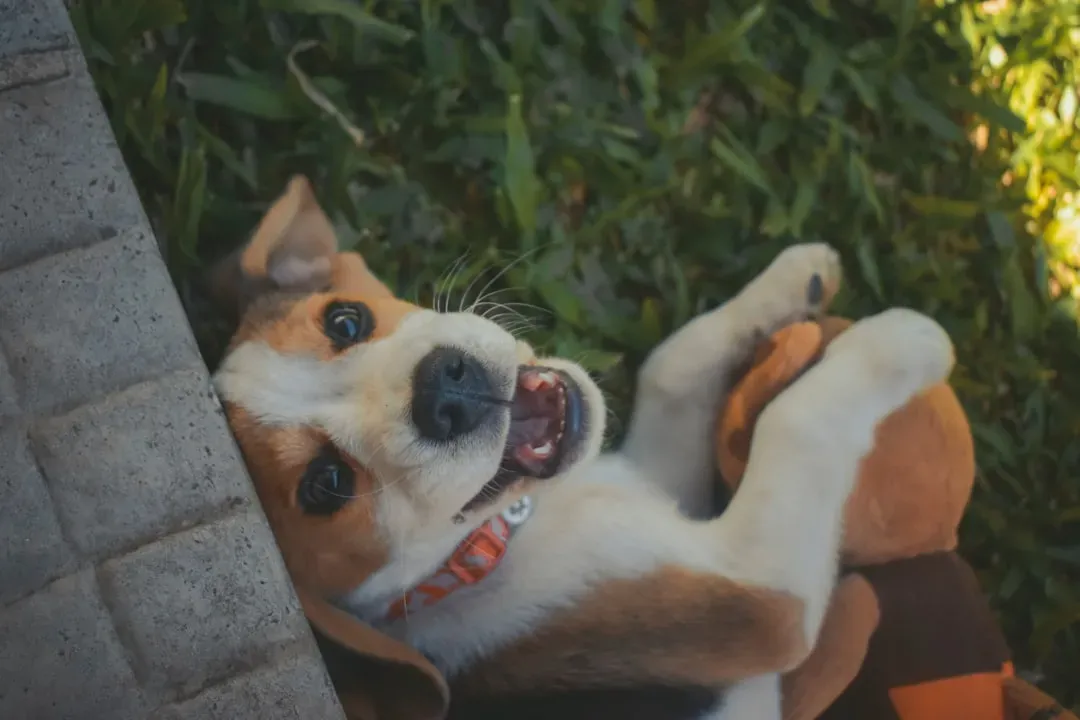
A dog might growl while playing with you or other dogs. The growling, in this case, is part of normal playful behavior. When a dog growls playfully, they have loose body language and soft facial expression, such as a tail held in neutral position and soft ears moved slightly to the side. Many new dog owners mistake this for aggression and quickly pull their dog away from what was actually a perfectly healthy interaction.
Although every dog is different and has their own vocal range and individual voice, in general dog play growls will sound higher pitched than other kinds of growling. They will also often be shorter, and may be accompanied by body language like bounding motions, or your dog bending down onto their front legs, or raising their rear end in the air (play bow). That play bow is your dog’s universal signal that everything is friendly. When you see it paired with a growl, relax.
Growling during play doesn’t mean your dog is aggressive. It simply means they’re having a great time. Do keep an eye on the situation in case it escalates, but usually growling during play indicates that a dog is just having fun. The key habit here is watching the whole dog, not fixating on the sound alone.
When a Growl Is a Cry for Help: Fear, Pain, and Stress Signals
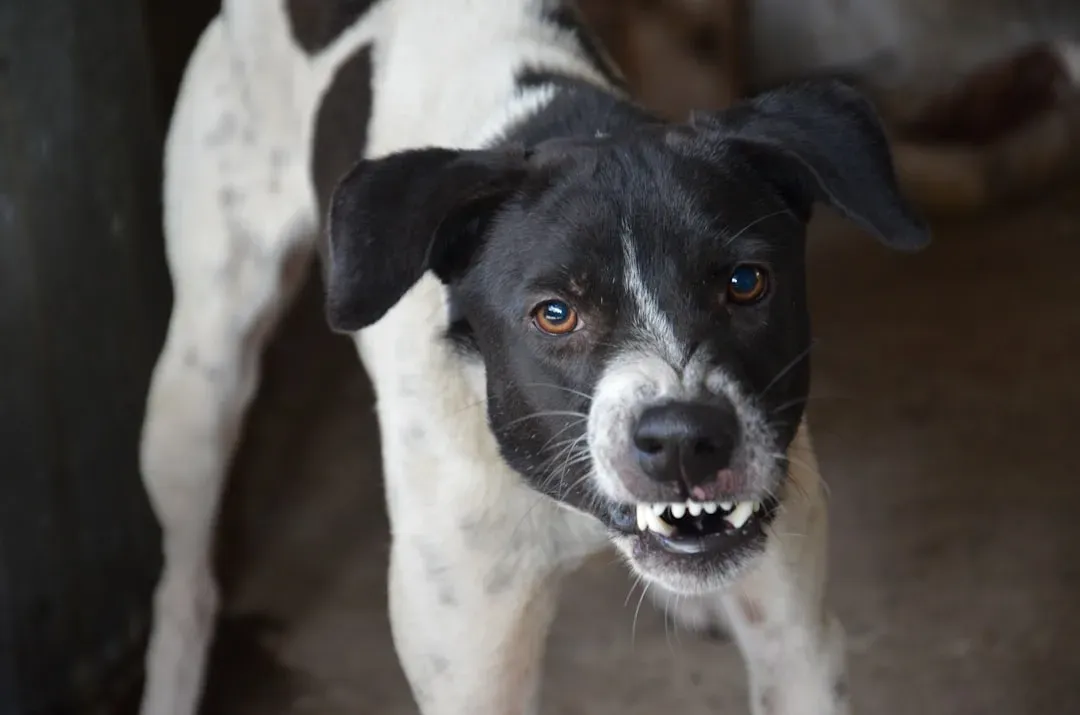
Fear-based growling is a type of vocalization that dogs use to express their discomfort. This growl is often high-pitched and accompanied by submissive body language, such as cowering or lowering the body. Dogs may growl when they feel threatened or cornered, which is their way of communicating that they are scared. This is not a dog trying to dominate you. This is a dog reaching out in the only language available to them.
Growling can be an indication of pain or illness. Some dogs who are in pain or sick will only growl when you physically touch them, but others may do so if you only come close to a sore hip or paw – physical contact may not even be necessary. Because we may be unaware that anything is wrong with our dog, these types of growls can seem somewhat surprising. If your previously calm dog suddenly starts growling during routine handling, a vet check should be your first step, not a training correction.
A dog behaving aggressively is most usually about them wanting to end a scary or difficult situation, or get space or distance from a situation. This is often a last resort signal before resorting to a nip or bite when a dog feels that their other more subtle body language signals have been ignored. Catch the growl early, respond with empathy, and you’ve potentially prevented a bite. That’s not a small thing.
Why Punishing a Growl Is One of the Most Dangerous Mistakes You Can Make
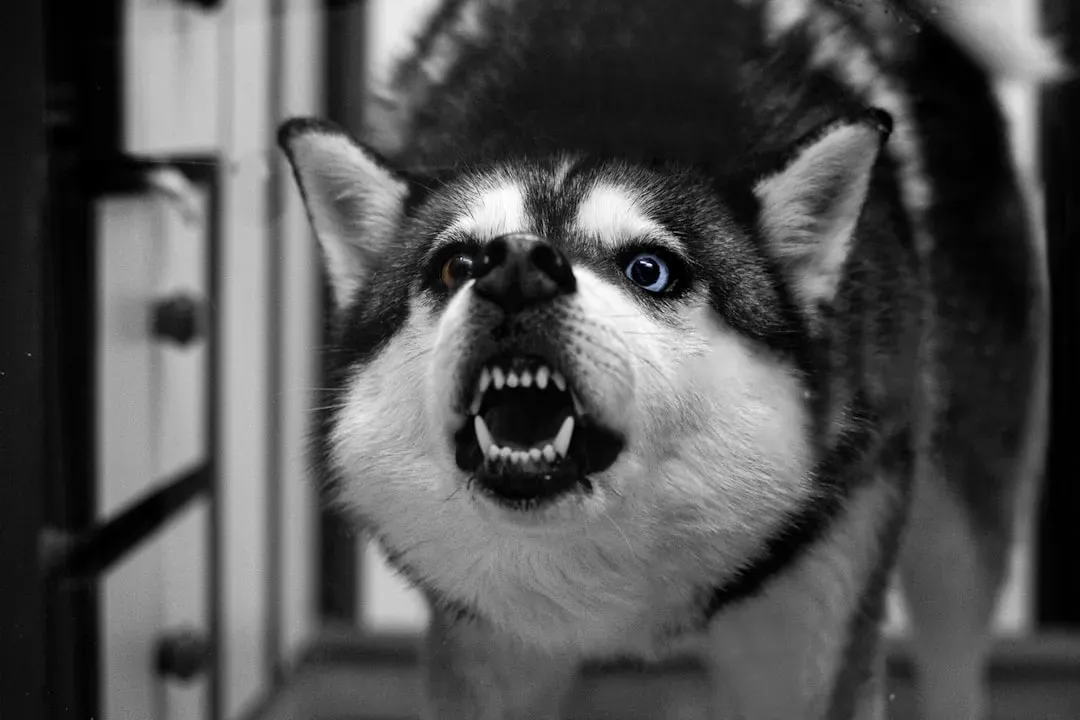
If you punish your dog for growling, you will only inhibit growling. You won’t have done anything to address the underlying issue. For example, punishing your dog for growling in the presence of other dogs will stop the growling. However, your dog will still feel uncomfortable around other dogs. Even worse, the lack of growling might fool you into thinking otherwise. Meanwhile, your dog is still stressed and just might snap without the benefit of a warning.
When you punish your dog for growling, either by a verbal interruption or by swatting their nose, yelling at them, or putting them in a time out, you might stop the growling in that moment, but you’re doing little to address the reason behind the growl. When we focus on suppressing behavior, we are being inconsiderate to the emotions driving the animal to behave in that way. We are attempting to silence our dog’s communication without ever bothering to acknowledge or assist them with their concerns.
Growling is communication. When we punish it, we don’t make dogs safer – we make them quieter. A quieter dog with unresolved stress is significantly more dangerous than a dog who still uses their voice. Dogs who have been punished for growling in the past might go straight to a nip or bite. Preserving the growl, strange as it sounds, is a genuine safety strategy.
How to Respond to a Growl: Practical Steps That Actually Help
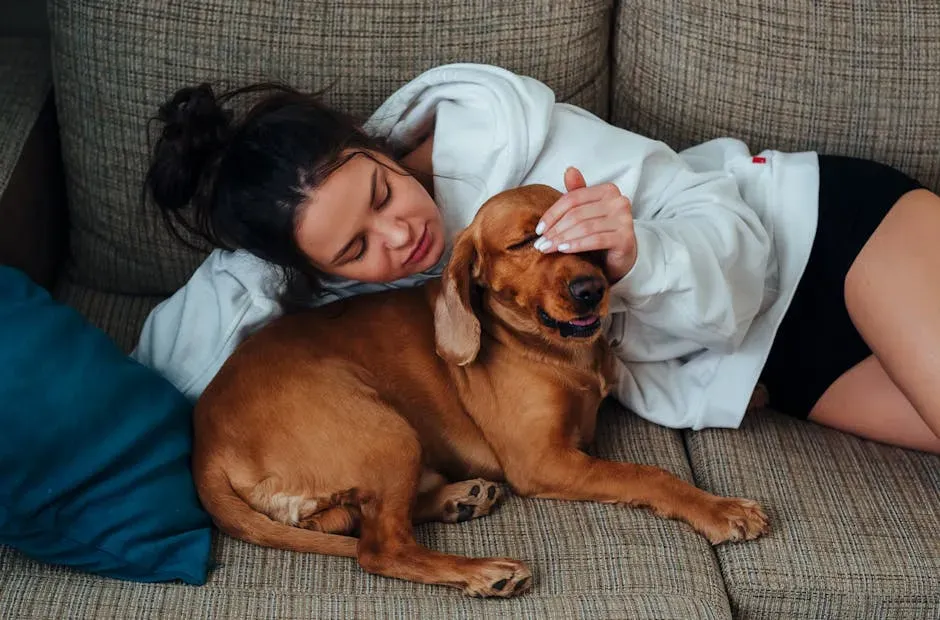
Stress growls are a warning signal. Their purpose is to tell others to back off before the dog is forced to take further action. Most dogs don’t want to attack or bite. They use growling to prevent the situation from escalating. Your response in that moment matters enormously. Stay calm, move slowly, and remove the pressure from your dog’s situation.
When your dog growls, acknowledge the growl and redirect your dog to perform more desirable behaviors. For example, if you’re on a walk and your dog growls at someone heading in their direction, interrupt the behavior using a neutral noise, such as a quick whistle, finger snap, or light clap. You do not want to use a loud, startling noise – just one loud enough to get your dog’s attention. From there, guide your dog’s focus back to you with a simple command they know well.
For your dog’s sake and your own safety, you need to help your dog become comfortable with the things that once caused them so much stress. These aren’t overnight solutions and might require the assistance of a dog trainer or animal behaviorist. If you manage your dog’s environment while you help them become comfortable with their stressors, ideally, they will never feel the need to stress growl again. If you need guidance on how to work with your dog, find a trainer who uses positive reinforcement training, such as a Fear Free trainer, KPA-certified trainers, or CTC-certified trainers.
Conclusion: Listen More, React Less
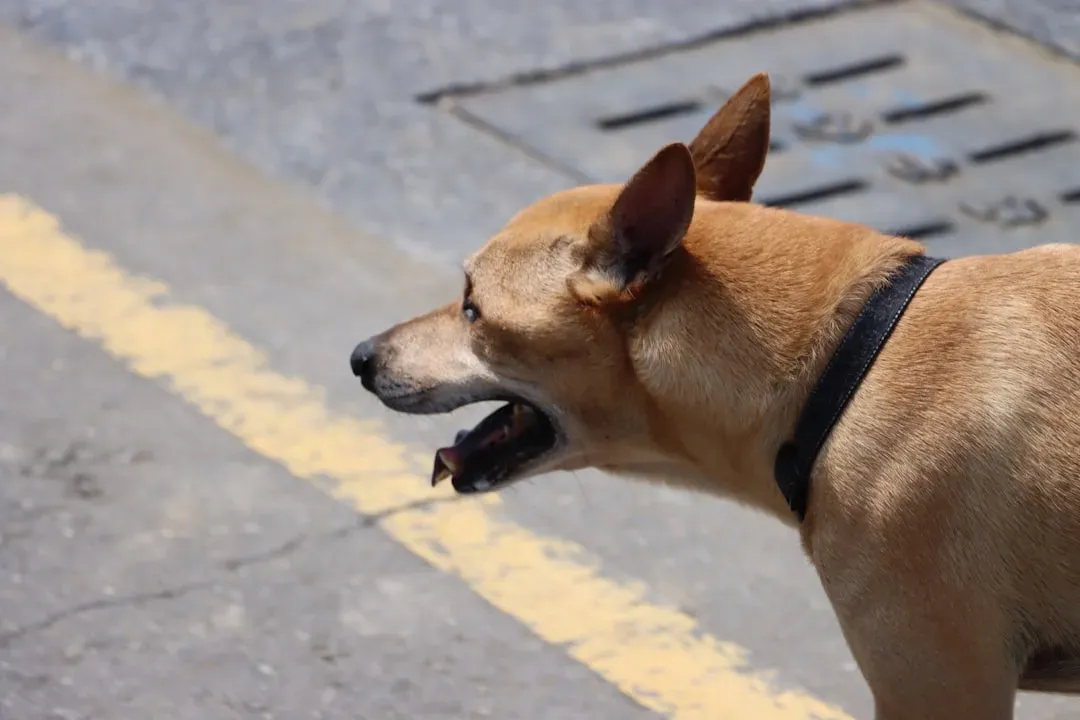
Your dog doesn’t have words. What they have is a remarkably rich system of sounds and body signals, and the growl sits right at the center of that system. It’s not defiance. It’s not drama. More often than not, it’s honesty.
Growling is not a behavior problem. It’s a communication system working exactly as it should. When we listen instead of punish, we build trust. That trust is the foundation of everything – a calmer dog, a safer home, and a relationship built on genuine understanding rather than fear or force.
The next time your dog growls, pause before you react. Ask yourself what they might be feeling, what the context is, and what their body is telling you alongside that sound. You might be surprised to discover that your dog has been trying to talk to you all along. You just needed to learn the language.


