
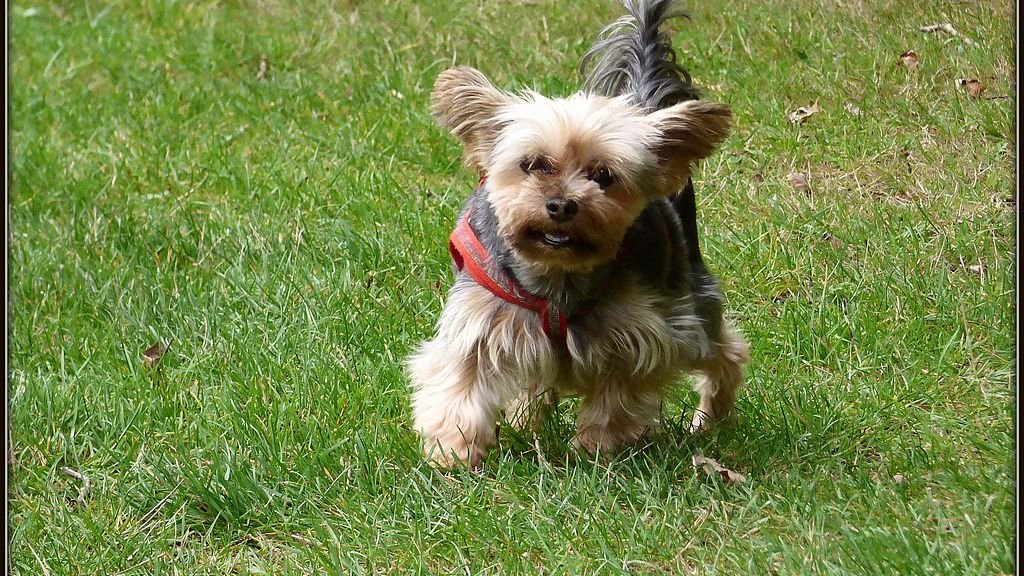
You know that moment when your dog suddenly explodes into a whirlwind of pure chaos, racing through the house like they’ve been possessed by a speed demon? One second they’re lounging peacefully, the next they’re tearing around in wild circles with their tail tucked and eyes wide. We’ve all witnessed it. Most of us laugh, grab our phones to record, and wonder what just happened.
Here’s the thing. Those crazy bursts of energy we casually call zoomies aren’t random at all. They’re actually your dog’s way of communicating something important, and understanding what triggers them can tell you a lot about your furry friend’s emotional and physical state. So let’s dive in and decode what your dog is really trying to tell you when they go full throttle.
The Science Behind the Madness
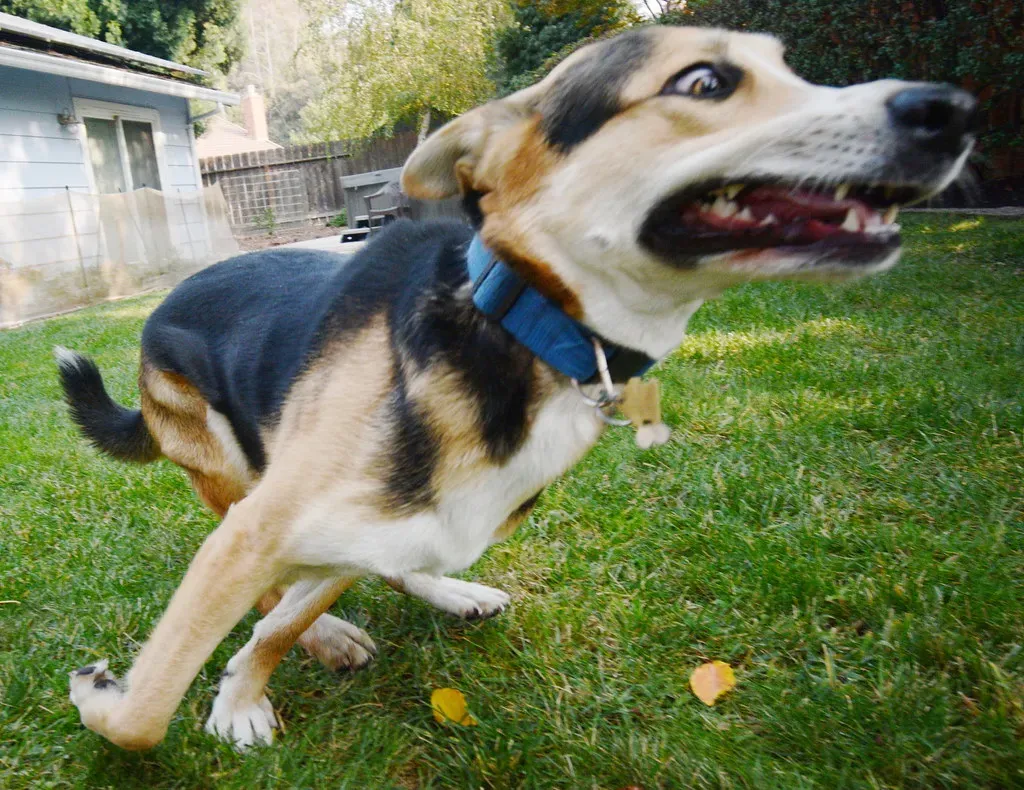
The official scientific term for this behavior is frenetic random activity periods (FRAPs), though honestly, zoomies sounds way more fun. They appear to be a way to release pent-up energy, or perhaps, to alleviate stress. Think of it like a pressure valve releasing steam.
Dogs run frenetically, commonly in circles, and they usually last a few minutes or less. What’s fascinating is that scientists still don’t have a complete explanation for why they happen. There is no definitive explanation for why dog zoomies occur, but generally it is believed that their occurrences are random.
The reality is that while we can’t pinpoint one exact cause, experts agree on several key triggers. Your dog isn’t losing their mind. They’re just being brilliantly, authentically canine in that moment.
It’s an Emotional Celebration

Dog zoomies happen when dogs are feeling happy and excited, plain and simple. Picture your dog’s excitement like a fizzy soda bottle that’s been shaken up. Eventually, that lid has to pop off.
FRAPs can occur whenever a dog becomes very excited, such as when an owner returns after a long absence. I’ve seen dogs zoom after reuniting with their favorite human, meeting another pup at the park, or even just because the sun came out after days of rain. Some ethologists suggest FRAPs express excitement, joy or a positive arousal state.
This isn’t just about burning calories. It’s pure emotional overflow. Your dog is so overwhelmed with happiness that their body can’t contain it, so they sprint it out. Honestly, don’t we all wish we could express joy that freely?
Stress Relief in Fast Forward
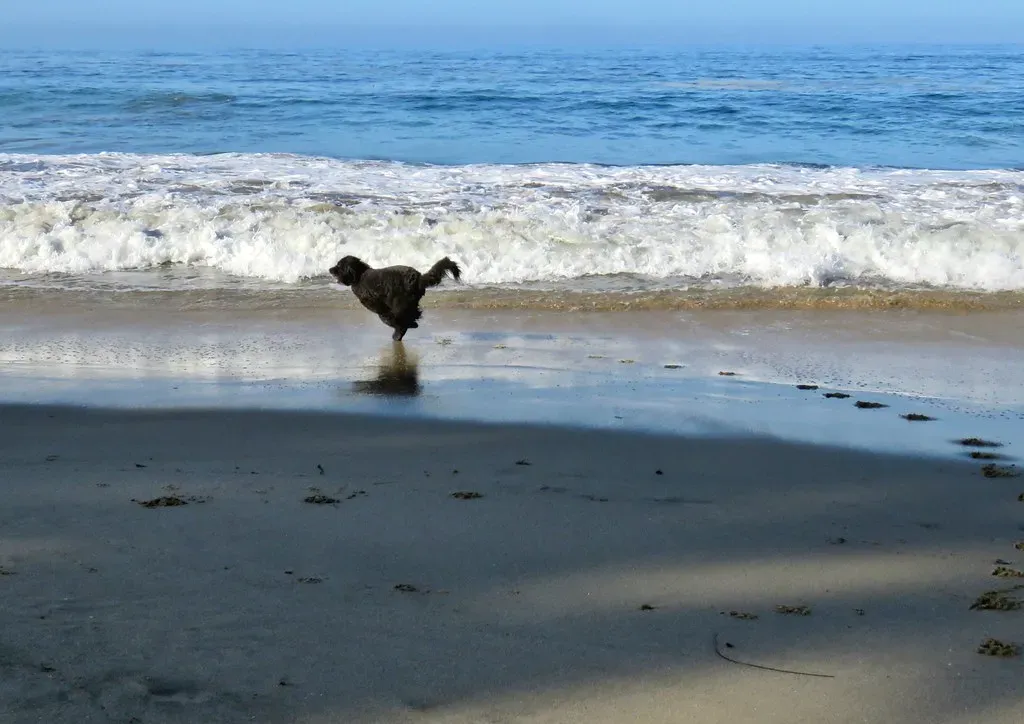
Not all zoomies are created equal, though. Dogs frequently zoom around after bath time, which is probably a way for them to get rid of anxious energy. If you’ve ever watched your freshly bathed dog tear through the house like their tail is on fire, you’ve witnessed stress relief in action.
Certain stressful situations, such as a visit to the vet, can also provoke the zoomies. It’s hard to say for sure, but your dog might be processing uncomfortable feelings through movement. Think about how humans pace when nervous or fidget during tense moments.
A dog will get the zoomies after a stressful event, like after a bath, as if they’re discharging the nervous tension that had built up. The key is watching your dog’s body language before and after. Are they loose and wiggly, or tense and wide-eyed? That tells you everything.
Reading the Body Language Clues
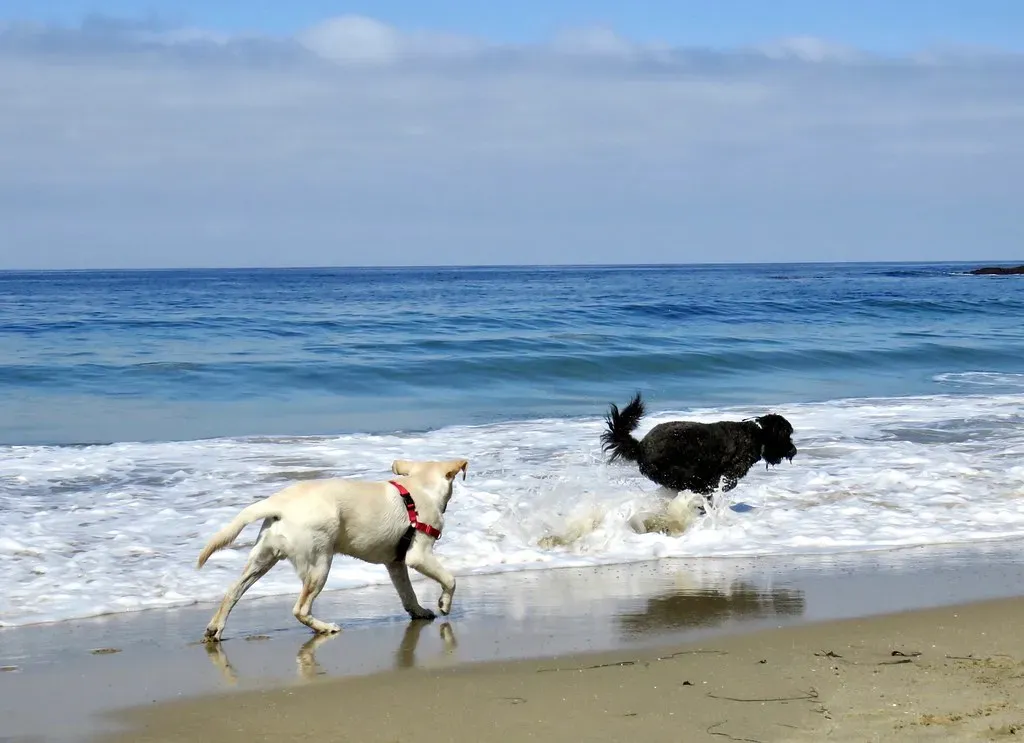
A typical happy zooming dog will be loose and even wiggly, bouncing around you when they slow down. Your dog’s tongue might flap out, and they may play bow. These are all signs your pup is having the time of their life.
Now contrast that with anxious zoomies. A frightened dog will be more tense, with wide eyes and a tightly tucked tail that stays tucked to the belly even when stopping, and may carry their head low with ears folded back submissively. The difference is crucial.
Movements a dog can make that may seem like the zoomies, but could actually indicate anxiety and pain include ears pinned back, eyes that are really wide and worried-looking, or a body that seems tense. If your dog’s zoomies feel off or you notice these warning signs, trust your gut and check in with your vet. Better safe than sorry.
Keeping Your Zooming Dog Safe
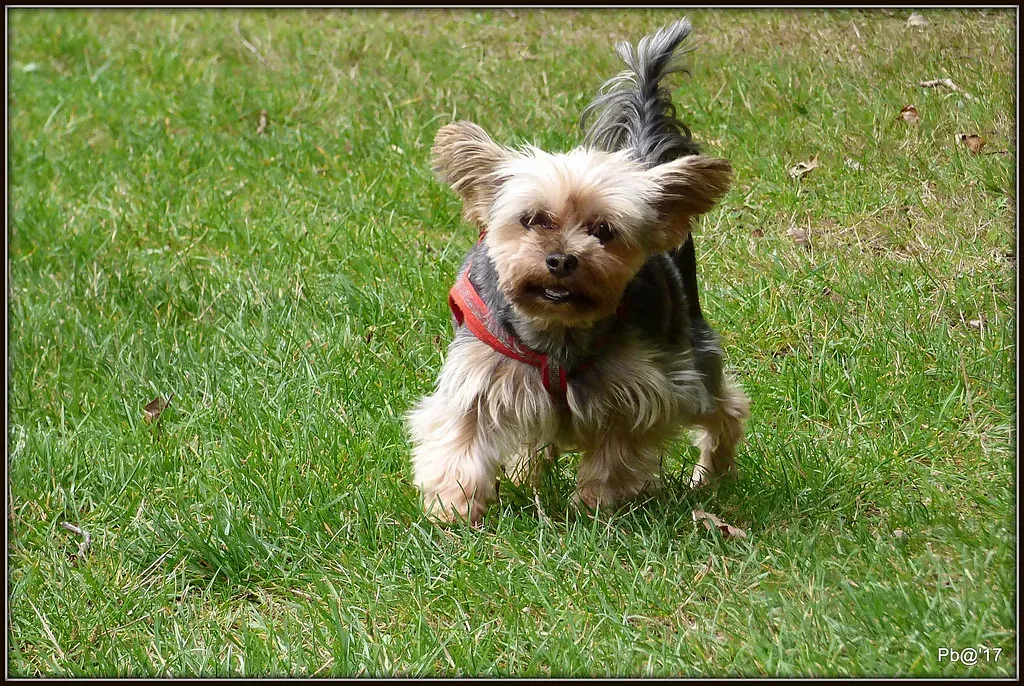
A dog zooming around the house or yard may be in danger of injuring themselves, so owners should keep zooming dogs away from stairs, slippery floors, obstacles and the road. Safety first, always. The best footing for hard running is grass, but carpet and packed dirt are also good options.
Create a safe zoom zone if you can. Clear away breakable objects, move furniture with sharp corners, and make sure your yard is securely fenced. Zoomies themselves won’t hurt your dog, but a dog running around at full speed without a plan sometimes has unfortunate consequences.
Here’s a practical tip: never chase your dog during zoomies. When dogs get very excited and a FRAP occurs when they’re on a walk and let off the leash, you shouldn’t run after them as they will see this as a game and think you’re joining in. Instead, try running in the opposite direction to redirect their attention back to you.
When Zoomies Signal Something More
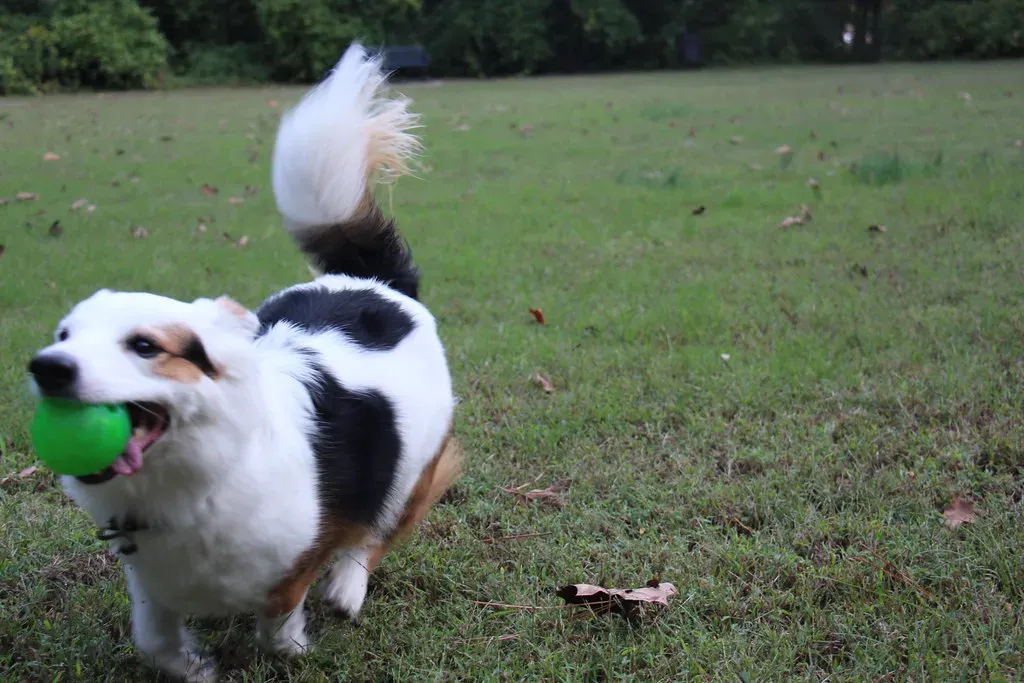
If your dog exhibits zoomies frequently or at inopportune times, such as when you are asleep, they may be telling you that they need more exercise and mental stimulation. This is where you need to pay attention. Excessive zoomies can be your dog’s way of saying they’re bored or understimulated.
Too many zoomies may signal that your dog needs more physical activity or mental stimulation, and if it feels like it’s becoming unmanageable, your pooch may need more exercise. Consider adding an extra walk, trying puzzle toys, or introducing new training games to tire out both their body and brain.
Let’s be real. Dogs are smart, active creatures who thrive on engagement. When they don’t get enough of what they need, their bodies find ways to demand it. Zoomies might just be your wake-up call to mix things up in your routine.
Conclusion
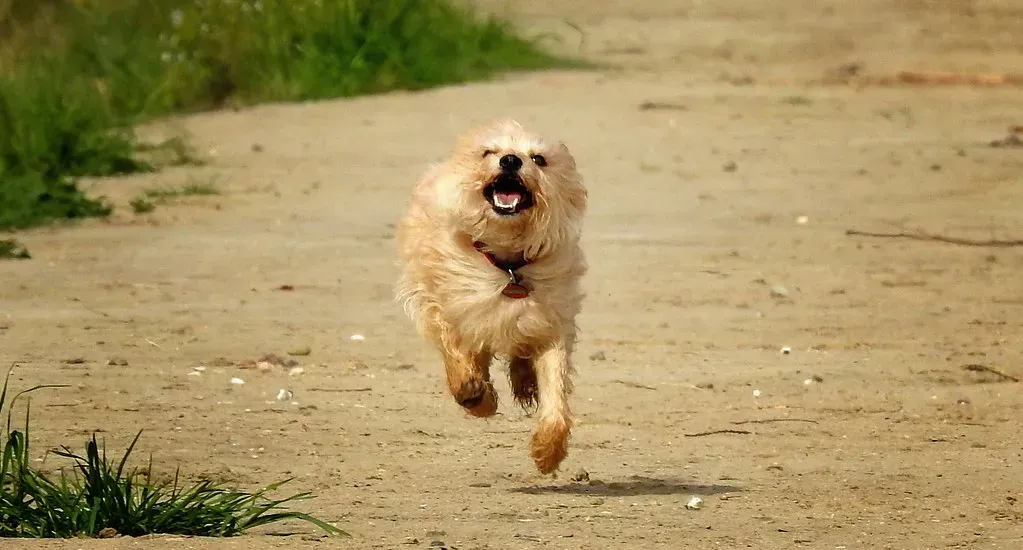
For the vast majority of dogs, the zoomies are a good thing. They’re natural, they’re joyful, and they’re usually nothing to worry about. Your dog isn’t broken or misbehaving when they transform into a four-legged tornado. They’re simply being authentically themselves, expressing emotions in the most honest way they know how.
What matters most is understanding the context. Watch your dog’s body language, notice when and where zoomies happen, and create safe spaces for them to let loose. Think about whether your pup is getting enough physical exercise and mental challenges throughout the day. The zoomies might just be their way of telling you what they need.
So next time your dog launches into a wild sprint session, take a moment to appreciate it. Does your pup look happy and loose, or tense and worried? What you learn might just deepen the bond you share with your best friend.


