
Zoology Says the Reason Some Dogs Stare Directly Into Human Eyes Has Less to Do With Dominance and More to Do With 15,000 Years of Co-Evolving a Mutual Gaze That Releases Oxytocin in Both Species
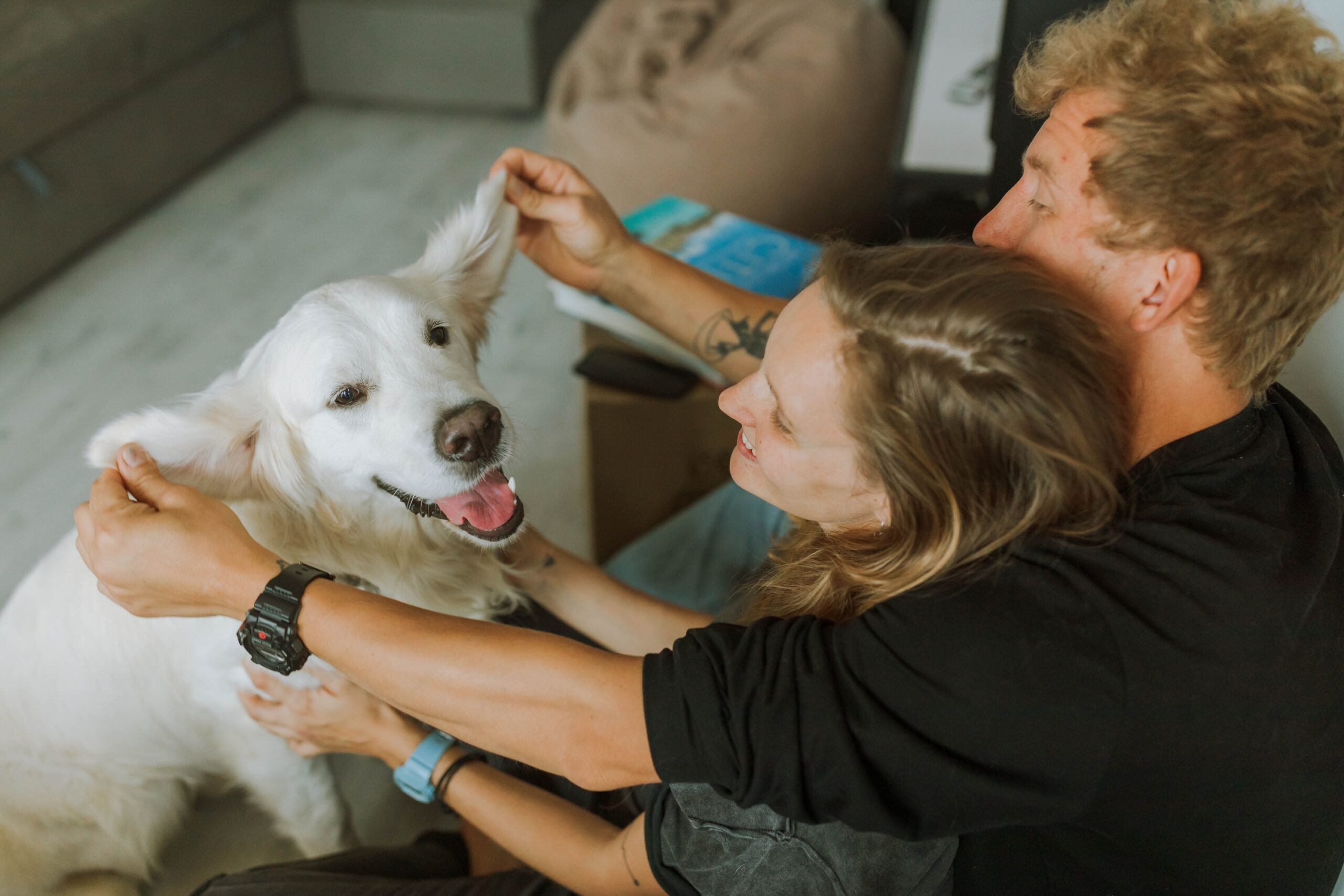
You know that feeling when your dog locks eyes with you, and it almost feels like time slows down for a second? For years, people were told that dogs who stare are being dominant, challenging, or trying to take over the “alpha” role. But modern zoology and behavioral science paint a very different, far more heartwarming picture: that soft, steady gaze is closer to an emotional handshake than a power move.
Across thousands of years, humans and dogs have quietly rewired each other’s brains. What used to be a cautious, predator–prey stare has evolved into something much stranger and more beautiful: a mutual gaze that can nudge the same bonding chemistry we see between parents and children. Once you see eye contact with your dog through that lens, you can’t really unsee it.
From Wolf Stare-Down to Soft Dog Gaze
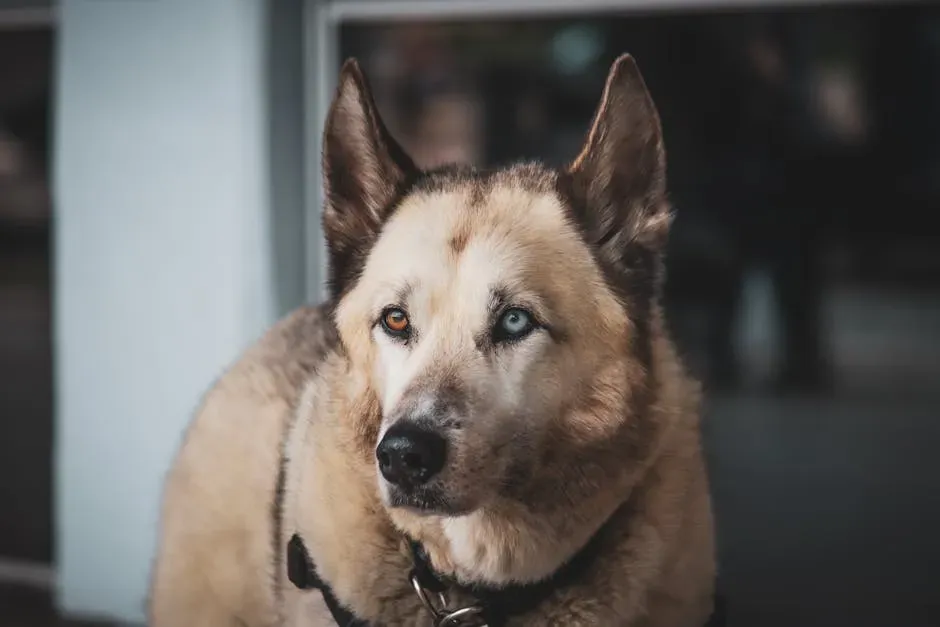
Think about a wild wolf for a second. In the wild, a hard, unblinking stare is often a threat, a prelude to a fight, or a way of asserting rank. Early wolves that hovered around human campsites were not doing long, loving eye contact; they were scavenging, testing the edges of human tolerance, and watching from a safe distance. Direct eye contact in that world could easily get you chased off or worse.
Over thousands of years, something radically different happened. The wolves that were a bit less fearful, a bit more tolerant of human presence, and maybe even responsive to human gestures had a survival advantage near people. Bit by bit, that sharp, challenging stare softened into the open, searching gaze we see in modern dogs. What used to signal conflict began to signal communication and safety instead.
Fifteen Thousand Years of Co-Evolving a Shared Look
Humans did not set out with a grand plan to engineer eye contact with another species; most of this co-evolution happened quietly in kitchens, courtyards, and fields. Dogs that paid attention to human faces, postures, and eyes were simply better at guessing what people would do next. That meant more scraps, more shelter, and more protection. Over many generations, that sensitivity to human gaze was naturally selected, without anyone consciously breeding for it at first.
On the human side, we gradually became more attuned to dogs who looked back at us. People favored puppies that met their eyes, followed their pointing hands, and seemed to “understand” them. Those dogs were more likely to be kept, bred, and protected. In a way, we and dogs sculpted each other’s social brains in slow motion, building a shared visual language where a look could mean comfort, reassurance, and connection, instead of rivalry.
Oxytocin: The Bonding Hormone Behind That Intense Stare
Here’s where it gets almost shockingly intimate: when you and your dog look into each other’s eyes in a relaxed, friendly way, both your bodies can release more oxytocin. Oxytocin is often nicknamed the bonding hormone because it plays a big role in attachment, caregiving, and trust, especially between parents and infants. It helps calm the nervous system and makes social interactions feel rewarding and safe.
Researchers have found that friendly mutual gaze between dogs and their owners can raise oxytocin levels in both species, echoing patterns seen between human caregivers and babies. That does not mean a stare from every dog always does this, and it is not some magical mind-reading beam. But it does suggest that for many pet dogs, looking into our eyes has been woven into the same biological system that supports deep, lasting bonds.
Why the Old “Dominance” Story Misses the Point

The dominance narrative came out of older interpretations of wolf social structure and was then clumsily pasted onto pet dogs. People were told that if their dog held eye contact, it was a challenge, so they had to stare back to “win.” The problem is that much of that thinking was built on outdated or oversimplified research, and it ignored the very different context of domesticated dogs who have grown up inside human homes rather than inside competitive wolf packs.
In reality, body language is a package deal. A dog who is stiff, looming forward, and staring hard with a tight mouth may indeed be on edge or threatening, and that is not a moment to lean in and coo. But that soft, blink-filled gaze from a relaxed dog lying next to you on the couch is not some power play. Treating every look as a dominance test not only feels exhausting; it bulldozes right over the subtle, emotional conversation your dog is probably trying to have with you.
How Dogs Read Our Faces (Often Better Than We Do)
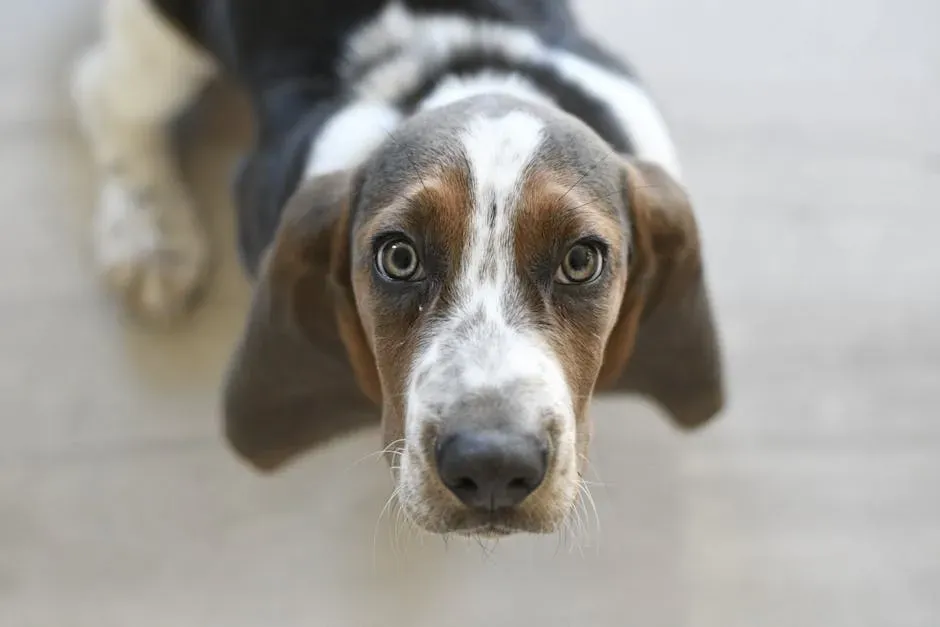
Modern dogs have become expert readers of human emotion, almost like cross-species therapists who never speak but listen with their eyes. They pick up tiny changes in our facial muscles, eye shape, and the direction of our gaze. Many dogs will look to a person’s face when they are unsure what to do, waiting for a cue in the eyes or brows that tells them whether a situation is safe, fun, or worrying. That eye contact is less about seizing control and more about asking questions.
What fascinates me is how quickly they learn the difference between a tense frown, a laughing squint, or a tired, unfocused stare. I have had dogs pause at the doorway, look straight into my eyes, and clearly decide whether we are going for a walk today or not, based purely on the mood on my face. That mutual gaze is like a shortcut into the emotional weather of the household, helping dogs adjust their behavior so they can stay in sync with their humans.
What Your Dog Might Be Saying When They Lock Eyes With You
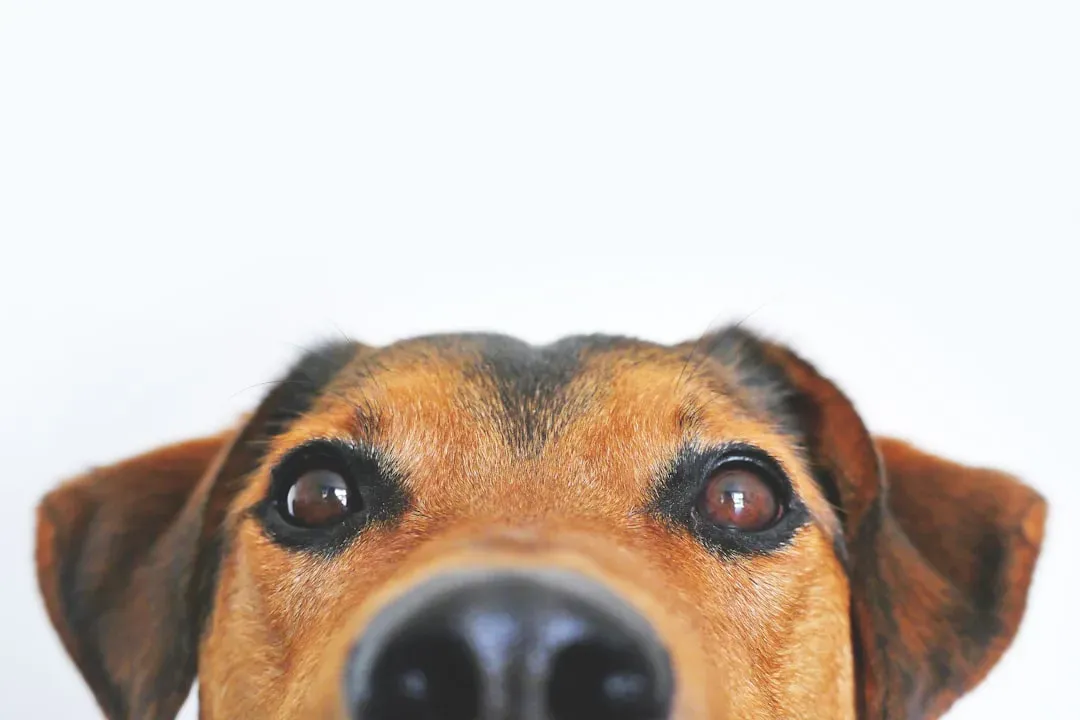
When your dog lifts their head from the floor and meets your eyes across the room, it can mean a lot of things, but it is rarely some secret coup attempt. Often, they are seeking reassurance: checking that you are still there, still on their side, still okay. Sometimes they are asking for something, like food, play, or a bathroom break, using their eyes like a gentle nudge because they know you tend to respond when you see them looking at you.
There is also a quieter layer, one that is harder to measure but easy to feel. A relaxed dog who chooses to lie near you and occasionally gaze up at your face might simply be enjoying the emotional closeness, in the same way a child will periodically look up at a parent while playing. That choice to look at you, then soften their eyes, blink slowly, and stay put is its own kind of statement: you are my safe place, and I like being tuned into you.
How to Respond to Your Dog’s Gaze in a Healthy, Trust-Building Way
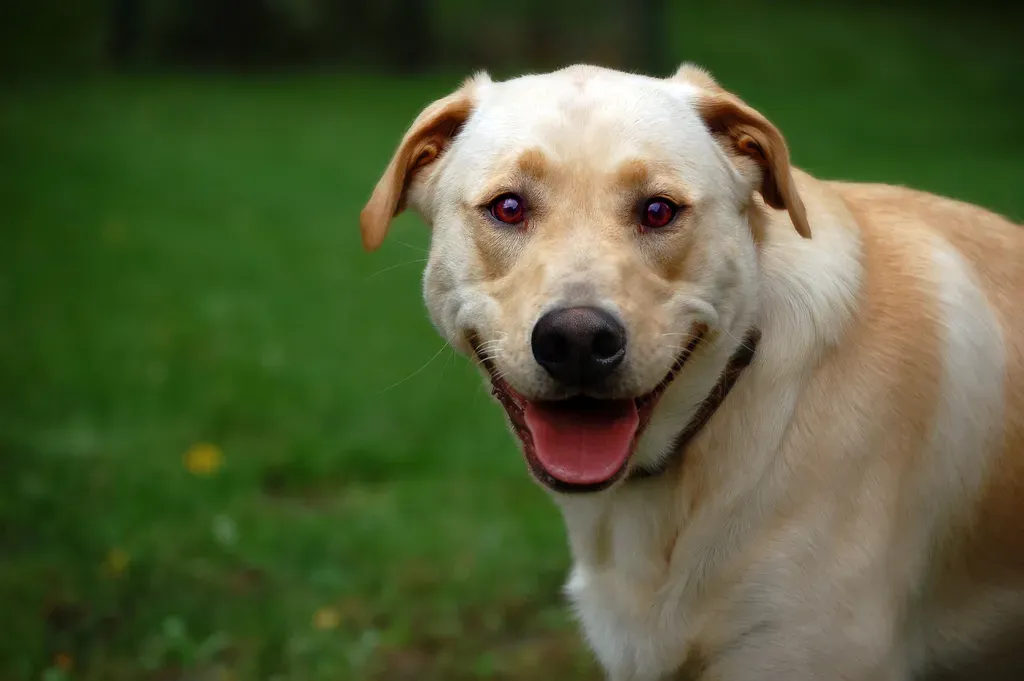
If we accept that a lot of dog–human eye contact is about connection rather than control, the way we respond starts to matter. Meeting your dog’s eyes with a soft, relaxed expression, maybe a slight squint and gentle voice, can reinforce the sense that looking to you is safe and rewarding. You can pair that with calm petting, a few kind words, or just quiet companionship, so the gaze becomes part of a predictable, comforting ritual rather than something tense or confrontational.
At the same time, boundaries are still important. If a dog is staring in a rigid, intense way, especially around resources like food or toys, or if you feel uneasy, that is not the moment to lean into a mutual oxytocin bubble. In those situations, looking away slightly, giving space, and bringing in a qualified behavior professional if needed is the wise choice. Healthy eye contact is about mutual comfort, not forcing a deep gaze where one side is clearly not okay.
The Bigger Truth: Our Dogs Are Not Challenging Us, They Are Choosing Us
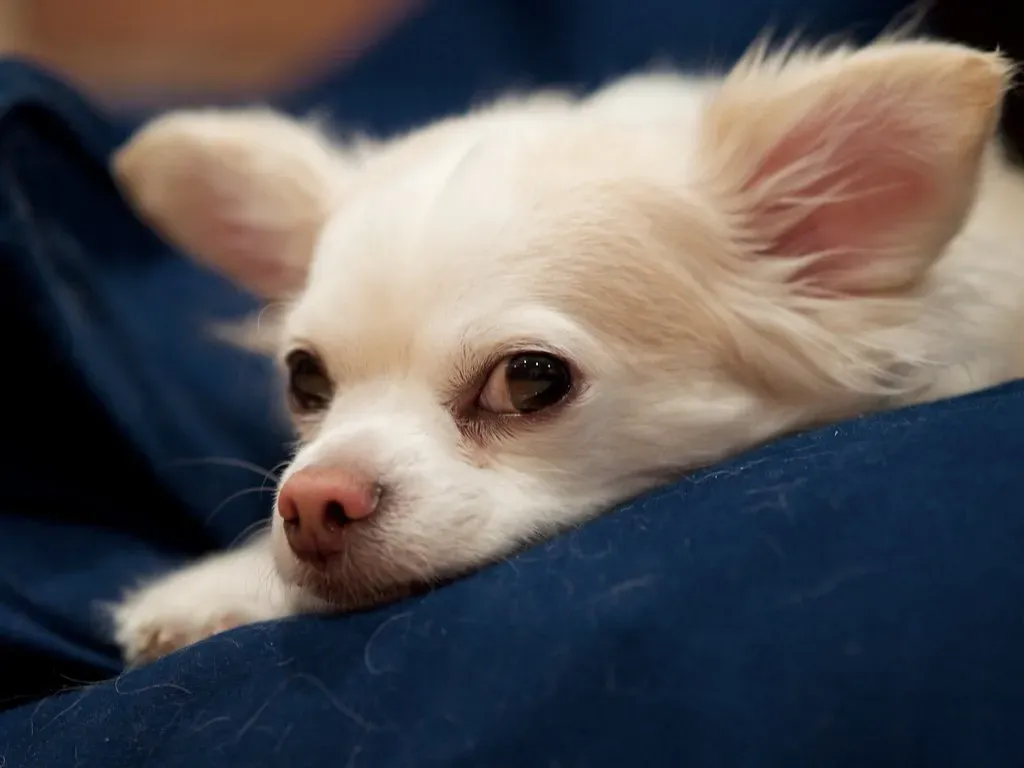
When you add it all up, the idea that every long look from a dog is a dominance test starts to feel pretty flimsy compared to what we now know from zoology and behavior research. A much more convincing story is that humans and dogs have spent thousands of years slowly braiding their social lives together, to the point where something as simple as eye contact can brush the same hormonal circuits that hold families together. That is not sentimental fantasy; it is chemistry layered on top of history.
Personally, I think refusing to see this and clinging to “alpha” myths does our dogs a disservice. It flattens a rich, emotional relationship into a never-ending contest for control. When your dog looks into your eyes, there is a very real chance they are not plotting a takeover, but reaching across a 15,000-year bridge of shared evolution and saying, in the only language they have, that they trust you. The real question is: when they do, will you treat it like a threat, or as the rare privilege it actually is?