
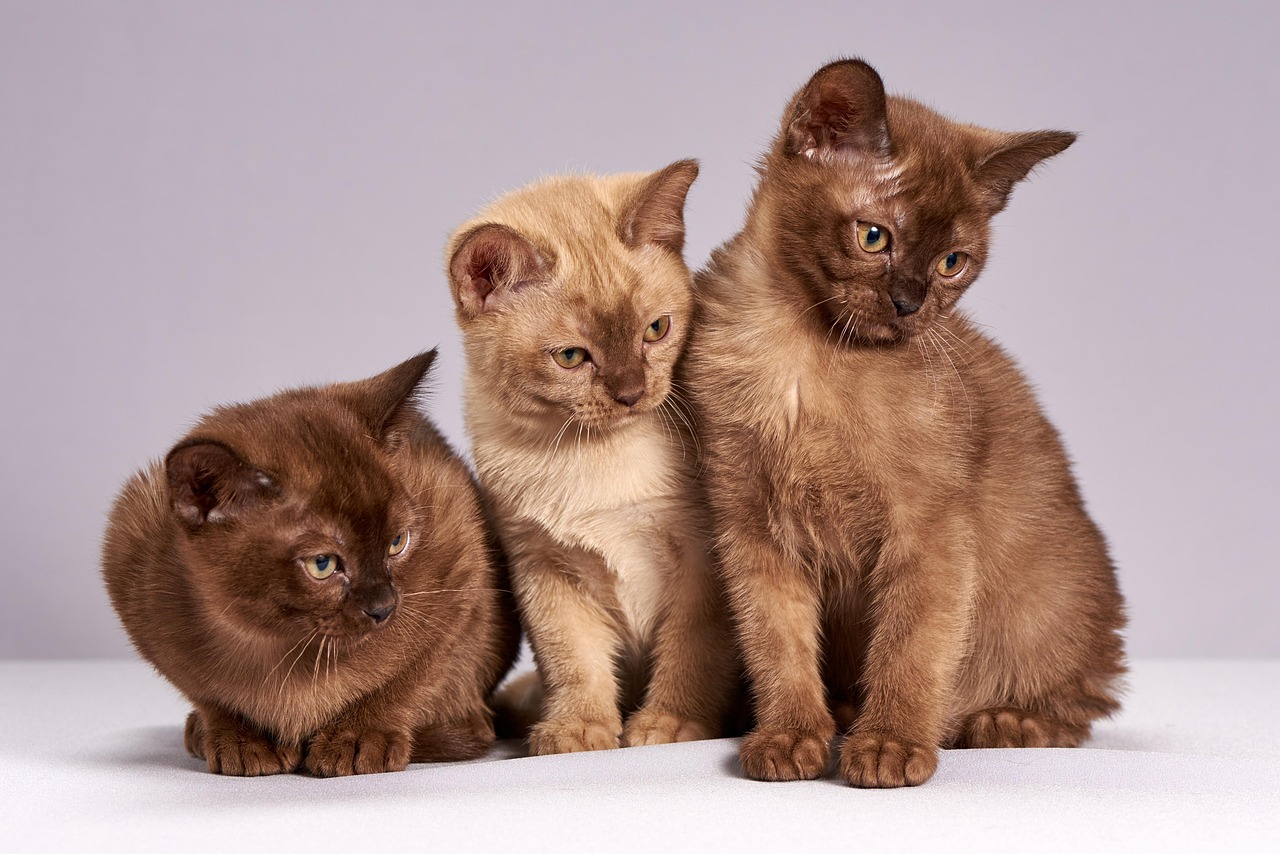
Cats have a reputation for being “low maintenance,” but any cat parent who’s stared down an emergency vet bill or bought the tenth scratching post in a year knows that is only half true. The real secret is that some breeds are much gentler on your wallet over the long haul, from food costs and grooming to common medical issues. The trick is knowing which ones actually stay affordable beyond that first cute kitten photo. Before we dive in, a quick reality check: no cat is “cheap.” Every cat needs good food, regular vet care, enrichment, and a safe home. But if you’re being honest about your budget, some breeds really do offer a friendlier lifetime cost without asking you to compromise on love, personality, or health. Let’s walk through ten of the best options so you can find a furry roommate that suits both your heart and your bank account.
1. Domestic Shorthair: The Budget-Friendly All‑Rounder
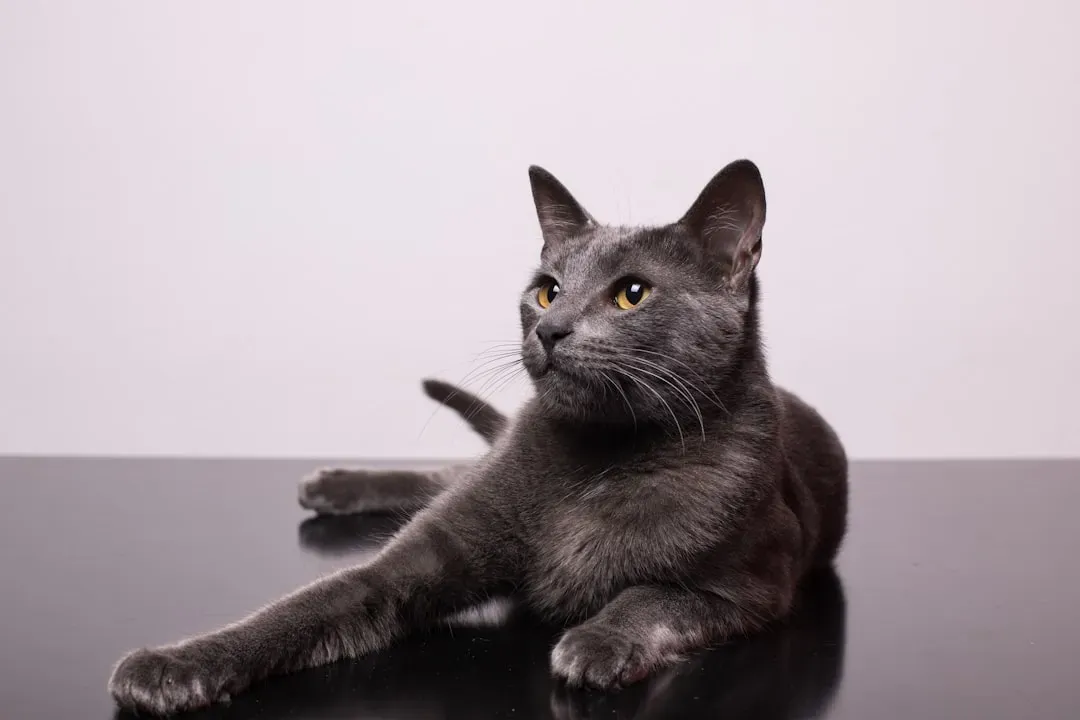
The humble Domestic Shorthair is usually the most affordable cat you can bring home, especially if you adopt from a shelter. They are mixed-breed cats with short coats, which means no designer price tag, no fancy grooming schedule, and a wide gene pool that often supports solid overall health. Many shelters already vaccinate, spay or neuter, and microchip these cats, quietly saving you a significant amount of money right at the start.
Because their coats are short and low maintenance, you rarely need professional grooming; a simple brush at home now and then is enough for most. They come in almost every color and pattern you can imagine, so you get the fun of “choosing a look” without the pedigree markup. Are there exceptions and health surprises? Of course. But as a group, Domestic Shorthairs are one of the best combinations of low adoption cost, low grooming expense, and generally robust health.
2. American Shorthair: Sturdy, Low-Fuss, Long-Lived
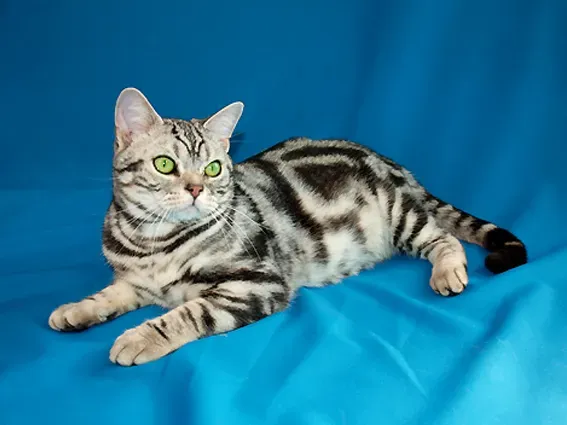
American Shorthairs are like the reliable family sedan of the cat world: not the flashiest, but impressively dependable and usually affordable to run. They are known for sturdy bodies and a calm, easygoing temperament, which often translates into fewer stress-related issues and easier vet visits. Their short, dense coat sheds but does not usually mat, so routine brushing at home is typically all you need.
While purebred American Shorthairs can cost more than mixed-breed shelter cats upfront, they often make up for it with a long lifespan and relatively predictable health when responsibly bred. They are not a breed that demands constant professional grooming or extreme special diets to thrive. If you like the idea of a cat that can adapt to family life, tolerates kids reasonably well, and does not come with a long list of chronic health red flags, this breed tends to be a financially sensible pick over the years.
3. Domestic Longhair: Fluffy Without the Designer Price Tag
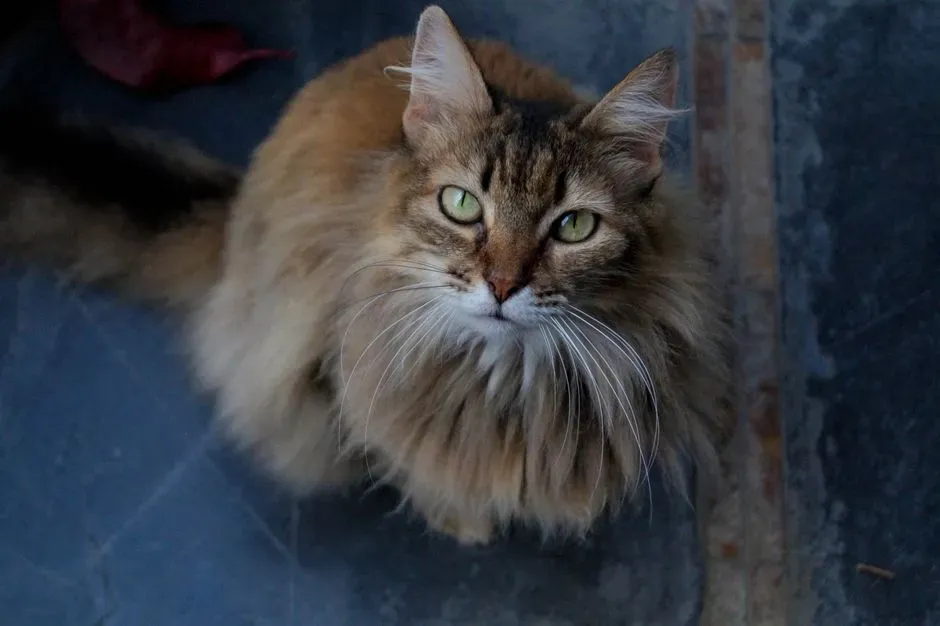
Domestic Longhairs are the floofy cousins of the Domestic Shorthair, and they are often overlooked in shelters simply because people assume long hair equals expensive grooming. In reality, these mixed-breed longhairs can be surprisingly affordable if you are willing to spend a little time brushing at home. Since they are not a specific pedigree, their adoption fees are usually modest, and you avoid the inflated prices that often follow famous long-haired breeds.
Yes, long coats mean more shedding and a higher risk of mats if you ignore grooming, but a simple routine of brushing a few times a week can prevent most issues. You may need the occasional professional groom if your cat gets badly matted or hates brushing, but this is more the exception than the rule for cats looked after consistently. If you want that luxurious, Instagram-worthy fur without signing up for boutique-breed prices, a Domestic Longhair can be a very wallet-conscious compromise.
4. British Shorthair: Calm Companion With Predictable Needs
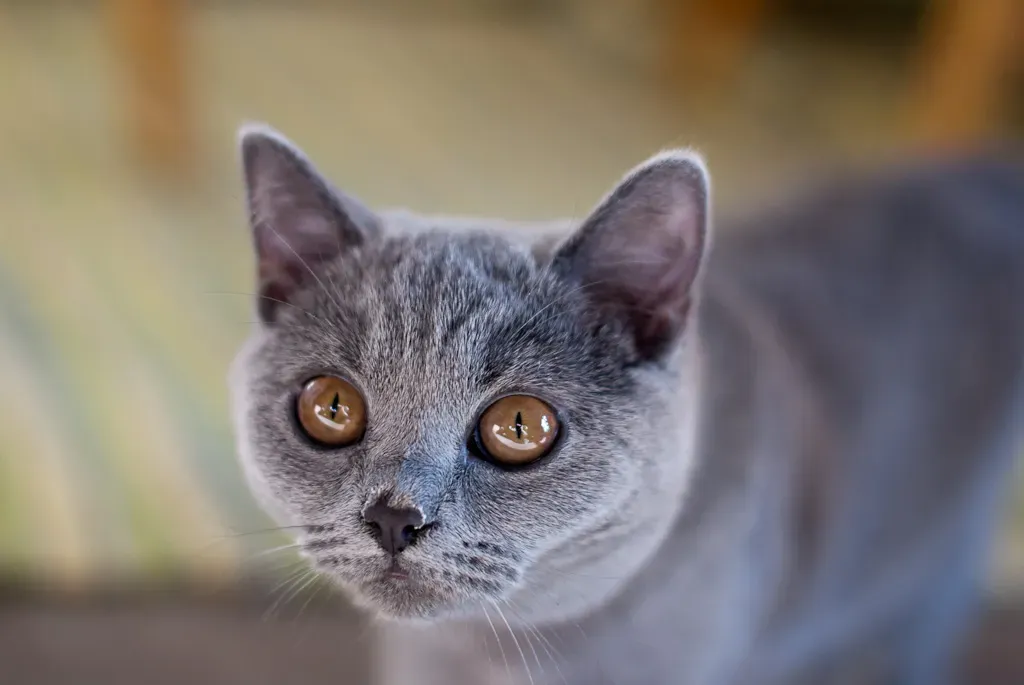
British Shorthairs can look like plush teddy bears, which makes many people assume they must be high-maintenance. Interestingly, once you get past the initial purchase or adoption fee, they can be relatively affordable to care for over a lifetime. Their thick, short coat does not need professional grooming and is usually managed with a weekly brush at home. That alone saves recurring costs compared with high-grooming breeds.
This breed is known for being calm and not overly hyperactive, which can subtly reduce costs on replacement furniture, broken décor, and constant enrichment items. They do have some health predispositions, like many purebred cats, so responsible breeding and regular checkups matter. However, if you choose your breeder or rescue carefully and keep them at a healthy weight, many British Shorthairs live long, steady lives without the kind of complicated, chronic issues that drain a budget year after year.
5. Siamese: Talkative, Lean, and Surprisingly Low Maintenance
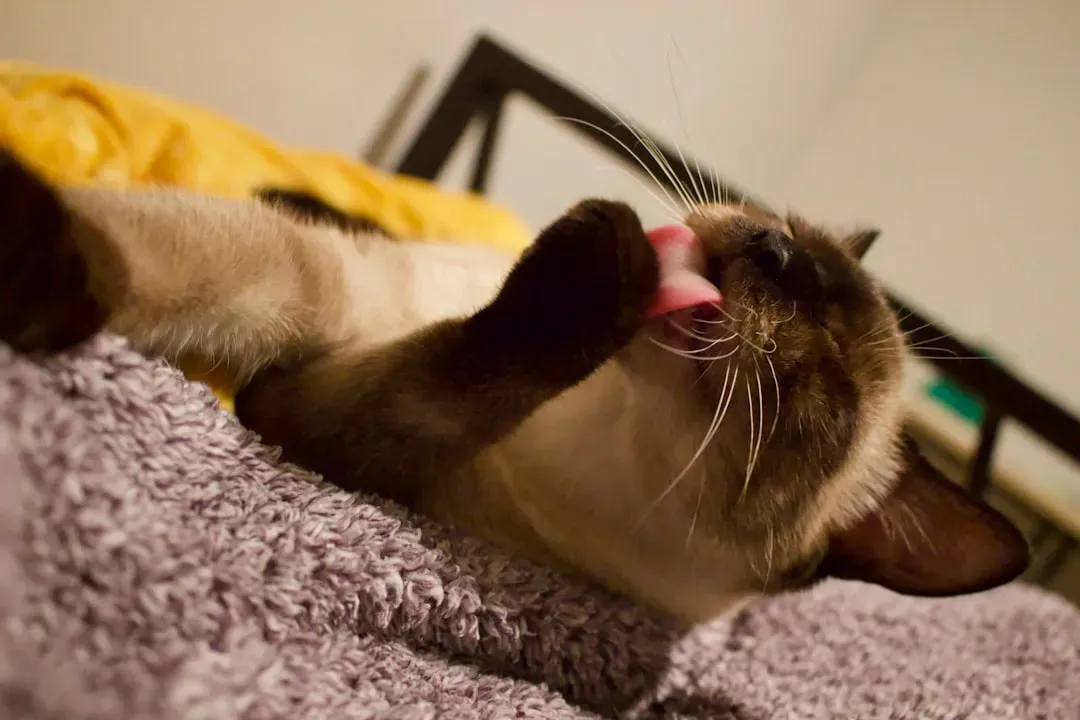
Siamese cats often look like luxury pets, but many people are surprised by how straightforward they can be to maintain from a financial point of view. Their coats are sleek and short, meaning minimal shedding compared to heavy double-coated breeds and almost no need for grooming appointments. A simple brush now and then and regular nail trims are enough for most Siamese cats to look their best.
They tend to be relatively slim and active, so food portions stay reasonable; you are not feeding a giant, heavyweight breed, which quietly keeps costs lower over many years. They are also extremely people-focused and playful, so interactive toys and time with you matter more than constantly buying new gadgets. There are some health conditions associated with the breed, as with any pedigree cat, but many Siamese live long, energetic lives when fed well and taken for regular vet checks, giving you a lot of companionship for what you spend.
6. Oriental Shorthair: Elegant Look, Everyday Costs
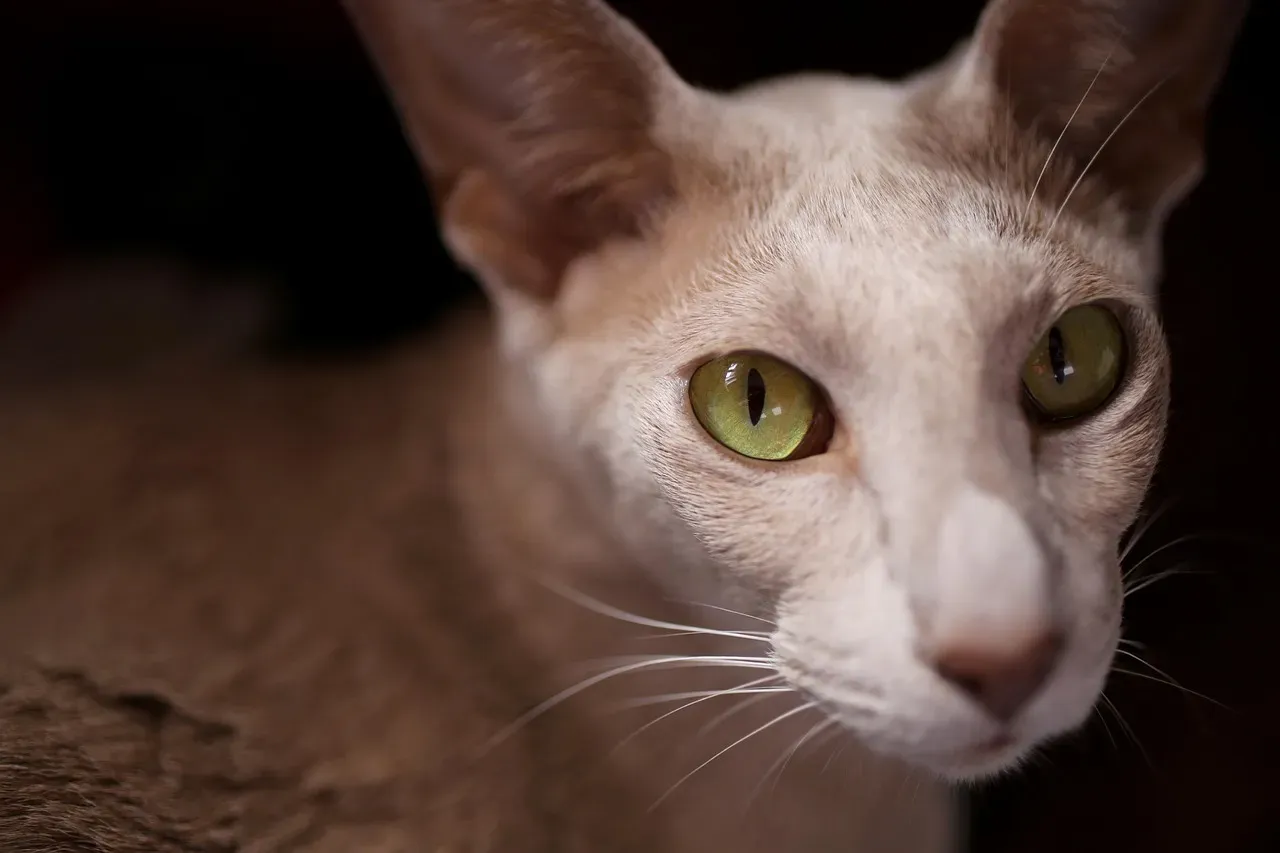
Oriental Shorthairs are close cousins of the Siamese, sharing that sleek, modern look and big ears that make them stand out. On the surface they seem like the kind of cat you would only see in glossy magazines, yet their day-to-day costs are often very manageable. Their coat is extremely short and fine, which means professional grooming is virtually never required and shedding tends to be limited compared with many fluffy breeds.
Because they are slim, active, and athletic rather than heavy-bodied, they do not usually need large amounts of food to stay fit. These cats tend to thrive on mental stimulation and social interaction more than on endless new toys or complicated cat furniture. As with any pure breed, health screening and a reputable breeder or rescue are key, but for owners who like a striking, “designer-looking” cat without extreme, ongoing expenses, the Oriental Shorthair can be a surprisingly sensible choice.
7. Burmese: Compact, Social, and Typically Robust
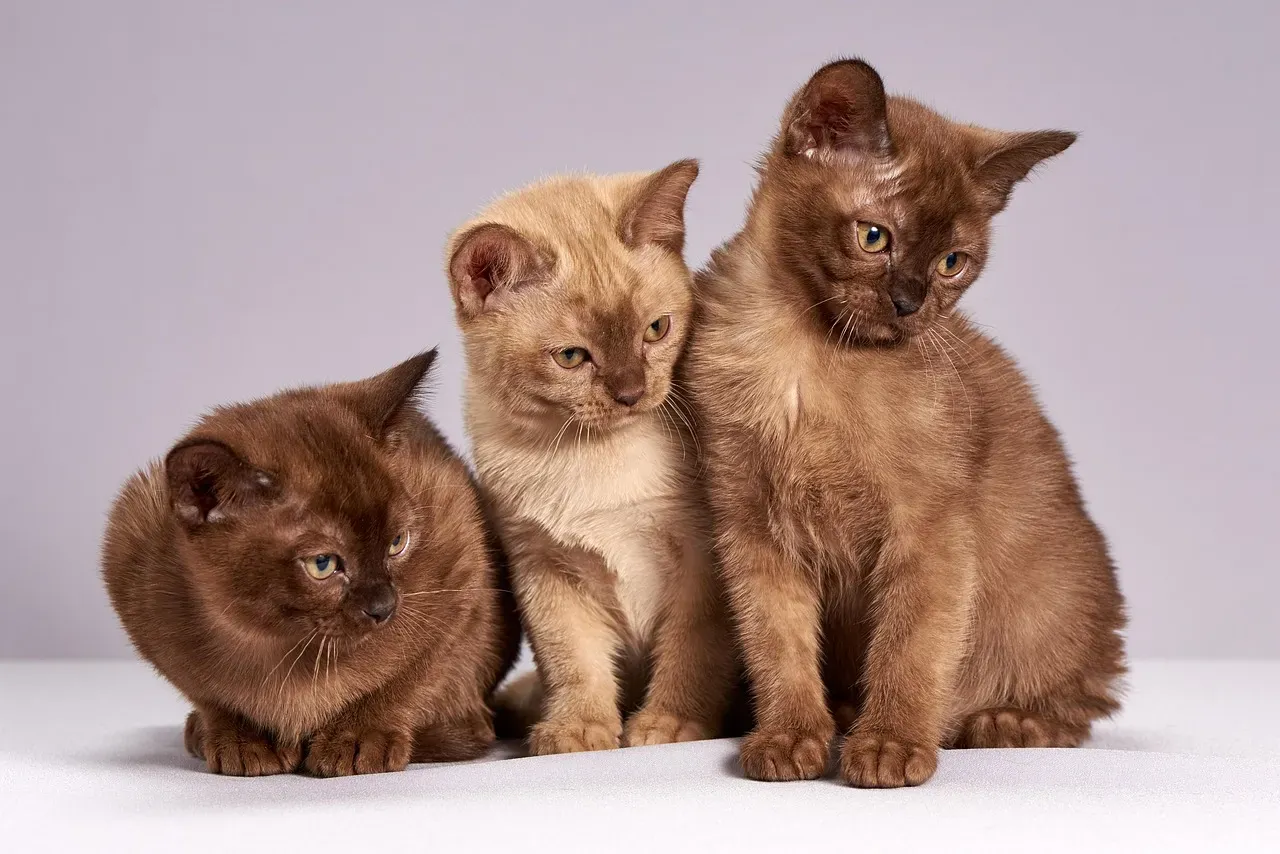
Burmese cats are often described as doglike in their affection, and they also tend to be reasonably practical in terms of lifetime costs. They have a short, satin-like coat that stays neat with basic brushing, so there is no constant grooming budget to worry about. Their compact size means moderate food intake, and their energetic, playful personalities benefit more from interaction with you than from endless new accessories.
Health-wise, Burmese cats do have some known genetic conditions, as most pedigreed breeds do, but many lines are known for good overall robustness and long lifespans when responsibly bred. Regular vet care and preventive checkups will always be necessary, but you are generally not signing up for the kind of extreme, breed-specific complications you see in some more extreme body types. If you want a social, people-oriented cat that fits well into family life without constantly straining your budget, the Burmese is a solid middle-ground option.
8. Russian Blue: Low Shedding and Moderately Priced Upkeep
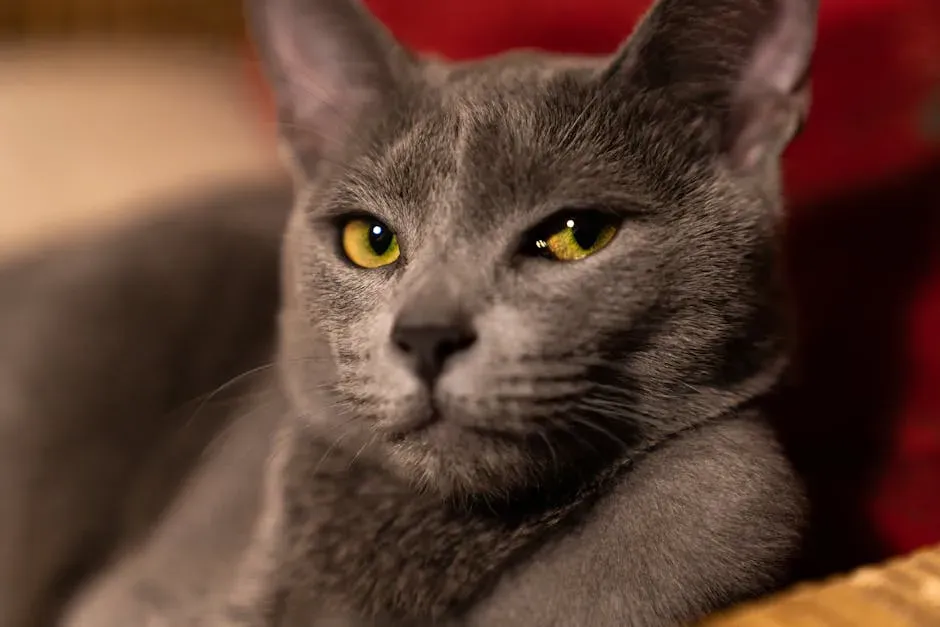
Russian Blues look aristocratic with their silvery-blue coats and green eyes, but they can be surprisingly practical companions over the long term. Their short double coat sheds less than that of many other breeds and produces relatively little dander for a lot of people, which can mean less cleaning, less lint rolling, and no need for special grooming schedules. A regular brushing routine at home is usually all they require.
They are typically medium-sized with a lean, muscular build, so food needs stay moderate and predictable. Russian Blues are often described as gentle and somewhat reserved, which can translate into fewer impulsive destruction sprees around the house. Good breeding still matters for health, but overall, their balance of manageable grooming, moderate energy needs, and stable temperament often makes them more affordable in the long run than their regal appearance suggests.
9. American Curl: Unique Ears Without Extreme Upkeep
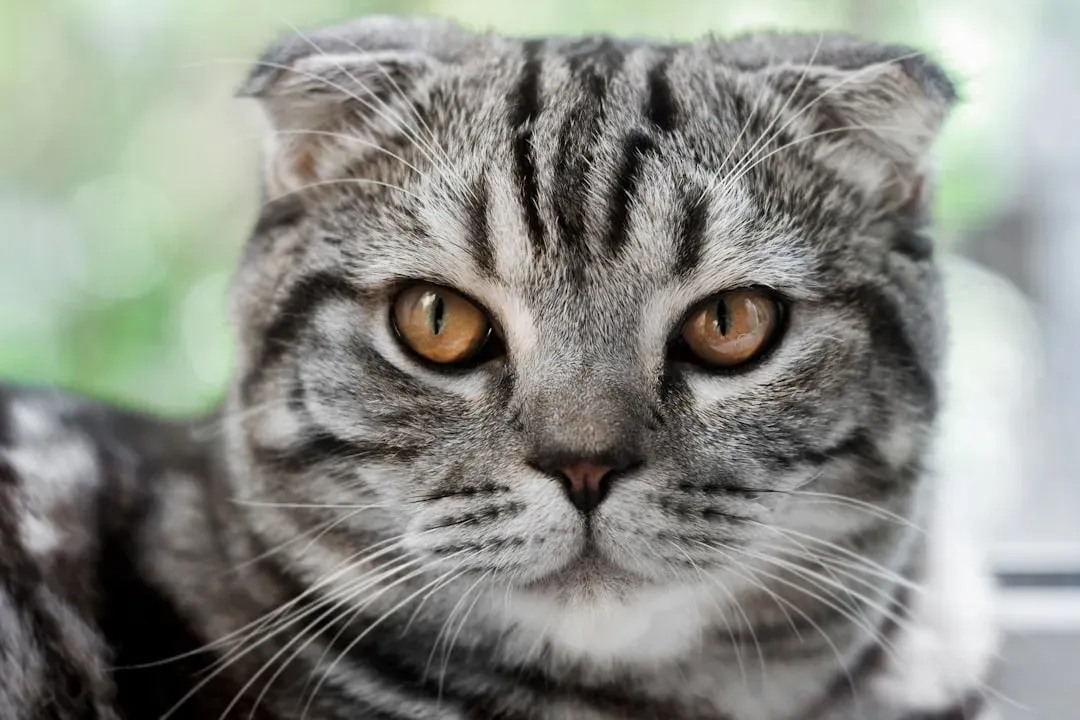
The American Curl is instantly recognizable for its backward-curled ears, yet beneath that unique feature is a cat with very down-to-earth care requirements. They come in both short and semi-longhaired varieties, but even the longer coats are usually easy to maintain with regular brushing at home. Unlike some heavy-coated breeds, they do not typically require full grooming salon visits to stay comfortable, which keeps ongoing bills lower.
They are generally medium-sized and playful but not excessively intense, so you are unlikely to be constantly replacing shredded furniture or buying industrial-strength cat trees. While there are some breed-specific health considerations around ear cartilage, overall they are not known for a long list of severe, chronic issues. For people who want a visually distinctive cat that does not bring a lifetime of special costs with it, the American Curl offers a good balance of charm and affordability.
10. Manx (or Tailless Cats): Compact, Loyal, and Often Overlooked
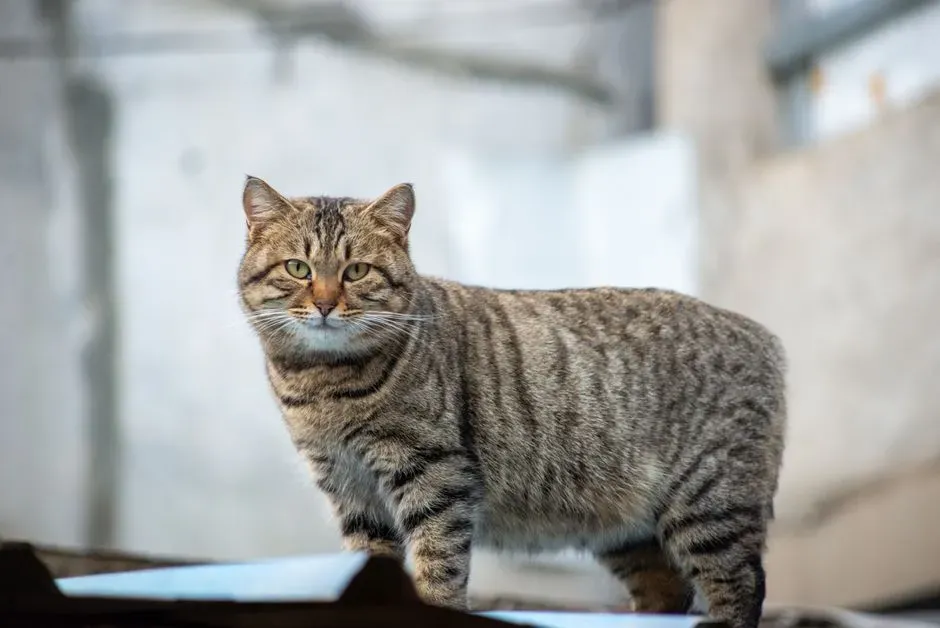
Manx cats, known for their short or absent tails, are often passed over in favor of more “fashionable” breeds, but they can be a surprisingly affordable choice. Many rescues and shelters have tailless or short-tailed cats, whether true Manx or Manx-like mixes, available at standard adoption fees. Their coat is usually short or semi-long and simple to care for, with at-home brushing taking the place of professional grooming appointments.
There are some specific spinal and nerve issues that can occur in Manx cats, so choosing a responsible source and having good veterinary guidance is important. That said, plenty of Manx and Manx-type cats live long, healthy lives, and their moderate size and straightforward coat keep daily expenses reasonable. If you are open-minded about appearance and want a loyal, often doglike companion without a high designer price tag, a tailless cat can quietly become one of the most cost-effective pets you will ever love.
Conclusion: Affordability Should Never Mean “Less Loved”
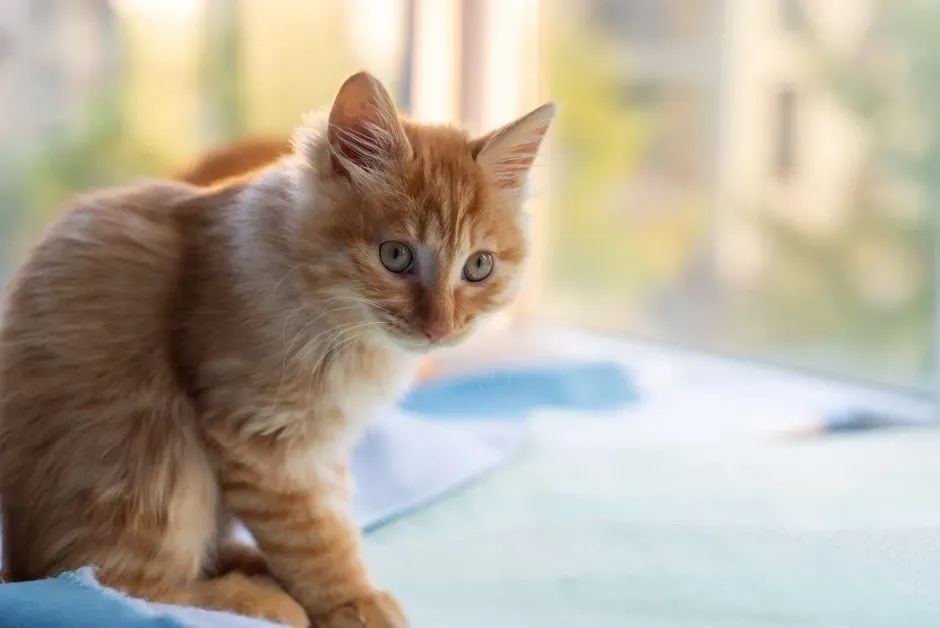
I think the biggest myth in the cat world is that a higher price tag automatically means a better, healthier, or more loving pet. In real life, some of the most devoted, entertaining, and long-lived cats I have met were shelter Domestic Shorthairs or overlooked breeds with no fancy papers at all. Lower lifetime cost often comes from simple things: sturdy genetics, easy-care coats, moderate size, and your willingness to invest time instead of constant money. When you put those pieces together, you realize that an “affordable” cat is not a lesser cat; it is just one that fits your life more sustainably.
If you are choosing a companion for the next decade or more, it makes sense to be brutally honest about money and then choose a breed or mix that does not push you into constant financial stress. That is not being cheap; that is being responsible, for both you and the animal counting on you. In the end, the cat that will change your life probably will not be the one with the largest price tag, but the one whose needs match what you can consistently give. Looking at these breeds, which one surprised you the most as a budget-friendly best friend?


