
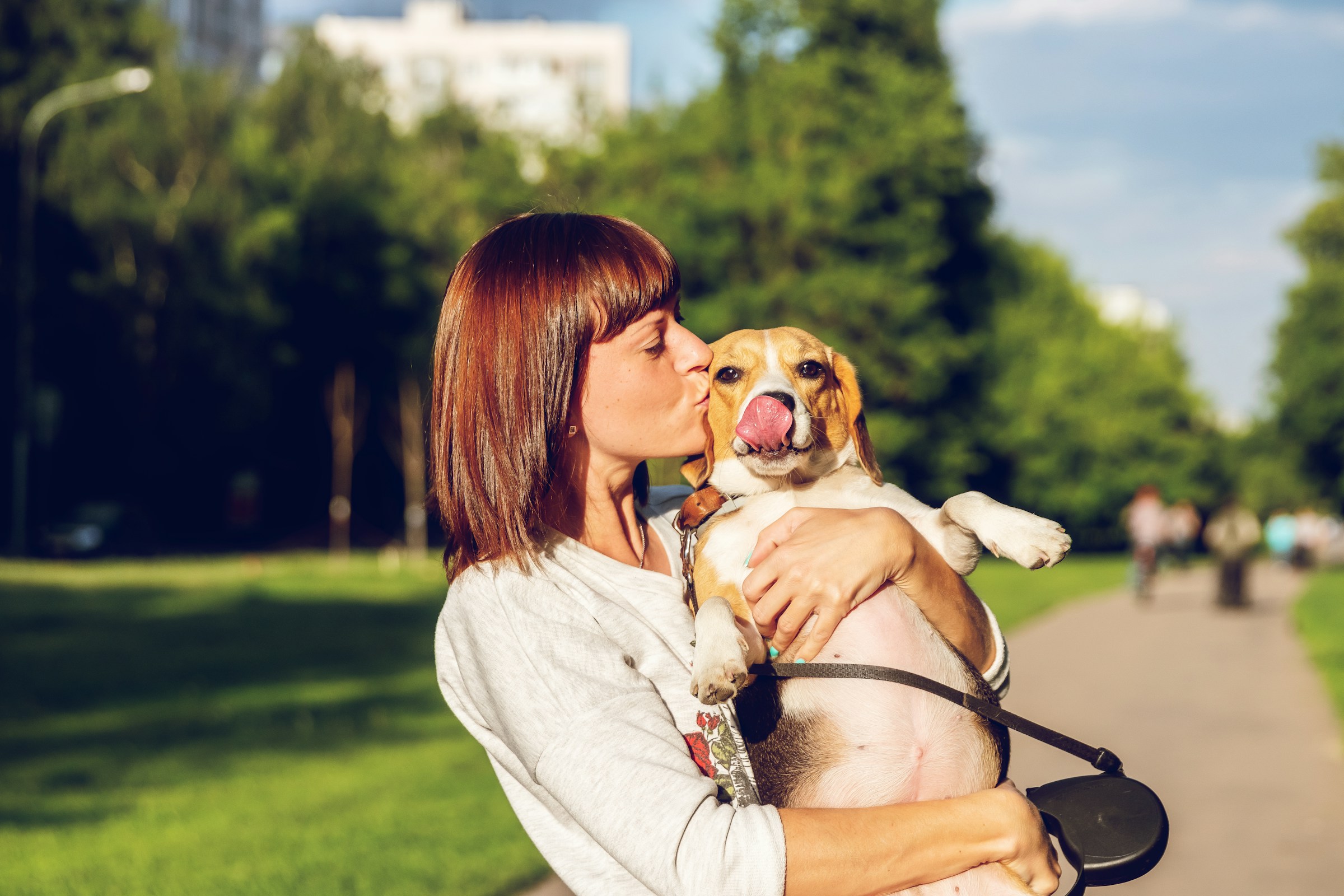
If you have ever tried to sneak out the door while your dog stared at you with those desperate eyes, you have probably wondered: Is this real attachment or just clever manipulation for extra treats? As it turns out, science is landing strongly on the side of real, deep attachment – the kind that looks a lot like what human babies feel for their primary caregiver.
Modern dog research is painting an emotionally rich picture: dogs do not just like their people, they rely on them as a secure base, and they react more strongly when separated from their owner than from almost anyone else. It is not sentimental fantasy; it is a measurable pattern, seen again and again in careful experiments. And once you understand what is going on in your dog’s brain and body, those sad whimpers when you grab your keys suddenly feel a lot less like “bad behavior” and a lot more like a protest from a small, furry family member.
From Human Babies To Dogs: How Scientists Test Attachment
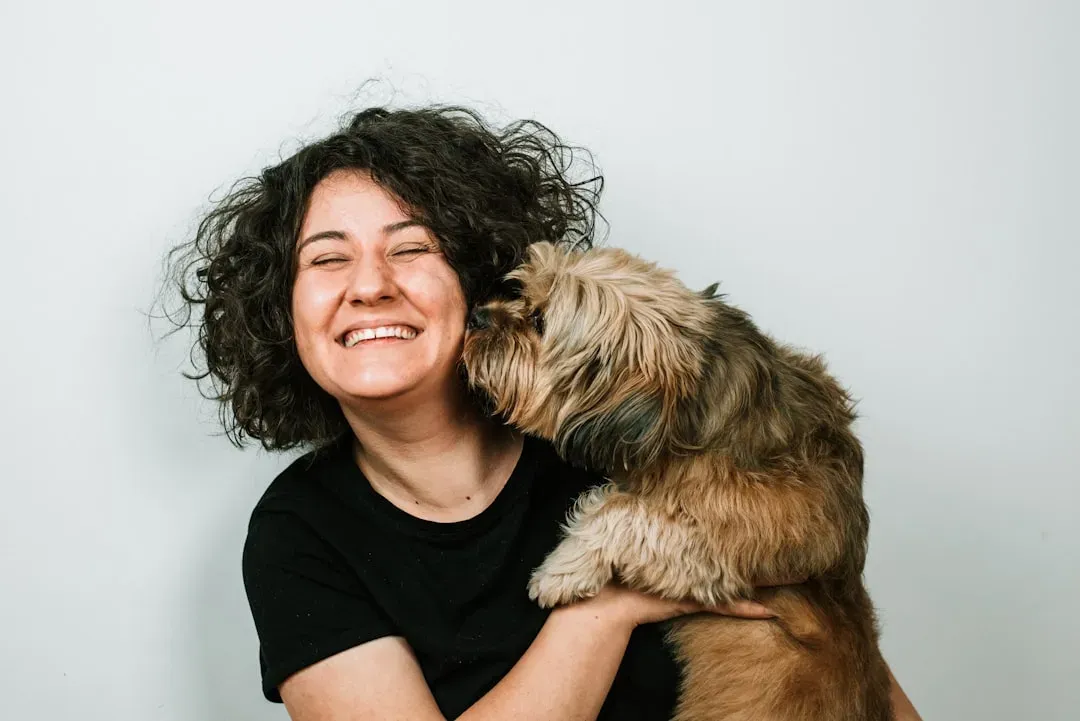
One of the most fascinating parts of this story is that a lot of dog–human attachment research is borrowed straight from developmental psychology. In the 1970s, researchers created something called the “Strange Situation” to study how human infants react when their caregiver leaves the room, a stranger enters, and then the caregiver returns. The key idea was simple: if the caregiver is a secure base, the infant will protest the separation and seek comfort when the caregiver comes back.
Dog researchers adapted this setup to what is often called a “Strange Situation Test” for dogs. A dog is brought into an unfamiliar room with their owner, then experiences short periods where the owner leaves and a stranger comes in, or the dog is briefly left alone. Researchers watch everything: body posture, whining, vocalizing, pacing, attempts to follow, even subtle facial expressions. The question is not just whether the dog gets upset, but who they get upset about losing – the owner or the stranger.
The Evidence: Dogs Protest More When Their Person Leaves
Across multiple studies, a remarkably consistent pattern appears: dogs show stronger distress when their owner leaves than when a stranger does. When the owner walks out, many dogs will whine, scratch at the door, pace, or sit frozen and staring at the exit. Their body language tightens. Some show classic stress signs like lip licking, yawning, or shaking off as if they were wet. When the stranger leaves, those reactions are usually milder or sometimes almost absent.
What is especially telling is that these differences are not subtle background noise; researchers see clear, statistically significant increases in behaviors that indicate distress, arousal, or protest when the owner, not the stranger, exits. Dogs are not just upset that “someone” left the room. They are upset that their specific person – their attachment figure – is gone. That mirrors the way human infants do not just cry when any adult leaves; they react most strongly when it is their primary caregiver who disappears.
Separation Protest: A Dog Version Of Infant Attachment Behavior
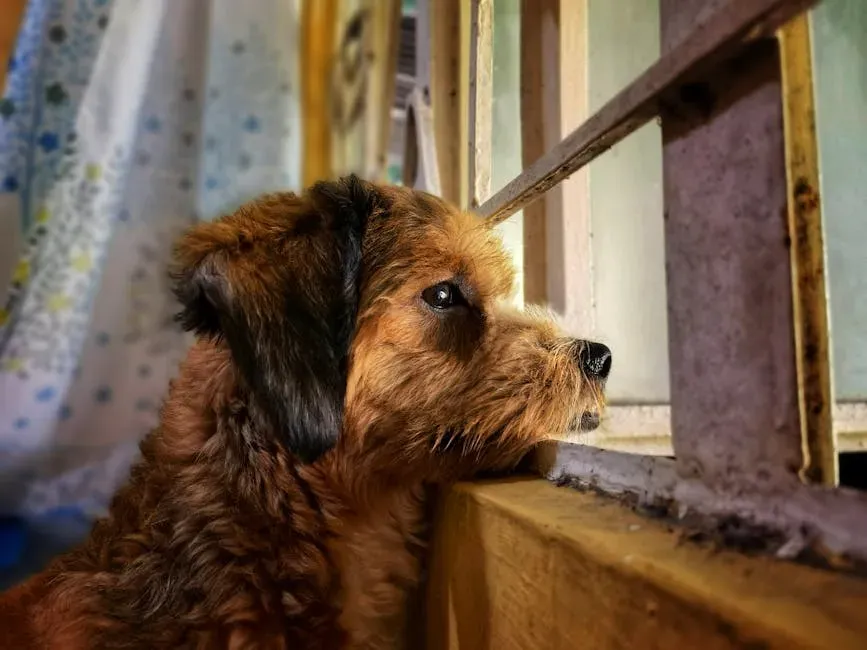
Psychologists use the term “separation protest” to describe how human infants react when they are suddenly cut off from their caregiver. They may cry, reach, crawl after the caregiver, or refuse to be comforted by a stranger. In dogs, researchers see a parallel pattern: the dog moves toward the door, whines, barks, scratches, or scans the environment restlessly, as if asking where their person has gone and how to get them back.
This does not mean dogs are simply copying babies or that their emotions are identical, but it does point to a similar kind of social bond. The owner becomes a secure base – a psychological anchor that makes the world feel safe and manageable. When that anchor is removed, even briefly, many dogs switch into protest mode. From a biological perspective, this makes sense: staying close to a trusted caregiver improved survival for young social animals, whether they walked on two legs or four.
Why Owners Matter More Than Strangers In A Dog’s Emotional World
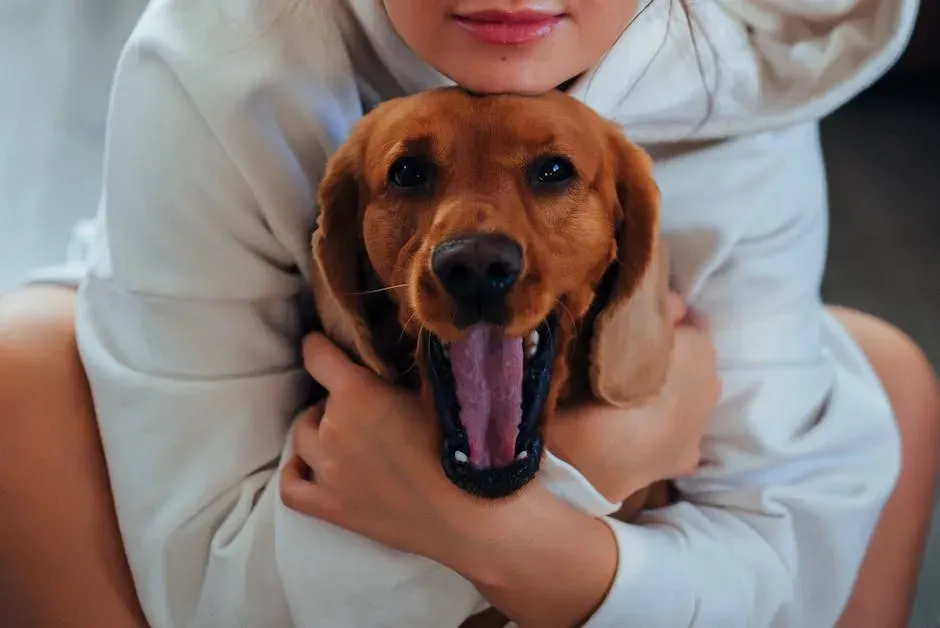
It might be tempting to think dogs just like whoever feeds them or plays with them, but the research cuts deeper than that. Over time, dogs build a history of predictability, comfort, and safety with their main person. They learn that this specific human is the one who tends wounds, provides food, offers reassurance during thunderstorms, and returns after every walk to the vet. That history creates a unique emotional map in the dog’s brain.
Strangers, in contrast, are social wild cards. They may be friendly or neutral, but they are not yet proven. In experiments, dogs will sometimes accept petting or treats from a stranger, but they still check the door for their owner, or they visibly relax only when their person returns. It is similar to how a small child might sit on the lap of a kind relative but still keep glancing at their parent. Comfort from others is nice; the presence of the attachment figure is non‑negotiable.
What Distress Really Looks Like: Beyond “Clingy” Or “Spoiled”
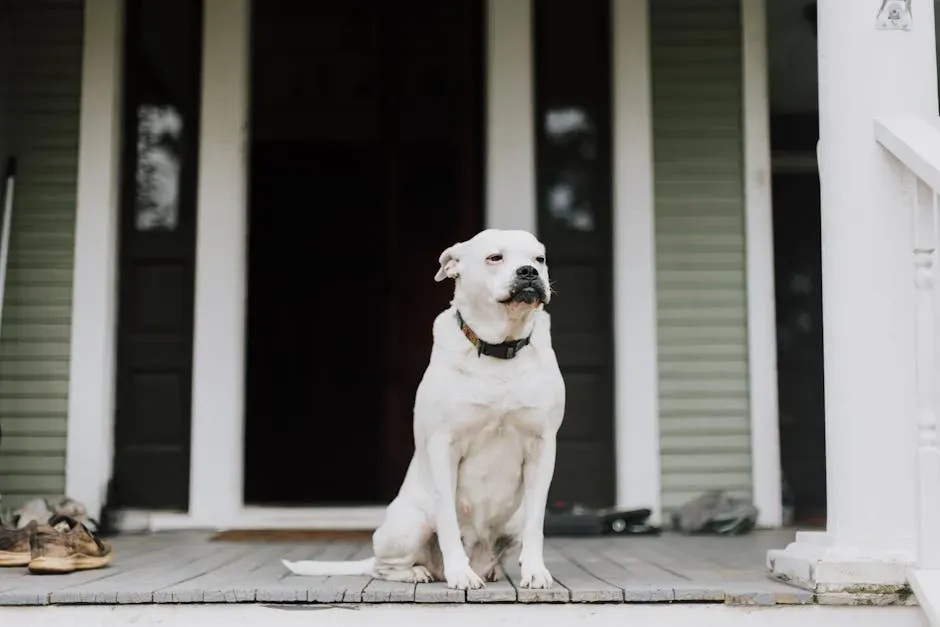
In everyday life, separation protest can be easy to mislabel as stubbornness, disobedience, or even spite. A dog that howls when left alone, scratches the door, or chews on objects while the owner is out often gets called “naughty.” But through the lens of attachment, many of those behaviors are better understood as panic and protest, not rebellion. The dog is not plotting revenge; it is trying to cope with a sudden loss of security.
Physiologically, separation from the owner can trigger stress responses like increased heart rate, elevated stress hormones, and hypervigilance. Behavior is just the visible tip of that emotional iceberg. Some dogs go loud, barking and crying, while others shut down, lying still but tense, or refusing to eat. Once you see it as distress instead of defiance, it changes how you feel about what your dog is going through when you close the door behind you.
Not All Dogs React The Same: Personality, History, And Breed Matter
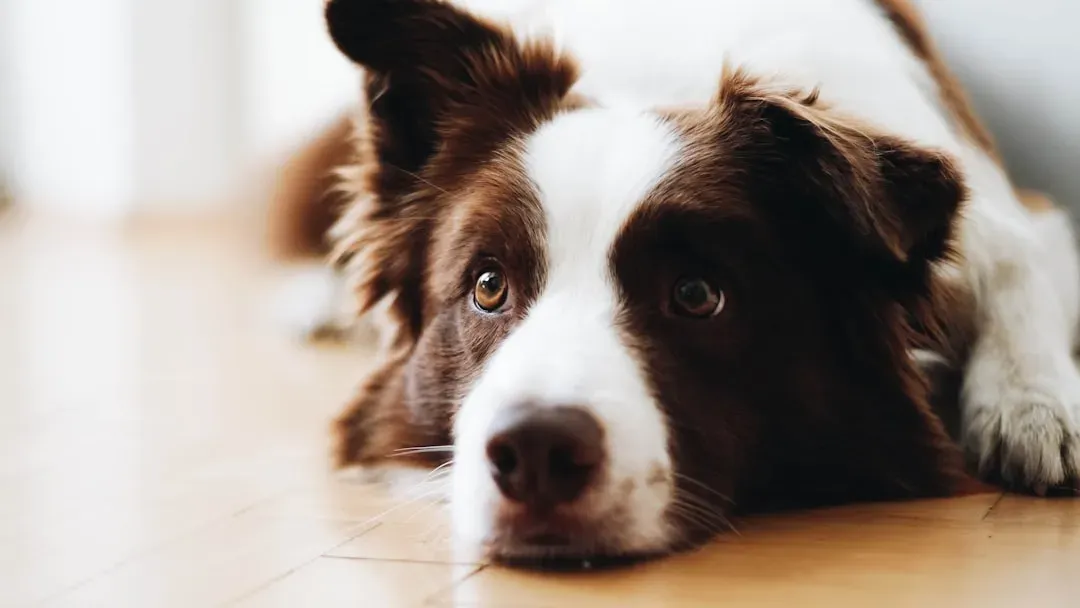
It is important to say out loud: not every dog explodes with drama the second their owner steps out, and that does not mean they love you less. Just like human children vary widely in how strongly they protest separation, dogs differ based on temperament, past experiences, socialization, and even genetics. Some are naturally more independent and seem to take separations in stride, while others act like every goodbye is an emotional cliff edge.
Rescue dogs or dogs with a history of instability often show more intense separation protest, probably because past losses have wired them to be extra sensitive to the risk of being left behind. Some breeds bred for close cooperation with humans, like herding or companion dogs, may also be more prone to attachment‑driven behaviors. The key point is that the basic pattern – owner departures matter more than stranger departures – shows up broadly, even though the volume and style of protest can vary a lot from dog to dog.
Practical Takeaways: Supporting Your Dog’s Attachment Without Feeding Anxiety
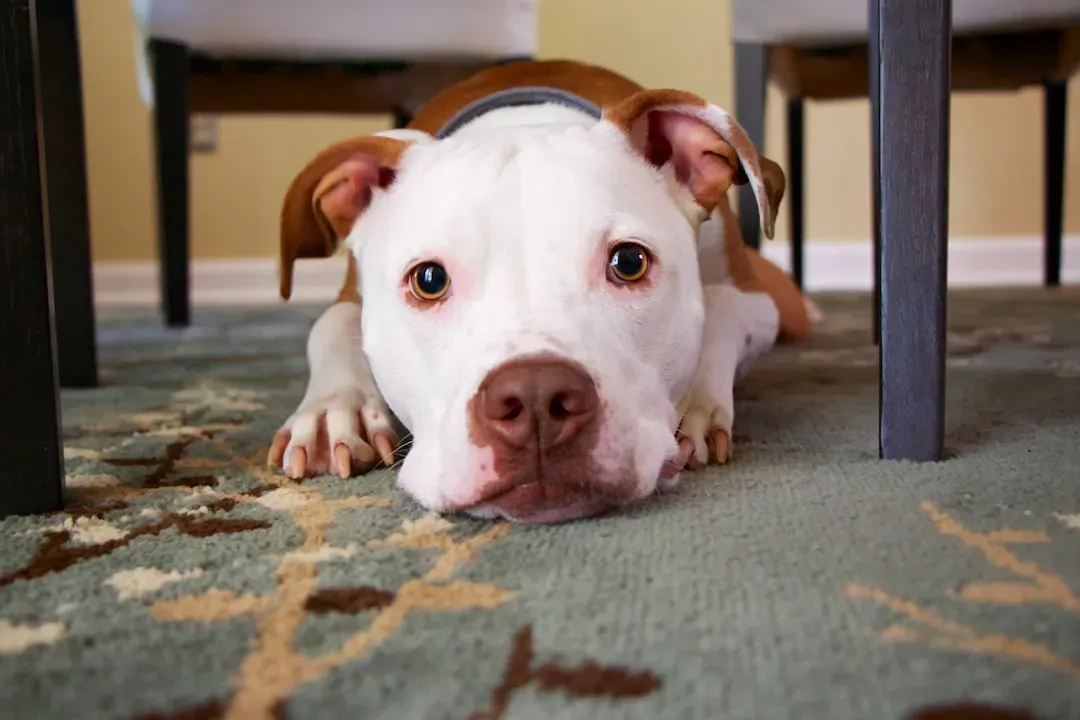
Understanding that your dog’s distress is rooted in attachment can actually make training and daily life more humane. Instead of punishing barking or destruction, you can work on gradual separation training, teaching your dog that short, safe departures always lead to calm, predictable returns. That might involve starting with just a few seconds out of sight, using food puzzles or chew toys as comfort tools, and building up separation time slowly so your dog’s nervous system can adapt.
Simple routines help too. Clear goodbye cues, consistent schedules, and a calm, low‑key return can make departures feel less like emotional earthquakes and more like minor tremors. In my own life, I once realized that my dog settled better if I left a worn T‑shirt in his bed – something that smelled overwhelmingly like “home.” It felt almost silly at first, but his body language softened. It was a reminder that to him, my scent, presence, and predictability were not just nice extras; they were his emotional safety net.
Conclusion: Dogs Are Not Just Pets – They Are Attached Family Members
The growing body of research showing that dogs protest more when separated from their owner than from a stranger does more than confirm what many dog lovers already suspected. It pushes us to update how seriously we take the human–dog bond. When a dog whines at the door as you leave, it is not a trivial quirk; it is the visible sign of an attachment system that evolved to keep social beings close to the ones who keep them safe.
Personally, I think this forces a small but powerful shift in responsibility: if we accept that our dogs see us as their secure base, then we owe it to them to handle separations thoughtfully, not dismiss their distress as drama or misbehavior. We do not need to live glued to them, but we do need to respect the depth of the bond we helped create. The science is not telling us to feel guilty; it is inviting us to take our role in their emotional world seriously. The next time your dog watches you walk out the door, maybe the real question is not whether they are overreacting, but how we can honor that loyalty without breaking their heart – what would you change about your routine if you saw your goodbye through your dog’s eyes?


