
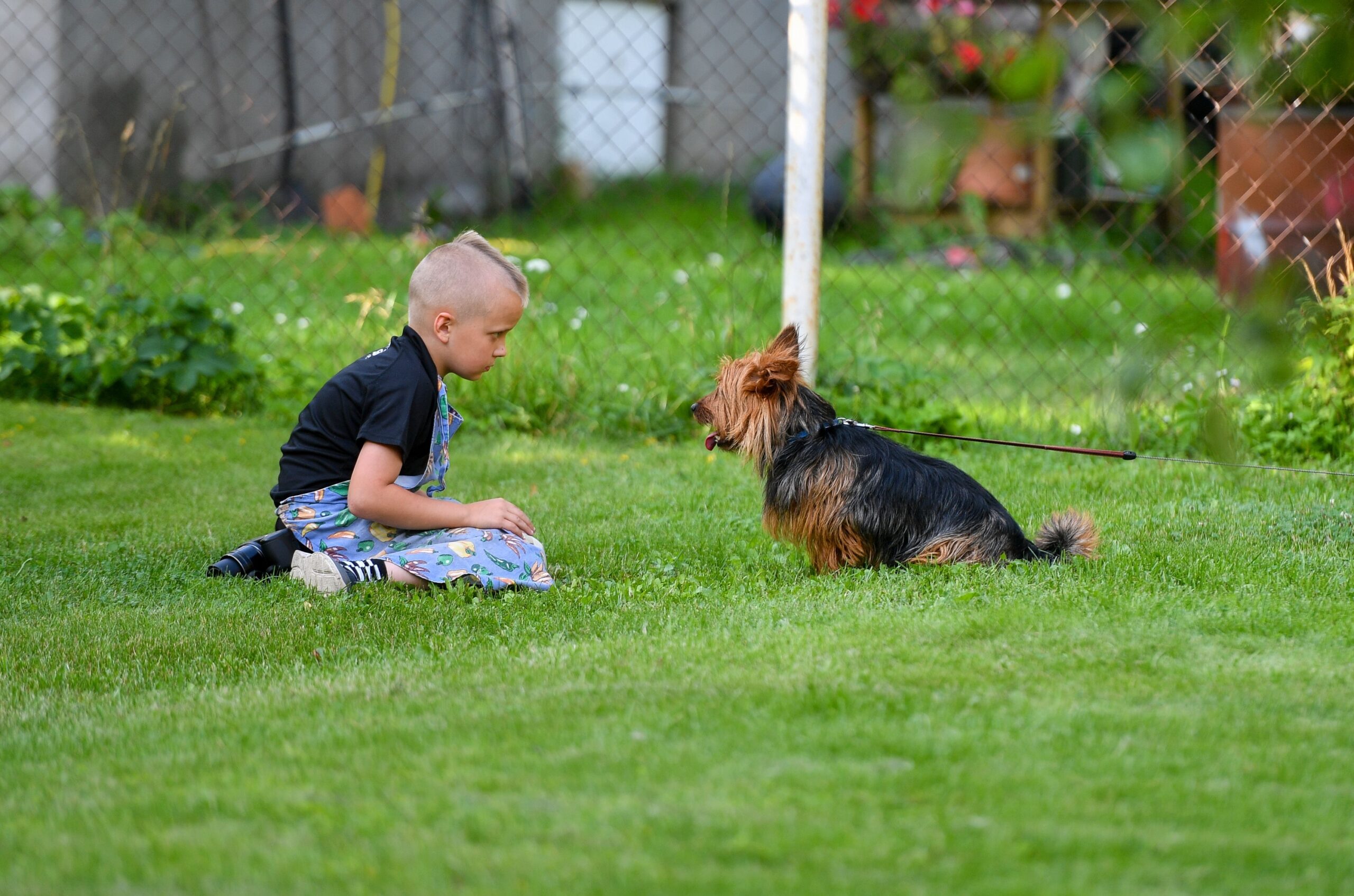
In 1993, the rule was simple: if the dog was anywhere in the room, the kids were safe. Grandma said so. The pediatrician never argued. Nobody wrote it down because nobody thought they needed to.
Then the lawsuits started piling up. The average dog bite claim now costs insurers more than $69,000, and when you trace the paper trail back, it almost never starts with a stray dog on the street. It starts in a living room, with a family pet, under a parent’s watchful eye – or what used to pass for one. Veterinary behaviorists, pediatric surgeons, and the AVMA have spent the last three decades quietly tearing up almost every rule your parents followed. Some of what’s changed will make total sense to you. A few of these will genuinely make you uncomfortable.
#1 – Being In The Same Room Is No Longer “Supervision”

In the 1990s, if a parent was home while a kid played with the dog, that counted as watching them. Cooking dinner ten feet away while the dog and toddler wrestled on the kitchen floor? Perfectly normal.
That standard is dead now. Experts draw a hard line between passive and active supervision – being in the room while your attention is elsewhere doesn’t count anymore. It can take a split second for a tail wag to turn into a snap, which is exactly why trainers now insist on active watching, prevention of high-risk setups, and reading a dog’s stress signals in real time, not after the fact.
#2 – “He’s Never Bitten Anyone” Is No Longer A Safety Guarantee
Parents in the ’90s let their guard down the moment a dog logged a few “safe” years with the kids. That logic is now treated as a genuine mistake, not a reasonable shortcut.
Do not assume a dog is “safe” and “will never bite.” It’s important to continue to monitor the relationship, as it can change over time.
American Kennel Club
A dog’s tolerance isn’t fixed. It shifts with age, pain, illness, and stress, which means last year’s gentle family dog can react completely differently this year – regardless of breed, size, or a spotless track record. Modern guidance treats every single interaction as a fresh risk, not a settled fact.
Fast Facts
- Average dog bite liability claim now tops $69,000
- A dog’s tolerance can shift with age, pain, illness, or stress
- Most reported bites involve a familiar family pet, not a stray
- Modern guidance treats every interaction as a fresh risk, not a settled fact
#3 – Dogs Sleeping In A Child’s Bed Is No Longer Casually Encouraged

Letting the family dog curl up next to a kid at night used to be the picture of wholesome bonding. Pediatric surgeons now flag it as one of the riskiest habits in the entire house.
Here’s the unsettling part: some of the worst bites on record happened when a sleeping dog was startled awake, either by a child rolling into it or jostling it mid-dream. A dog jolted out of sleep in tight quarters has almost nowhere to retreat – and retreat is exactly what modern behaviorists say every dog needs available to it at all times. That’s part of a bigger philosophy shift: giving dogs an “out,” rather than trusting affection alone to keep everyone safe.
#4 – Letting Kids Put Their Face Right Up To The Dog’s Face Is Now A Top Warning
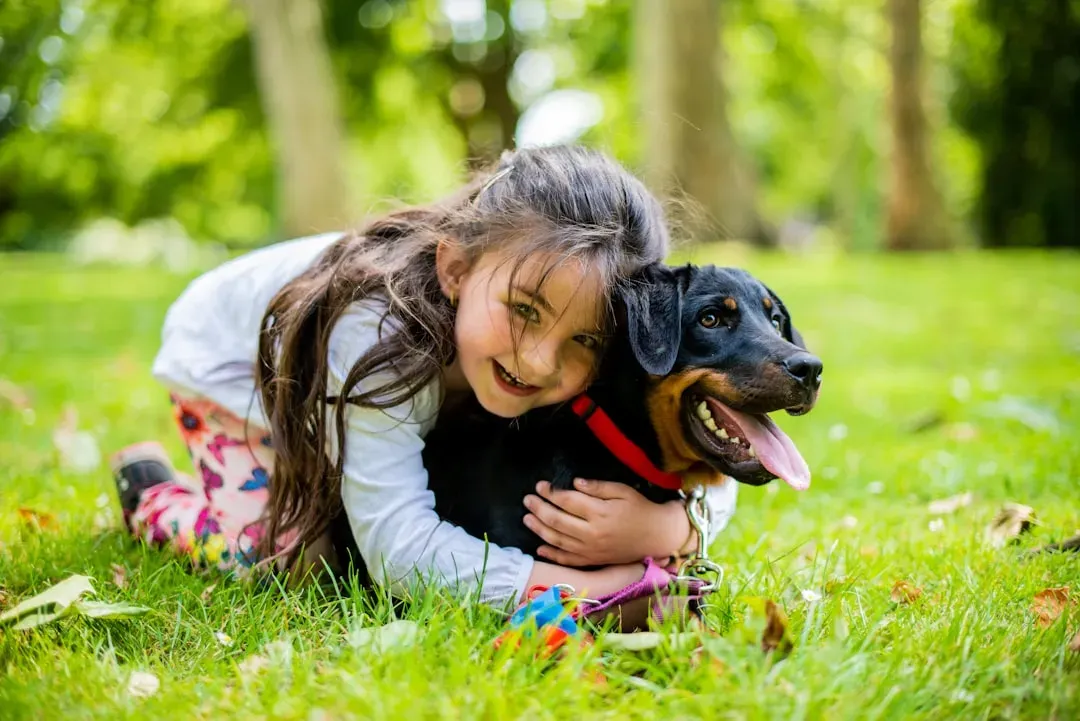
It was practically a rite of passage in the ’90s: a kid pressing their nose against the family dog’s snout for the perfect photo. That exact pose now shows up as a warning in nearly every modern child-safety guide.
The math behind it is grim. Children under six are more commonly bitten on the head, neck, and face than anywhere else, mostly because their faces are already sitting at dog height during these moments. “Stop putting your face in her face” used to be a mom-ism you learned the hard way. Today’s experts want that rule taught proactively, before the lesson gets learned in an ER waiting room.
#5 – Hugging The Dog Is No Longer Considered Harmless Affection

Every ’90s family photo album has one: a kid wrapped around the dog’s neck in a full-body hug. Trainers now consider this one of the most misunderstood risks in the entire household.
Most dogs simply don’t like hugs – it’s not that they hate affection, it’s that a hug traps them with no way to step back. Modern advice reframes the whole idea: teach kids to wave, blow a kiss, or gently pet the dog instead of wrapping their arms around it. The logic is choice. A dog that can walk away if it wants to is a dog far less likely to ever need to snap.
#6 – Roughhousing And Tug-Of-War Are No Longer “Just Play”

Wrestling with the dog on the living room floor used to pass for good exercise and healthy bonding. Pediatricians now list it as a direct pathway to bites, full stop.
The guidance is blunt: no tug-of-war, no wrestling, no aggressive games, because even a dog with zero bad intentions can overshoot once it’s overstimulated. This isn’t about a “bad” dog – it’s about arousal spiraling past the point either side can control. Vets now treat overstimulation as its own distinct bite trigger, ranking right up there with fear and resource guarding.
#7 – Punishing A Dog For Growling Is Now Considered A Mistake

For decades, a growling dog got scolded, swatted, or dragged out of the room. Behaviorists today say that response is exactly backward – and possibly more dangerous than the growl itself.
A growl is the dog telling you precisely where the line is before it ever gets to teeth. Punish that warning out of existence, and the next escalation skips a step straight to biting. Modern trainers treat a growl as valuable information, not disobedience – a mindset that would have sounded absurd in most 1990s households, where a growl meant trouble for the dog, not a signal to back off.
#8 – Waiting For A Growl Is No Longer Considered Good Enough

Even parents who’ve stopped punishing growls are being asked to go further. The bigger shift is this: most bites aren’t treated as sudden anymore. They’re treated as ignored warnings that started long before any sound came out.
Most dog bites are preceded by a warning, and that warning almost never starts with a growl – it starts with subtler signals most 1990s parents were never taught to notice. A head turn, a lip lick, a body going still. One of the most common mistakes adults still make is assuming a dog will clearly announce when it’s had enough, when in reality the announcement usually happens quietly, long before anyone’s paying attention.
Worth Knowing
- Head turned away or a sudden hard stare
- Lip licking with no food anywhere nearby
- Body going still or freezing mid-motion
- Whites of the eyes showing (“whale eye”)
- Tail held low, stiff, or tucked
#9 – “It’s A Good Breed, So It’s Safe” Is Now Considered False

The ’90s ran almost entirely on breed stereotypes – some dogs were “family dogs,” others were assumed dangerous by default. Every major veterinary body now rejects that framework outright.
All dogs, regardless of breed or size, have the potential to bite. The AVMA is explicit that any dog can bite, and it actively opposes breed-specific legislation for targeting breeds that are simply assumed to be dangerous. Families still picking a “safe” breed based on old assumptions may be skipping the actual habits that prevent bites – supervision, boundaries, reading body language. As the saying goes in veterinary circles: if it has teeth, it can bite.
#10 – Homeowners Insurance Companies Are Now Rewriting Their Own Breed Rules
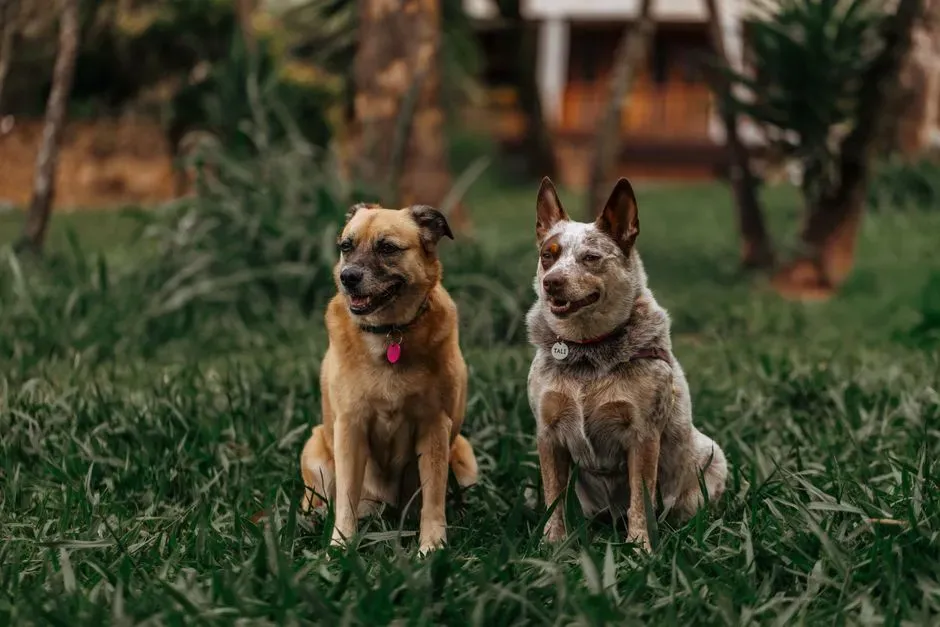
In the ’90s and 2000s, owning a Rottweiler or a Doberman could quietly get your homeowners insurance application denied – no bite history required, no questions asked. The breed name alone was enough.
That practice is being dismantled state by state. The National Council of Insurance Legislators passed a model act in 2022 restricting the use of breed as an underwriting factor, and twenty-two states have now banned breed-specific legislation entirely. States like Nevada, New York, and Colorado require insurers to judge the individual dog – bite history included – instead of the label on its paperwork. A family that lost coverage over a breed name in 2005 might get a completely different answer today.
At a Glance
- NCOIL’s 2022 model act discourages insurers from using breed alone to deny coverage
- 22 states have now banned breed-specific insurance restrictions
- Nevada, New York, and Colorado require insurers to evaluate the individual dog, not just its breed
- A denial that was automatic in 2005 now typically requires actual bite history as evidence
#11 – Letting Kids Approach Any Friendly-Looking Dog Is No Longer Acceptable
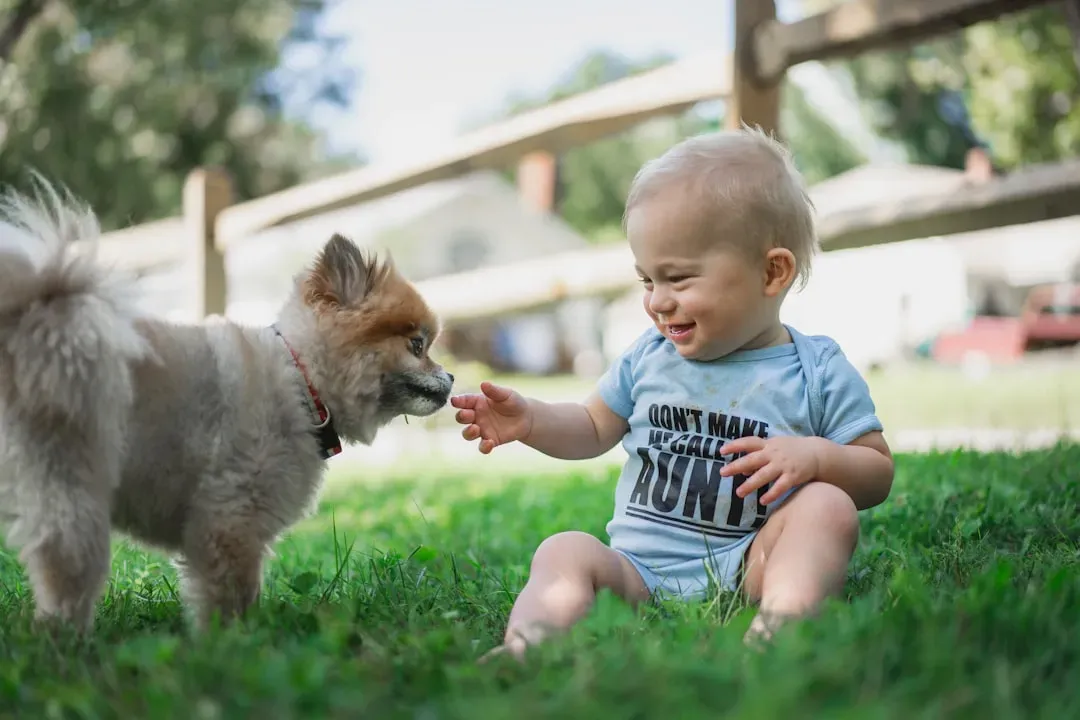
Running up to pet a strange dog at the park used to be normal kid behavior – even encouraged, as a way to “socialize” children with animals. Nobody blinked at it.
The rule now is permission first, every time, no exceptions. Ask before petting – “May I pet your dog?” – and that applies to kids specifically, with the AVMA stating plainly that children should ask an owner’s permission before touching any dog. Even reaching through a fence to greet a dog, once a common playground habit, is now actively discouraged. A hand appearing suddenly in a dog’s space, even a friendly one, is treated as a real risk instead of harmless curiosity.
#12 – Dogs Are Now Given Designated “Escape Zones” From Kids

In the ’90s, the family dog went wherever the family went – no off-limits rooms, no guaranteed quiet corner to retreat to. Today’s safety experts look at that setup and see a design flaw, not a lifestyle choice.
The modern standard is built entirely around retreat, not tolerance. Avoid cornering a dog, especially around kids – make sure it always has an escape route and is never forced to interact. Baby gates and crates, once used purely for house-training, are now marketed as bite-prevention tools in their own right. Giving a dog a guaranteed child-free zone is treated the same as food and water: a basic need, not a luxury.
#13 – “Never Leave Them Alone, Even For A Second” Went From Suggestion To Absolute Law
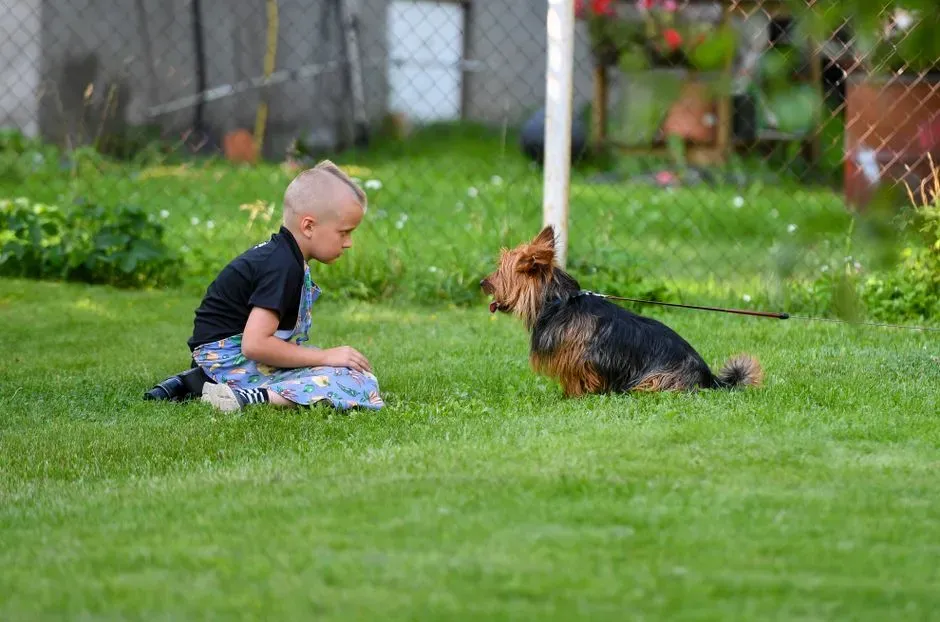
This is the rule that ties every other change together, and it’s shifted the most since the 1990s. Back then, stepping out of the room “for a minute” was completely normal. Now it’s treated as the single biggest preventable cause of childhood dog bites in the country.
The numbers back that up hard. More than 4.5 million people are bitten by dogs every year in the U.S., and of the roughly 800,000 who need medical attention, at least half are children – who are also far more likely to suffer severe injuries to the head and neck. Most of those bites happen during ordinary, everyday moments, with dogs the child already knows. Every major authority now repeats the same line with zero exceptions carved out for “good” dogs: never leave a baby or young child alone with a dog, period.
Quick Compare
- 1990s assumption: A family dog is inherently safe around kids, no supervision required.
- Current data: At least half of the roughly 800,000 bite victims needing medical care each year are children.
- 1990s assumption: Stepping out for “just a minute” is harmless.
- Current guidance: Never leave a baby or young child alone with a dog, period.
The Bottom Line
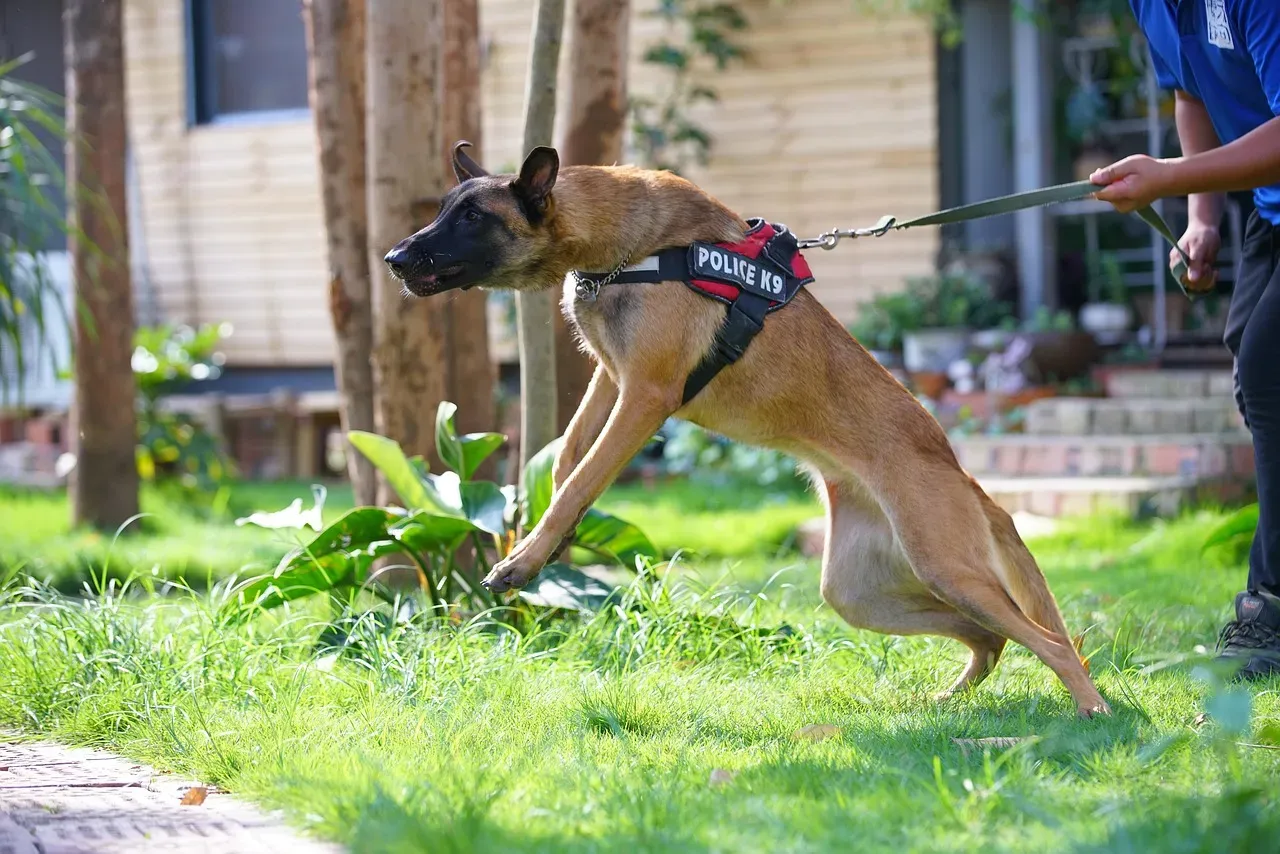
The ’90s treated dog bites as bad luck – a freak accident nobody could have seen coming. Today’s experts treat them as predictable, preventable failures of supervision, and the numbers back that up hard: half of all serious dog bite victims are kids hurt by dogs they already knew and loved.
Hugs, face-kisses, tug-of-war, “he’s never bitten anyone” – all of it quietly moved from wholesome to risky in a single generation. Honestly, most of this feels like common sense finally catching up to the data. But a few of these, like discouraging hugs outright, still strike plenty of parents as overkill for a dog that’s never so much as growled. Which of these 13 changes surprised you the most? Did your family break every single one of these rules growing up? Tell us in the comments.


